The Fragility of Human Connections

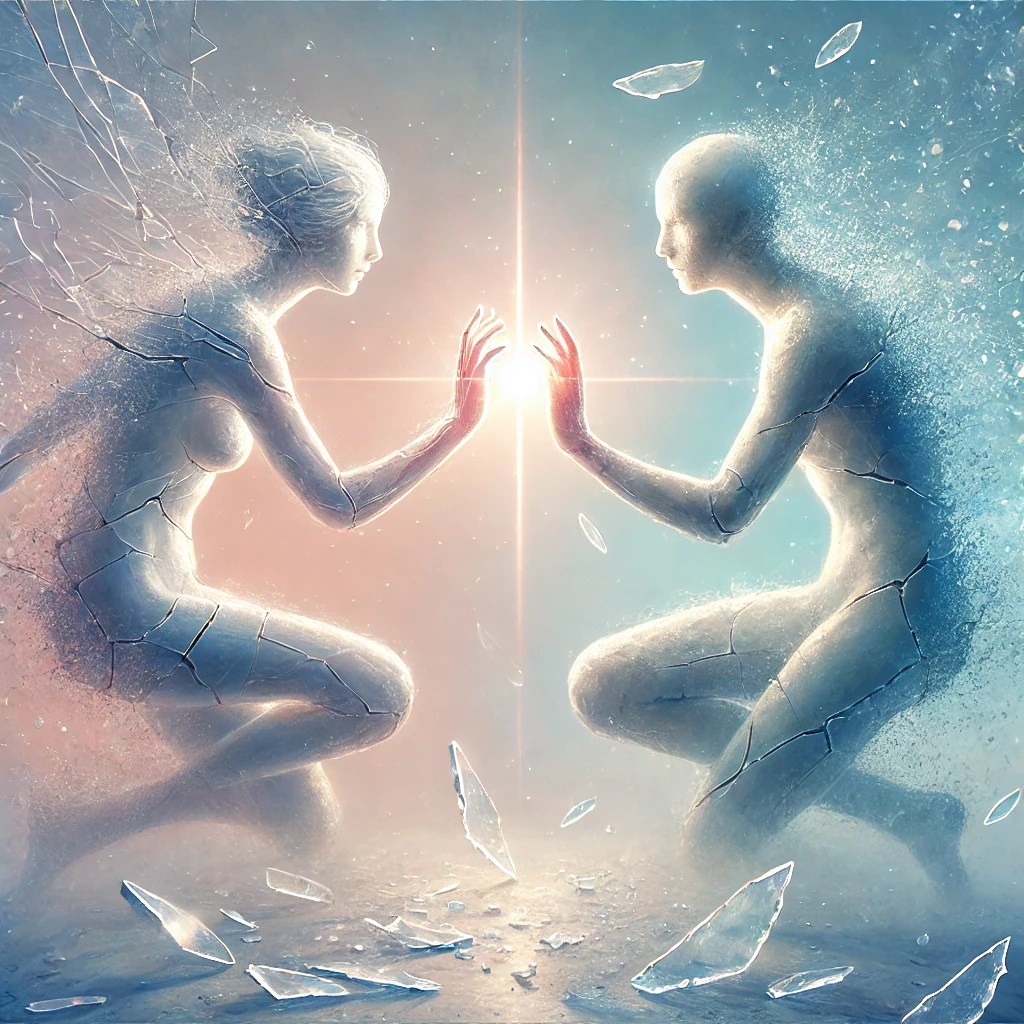
I have witnessed friendships and relationships that bloomed beautifully only to die a harsh and painful death. I saw roses grow from cracks in concretes and then plucked prematurely by those who were supposed to water them. I have watched flowers starve and wings clipped. I have seen Kings slandered and soldiers slain symbolically, their characters lynched. I have observed how secrets spill into the streets when people no longer want to keep them. I have watched Queens shatter other Queens’ crowns instead of fixing them. I have seen people with tribes of men suddenly walking alone. I have witnessed safe spaces become hazard zones. Is it better to have connected and lost or not connected at all?

What would happen if this blog faded away into oblivion? Would it even make a sound?

Dear Self-Publisher, How Your Book Looks Inside Matters Too: Don’t Forget Typesetting

By now, we know how important it is to have a dope book cover for our Self-Published book.

But it’s not always the book cover that gives a book away that it’s Self-Published. Sometimes, how the book looks inside makes it look homemade.

Typesetting: the spacing between words and letters, the font type & size, the page’s trim size, margin, and overall layout.

Grab a book that has been traditionally published (or professionally Self-Published!) and look over the pages. Take note of how it appears on the inside. Look at how tidy the words are! How are the left and right edges aligned, the typefaces are the same, and the paragraph spacing is perfect?

This is the result of expert typesetting.

Many Self-Publishers skip this stage. We don’t realize it because we submit the Word or PDF file we used to compose the book to our preferred print-on-demand.

But what’s wrong with that?

There is nothing wrong with that, except our manuscripts do not print exactly as we type them in Word, Google Docs, or Scrivener. The document requires proper typesetting and formatting for print and digital devices like Kindles and Tablets.

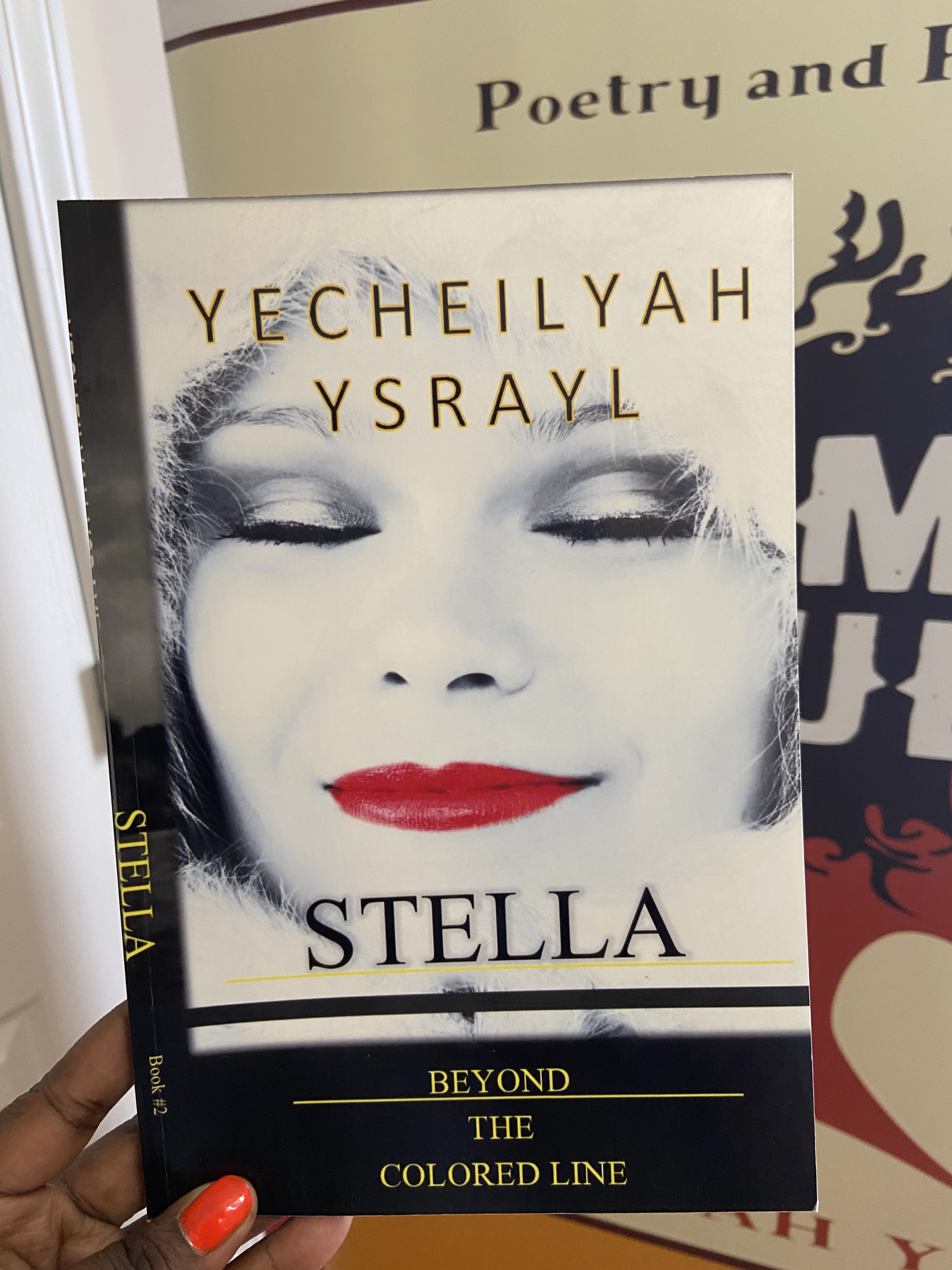
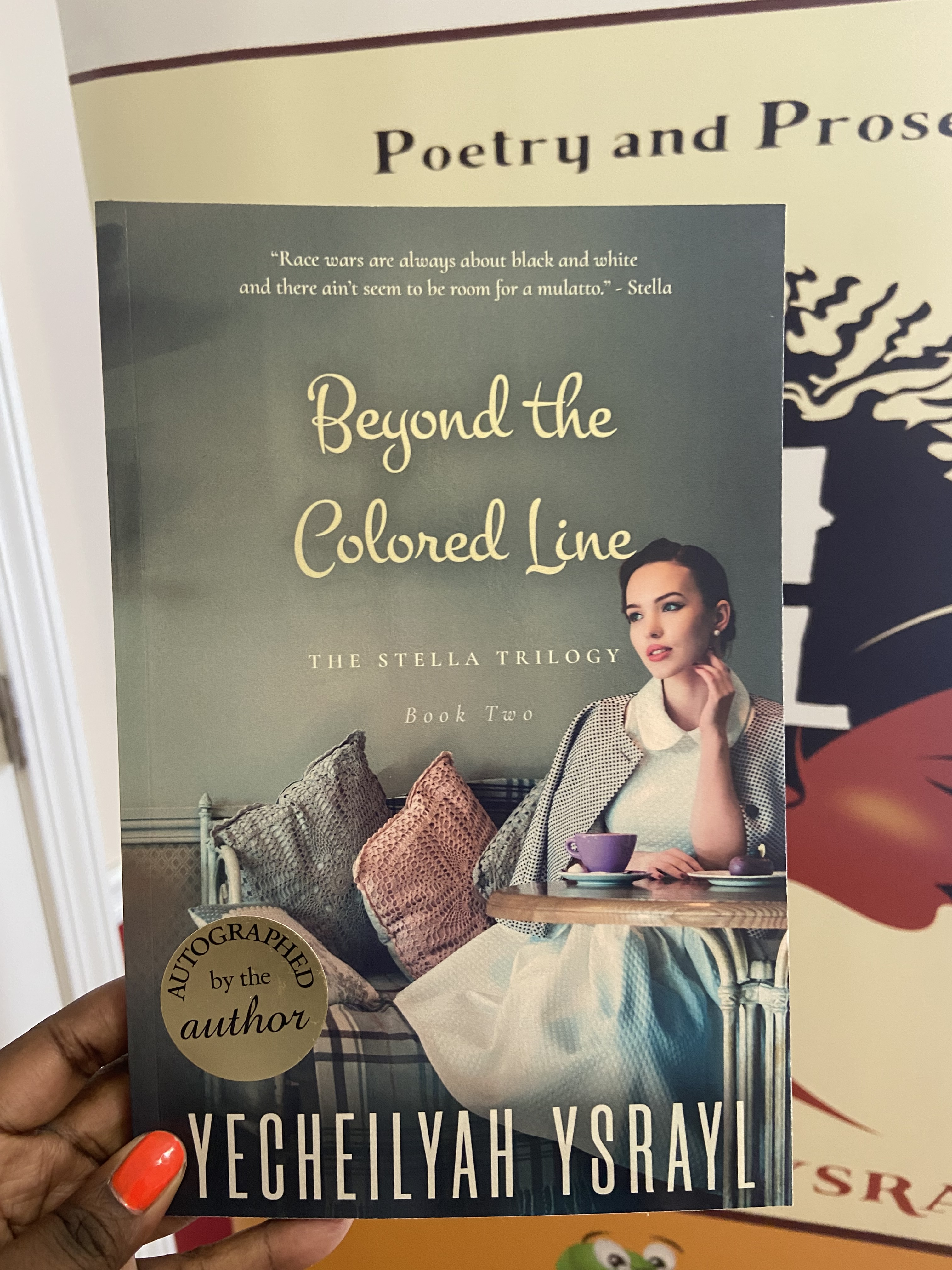
The cover of your book may suffer from a poorly formatted book. Take a look at book two in The Stella Trilogy, first edition.

I actually like the initial cover image. The problem is with the rest of the book.

Do you notice how the spine is twisted? Because the book was too short to have a spine, this occurred. Giving it one, nonetheless caused it to wrap around and face the front.

I didn’t realize the book needed more pages for a full spine because I’m not a graphic artist or skilled book cover designer.

While this cover image doesn’t pop as well as the first (IMO), the book is professionally bound. The alternate ending made the book long enough for a spine in the revised edition. The book features a more professional cover, professional formatting, and professional editing.

Recommendation. Before having your entire cover designed, wait until your book has been edited and properly typeset. Your graphic artist will require the precise number of pages and trim size to create a cover, back, and spine that perfectly matches the book.

Moral. Before hitting publish, make sure to hire a skilled typesetter to correct the placement of your text on the page.

If you want to try it yourself, here are some sources:

  • Reedsy Book Editor
  • Adobe In-Design
  • Microsoft Publisher
  • Vellum
    *Fiverr. Note: Professional typesetters can be found on websites like Fiverr. Make sure they are typesetting rather than just typography, though. Typefaces and other decorative elements make up typography. That’s not typesetting. Additionally, if they are only using Vellum, you can do it on your own by simply purchasing it.

Click Here to Check out More Indie Author Basics

Indie Author Basics streamlines and simplifies self-publishing so you can publish high-quality books without pulling out your hair.

Genuine Connections Will Take You Places Money Won’t

Since we live in a capitalist society, money is the first thing we think about when wanting to go places or do something, and if we don’t have the money, we become hopeless.

And I get it. You need money for everything. Not even a charity can run without funding. What kind of society makes it so you can’t even help people without money?

However, there are two other things we have that can make things easier:

  • Our mind
  • Our connections

Many people ask me about my self-publishing journey, and I can tell you it has been challenging. Nothing about self-publishing is easy, even now. However, what has made it easier is my connections with other people.

December, 30, 2017

When we first moved to Georgia, my husband and I visited the Nubian bookstore in Morrow. Every two weeks or so, we would buy books until we developed a relationship with the owner Marcus. As two nerds, we had no other agenda but to buy as many books as our wallets could afford and our arms could carry.

Two months later, I asked Marcus how I could get my own books into his store. (It had not occurred to me before then.)

To my surprise, we worked out a consignment deal on the spot and put my books on the shelf.

Then, he told me about the Medu Bookstore in Atlanta and referred me to Nia. I submitted I am Soul, which had to go through a review process. 

This is why…editing.

June 13, 2018

A couple weeks later, I got the call that I had passed the review board, and just like that, I was in two bookstores.

While hosting a book signing, I met a guy who told me there was a Barnes and Noble that accepts self-published books. He said I should check it out. I did, and a few moves later, I was in B&N.

Of all the advice I’ve ever given, this is probably the most important:

Building genuine connections and relationships with people can take you places money won’t.

It will allow you to skip steps you would otherwise have taken.

June 16, 2021

Once I am Soul passed the review board, The Women with Blue Eyes didn’t have to go through them to get on the shelves because they trusted me to deliver high-quality work.

In this season, instead of mindlessly scrolling social media, consider ways of leveraging your connections for more growth.

Something to think about.

Check out more Indie Author Basics Here

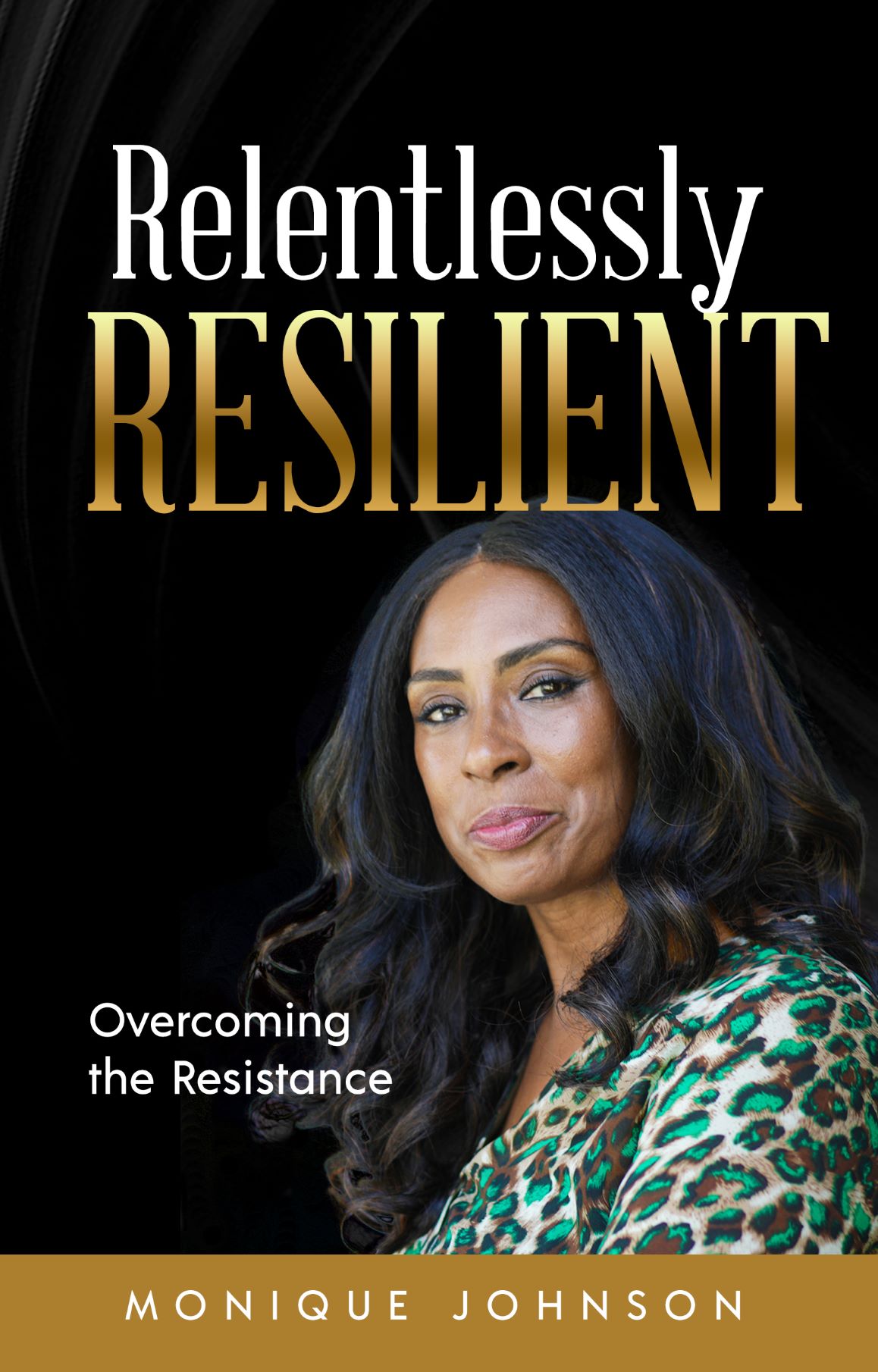
Yecheilyah’s Book Reviews: Relentlessly Resilient: Overcoming the Resistance by Monique Johnson

Title: Relentlessly Resilient: Overcoming the Resistance
Author: Monique Johnson
Publisher: Monique Johnson
Published: July 4, 2022
Pages: 193

In Relentlessly Resilient, the author gives us an unflinching look at her life as a young woman enduring trial after trial and her resolve to overcome all the hurdles thrown her way. Seduced by the cute, play-boy, roughneck types, Monique learns the hard way that looks can deceive when a boy she falls for forces himself on her.

From the trauma of sexual assault, becoming a young mother, battling diabetes, and much more, this book kicks into gear quickly, starting with a series of tumultuous relationships, including dating a guy who had become addicted to drugs. I grew up around many addicts in the projects, including my parents, so I know their ways and could empathize with how she felt about the disappearing acts and stolen TV.

When she went to get the stolen bike back from the dealer, I was yelling at the book at this point. Girl, what are you doing? But nothing happened, to which the author credits her faith. The dealer actually gave her the bike back. Whew. That was close.

I enjoyed the author’s candor when discussing her thought patterns during these challenging times and talking us through the lessons she learned. One of the most important ones involved her son, Tyrell. Although she was working hard and providing for her son’s needs physically, she projected the stress she took on onto him every time she yelled at him to get ready or couldn’t spend time with him because of her busy schedule.

Relentlessly Resilient is a story I believe we can all relate to on some level. At the end of each chapter, the author shares a reflection as a final touch.

Monique’s story is a reminder of the strength of the human spirit. Constantly thrown through life’s curveballs, the author always recovers quickly and regains her strength.

Ratings:

Strong Introduction: 4/5

Authenticity / Believable: 5/5

Organization: 4/5

Thought Provoking: 5/5

Solid Conclusion: 4/5

Overall: 4/5

Now Available in Digital and Paperback

Front Cover Resize


To have your book reviewed by me on this blog apply here.

IMG_5372

Please read through the entire policy. Space is very limited so don’t sleep. Apply by sending me the first three chapters.

(For more options, such as IG promo visit the services page of my website HERE.)


Building Your Reader Community

People don’t tell new Indie Authors that publishing a book does not mean people will buy it. That is why the moment you decide you are writing your book must be the moment you also start building your community.

Building a reader community is important because it is the first step toward getting your book noticed by the people who want to read it.

Put plainly: when you focus on connecting with people, you attract a tribe of people ready and excited to buy your book when it drops.

This is critical for Indie Authors, in particular, who do not always have access to the same kind of exposure as authors who publish with publishing houses or small presses with bigger budgets.

No, people will not buy your book just because you posted the link. 

No, people will not buy your book just because you’re their favorite cousin. 

And no, people will not buy your book because you tell them to. 

Please also consider that even if your favorite cousin does buy your book, it doesn’t guarantee that they will:

  • Actually read the book
  • Review the book
  • Join your email list
  • Subscribe to your blog
  • Engage with your social media
  • Be repeat customers

Your real tribe, primarily strangers interested in what your book is about turned avid readers you have built a relationship with, will move differently than the family members you are begging to buy from you. 

Here are some things you can do to help find your tribe :

  • Share your writing process. 
  • Give updates on where you are in that process (draft, revisions, editing)
  • Talk about your inspirations and motivations
  • Talk about your challenges
  • Post excerpts from the book to social media
  • Start a blog
  • Start building your email list
  • Educate people about the book you are writing
  • Share the book cover when it’s ready
  • Talk about life outside of books and writing. What are your other interests?
  • Talk about your favorite books and authors

I agree. Building community is not about working tirelessly trying to convince people to read your book who would rather spend that $5 at Starbucks. That’s exhausting and is the frustration of many Indie Authors. That’s that pulling teeth part of the game everyone hates. Suppose building your community feels like you are pulling teeth. In that case, it is probably because you are begging people to support you who are not interested. Do them and yourself a favor and let them go in peace.

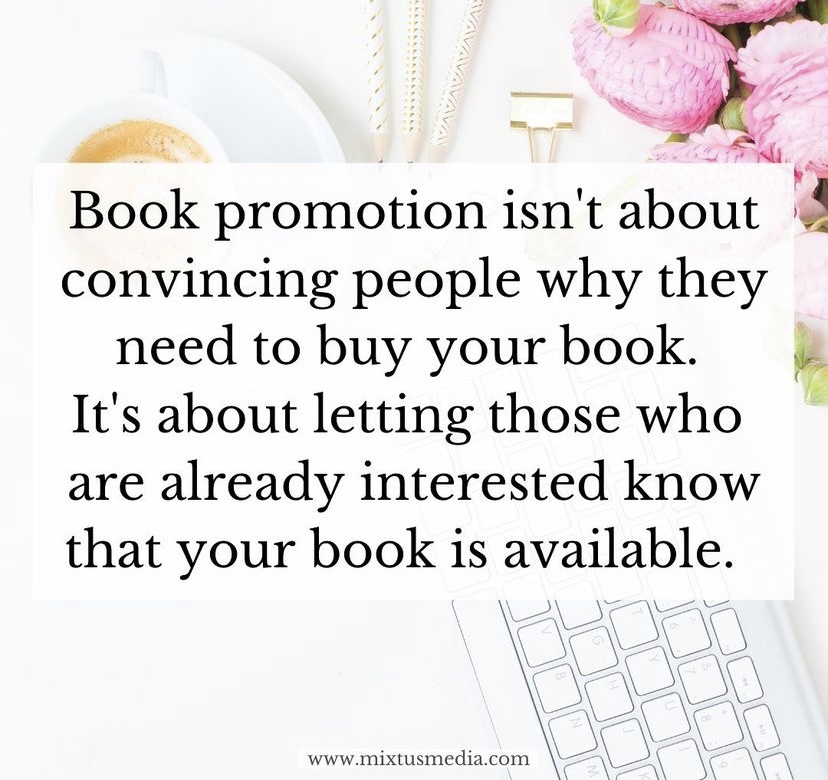
What it is about, as Jenn stated, is letting the people already interested in your book know it exists.

I am not trying to get people who are not poetry readers to read my poetry book to put this into perspective. That is not to say I won’t convert some people (tee hee). Still, I am looking for people who are already into poetry, black poetry by black women to be precise.

By sharing our likes, dislikes, challenges, and experiences and connecting with people of like mind, we find people with similar interests as our own. Then, we make the added effort to show up in the places where these people may hang out so we can connect with them on or offline. Maybe your tribe is on Facebook a lot. Maybe they are on YouTube, Instagram, Clubhouse, Twitter, and so on.

It’s 2022, and Indie Publishing has come a long way. Gone are the days of posting links to social media hoping someone will bite. This is known as “Hope Marketing,” or the hope for a sale. This doesn’t help us build community, sell books, or establish meaningful relationships. 

Focusing on people who are already into what you are writing will have a tribe of people waiting to buy your next book and save you a lot of time and heartache.

Remember, it is much easier to market to an already interested audience than an audience who you have to convince.

And most important of all, have fun!

Connecting with people is not supposed to be tedious. Building a reader community doesn’t have to feel like work. That takes the fun out of it. Just be yourself and share your journey. The people who are meant to be part of that journey will notice.


Need More Guidance? I Can Help! Click Here.


Yecheilyah’s Book Reviews – Storm Wrack and Spindrift (Remnants Book 3) by Margaret Pinard

Title: Storm Wrack & Spindrift (Remnants Book 3)

Author: Margaret Pinard

Print Length: 259 Pages

Publisher: Taste Life Twice Publishing

Publication Date: December 2, 2019


About.

The MacLeans have suffered being thrown off their land, emigrating to the New World, surviving in the forest wilderness, and losing their father Gillan in a bizarre murder. Now, ten years later, the two youngest emigrants will split the family across an ocean.

Sheena pursues a future back in Scotland with her husband Gordon Lamont. Alisdair dreams of university and a chance to reform the political system in the colony that denied him justice for his father’s death.

But the British Empire of the 1830s has yet more obstacles to throw in their path. When the only school in the province only accepts Anglican students, what will Alisdair do? When Sheena finds herself in a role of authority over families like her own, how will she cope with the isolation?

And when both their hopes of peace and stability are dealt a telling blow, how will they stay true to their fighting spirit?

STORM WRACK & SPINDRIFT is a dramatic story of family survival and personal struggle set against social upheaval. While voter enfranchisement was advancing in London, and slavery finally outlawed in the Empire, the tiny stage of rebellion in a backwoods colony farm could still have deep repercussions. Every life is precious, every decision important–which is why the early struggle for Responsible Government and other civil liberties continues to encourage us today.

I enjoyed reading about the MacLean family, especially since the author did an excellent job transporting readers to the era of the 1830s. The descriptions and dialect are authentic, and any lover of historical fiction would enjoy the natural flow of reading. I enjoyed the back-and-forth between Sheena’s experiences in Scotland and Alisdair’s challenges with the family on the farm.

I sympathized with his conflict with wanting to study law but not wanting to leave the family who needed his help. The characters are undoubtedly the stars of this book. I love children, so I am fond of Mairi and her bond with Grannie. They are so sweet together, and even though Neil (Mairi’s dad) is sad, the author does an excellent job portraying his misery. Speaking of grief, prepare yourself. This book has its moments.

I was glad to hear about the Slavery Abolition Act, which ended slavery in most British territories and freed over 800,000 enslaved Africans in the Caribbean, South Africa, and a small number of people in Canada. It received Royal Assent on August 28, 1833, and took effect on August 1, 1834. (Henry, 2020) The government compensated slave owners for the value lost from freeing enslaved people, and the character Sheena was not having it.

“And is there any proposed fund for the slaves, since by abolishing slavery, we admit we had no right to own other people in the first place?”

“Well no—”

“No, of course not.”

I liked the detail about Rhoda, Sheena, and Gordan’s widowed housekeeper participating in abolitionist demonstrations and the mention of Wilberforce’s death. William Wilberforce, a British politician, philanthropist, and pioneer of the anti-slavery movement, died in 1833. By describing Rhoda’s relationship with Wilberforce in detail and illustrating how his death affected her, the author was able to relate Wilberforce to the family on a personal basis.

While I enjoyed this story, for me, it cannot be read as a standalone novel as marketed. As the third book in the series, I felt a bit lost initially because it felt like something was missing, such as everything leading up to the MacLean’s family’s life on the farm.

The epilogue is intriguing, and I wonder if the author would consider adding another book to the series, possibly centered on the experiences of Mairi.

Plot Movement / Strength: 3/5

Entertainment Factor: 3/5

Characterization: 5/5

Authenticity / Believable: 4/5

Thought Provoking: 4/5

Overall: 3/5

Storm Wrack & Spindrift (Remnants Book 3) is available now on Amazon!

Yecheilyah’s Book Reviews – Learn to Love: Guide to Healing Your Disappointing Love Life by Dr. Thomas Jordan, Ph.D

Title: Learn to Love: Guide to Healing Your Disappointing Love Life

Author: Dr. Thomas Jordan, Ph.D

Print Length: 132 pages

Publisher: Book Baby

Publication Date: December 16, 2019


Clinical psychologist Dr. Thomas Jordan Ph.D. offers various suggestions for how couples might enhance their romantic relationships in his book Learn to Love: Guide to Healing Your Disappointing Love Life. He demonstrates how those earlier love experiences have impacted our current perception of relationships going all the way back to conception using a psychological blueprint.

He uses his personal life experience to show how what we learn in our family shapes our experience of interpersonal reality when we become adults. (Jordan, 92) Dr. Jordan challenges readers to identify what they’ve learned, question what they’ve learned, and then try something new. As you can tell, Dr. Thomas’ explanations are easy-to-understand, and his examples are clear and concise.

One of his most important points is about learned beliefs, behavior, and feelings. Jordan asserts, for example, that if what we’ve learned about love was unhealthy growing up, we will unknowingly, somewhat subconsciously, repeat what was unhealthy in our adult relationships. The key here is what you believe about love relationships will shape your experience.

Suppose someone taught you to think relationships are dishonest because you experienced dishonesty growing up. If you are unaware of this learned belief and have not made changes, chances are your current relationships will recreate dishonesty and generate a feeling that someone is deceptive.

This same thing can apply if you’ve felt abandonment (loss), exploitation (used), abuse (fearful), mistrust (suspicious), controlled (trapped), neglect (deprived), dependency (needy), and rejection (rejected). According to Dr. Jordan, these are among the unhealthy traits we learn and unconsciously recreate in our love relationships if we have not healed from them. Another critical detail Dr. Jordan makes is how we become defensive to avoid vulnerability.

The vulnerability allows people to get to know us better because we have let them in. People shy away from opening up in this way because we cannot be vulnerable without risking unintentional hurt occasionally. What is meant by “unintentional?” There will inevitably be differences between you and the person you are in a relationship with, disagreements, different perspectives, and opinions. These differences are inevitable. There is no escaping it. According to Dr. Thomas, one cannot be in love without feeling unintentional hurt based on differences.

So then, why is “falling in love” worth it? Dr. Thomas has an interesting answer: Because we all have a natural ability to heal. The risk of falling in love is more tolerable and less stressful when we believe in our innate ability to heal. “If hurt leads to loss, we can grieve, heal our hearts, and move on.” (Jordan, 55)

We can avoid pain altogether by not opening up, but being defensive in relationships interferes with our ability to give and receive love. Dr. Thomas notes that love as an emotion is unpredictable and uncontrollable; hence, we “fall in love,” the connotation is that we have lost control. Because of losing control, we risk getting hurt. We avoid this hurt in attempting to achieve a love relationship without being vulnerable, which is not possible.

“Vulnerability is the emotional experience that shows you are open to giving and receiving love.” – Dr. Thomas Jordan

This understanding took me back to the 80/20 rule. It is a lot to expect to receive 100% good from one person because we all have trauma and baggage from our life experiences that we carry with us. Even in an emotionally healthy and stable individual, you might only get 80% of attractive traits.

Can you live with that person’s twenty percent? Or is this person’s twenty percent unbearable/intolerable? What can you realistically tolerate in a love relationship based on your conscious awareness of your own flaws and strengths, combined with your partner’s weaknesses and strengths? What flaws can you live with (accept)?

Anyone, single or married, disappointing love life or not, can learn how to heal by learning to love themselves, starting with being consciously aware of toxic patterns.

Strong Introduction: 4/5
Authenticity / Believable: 5/5
Organization: 5/5
Thought Provoking: 5/5
Solid Conclusion: 5/5
Overall: 5/5

Learn to Love: Guide to Healing Your Disappointing Love Life is available now on Amazon!


To learn more about my registry be sure to visit the Blog Book Review Policy page here.