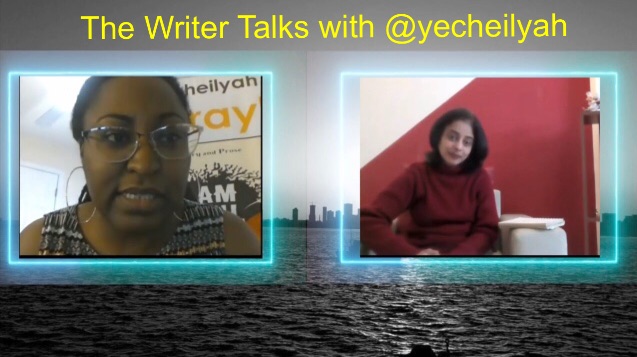
Thank you to Asha G. Kumar, host of The Writer Talks, for having me on!
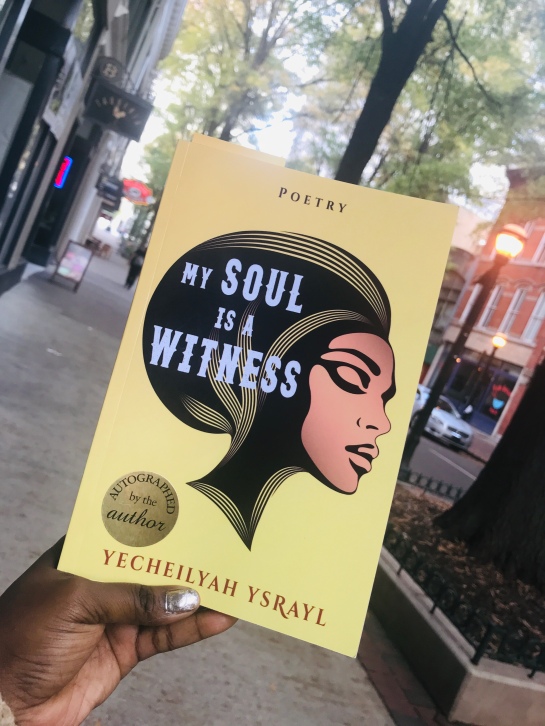
Check out Part One of this two-part interview with yours truly. In this first part, we talk about the inspiration behind my first forthcoming Urban Fantasy/SciFi/Speculative Fiction novel, The Women with Blue Eyes, my belief in aliens lol, and my latest poetry collection, My Soul is a Witness. In part two, we dig deeper into my journey as a writer, my advice to other writers, Black History, and you know I had to recite some poetry!
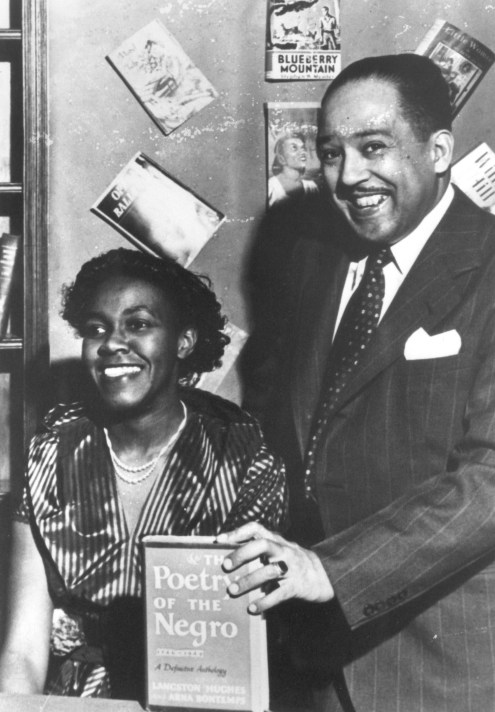
Langston Hughes and Gwendolyn Brooks at Hall Branch Library, Chicago, IL, 1949. Credit: George Cleveland Hall Branch Archives, photo 146, Vivian G. Harsh Research Collection.
I still go to libraries.
I got my first library card at the Hall Branch Library on 48th in Michigan on Chicago’s south side. I was thirteen years old and still needed my mother’s signature. I wasn’t into Black History back then. I chose this library because I wanted to check out books, and it was down the street from my grandmother’s house.
Here’s where it gets interesting.
Dr. George Cleveland Hall
Yesterday, I discovered Hall Branch was named for the renowned African American surgeon, social activist, and civic leader Dr. George Cleveland Hall (1864-1930). It was the first Chicago Public Library location with a Black branch manager, Vivian G. Harsh, who served as its first manager. We will get deeper into Hall’s background on this Friday’s Black History Fun Fact, the last one of the year.
In 1949, Langston Hughes and Gwendolyn Brooks visited the Hall Branch to celebrate the publication of The Poetry of the Negro Anthology.
On July 7, 2000, the Friends of Libraries USA (now United for Libraries) and Illinois Center for the Books designated Hall Branch as a literary landmark. This was in recognition of its promotion of African American literary culture by serving as a meeting place for such writers as Arna Bontemps, Gwendolyn Brooks, Lorraine Hansberry, Langston Hughes, Zora Neale Hurston, Claude McKay, and Richard Wright. (Learn more about the Chicago Renaissance of the Black Belt Here).
I thought I had picked this library at random and for no particular reason. I had no idea it was so rich with Black History or that it was this hub for Black writers.
This helped me to see how unique each of our journeys are. No one has walked in your shoes or experienced what you’ve experienced. No one is you, and that is your power.
Everything is a stepping stone to get us to the place Yah has destined for us, every path like a thread weaving and connecting everything together.
It would be years before I learned who Langston Hughes and Gwendolyn Brooks were, and many more years before I would publish a collection of poetry of my own.
Little did I know I was building on the same foundation as those who came before me.
Talk about the power of purpose!
Also, I still got that library card!
Have you read My Soul is a Witness? I am striving for 20 book reviews at minimum before the year is out. If you read this book, I would appreciate so much if you reviewed it! Go to the page here. Scroll down to Write Customer Review, click that, rate and review. Boom. Done.
We have already talked about one cool strategy for busy bloggers. I want to extend that conversation by making it easier for those new to blogging to discern if what you are posting is valuable and high quality.
For the record, I am not one of those who think you have to post every day, not on social media and not to the blog. Wasted time is like wasted money, so I will not post or recommend posting just for the sake of posting.
We are not doing all of that.
What we are doing is posting consistently enough to be present enough to serve our audience.
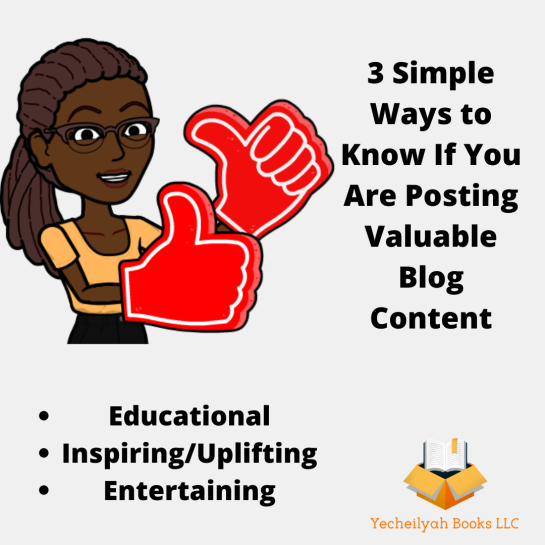
Whenever we post, we want to add value, and adding value only means educating, inspiring, or entertaining your people.
Educational
Inspirational/Uplifting
Entertaining
A fourth category could be Edutainment – Educating through entertainment. Thank me later.
To do this would mean that you must be deliberate about the content you publish.
What does this mean for blogging?
To be deliberate means to have an intentional and purposeful focus. It is the opposite of being fake and posting just to post. It means posting what is important to you and what is helpful, inspiring, or educational to others while somehow making sure it ties into your brand.
I published I am Soul on December 20, 2017. This was intentional, as December 20 is my late mother’s birthday. She was alive then, and I wanted the book to be a dedication because she had been through a lot that year.
I know value is a big buzzword these days, and sometimes it can sound so complicated, but it’s really not all that deep. Posting content of value means you are posting what will uplift, educate, or entertain. Some examples include:
Creative writing (poetry, short stories)
Promotion for Indie Authors
Posting a think piece on a hot topic
Sharing some life lessons and experiences (as it is relatable to your brand)
Posting a review of a book you read
Posting something funny
Blogging doesn’t have to be a waste of time, especially if you are not getting paid to be here. Suppose you are making money from your blog or using it as an author platform to connect with readers. In that case, you definitely don’t want to waste your time publishing ten posts a week that doesn’t add value to your life or the life of others.
Choose a few days a week you want to post and make sure you are entertaining, educating, or inspiring us.
On this day in 2016, I posted about a former slave plantation in Natchitoches, Louisiana I visited that weekend. I shared my experience on this blog, but I never made it a Black History Fun Fact. As the memory popped up in my Facebook archives, I decided to add it to the collection. Below is the original post for those of you who were not following me in 2016 and never saw this.
Originally Published on 11/28/2016
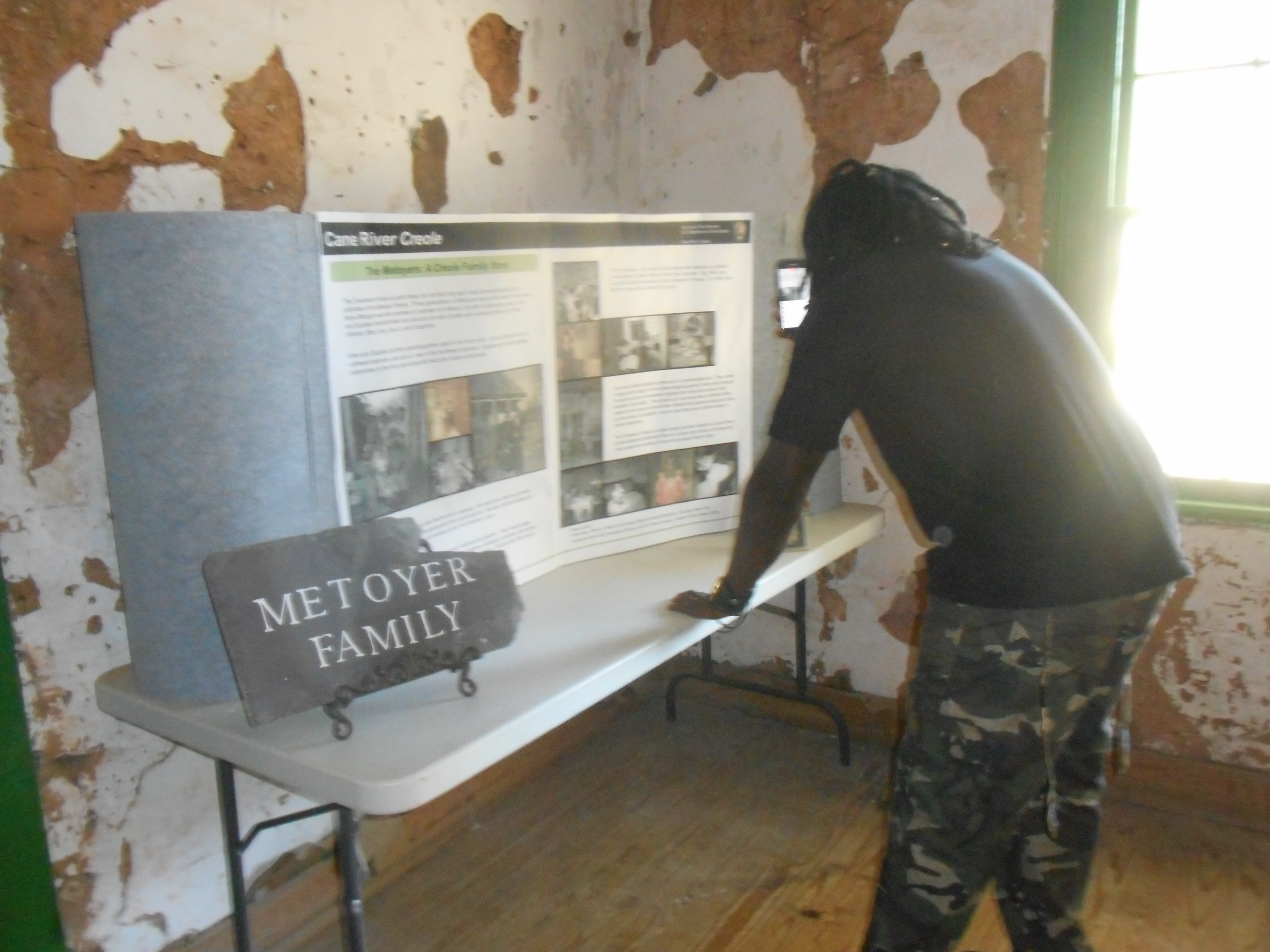
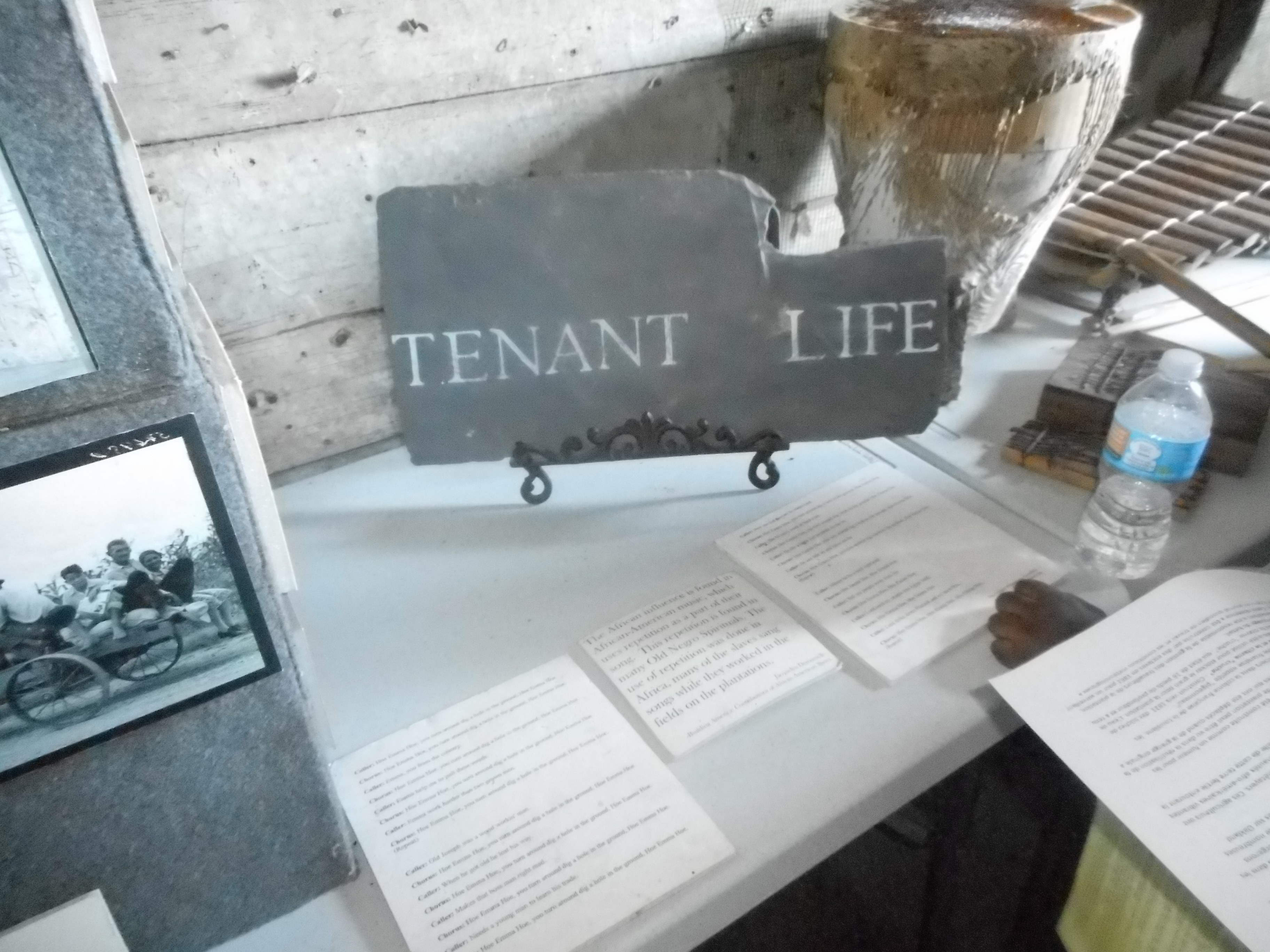
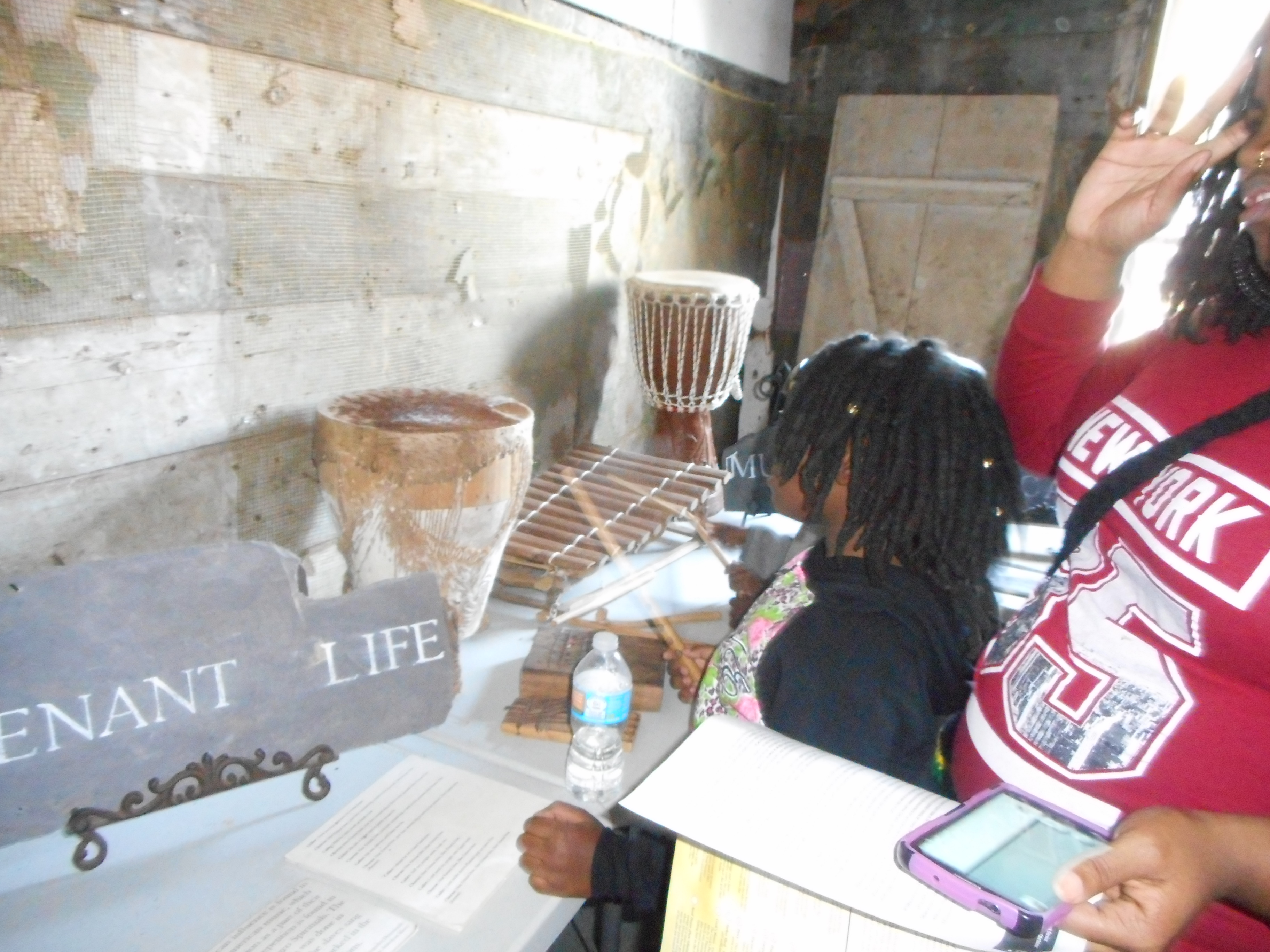
I took a week off to unplug and to spend time with my family. In addition to camping, we visited the Cane River Creole National Historical Park in Natchitoches, Louisiana.
Reading and watching movies about slavery is one thing, but touring a former slave plantation is an entirely different experience. I didn’t get very emotional, but I will say for now that gratitude is my best way of describing it—appreciation for all the comforts I enjoy in my life that my ancestors paid for with their blood. As the sun lowered and we prepared to leave, I thought about what they would be doing at this time of the day. I thought about how they’d just be coming in from the fields to prepare for their nightly routines or, perhaps, still working.
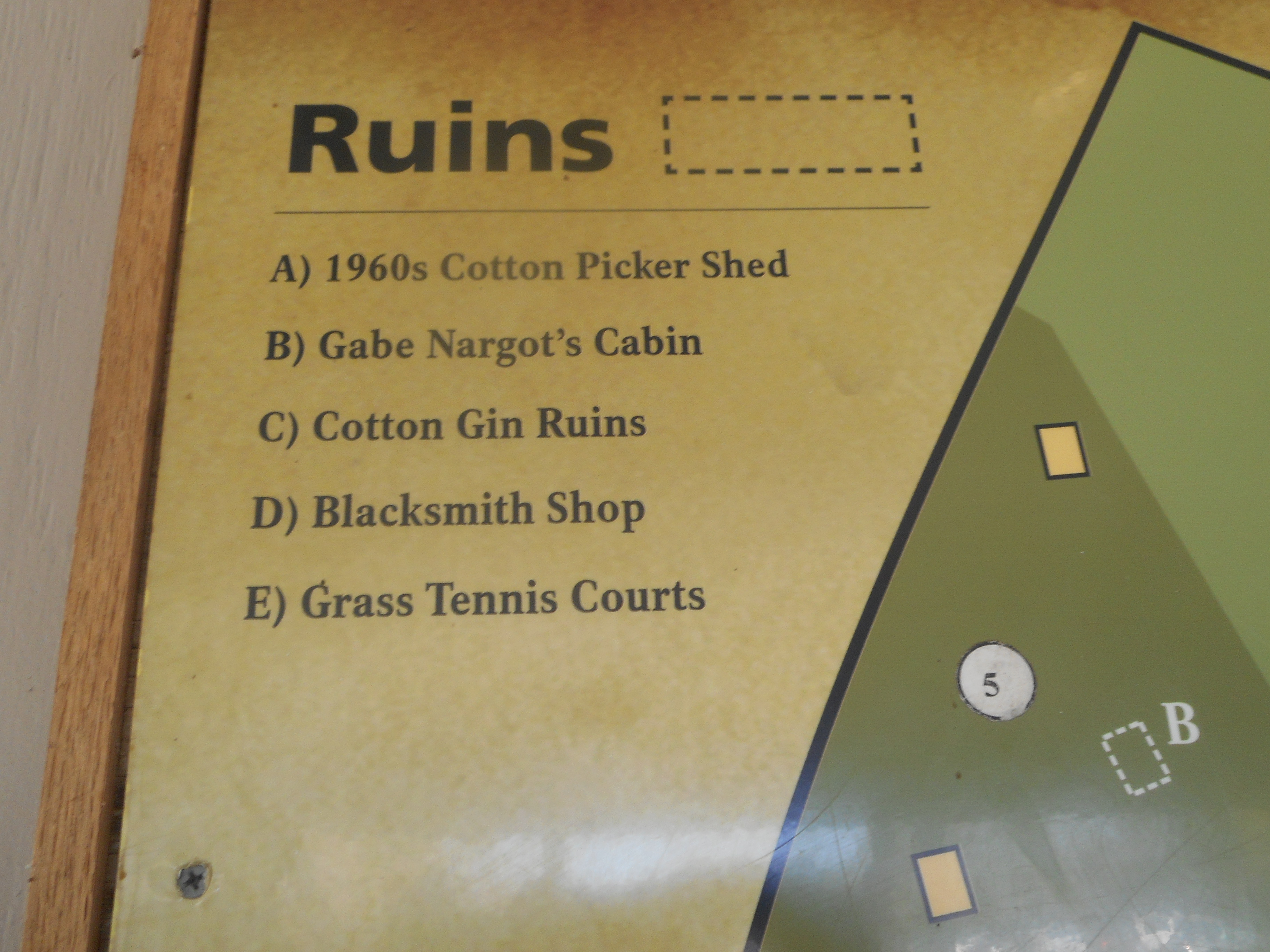
Originally called Bermuda, the founder of Oakland was Jean Pierre Emmanuel Prud’homme, who began farming the land in 1785 and received a Spanish land grant in 1789. The land’s first cash crops were tobacco, indigo, and cotton.
The Prud’hommes were the first family west of the Mississippi River to farm cotton on a large scale.
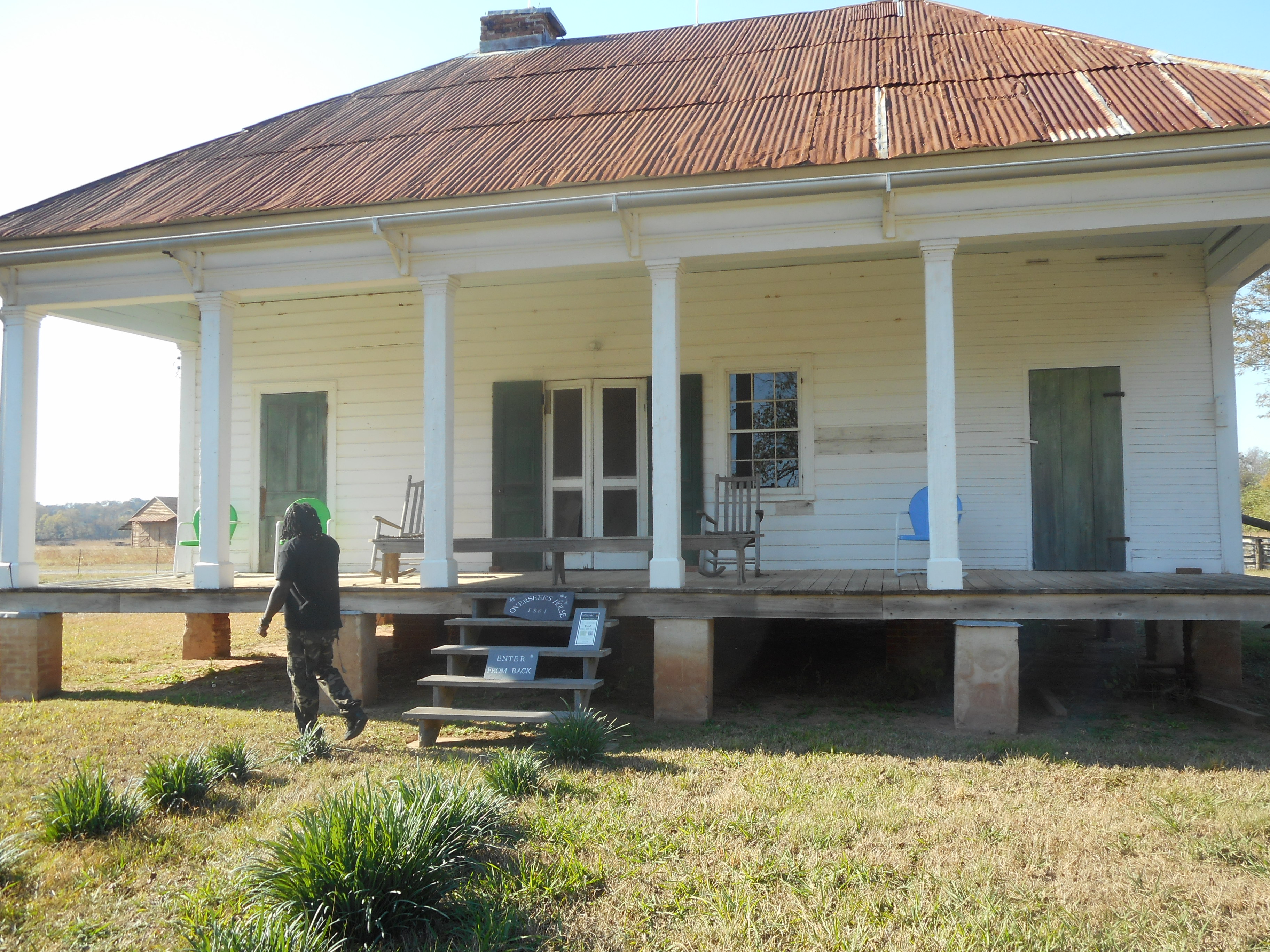
The Overseer’s House
Overseers were the middlemen of the Antebellum South’s plantation hierarchy. Sometimes they were white men working for the slave owner, and other times they were enslaved men hired to rule over their brothers. The “masters” expected overseers to maintain a workforce of slaves to produce a crop. The enslaved were the overseer’s responsibility. He was to keep them working by any means necessary. In return, he got to occupy his own cabin or possibly get a bit more food. The perception was that because his job was “better,” he himself was better off, but he was still an enslaved person.
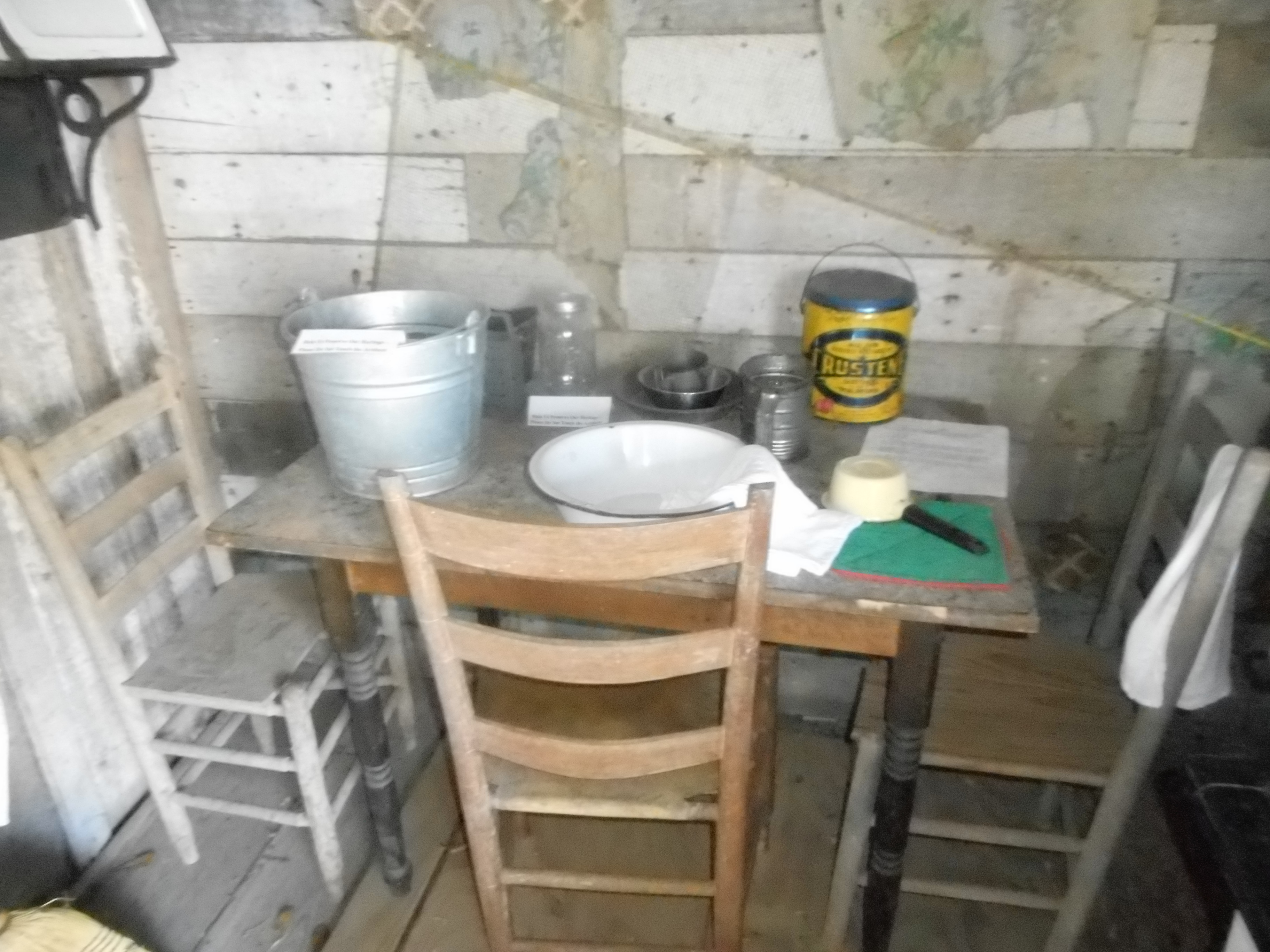
Close Up: Check Out this Old School Stove!
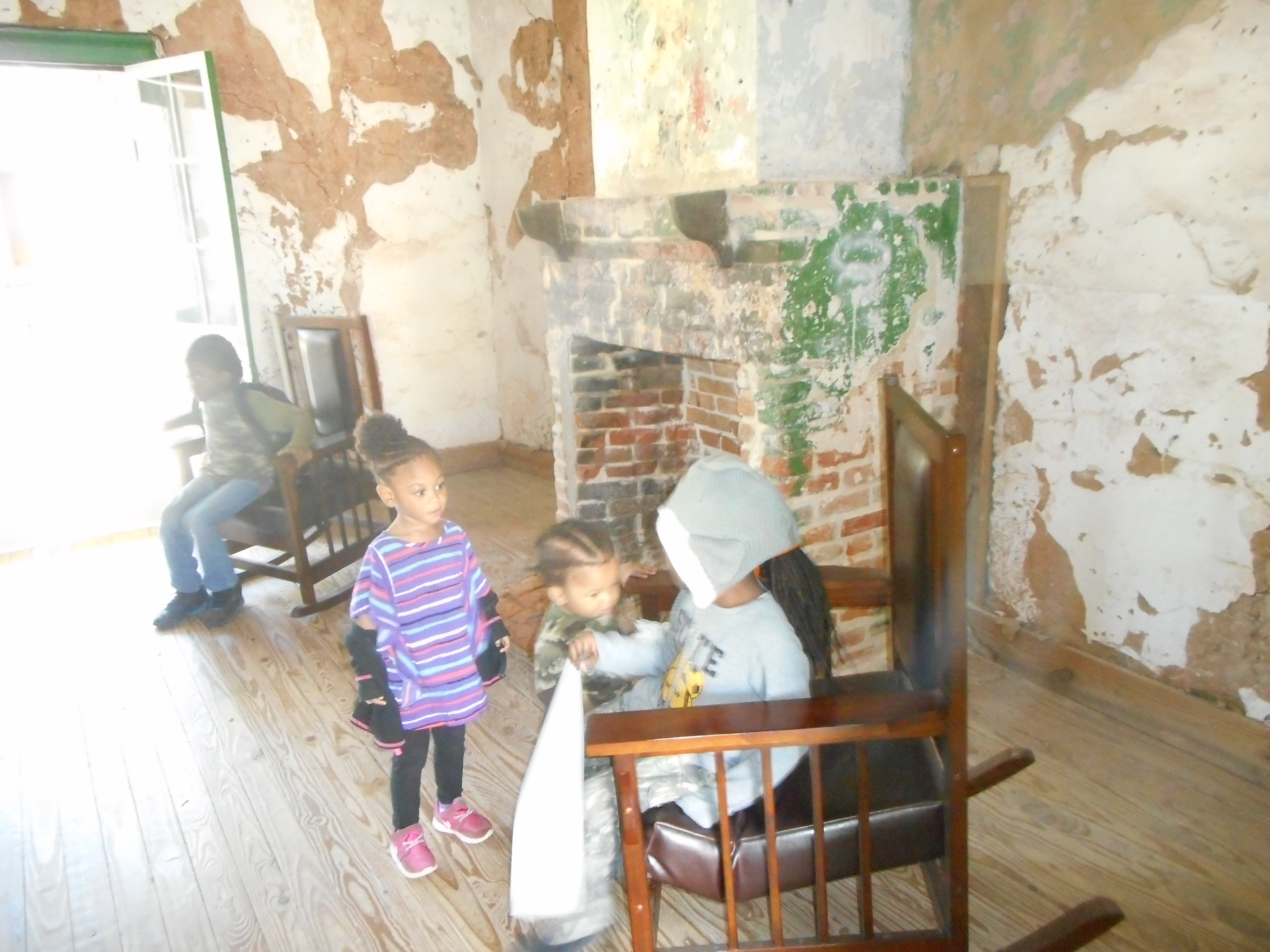
I also noticed the mud and straw still preserved from the original building of the house.
Slave Quarters turned Home of Sharecroppers
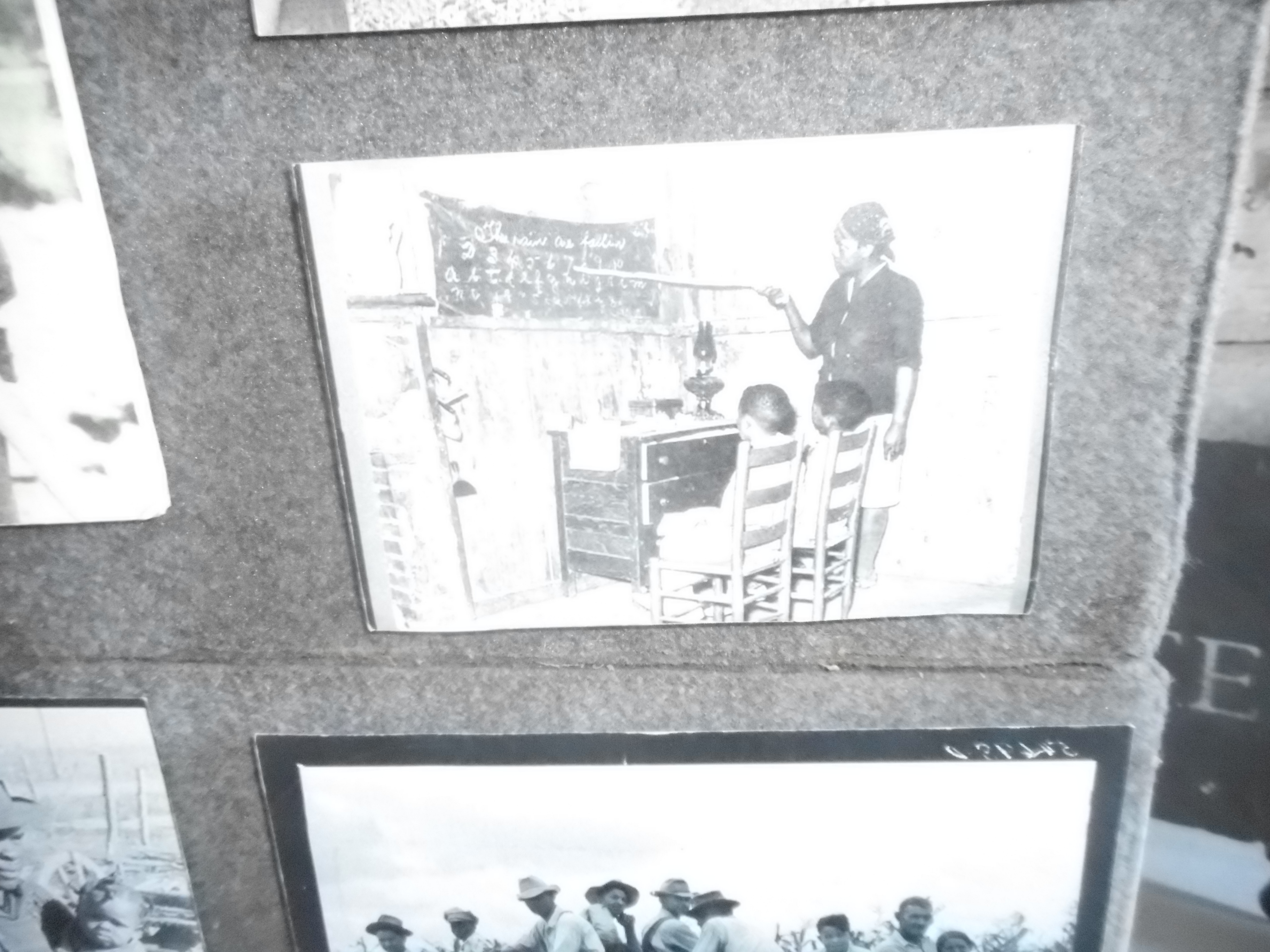
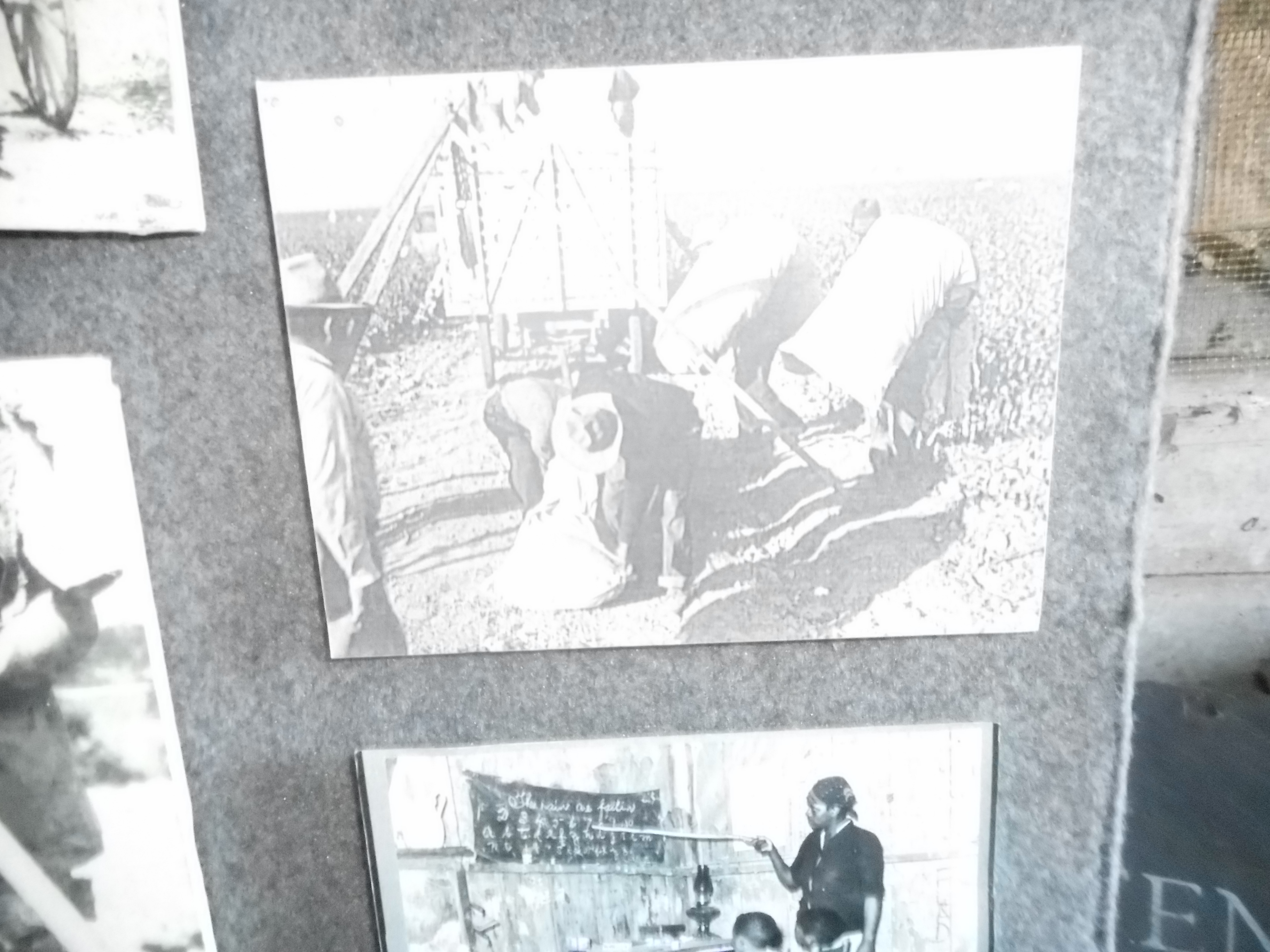
After the Civil War, sharecropper and tenant farmers continued to live on the land up until the 1970s. They worked twelve hours a day, six days a week.
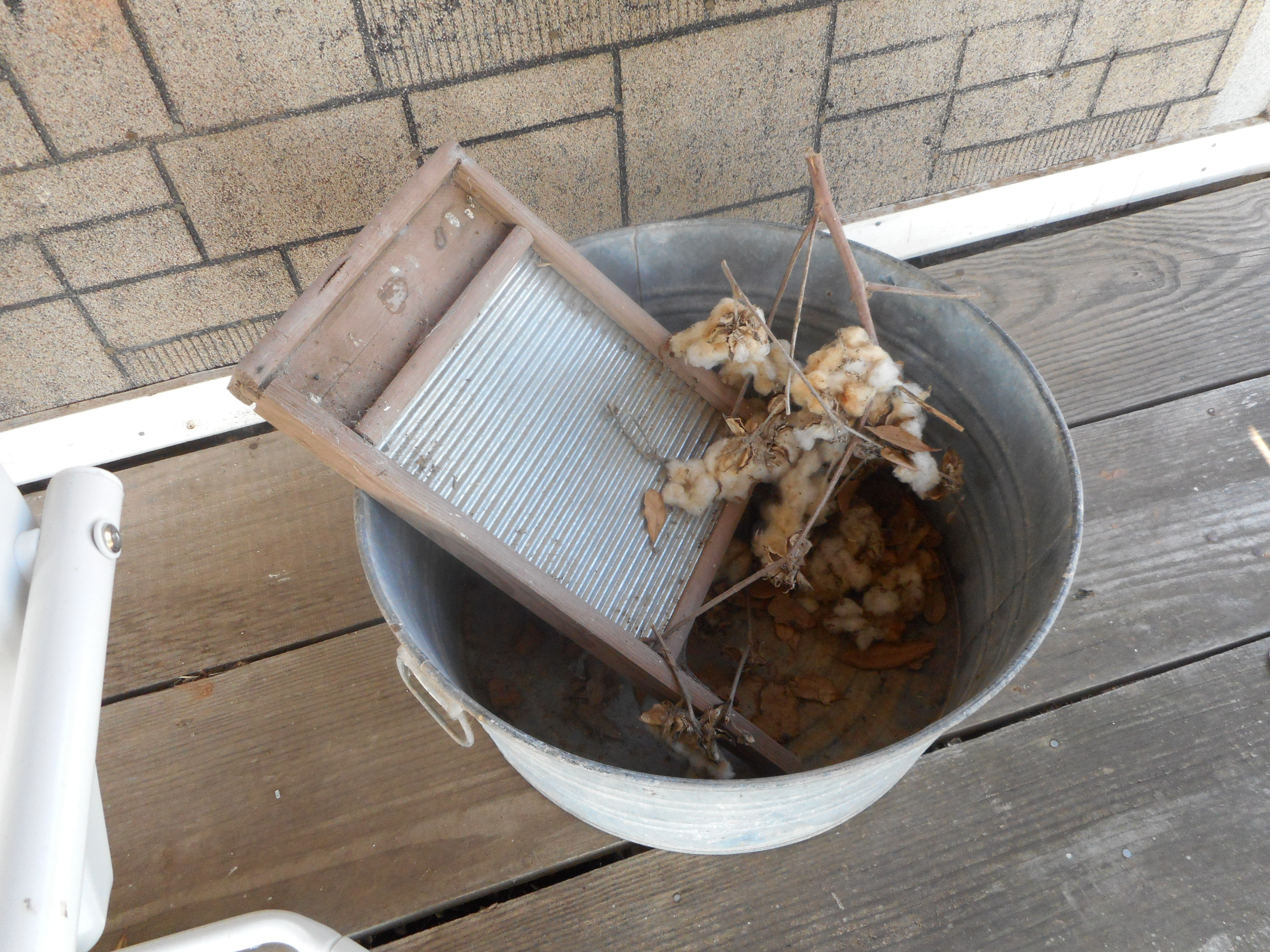
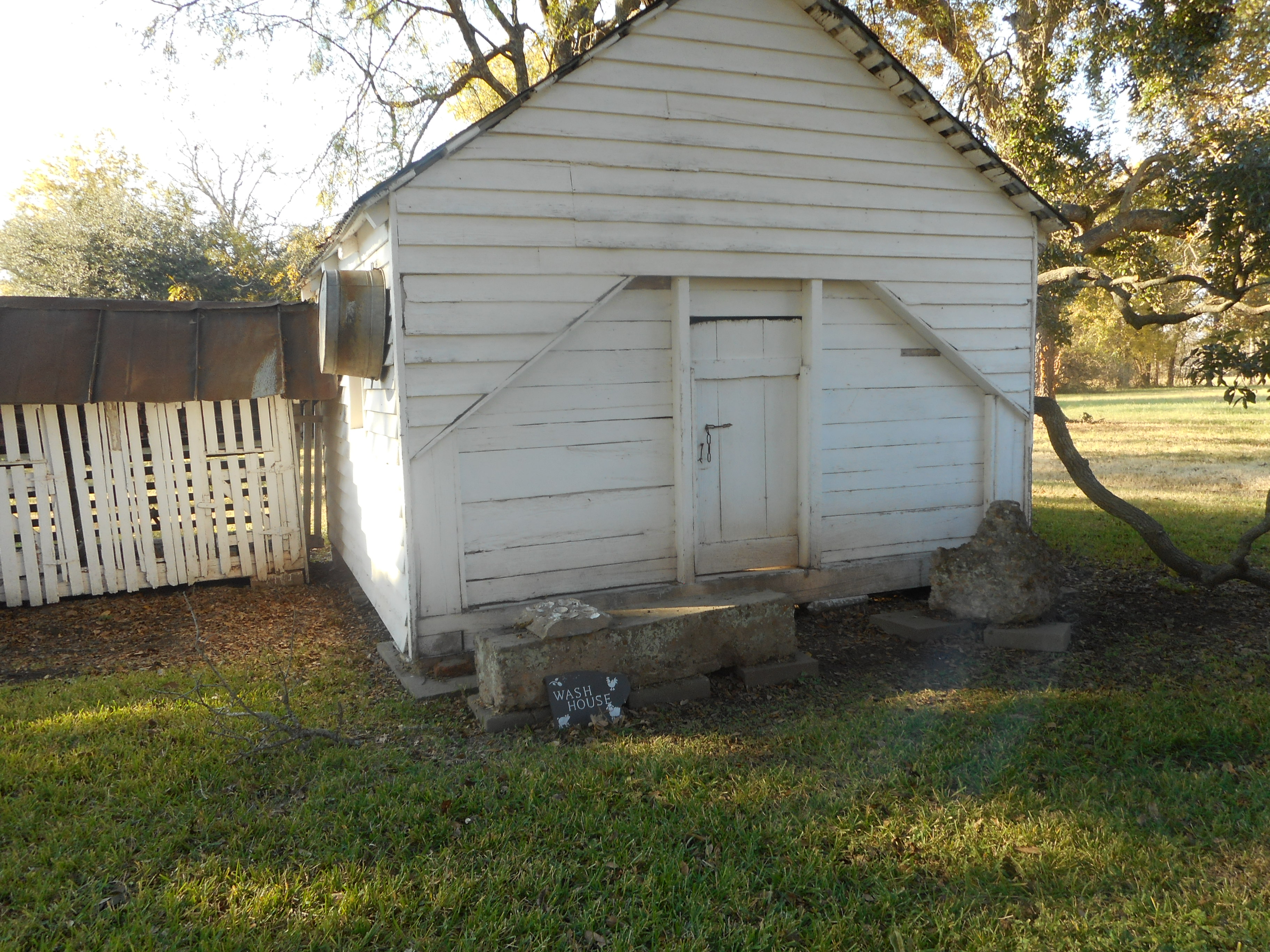
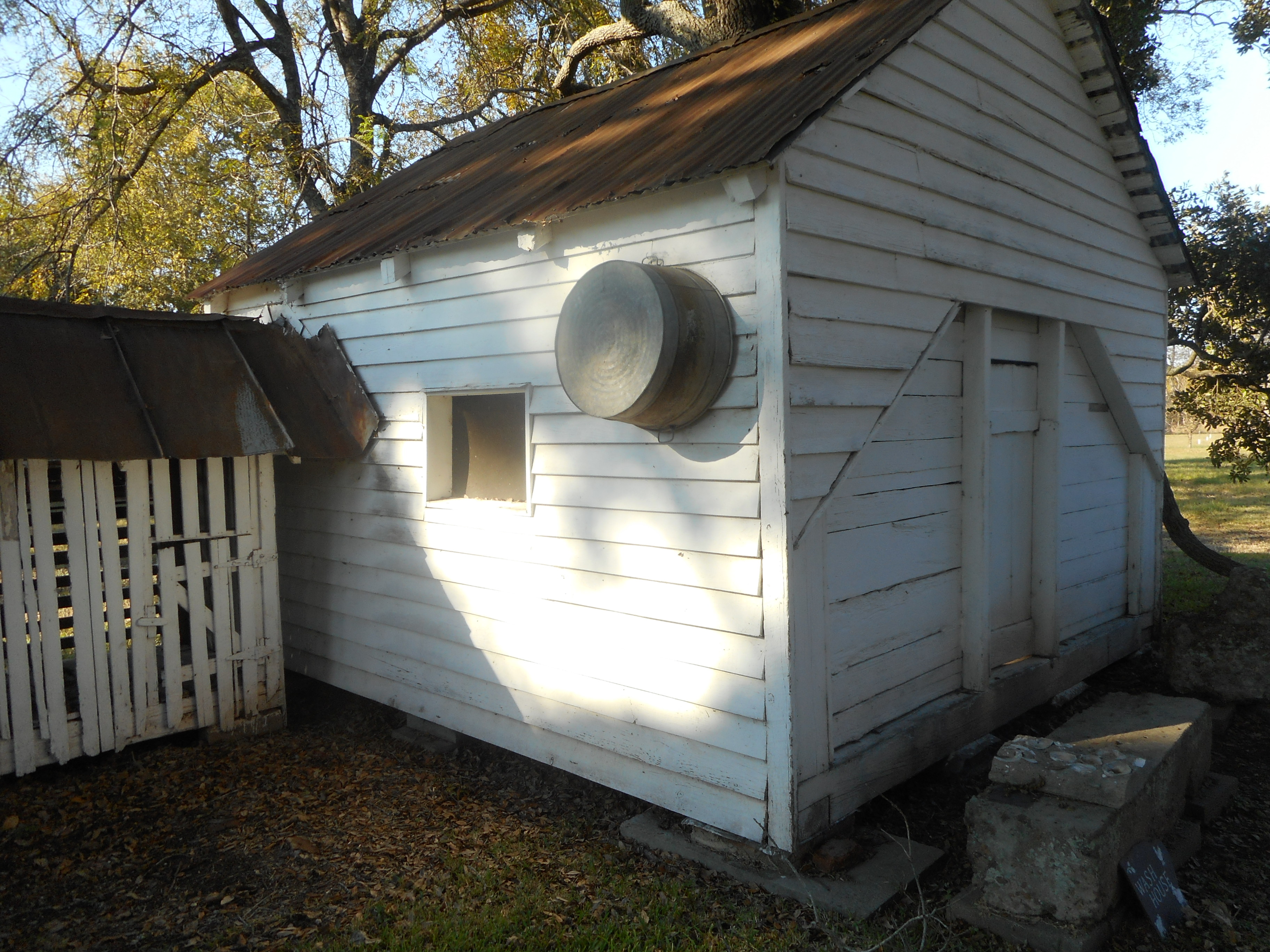
Wash House
Martha Ann, an enslaved Laundress, worked in this wash house in the 1850s. In the 1940s, her descendant, Martha Helaire, earned $4 an hour working here as a Laundress. All we have to do is walk a few steps to the washer and dryer.
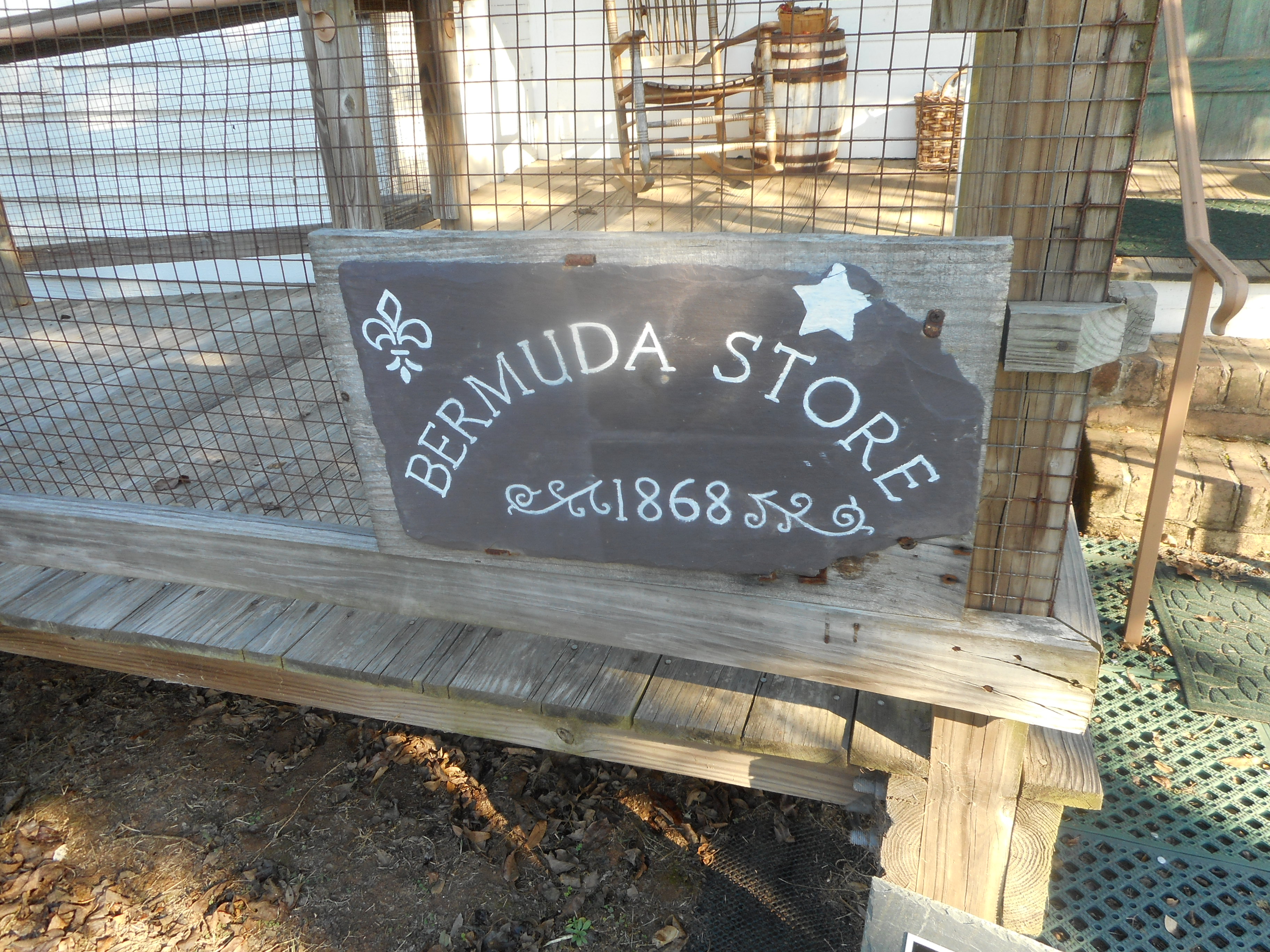
Bemuda Store
Opened after The Civil War, sharecroppers and tenant farmers continued buying their supplies from family and farming from this store until 1983.
1983?!
The Prud’homme family owned and operated the store. They also ran the Post Office located inside.
Carpenter Shop
Slaves built and repaired plantation structures from this workplace.
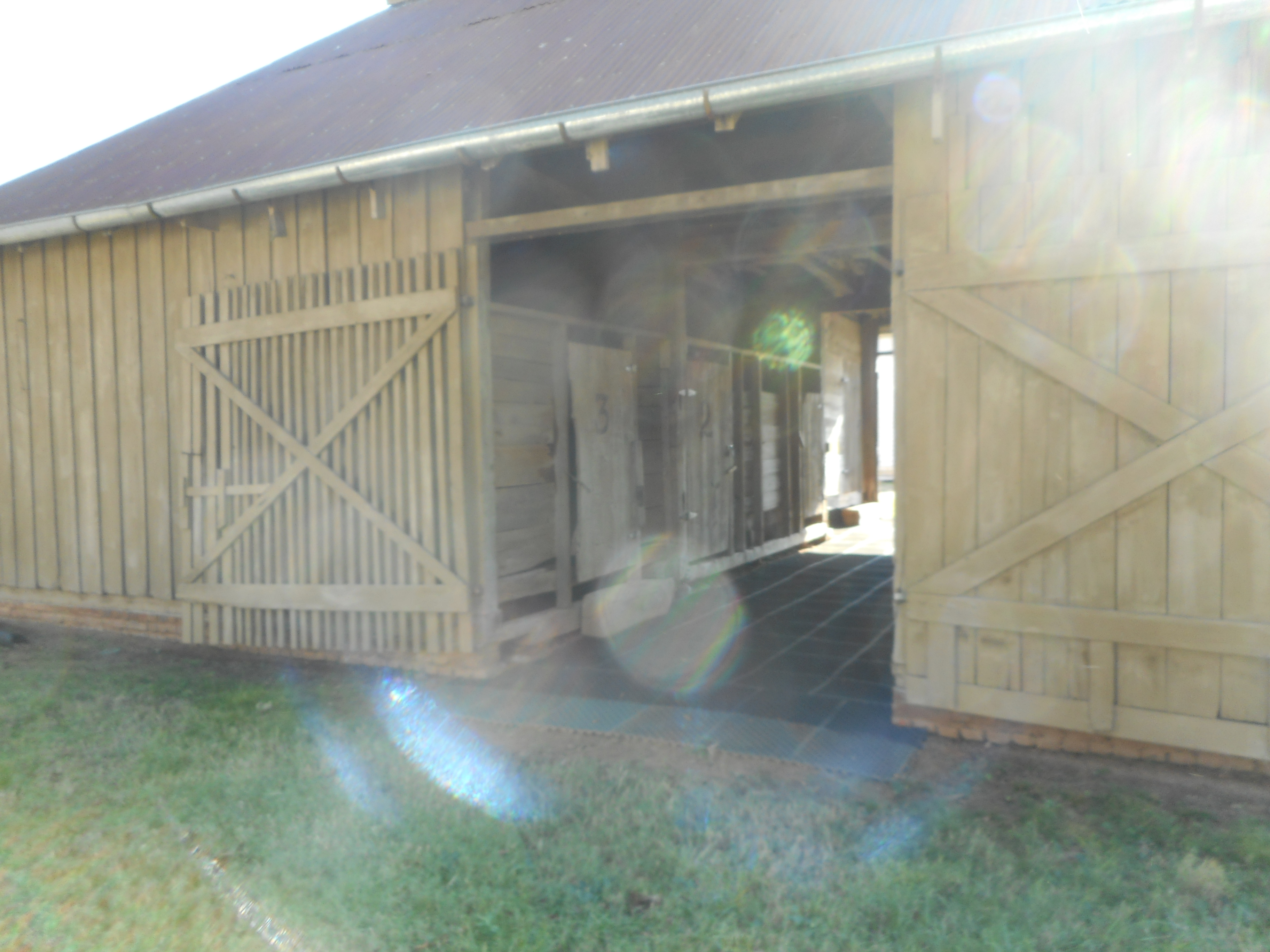
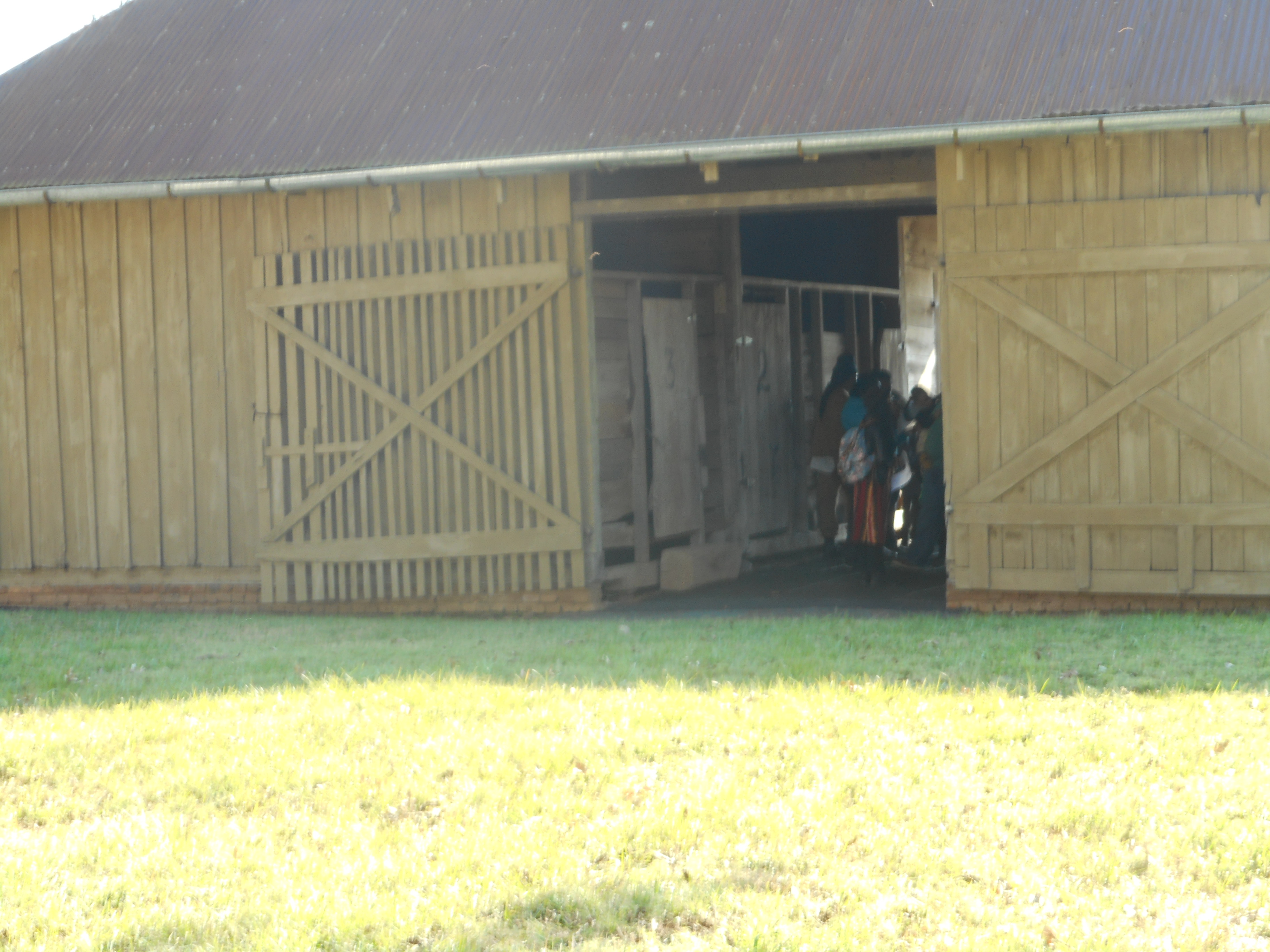
Mule Barn
Smokehouse turned mule barn. Built by the enslaved, the plantation reused the smokehouse to accommodate the mules when the original mule barn burned down.
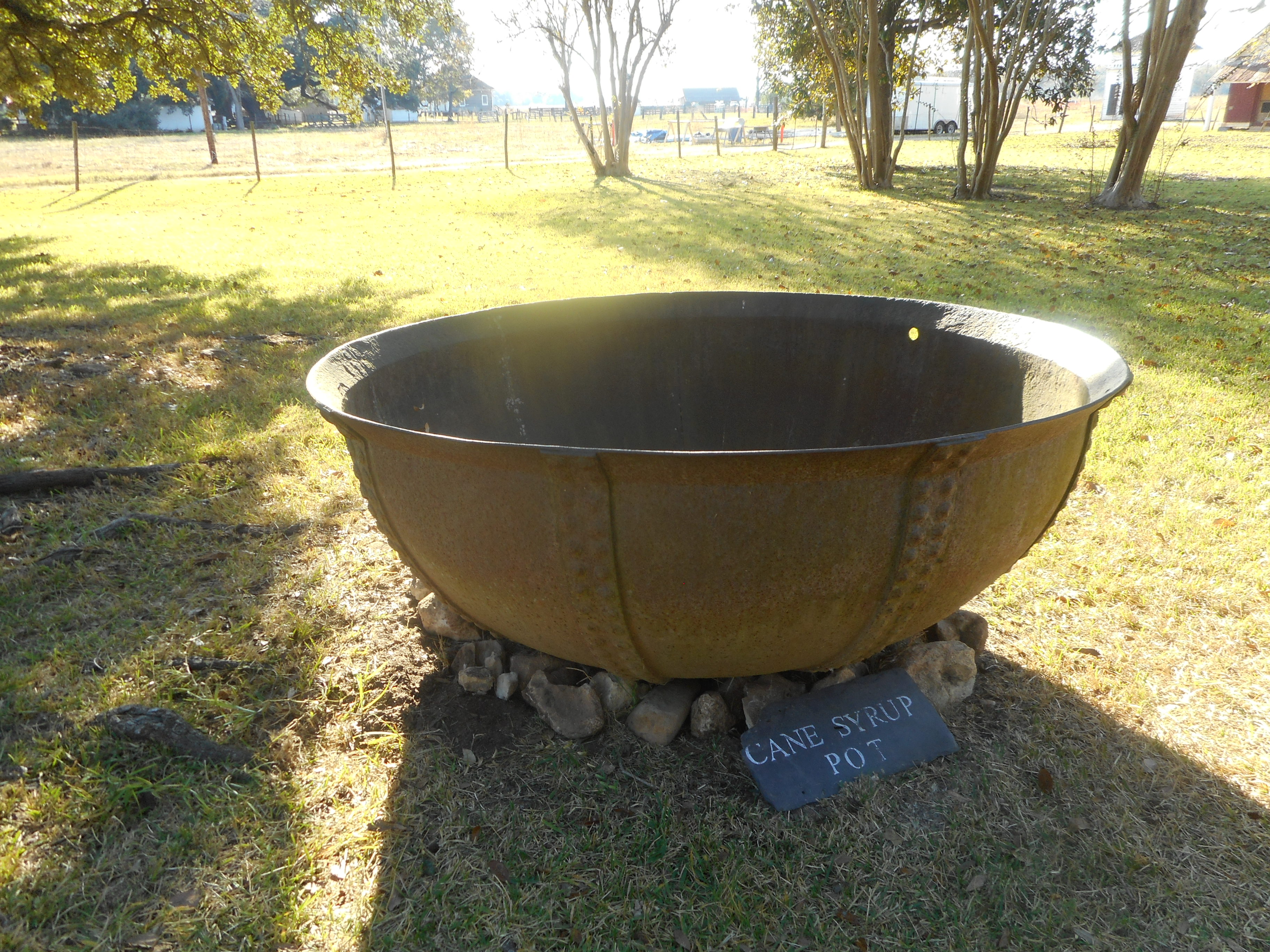
Cane Syrup Pot
Used to make cane syrup.
On some plantations, they used these pots to punish the enslaved and to boil them alive (as depicted in the movie “Mandingo.” CLICK HERE to see the clip.)
The Big House
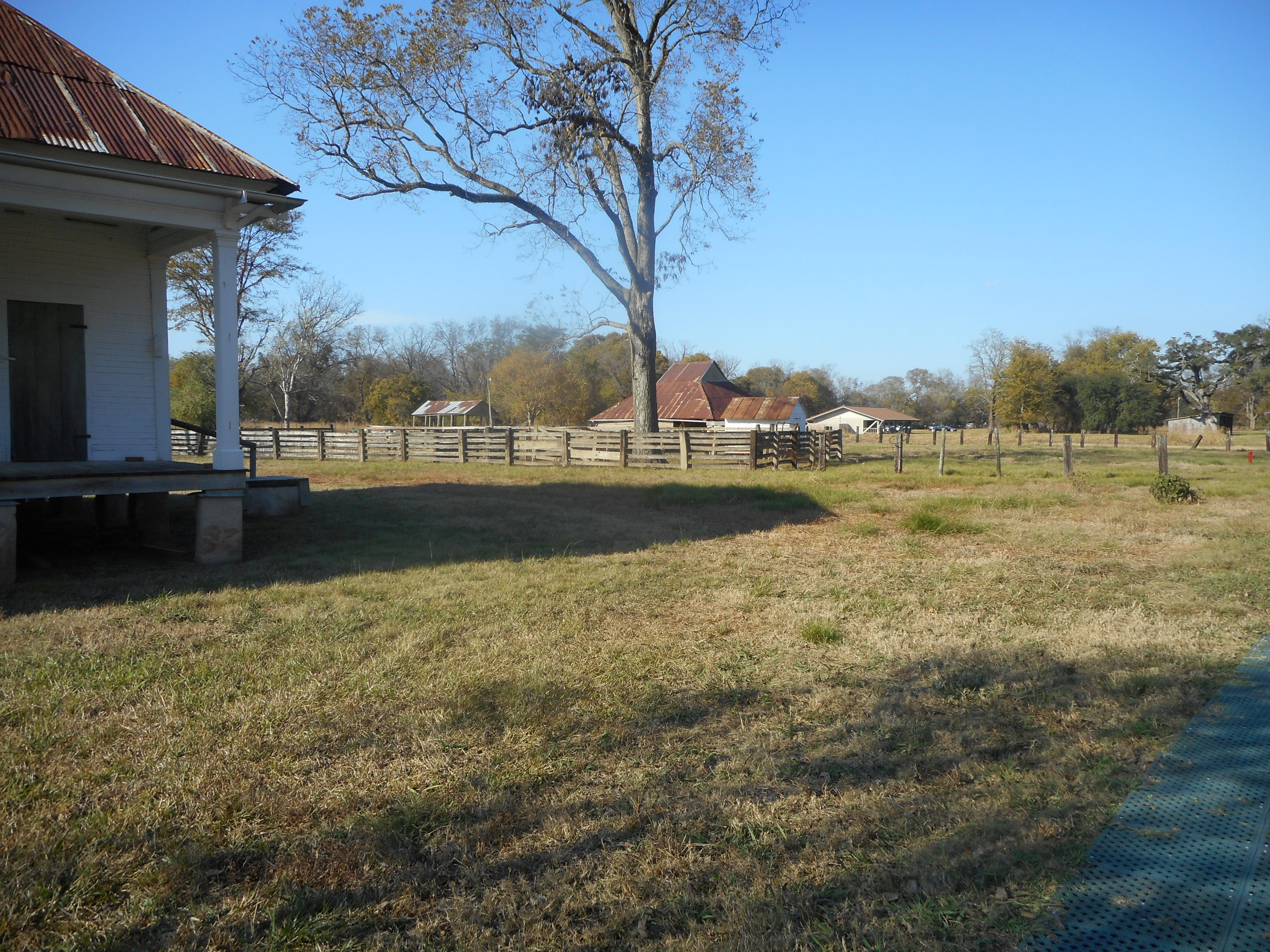
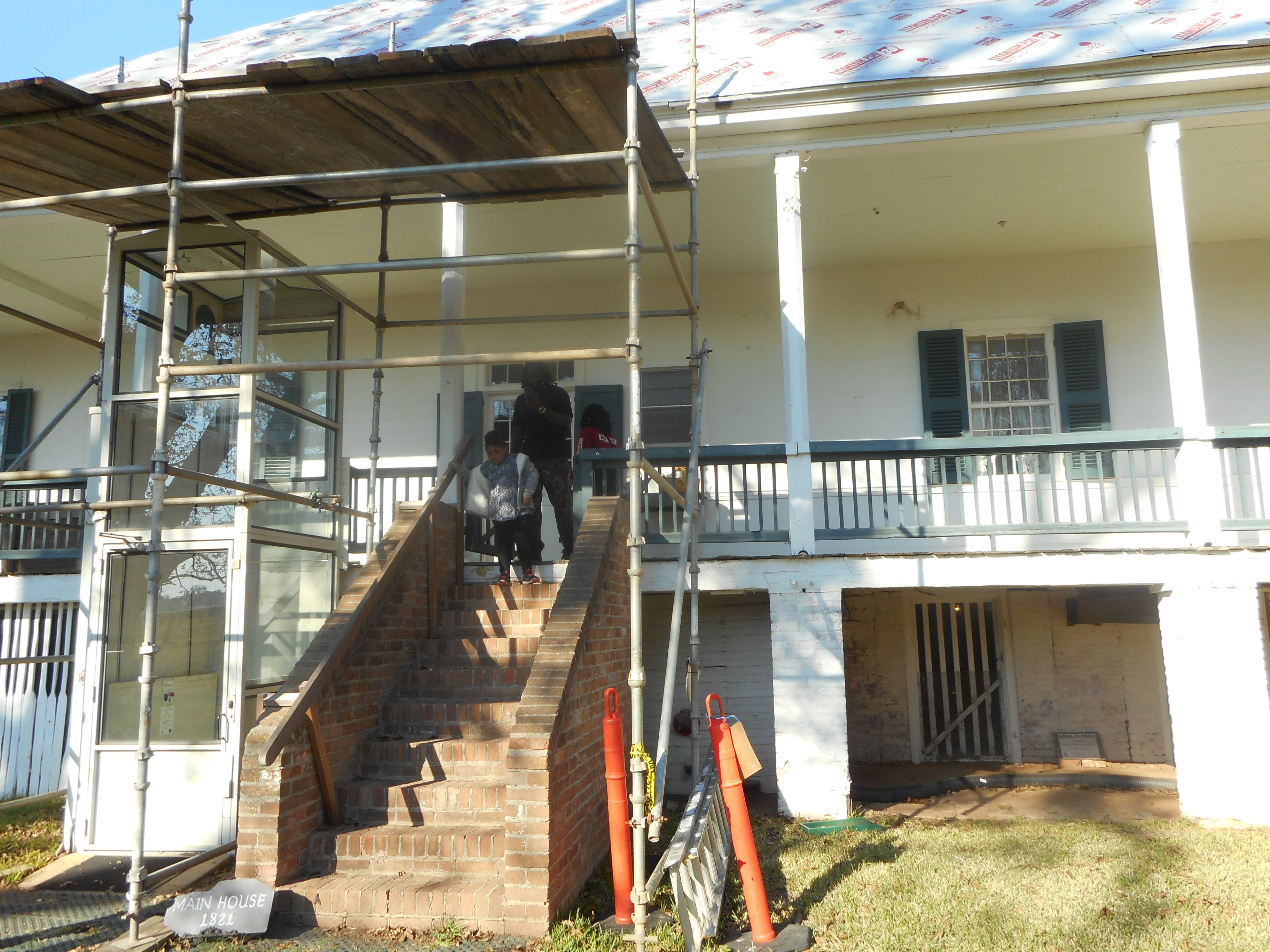
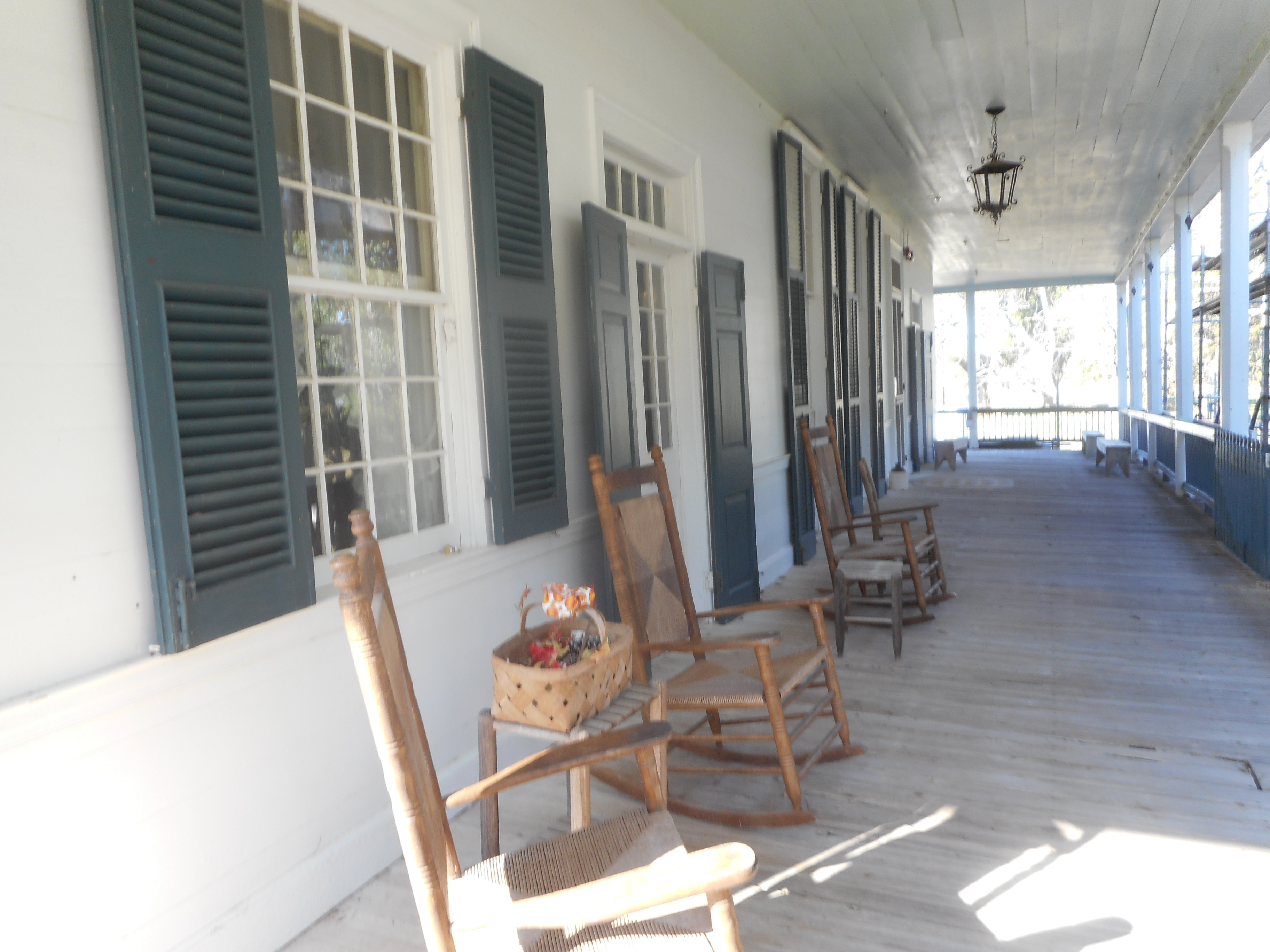
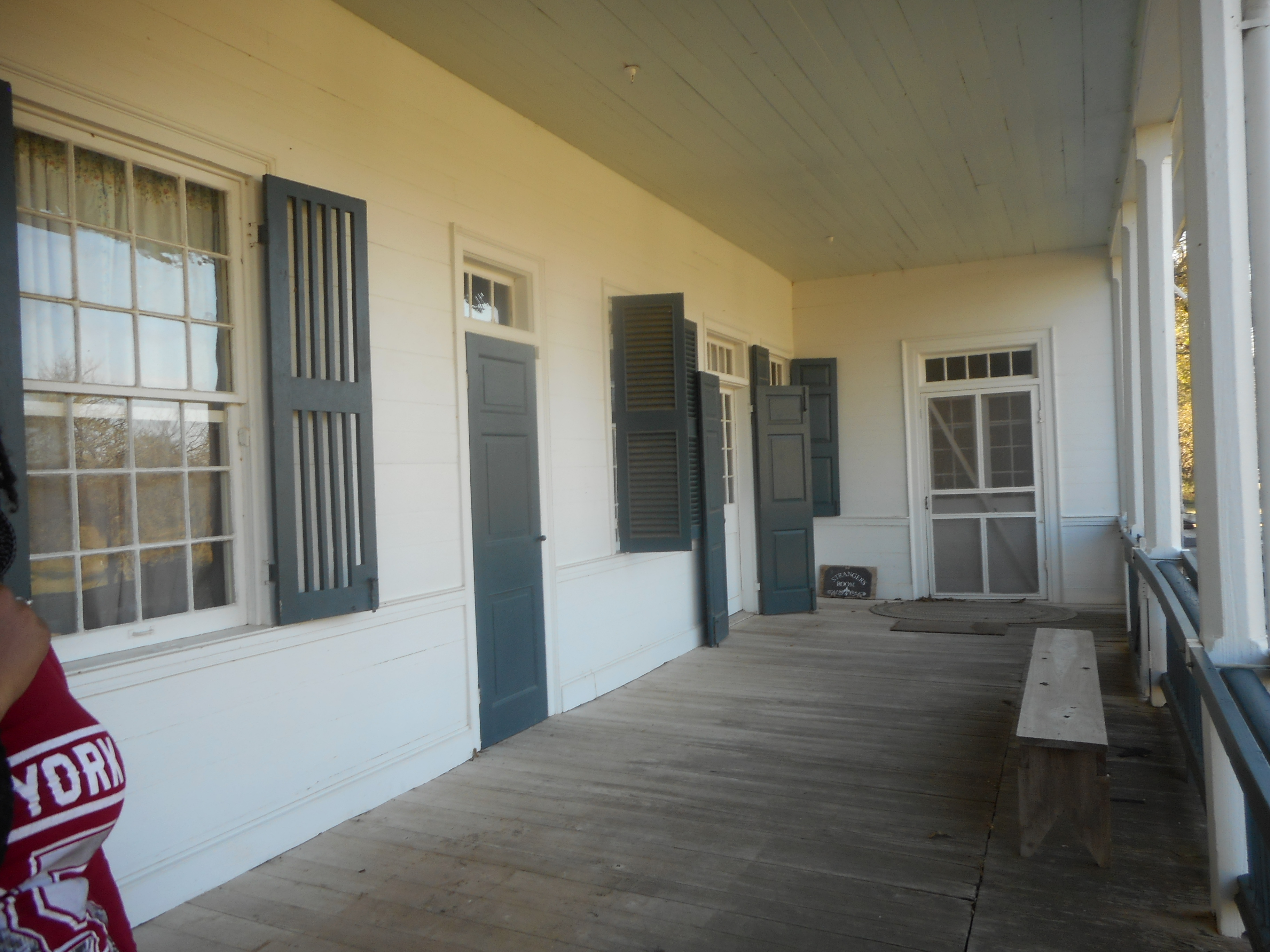
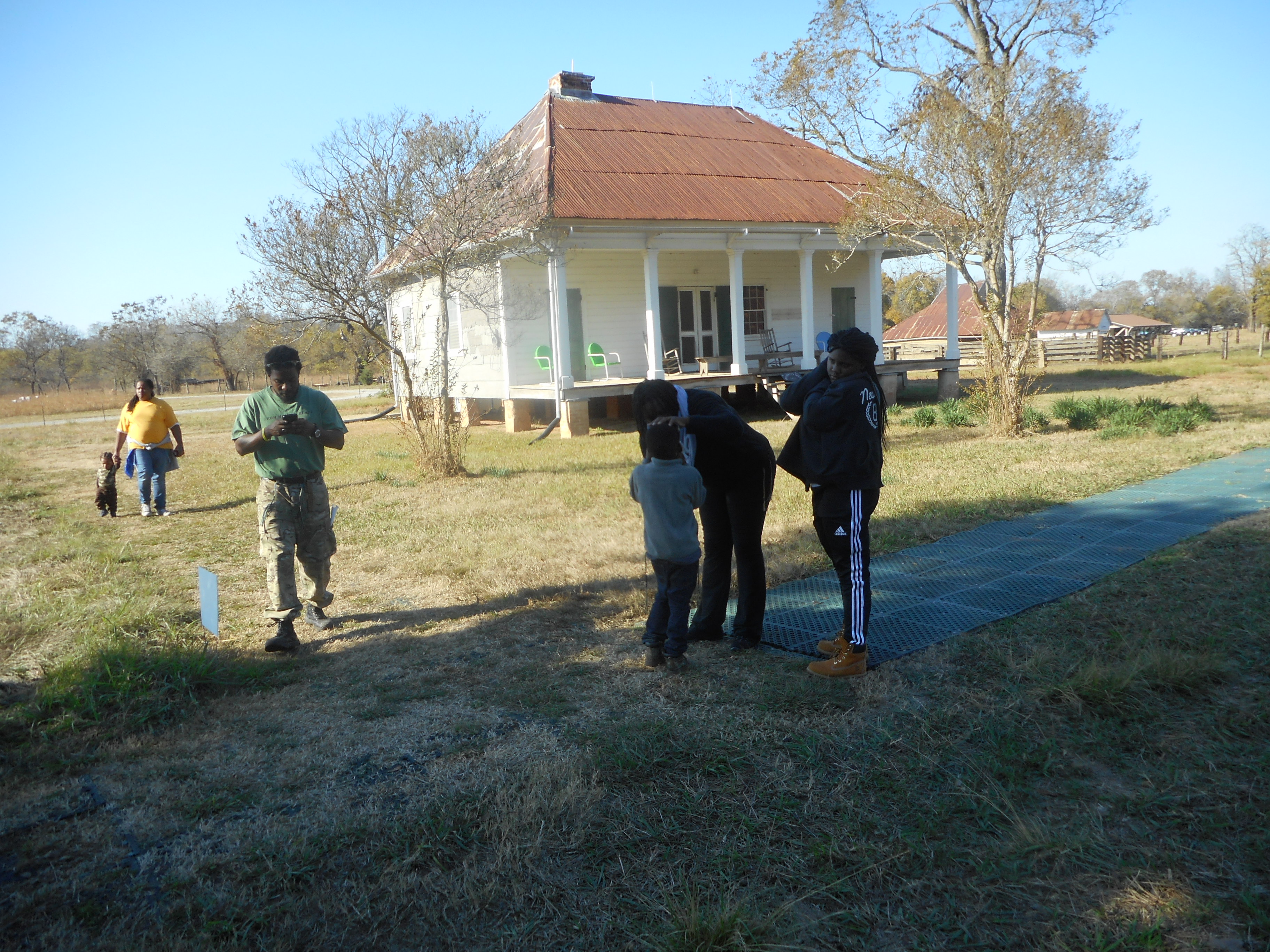
This is the porch and perimeter of “The Big House.” We could tour everywhere except for this house. We were not allowed inside, and they did not give us a reason why.
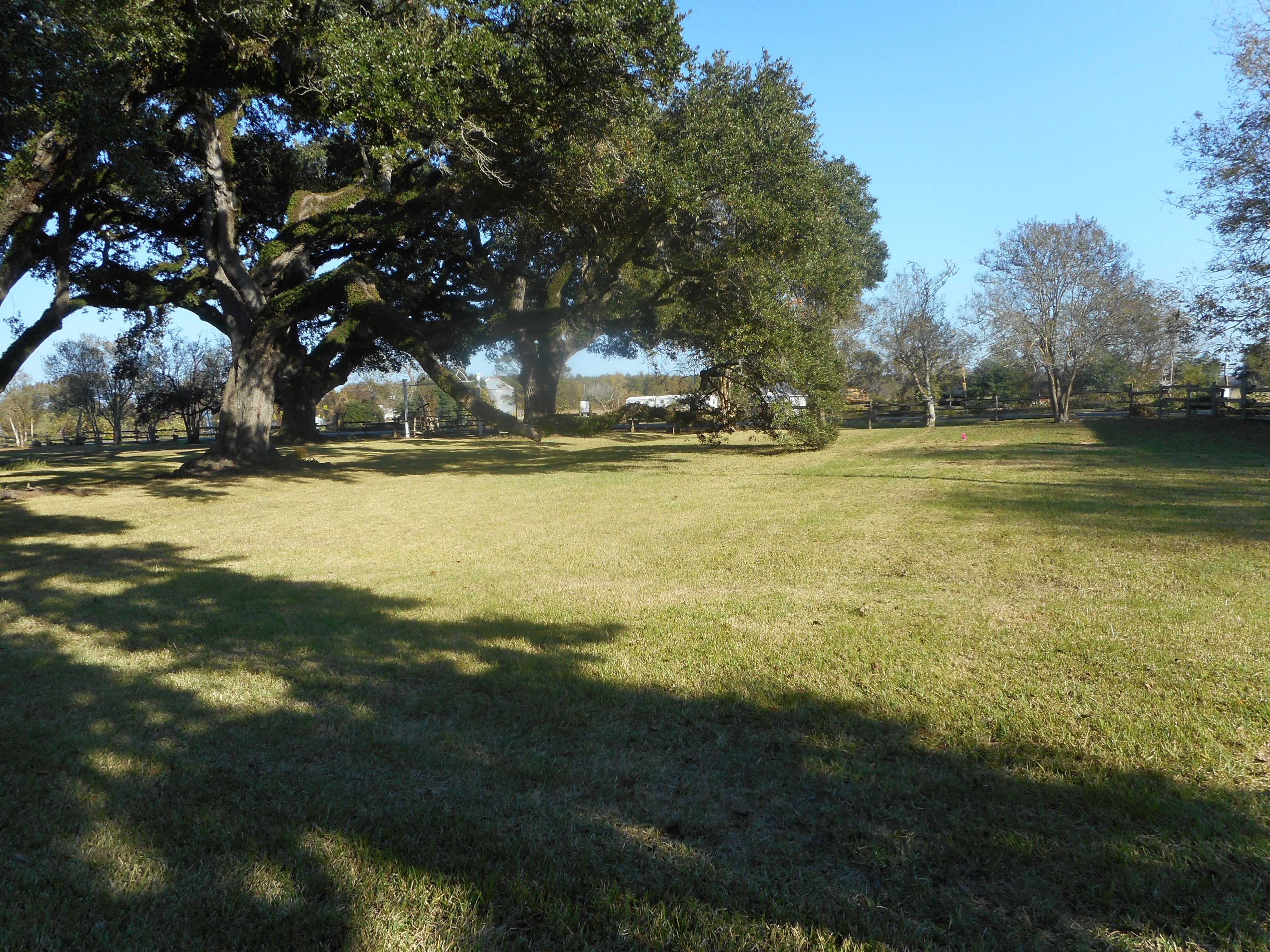
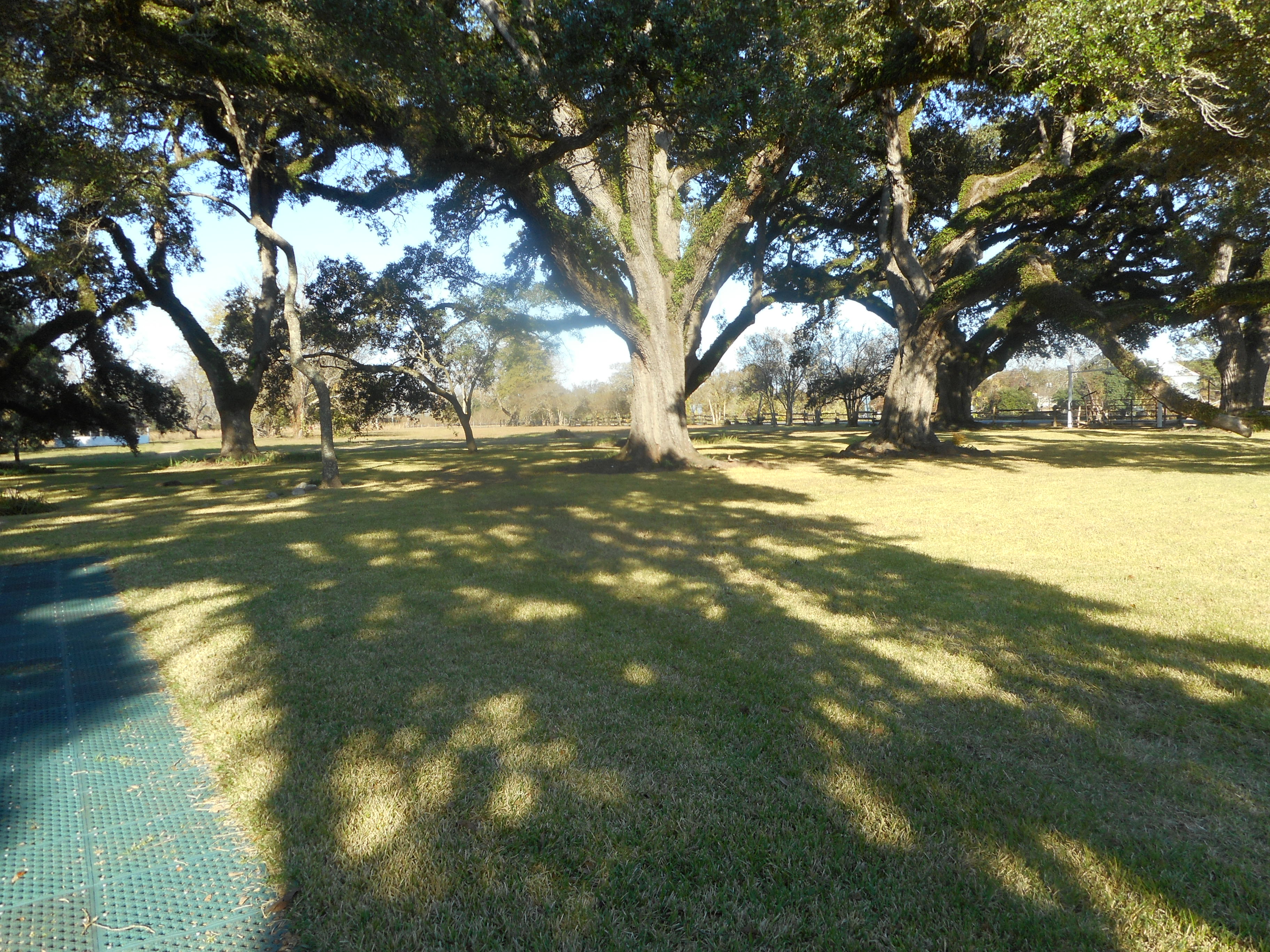
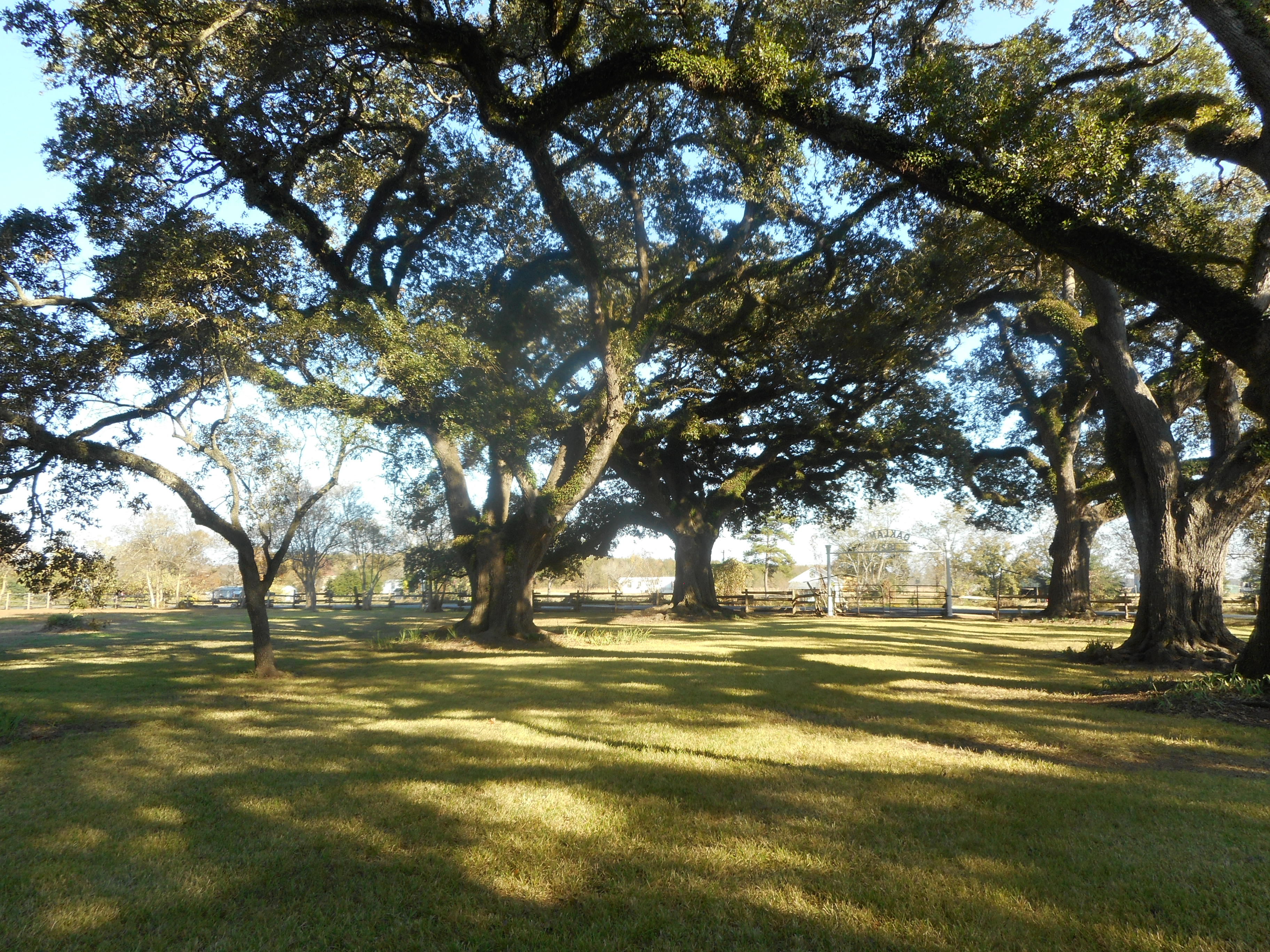
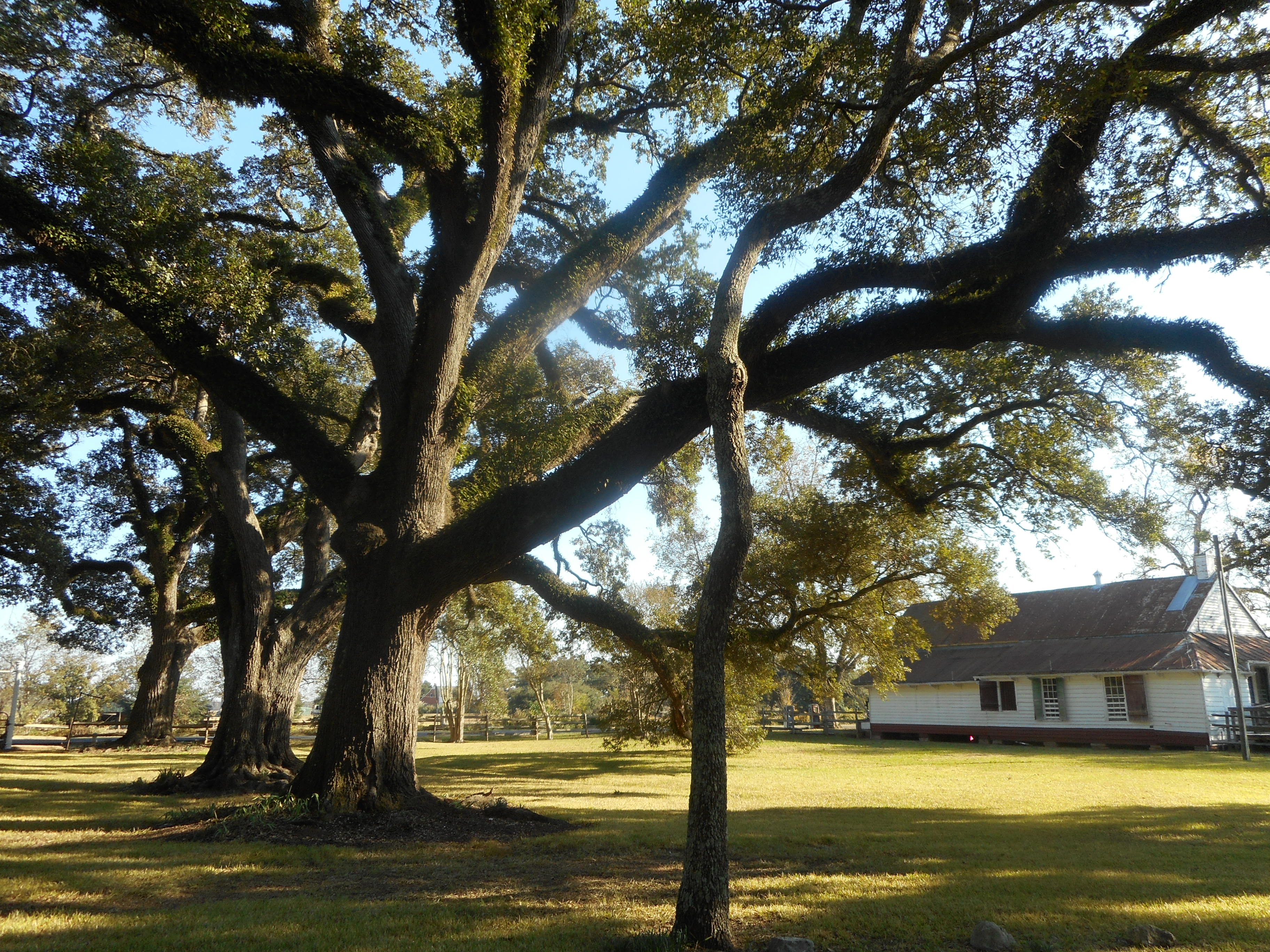
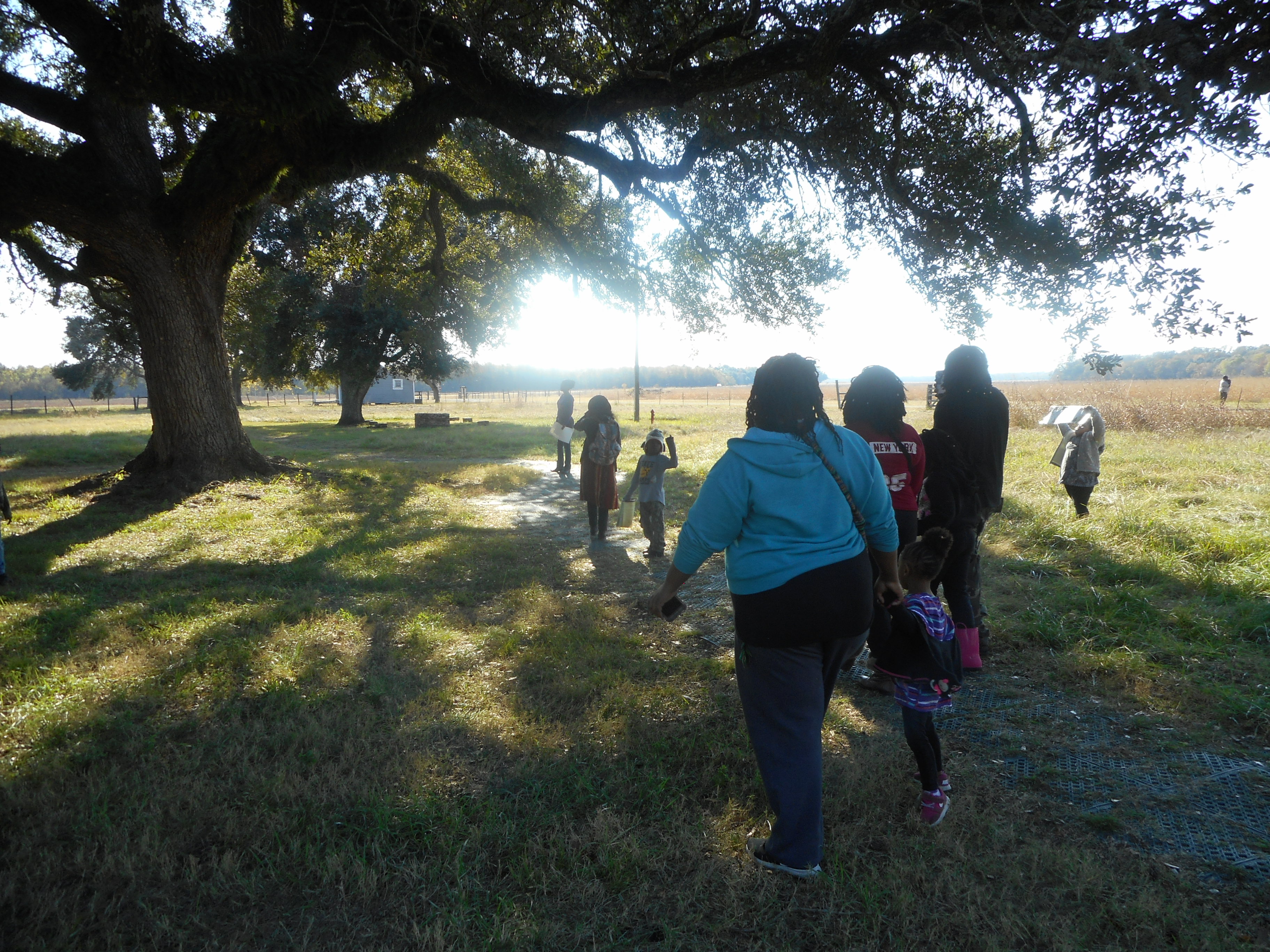
It was overwhelming to look at the trees whose thick branches bowed low. Shading the big house, cooling it from the Louisiana sun, and sheltering it from the River breeze, these trees lined the walkway to the entrance of the gate and were planted in 1825.
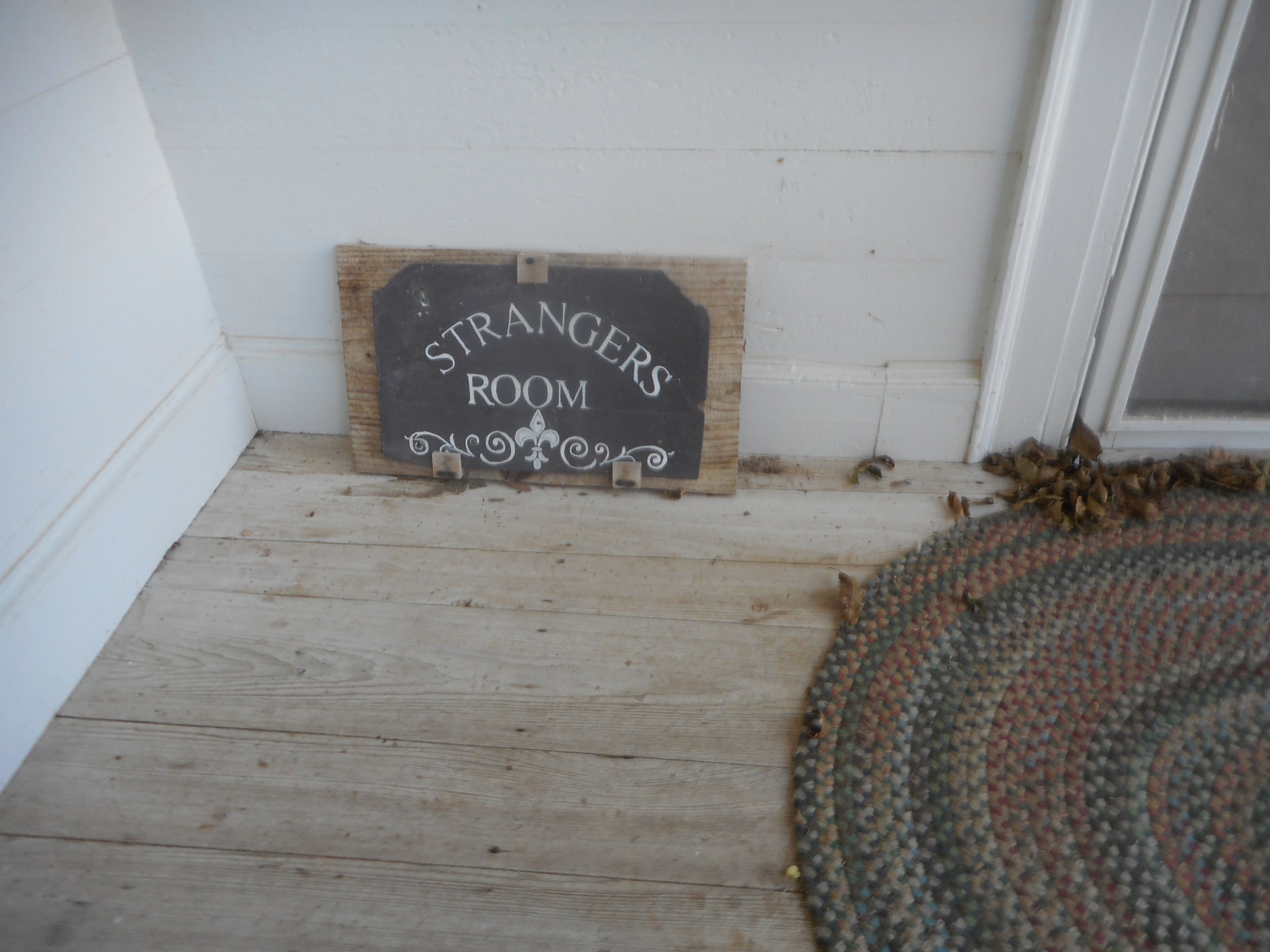
Strangers Room
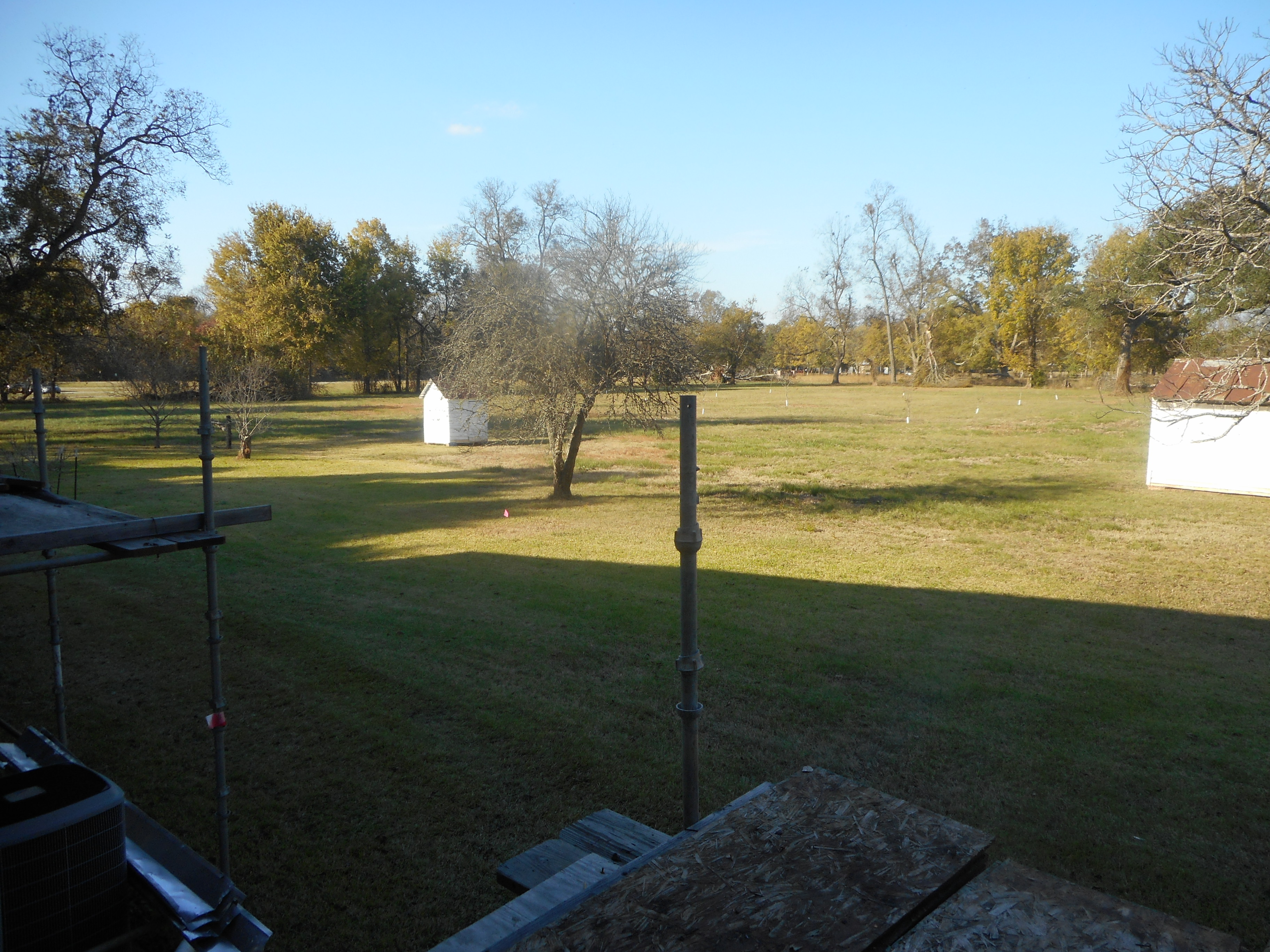
I don’t know what a stranger’s room is (guest room?), but it’s a room in the big house. I tried to take pics of the inside from the window. It looks like the original furniture is still preserved.
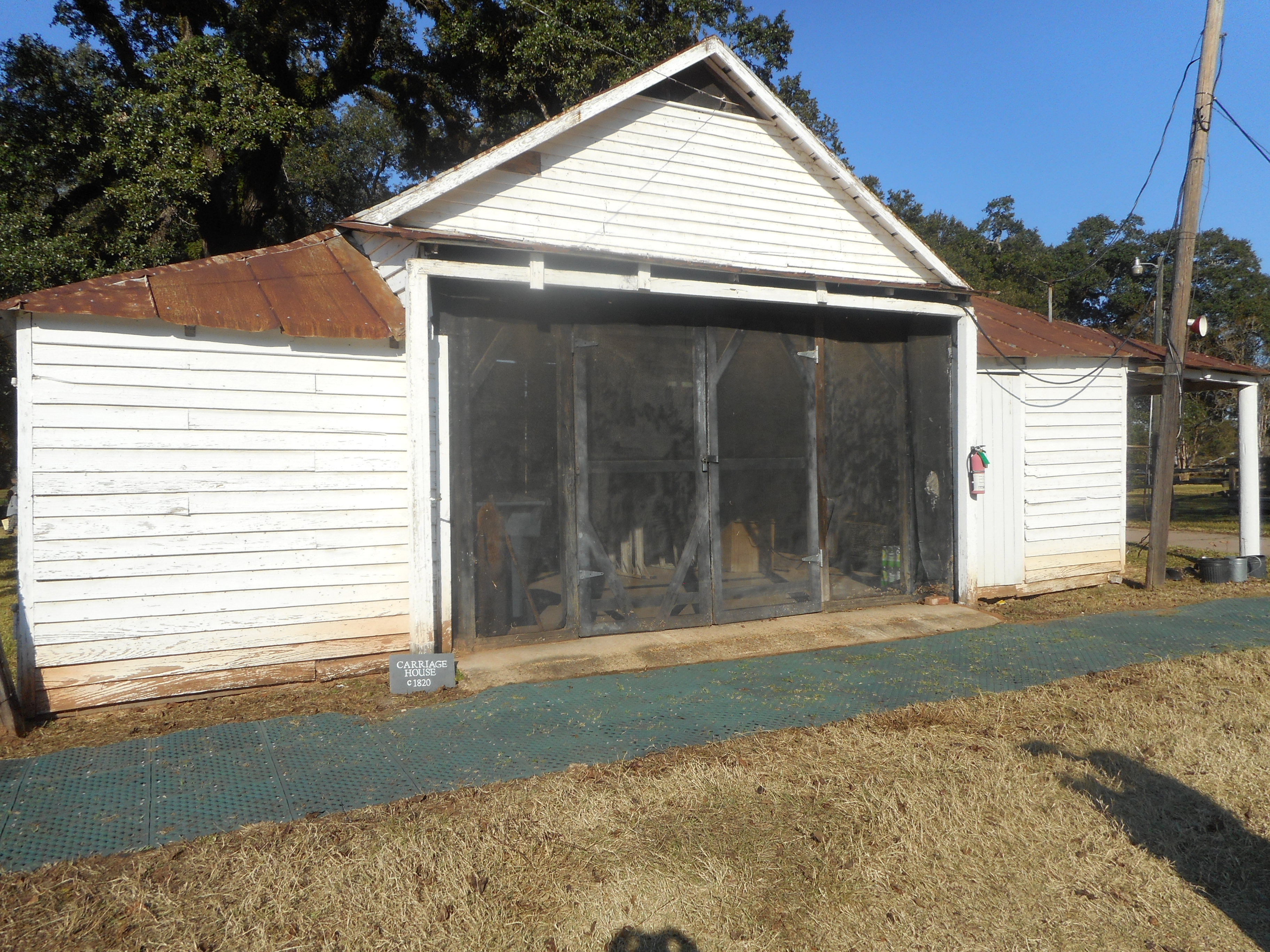
Carriage House
The carriage house dates to 1820. In its earlier years, the east bay was used as a horse stall. The overseer had the horse saddled each day and tied to the chain so that it was available for riding and checking the fields.
Square Corn Crib and Cistern
The Corn Crib was built around 1821 of hand-hewn cypress logs and was used to store grain for the plantation. Rainwater was channeled from the crib roof into the cistern, which was 16 ft deep and held 4804 Gallons of water used for watering stock.
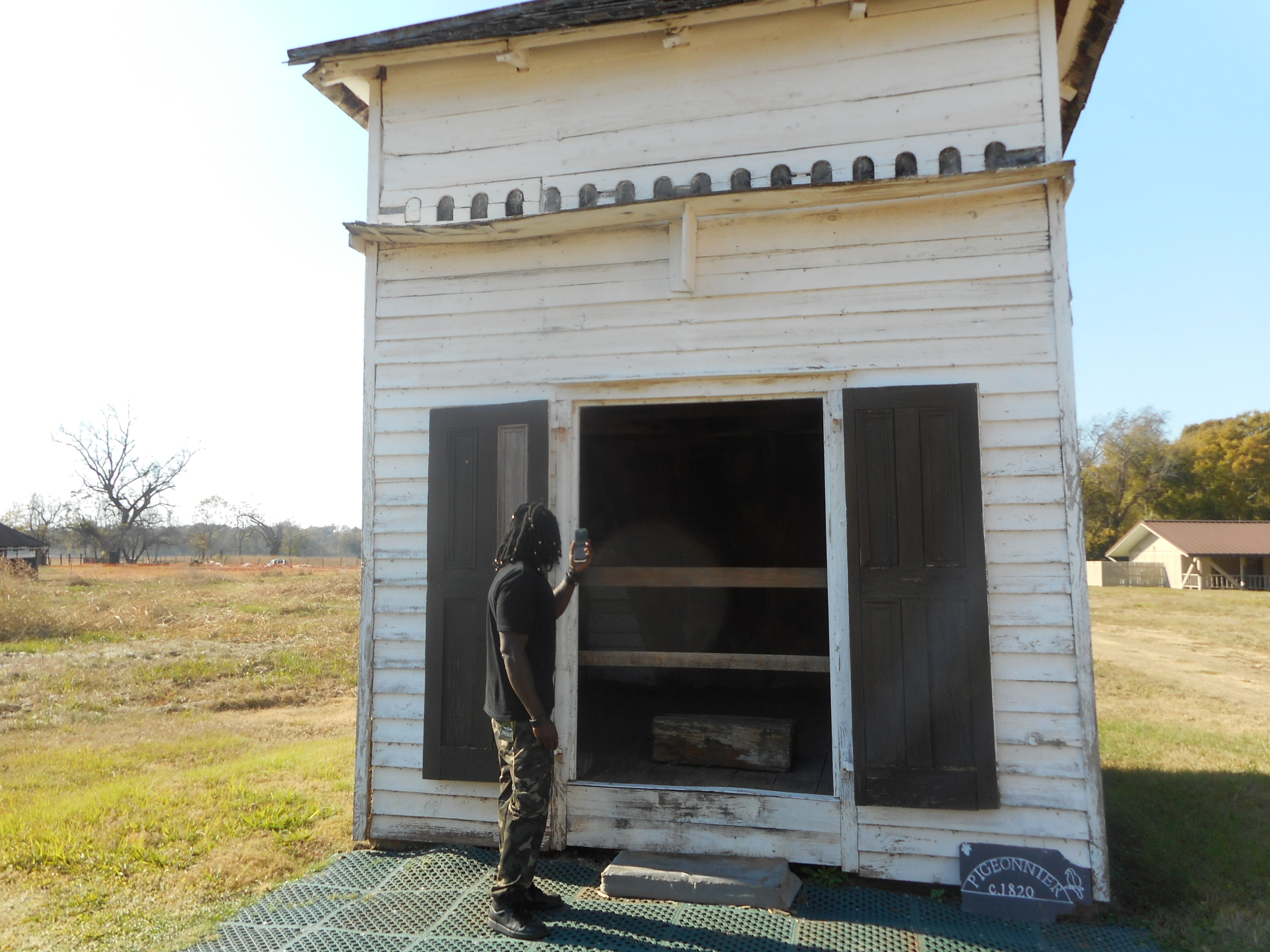
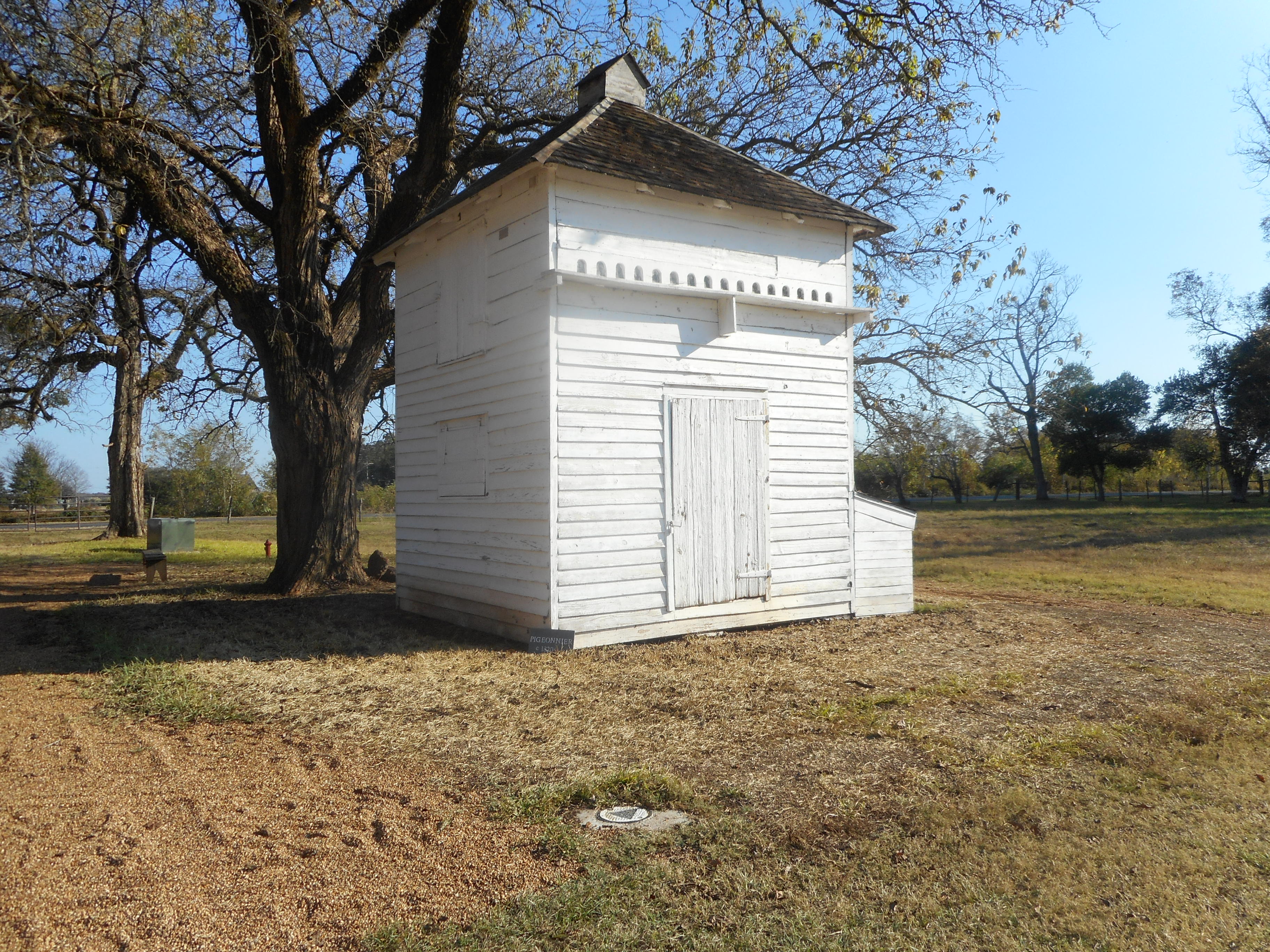
Pigeoneer
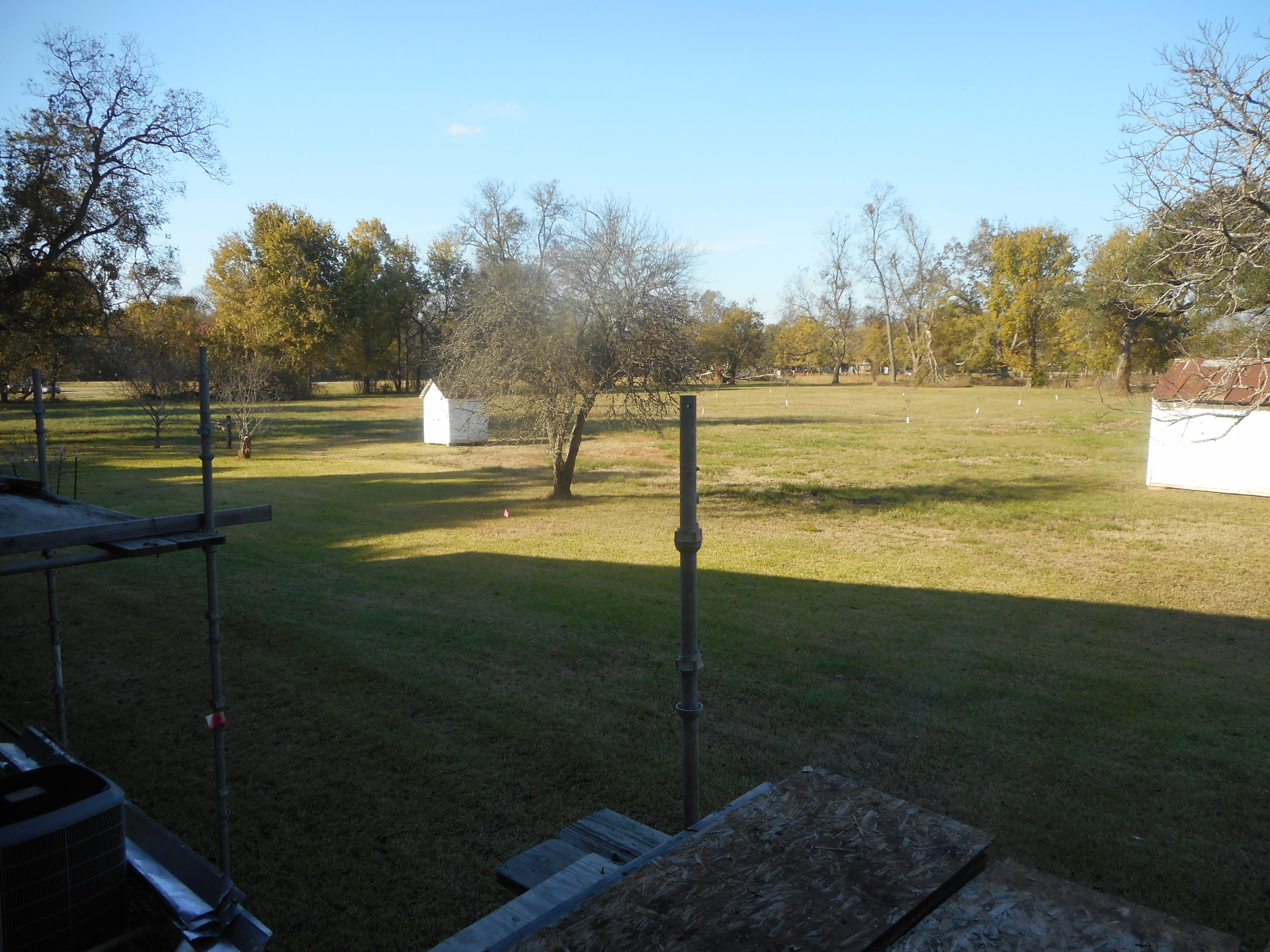
There are several Pigeonnier’s on the land. The Prud’ Hommes harvested young pigeons for a delicacy called “Squab.”
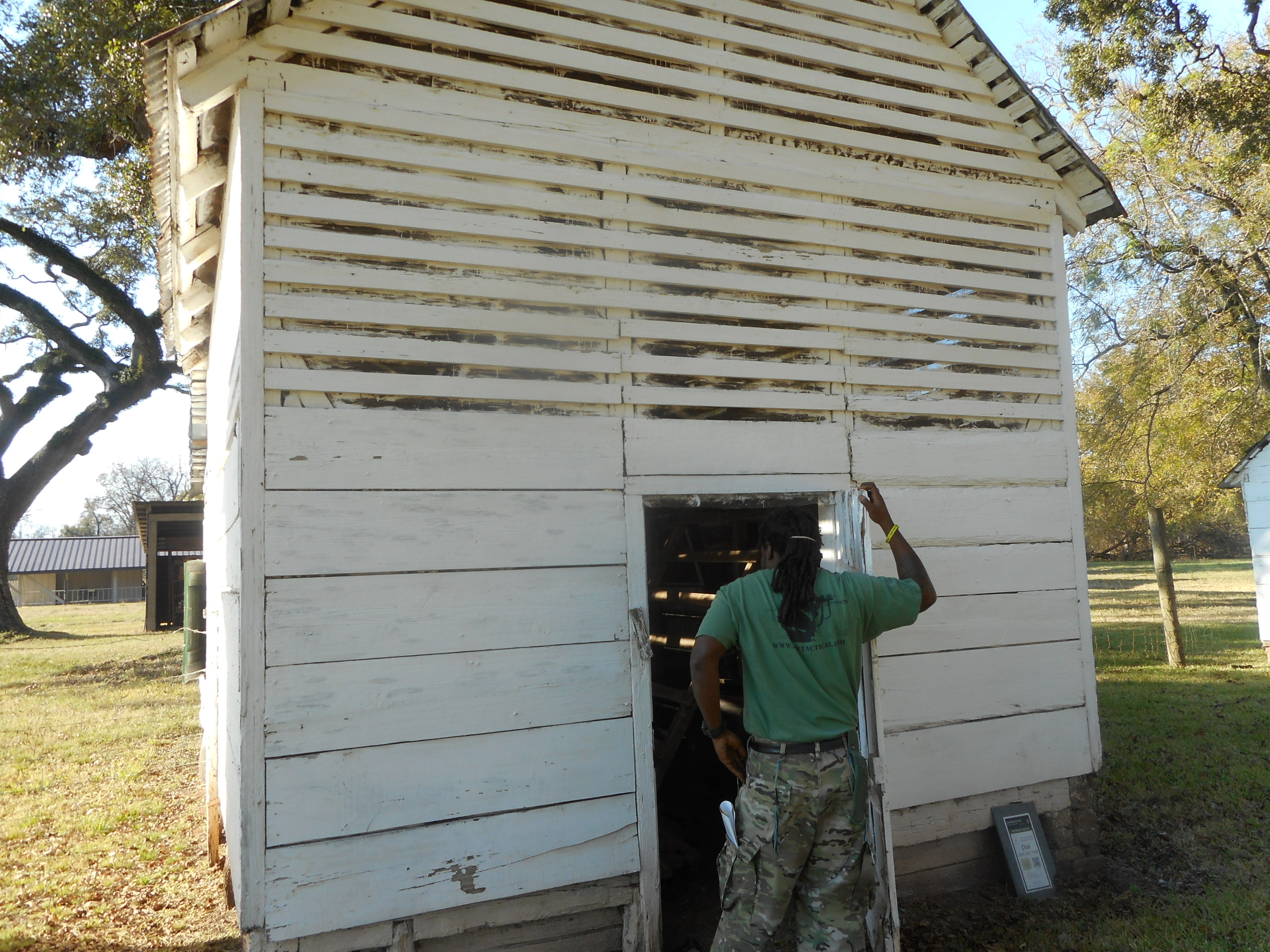
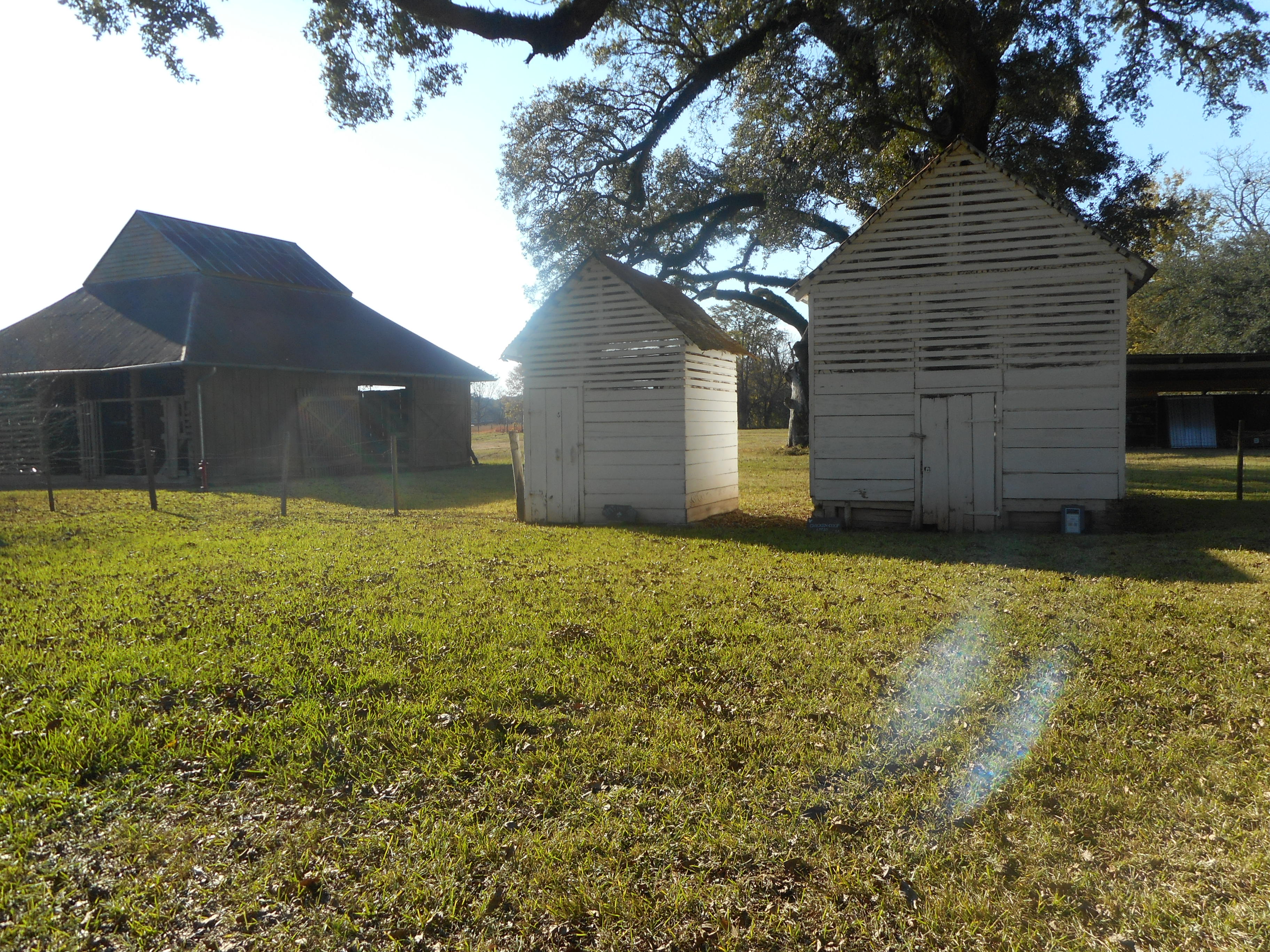
Chicken Coop
Husband checking out the Chicken Coop.
Fattening Pen
Chickens were bred, hatched and fattened in this area. Turkeys were also raised on the land.
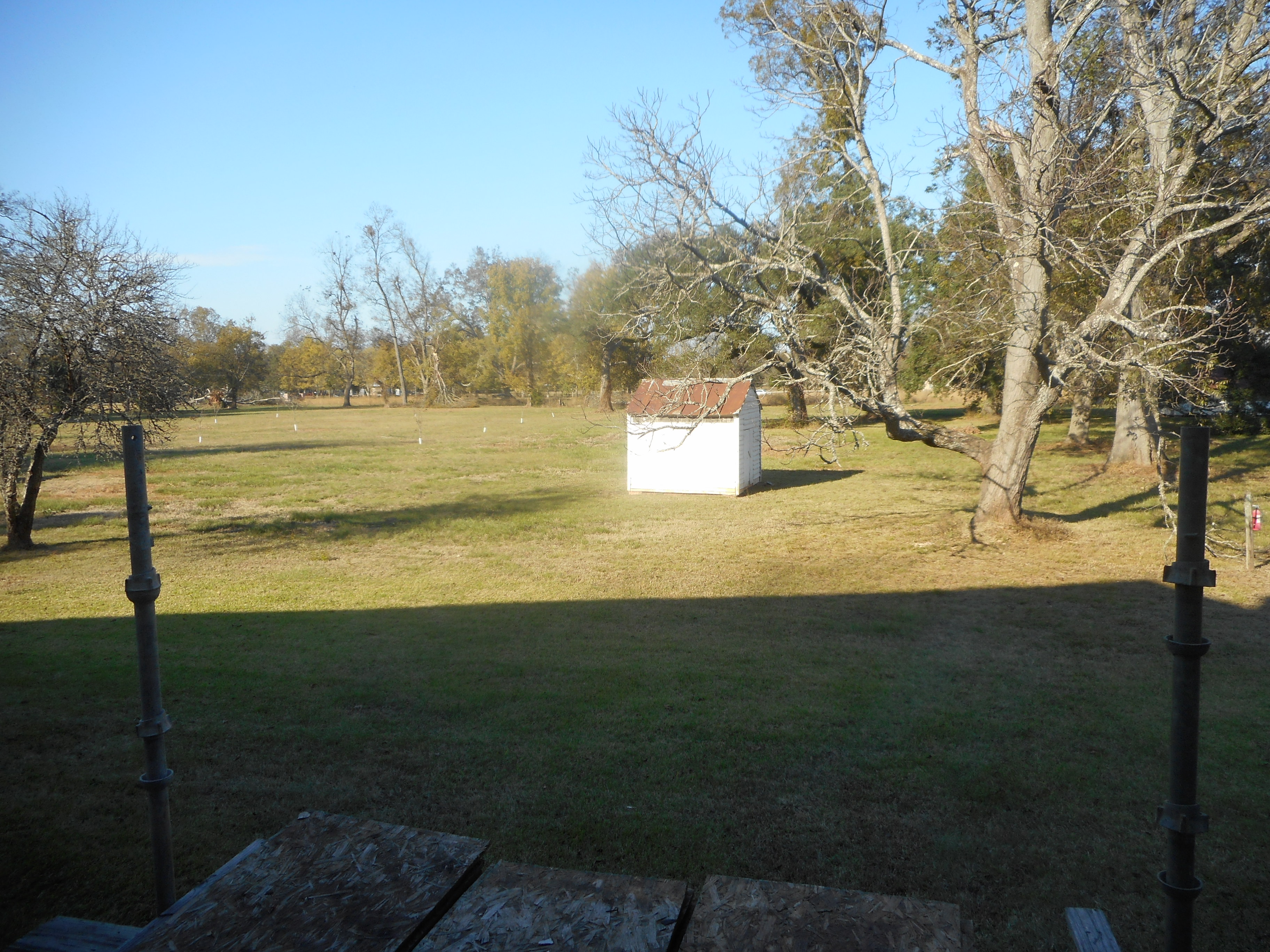
Randoms
What I carried home with me was an even deeper appreciation for those little things we take for granted every day. I was headed back to the campsite to sleep in a tent, but I knew that eventually, I’d be going home to a hot shower, a full meal, and a warm bed. As we packed up to leave the plantation, I considered what it would be like to be forced to stay. What is it like not to have a home to go back to and nothing more to look forward to tomorrow than the same back-breaking work?
My revelations were not just in relation to dark history (I am aware black history is not just about slavery). As I looked around the land, I saw how the enslaved built almost everything on the property. It reminded me of how skillful and resourceful we are as a people. From shelters to clothing, food, and shoes, I thought how empowering it would be to get back to building our own.
Often deemed ignorant and illiterate, the truth is that Israelites, so-called Blacks, were not as naive as we are taught. It occurred to me that many blacks were only lost when it came to adapting and assimilating into American culture. Otherwise, we were expert farmers, inventors, midwives, carpenters, and chefs. Thus, I left not just in appreciation for the tangible things in my life, but for everything my people have endured and the knowledge they’ve passed down to me through the generations.
Being that I drafted this post when we got home so it can be ready for you today, I’m going to crawl into this bed and get ready to catch up. I’ll be scrolling your blogs to see what I missed. The grind continues.
I read a book a couple of weekends ago. I feel it has the utmost potential. To be clear, this isn’t a book from my book review service. I read this book on my own time from an author I do not know. I enjoyed the testimony; I loved the cover, and I can relate to much of the information.
Unfortunately, the book was in such terrible need of editing and formatting that it was troublesome to get through, which broke my heart. I am not usually ultra-sensitive to typos and such when reading a book for leisure. I am only irritated when the errors are so bad I can’t enjoy or understand the story.
I could tell very little money went into this book’s production just from reading it.
That is when I knew what I wanted to write to you as we enter this new month.
I know because I have been here. I have published books written in a Microsoft Word Document, turned it into a PDF, and uploaded it. I have not only removed a lot of my earlier works, but I have risked book reviews taking books down to revise them for this reason.
As many of us do when we enter Self-Publishing, I learned the hard way that authoring a book takes more than uploading a Microsoft Word Document or PDF to Amazon’s Kindle Direct Publishing or Lulu. The hardest pill to swallow is that it doesn’t have to cost an arm and a leg, but it’s essential for new authors who choose to Self-Publish to be aware there are costs involved. Self-Publishing is not the easy route if pursued the right way. It requires both time and financial investment.
What Happens Traditionally:
I found it is helpful to understand what happens when someone publishes a book traditionally.
Traditionally, a publisher offers an author a contract. The author signs with the publisher who prints, publishes and sells the book through bookstores and other retailers. The publisher is buying the rights to the book and pays the author royalties from the sales.
Since this isn’t my area of expertise, I will leave it here. That’s the gist of it, but to learn more on Traditional Publishing steps, click here.
The most crucial part as it relates to this post is that the traditional publishing house “takes on the responsibilities and costs of designing, printing, distributing, and marketing the book.” (McLachlin)
Vanity Publishing
Vanity Publishing, the center of much controversy in the Indie world, is a publisher who publishes a book provided the author can pay for services. If the author doesn’t want to do everything independently and can afford to spend thousands of dollars to publish this book, a Vanity Publisher will gladly publish them.
Vanity Presses can look like Traditional Publishers to the untrained eye, but there’s a significant difference. The Vanity Press does not get paid royalties from the sale like a Traditional Publishing House. The Vanity Press gets paid money upfront from the author to publish them. The author is paying to get their book published. As you now know, this is not how traditional publishing works. After the Vanity Press publish the book, some allow the author to own the book and keep the profit from sales, but some Vanity Presses do not.
Why VP’s charge
Image Cred: Reedsy
Newbie authors get excited to be “signed” with Vanity Presses under the presumption they are like traditional publishing houses. They are not. VP’s charge authors to publish them because, without paying for services, there are no services. Vanity Presses have a bad reputation for outsourcing to mediocre editors and designers, so authors spend thousands of dollars (sometimes upwards of $5,000+) to receive poor editing and crappy formatting and graphic design.
Take Rocket Science Productions / RSP Marketing Services, for example, where “Phase One” of this publishing scheme involves a $595 payment for copyright registration and an ISBN. (ALLI)
Self-Publishing companies that promise you can keep “100% of your copyright” promise the new author something they already own because the work is under copyright from the moment of creation. If the author wants to go the extra mile and register it, they can do that for $45, according to the .gov copyright website here.
ISBN’s are expensive, but you can purchase a block of TEN from Bowker (US) for $295.
That’s TEN ISBNs for TEN separate books (or multiple versions of the same book) as opposed to paying almost six-hundred dollars for ONE.
Morgan James Publishing is another example, a vanity press that profits by selling books to their authors rather than readers. (ALLI)
Author Solutions and anything under Author Solutions and Xlibris are also Vanity Presses to watch out for.
The only people who get paid in this situation are the publisher or company offering the services. There are tons of people making six figures off green Self-Publishers. If I charged eight thousand dollars per author, I’d be a millionaire too.
The primary way to identify a Vanity Press is to understand one simple fact:
A traditional publisher pays the author, not the other way round.
But the traditional publisher also owns the rights to the book, which is why many choose to Self-Publish.
Self-Publishing
With Self-Publishing, you pay to produce, market, distribute, and warehouse the book. This investment can get expensive, which is why I understand why writers fall for vanity presses. Suppose you pay $2,000 to get a book edited (which is not out of the ordinary for skilled, professional editing depending on the editing needed) and still need a decent cover and everything else. Why not pay $5,000 for a team of professionals to do everything for you?
The problem is that the books these “professionals” publish are low in quality, and sometimes the author doesn’t maintain the rights to their book even after paying so much to get it published. If you charge someone $5,000 to publish their book, it should look like it, and the author should own the rights to the book. There is no excuse for charging this much money to upload a poorly edited and formatted text with a generic cover to Amazon’s Kindle Direct Publishing and then call yourself a publisher.
Why Self-Publishing Can Be Free But Isn’t If You Do It Right
With Self-Publishing, you do not sign with a publisher, so there is no one to cover the cost of book editing and cover design. You are the publisher, so the financial responsibility is yours.
It will cost you nothing to upload a manuscript to Amazon’s KDP or Kobo or iTunes or whichever platform you’d like to use. You can take your Word Document or PDF and create an account with that platform and upload it. You can also go wide using Draft2Digital to make your book available on other ebook platforms like Barnes and Noble, iBooks, and iTunes.
But, if you want to produce a high-quality book, there are costs involved in getting the manuscript ready for publication.
You are not paying someone to publish your book, or I should say, upload your manuscript to KDP. You are investing in producing a quality product.
Technically, you do not have to pay anything to publish a book, but it will look like it.
You OWN your book, which places you in great authority, and with eminent authority comes greater responsibility. If you don’t want to be responsible for everything, then Self-Publishing might not be the route for you. It may be best to look into Traditional Publishing.
Again, it doesn’t have to cost an arm and a leg to publish a book. There are many great pre-made cover designs, for example, that are cheaper than custom made covers, and editors who have great deals.
This post’s purpose is not for you to think that paying a lot of money will make your book great automatically. No editor, despite how talented, can make a crappy story great again.
The purpose of this post is to inform those of you new to Self-Publishing that if you want to be an Independent Author/Publisher, you will have to invest some money in publishing your book if you want it done right.
Indie Author Basics with EC exists because after Self-Publishing my books, I quickly realized the lack of information available to Indie Authors. Sometimes the only way to learn is through experience, and I have discovered some ups and downs that I think will help those who are just beginning. I do not present these as concrete, guaranteed solutions, but I hope new authors can use these tips to better the Self-Publishing experience and make it less confusing.
Title: Dawn of The Dragon: The Dawn Series Book 2
Author: Aundriel H Washington
Print Length: 177 Pages
Publisher: Aundriel’s Press
Publication Date: September 15, 2020
What if you saw a giant blue dragon in your neighbor’s backyard?
That’s how fantasy writer Aundriel Washington kicks off chapter one of book two in the Dawn series. With a 129 ft wingspan and standing twenty-five feet tall, Xavgon blocks the sun. Riding on his back is the central character Kalera, who draws some unwanted attention as she lands her dragon on Rocheblave Street in New Orleans. The police, National Guard, FBI, and military surround Kalera and her dragon. The girl and her creature, whom she refers to as her son, are coming from the Zaylen Realm, the world Kalera got sucked into in book one, Palera Dawn.
Xavgon freezes time to give them a chance to figure out how to escape the authorities. They run into the house of Kalera’s boyfriend Zaron and are joined by Musfall, her friend, and voodoo priest. They must find their way back to Zaylen to defeat Zaylen’s ruler, King Ager. To do this, they set out on a mission to Gros Cave, the door to Zaylen. Their first mission is to go to the Saint Louis Cathedral, where Musfall’s priest friend is a cave diver. Together, Kalera, Xavgon, Zoran, Musfall, and Kalera’s dog Rome, set out on a mission that takes them through a whirlwind of adventure and revelation.
This book maintains good action. I love the first chapter-opening, which reminded me of the movie Bright with Will Smith. I can imagine the authorities terrified as they surround a residential area where a large, fire-breathing creature has landed. Dawn of the Dragon is book two in a series, and for this, I don’t think the author needs a prologue. The way chapter one opened is good enough to capture and maintain the reader’s attention.
The author also did an excellent job of recounting what happened in book one so that readers new to this book can understand how all of this started. I also enjoyed how Xavgon communicated with Kalera telepathically. When she thinks about Harriet Tubman, for example, the dragon asks, “who is Harriet?” It helped the magical aspect of the book come to life.
My book review registry is still CLOSED. These are reviews booked before the unexpected loss of my mom. I will be reopen for new submissions at a later time. Be sure to visit the Blog Book Review Policy page here to learn more.
I came across this excellent article this morning on identifying author scams and publishing companies to avoid. Click on the read more here link below for the full article.
“The great thing about publishing with major retailers is that it’s almost always free! And unless you’re 100% technophobic, you shouldn’t have much of a problem uploading your book to Amazon or Kobo or Apple Books within a few quick minutes. There is often value in working with a professional to optimize your blurb and your metadata or perfecting your author bio, but getting your book listed on Amazon is not something you need to pay for.”













































 The PBS Blog