8 Things to Do Before Publishing Your Next Blog Post

blog-growth-update1-800x675

Below are some great links from This Mama Learns Blog to help us become better bloggers! I discovered her on Pinterest yesterday and her blog is super cute! I love the way she has branded her colors and incorporated her images all professional and fun looking. Below are articles I found helpful. Enjoy:

8 Things to Do Before Publishing Your Next Blog Post

You’re running behind on your newly acquired content schedule.

You dash out the last few lines of your next post in a flurry of activity, half an hour after you should have been in bed.

Then you hit Publish.

*yawn* Time for bed.

Okay, you know there are a few things you probably should’ve done first, but you can do it later right?

Umm…

What just happened here? This hypothetical blogger (ok, ok… it was me), just put an arbitrary schedule before producing quality content.

Not cool.

Keep Reading http://thismamalearns.com/8-things-to-do-before-publishing-your-next-blog-post?utm_source=twitter&utm_medium=social&utm_campaign=SocialWarfare

5 Secrets to Help You Look Like A Pro Blogger (even if you only started, like, yesterday)

No one likes looking like they were born yesterday, right? First impressions count, so when people visit your blog, you want to have your best foot forward.

I made my first blog in 2011. It was about tween fashion (it seemed like a good idea at the time), it was eyes-bleedingly cyan and I think I used Comic Sans. Sounds like a candidate for ugliest website of the year!

Luckily, times have changed and the overall standard of new blogs has greatly improved.

But there are still a few mistakes that new bloggers make that give themselves away. Here are 5 things you can implement on your blog right now to make you look like a pro.

Keep Reading http://thismamalearns.com/how-to-look-pro-blogger

How to Launch Your Blog with a Bang

Ever launched a blog expecting to make a big splash but… nothing happened?

You were sending post after post out into the ether. No readers (not even your mom), no comments, no shares.  Why?

It wasn’t that your content wasn’t good.

And it wasn’t that you weren’t blogging frequently enough.  You were working your fingers to bone every day getting out another post.

Maybe you were even employing a bit of SEO and churning out awkward blog headlines like How to choosing a domain name (did I do that? oops!)

It doesn’t have to be this way. You can launch a successful blog and have readers from day 1.

Keep Reading http://thismamalearns.com/launch-your-blog-with-a-bang

Beginner Bloggers Guide to Networking

Are you holding back from networking with other bloggers because you feel like your blog just isn’t ‘good enough’?

Have you joined a few Facebook groups (like I told you about in this post), but been too shy to speak up because you’re afraid you’ll get laughed at for not knowing the secret blogger handshake?

Do you read blogging tips about how to get more traffic and think YEAH I need to do that, but secretly you’re terrified to have people actually read your blog?

Let me let you in on a little secret:

I’ve SO been there.

Keep Reading http://thismamalearns.com/beginner-bloggers-guide-to-networking

Self-Publishing – Laying Bricks Ep 4: The Pathway

Laying Bricks(1)

People lay bricks for many different reasons. Whether you are building for a brick home, a drive through, or storefront, the process is the same. Like mathematics, as long as you have the basic formula for masonry you can succeed in brick laying. As long as you remember to add, subtract, multiply, and divide you can solve any seemingly complex mathematical equation. Unless of course you’re like me and you hate math.

Nonetheless, Self-Publishing is the same way. Once you’ve established the basics of building a book, you can do so repeatedly and that is what this series is all about. Everything else is just an add on. You may have built a house but it doesn’t have to stay the way you built it. You can add rooms, roofing, or extra bathrooms if you want.

Now that we’ve written a well written story, gotten it edited, beta read, and critiqued, now what?

Advanced Reviews, Pre-Launch

This episode took me a little longer. It took me longer because writers can do this in many different ways. Self-Publishing doesn’t have any official rules and for that this step can in fact also include marketing and promotion. To keep things simple, let’s just focus on building the book first. So, in this episode of Laying Bricks it is time to pull out your multipurpose hat.

Advanced Book Reviews

Once your book is the way it was meant to be, it is time to send it off for advanced reviews. This process is most important as it helps you to garner reviews in advanced. In this way, by the time the book is released, your reviews can help the book to sell. With Indie’s doing everything themselves, reviews give us room to depend on some outside help.

When deciding who you want to review your book, there are a few things to keep in mind:

Genre – Not a neccessity, but can be very helpful. When someone reviews your book who is actually part of that books genre— let’s say a fan of Historical Fiction reviewing your HistFic masterpiece—you have a better chance at expanding your audience. This isn’t to say anyone can’t review you at all, just that those of your genre makes it that much better. When you desperately send your book out to anyone, you increase your chances of marketing your book to the wrong audience.

Desperation – Speaking of desperation, don’t be desperate. I know, desperate times cause for desperate measures! However, take some time and be a little strategic about who you send your books out to. Target people who are not only in your genre but who have a passion for books with a genuine love for reading. Visit their websites and blogs to make sure they’re a real person, that they’ve reviewed books before, and that their subscriber number is decent. Listen, don’t get the wrong idea here. I’m not saying it’s all about the numbers because its not. I’m saying you want to get the most of the experience.

While we all have to start from somewhere, quality attracts quality. The whole point of reviews is to help the author. That said, make sure there’s enough of that reviewers’ blog traffic to make a difference for your book in some way. If you choose to pay for a review, make sure the prices are reasonable and that the person or company is well-established. There are lots of frauds out there and people taking advantage of Self-Publishers and you wouldn’t want to cause any unwanted attention to your Amazon account.

Follow The Rules – Every serious Book Reviewer has a list of rules and regulations to accompany their services. Paid or not paid, Reviewers must have a policy in place. This is important because books take up a lot of time. As much as I love to read, I cannot possibly read every single book that comes my way. In addition, though reading books is personal, even it requires some order.

  • Research the reviewer < Make sure they are real people and not weirdos. Yes, weirder than me.
  • Submit your request exactly as their policy states.
  • Pay special attention to the books they do not accept so you don’t get an email back and become that guy. Or girl.
  • Address the reviewer by name, make it personal. Try not to sound thirsty or in other words, desperate (even if you are).
  • Follow their blog, follow their social media. Make sure this reviewer’s energy and the vibe is fitting for your book. This isn’t to say reviewers don’t read a wide range of material, it’s just about you the author being strategic and getting the most out of the experience.
  • Consider the reviewers time. Yes, they are agreeing to read books for free but you aren’t the only person in the world. Reviewers get tons of emails a day from Indie Authors requesting reviews. Keep in mind that there may be a line. As such, if your book is 300 or more pages, don’t expect that reviewer to finish it in two weeks. If you have a deadline, be sure to contact the reviewer far enough in advance to meet your deadline and be realistic about it. Reviewers may read fast on their own leisure time, but to review a book is to study it enough to give sensible feedback. No, it’s not an academic assignment or anything but it’s not a race either. Give people time to really read it if you want to get the most logical feedback. If you want us to scan it and throw some stuff together, we can do that too. Your choice.
  • Don’t be rude. With the exception of a few because I know there are some, most of us to include yours truly, do not promise 5-star reviews. In fact, we are not reading your book in exchange for a glowing review at all. If the book is not up to par do not expect to be lied to unless of course, that’s your thing. If a reviewer gives you a low rating, don’t curse them out. Try to understand that whether the book was good or not they invested something they can never get back: Their time. They’ve done you a great service. Take the advice and use it to further perfect your work.

Pre-Launch Strategy

First, what is a pre-launch strategy? According to The Marketing People:

“Premarketing is the foundation stage of any marketing plan to enable business development. Prior to any marketing, SEO or social marketing, this step ensures that you have the right brand. The right website, stationery, brochure/catalog and other related sales and marketing tools in place. To ensure you capitalize on your ongoing marketing and sales team activity.”

In addition to garnering advanced reviews, you need something to do while your book is being read. This is a great time to start pre-launch strategies.

I hope that by now you’ve already established a few things:

  • Blog / Website
  • Email Newsletter
  • Social Media Accounts

If you do not already have these stop writing right now. Yes, step away from the computer, put the pen down and grab the laptop. Now go to your room young man / lady. Yes, you. Close the door and don’t come out until you have social media accounts up, a blog or website, and an email newsletter.

When I first started publishing, I followed the following trend:

  • Write book
  • Publish Book
  • Tell people about book (quietly)
  • Wait for people who I didn’t tell about the book to find me

This isn’t wrong necessarily (well, the last one is), it’s just out of order a bit. It’s not how you promote, it’s when. Marketing and Promoting your book when it comes out should just be one aspect of it. In last week’s article Planning Book Releases in Advance, we spoke a little bit about this. That is, planning for your books arrival at least six months to one year in advance. Plan for your books release before, during, and after the book is written.

If you haven’t done so, no worries, there is hope.

If you have not taken the time to plan pre-launch strategies for your book, do so now while your book is being read.

  • Build a Fan Base

OK, so your book isn’t out yet but what are you doing to prep people for it? This is a question I ask myself every day.

Social media is not really about selling books even if you’re like me with an online bookstore. Social media is about building relationships. As a result, these relationships lead to sales in an indirect kind of a way. Writers of books are supposed to be experts on the subject matter in which they are writing. This means that writers can utilize other writing methods to help draw attention to their book without constantly talking about the book itself.

No matter what your area is, sharing insight on that topic helps to build trust and interest in people. Writing flash fiction or sharing excerpts helps people to get used to your voice and style, posting articles, news clips, and other things help people to understand your passion and focus as well. As a result, they’ll be interested to see what that book is about.

There’s no guarantee they will want to buy the book but a relationship has formed and relationships are what you want.

  • Special Offers

While your book is being read, you can also offer something exclusive in preparation for your books release. Let’s face it, everybody wants to be exclusive and official (lbs). Make people feel special by giving something away ahead of time. Though a pre-order of your book is nice (especially a signed hardcopy), try to do something different. Give away a small journal, amazon gift card or Starbucks gift card. Whatever it is, put some effort into it. Let your genuine love for the people shine through (people can tell if you’re just being phony because you want them to buy your book). If you give away a book, make it an exclusive super-duper official one. Make sure we know that only the best of the best can qualify for this baby here.

  • Book Cover Design

We’ll speak more about this next week, but this is a good time to get started on that book cover design!

Remember: Pre-Marketing is the first stage to business development. As an Indie Author, you are that business.

I know its not much, but I sure do hope that this information has been helpful. As always, I am following my own advice and am passing along information in my journey as I learn. I am always humbled at whomever wishes to join me.

Be sure to subscribe to my email newsletter for more tips, updates on my upcoming projects, free excerpt chapters and articles not yet published to this blog, book promotions, and more.

Next– Let’s Paint the House!

Next, we’ll talk about decorating your brick house. 

Disclaimer. Everything I share on Self-Publishing is always based on my own experience and research because I believe you can’t advise people on stuff you haven’t really tried. It’s just best if you’ve walked those shoes. So, that said I do not profess to be an expert. There are too many of them out there for you to glean from. Now, should you find information on this blog useful? Whoo hoo! Go for it.

Missed the first three episodes?

Laying Bricks Ep 1: Guide The Bricks

(About Focusing on the Story)

Laying Bricks Ep 2: Mortar

(About the Revision)

Laying Bricks Ep 3: Cutting The Excess

(About Editing)

Hot PBS Self-Publishing Topics to Date:


Yecheilyah Ysrayl is the YA, Historical Fiction author of The Stella Trilogy. She is currently working on her next book series “The Nora White Story” about a young black woman writer who dreams of taking part in The Harlem Renaissance movement and her parents struggle to accept their traumatic past in the Jim Crow south. “Renaissance: The Nora White Story (Book One)” is due for release spring, 2017. For updates on this project, sneak peek of chapters and the pending book cover release for this project, be sure to follow this blog and to subscribe to Yecheilyah’s email list HERE.

From Grammarly to WordRake: A Review of 6 Automatic Editing Tools

Writers check it out! Excellent editing tools for those self edits. Use them to edit your manuscript or blog post. But, as the article states,remember:

“An automatic editing tool doesn’t replace a human editor. Because language rules and elements of a good story can be so flexible, human eyes will always be superior to the rigidity of automatic tools.”

To Be Real

the-velveteen-rabbit-by-margery-williams2

Real isn’t how you are made,’ said the Skin Horse. ‘It’s a thing that happens to you. When a child loves you for a long, long time, not just to play with, but REALLY loves you, then you become Real.’

‘Does it hurt?’ asked the Rabbit.

‘Sometimes,’ said the Skin Horse, for he was always truthful. ‘When you are Real you don’t mind being hurt.’

‘Does it happen all at once, like being wound up,’ he asked, ‘or bit by bit?’

‘It doesn’t happen all at once,’ said the Skin Horse. ‘You become. It takes a long time. That’s why it doesn’t happen often to people who break easily, or have sharp edges, or who have to be carefully kept. Generally, by the time you are Real, most of your hair has been loved off, and your eyes drop out and you get loose in the joints and very shabby. But these things don’t matter at all, because once you are Real you can’t be ugly, except to people who don’t understand.

“The Velveteen Rabbit,” also called “How Toys Become Real,” is a children’s novel written by Margery Williams and illustrated by William Nicholson. First published in 1922, the story was Williams’ first and most popular children’s book. If you’ve never read it before, the story is about the journey of a toy velveteen rabbit learning about love and what it means to become real.”

*******

People talk a lot about realness today, but few people understand what it means to really be real. The phrase “Keep It Real” is prominent, yet many people are not willing to hurt for it.

“He longed to become Real, to know what it felt like; and yet the idea of growing shabby and losing his eyes and whiskers was rather sad. He wished that he could become it without these.”

Why is wisdom measured by old age? I suppose its because by the time your hair is gray and your knees buckle and you can’t walk as far, by then you’ve gone through enough heartache to know real. You see, you’ll never be real without going through the furnace of affliction. Yes, diamonds are beautiful, but they had to go through much pressure to get that way. The truth is that we learn early on to hate ourselves because we learn to fight against disappointment, to buck against pain, and to despise trial. We learn not to rejoice in the bad but to complain about it, never once considering that such pain is reaping strength in our favor. As a result, we end up being fake most of the time because we’re not strong enough to be weak.

“Of what use was it to be loved and lose one’s beauty and become Real if it all ended like this? And a tear, a real tear, trickled down his little shabby velvet nose and fell to the ground.”

This. This most painful, most humbling of a moment. Now, you’re real.

The Velveteen Rabbit

Self-Publishing – Laying Bricks Ep 3: Cutting The Excess

Laying Bricks(1)

When applying Mortar, sometimes it’s just too much and you need to cut the excess. When you get your script back, you’ll need to decide what to keep and what to ignore.

Cutting The Bricks

book-through-spectacles-unsplash

“A good book needs a good edit: nothing screams ‘amateur’ louder than a glaring spelling mistake or improper punctuation. One criticism leveled at self-published literature is that the quality isn’t up to the standard set by the traditional trade, where editorial services are of precious significance. The constructive input of a skilled editor is certainly valuable; a structural overhaul – or even just a light copy edit – can radically transform a novel, elevating it from the ordinary to the extraordinary. In fact, in a recent poll of publishers and their authors, authors said that the number one thing they wanted their publisher to contribute was ‘discoverability’ i.e.: marketing. The publishers however, all thought that their most important contribution was editorial input.”

Editing, like feedback from critiques and beta reads, is part of the revision process and encourages more rewrites. After the feedback from your readers you’ll need to revise. Then, you’ll need to get your manuscript edited. Finally, you’ll want to take it through another revision, adding the changes suggested by your editor (or some of them).

  • First Draft
  • Beta Readers / Critique
  • Revision Stage One
  • Revision Stage Two
  • Edit
  • Revision Stage Three
  • Proofread

You can really have as many revisions as your heart desires. Not all bricks will suffice at their original size. Most walls require smaller bricks at their ends. Before cutting a script, it helps to place it in the hands of someone with the credentials to absorb the shock of the blow. There are many forms of the edit but don’t worry, you may not need them all. Choose the brick chisel you need to cut your brick:

  • Line Editor
  • Copy Editor
  • Developmental Editor
  • Proofreader

Let’s get help from The Helpful Writer to define these:

Copy

The copy editor specializes in grammar, punctualization, fact-checking, spelling, and formatting. The Copy Editor is used most often in journalism publications, but utilized by some smaller publishers.

Line

Also known as a Copy/Content Editor, often employed by the small – medium publishers, and self-published authors. They do it all – grammar, fact-checking, spelling, formatting, plot, sentences, characterization, setting, punctualization, and voice. They go through every inch of an MS, word by word, line by line.

(EC: Go into the edit with the mind that you’ll have to utterly destroy your favorite parts. Truth is, your favorite part isn’t necessarily the reader’s favorite and we’ve already established the fact that giving readers what they want is important).

Developmental

Used by big publishing houses, and often ghost writers. You can find a few freelancing DEs. They are best with non-fiction writing, but can be hired by fiction writers. Their primary function is to ensure a book moves in a forward motion, watching plot and characterization. Think writing coach.

Proofreader

Many get a proofreader and an editor confused. A proofreader is the one who goes over your MS after an editor. They look for the glaring mistakes missed, generally in punctuation, spelling, and formatting. They look for the glaring mistakes that may have been missed during edits.

What if I want to Keep Parts?

That’s OK, as long as you keep in mind that you’re writing for more than just yourself and what you find profound may not resonate with your readers if it’s not presented well. For instance, I’m a big advocate for writing with purpose. I believe everyone has a mission, a purpose, a calling if you will and that everyone, as a consequence, has a responsibility to live up to this purpose. That said, when deciding what changes to make for me personally, it’s important that the vision is not lost in the revision. There are some parts of a story I will not sacrifice.

However, this doesn’t mean you shouldn’t heed the call of feedback that makes sense. It doesn’t have to come wrapped in fancy wrapping paper with a bow, some advice just makes sense. Its logical. The wisdom in what to change in your script is to heed logical advice while learning how to incorporate your passion into a story people will enjoy. As stated in Episode One, at the end of the day good stories sell. Period. Market and promote all you want. If its not a good story, it won’t sell. So while living up to your purpose, keep in mind that no one likes to be preached to. By preach I mean anything that may come across as preachy whether it’s of a religious nature or not. Always remember that there’s a way to embed messages into stories. In short, think like a wise man, but communicate in the language of the people.

The final stage of the revision process is the proofread. Once you got your bricks in place, you’ll want to give it a once over. Are the bricks straight or crooked? Is mortar oozing from all sides? Do you need to cut out portions of the brick itself?

Proofreading is done to look for those final errors that slipped through the cracks. Proofreaders examine your script carefully to find and correct typographical errors and mistakes in grammar, style, and spelling missed during the edit. Proofreading should be done after the edit and is the final stage of the revision process. In this way, you can ensure a polished manuscript before moving onto other fun stuff.

All excess mortar is squeezed out, and the joint is removed by scraping it off with the proofread and we’re ready to move on.

*********

Next– Brick Pathway

Next, we’ll talk about moving on from revisions with a manuscript that is ready to be seriously read. Now that you’ve scraped off excess mortar, what’s next in our brick laying process? Create a welcoming entrance to your book by laying a brick pathway. We’ll discover what that is next week. Stay tuned.

Be sure to subscribe to my email newsletter for more tips, updates on my upcoming projects, free excerpt chapters and articles not yet published to this blog, book promotions, and more.

Disclaimer. Everything I share on Self-Publishing is always based on my own experience and research because I believe you can’t advise people on stuff you haven’t really tried. It’s just best if you’ve walked those shoes. So, that said I do not profess to be an expert. There are too many of them out there for you to glean from. Now, should you find information on this blog useful? Whoo hoo! Go for it.

Missed the first two episodes?

Laying Bricks Ep 1: Guide The Bricks

(About Focusing on the Story)

Laying Bricks Ep 2: Mortar

(About the Revision)

Hot PBS Self-Publishing Topics to Date:


Yecheilyah Ysrayl is the YA, Historical Fiction author of The Stella Trilogy. She is currently working on her next book series “The Nora White Story” about a young black woman writer who dreams of taking part in The Harlem Renaissance movement and her parents struggle to accept their traumatic past in the Jim Crow south. “Renaissance: The Nora White Story (Book One)” is due for release spring, 2017. For updates on this project, sneak peek of chapters and the pending book cover release for this project, be sure to follow this blog and to subscribe to Yecheilyah’s email list HERE.
Self-Publishing – Laying Bricks Ep 2: Mortar

Laying Bricks(1)

“You cannot build your hopes upon unstable foundations and expect a product of longevity.”

– Audrey Prim,

Quote From heyygurrlheyy.wordpress.com

Sure, there are other things we’ll need to do: paint the walls, add furniture, and hire professionals but not now, not while laying bricks.

Execution is vital in going from an idea to something that is actually tangible. Goals are great, but alone they’re not enough. Written down, they are merely plans. Plans are awesome. But a plan that is not backed by action becomes fruitless.  Laying bricks is excellent, but it is not enough. No, you can’t just write, sorry. I wish it was that easy. Wait, actually, it is!

It is if you take your time. If we are to build a strong house, there are other things that we must do with these bricks besides lay them. In our first unofficial episode, we spoke about focusing on one brick and how to lay it properly. We got through the laying part but if the brick is not held together, then the entire foundation is weak and the house will crumble.

Applying Mortar – Revisions and Feedback

19rv8q

Writing the story is important. It is your guide, your first brick. But we have all lived long enough to know that you can’t just stack bricks, you need something to hold them together. As much as we’d like to all just have fun, this is a business after all.

Safety Tip: When working with mortar, always wear gloves and a mask or respirator.

Before applying mortar, you’d need to protect yourself. This just means you’ll need to be prepared to battle self-doubt and rejection because this step requires revisions and feedback. If your first brick is the story, then how do you know if that story is any good? Surely we cannot depend on our own selves to determine the quality of work. I mean, are we brilliant? Yes, of course. But we are also too close to the work.

I’m not going to pretend your first draft isn’t everything, it is. It took lots of time and research. It is everything, but it’s not EVERYTHING! See how exciting the last everything was? First drafts are like the play-dough you just want to play with and get all “authorly” and say stuff like “yaasss”. However, we can’t just give readers dough now can we? We have to mold it into something and to do this properly, you’ll need a little bit of help.

Discover the tools you need to apply a generous amount of feedback to each layer of the brick. This may require:

  1. Beta Readers
  2. Advanced Review Readers
  3. Writing Critique Groups
  4. Facebook Writer Groups

Click Here for 40 Places to Find a Critique Partner

Who Will Help You Improve Your Writing

I know. It sounds funny speaking about revisions so early on. The truth is that no first draft is ready to be published. The truth is that your manuscript will need revisions. But, how do you know what needs to be revised?

The job of these people listed is to provide constructive feedback. When it came time to participate in The Curiouser Author Society’s Critique day, whew! Nervous is not the word, I was terrified. However, when I finally did upload my novel’s first chapter and allowed this group of people to read it, I was pleasantly surprised. It was like a weight was lifted from my shoulders. Sure, I thought it was good but could I really depend on my own critique? Not really. Now that others read it and provided feedback I knew it was good. Granted, it wasn’t great (at this stage you don’t get to great yet… there were things I needed to fix), but I was confident that it wasn’t poor either which boosted my confidence as a writer. I’m telling you from experience, it is enough fuel to finish the book indeed!

Here are a few things to look for during revision:

  • Contradictions  – Usually writers start off strong in the beginning but then you get to the end and its like, “Where they do that at?” Look for contradictions in your characters behaviors or setting or anything. Is she wearing red shoes? I thought she hated red tho? Stuff like that.
  • Flow and Pace – If you skip it, chances are it needs to be skipped.
  • Destroy – I’ll speak more on this in the next episode but it is part of the revision process. To fix some things means you have to break it down to build it up. So if the shoe fits, yeah, some parts of your story will need to be utterly destroyed. Recently, I just had to cut an entire chapter from my WIP. Ouch.
  • One Thing at a Time – So is the whole point of this series. We’re not focused on the in depth stuff. In this series we’re focusing on the basics. When you perfect the basics you can build upon what you build. On the other hand, without a strong foundation none of the other stuff will matter. So, back to it. Revise in stages, fixing one thing at a time. Don’t rush. Remember, this is  a process. We’re not building a straw house. We’re building  a brick house.
  • Show and Tell – Check for moments you told instead of showed and vice verse. I won’t elaborate here since I plan to publish a separate post on it, but just be sure you understand the difference between telling vs. showing. Personally, I think good writers show and tell. There’s an ongoing debate in the writing world about Showing vs. Telling but here’s the secret: don’t show us everything! As a result of the show vs. tell debate authors are now showing us everything but their booty cheeks. That’s not what show vs. tell means and makes the story sound just as boring as my example. It’s called Storytelling for a reason. You are supposed to tell a story. The difference is in balancing the amount of telling and showing. Straight action doesn’t work no more than no action. Your characters just can’t be running all over the place, they need quite, emotional times too.
  • Grammar / Punctuation – This is last not because its not important. It’s just that this goes more into the next episode. But, there are still mistakes you can catch during your revision you may not have seen before. Especially those caught by your betas.

Sure, everyone’s opinions are just that, opinions. Additionally, opinions vary for each person. Still, it helps to have an extra set of eyes to validate some things for you as you revise your script. If you think you can really do it all yourself, then maybe you are not ready to build a house. (Ever watched those home reconstruction shows? Do you see how much work that is? Now, imagine one person doing it. Sheesh). The extra set of eyes are not to dictate your script, change the vision, or slam your work.

The extra eyes are just to help you along the revision process before you go in for the edit. So, “butter” that brick with mortar by recruiting additional sets of eyes to read your manuscript. They may be useful in locking each brick into place and to release any unnecessary plot bubbles that may be underneath all the glitter and glam.

Next– Removing Excess

Next, we’ll talk about removing the excess in your Self-Pub brick laying process. Find out what to do when you get your scripts back from readers. After you’ve gotten the book critiqued, now what? Stay Tuned.

Be sure to subscribe to my email newsletter for more tips, updates on my upcoming projects, free excerpt chapters and articles not yet published to this blog, book promotions, and more.

Disclaimer. Everything I share on Self-Publishing is always based on my own experience and research because I believe you can’t advise people on stuff you haven’t really tried. It’s just best if you’ve walked those shoes. So, that said I do not profess to be an expert. There are too many of them out there for you to glean from. Now, should you find information on this blog useful? Whoo hoo! Go for it.

Missed the first episode? See Laying Bricks Ep 1: Guide The Bricks


Yecheilyah Ysrayl is the YA, Historical Fiction author of The Stella Trilogy. She is currently working on her next book series “The Nora White Story” about a young black woman writer who dreams of taking part in The Harlem Renaissance movement and her parents struggle to accept their traumatic past in the Jim Crow south. “Renaissance: The Nora White Story (Book One)” is due for release spring, 2017. For updates on this project, sneak peek of chapters and the pending book cover release for this project, be sure to follow this blog and to subscribe to Yecheilyah’s email list HERE.

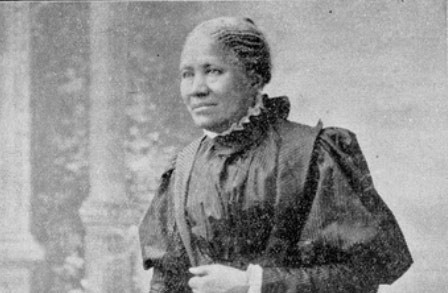
Lost to History – Unfamiliar Faces: Francis E.W. Harper

frances-ellen-watkins-harper-448

Maya Angelou, Toni Morrison, Richard Wright, and Zora Neale Hurston are among many peoples list of powerful writer influences. Throw in Ralph Ellison, James Baldwin, Alice Walker, Octavia Butler, and Langston Hughes and you have a dream team of the world’s most quoted, most copied, and most talked about black writer contributors of all time. A name you won’t hear is Francis Ellen Watkins Harper, poet, author, and abolitionist.

“My home is where eternal snow Round threat’ning craters sleep, Where streamlets murmur soft and low And playful cascades leap. Tis where glad scenes shall meet My weary, longing eye; Where rocks and Alpine forests greet The bright cerulean sky.” – Forest Leaves, Yearnings for Home by Frances E.W. Harper

Frances was a writer and poet born free to free parents in Baltimore and attended a school for blacks that was ran by her Uncle. Frances wrote poems and went on to publish her first collection in 1845, Forest Leaves. Years later, Frances taught domestic duties at Union Seminary in Ohio which was run by John Brown, the devout abolitionist who held strong opposing views of slavery. Brown, a white man, was a conductor of The Underground Railroad and The League of Gileadites, an organization established to help runaway slaves escape to Canada. As a result, naturally Frances got involved in the abolitionist movement and The Underground Railroad becoming a lecturer who went on tours with such men as Frederick Douglas.

In 1854, Frances published Poems of Miscellaneous Subjects, which featured one of her most famous works, “Bury Me in a Free Land”, and in 1859 made literary history with “Two Offers” which made her the first African-American female writer to publish a short story.

Harper died of heart failure on February 22, 1911, in Philadelphia, Pennsylvania.