There is a reason why you cannot edit your own book, even if you are an editor. This is because quality editing involves more than fixing spelling and grammar mistakes.
These days, there’s an AI for that.
Professional editors also help you to avoid plagiarism.
Plagiarism – to steal and pass off (the ideas or words of another) as one’s own : use (another’s production) without crediting the source; to commit literary theft: present as new and original an idea or product derived from an existing source.
Most people don’t purposefully copy others works. They do not intend to use another person’s ideas or words as their own.
But this is exactly what occurs without mentioning the source of your material.
You are in danger of plagiarism anytime you present an idea, words, or quotes you got from someone else without citing them.
Suppose your work becomes popular—what we all hope for—and someone discovers that you have purposefully or carelessly used their words without their consent or crediting them. In that case, you could be subject to legal action, ruining your image as a writer.
A professional editor protects against this by noting where a citation is needed in your work.
On social media, this frequently occurs and without repercussion. However, if you do this in your book and then publish it, you can suffer grave consequences.
Solutions
Use end notes or footnotes to guide the reader to the back of the book, where you would have a notes section. In this notes section are your sources.
Remember that some sources require you to get permission before you print them. If you cannot get permission, consider removing the source altogether.
Also remember that nonfiction books intended to teach are not about personal opinion. It is about facts, proving and supporting those facts.
Just because self-publishing makes book publication quicker than traditional publishing, it does not absolve the self-publisher from the penalties associated with committing such literary violations.
Be sure to employ a qualified editor to prevent you from publishing a work rife with typographical, grammatical, and plagiarism errors.
Being on your own timeline is one of the tremendous benefits of self-publishing. The days of waiting ten years for a major publishing house to approve your work are long gone.
But how much time do you spend on your book before you Self-Publish it?
Sure. You can self-publish a book you wrote in two weeks, but is this wise? Has anyone seen the manuscript outside of yourself? Has it been properly edited? Formatted? And how’s that cover looking?
Remember, writing and publishing books are two separate processes.
There’s a reason books take a long time to release in traditional publishing, and while we self-publishers have the privilege of not having to wait as long, we should take our time.
I’m sorry to tell you, but being published on Amazon is not the flex it used to be. The platform is oversaturated with mediocrity. You don’t want your book swimming in this sea.
We can all agree Washington is a phenomenal actor, but exceptional people don’t just happen. Extraordinary people are birthed from hard work, practice, and study.
This is your reminder that you are not running late or behind in today’s immediate gratification society. You don’t have to publish your book right away just to be able to say you did.
By now, we know how important it is to have a dope book cover for our Self-Published book.
But it’s not always the book cover that gives a book away that it’s Self-Published. Sometimes, how the book looks inside makes it look homemade.
Typesetting: the spacing between words and letters, the font type & size, the page’s trim size, margin, and overall layout.
Grab a book that has been traditionally published (or professionally Self-Published!) and look over the pages. Take note of how it appears on the inside. Look at how tidy the words are! How are the left and right edges aligned, the typefaces are the same, and the paragraph spacing is perfect?
This is the result of expert typesetting.
Many Self-Publishers skip this stage. We don’t realize it because we submit the Word or PDF file we used to compose the book to our preferred print-on-demand.
But what’s wrong with that?
There is nothing wrong with that, except our manuscripts do not print exactly as we type them in Word, Google Docs, or Scrivener. The document requires proper typesetting and formatting for print and digital devices like Kindles and Tablets.
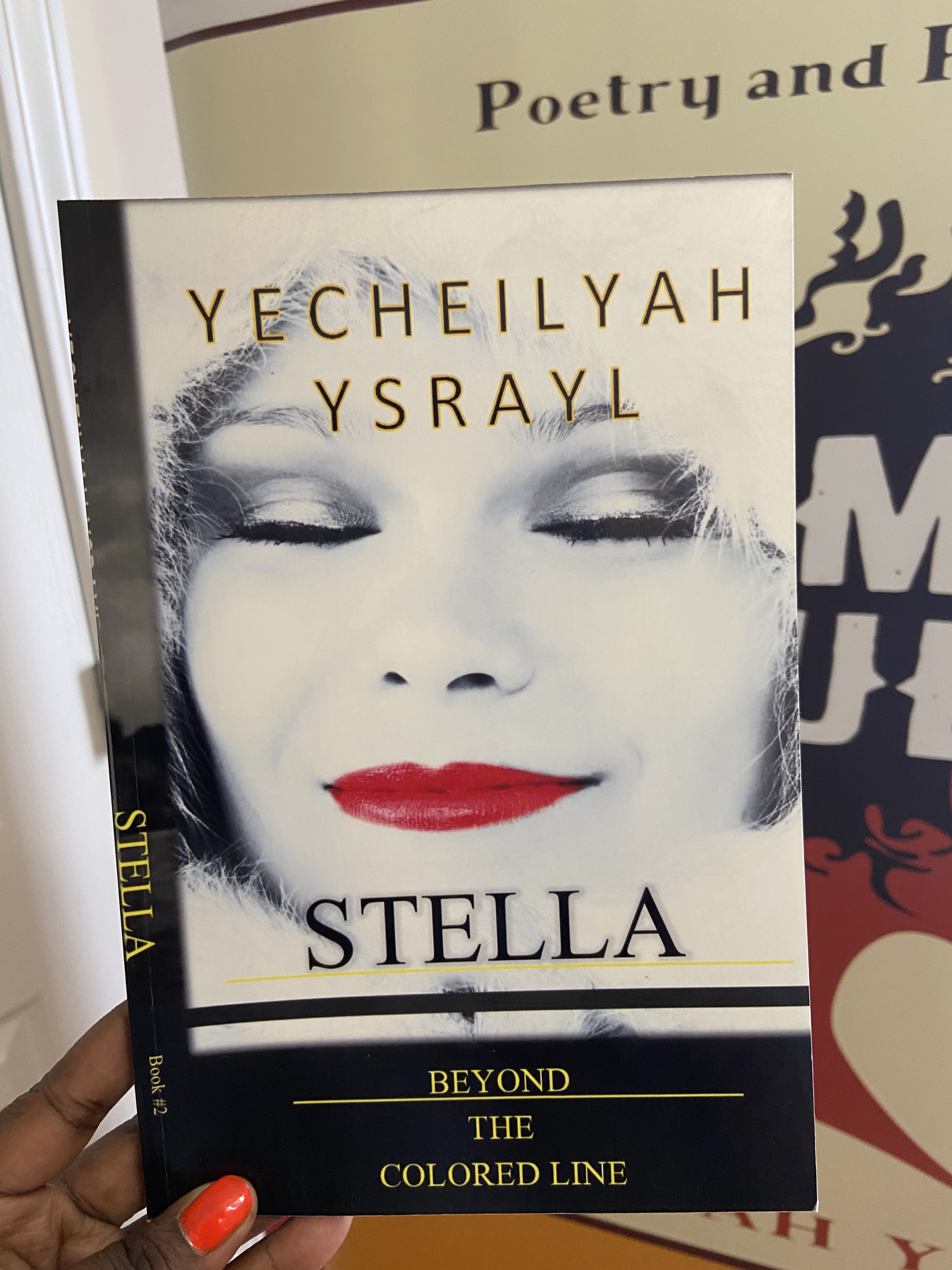
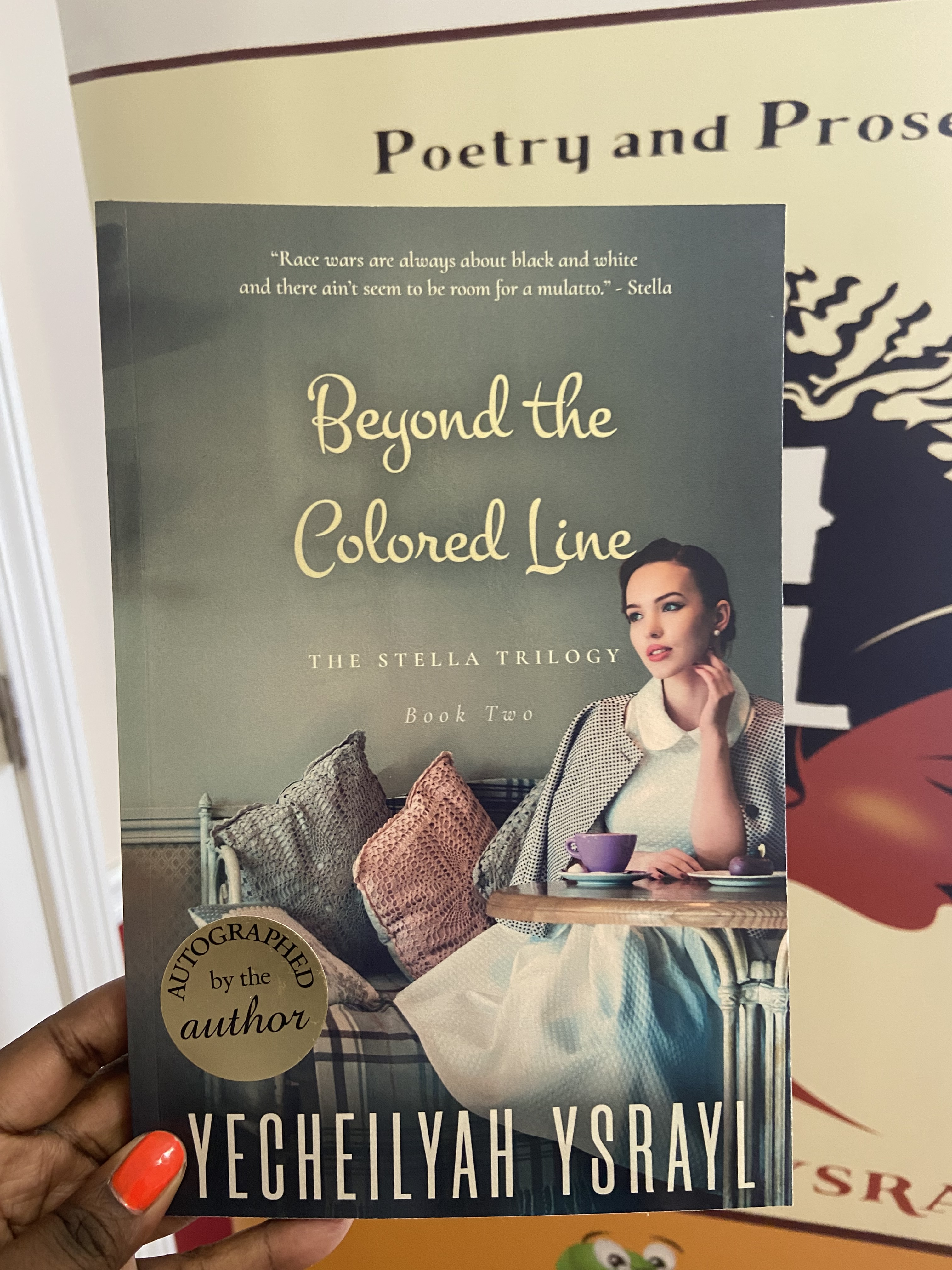
The cover of your book may suffer from a poorly formatted book. Take a look at book two in The Stella Trilogy, first edition.
I actually like the initial cover image. The problem is with the rest of the book.
Do you notice how the spine is twisted? Because the book was too short to have a spine, this occurred. Giving it one, nonetheless caused it to wrap around and face the front.
I didn’t realize the book needed more pages for a full spine because I’m not a graphic artist or skilled book cover designer.
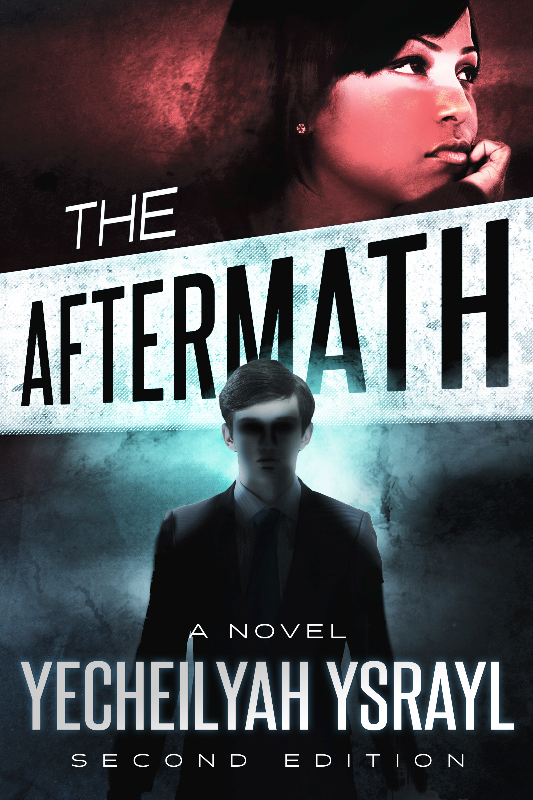
While this cover image doesn’t pop as well as the first (IMO), the book is professionally bound. The alternate ending made the book long enough for a spine in the revised edition. The book features a more professional cover, professional formatting, and professional editing.
Recommendation. Before having your entire cover designed, wait until your book has been edited and properly typeset. Your graphic artist will require the precise number of pages and trim size to create a cover, back, and spine that perfectly matches the book.
Moral. Before hitting publish, make sure to hire a skilled typesetter to correct the placement of your text on the page.
If you want to try it yourself, here are some sources:
Reedsy Book Editor
Adobe In-Design
Microsoft Publisher
Vellum *Fiverr. Note: Professional typesetters can be found on websites like Fiverr. Make sure they are typesetting rather than just typography, though. Typefaces and other decorative elements make up typography. That’s not typesetting. Additionally, if they are only using Vellum, you can do it on your own by simply purchasing it.
Hulu is about to release an exciting new series based on Octavia Butler’s book Kindred. This will open the floodgates to new interest in the book and a host of new readers.
Kindred was first published in June of 1979, which means there are new generations of readers who have probably never heard of it or read it.
First edition cover of Kindred
This brings me to one of my favorite sayings:
“Your book is always new to the people who have never read it.”
Yecheilyah
But what does this mean?
Books are eternal in that no one has read every book in the world, which is why classics like Kindred are still being discovered.
Your book is not only new when you first publish it. It is always new to fresh eyes.
Here Are Some Ways of Resurrecting Your Backlist:[mepr-show rules=”31881″ unauth=”message”]
Update the Cover
Updating the cover can be an exciting way to reintroduce your older works. Has the market changed? Can your book compete? Take the time to consider what’s selling in your genre.
Because believe it or not, books are judged by their covers!
Repurpose Into Other Formats
Is your book available in every possible format? Paperback? Hardcover? Ebook? Audiobook? Bring your older book back to life by repurposing it into a different format to reach new readers.
Bundle It, Offer Discounts / Freebies
Book bundles are great for a series but can also work as a way of offering several of your books at a discounted price.
You can also offer discounts on your first book in a series or lower the price of an older book when a new book is about to drop.
Buy a New Book, Get an Older One Free!
Another cool idea is to give a book away free in exchange for an email or offer a “buy the new book and get an older one free” deal.
Republish It / New Editions
Whether the first edition is riddled with errors or you want to add an alternate ending, publishing a new edition can bring more attention to a book you thought died on Amazon’s electronic shelf.
I have long wanted to republish my very first novel, a Sci-Fi Thriller. I hope to reintroduce her to the world in the coming future.
The moral of the story is even if you published a while ago, you can still push your backlist to new readers.
Because, and I think it is safe to say, books never die.[/mepr-show]
What would your perfect writing / reading room look like?
It’d be overlooking the Eiffel Tower and would have an inspirational quote on the wall, a chic, white leather couch, and a Frappuccino maker!
What do you hate most about writing advice? What do you love?
I hate when people give me ideas for stories because they’re usually pretty offbeat and aren’t suited to my style. I appreciate it, though, when others encourage me not to quit and when my mentors offer suggestions about plot twists.
In your own words, what is love?
I expressed that in my newest novel, Forgetting My Way Back to You. It’s living through and reflecting on the bad moments but wanting to be together, regardless. There are always problems, and relationships end because of them. It’s easy to give up on a fleeting feeling, but that isn’t the case with real love.
Does blogging help you to write?
It does keep my creative processes flowing and keeps me in shape, I suppose, but it takes away a lot of time from my usual writing. I guess it’s a love/hate relationship.
Blogging does take a lot of time. I get it. What kind of music do you like?
I enjoy almost everything from oldies to pop to (some) country.
In your own words, what is humility?
Humility is accepting that you’re flawed. You can still be proud of your abilities, but you have to recognize that others can and will be better. I think it’s also realizing that your ways and opinions aren’t law.
I dig it. Would you like to have children?
Yes, because they’re fun, genuine, and change your outlook on life.
Awwue. Right? Why is writing important to you?
Writing gives me freedom. Having Cerebral Palsy, there aren’t many things I can do on my own, but writing is one exception. Every idea and keystroke is mine alone—unless I’m on a deadline and need help typing. Plus, I’m free to create plot lines without being barred by reality.
That cover is so fun looking! What genre do you write in, why?
Though I’ve written love stories, I mainly write mysteries. I enjoy sculpting different twists and turns to make readers keep guessing. That said, almost all my mysteries have a romantic element to them because I “love love!” ♥
Outside of writing, what are some of your passions?
I’m a big baseball fan, and I also love shoes.
Thank you Karina for spending this time with us. We enjoyed you!
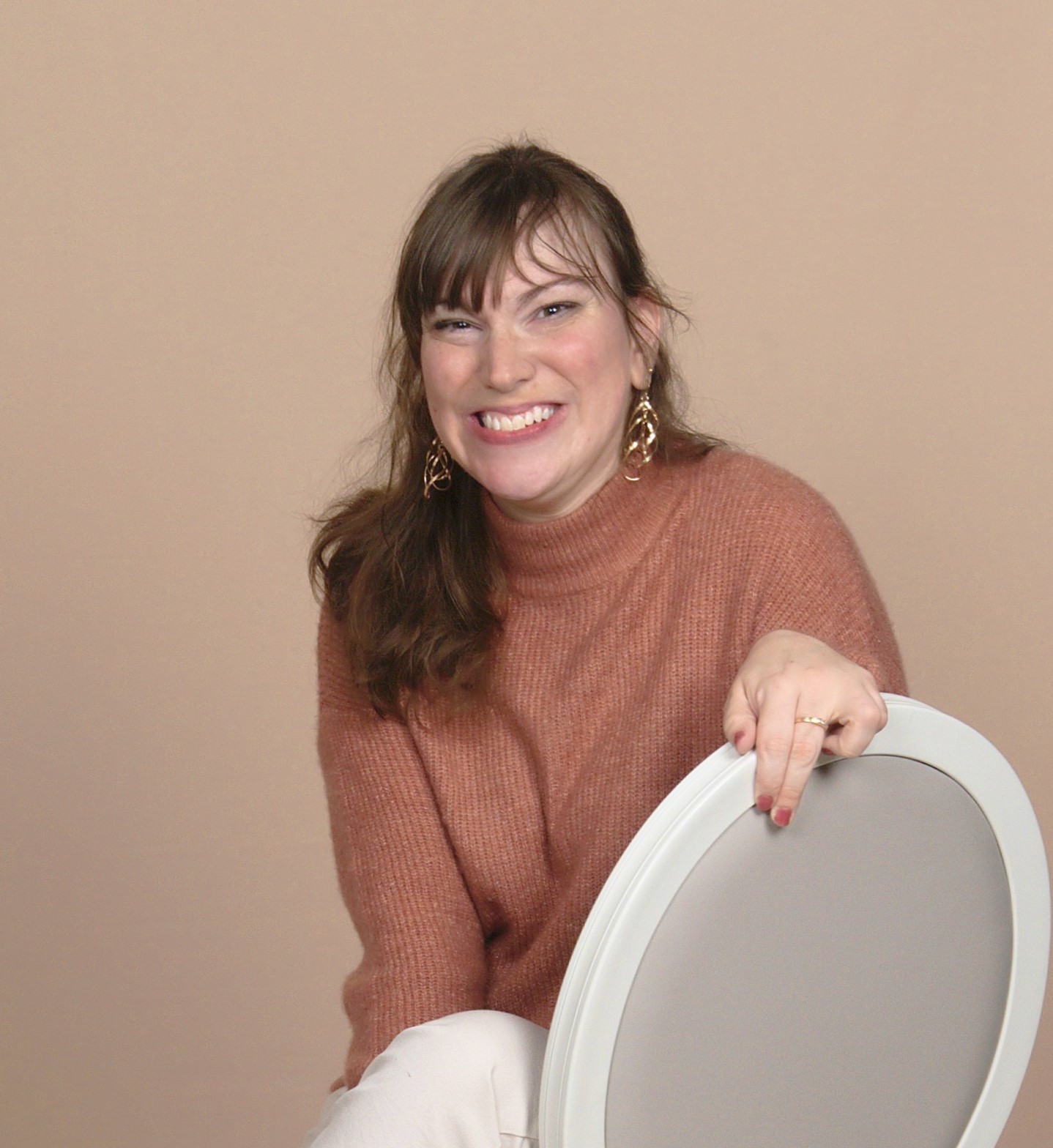
Karina Bartow grew up and still lives in Northern Ohio. Though born with Cerebral Palsy, she’s never allowed her disability to define her. Rather, she’s used her experiences to breathe life into characters who have physical limitations, but like her, are determined not to let them stand in the way of the life they want. Her debut novel, Husband in Hiding came out in 2015 and was well-received by readers. Her second, Forgetting My Way Back to You, was released in October 2018 by Vinspire Publishing and has been praised by reviewers. She may only be able to type with one hand, but she writes with her whole heart!
Today, I’d like to extend a warm welcome to Larry Garner. Let’s get started!
What is your name and where are you from?
My name is Larry Garner, and I’m currently living in a small town called Hooper in the south-central Rockies in Colorado.
Cool beans. Larry, tell us, what would your perfect writing / reading room look like?
I like a warm, cozy room with barn-wood panels on the walls, hardwood flooring, and southwestern area rugs. A nice old roll-top wooden desk and a word processor hooked up to WiFi would make it complete.
Sounds comfy! Are you employed outside of writing?
I am retire, but still keep busy with various endeavors to make some extra money for my old car addiction. I paint signs, do some welding, have even built a food truck and a taco wagon.
Nice. What was your childhood dream?
I’ve been crazy about cars and speed since I can remember. I always wanted to be a race-car driver. I’m lucky enough to have been able to fulfill that dream.
Okay. When did you publish your first book? What was that like?
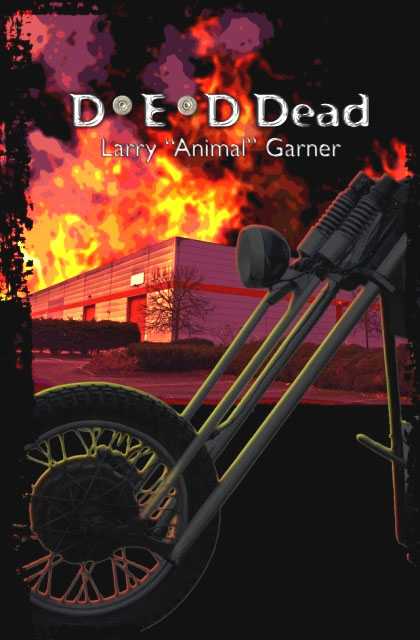
I published my first novel, D-E-D, Dead, in late 2012. It was a crazy adventure. I had been told for years that I should write a book about all my stories I tell, but decided to go full-on fiction, and that allowed me the freedom to just let it flow. I’ve had no formal training, don’t use an outline, just let the characters tell me what’s happening. I didn’t even plan to publish, thinking I’d pass the manuscript around to friends and family for fun. My wife said it needed published so that was a whole different set of things to study and learn. I’m glad she persisted until I got it published and shared with a broader fan base.
Who is your favorite writer?
I read three or four novels a week. I have many favorite authors, but my all-time favorite is Robert McCammon. His body of work is eclectic and always leaves me happy I read it.
Three or four novels a week? You better gone and read then! Lol. Are you married Larry? Children?
I am married to a wonderful woman named Marcia. We will celebrate our thirtieth anniversary in January. We have 29-year-old twin sons.
Get outta here Larry. I’m a twin too! And congrats on the 30-year anniversary. That is amazing! Now, Larry, what takes up too much of your time?
It depends on who you ask…but I feel I spend too much time worrying about things I have no control over.
Ooh wee. I think we can all relate to that one. What kind of music are you into?
I’m a rock lover, mostly hard rock. I like the old stuff, but also listen to current artists like Disturbed, Volbeat, Halestorm, and others. I also really enjoy southern rock and especially Blackberry Smoke while I’m writing.
What’s the most difficult thing about being a writer? The most exciting thing?
To me, the most difficult thing about being a writer is making sure I give the reader the best story I can produce, something they will appreciate. The most exciting thing is having readers take the time to contact me and tell me they enjoy my writing.
I love that. Why is writing important to you?
It probably sounds cliched, but I feel it’s important to give back, to provide more material for constant readers like myself. I have enjoyed so many hours of reading since the age of five that I honestly feel a compulsion to make a contribution to the books available for others to pick from.
Well said. What do you love / don’t love about yourself?
Probably the fact that if I decide to do something, I just do it. I don’t listen to the nay-sayers and critics. I do things my way, and feel that if I am pleased with the result, that’s what is most important. I have a tendency to feel that my opinion is the only one that matters. I’m working on changing that, but progress is slow.
Ha! You crack me up Larry. What genre do you write in, why?
One of my novels was a finalist in the Colorado Book Awards in the Crime/Mystery category. The second novel was a finalist in the CBA’s as a Thriller. I call them action-adventure or action thrillers. I write as I do because it is the style of writing I most often like to read. Lots of action, unforgettable characters, and very little fluff.
Outside of writing, what are some of your passions?
Family first. Friends a close second, followed by community. Then there are the cars, the motorcycles, racing, driving fast, and generally anything that turns money into noise.
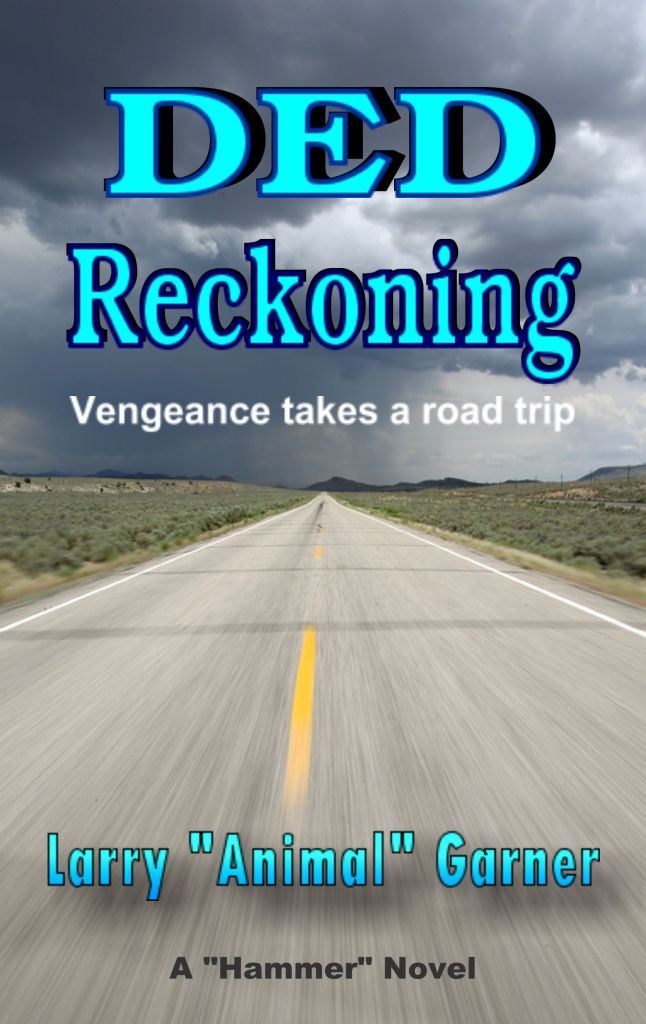
Larry “Animal” Garner is a lifelong gearhead, an avid reader, and author. A U.S. Navy veteran, Garner has worked as a welder/fabricator, auto body repairman, custom painter, farm mechanic and farm equipment designer/builder, and sign painter among many other jobs over the years since his fourteenth birthday. He has designed and built custom cars, motorcycle, race vehicles, and farm equipment. Garner has founded three different charitable organizations involved with raising money to help families of sick or dying children and other community projects. A talented fund-raiser and promoter, he is well known throughout the areas he’s lived. Garner’s first novel, “D-E-D, DEAD“ was a finalist in the 2013 Colorado Book Awards in the Crime/Mystery genre. His second novel, “DED Reckoning-Vengeance takes a road trip“ was published in October 2016 as the second book in the “Hammer” series of action novels. It was named as a finalist in the Colorado Book Awards in March 2017. The third novel in the “Hammer” series will be published in early 2019. Larry is a Colorado native and still lives there with his wife Marcia in a mountain valley in the south-central part of the state.
I’ve actually ordered her book, which should be here pretty soon.
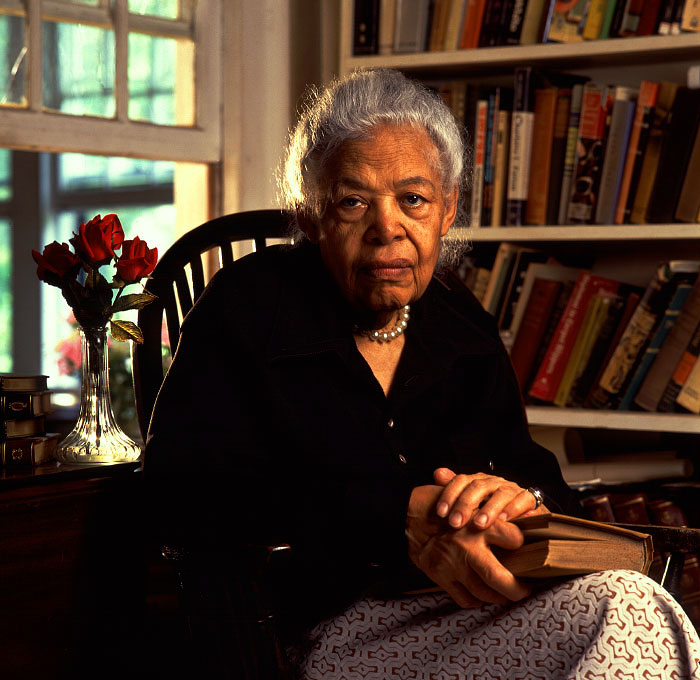
African American writer Ann Lane Petry is said to showcase the range of the black and white experience in her novels, short stories, and other works. The Street, her most famous novel (the one I’m anticipating to show up with the mail man on my doorstep) is said to be a social commentary on the despair of black urban life in the 1940s. Published in 1946, the novel sold 1.5 million copies and brought Petry to national attention as the first black woman writer to sell a million copies of her book.













 The PBS Blog