High achieving authors (Indie, Trad, or otherwise) tend to fall into a few categories:
They publish high-quality books (well-edited, dope cover art, and well-formatted, to name a few).
They collaborate with other authors and business people.
They use their book to create additional income streams through businesses and services.
Today, I want to focus on that last one, although all these are important.
No matter the route, book publishing is hard work, and most of the work happens after the book is written and published. Most of us find ourselves saying, “Dang, now what?”
Depending on what your book is about, there are so many creative things you can do to leverage your self-publishing career.
Here are a few things I do based on the kinds of books I write:
From writing black historical fiction, I lecture at schools.
and so on…
Some authors even have high-ticket courses based on the chapters in their books. Podcasts and workshops based on the book are also ways people leverage their books.
The key point is to look at the book not as the end but as the beginning. Let it (the book) stretch you to new heights!
First, you want to determine how much the event host will charge you to be a vendor and what that fee entails. My requirement to vend at any event is that the fee includes a table and two chairs. Some businesses demand that you supply your own table and chairs. That feels like renting space with no space to me, but everyone’s different.
Whatever you decide, ensure the cost is reasonable and within your budget. So, if you have to bring a table (which you’ll probably have to buy), the vending fee should not cost an arm and a leg.
There is an exception to high ticket vending costs based on the influence of the event. See bullet point #3.
2. Travel / Lodging
This is a must if you decide to vend at a location outside the city/state where you live. This means the cost of vending takes on a more significant role because now you will have to consider: the cost of vending + travel + hotel.
This is where you should keep in mind that you are a business, not just an author, and that choosing to sell your goods at events is a business decision. Take into account the event’s quality if you must travel and do other things.
3. Consider the Influence of the Event Host / Audience
We talked about this last time, but I want to discuss it from a different angle.
Events that offer a chance for people to become vendors come in all shapes and sizes. Some events are hosted by first-time event hosts, and some by larger influencers and celebrities. Both are wonderful growth opportunities.
When deciding where to put your money, consider whether there will be a sizable enough crowd for you to conduct business outside of the vendors. The one con to vending at an event that can only produce a crowd within the vendors is that it will be difficult to conduct any commerce because we are all there for the same reason.
Vending is also about connecting with powerful influencers who could help propel you to the next level. In this case, the cost to vend might be pricey, but the event’s influence makes up for it because of the people and powerful connections you can make. (Think Essence Fest and Invest Fest)
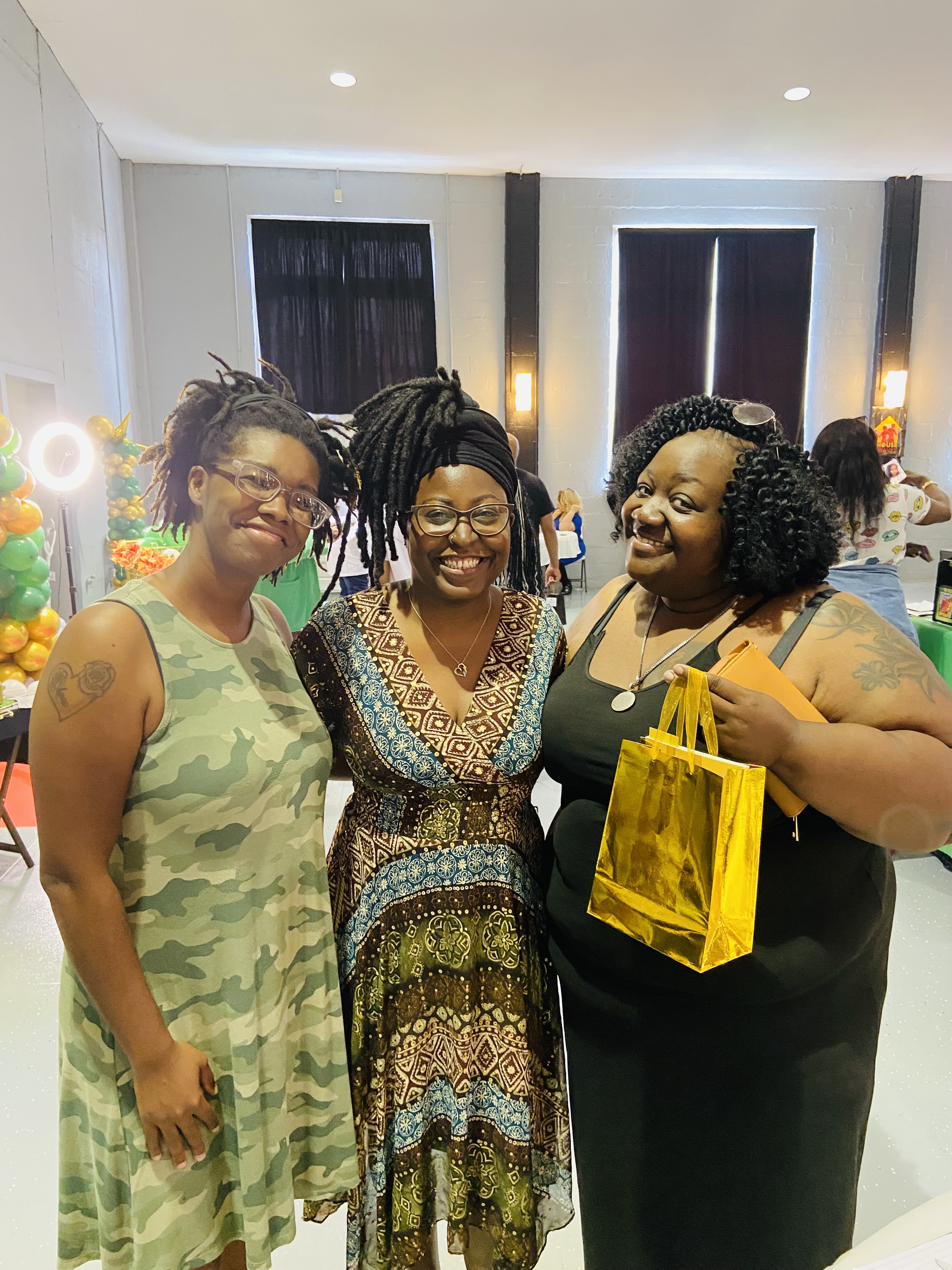
Excited supporter!
While vending at Black Writer’s Weekend last year was a bit costly, here are some things that made me decide to give it a try:
BWW and its founder Tamika Newhouse are pretty well-known in Atlanta. I knew the event would bring out a large enough crowd for me to engage people beyond the vendors, and it did. I made my vending fee back.
Included my mandatory table and chairs.
I did not need to travel far since I am in the Atlanta area, so no funds were needed for hotel or travel.
4. Engagement and ROI
If you are just going to sit behind your table looking mean, scrolling through your phone, and waiting for people to talk to you, vending might not be for you. If you intend to make a return on your investment, you will have to engage with people.
Here are some things that have been helpful for me.
Stand up and stay off the phone during high-traffic moments.
Bring a helper/assistant (hence the two chairs I always require when I vend) so you can leave your table now and again to talk to the other vendors and guests, take bathroom breaks, etc. My helper is my husband, who is fully trained (lol) on how to talk about my books in my absence. However, I am never too far away from my table.
Try not to look bored and mad (even if you are). Smile and speak. I always give people an excited “Good Morning!” or “Good Afternoon!” You’d be surprised by the people who will stop at your table just from you being friendly and pleasant. I also take note of certain non-verbal clues that people might be interested. Staring at my station but not speaking, walking away but turning for another look, studying my banner (because, how do you pronounce this name?) are all signs I use to engage people further.
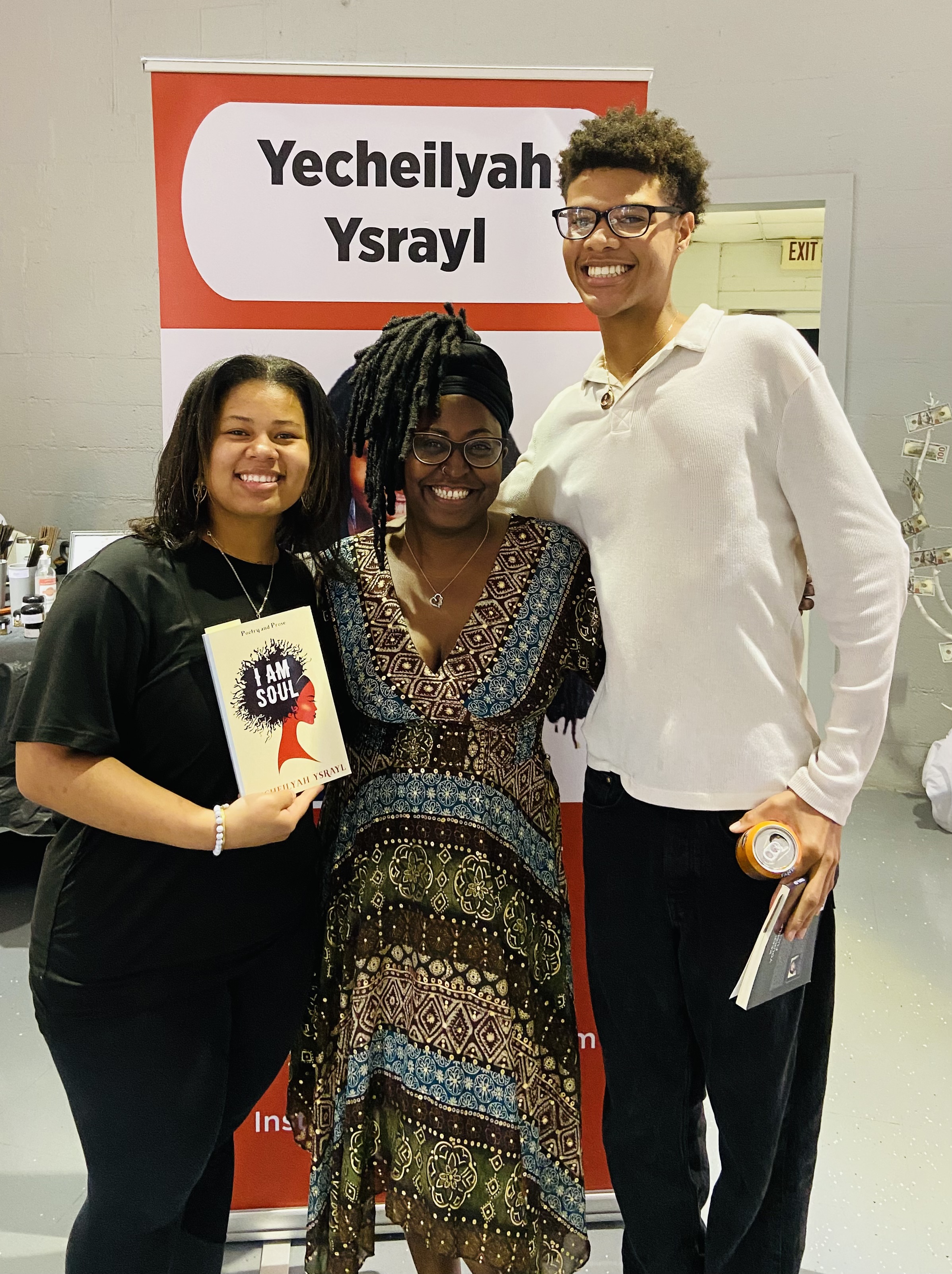
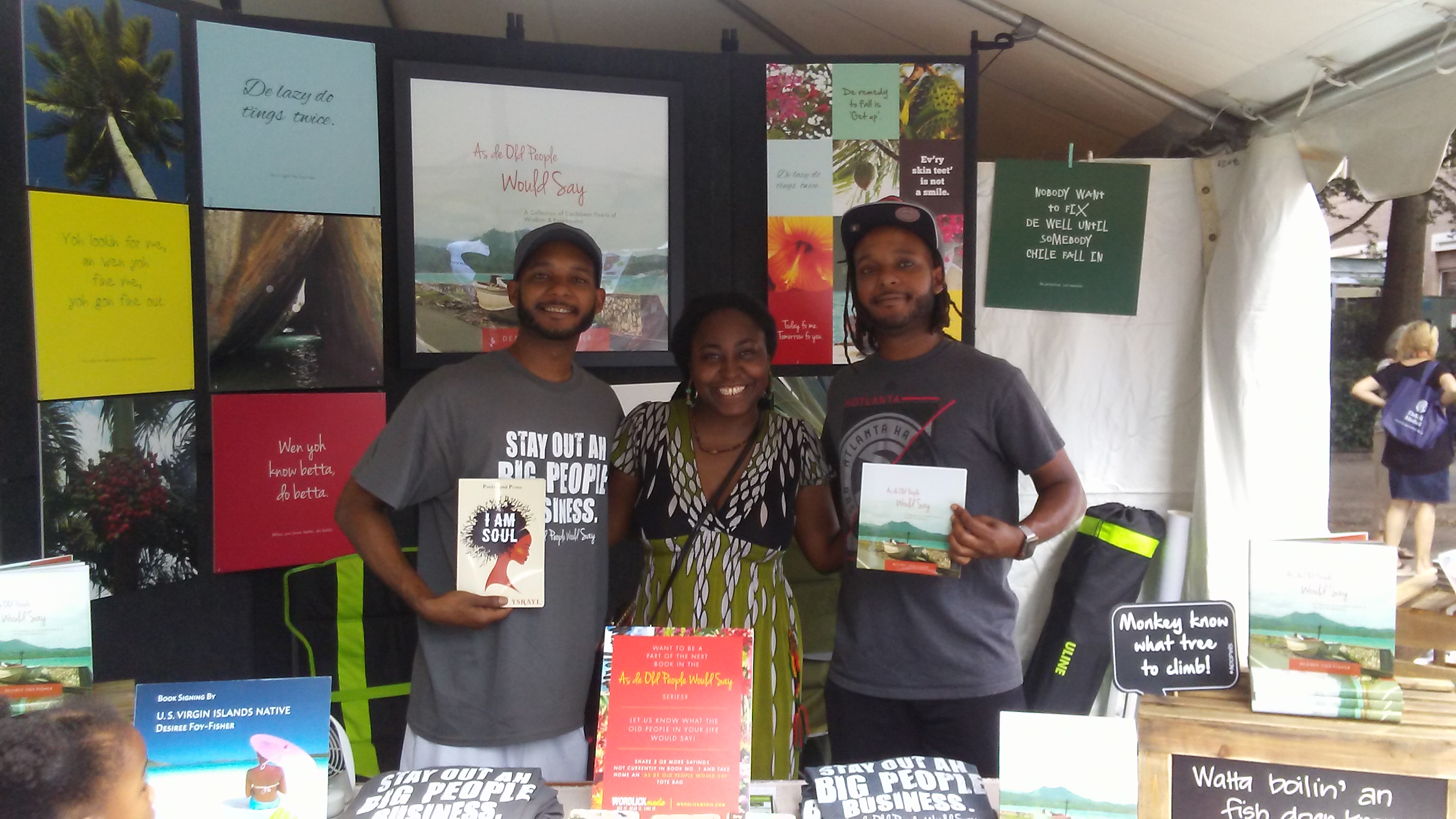
I sold these two books from calling them over when I saw them do a double take!
5. Inventory
Last but certainly not least is your inventory!
Do you have enough books to go?
Business cards and bookmarks?
Marketing materials?
Give yourself enough time to get all your tools together before the event and include that in the cost! Remember, as Indie Authors, we have to buy author copies.
Bonus: New Lessons
In part one, I joked that authors should vend at events focusing on books to avoid competing with the lady selling shea butter.
Well, I did meet a lady selling Shea Butter!
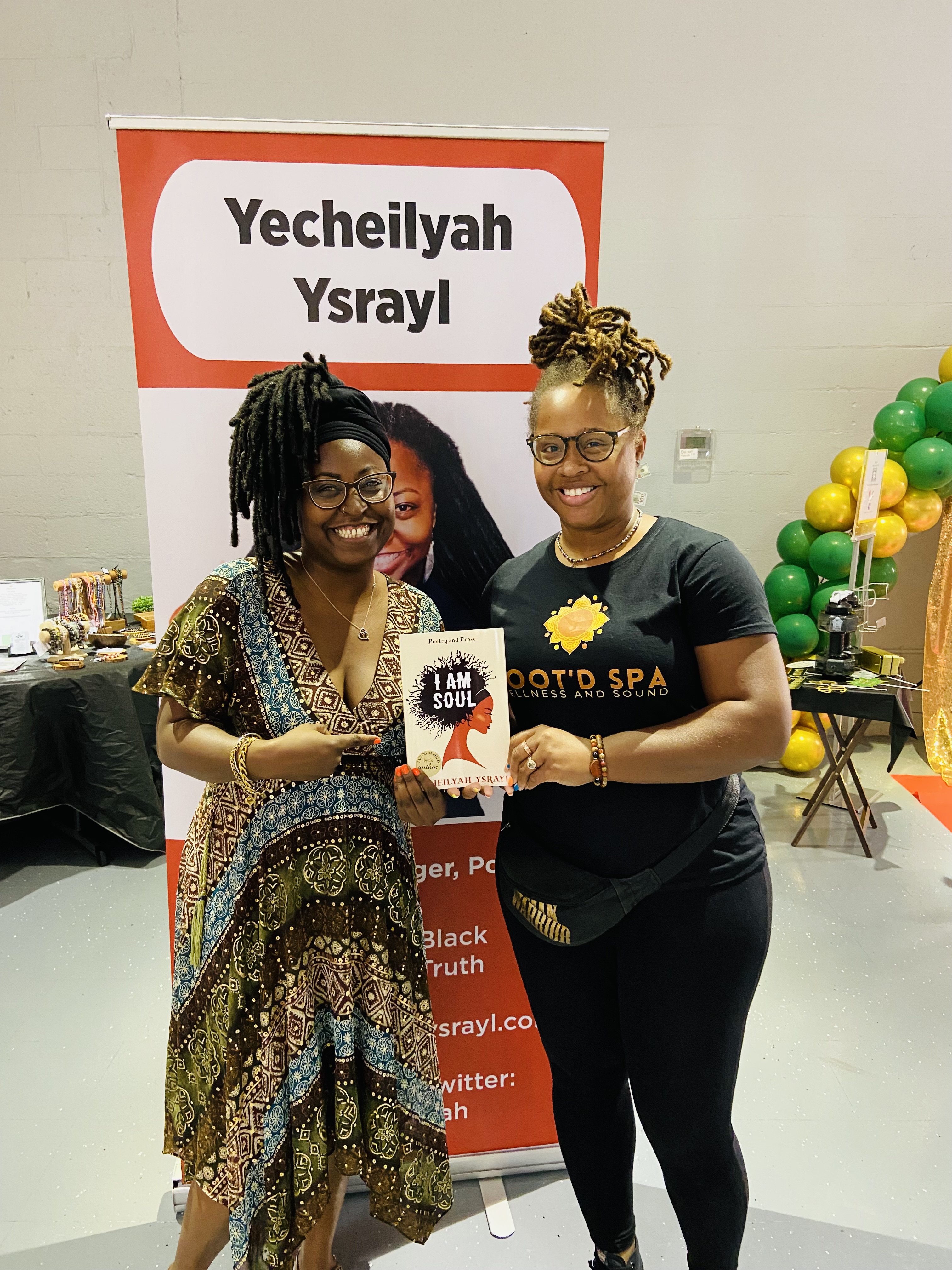
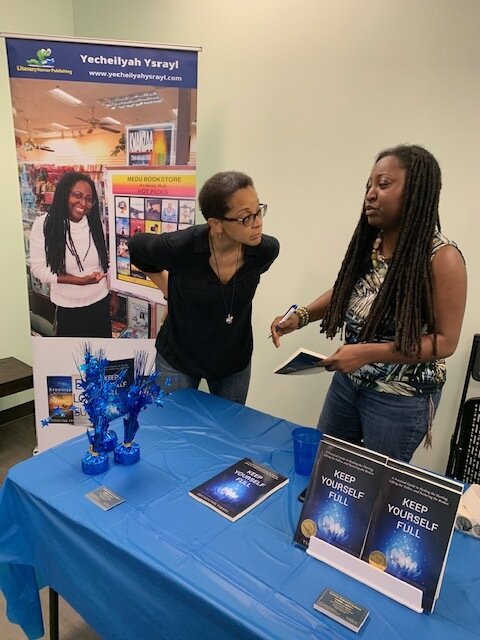
And her table was right next to mine, she also has locs, and wears glasses.
I learned a new lesson:
Of everyone at the pop-up, I was the only one with books. This set me apart and made people feel like I was the bookstore part of the event. And I did pretty well!
Even if it’s not an event focusing on books, you can do well as the only person with books or one of a few.
The Shea Butter woman’s name is Jenesis, and she runs an alternative and holistic health service business called Root’d Spa with various wellness products.
She bought a copy of my book, and I bought a bracelet from her! We are now following each other on social media.
Shea Butter Lady Jenesis!
Recap:
Consider not just the fee but also: vending fee + travel + lodging + inventory
Be ready to work
Bring a helper/assistant
Speak up and be kind
Consider the event influence for high-ticket vending opportunities
Always be on the lookout for new lessons and perspectives. You might just find your next business partner!
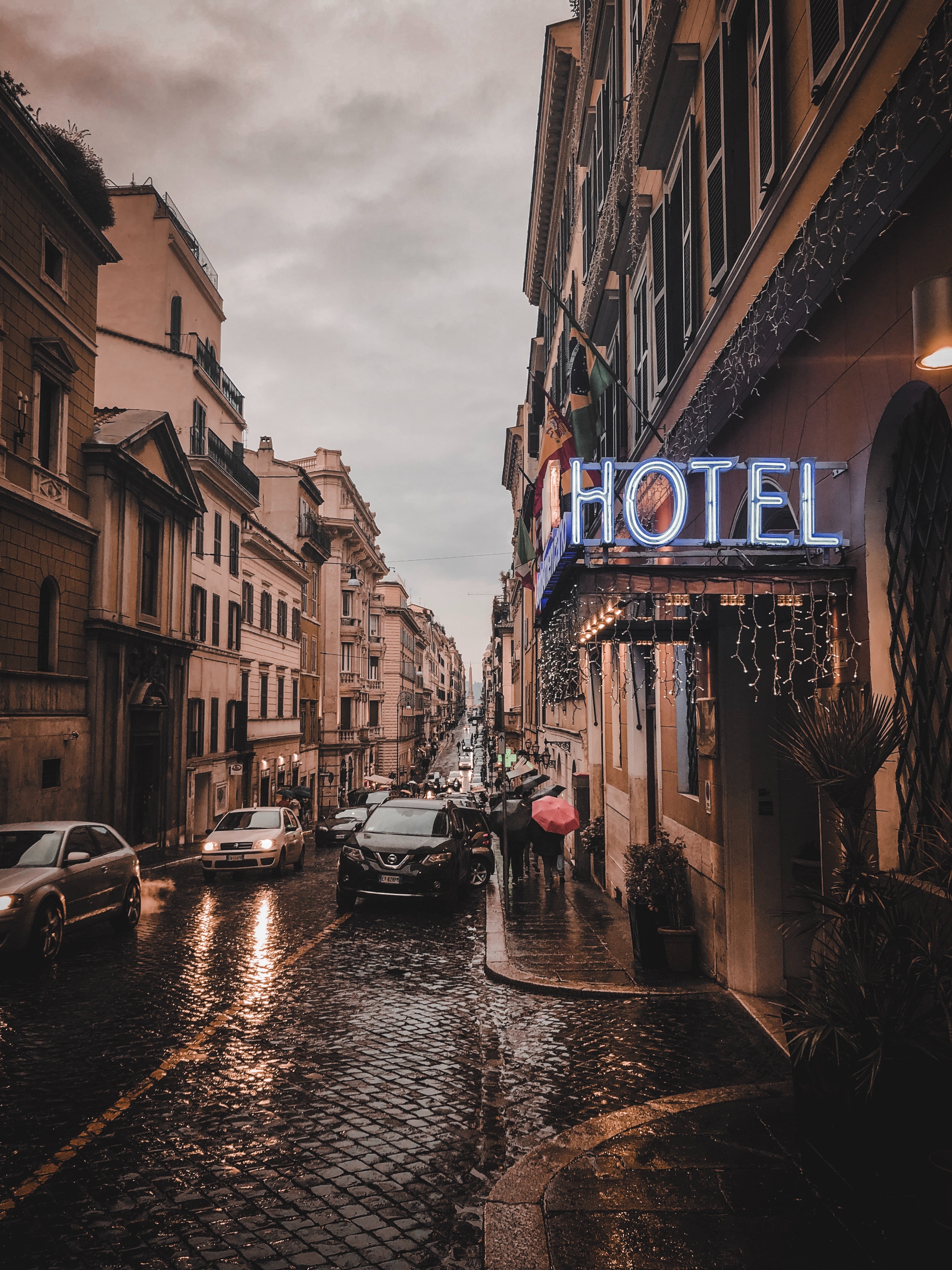
Imagine you are traveling and looking for a nice hotel. You have a choice between two that look promising.
One has 100 stars, receives some glowing reviews on its site, and even has reviews on Google Maps.
Photo by Bruno Maceiras
The other hotel looks nice from the pictures, but it doesn’t have a website, and you don’t know anyone who’s been.
You know very little about the amenities, and there is only one review.
Your only guideline comes from the very basic description on a third-party website that popped up when you Googled hotels.
Which hotel are you going to choose?
Books work in a similar way.
Book reviews are just as critical as book sales in the publishing world. They provide social proof that helps the right readers find and purchase your book.
Although our focus is on Self-Publishing, this is also true for traditionally published authors. Like with social media, publishers want to see if your book has an audience, a demand, and what you do to build awareness. Book reviews can help with that.
Start Early
The best way to garner book reviews for your book is to start at least 4-6 months (closer to six months) before the book releases. If you are a traditionally published author, your publisher will likely handle this by sending your book out for early reviews. If you are a self-published author, you can do the same.
Beta Readers
Recruiting beta readers is one of the most common methods. A beta reader is someone who reads a book before it is published in order to point out errors and make suggestions for improvements, usually without being paid. In essence, they serve as a test reader.
You want to recruit people who read within your book’s genre. Be careful only recruiting family and friends. You want people to read your book who will be honest and unbiased.
Give your readers instructions on what you expect from them. Let them know they will receive a free copy of the unfinished book and that you’d like them to leave a review on Amazon or Goodreads when it is released. If you want to use their feedback on graphics for social media, say that.
A beta reader acts as a proofreader, your last line of defense before sending the book out into the world.
But, careful not to allow beta readers to change your story. While they can offer suggestions for improvements, a beta reader is not and should not replace an editor. While they can point out obvious typos, they should be looking at the big picture. What’s working? What feels weak? What makes sense in your head but doesn’t translate to the page?
You can find beta readers (paid and not paid) within your social circle (start with your email list or blog followers) on Fiverr, Reedsy, and Upwork to name a few.
Book Bloggers
What the heck is a book blogger?
A book blogger is a blogger who reads and reviews books because they love it! Most book bloggers do this for free, and others (like me) charge a fee. Like most bloggers, I used to review books for free. However, book bloggers receive tons of requests, which can become overwhelming. My list grew significantly after I had reviewed more than 30 books, been highlighted on Reedsy and Kindlepreneur, and established myself as an active, professional reviewer. Either I would stop reviewing books or charge a fee and limit my time. I chose the latter.
As you dig into book review blogs, check on these three things first:
Is the site active? Has the blogger published a post within the last month or so?
Do they have a policy with instructions on how to apply for a review? Submitting your book according to this policy is imperative if you want to be noticed.
Do they charge for reviews, and if so, how much? You want to be prepared for any fees (this should be part of your book marketing strategy).
Are they currently accepting queries? If they’re closed at the moment, it could be months before you hear back from them — if at all.
Recruiting readers can be like pulling teeth. Thankfully, there are paid options. Beta Readers and ARC are sometimes used interchangeably. Short for Advanced Readers Copy ARC is an early version of the book sent to readers to review before the book is released. There are several paid ARC services (such as Booksiren, Bookfunnel), but they can get pricey. Still, if you have a few coins saved, Google ARC Review Services to choose which fits your budget.
Amazon Early Review Program
The Amazon Early Reviewer Program is Amazon’s internal launch program that incentivizes customers who have already purchased a product to leave a review.
Wait…
Now, Amazon. You told us we aren’t allowed to incentivize reviews and post to your site. It’s okay when you do it. It’s a problem when we do it.
Anywho, here’s what you need to know about the program fromJungle Scout:
The Amazon Early Reviewer program allows a seller to submit one of their product SKUs (stock keeping unit) to be promoted by Amazon for review by a specific, pre-vetted reviewer.
The program costs $60 per SKU. However, you aren’t charged until you get one review or one year has passed, whichever comes first.
The product should receive between 1-5 reviews from reviewers who have been handpicked by Amazon.
Reviewers are chosen for the program because they have “no history of abusive or dishonest reviews” and they meet all of Amazon’s “eligibility criteria.”
Once program reviewers leave feedback, Amazon marks the review with an orange badge that reads “Early Reviewer Program.”
I have never participated in this program, but it is an option. If you know more about this or have used it, let me know!
Ask for the review at the back of the book!
Add a short, direct request for the reader to leave a review after they are finished reading as the last page of the book. Something simple like: “I’d love to hear your opinion about this book! Please consider leaving an honest review on the platform of your choice.” Something like that.
Additionally, if someone in your network has read your book, you may send them an email asking for their review. Direct requests are sometimes more effective than mass emails asking for volunteers. It seems thoughtful and personal.
So, how many beta readers, book bloggers, and early reviews should I strive for?
As many as you are able, but I would strive for at least 10-20 Amazon reviews within the first two months after your book release date. That shows your book has traction with real readers. You can also share those reviews (as stated) on social media graphics as social proof.
Be sure that you inform your beta readers/book bloggers to post their early reviews to the book’s Amazon page when it drops.
I’ve been vending at events since 2018 when the owner of A Cappella Books refused to stock my self-published book and instead told me to get my name out there. He explained how hard it would be for me to sell my book in-store when no one knew who I was.
I wasn’t offended but encouraged, and I have since attended many events as a vendor to put myself out there. From his advice, I have also since been stocked in four stores in the Georgia area (Marietta, Morrow, Atlanta).
There is a message in this to revisit later, but for now, let’s talk about author vending.
Atlanta Decatur Book Festival
For independent authors, taking part in an event as a vendor can be lucrative (and I don’t just mean this financially). Utilizing the platform of another person will help you promote your books and business to a wider audience.
However, if we are not careful, it can also be an overly expensive and frustrating experience.
In this series, I share some of my experiences as an author vendor and some things to watch out for. In part one, I want to talk about the importance of the audience.
Audience
Author vending is not just about making money. It is also an opportunity to get in the room and build with others of like mind. But the ability to sell your books or services is still crucial.
You will have a harder time selling books if the event has little to nothing to do with books or your industry.
If you are vending at a conference or organization that is not conducive to people being able to walk around and network, this can also hinder you from making sales.
For example, in 2019, I attended MogulCon as a vendor. The event was nice but not a good place for author vendors. The tables were small, and the space was narrow. It was fitting for a business-type conference but not for my books, author swag, and large banner.
This was awkward. I didn’t know the set-up was going to be this way. I didn’t do my homework.
MogulCon was okay, but from an author vending perspective, it was a waste of money.
If I had known, I could have made it work by leaving the banner at home and bringing a briefcase instead.
Do Your Homework
When deciding to vend, understand what kind of event it is and the audience you will serve. Also, consider what kind of crowd you are looking at. You want to make sure there are enough people to network with and possibly make some money (or at least make your vending fee back.) And because the organization will likely not tell you your business isn’t a good fit, this is homework you will have to do yourself.
Crowd size is included in this. Does the event even have enough attendees for you to make a pitch, or is the host merely looking to maximize their profit from the few vendors they are able to bring in?
This is good practice for speaking engagements as well. Once, I was asked to speak at an event and prepared what I would say. But when I showed up, there were a lot of children. The host had not mentioned it was family-themed, and I had not intended to speak to kids. It could have been better organized, but I could have also done my homework on the host.
Events where you can engage with people are a plus!
So what kind of event is fitting for authors?
It depends on what your goal is for attending said event, but I believe that book festivals and conferences—that focus on books and literature—are the best because you won’t have to compete with the lady over there selling shea butter.
You can also target events that center around the theme of your book. Although many businesses were vending at the poetry life fest, it was appropriate for me to go because I write poetry. And to be true to my brand, I exclusively highlighted my poetry books. I only brought the books that were on topic.
Unlike MogulCon, the Poet Life Fest was best suited for my brand. My girl here is even matching the banner, ha!
Nowadays, there are a lot of requests for vendors because the income from the vending fee helps the organization pay for other expenses. When signing up, be strategic and intentional about who you work with.
It’s about being discerning and allowing that spiritual compass to lead you to the places you are ordained to be.
In part two, we’ll discuss the financial side of author vending and how to decide whether it’s worthwhile because the fees can be very expensive.
Welcome back to another episode of No Whining Wednesday! Today, you cannot whine, criticize, or complain.
If you are new to this blog or new to this segment please visit the NWW page herefor past episodes.
I am aware there was no NWW episode last week. It is because I did not have a word to give. And I would rather say nothing than to speak just for the sake of speaking. In the words of Obbie West, the poet, “speaking just for the sake of speaking is the same as being silent.”
I almost didn’t post anything today either.
But as I thought about this series, why I created it, and why its existence is necessary, forcing things came to my mind.
We know we cannot force things to happen, but we try to anyway. It is like we are fascinated by the chase. When we cannot get what we want when we want it, we whine and complain because we feel we failed to make it happen.
We stress ourselves out over things we cannot control. We become upset that we cannot force it as much as we try.
It is not until we let go that things happen as they were always intended to. Ever noticed that it starts to move as soon as you forget about something?
Think about misplacing something. It can literally be right in your face as you tear the house apart. Only when you calm down, relax, and focus on something else that you see that thing sitting on the table.
You think, “How in the world did I miss this? I’ve looked at that table four times!”
Or did you?
You looked at the table, but did you see what was on it?
People are fascinated by my locs. They want to know what products I use, what my routine is, and how in the heck I got my hair to grow down my back.
These conversations are fun, especially for women. We get to giggle and be girly about products and things.
But the only honest answer to this question is nothing. I don’t do anything to my hair.
Of course, I wash it, oil it, and all that good stuff, but for the most part, I leave it alone, and it grows wildly.
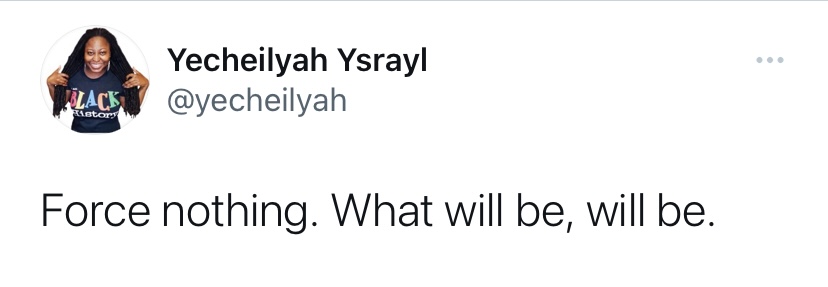
Sometimes, you just need to leave that situation alone. Don’t complain about it, don’t stress about it. Don’t even think about it. Stop trying to force the revelations to come. What will be, will be.
They say the eye is the window to the soul. A camera if you will, into the heart of man. The defining moment of his realness, or the fabrication of his persona. What does a photographic heart look like? Can I stare into your eyes and take with me an image of your intention? I marvel at the eye’s genuine and the revelation of the tongue. A man ponders in his mind the person he is and speaks his heart into existence. A dark person cannot hide behind his eyes, and a good soul cannot produce a contradicting reflection. The bond between the mind and the heart gives way to sight, and gives birth to the eyes to see. We can discern the shape of thought just by the color of words. We can lift the eyelid of speech and stare down the throat of truth. It is a discernment not everyone will possess; the ability to see beyond what you could see.












 The PBS Blog