The Power of Systems and Consistency

I’ve been Self-Publishing my books for twelve years now. Usually, after learning I’ve published fourteen books and counting, people are astonished. They want to know what the secret is. There’s only one problem.

I don’t have a secret.

But, I do have a system. 

System: A set of principles or procedures according to which something is done; an organized framework or method.

Every time I publish a book, I follow the same 5-7 steps. 

Call it a schedule if that’s easier, but this timetable helps me to publish with ease every time. 

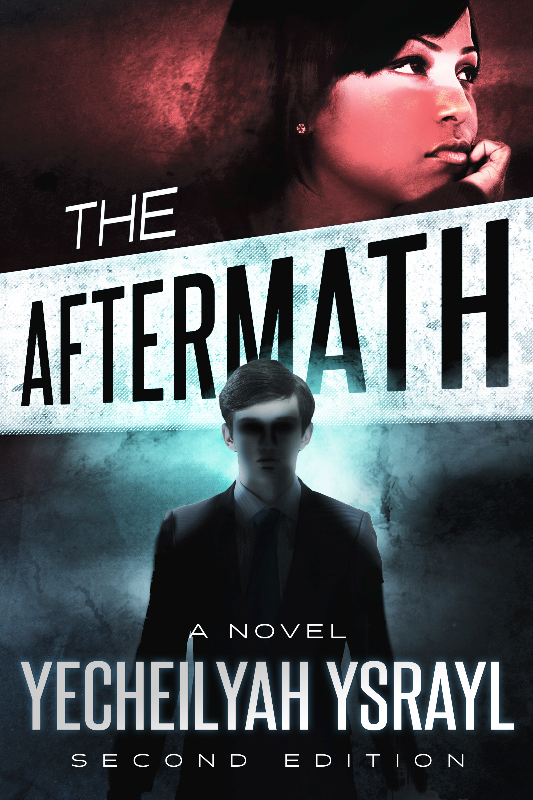
Cover by Yocla Designs

This is the new book cover for my first novel, The Aftermath (2012), which I revealed years ago. I had planned to launch a second edition but still have not finished revising it. However, I won’t have to worry about a cover when I get around to it. It is bought and paid for.

As you can see, I don’t always keep my steps in exact order, but I am never too far off track because I have a blueprint to follow. 

Tip: Always get your book edited and formatted before your artist designs the entire book cover because the book’s trim size determines the book’s dimensions. A cover design (just the front) is okay if you’d like to use it to promote and build excitement, but for an accurate width of the spine, for instance, your artist will need your exact number of pages which you won’t know until the book is edited and formatted. Getting the text formatted before the final cover is complete is part of my system. 

What I am saying to you is I do the same thing repeatedly. No magic. No secret sauce. Just systems and consistency. 

I call this series Indie Author Basics because I genuinely believe simplicity is king. All you have to do is find a way that works for you and repeat it. That’s a system. A collection of parts working together. 

If you have not written your book, what can you do every day to move you closer to finishing? Could you write it every morning while drinking coffee? Could you write it before bed? During lunch? What system works for you?

If you’ve written your book but have not published it, click on the link below and schedule a call with me. If you are looking to Self-Publish, you don’t have to figure out a system. Just use mine!


Schedule a free discovery call.

Need more Indie Author Tips?

Check out the IAB archive here.

Dear Self-Published Author, Don’t Overpay to Play

“Don’t Overpay to Play”

– Vivica A. Fox

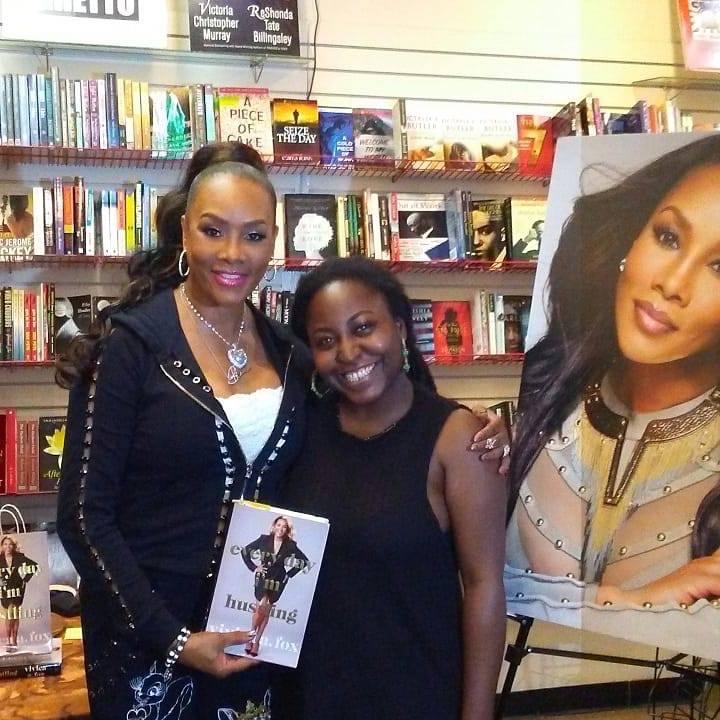
I low-key don’t like this picture because that black shirt was cuter in my mirror at home, lol.

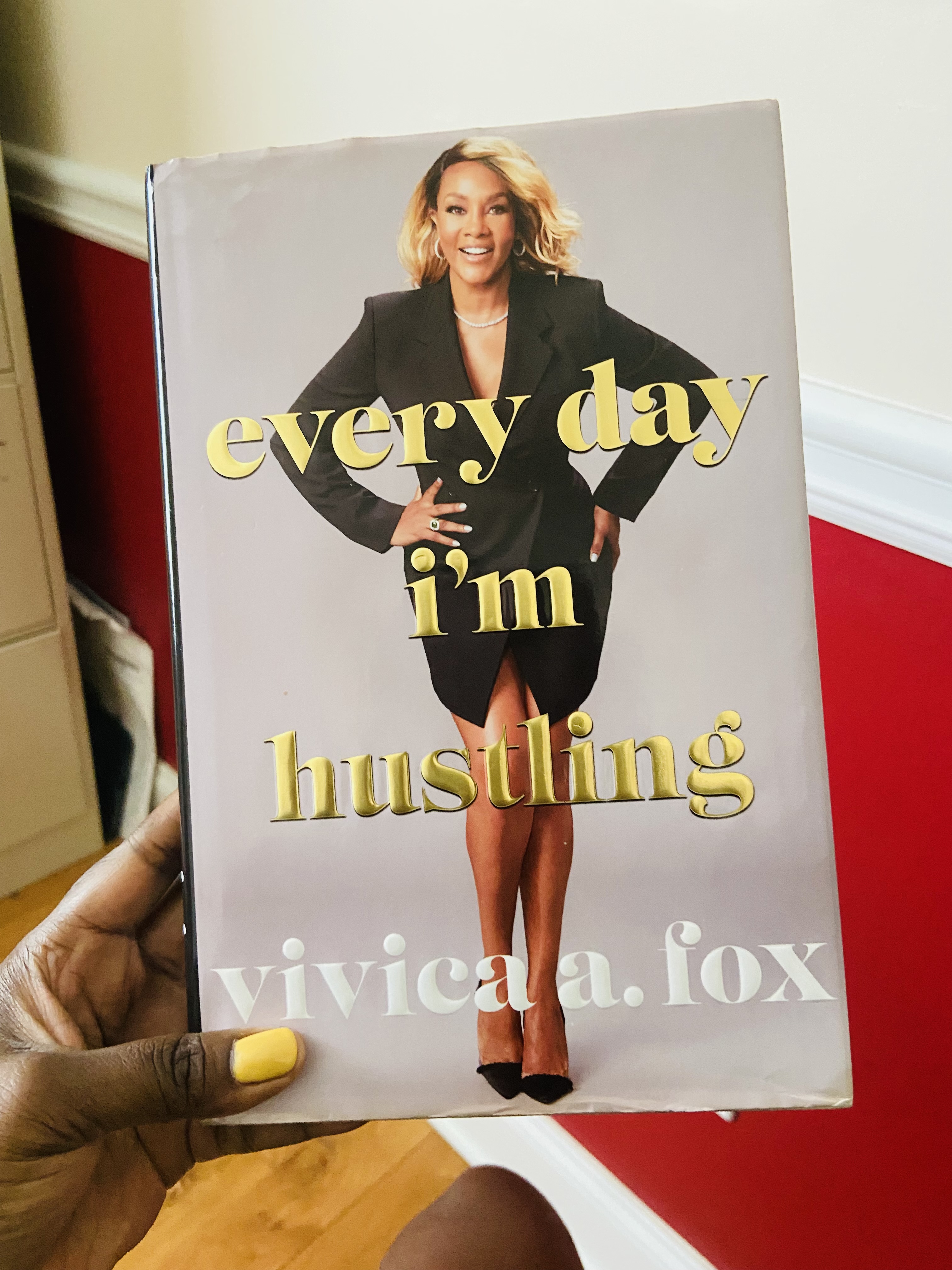
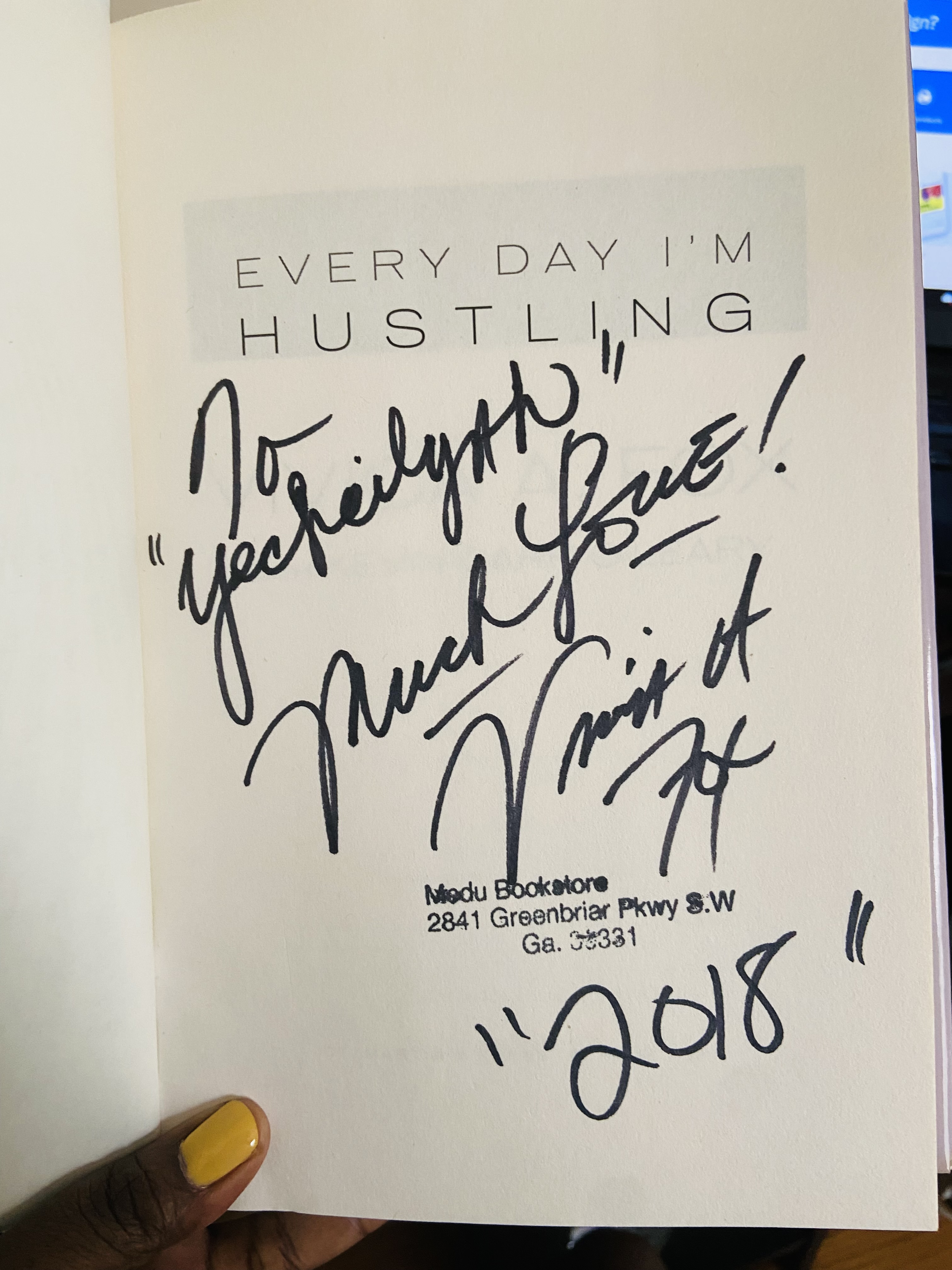
I met Vivica in 2018 when she released her book Everyday I’m Hustling, which I read and reviewed. In it, she talks about not overpaying to play. When applied to Self-Publishing, this kind of advice can save us tons of money and wasted time.

The scammers are getting clever by the day, and they gear their tactics toward Self-Published authors. One thing we can do to arm ourselves is to understand the difference between investing in ourselves and our books and paying to play. 

Investments

An investment in your book is anything that will help with the publication, promotion, and marketing of your work in a way that brings value. These are usually services offered by well-known, reputable people and organizations that produce quality. It is when you vet and hire a competent editor, when you pay for a dope cover design, when you buy ads, when you pay for web design, coaching, and so forth. These are investments that can take you to new levels. It’s an investment because you get a return.

Paying to Play

Paying to play is paying an obscene amount of money for hype that offers no real value. They usually package these as opportunities to take your business to the next level. It could mean paying 10K to a vanity press to publish your book only to come out with a crappy cover and poorly edited book slapped up on Amazon or paying 2K to attend a pointless conference. 

Vivica explains it this way:

“When you get a little bit of success, you start getting invited to these big dinners and awards nights that on paper look like a great place to network. These invites can cost three hundred dollars and up! After you go to a few, you realize that you really just get the cocktail hour to network, and then it’s hard to see anyone once you’re seated for the presentation.”

Anytime you are paying tons of money to “get in the room,” you are overpaying to play. It doesn’t have to be literally in the room, as in Vivica’s example, but it could be anything that promises luxury but is not worth it in the end. Here are some examples from Anne R. Allen’s Bogus Agents, Phony Communities, Fake Conferences, and Pay-to-Play Anthologies: New Scam Warnings for Writers:

  • Republishing your book to send to “investors” or “get you a traditional publishing contract.”
  • Filming a pricey book trailer
  • Book-to-Film “licensing” (See my post on this heartbreaking scam And here’s Alli’s warning, including business names the book-to-film scammers use.) I hear from people every day who have been snagged by this scam.
  • High-ticket, useless marketing services.
  • Buying you an interview on a podcast or radio show nobody listens to.

And I will add to that:

  • Paying to be featured in an article no one knows exists or reads
  • Paying thousands to a vanity press only to receive poor editing and crappy cover art
  • Paying to speak at an event in exchange for “exposure” (seasoned speakers should get paid to speak)

Let’s say someone offers to promote your book to their 20K followers. What you want to look at is their engagement, not followers. No one will see your book if they have tons of followers, but no engagement. Engagement is likes, comments, saves, and shares. If they charge you money to promote on their page and they have 20K followers but 0-3 likes on a post, this is a red flag. It means chances are they bought their followers. (Buying followers is also a form of paying to play.)

Note: There’s nothing wrong with not having much engagement for the everyday social media user who is learning. I am talking about the people charging you money to be featured on their platform and using their millions of followers as bait.

Paying to play can also look like being offered a chance to be featured in an article in Forbes for the low price of $500.

Umm. Why would I pay to be featured in an article if I’m for real dope? Shouldn’t Forbes reach out to me?

This is the stuff we have to pay attention to. Many of these features in articles and media have been bought, not earned. This is paying to play the game.

I didn’t think I was going to enjoy this book tbh, but Fox drops some great gems.

Everything is Not a Scam, But Vet People

I am not one of those “everything is a scam,” type people. Some businesses are new to what they are offering and we all know to become an expert, you must start. Everybody was a newbie at something at some point. You will know the scammer by the services offered in relation to the price tag. Why am I paying 5K to attend a conference for you to tell me to have more faith? Not when I can take that money and pay for professional therapy.

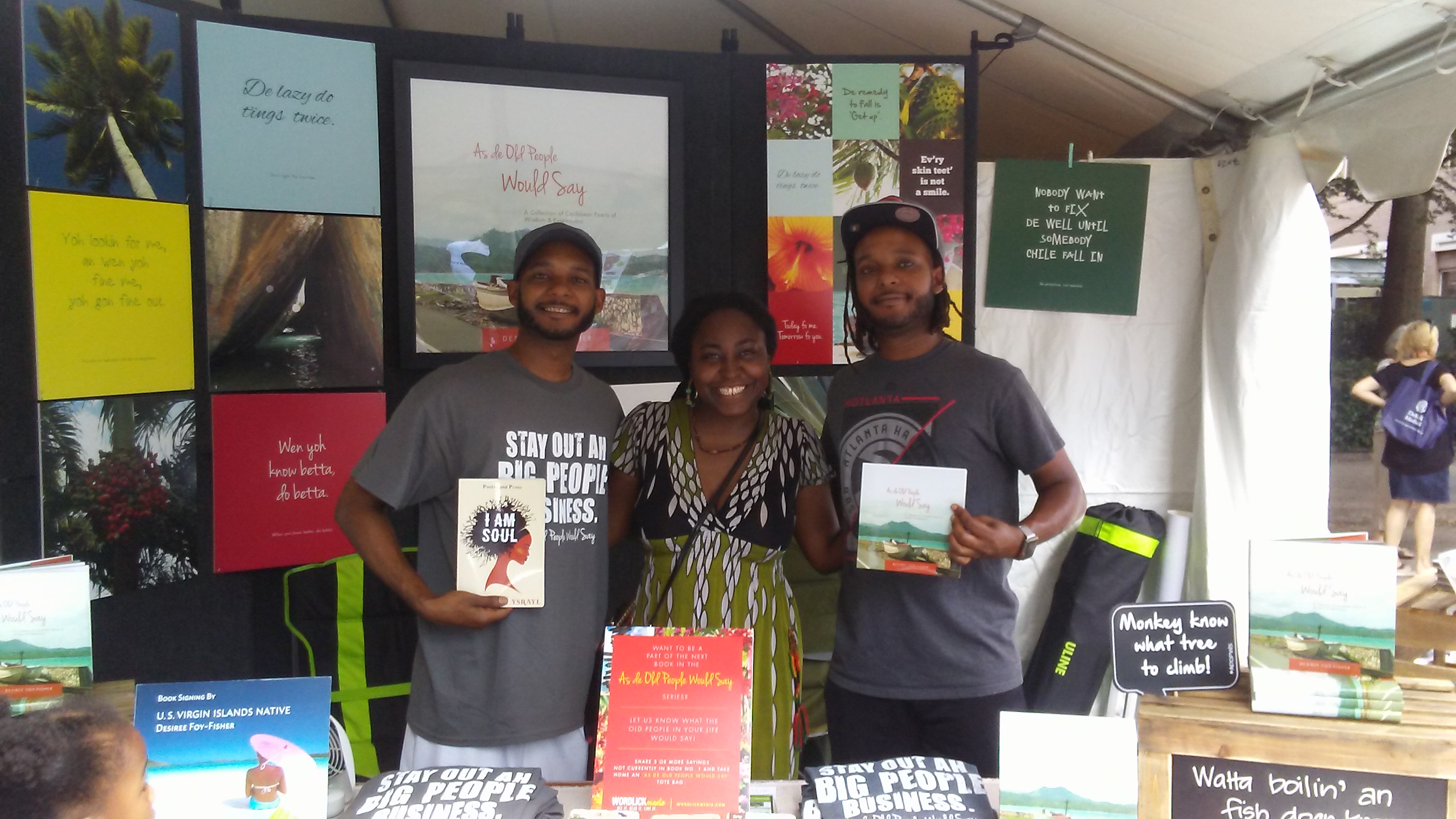
AJC Book Festival

I’m passionate about sharing my experiences as a Self-Published author because there are so many scams aimed at us. They mainly target the novice Self-Publisher. I do not mean the novice writer. You can have written before and be a master of the English language and still get scammed because you know little about Self-Publishing a book. Or, you can have Self-Published and still get scammed. It can happen to any of us.

That’s why our greatest weapon against it is knowledge and experience.

“I always tell people to educate themselves with real experience.” – Vivica A. Fox


Need more Indie Author Tips?

Check out the IAB archive here.

Need More Guidance? Schedule a free discovery call or book a consult.

Don’t Let Your Self-Published Book Rust Away on Amazon

I won’t keep you today, but I want to share this short message.

Most Self-Published authors publish a book, do a happy dance, and then let it rust away on Amazon, never to be seen or heard from again.

That’s because most Indie Authors are still waiting to be Amazon Best Sellers, rack up on thousands of reviews, and wait for Amazon to send them royalties.

And there is nothing wrong with any of this.

Except, sometimes those royalties don’t be royal if you know what I mean.

And getting new reviews can be like pulling teeth.

Both are important, but I want you to know you don’t have to pull your hair out waiting. There are people who have few reviews on Amazon and still do very well and it’s because they stepped outside the box. They did something different.

And so can you.

One of the most important lessons I’ve learned over the years is that the book is only the beginning. It is a foundation, an open door, a ticket…

But into what??

Whatever you want.

Your Self-Published book is the beginning of a fresh course, community, even a movement for political and social change.

Writing a book sets you apart as an expert in your field. You are now equipped to speak on the topic of your book (yes, fiction writers, you too), teach the themes of your book, or advocate for the message of your book.

You can sell signed paperback copies of this book from your own website, sell them in bulk at schools, libraries, and bookstores.

You can build an entire course and online school from your book, or vend at large events, conferences, and workshops.

Strategic Self-Published authors see the book, not as the end, but the beginning of a journey into more.

And why is this important?

Because a Self-Published book lost in the sea of Amazon does not produce more fruit.

Think about it.


I hope this helps someone. Stay safe folks!

Need more Indie Author Tips?

Check out the IAB archive here.

Need more in-depth guidance? Book a consult with me.

Yecheilyah’s Book Reviews – Immersed in West Africa by Terry Lister

Title: Immersed in West Africa: My Solo Journey Across Senegal, Mauritania, The Gambia, Guinea and Guinea Bissau
Author: Terry Lister
Print Length: 159 Pages
Publisher: Book Power Publishing
Publication Date:  August 29, 2019


Immersed in West Africa details the thrilling trip of one man’s travels through Senegal, Mauritania, Gambia, Guinea, and Guinea-Bissau. I love to travel, as anyone who knows me or has read this blog for any length of time will attest. We were unable to travel because of the pandemic, so it was enjoyable to learn about some less-traveled regions of West Africa from the author’s viewpoint.

We learn about Goree, the infamous island in Senegal with roots in the history of the slave trade. The island had twenty-eight slave houses and transported nearly two million people. We learn that the Maison des Esclaves (The House of Slaves) and its Door of No Return are museums and memorial to the Atlantic slave trade on the Gorée Island that they renovated in 1990.

I appreciated how honest the author was about his experiences as he traveled from one location to another. His accounts were complete, truthful, and thought-provoking in my opinion. Lister is honest about the aspects of his tour that did not go well for him, such as the native community on Lake Retba in Senegal’s Pink Lake (where the residents were pleading with him for money) and the difficulties he encountered entering Nouakchott, the capital of Mauritania. The abuse Terry experienced from the police is a story that black men and law enforcement hear all too often. It was unnecessary to make him wait, force him to the station, and inquire about his finances.

I learned from this that it is an excellent idea to guard against those who see you as a new face and try to take advantage of you. I commend the author’s courage because I would not want to travel from country to country alone, precisely because of situations like this.

Also, about the Pink Lake, the author explains it is pink because of its high salinity, second only to the Dead Sea.

We discover few people visit Mauritania because of its strict policy against alcohol and how Mauritanians love mint tea. I loved reading about making it as performed by a woman in Chinguetti. We learn desert homes use propane gas units that they carry from room to room. In Mauritania, we also discover that they use the sun to power their street lights and have installed solar panels to light up the streets.

If you are already intrigued, you will love this book as I have only scratched the surface of the author’s adventures. There is a lot to learn from someone’s personal experience that adds a seasoning that far outweighs looking it up on Google.

I love learning about how things are different in other countries, like the communal way of eating meals, sitting around a table or on the floor in a circle, and eating with your right hand, no utensils. I also did not know polygamy was legal in Senegal.

I cannot wait until it is safe again, and we can do some international travel. I might consider some places this author visited.  I would love to taste the cold water he got to drink from The Terjit Oasis, where the water fell from the rocks!

Strong Introduction: 5/5

Authenticity / Believable: 5/5

Organization: 4/5

Thought Provoking: 5/5

Solid Conclusion: 5/5

Immersed in West Africa is Available on Amazon and Free with KU!


To have your book reviewed on this blog apply here. The registry is open for a limited time!

509

Yecheilyah’s Book Reviews is a reputable review service that features writers from all over the world, both traditionally and independently published. We are listed on Kindlepreneur as a top-tier book review blog and Reedsy as one of their vetted active book blogs that provide insightful, excellent book reviews.

My Memoir Writing Journey

What exactly am I working on now? A lot of things but mostly my memoir. Now that Keep Yourself Full is on its way out, I want to get this done and I will have to deter a lot of projects to do it. At least until I finish the first draft and then I can work on other stuff and just work on the memoir from there. (I will still revise The Stella Trilogy first and release my next collection of poetry).

This is the hardest writing job I’ve ever undertaken. I have deleted everything I ever sent my email list as a sneak peek two years ago (can’t believe I let you in on that *insert eye-ball roll*) and have started over. I am fifty pages and nine chapters into the first draft so it’s not so bad considering starting over. What I don’t want this memoir to be is an autobiography. I’ve always wanted to write an autobiography, but that’s before I learned the difference between the two.

I learned memoirs differ from autobiographies. Memoirs are popular because they center on one theme and read like novels, making them much more interesting than the chronological format of the autobiography.

Theme

One thing I am working on is not making this psychoanalytic if that’s the right word. While I’ve endured much trauma in my life, I don’t want this to be a dark history of my crazy. I don’t want this to be a therapy session. This is difficult because I’m not a sugarcoat type person and neither is my mother. I gotta keep it all the way real. I gotta be honest. How do I do this without going too far?

My title is “I Wasn’t Built to Break,” so my theme is to take all the things that have been obstacles and challenges in my life, that could have broken me physically, mentally, and emotionally, but didn’t. This means that I will not go into every single detail of my life but I will focus on certain significant events, starting with growing up in the Robert Taylor Projects.
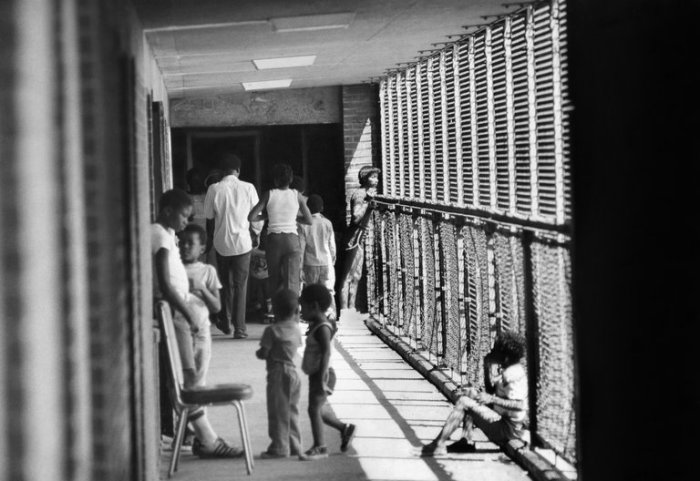
Anyone who grew up in any of Chicago’s projects is a survivor in my eyes, a warrior. It meant they not only escaped the drugs, violence, poverty, neglect, and gangs, but they also escaped literal death. Perched above the high-risers of Robert Taylor and Cabrini Green, snipers (aka Gang Members) with high-powered rifles would sit on a top floor (in a vacant apartment) and shoot their rivals. These bullets though, often hit innocent bystanders, mostly children.

I remember my Uncle coming to school to get us early because the buildings were shooting, and we had to run to our building. When I say it was a Warzone, I mean that literally. And none of us project kids ever got counseling or therapy for the things we saw. Not even the classmates of the seven-year-old Dantrell Davis from Cabrini who was shot by a sniper on his way to school in 1992 in front of his mother, teachers, police officers, and classmates.

Historical

Writing a memoir is no easy task so my approach is to research and write this as if I am writing a historical novel. Since I enjoy writing Historical Fiction, I want to incorporate history into my testimony. Instead of focusing on my experiences only, I want to take us back into the politics of some of what was going on in the world I did not have knowledge of as a kid. There’s my world where I can only see what’s in front of me and around me and then there’s the world at large. How did the decisions of others affect me, one of 21,000 children growing up in what became known as one of the poorest urban communities in the United States, a concentration of poverty they called it?

I want to go into how the projects under the Chicago Housing Authority (CHA) replaced the Chicago Slums, the discriminatory policies like redlining that kept blacks from purchasing homes in their own neighborhoods, the kitchenettes and one-room basements blacks lived in during the 30s, 40s and 50s, the beacon of hope the projects promised as a replacement, the mixed-community that was there (because whites and blacks both lived in the PJs!), the racial riots that never made the news, and the racist policies that caused many white families to move out of the projects and into the suburbs.

And what about the Plan for Transformation that demolished Public Housing and replaced them with a mixed-income community of condos and townhomes? What did this cultural mix mean for former public housing residents? And who was Robert Taylor? The black man on the board of CHA who opposed building the projects on the same land as the slums? The black man who wanted to spread the buildings out, so they fully integrated blacks throughout Chicago and who, after CHA refused, quit. I hope that if I do this, it will be a much enjoyable read.

I want to incorporate both history and personal testimony with the testimony supporting history. I remember for instance that whole “Homie the Clown” Scare of the early 90s. I remember that because I had nightmares of the clown coming into our apartment and chasing me around the couch. In 1991, rumors surfaced that a man who we called “Homie the Clown” was riding around in a van kidnapping and killing kids.

“Homey the Clown,” was the name of a character played by Damon Wayans on the early 90s sketch-comedy show In Living Color. The character was an angry black ex-con who carried a sock for knocking bad kids upside the head. His catchphrase was “Homey don’t play that.” Our “Homie the Clown” was allegedly dressed as a clown and went around kidnapping kids. Rumors said that he rode in a van and liked to stand next to mailboxes eating bananas.

This sounds silly now, but it was serious back then, just like the recent clown scares. We got let out of school early and children were afraid to walk by mailboxes. It also didn’t help that Stephen King’s IT had also just come out.

Community

It wasn’t all bad though so I want to talk about the close-knit community that existed there too that never made the news. Generations of families grew up together in what is rarely seen today. My mother’s friend, who lived next door, helped her to babysit. People watched one another children, shopped together, stepped up when someone was in need and shared food. We could go next door or downstairs to ask if someone had sugar or flour. We bartered services and passed along information about job openings or what was new at the Aid office and the candy lady was an entrepreneur. She used her food stamps to open a candy store back when you can get one piece of candy for every penny you had, better known as Penny Candy. People threw house parties and sleepovers.

Robert Taylor was not just a concentration of poverty. It was also a thriving community. When things were good, they were really good, and everyone was family. But you didn’t see this on the news. We were not all crack babies. We were not animals.

The Most Irritating Thing about the Self-Care Movement

the fact that everything is a movement now

like the importance of self-love didn’t exist

before Instagram memes

like healing is a status update

like self-care ain’t a journey but a tweet

like healing ain’t a process but words we hang

on our Facebook walls

and pretend we ain’t cover trauma in hashtags

I see healing differently

mistakes are opportunities

failure is strength

and self-love and healing is a process

paths that we aren’t always sure to take

we become masters of ourselves

only to begin again

like a battle we don’t know if we’ve won yet

a journey, healing is

and we master the parts of ourselves

until there are no more apologies

in our throats

until everything we do doesn’t sound like

sorry

until we value ourselves like we do

likes on a post

until burden ain’t heavy no more

cause we learned how to carry it

until we no longer carry it

until we’ve struggled so long

we don’t know what quitting is


Your Books in Independent Bookstores

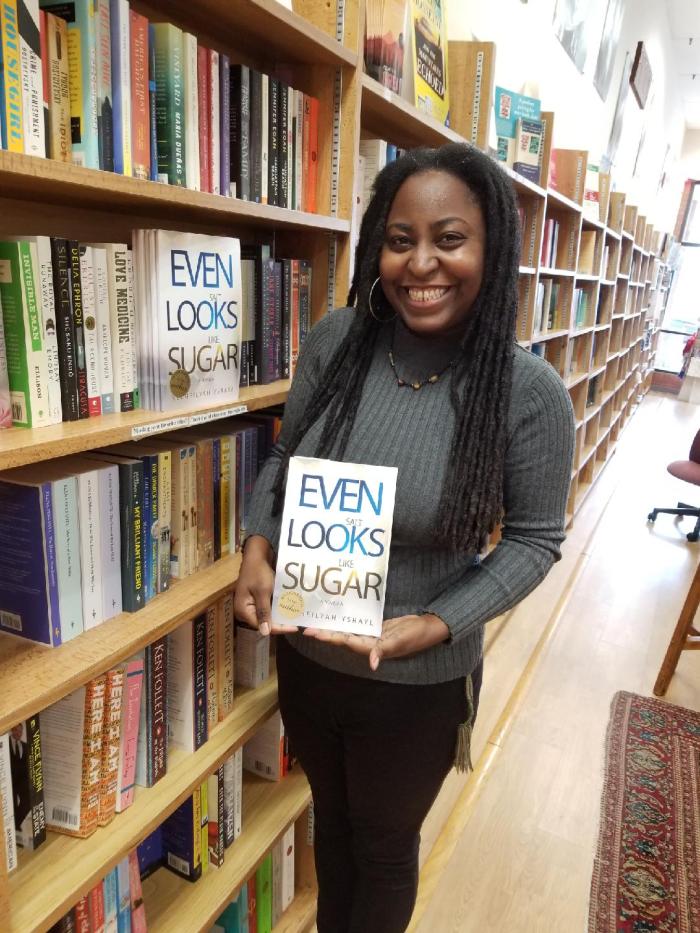
When 2018 started, I told myself that I would step outside of my comfort zone by trying to get my books accepted into bookstores, a challenge for an Indie Author with no large following and no large publisher backing her. But I did it and now I am making it a goal to get my books into libraries and in schools. And if it’s Yah’s will, I hope to do some public speaking. Before this year ends, I’ll be sending my email list my personal goal-setting chart and they will get to see exactly how I set my goals and the action steps I implement to achieve them. Today, I am taking the time to reveal some basic things you can do to prepare your books to be accepted at bookstores and how to go about the process and it’s yours free. All you have to do is subscribe to my email list HERE to access the PDF. You will get a welcome email and the document will be in that email. Please be sure to check your spam / junk folders if you do not see the welcome email in your inbox.

Some of the things covered in the document.

  • Know Your Why

Unless you are already famous, people aren’t gonna be checking for your books at bookstores in the same way they do online. In order for people to walk in and not look over your book, they must have some prior knowledge about who you are (more on this below). Be sure you know why you are doing this. Getting in bookstores and libraries is not some fast track to fame or money maker. That’s not what it’s about. Getting into bookstores is only a big deal to Indie writers because many of us aren’t backed by a big publisher so getting onto the shelves of brick and mortar stores gives us a greater opportunity for the possibility of hosting book signings at those stores, meet new people (who we probably would not have met online), and expanding our brand far and wide.

  • Get Your Name Out There

As you’ll see in the document, it’s not very difficult to get into small, local, Independent bookstores on consignment which means that’s not really the challenge. The challenge is selling those books which is difficult to do if people don’t know who you are. I am still trying to get my name out there and I have identified some areas where I could do better. However, you don’t have to be a celebrity or famous to start. You can start with social media and drive traffic through your blog and social media accounts. The most effective thing, though, is to get out and attend local events. Is there a book festival in your hometown? Go. Is there any event that matches what your books are about? Go to those events. Here, you’ll meet people who may be able to help you, work with you, recommend you, and help you to get your message out.

  • Target Stores that Match Your Audience

I approach black-owned bookstores because my books are about black history. There are exceptions where I’ll take a chance on a non-black-owned store (such as Tall Tales Book Shop…I love their store set-up), but for the most part my target is populations where the majority of the readers are Israelites (Blacks) and women. Why? Because my books are about the lives of Blacks in America and the lives of women. It has nothing to do with “race” and everything to do with positioning myself to be at the places where my ideal reader is.

  • Technology is Still King

Don’t overthink it with the bookstores though and forget why the Indie Revolution started in the first place. It’s good to attend events and get out and network with people face to face but don’t forget technology is still king. You don’t want to create a situation where your presence is needed to make you money as perfectly put by Cici aka “The 6 Figure Chick” on IG. That is, you don’t want to only bring in income when you do an event. Keep that online presence going. I am of the opinion that Indies with books in the store should do so as a supplement to the online business, not as the business itself.

A website, email list, social media, and a payment method are among the foundational basis of an online business (and if you’re an author with books on amazon be sure to have an Amazon Author Central Page set-up. You can learn how to do that here). Your website is your home, your email list is your connection, your social media pages (includes blog) is your traffic and interaction, and your payment method/shopping cart (including amazon) is how you get paid. If you meet people in person, it won’t mean anything without a way for them to keep in contact with you. Update your blog and social media pages regularly and continue to be consistent. Remember that your success is not the same as everyone else’s and being authentic doesn’t have to mean doing what everyone else is doing. Be you. Be disciplined. Be consistent.

Read more by downloading the entire PDF Document when you subscribe to my email list HERE.


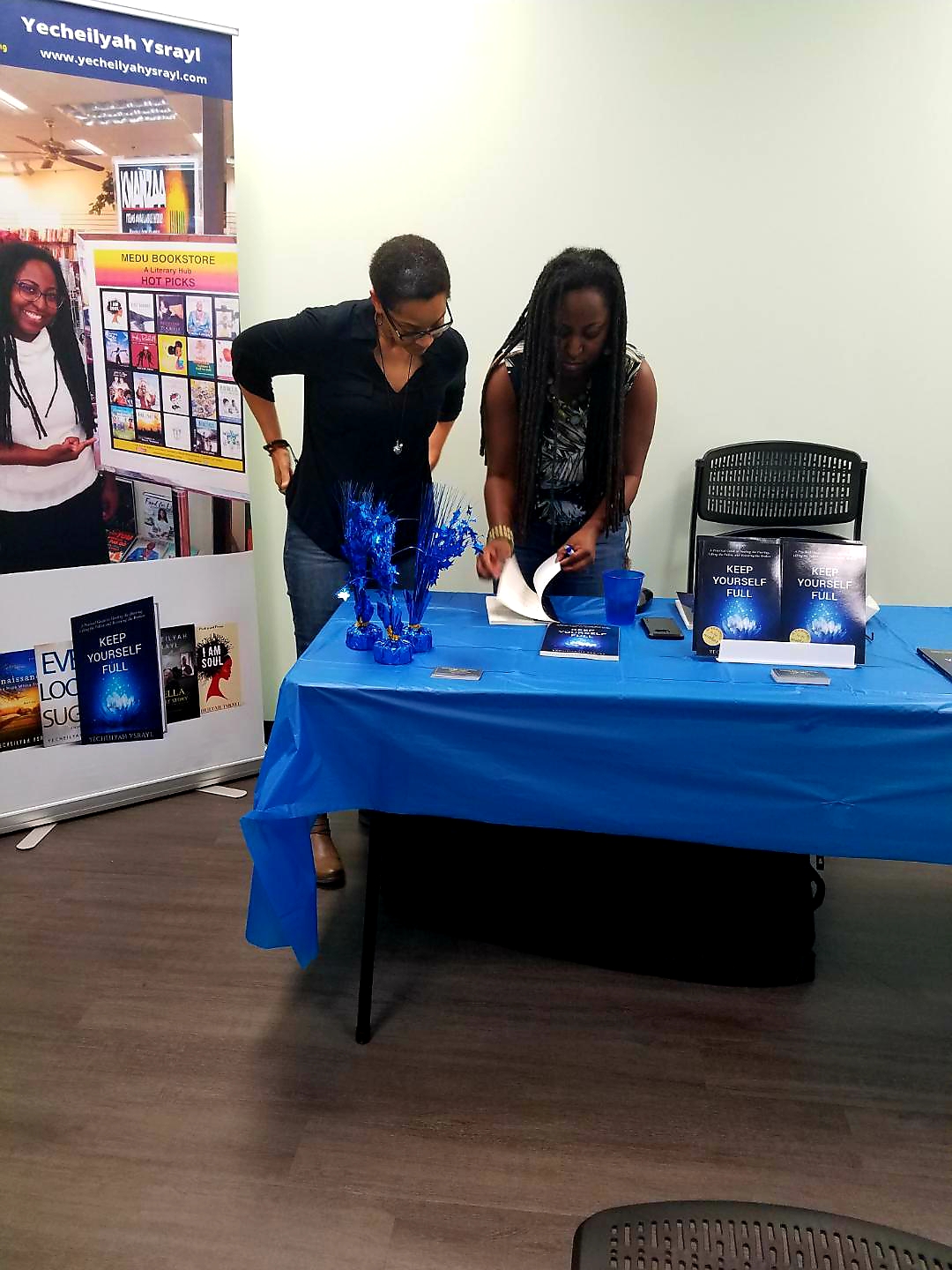
Pictures from Friday’s signing at Tall Tales Book Shop are now available on my website HERE. Thank you to everyone who came out. If you’re in the ATL area, my next signing is December 22nd from 2-5p EST at the Medubookstore at the Greenbriar Mall.