Slow Down: Why You Don’t Need to Rush the End of the Year

This is the time of year when many of us are inundated with a call to “finish the year strong.”

A time when we will be pressured by businesses, organizations, and entrepreneurial gurus to race to the finish line. Social media posts will bombard us with how many days of the year are left, year-end discounts, constant promotions, and posts about how much we’ve grown before the year is even over.

But rushing into the new year doesn’t guarantee a fresh start. Sometimes, it just carries our burnout into January.

Yes, we know. January is not the start of a New Year. Anyone who has done the tiniest bit of research knows that a real new year starts in the spring, when everything is reborn, not in the dead of winter. Stay with me tho.

We’ve all experienced or witnessed the last-minute scramble of trying to summarize the year without fully processing it: trying to complete a weight loss program, write a book, or achieve financial goals in just 10 days. Office parties, school events, family gatherings, all crammed together to see who can win the most before January first.

It can feel like we’re running from something. Perhaps a feeling of not having done “enough,” maybe comparison, and maybe the belief that value is measured by productivity.

It’s already happening with Black Friday sales. As you may have noticed, I rarely have one. I have nothing against them, and I am sure I’ll have something special in the future. Maybe even next year. But for now, it just all feels so exhausting.

I’M TIRED YA’LL.

If you are also tired, remember there is nothing wrong with slowing down at a time when everyone is speeding up. If you are a nature person like me, you know nothing blooms all year long. We were born from the Earth, yet we move opposite to it.

While humans rush to prove their year was meaningful to other flawed humans, nature is slowing down for the winter months. Animals are hibernating, finding ways to escape the cold, and trees have shed their leaves, with plants stopping growth to conserve energy. Even the soil rests, with nutrients being regenerated under frost and snow.

Meanwhile, my neighbor blows his leaves every morning. Poor thing. I want so badly to tell him they are just going to fall again. Let them leaves alone. They are doing what they are supposed to do and helping the soil in the process.

On this side of the Earth, humans accelerate and accomplish as much as possible before the final countdown. But for other living things?

For them, this is a period of rest and preparation for spring.

Slowing down isn’t about doing nothing. It’s about doing what matters with intention.

When we slow down, we reclaim time.

We notice the beauty in ordinary moments, and we greet the “new year” with clarity rather than exhaustion.

Instead of rushing to create a version of ourselves that looks good on paper, we can walk grounded, nourished, and whole.


The end of the year is not a deadline.

It’s a doorway.

Walk through it gently.

Ways to Connect with Readers Outside of Social Media

Social media is a necessary tool for connecting in today’s world and it is a must for all businesses to have a social media presence in some capacity.

There are people whose entire livelihoods are built into their social media accounts. Platforms like TikTok, Instagram, Facebook and now Threads have become creator economies where high performing content gets you paid.

But what happens if you are hacked, the app malfunctions, or in the case of TikTok, the app is banned? Now all that work you’ve done and all those people you connected with are gone in an instant.

That’s why I believe authors should focus as much energy into building their own communities.

Community Membership Website

Outside of meeting up with people in person, community membership platforms are the next best thing. I am a member of a few, and I love that the person has their own social app, which they control. There are paid membership sites like Mighty Networks and Skool, and free ones like Discord. The only reason I don’t have one of my own is because I am already managing so many websites, including this blog. Otherwise, I would definitely consider it.

Blogging

This blog has helped me tremendously in my work, and Imma stick beside her.

Email List

By email list, I do not necessarily mean an author newsletter that reads like an ad. These newsletters usually have updates on the author’s latest books and events and usually go out once a month or so. (Pretty much whenever the author has a new book out.)

However, most author newsletters are boring, long, and cluttered with too many images.

The emails I am talking about are where the author speaks to their readers like friends. They might share thoughts on what’s happening in the world lately, how they feel, or offer an inspiring story. They might also throw in an update, but not so many that it becomes a billboard for their books. These emails might come out several times a month, and readers are okay with them because they are fun and inviting.

These emails are usually simple and sent using third-party providers like Mailerlite or Mailchimp. They give people the option to unsubscribe if they want, which is kinda legal. If you are sending out mass spammy marketing emails with no way for people to unsubscribe, you are breaking privacy laws.

Text List

By text list, I mean a professional text line for your business, not your personal number. This can be used to offer short, quick updates, alerts for sales, or an inspiring quote. Personally, I don’t have a text line, nor do I want one, but it is an option. Many businesses use them and do well.

In-Person Meet-Ups

This one is pretty self-explanatory. In person meetings, workshops, and events will always provide a special kind of value you won’t find online and I don’t think we should neglect them. Zoom meetings can also be a great way for meeting up to see people face to face.

As for socials, remember to back up your content, download your data, and save viral moments like videos you might want to repurpose later!

Click here for more Indie Author Basics to encourage you through the Self-Publishing / Indie Author Process!

How Blogging Is Good Practice for Book Publishing

Disclaimer: I do not think blogging is for everyone. These articles are here to help guide and encourage you to discover your own systems and practices, as each person’s journey is and will be different.


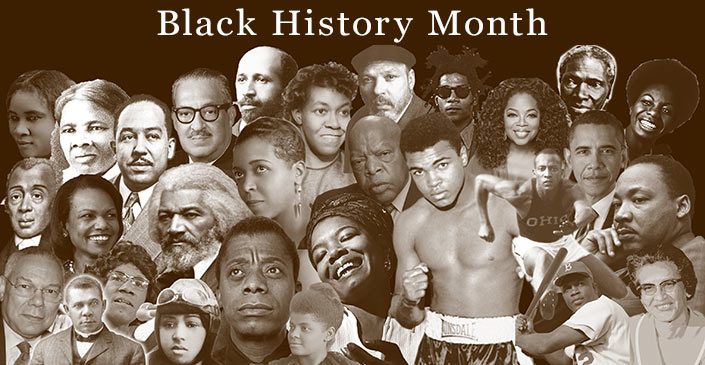
Three of my books were conceived through blogging: I am Soul, The Women with Blue Eyes, and Black History Facts You Didn’t Learn in School.

Let me be clear: I did not start this blog to write these books.

I started this blog for some other reason, and in the process of being creative, I wrote about these topics until they culminated into whole books.

After three years of writing poetry dedicated to Black people and Black womanhood, I compiled those poems into a book called I am Soul.

After sharing excerpts from an exciting short story out of my wheelhouse but fun to write, it eventually culminated into an urban fantasy novel.

After writing Black History articles every Friday for Black History Month that went beyond February, the project culminated in a full-length volume people can now enjoy anytime they pick up the book instead of waiting for Friday.

I hope you see where I am going with this.

In the same way that journaling can help us to organize our thoughts, writing about your area of expertise on a blog can be good practice for book publishing.

Posting content on social media and a blog is a form of publishing. Whenever you hit that post button on a blog article or a Facebook post, you are publishing content. Here are two powerful ways it helps to prepare you to write a book.

It Helps You to Get Used to Writing Publicly

When writers publish books, they open themselves to be judged, not just praised. When you post content online, you engage in a similar vulnerability. Your thoughts are now live for everyone to see, critique, or admire. This is similar to what happens each time an author publishes a book. Writing on a blog or posting to social media helps you to get used to hearing feedback about your writing.

It Helps You to Build an Audience / Readership

One of the significant issues new self-published authors face is publishing books with no readership. While established authors like Ashley Antoinette can pop out with a new book and surprise readers, new authors may have a hard time doing the same because they donโ€™t have the audience for it to be successful. They can publish books on a whim, but they also run the risk of people not buying them. Blogging can help with that.

While practicing how to write publicly, you also build up a tribe of readers who like what you write! You attract people who enjoy the same things you do, not just with writing but with life. You might all like to travel, garden, or camp. You might all be married, single, or divorced. You might all be business owners, work a job you love, or retired.

These genuine connections help build bridges of commonality that eventually lead to mutual support systems. You also get instant feedback that will help you test-drive your story idea.

Click here for more Indie Author Basics to encourage you through the Self-Publishing / Indie Author Process!

A Seasonal Reflection

Photo by Efrem Efre

I was born in the late 1980s and grew up in the 90s, so groups like Jagged Edge, 112, and Dru Hill are my jam. Jagged Edge has this one song called “Seasons Change,” and although their song is about romance, it also makes me think about seasonal changes in general.

Toward the end of the year, there are always seasonal changes. You might notice the support is different or that you are different. This is part of preparing for a new season and, with it, a new era.

As the golden hues of autumn deepen into the stark whites of winter, nature offers a poignant lesson in letting go. Once heavy with vibrant green leaves, the trees surrender their foliage to the whims of the wind. Itโ€™s not a loss but a graceful shedding, a necessary preparation for renewal.ย 

“Every time the seasons changes we do too. Nothing remains the same, neither should me and you. Gotta have faith in the way that he moves, as the seasons change.” – JE

If I could have glimpsed how this year would end, I would not have chosen to write about joy. I would have chosen overcoming or something more relatable to the times. The truth is joy has been a struggle. I look around the world and wonder if anyone cares anymore. I realize there is a time for everything. In the words of Zora Neale Hurston, โ€œI have been in Sorrow’s1 kitchen and licked out all the pots. Then I have stood on the peaky mountain wrapped in rainbows, with a harp and a sword in my hands.โ€

For this, I am reminded that although the seasons do change and nothing is the same as it once was, it is joy in this release, a quiet celebration of trust. Autumn reminds us that letting go doesnโ€™t mean forgetting but making space. The crisp, cool air carries the scent of fallen leaves and the promise of something new. In letting go of what no longer serves usโ€”old habits, lingering doubts, or past mistakesโ€”we find ourselves lighter and more open to the possibilities ahead.

With its stillness, winter teaches us to embrace emptiness’s beauty. The bare trees do not complain, but in the dead of winter, they stand tall against the snow, a reminder that strength remains even when we’re stripped of adornment. There’s comfort in the quiet, a chance to reflect and rejuvenate. Letting go allows us to rest, dream, and trust that life cycles will bring renewal in our own time.

See how joy can be found in letting go. It is not a loss; itโ€™s a transformation. Like the seasons, we evolve, finding beauty in the shedding and the stillness. And as the days grow shorter and the nights longer, we learn that the most profound growth often comes in the quietest moments.

  1. Dust Tracks on the Road by Zora Neale Hurston โ†ฉ๏ธŽ

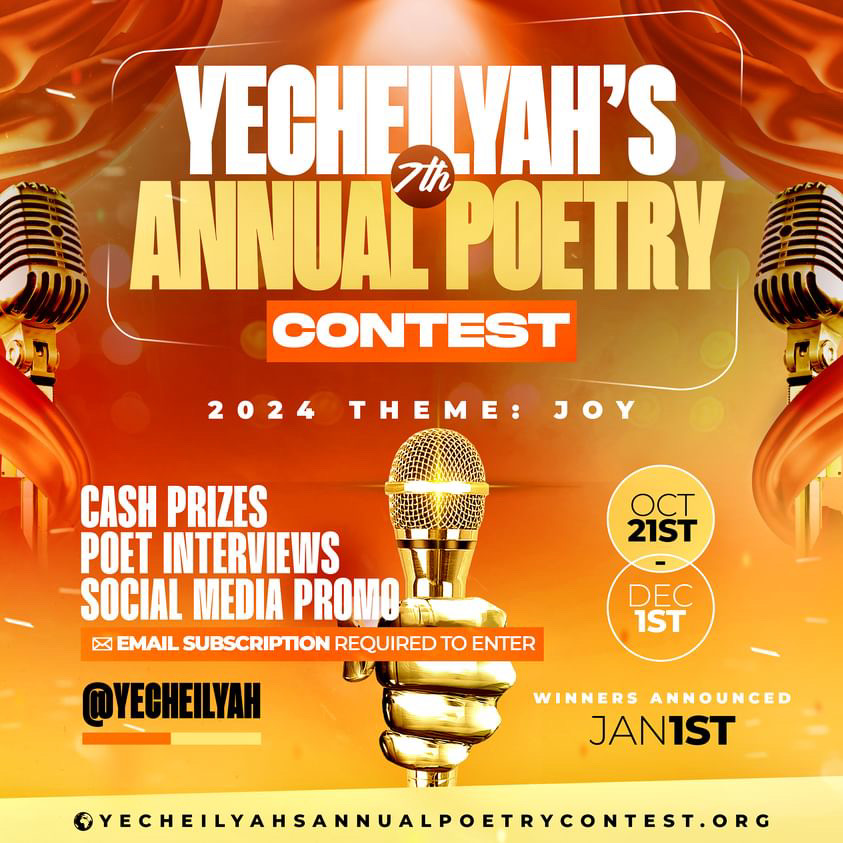
Don’t forget this year’s poetry contest. The theme is joy! Submissions are Open now through December 1st (Midnight). Click this Link to Enter!

Are You REALLY Promoting Your Book?

Are you really promoting your self-published book?

Or does it just look and feel like you are promoting your book?

  • If you are only telling people you wrote a book, but you are not telling them what the book is about, you are not really promoting your book.
  • If you only show us the cover of the book but do not educate us about the content and core message, you are not really promoting your book.
  • If you only post Amazon links to social media but do not discuss the book and what we can learn from it, you are not really promoting your book.

These things can be a part of book promotion. Still, alone, they do nothing to generate enough interest in people to want to buy the book, and that is what book promotion is:

A culmination of your activities and strategies to create awareness and generate interest in your book.

This includes but is not limited to:

Advertising: Paid Ads (or just ads in general), digital or print material, website or landing page, etc.

Publicity: Interviews, book reviews, media coverage, guest blog posts, podcasts, etc.

Social Media: Building engagement with readers through entertainment and educational content using any of the many social media platforms. Blogging can also fall under this and is a powerful tool for community.

Events: Conferences, Author Talks, Book Signings, Book Fairs

The purpose is to create enough buzz to interest readers to purchase the book.

  • Anytime you share a review from someone who reads your book, you ARE promoting your book.
  • Anytime you create content (graphics, excerpts, videos, etc) that educates or entertains people about your book’s message (nonfiction), characters, or plot (fiction), you ARE promoting your book.
  • Anytime you talk about the book on a podcast or in an interview, you ARE promoting your book.
  • Anytime you share your journey and what it was like writing the book, you ARE promoting it.
  • Anytime you write on a topic that is relatable to the things we can find in your book, believe it or not, you ARE also promoting the book.

We can do many things that look like book promotion on the surface but are ineffective in raising awareness among our readers about the book’s topic and why it’s important to them.

But I hope this post gets you thinking about deeper ways to connect with your audience!

If this has helped you, let me know!

Click here for more Indie Author Basics to encourage you through the Self-Publishing / Indie Author Process!

Tell Us What You Published Instead of How You Published

How often have you heard a traditionally published author say, “I’m a traditionally published author?”

They might say they are a published author but not a traditionally published one. That’s because there are millions of traditionally published authors.

In the same way, introducing yourself as a self-published author does nothing to help the person understand what you write.

It is not bad to call yourself a self-published author or to be proud of that. However, since many self-publishers have smaller budgets, we often desperately identify how we published instead of what we published to get people to take a chance on our books. But this strategy does not work well.

When I pitch schools and bookstores to carry my book, I rarely introduce myself as a self-published author. They will already know this when they look up my ISBN.

Instead, I discuss the book and why it is a good fit for their audience.

Instead of telling people, “I’m a self-published author,” and pushing your book in their face, identify your genre, book, and how it serves your target audience.

You can do this in one sentence:

Original: “I am a self-published author of three books.”

Revised: “I am the author of The Stella Trilogy, a Historical Fiction series that explores African American History, civil rights, and the struggles of Blacks in America.”

I hope this helps someone!

Click here for more Indie Author Basics to encourage you through the Self-Publishing / Indie Author Process!

Building Emotional Connections with Readers

Being an author is hard work. Being an Independent Author with no large publishing company, financial backing, or publicity to support you is downright grueling. Who would even want to do this? It is certainly not for the weak.

However, there are things that set some authors apart from others.

And usually, I talk about producing a professional book, but I am not even talking about that here. It is also not about:

  • If those authors are better writers.
  • If those authors are better people.
  • If those authors have more money or even make more money.

It is not even about those authors having a better-quality book (tons of pretty books are not selling).

It is about how those authors have taken the time to nurture and edify their audience with their message before, during, and after their book is published.

These authors have an identity people are familiar with because they have authentically shared their stories, experiences, and knowledge surrounding their topic. This increases their value and creates an emotional bond that makes people want to go out and buy their book when they do publish it.

But this is different from what most self-published authors do.

Most self-published authors, especially new authors, publish a book on a random topic no one has heard them speak on before and hope people will buy it.

We call this hope marketing and it does not work.

You must absolutely take the time to educate and inform people about the content of the book you are writing if you expect them to care enough about it to buy it.

While I have bought books on a whim, for the most part buying a book is an emotional decision. This means we must build awareness that gives people a reason to buy.

People need to know who we are, what we do, and why it’s important to us.

None of this is about selling a book. That part comes later. In the beginning, it is about awareness and emotional connections.

It is as deep as understanding your morals, values, and identity and communicating how this ties into the topic you are discussing.

Click here for more Indie Author Basics to encourage you through the Self-Publishing / Indie Author Process!