7 Tips for Making Time to Write

Great tips on making time to write.

Yesterday, even though I was tuned into the blog, I didn’t do much of anything outside of revise my novel! I’m excited at how the true story is unfolding (the one you don’t usually see under the first draft) and felt really accomplished afterward. I was busy, sure, and there were a million and one things to do but I made time.

The point: The greatest investment you can make with your writing is not money, it is time.

Self-Publishing – Laying Bricks Ep 3: Cutting The Excess

Laying Bricks(1)

When applying Mortar, sometimes it’s just too much and you need to cut the excess. When you get your script back, you’ll need to decide what to keep and what to ignore.

Cutting The Bricks

book-through-spectacles-unsplash

“A good book needs a good edit: nothing screams ‘amateur’ louder than a glaring spelling mistake or improper punctuation. One criticism leveled at self-published literature is that the quality isn’t up to the standard set by the traditional trade, where editorial services are of precious significance. The constructive input of a skilled editor is certainly valuable; a structural overhaul – or even just a light copy edit – can radically transform a novel, elevating it from the ordinary to the extraordinary. In fact, in a recent poll of publishers and their authors, authors said that the number one thing they wanted their publisher to contribute was ‘discoverability’ i.e.: marketing. The publishers however, all thought that their most important contribution was editorial input.”

Editing, like feedback from critiques and beta reads, is part of the revision process and encourages more rewrites. After the feedback from your readers you’ll need to revise. Then, you’ll need to get your manuscript edited. Finally, you’ll want to take it through another revision, adding the changes suggested by your editor (or some of them).

  • First Draft
  • Beta Readers / Critique
  • Revision Stage One
  • Revision Stage Two
  • Edit
  • Revision Stage Three
  • Proofread

You can really have as many revisions as your heart desires. Not all bricks will suffice at their original size. Most walls require smaller bricks at their ends. Before cutting a script, it helps to place it in the hands of someone with the credentials to absorb the shock of the blow. There are many forms of the edit but don’t worry, you may not need them all. Choose the brick chisel you need to cut your brick:

  • Line Editor
  • Copy Editor
  • Developmental Editor
  • Proofreader

Let’s get help from The Helpful Writer to define these:

Copy

The copy editor specializes in grammar, punctualization, fact-checking, spelling, and formatting. The Copy Editor is used most often in journalism publications, but utilized by some smaller publishers.

Line

Also known as a Copy/Content Editor, often employed by the small – medium publishers, and self-published authors. They do it all – grammar, fact-checking, spelling, formatting, plot, sentences, characterization, setting, punctualization, and voice. They go through every inch of an MS, word by word, line by line.

(EC: Go into the edit with the mind that you’ll have to utterly destroy your favorite parts. Truth is, your favorite part isn’t necessarily the reader’s favorite and we’ve already established the fact that giving readers what they want is important).

Developmental

Used by big publishing houses, and often ghost writers. You can find a few freelancing DEs. They are best with non-fiction writing, but can be hired by fiction writers. Their primary function is to ensure a book moves in a forward motion, watching plot and characterization. Think writing coach.

Proofreader

Many get a proofreader and an editor confused. A proofreader is the one who goes over your MS after an editor. They look for the glaring mistakes missed, generally in punctuation, spelling, and formatting. They look for the glaring mistakes that may have been missed during edits.

What if I want to Keep Parts?

That’s OK, as long as you keep in mind that you’re writing for more than just yourself and what you find profound may not resonate with your readers if it’s not presented well. For instance, I’m a big advocate for writing with purpose. I believe everyone has a mission, a purpose, a calling if you will and that everyone, as a consequence, has a responsibility to live up to this purpose. That said, when deciding what changes to make for me personally, it’s important that the vision is not lost in the revision. There are some parts of a story I will not sacrifice.

However, this doesn’t mean you shouldn’t heed the call of feedback that makes sense. It doesn’t have to come wrapped in fancy wrapping paper with a bow, some advice just makes sense. Its logical. The wisdom in what to change in your script is to heed logical advice while learning how to incorporate your passion into a story people will enjoy. As stated in Episode One, at the end of the day good stories sell. Period. Market and promote all you want. If its not a good story, it won’t sell. So while living up to your purpose, keep in mind that no one likes to be preached to. By preach I mean anything that may come across as preachy whether it’s of a religious nature or not. Always remember that there’s a way to embed messages into stories. In short, think like a wise man, but communicate in the language of the people.

The final stage of the revision process is the proofread. Once you got your bricks in place, you’ll want to give it a once over. Are the bricks straight or crooked? Is mortar oozing from all sides? Do you need to cut out portions of the brick itself?

Proofreading is done to look for those final errors that slipped through the cracks. Proofreaders examine your script carefully to find and correct typographical errors and mistakes in grammar, style, and spelling missed during the edit. Proofreading should be done after the edit and is the final stage of the revision process. In this way, you can ensure a polished manuscript before moving onto other fun stuff.

All excess mortar is squeezed out, and the joint is removed by scraping it off with the proofread and we’re ready to move on.

*********

Next– Brick Pathway

Next, we’ll talk about moving on from revisions with a manuscript that is ready to be seriously read. Now that you’ve scraped off excess mortar, what’s next in our brick laying process? Create a welcoming entrance to your book by laying a brick pathway. We’ll discover what that is next week. Stay tuned.

Be sure to subscribe to my email newsletter for more tips, updates on my upcoming projects, free excerpt chapters and articles not yet published to this blog, book promotions, and more.

Disclaimer. Everything I share on Self-Publishing is always based on my own experience and research because I believe you can’t advise people on stuff you haven’t really tried. It’s just best if you’ve walked those shoes. So, that said I do not profess to be an expert. There are too many of them out there for you to glean from. Now, should you find information on this blog useful? Whoo hoo! Go for it.

Missed the first two episodes?

Laying Bricks Ep 1: Guide The Bricks

(About Focusing on the Story)

Laying Bricks Ep 2: Mortar

(About the Revision)

Hot PBS Self-Publishing Topics to Date:


Yecheilyah Ysrayl is the YA, Historical Fiction author of The Stella Trilogy. She is currently working on her next book series “The Nora White Story” about a young black woman writer who dreams of taking part in The Harlem Renaissance movement and her parents struggle to accept their traumatic past in the Jim Crow south. “Renaissance: The Nora White Story (Book One)” is due for release spring, 2017. For updates on this project, sneak peek of chapters and the pending book cover release for this project, be sure to follow this blog and to subscribe to Yecheilyah’s email list HERE.

4 Simple Ways Not to Headline Your Blog Post

Blog Posts

I’m writing you on my phone as I am in the midst of travel. This is my second city this weekend, transitioning from The Windy City to Memphis TN before back home again. So you’ll have to excuse any grammatical errors in this post. I’ll edit this later (don’t judge me).

Last year, I wrote an article on 5 Creative Ways to Headline Your Blog Post.

Today, I feel compelled to follow up. No, I’m not a blog expert. I am however tired of seeing poor blog headlines. A blog is not your personal diary. A blog is public. Yes, this means hundreds and thousands of people are potentially reading it. Yes, this means you may want to rethink your presentation. No, having thousands of followers doesn’t mean you’re doing it right either.

I know people blog for fun, that’s cool. I also know people blog privately. I don’t understand that. Blog and private just aren’t compatible. Nothing online is private, not even what you think you deleted. Think of a newspaper headline. Your blog is today’s newspaper. Its also your first impression.

#1. Capitalize

At minimum, be sure to capitalize the first letter in your first word and the first letter in your last word.

Ex. I love Cookies

I tend to capitalize the first letter in all of my words (with the exception of a “to” here or a “the” there). It looks neat and professional this way.

Ex. I Love Cookies

#2. Spelling

If you proofread nothing else, proofread your headlines. If words in your headline aren’t spelled correctly its a bad first impression to the rest of the article. Blog Headlines are the first thing that draw readers in. In every post I open daily, it begins with my interest in the title. What makes me click onto the blog site? The title alone begs me to ask one question: “Why should I read this NOW?”

#3. Ditch The Hashtags

I know I’m gonna get a lot of flak for this but it is what it is and like I say, there are no rules for blogging. At least not that I know of. However, too many Hashtags in a headline are annoying.

Hashtags are great when it comes to sharing on social media, yes, but when you read news articles online, rarely do they include hashtags. It just looks extremely unprofessional in my humble opinion. Hashtags don’t belong in blog titles, they belong in the tag section of the post. Will they drive more attention? For social sites like Twitter, sure. Like I said, I’m no expert so I’m not saying it doesn’t work. Yes, your post title will come up if someone searches that hashtag. Possibly. And yes, word on the street is that hashtags help with auto tweets. The question is, however, if it works, just how effective is it?

I have not, to date, discovered data that indicates usage of hashtags in the blog title increases the visibility of the post beyond the tags we already have. Understand what I am saying here. I am not saying they don’t increase visibility. I am saying that thought Hashtags makes it useful for social sharing, there is no data that I’ve seen that indicates this these Hashtags (those in the headline) produces a better result  than tagging your blog post the traditional way. That is, attaching them to the tag portion of the post in the WP dashboard. The problem is not one or maybe even two hashtags. The thing that makes them so unattractive is the four, five, and six hashtags as the headline to a post.

Four, five, and ten hashtags in a blog post is a turn off. One hashtag is OK if you must include tags.

I know we use them to draw more attention to our blogs, but coming up with attractive blog headlines is part of the experience and using hashtags just seems like a cop out, especially for writers. Writing is what you do. Come up with an attractive blog headline for your post instead of a bunch of sloppy looking and unexciting tags.

#4. Too Lengthy

Entire quotes, complete sentences, and whole paragraphs don’t belong in blog post headlines. Its extremely unattractive to readers and makes us exhausted before getting to the article. The purpose is to create blog headlines that make us click on to your blog site. If you’ve given us the entire post in a title, what’s the point? Keep in mind also that even if we like the quote, we can do this through the reader. This means though liking the post, we have not visited the blog which defeats the purpose or at least to me.

I don’t just want you to preview me, I want to gain views by producing quality content that compels readers to click on to my blog site. If readers enjoy their visit with me, I hope to gain subscribers. I am not here to play games. I am here to win. Are you?

Dear Poetry

Dear Poetry

I wish I can take your words
and carve them into the sky
as if you alone was the cement at the fingertips
of the Almighty
wish I can
breathe life into your nostrils like I held onto the strings
stapled to the backs of the wind
Dear poetry,
I wish I can copyright your metaphors,
& trademark your similes
Wish I could draw you away from every mouth
whose saliva has not promised to cherish your wisdom
like stomachs rejecting old food
You see I wish that your nutrition could be savored
only in the mouths of those who speak truth
I’m tired
tired of seeing Allegory’s
washed down the drain of unconscious minds who
seek only to dream fairy tales
bathed in rhetoric
to wake up wet with euphoric ignorance
I appeal to the relentless generosity of poetry
to drawback its compassion if it dares
and stop playing the violin on our hearts
like disobedient children that tap dances on their mother’s last nerve
cause
Poetry can change nothing if truth
can’t hit the concrete with a curve
I wish
Wish I could ensure that you are used only when truth spreads its wings like butterflies
nervously flapping inside the jaws of understanding
Like truth when it opens its legs to laws and commandments
and gives birth to obedience
In whose laughter resounds like the deadness of Sara’s womb
I wish
that deception can be buried inside the heavens
like the stars at noontime
that do not wish to be available
only so that our eyes may see something deep.

This Month in History – August

THis MonthIn BlackHistory

  • 1834 – Slavery was abolished throughout the British Empire – Slavery Abolition Act 1833 came into effect.
  • August 2, 1850 – The start of The Underground Railroad, a network of secret routes and safe houses used by 19th-century enslaved people in the United States in efforts to escape to free states and Canada. The Underground Railroad was neither underground nor a railroad. It got its name because its activities had to be carried out in secret, using darkness or disguise, and because railway terms were used by those involved with system to describe how it worked. Various routes were lines, stopping places were called stations, those who aided along the way were conductors and their charges were known as packages or freight.
  • August 2, 1924 – James Baldwin, author of Go Tell It On The Mountain, The Fire Next Time, and Another Country, is born.
  • August 3, 1800 – Gabriel Prosser, a literate enslaved blacksmith, planned a large slave rebellion in the Richmond  area in the summer of 1800. Information regarding the revolt was leaked prior to its execution, and he and twenty-five followers were taken captive and hanged in punishment.
  • August 4, 1901 – Jazz trumpet player Louis Armstrong was born in New Orleans, Louisiana. Known as “Satchmo,” he appeared in many films and is best known for his renditions of It’s a Wonderful Worldand, Hello, Dolly.Three young civil rights workers, James Chaney, Andrew Goodman and Michael Schwerner, were found murdered and buried in an earthen dam outside Philadelphia, Mississippi.
  • August 5, 1962 – Nelson Mandela imprisoned.
  • August 11, 1841– Frederick Douglass, an escaped slave, spoke before an audience in the North for the first time.
  • August 11, 1965 – Watts Riots: In Los Angeles, racial tension reaches a breaking point after two white policemen fight with a black motorist suspected of drunk driving. An angry crowd gather near the corner of Avalon Boulevard and 116th Street to watch the arrest and soon grew angry by what they believe to be another incident of racially motivated abuse by the police. A riot kicks off and lasts for five days (ending on the 16th) with 34 dead and 1,032 injured.
  • Roots author Alex Haley was born in Ithaca, New York. His Pulitzer Prize-winning novel, published in 1976, explored seven generations of his family from its origins in Africa through slavery in America and eventual hard-fought freedom. Roots was translated into 37 languages and also became an eight-part TV miniseries in 1977 which attracted a record American audience and raised awareness concerning the legacy of slavery. A remake of Roots aired in on May 30, 2016.
  • August 18, 1859 – Harriet Wilson’s Our Nig is first novel published by a black writer.
  • August 20, 1619 – 1st known African Americans (approx. 20) land at Jamestown Virginia aboard Dutch vessel then sold or traded into servitude for supplies.
  • August 21-22 1831 – In Southampton County, Virginia, on August 21-22, 1831, Nat Turner, led the first slave revolt of magnitude. The revolt was crushed, but only after Turner and his band had killed some sixty whites and threw the South into panic. After hiding out, Turner was captured on October 30, 1831, and hanged in Jerusalem, Virginia, on November 11th. Thirty other blacks were also implicated and executed. It was not until John Brown’s raid on Harpers Ferry, Virginia, in 1859 that another slave revolt became known.
  • August 21, 1971 – George Jackson assassinated by prison guards during a Black prison rebellion at San Quentin on August 21, 1971. Three prison guards were also killed during that rebellion and prison officials charged six Black and Latino prisoners with the death of those guards. These six brothers became known as the San Quentin Six.
  • August 23, 1926 – Carter Woodson, historian, author, inaugurated Negro History Week and later producer of the Negro History Bulletin. Negro History Week would later be known, as it is today, as Black History Month.
  • August 25, 1908 – National Association of Colored Nurses founded.
  • August 26, 1900: Hall Woodruff was born. He was a nationally known print-maker, draftsman and painter and a leading artist of the Harlem Renaissance. He died in 1980.
  • August 27, 1935 – Mary McLeod Bethune founds the National Council of Negro Women.
  • August 28, 1955 – While visiting family in Money, Mississippi, 14-year-old Emmett Till from Chicago, is brutally murdered for flirting with a white woman four days earlier. His assailants–the white woman’s husband and her brother–made Emmett carry a 75-pound cotton-gin fan to the bank of the Tallahatchie River and ordered him to take off his clothes. The two men then beat him nearly to death, gouged out his eye, shot him in the head, and then threw his body, tied to the cotton-gin fan with barbed wire, into the river. (Duet. 28:49-50)
  • August 28, 1888 – Granville T. Woods patents railway telegraphy.
  • August 29, 1920 – Saxophonist Charlie “Bird” Parker born
  • August 30, 1967 – Thurgood Marshall ~ became first Black Supreme Court Justice
  • August 30, 1838 – The first African American magazine, Mirror of Freedom, begins publication in New York City.
  • August 31, 1836 – Henry Blair patents cotton planter (also patented a corn planter), and became the second African American to hold a United States patent.

Beyond The Colored Line – A Year in Review

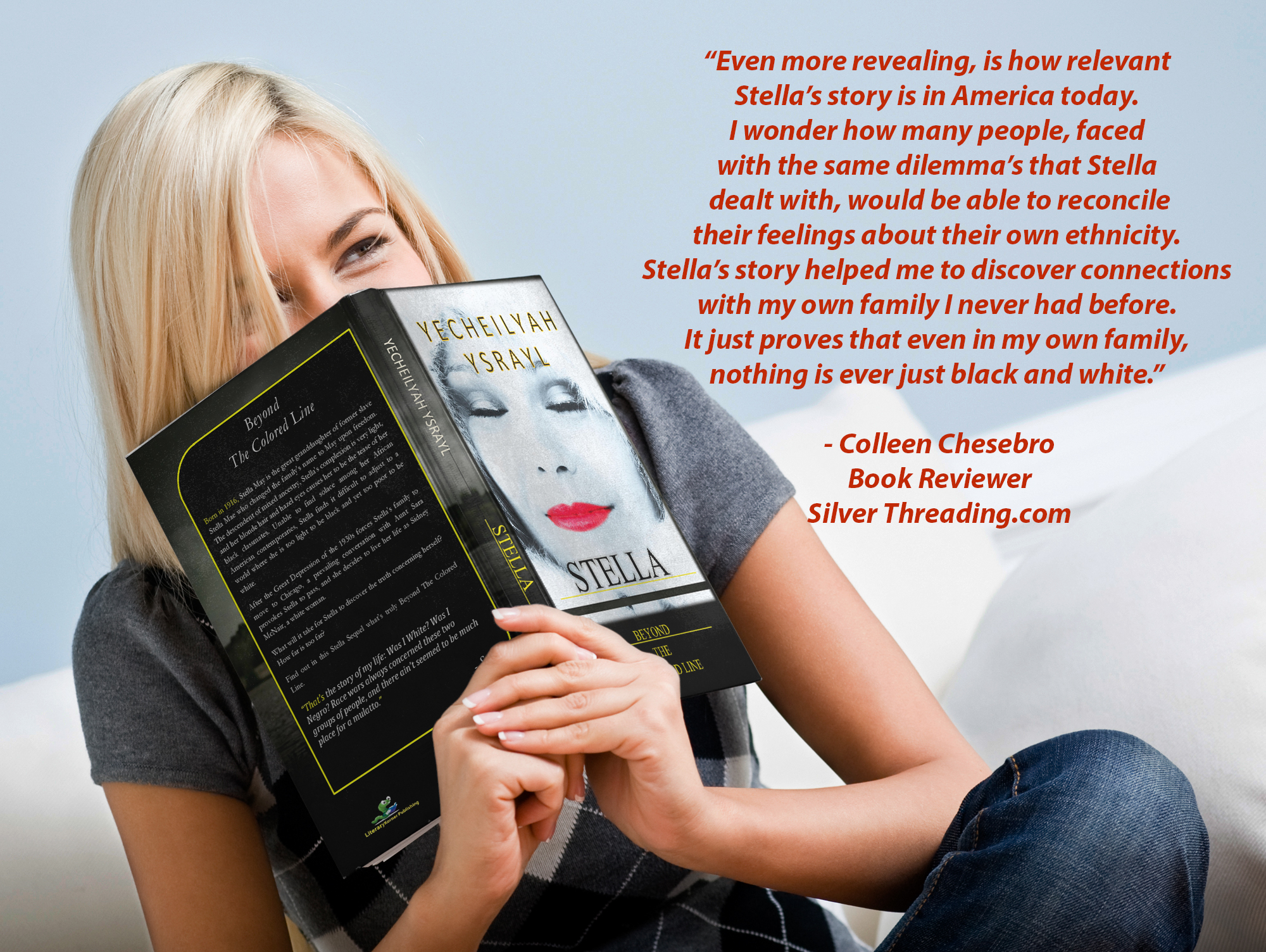
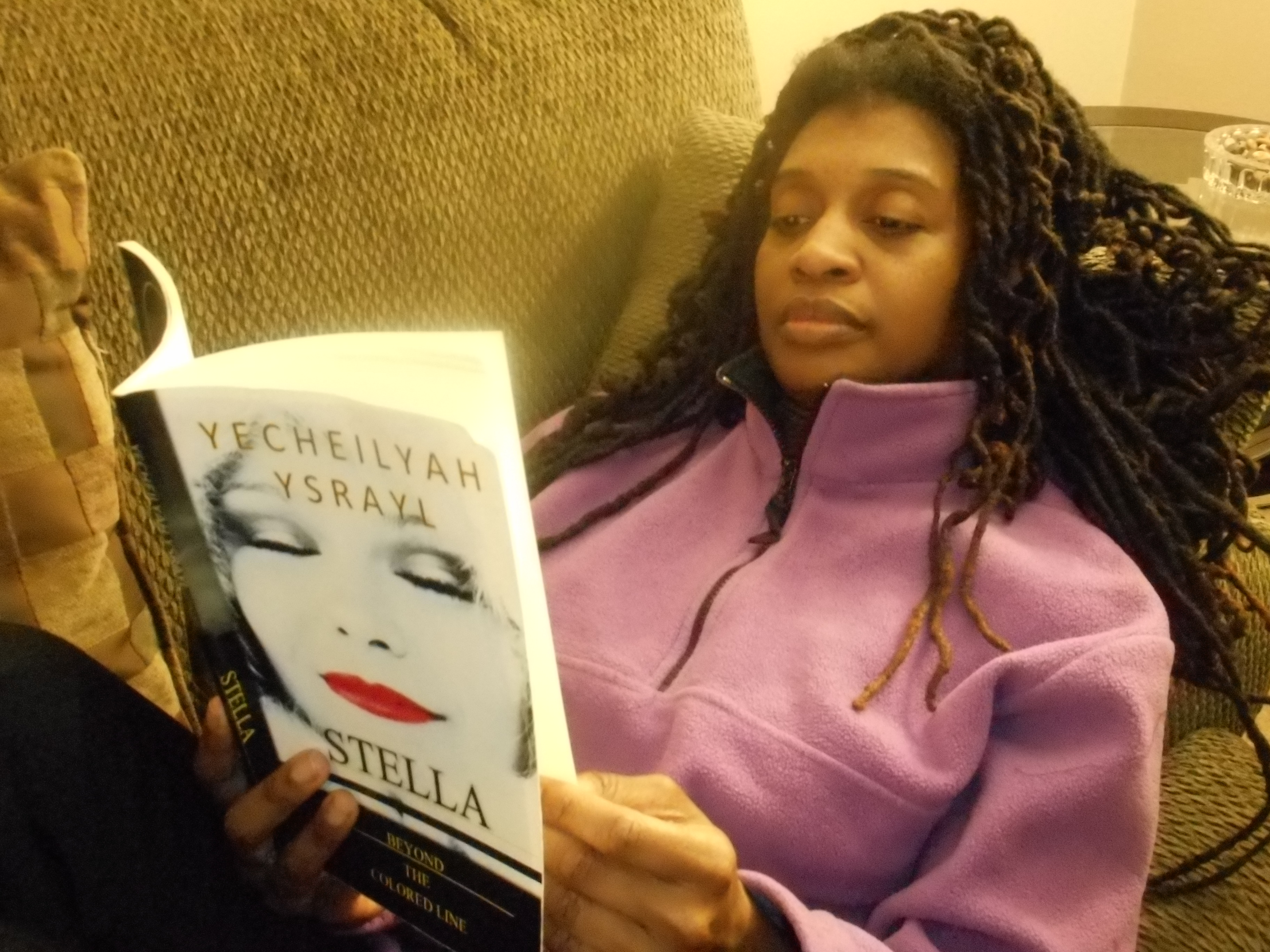
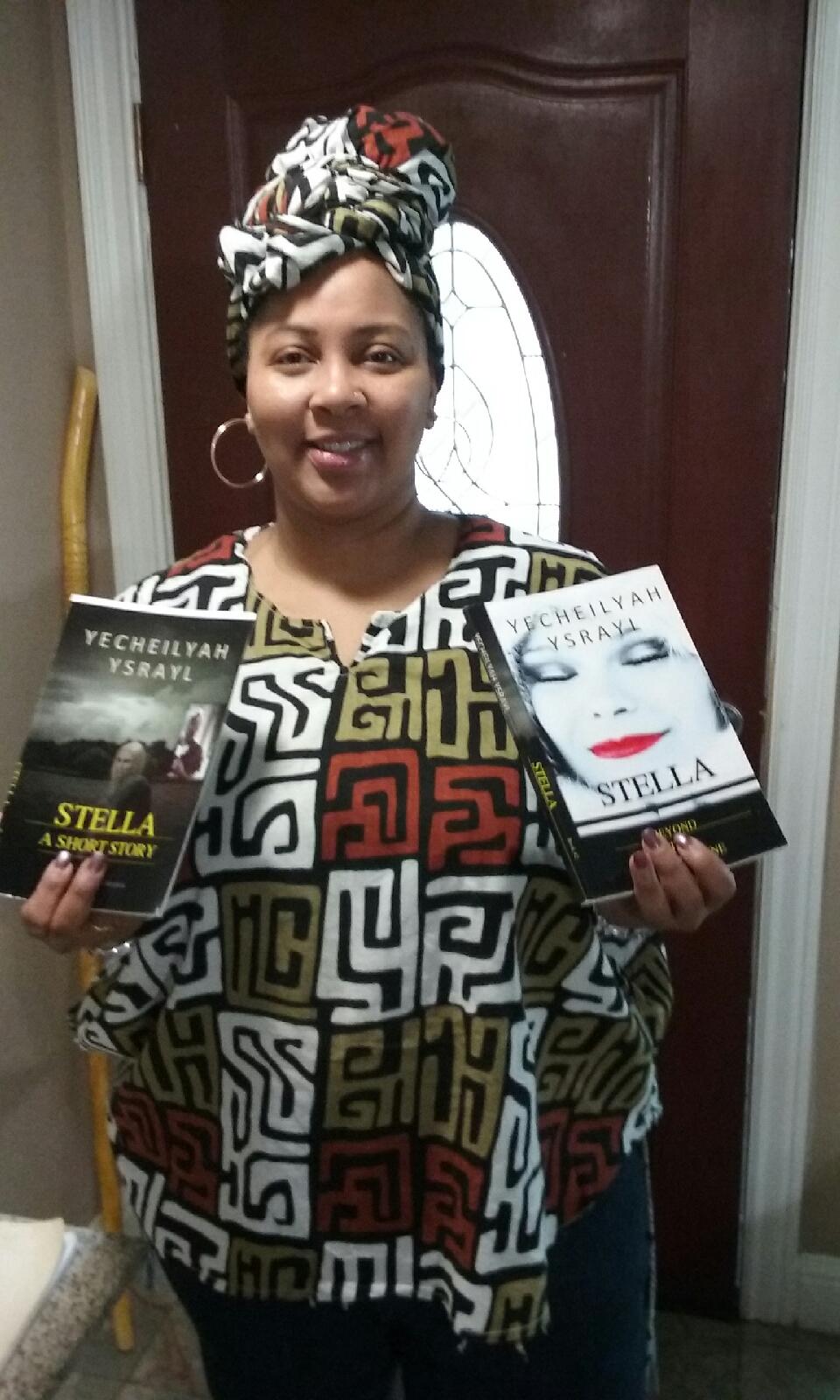
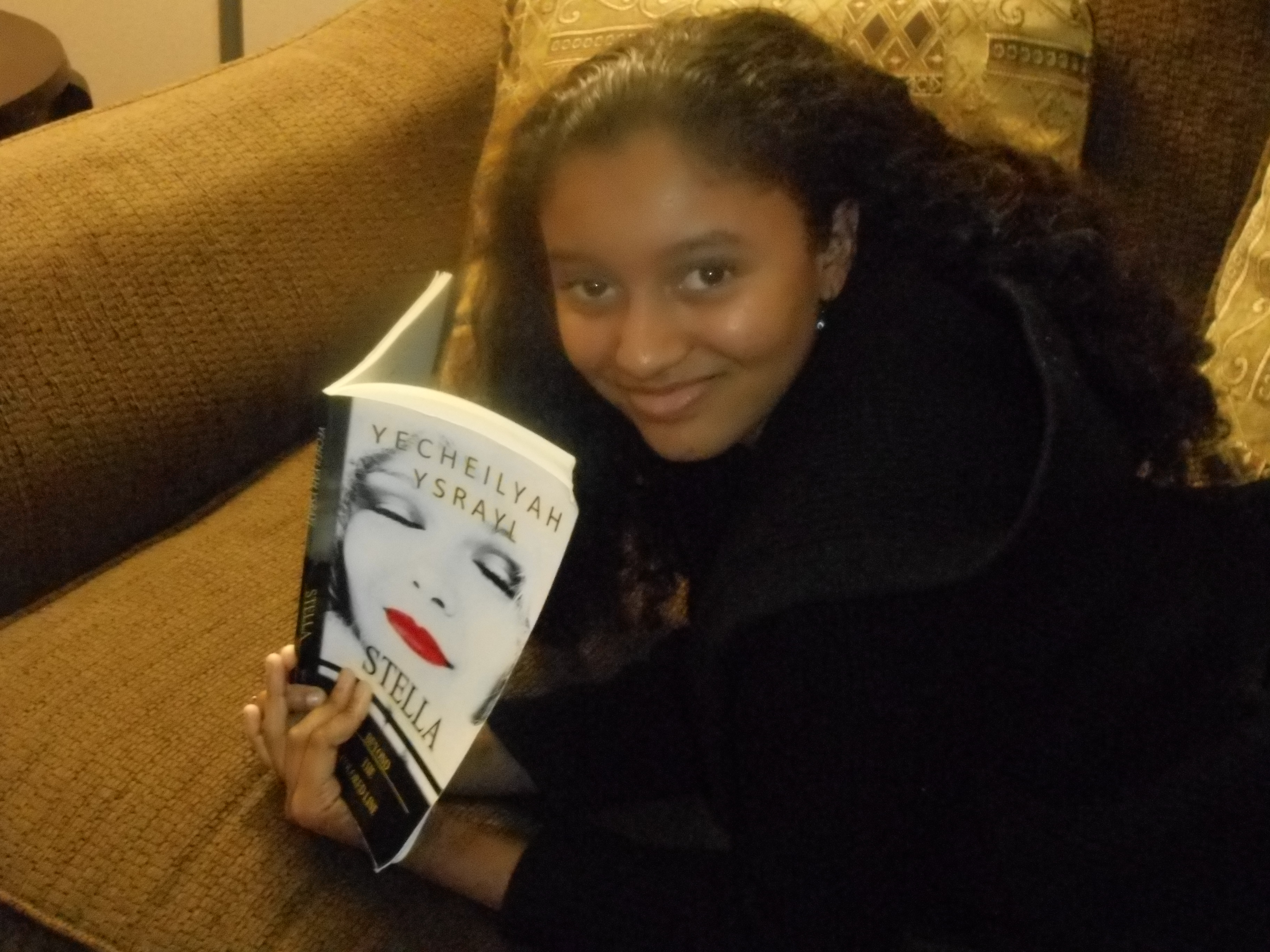
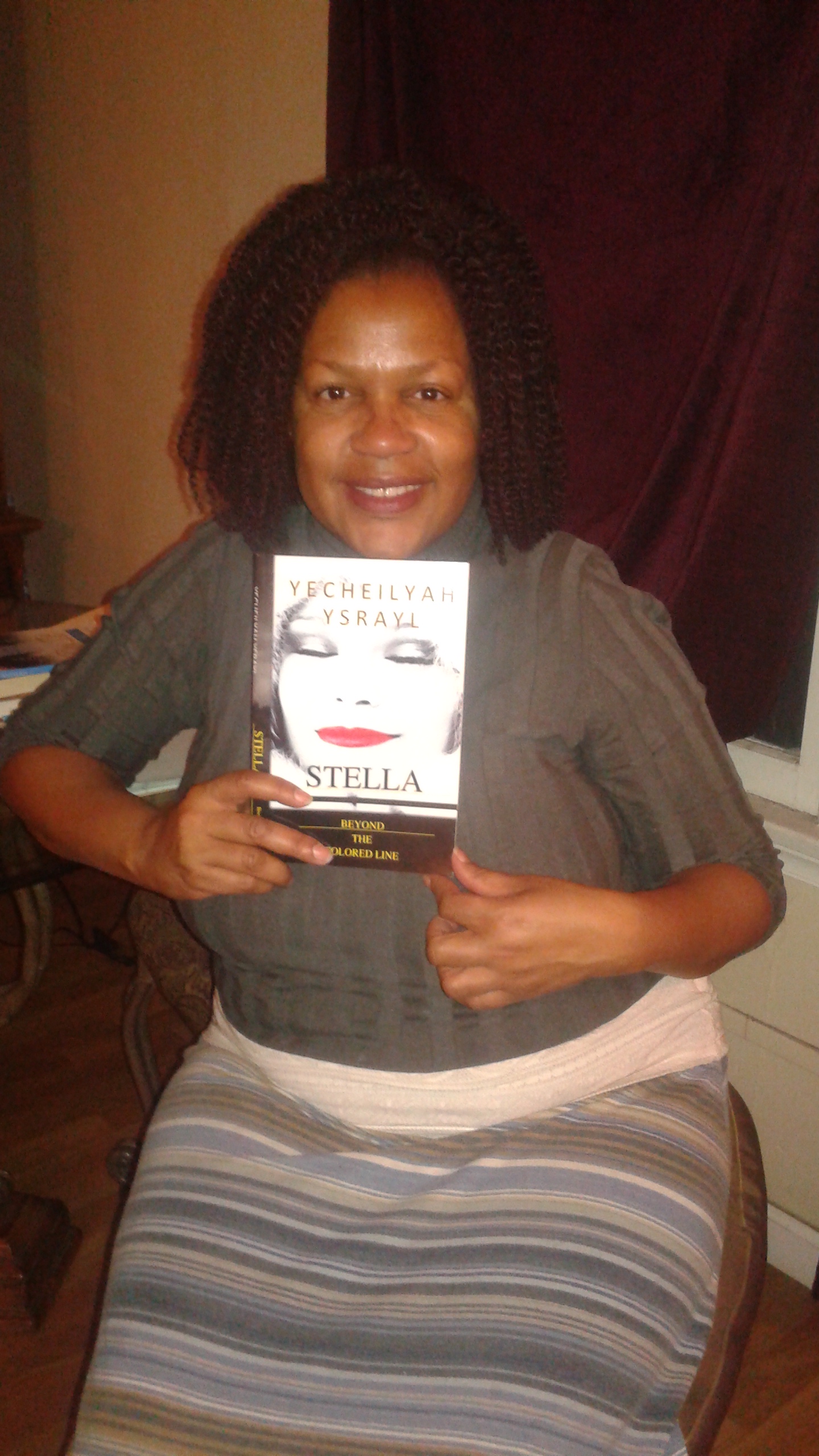
One year ago today, I published the second book in The Stella Trilogy, Beyond The Colored Line. I was shocked at the positive response I received from those who read it and the kinds of discussions it started. I hosted giveaways, book signings, and conducted an Interracial Interview series on this blog in which I interviewed couples in diverse relationships who still find themselves the victims of misunderstanding. I must say it seems more like a few years ago!  I’ve learned so much since then. Of course, there are lots of things I would have done differently with the knowledge I have now, but nonetheless BTCL still remains a favorite. And most importantly, still helping to expand the ongoing controversial subject that is race itself. I hope this book will live on through many generations and that my children will one day learn from this experience, as I did.

Author Yecheilyah Ysrayl used with permissionFeatured Image -- 481920160226_150037ReviewDSCN013120151207_114849 - Copy (2)DSCN014320160203_174649

My Favorite Review Quote:

“Move over To Kill a Mockingbird – the next best thing is here. If I had the power, I would put this book in the hands of every middle school child in America and let them truly understand what it means to be beyond the colored line. The thing is, the literary classics such as To Kill a Mockingbird and Huck Finn definitely bring up the issues of race, but they’re incredibly separated from what it’s portrayed as in today’s world. But this story, even though the setting went through the Great Depression and beyond, is still just as relevant. It is a concept of what it means to be of a race and how it affects us that still exists on every level, individually and socially. It is the name you put down on your resume. It is the cop that shoots. It is the indifference toward poverty and murder in non-white communities. It explains, in great detail and without fault, what white privilege is, and how it shows itself behind that line.”

– Anna Kopp

To learn more about Beyond The Colored Line, my blog buddy Colleen, host of the famous Writer’s Quote Wednesday weekly segment, did a special blog feature for me on the day of the debut last year. Check it out here.  You can check out the Interracial Blog Feature Here.

In the meantime, what kind of wine should I get tonight tho?

bitmoji1260691281
My husband thinks my avatar is hilarious