Dear Self-Published Author, Don’t Overpay to Play

“Don’t Overpay to Play”

– Vivica A. Fox
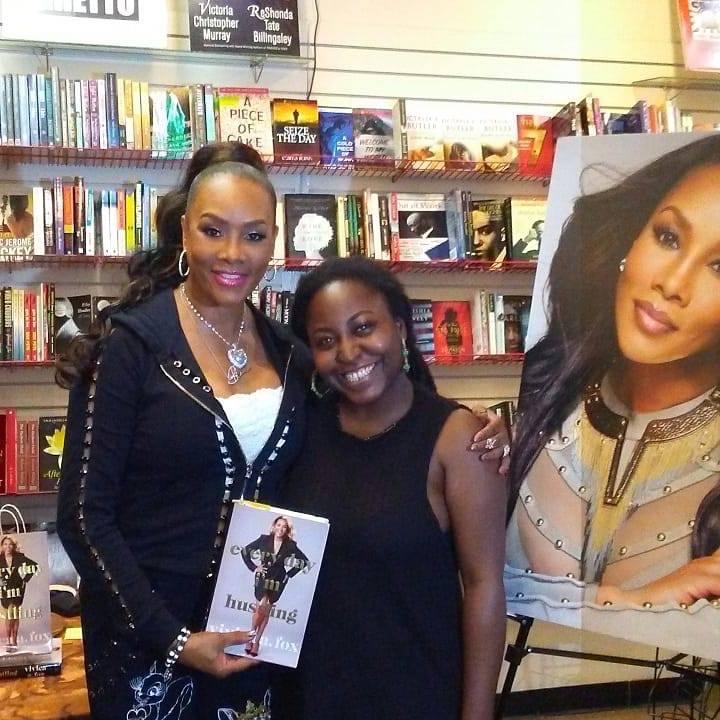
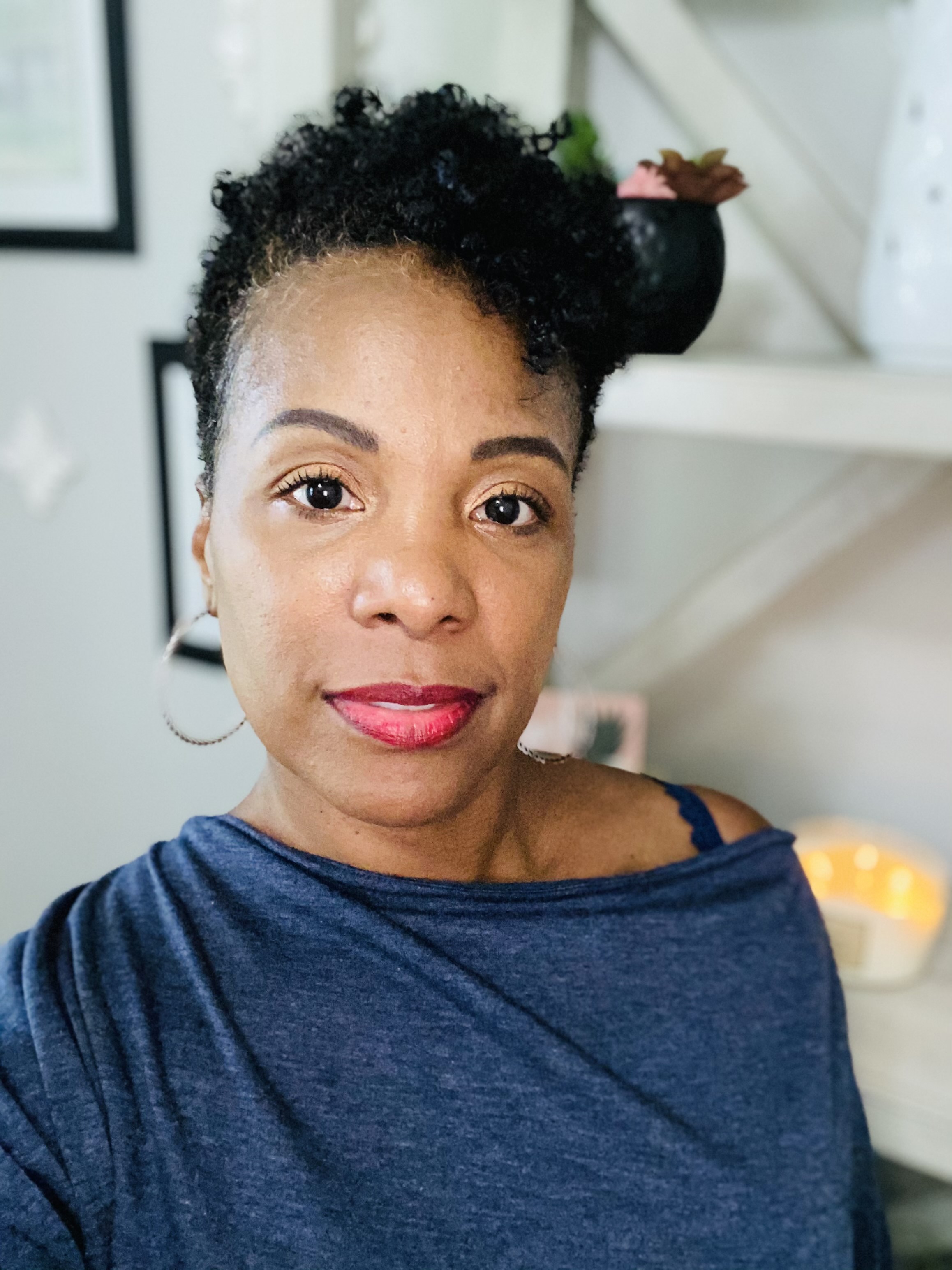
I low-key don’t like this picture because that black shirt was cuter in my mirror at home, lol.

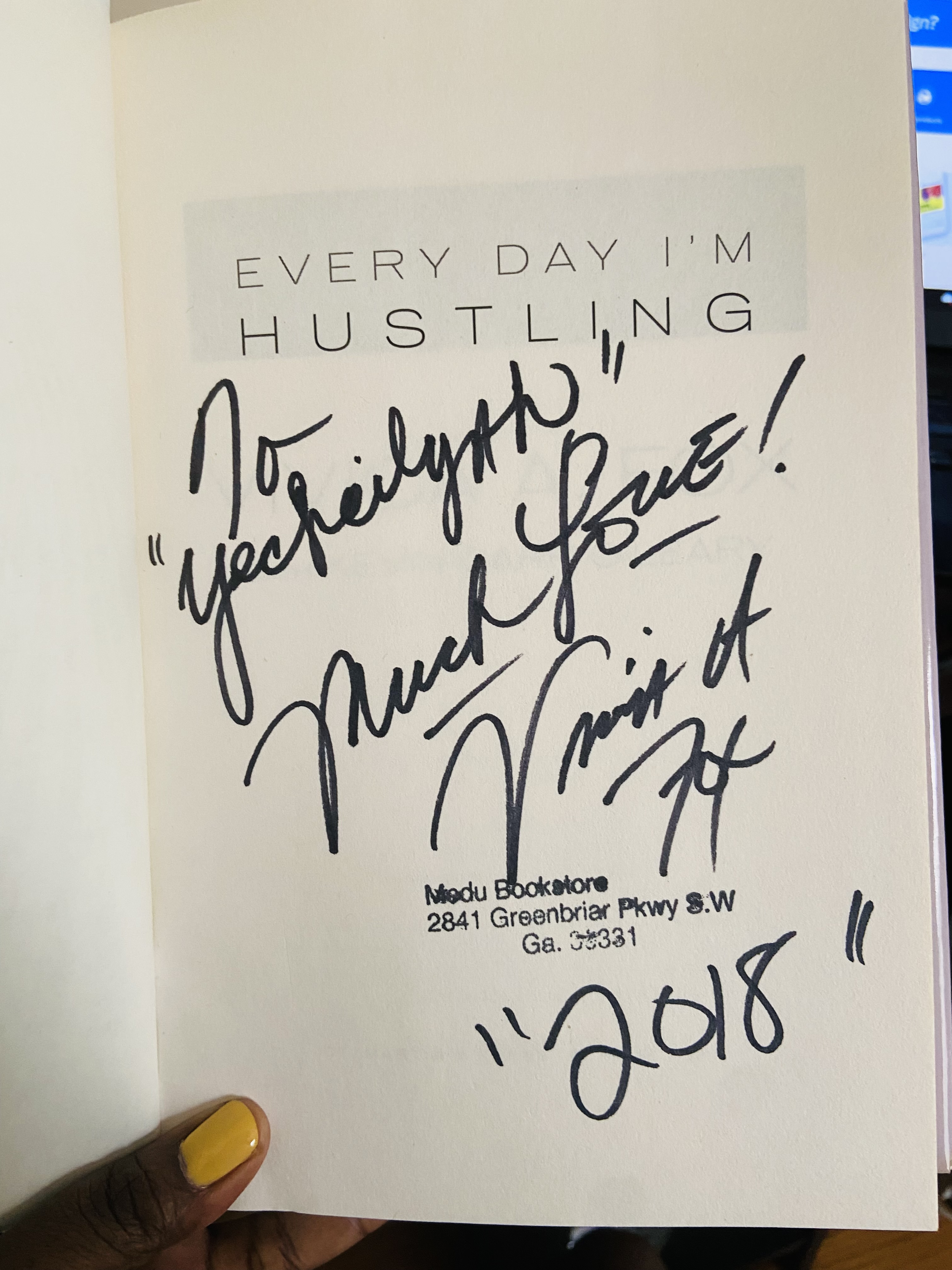
I met Vivica in 2018 when she released her book Everyday I’m Hustling, which I read and reviewed. In it, she talks about not overpaying to play. When applied to Self-Publishing, this kind of advice can save us tons of money and wasted time.

The scammers are getting clever by the day, and they gear their tactics toward Self-Published authors. One thing we can do to arm ourselves is to understand the difference between investing in ourselves and our books and paying to play. 

Investments

An investment in your book is anything that will help with the publication, promotion, and marketing of your work in a way that brings value. These are usually services offered by well-known, reputable people and organizations that produce quality. It is when you vet and hire a competent editor, when you pay for a dope cover design, when you buy ads, when you pay for web design, coaching, and so forth. These are investments that can take you to new levels. It’s an investment because you get a return.

Paying to Play

Paying to play is paying an obscene amount of money for hype that offers no real value. They usually package these as opportunities to take your business to the next level. It could mean paying 10K to a vanity press to publish your book only to come out with a crappy cover and poorly edited book slapped up on Amazon or paying 2K to attend a pointless conference. 

Vivica explains it this way:

“When you get a little bit of success, you start getting invited to these big dinners and awards nights that on paper look like a great place to network. These invites can cost three hundred dollars and up! After you go to a few, you realize that you really just get the cocktail hour to network, and then it’s hard to see anyone once you’re seated for the presentation.”

Anytime you are paying tons of money to “get in the room,” you are overpaying to play. It doesn’t have to be literally in the room, as in Vivica’s example, but it could be anything that promises luxury but is not worth it in the end. Here are some examples from Anne R. Allen’s Bogus Agents, Phony Communities, Fake Conferences, and Pay-to-Play Anthologies: New Scam Warnings for Writers:

  • Republishing your book to send to “investors” or “get you a traditional publishing contract.”
  • Filming a pricey book trailer
  • Book-to-Film “licensing” (See my post on this heartbreaking scam And here’s Alli’s warning, including business names the book-to-film scammers use.) I hear from people every day who have been snagged by this scam.
  • High-ticket, useless marketing services.
  • Buying you an interview on a podcast or radio show nobody listens to.

And I will add to that:

  • Paying to be featured in an article no one knows exists or reads
  • Paying thousands to a vanity press only to receive poor editing and crappy cover art
  • Paying to speak at an event in exchange for “exposure” (seasoned speakers should get paid to speak)

Let’s say someone offers to promote your book to their 20K followers. What you want to look at is their engagement, not followers. No one will see your book if they have tons of followers, but no engagement. Engagement is likes, comments, saves, and shares. If they charge you money to promote on their page and they have 20K followers but 0-3 likes on a post, this is a red flag. It means chances are they bought their followers. (Buying followers is also a form of paying to play.)

Note: There’s nothing wrong with not having much engagement for the everyday social media user who is learning. I am talking about the people charging you money to be featured on their platform and using their millions of followers as bait.

Paying to play can also look like being offered a chance to be featured in an article in Forbes for the low price of $500.

Umm. Why would I pay to be featured in an article if I’m for real dope? Shouldn’t Forbes reach out to me?

This is the stuff we have to pay attention to. Many of these features in articles and media have been bought, not earned. This is paying to play the game.
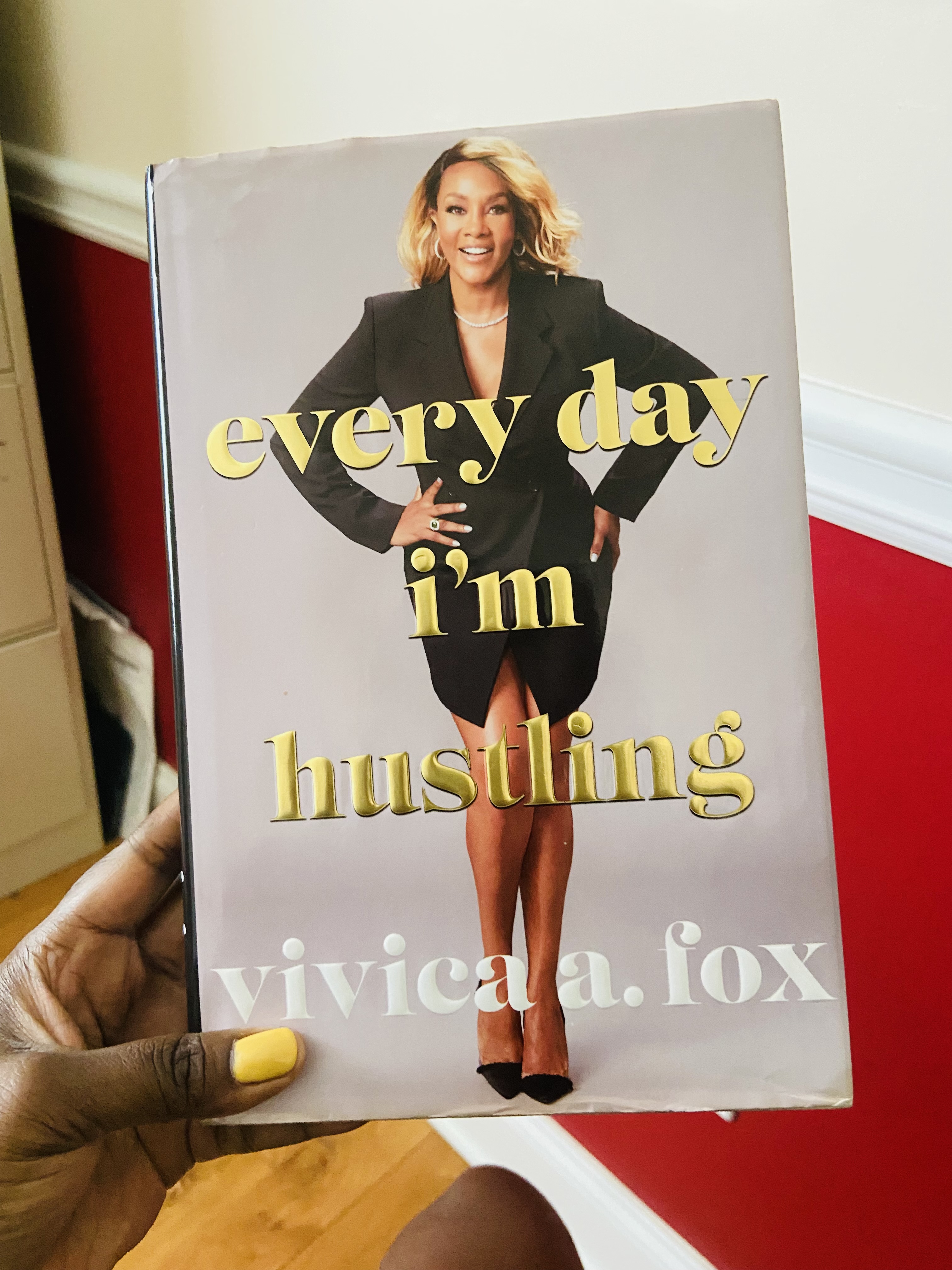
I didn’t think I was going to enjoy this book tbh, but Fox drops some great gems.

Everything is Not a Scam, But Vet People

I am not one of those “everything is a scam,” type people. Some businesses are new to what they are offering and we all know to become an expert, you must start. Everybody was a newbie at something at some point. You will know the scammer by the services offered in relation to the price tag. Why am I paying 5K to attend a conference for you to tell me to have more faith? Not when I can take that money and pay for professional therapy.
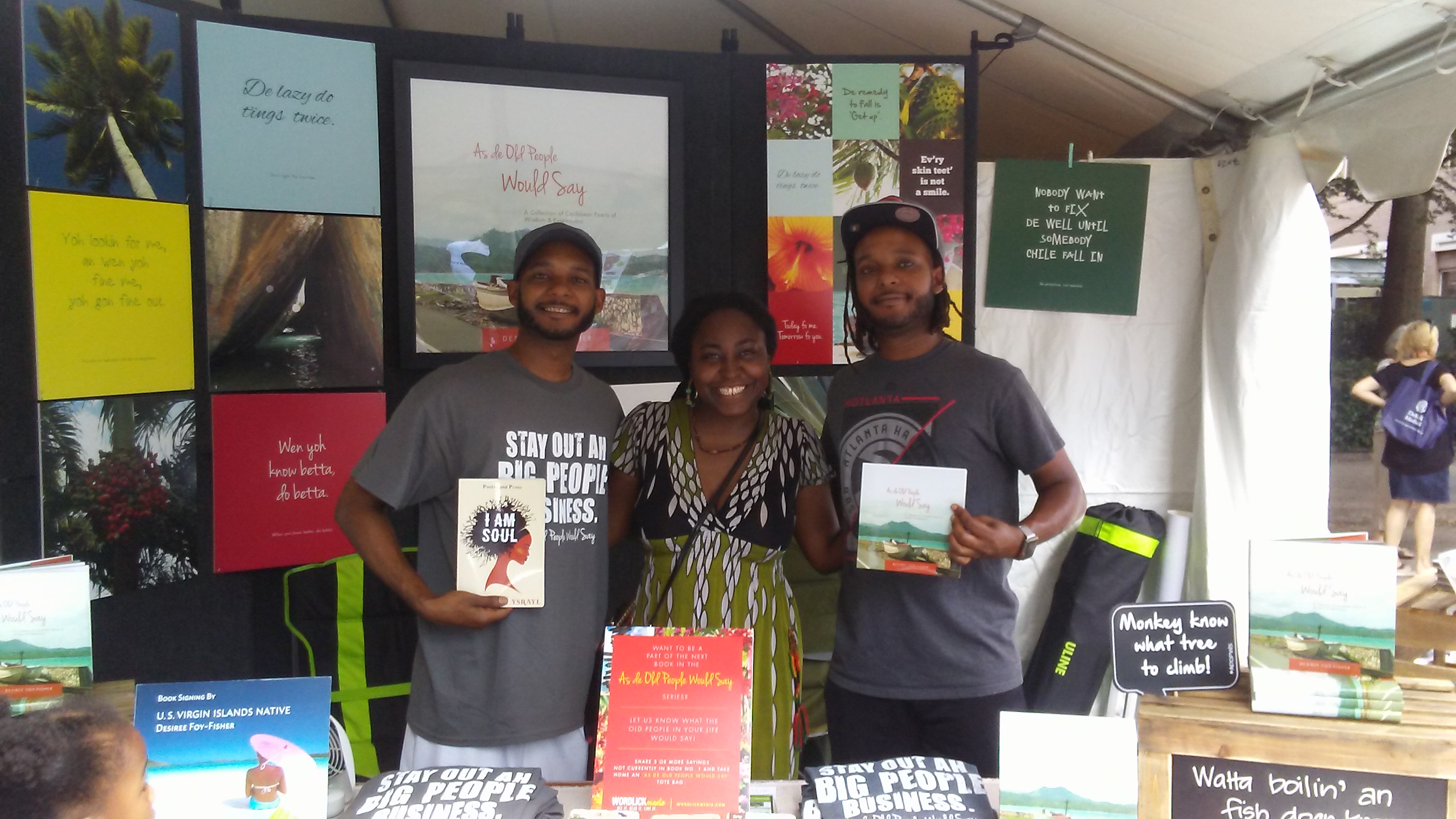
AJC Book Festival

I’m passionate about sharing my experiences as a Self-Published author because there are so many scams aimed at us. They mainly target the novice Self-Publisher. I do not mean the novice writer. You can have written before and be a master of the English language and still get scammed because you know little about Self-Publishing a book. Or, you can have Self-Published and still get scammed. It can happen to any of us.

That’s why our greatest weapon against it is knowledge and experience.

“I always tell people to educate themselves with real experience.” – Vivica A. Fox

Need more Indie Author Tips?

Check out the IAB archive here.

Need More Guidance? Schedule a free discovery call or book a consult.

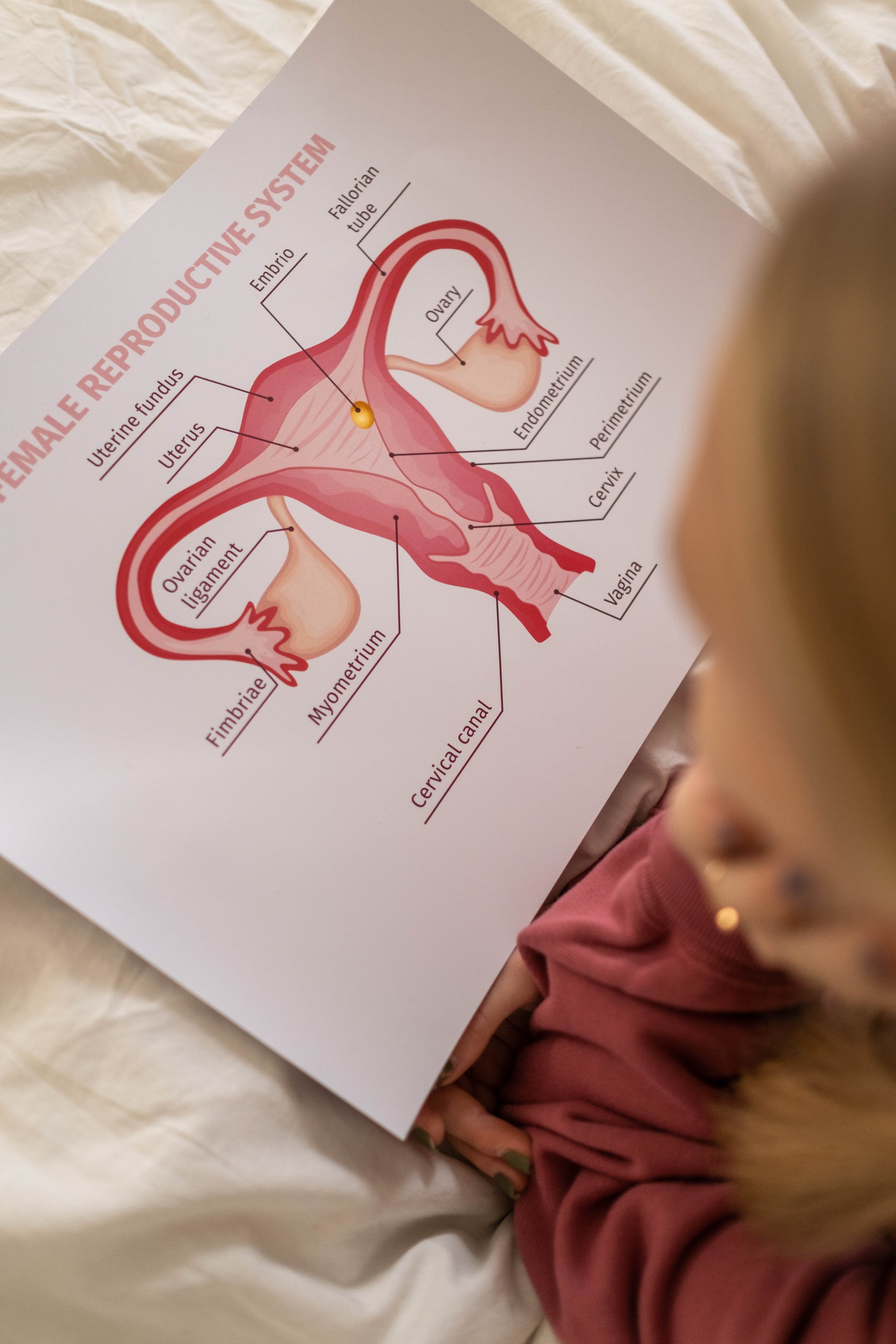
Ransom Note For my Fallopian Tube Back

Photo by cottonbro on pexels

leave
a fresh caesar salad
a bear hug
a tall glass of Merlot
the truth
a 90s R&B CD
four normal periods
prayers
and a handwritten poem
by my bedside
by the next
new moon.


PS: Breaking the Silence part two is up tomorrow. Be sure you have read part one for the backstory.

PPS. I am back on YouTube. Subscribe here. Also, be sure to follow me on Tik Tok to hear more poems. My name there is the same, yecheilyah.

Signs You Are Not Ready to Self-Publish Part 4: You Are Afraid Someone Will Steal Your Idea

One of the first signs that someone is new to publishing is their obsession with copyright.

Everyone at some point thinks about ways to protect what they have built, but obsessing over the possibility of someone stealing your work is one sure way of waving your hands in a crowded room and shouting, “Hey, everyone! Newbie here!”

“People who are paranoid about the theft of an unpublished manuscript or who obsess about somebody “stealing their ideas” red-flag themselves as amateurs.”

Anne R. Allen
Pixabay

Despite how brilliant I am sure you are, your book idea is not unique in the sense that no one has heard of it in some form before, and you cannot copyright an idea. According to Section 102(b) of US Copyright Law:

“In no case does copyright protection for an original work of authorship extend to any idea, procedure, process, system, method of operation, concept, principle or discovery, regardless of the form in which it is described, explained, illustrated or embodied in such work.”

Us Copyright Law
Yes, it’s true!|Photo by Craig Adderley from Pexels

Since January 1, 1978, American Copyright laws have stated that anything you produce is automatically under copyright. That’s right, at creation. Whether you typed it up in Word on your computer or published it in a book, it is automatically under copyright and lasts for life plus 70 years:

“Your work is under copyright protection the moment it is created and fixed in a tangible form that it is perceptible either directly or with the aid of a machine or device.”

US Copyright, https://www.copyright.gov/

“In general, for works created on or after January 1, 1978, the term of copyright is the life of the author plus seventy years after the author’s death. If the work is a joint work with multiple authors, the term lasts for seventy years after the last surviving author’s death.”

https://www.copyright.gov/circs/circ01.pdf

Now, I can see how this would not be enough to convince someone that their work is safe. Authors can register their work with the US copyright office here as an added layer of security. They have also added a new option to register short online literary works, such as blog entries, social media posts, and short online articles.

But remember, this is optional. You do not need to do this for your work to be considered under copyright, though it can be helpful in the event of a lawsuit:

“In general, registration is voluntary. Copyright exists from the moment the work is created. You will have to register, however, if you wish to bring a lawsuit for infringement of a US work. See Circular 1, Copyright Basics, section “Copyright Registration.”

US Copyright Office

“Copyright exists automatically in an original work of authorship once it is fixed in a tangible medium, but a copyright owner can take steps to enhance the protections of copyright, the most important of which is registering the work. Although registering a work is not mandatory, for U.S. works, registration (or refusal) is necessary to enforce the exclusive rights of copyright through litigation.”

https://www.copyright.gov/circs/circ01.pdf

You also don’t need to send a copy of your manuscript to yourself. Also known as “Poor Man’s Copyright,” this would not stand up in court if a lawsuit is in play and does not replace registration.

“The practice of sending a copy of your own work to yourself is sometimes called a “poor man’s copyright.” There is no provision in the copyright law regarding any such type of protection, and it is not a substitute for registration.”

Us Copyright

Warning: Registering your unpublished work with the Copyright Office can set you up to be scammed because scammers sometimes scroll the copyright database for unpublished work to snag. Click here to learn more. I recommend reading the whole thing but scroll to the bottom for this particular part. Publish the book first, and then register the copyright. 

You Don’t Need an LLC to Self-Publish a Book

Photo by Anna Shvets from Pexels | I don’t get the obsession with LLCs these days , but you don’t need one to Self-Publish a book.

Suppose you find you are making a significant amount of money from your self-published books, and it becomes necessary to separate your business and personal accounts. In that case, creating an LLC is ideal. However, it is unnecessary to pay money to form an LLC to self-publish a book when you are just starting. Consider the fees associated with applying for and keeping an LLC.

Remember that the LLC serves the purpose of operating as a separate legal entity and that you, personally, won’t be responsible for any debts the LLC incurs. But that’s not usually necessary with self-publishing because it is low risk. By low-risk, I mean you do not start out making tons of money, or at least not the kind of money that would warrant you to separate your accounts.

I operate under an LLC because I do other things outside of publishing, such as coaching, book reviews, interviews, and other services I provide. However, I have only had an LLC for about a year now. Until then, I operated under my legal government name just fine.

Buy Your ISBN for Your Own Imprint

Be Your Own Boss | Photo by RODNAE Productions from Pexels

As I cannot reiterate enough, there are tons of scams out there, so it’s important to remember that you do not need to pay someone thousands of dollars to “maintain your copyright.” As we have already established, copyright belongs to you when you create the work, and you can register it through the copyright website for thirty bucks.

However, if you wish to maintain your publishing rights and have your own imprint, buy your own ISBN. This will ensure you publish books under your name or company name. This means the book will point to you as the publisher, not Amazon. In this way, you use Amazon as a printer or the platform you use to print physical copies of your book and house your book online, but the rights to the book belong to you.

Can you Self-Publish a book without buying an ISBN? Yes, you can. Amazon’s Kindle Direct Publishing, Lulu, and many others will allow you to choose to use one of their free ISBNs. ISBNs in the US are not cheap (they are free in Canada), so this is ideal for many beginning publishers. However, I highly recommend buying your own.

  • You have complete control over what is entered in your book’s metadata—that is, the descriptions and categories that help libraries, bookstores, and readers worldwide discover your book and decide whether they want to purchase it. In today’s digital world, your book’s metadata can hugely impact its chances of being found and purchased by your target audience. This would mean a lot to self-published authors, who do not have a traditional publisher’s marketing and distribution capabilities to fall back on.
  • As you will be the publisher of record, your ISBN will remain unchanged even if you change your publishing service company or publish with multiple companies.
  • Any individual or organization with specific orders or inquiries regarding your book will approach the publisher of record; you would rather this be you instead of your publishing service company.
  • If you plan on writing several books, it makes sense to take on the mantle of a publisher and have your own constant publishing imprint on your books.

https://www.editage.com/info/book-editing-services/articles/10-faqs-on-isbn-every-self-publishing-author-must-know.html

“Your ISBN is the identification number that is tied to you and your book. If you use an identification number tied to a business that could go under (because remember, a free ISBN belongs to them), you risk your book not being available for purchase. This is an even bigger concern if you are using a Vanity Publisher. They could easily disappear, and you will have to start over on the publishing front.”

https://www.shawnpbrobinson.com/reasons-to-get-your-own-isbn/

If you are going to be constantly paranoid and obsessed with copyright and worrying that people will steal your book or idea of a book, you are not ready to Self-Publish. You might feel better going the traditional route. However, if you are ready to publish Independently, you have to relax on the copyright stuff. It is going to be okay. Go ahead and register it with the copyright office and publish the book. You will be fine. 


Need more guidance? I can help! Click Here to learn how.


What Indie Authors Could Learn from the Instagram + Facebook Outage

Today, October 4, 2021 Facebook and Instagram went down in the US.

This is nothing new. Facebook and Instagram have had outages before. I have no doubt everyone will be back online soon.

That linked article said this happened this morning, but I was on Instagram and Facebook, and it was working fine, so the outage is relatively recent. (I noticed it afternoon-ish.)

The interesting thing about all of this is it wasn’t until I sent my fourth quarter email out to my list that I noticed these platforms were down. I got an alert from the news app on my phone just as soon as I pressed send.

“Oh. Okay.”

Short story: I wasn’t panicked.

This message is simple:

It would be best to have other ways of engaging with your readers outside of these two major platforms. Instagram and Facebook might be the most popular, but they are not the only social networking sites available, nor are they the only places authors should look to when engaging an audience.

If anything permanent happened to these social media sites, I’d like people to know they can still visit me online at yecheilyahysrayl.com, contact me using my contact form and sign up to my email list and blog for updates.

Many Indie Authors depend solely on Instagram and Facebook for sharing content. This isn’t even just for Authors. Many new entrepreneurs operate solely by way of Facebook pages and Cash App. 

Not good. 

If Instagram and Facebook were to be down indefinitely, people would lose contact with most of their audience.

How so?

Well, my language is poetry so to quote Najwa Zebian: “The biggest mistake that we make is that we build our homes in other people.”

Indie Authors and new entrepreneurs make a mistake when they build their businesses solely on temporary social media platforms with no means of staying in contact with people beyond that social media site.

Consider:

You have 8,000 Instagram followers, but someone hacks you or Instagram dies. You have 12,000 Facebook followers, but FB’s dead too. Now thousands of potentially eager clients no longer exist. Well, they exist, but they have no idea how to contact you because:

  • You don’t have a website they can visit to support you. 
  • You don’t have an email marketing strategy for them to keep up with you. 
  • You don’t have a blog to continue to share your content. You know, the content you usually share on the Instagram that no longer exists.

Heartbreaking stuff.

Other Ways of Connecting / Interacting with Your Readers Outside of Facebook and Instagram

Every Author Should Have a Website

Not to beat a dead horse here, but you should really have an author website. We’ve talked about this guys. Your website is your home. It is where people can go to learn more about you, buy your books/services, and contact you. This is your main hub, a summary of all things you, the author. Websites demonstrate professionalism, and every professional business has one. Serious Indie Authors should have one too.

Blog

Your blog (which should be easily accessible from your website) is where you provide content. Blogs perform better traffic-wise than static websites because they are updated regularly with new material. I think having a blog and static website is a great balance.

Email

Your email list (which should be easily accessible from your website) is a way of nurturing relationships with new readers who aren’t following your blog but bought your book and providing updates to loyal readers who want to engage with you more deeply. 

Collecting emails to a list is important for Indie Authors because POD services like Amazon’s KDP do not tell you who the people are who bought your book. You see the sale, but not the name or anything else about the customer. This means if I buy your book from Amazon, you won’t know unless I tell you. This makes it challenging to keep track of me as a new reader and build a stronger relationship with me.

This is also why you should be pushing book sales from your author website too because you have a better connection to the people buying your books. Oh, wait, you don’t have a website. See how that works?

Some readers will do you the favor of posting about your book on Facebook and Instagram. But, wait, there is no FB and IG in this scenario.

Other Social Sites

Believe it or not, other social media sites exist. Places like Twitter, Pinterest, YouTube for video, and maybe even LinkedIn can be good alternatives to communicate with your audience if the others are gone.

The point is, there are other ways of being visible online outside of Facebook and Instagram.

I hope this outage helps us to rethink our social media strategy and develop ways of moving those loyal Insta-friends over to our own platforms.

Update: All those random emails ya’ll sent out the blue yesterday to people who probably forgot they signed up to your list is like rushing out to the grocery store to buy food during a shortage rather than just stocking up before the shortage happens.

Moral: Just having an email list is not enough if you don’t use it. It can hurt you more than help you.


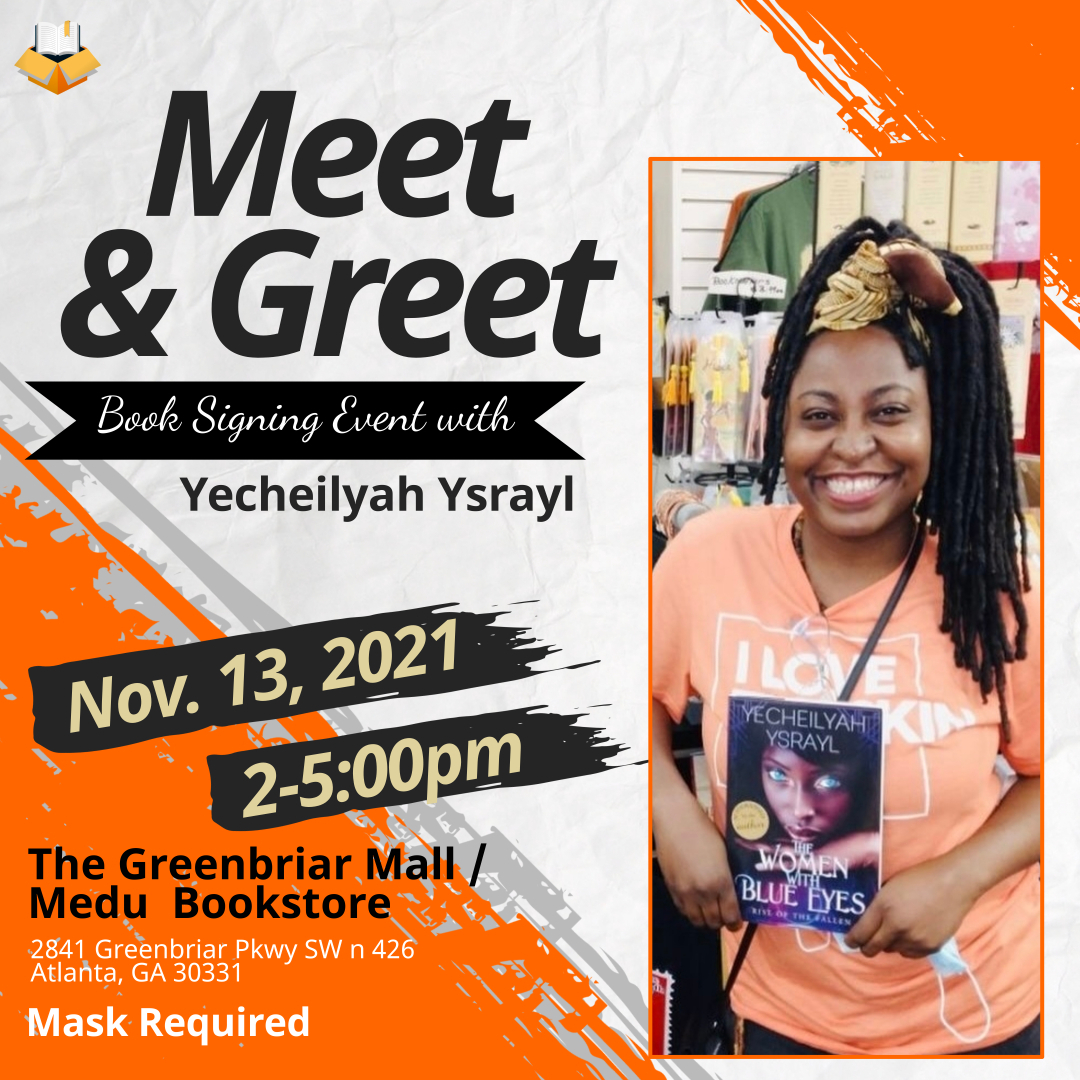
Meet and Greet Book Signing 11/13

On 11/13, I am hosting my first book signing since Covid. My last signing was in 2019, so I am nervous and excited to be around people again.

Please be advised we are still fighting this virus, so there is very limited space and vaccinated or not, you must wear your mask. I am also not putting in a large order of books, so first come, first served. COME EARLY.

It’s Okay to Talk About Something Other Than Your Books

At its core, businesses are built on the foundation of relationships. This is especially true in the Self-Publishing world, where authors do not always have access to the exposure traditionally published authors receive.

When it comes to social media, it’s about being social and making connections with others, so it’s okay to talk about things outside of your books. It helps people get to know you on a deeper level and feel comfortable shopping with you.

Some basics to start with is sharing a little about you and maybe throwing in your thoughts on current events.

What are some things you like to do when you are not writing? What’s your favorite color? What are you passionate about in life? What do you think about the Covid-19 pandemic and the vax/non vax wars? What about what’s going on in Haiti? When is your birthday? What exciting things did you get into this weekend?

And so on…

I’m going to make this short because the message is pretty straightforward. No one wants to be inundated with “Buy My Book” messages all day, not on social media and not in their inboxes. I know it sounds kinda funny, but people only care about how what you are saying is relatable to their lives. You really do have to care about people, which sometimes means stepping outside your comfort zone and opening up a little about other things that may have nothing to do with your books. The great thing about this is you can still come back around and tie it into your brand.

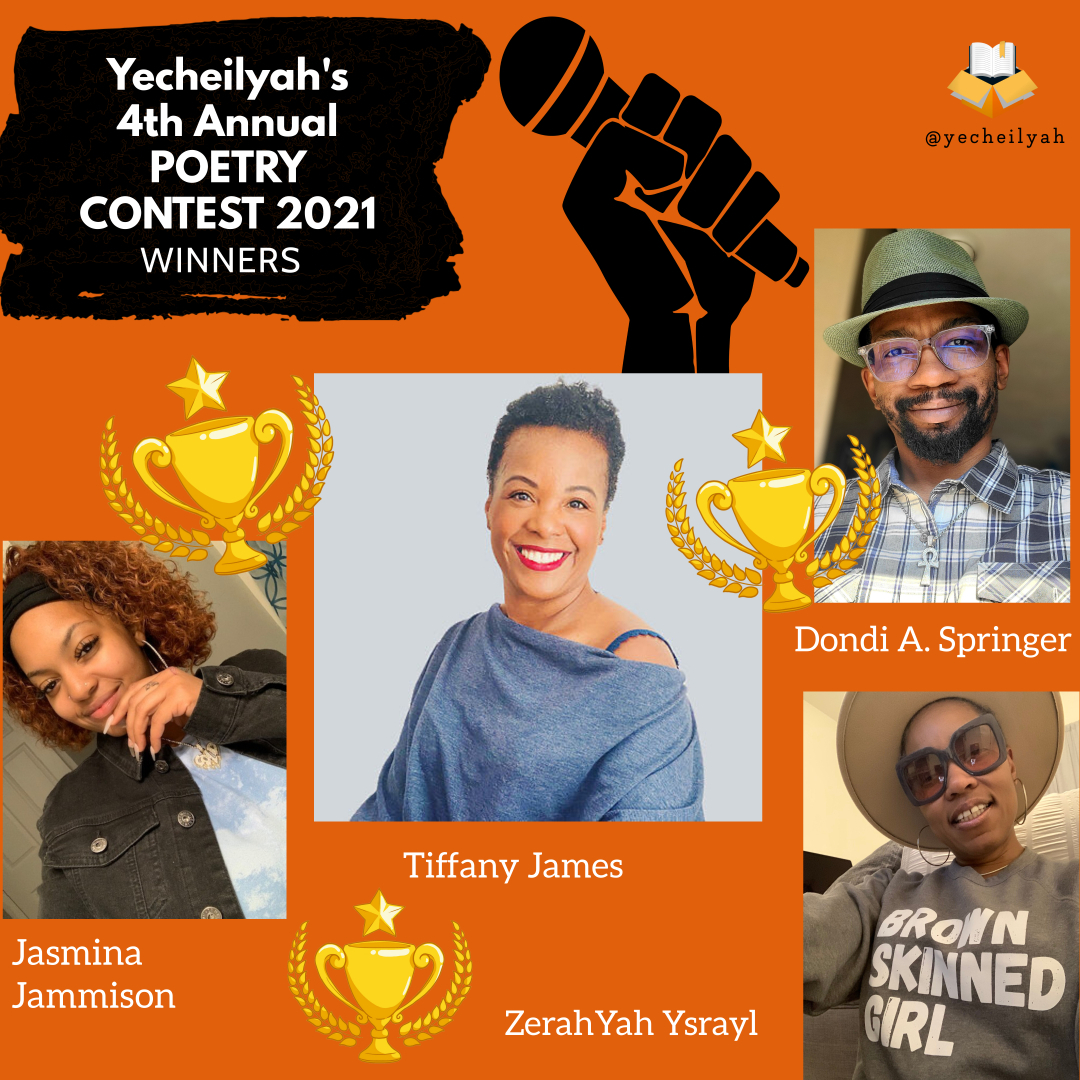
Introducing The Grand Prize Winner of Yecheilyah’s 4th Annual Poetry Contest 2021

Introducing the Grand Prize Winner of Yecheilyah’s 4th Annual Poetry Contest 2021

IG_Poetry(1)


As soon as I read the first few lines of Love Is by Tiffany, I whispered, “Yes.” Determined not to play favoritism, I sat it aside, but every time I came back to it, I would whisper, “Yes.”

I knew from the start this was the poem we were looking for when we decided on this prompt.

When I said this year, our theme was love, I wanted to see how the poets would explore love beyond what we typically think of it. More than romantic love and even self-love. What other faces does love have?

“Love is food stamps, government cheese, grits with sugar, and collard greens. Love is the sand between my toes. Love is the prize at the bottom of crackerjack box. Love is hopscotch and Double Dutch. Love is Afro-puffs, two French braids, and your first French kiss.”

As someone who grew up in the Robert Taylor Projects on Chicago’s south side, I can relate to these words. I remember government cheese and powdered milk and how my mama used to french braid me and my sister’s hair. Sometimes we had one french braid to the back and sometimes two. While we didn’t have much, we had love.

These are the kinds of lines that set Tiffany’s poem apart. She went deeper and took us back to our roots. Her poem showed us other sides of love and it was relatable:

“Love is easy like Sunday morning. Love is Betty Wright, Marvin Gaye, Smokey Robinson, and Patti LaBelle, a brilliant collaboration of lyrical hands fighting for the same devotion because love is Soul Train. Love is rich soil to the soul.”

As you can see from these excerpts, Tiffany understood the assignment. Let me introduce and congratulate our grand prize winner, who will, along with the other prizes, be taking home a full publishing package toward whatever book she writes in the future.

Congratulations Mrs. James!

image_6483441

Tiffany James | The Personal Encourager, Founder of Encouraging Touch Enterprises Writer/Encouragement  Coach, Spoken Word Artist/StoryTeller, Author of “Living in the Land of I Am- Your Life Story Reveals your Purpose | IG: ncouragetouch

Tiffany James is an incredible motivator, speaker, and gifted storyteller. She is married and has three beautiful daughters, who are her world. Tiffany’s mission is to inspire everyone to own their voice, walk with their heads high when they walk in a room because they belong in the room, and rock their greatness while celebrating the greatness in others. 

Tiffany knows firsthand how hard it is to be the cheerleader behind your dreams, after deciding in 2007, when her corporate career came to an end due to the economy, to pursue her passion of using her voice and writings to impact change. It has been a beautiful, exciting, and sobering journey. There have been many times over the years she found herself struggling with uncertainty from the many disappointments and considered giving up and returning to Corporate America. Thankfully during that time, she had surrounded herself with a strong tribe who believed in her dreams as much as she did. 

image_50416385

It is now her mission to be a voice of encouragement to people all over, regardless of their journey, to be bold enough to answer the call of the dream. IMG_6117

www.encouragingtouch.com

Tiffany passionately and consistently achieves this mission through her writings, workshops, storytelling, encouragement-coaching, speaking, and her new, inspiring book, Living in the Land of I Am- Your Life Journey Reveals Your PurposeShe teaches you success is not defined by how many figures you make but by the courage, it takes to stay true to yourself while pursuing your purpose. Her mentoring motto, “Greatness is about serving others with the gift that God has given you.”

Over the next few weeks, we’ll be spotlighting each of these poets individually here on the blog and social media. We will start with #4 and countdown from there. Be sure you are subscribed to this blog as we dig deeper into what inspired the winning poems.

Introduce Yourself: Introducing Guest Author Hugh C.N. Miller

Please help me extend a warm welcome to Hugh C.N. Miller.

Welcome to the PBS Blog!


What is your name and where are you from?

My name is Hugh C.N. Miller and I am from Johannesburg, South Africa

Okay. South Africa in the house.

My Uncle’s name was Hugh! What kind of music do you like?

Ava Max, Julia Michaels and loved Prince and the revolution.

Are you employed outside of writing?

Yes. I own my own design and web development studio for past ten years.

Cool!

Do you design your own book covers? What’s that like?

I design my own book covers, website and book typesetting, since I am a graphic designer and web developer. I have also designed book covers for other people over the years. Love the control of knowing what I have seen in my mind as the cover and being able to achieve that myself and not having to hope a designer gets the picture in his.

Very nice! Are you married? Kids?

Yes. I’ve been married for twenty-seven years. I have one daughter, Samantha, 20 years old.

Wow. 27 years? That’s awesome! Let’s talk about writing. How did you get into Science Fiction?


Always have had a passion for Sci-Fi and prefer futuristic novels to everyday life events, also a nicer escape from reality.

I feel you. Is this your first book? How was the process of publishing?

This is my first book to be published, have written various stories in the last 30years, but remained only in my drawer. Thought it was time to pursue this dream with more energy and accomplish something I always wanted to be, an Author.

What do you think of the world we live in?

15512

Think it needs love, tolerance between races. We need to understand that we all humans, on same sinful level in front of an almighty God to one day judge us on love.

Since you write about robots, I have to ask, religious or nah?

Yes, I believe in a creator and savior above all the superheroes, the real one who came to save humanity, Jesus Christ. There is so much evidence for design vs evolution, never mind the peace and joy that comes from believing in a God who is in control, and that includes covid19. My book is all about a case for the creator as seen by an Android robot.

What’s your favorite TV Show? Movie?

All time favorite move is The Matrix. TV Show: Lost

Okay, The Matrix is definitely a dope movie.

If you had one superpower that could change the world, what would it be?

A superpower to ensure every human has a little home and food every day.

I love that.

Thank you, Hugh, for spending this time with us. We enjoyed you!


Hugh-Miller-2021-shoot
Hugh Miller


Hugh C.N. Miller is a South African Science Fiction Author, with his latest novel published and available on Amazon: “Interview with Things” He is a Graphic Designer and Web Developer at his own agency: HM Studio since 2011. He has over 30 years of extensive design and advertising experience.

…and if you are a fan of Science Fiction, check out his book. It’s giving me iRobot vibes!

Click here to buy this book from Amazon

About the Book:

In the year 2047, artificial intelligence with Androids segregated in massive domes manages a seemingly perfect world. In an apparent glitch in the Dome software, an Android discovers the essence of who he is was set for termination, a dark hidden secret that would threaten the stability of the entire human race as his relentless mission to find life, purpose, and freedom begins, plummeting David, a human journalist’s life into turmoil. In his quest to understand creation, evolution, free will, death, and faith, an unexpected new threat to humanity greater than the Androids emerge as the Federal Robotic Bureau hunts down this rogue robot in a breakneck chase.


Are you an author? Looking for more exposure? Learn more about my Introduce Yourself Feature HERE.