Common Self-Publishing Mistakes

Really? Is she really talking about self-publishing again? Yes, as a matter of fact I am. I already told you I’m in love with writing.

So, we’ve discussed briefly some Common Sense reasons to take advantage of the Self-Publishing Industry, and we’ve even talked about the professionalism (or lack thereof) among the industry. Today however, I would like to feature an article (with my 2 cents in-between) that will shed some light on some of the most common self-publishing mistakes known to Indie Authors. Ready? Alrighty then, let’s go. Excerpts written by Cate Baum:

Book Cover Designs

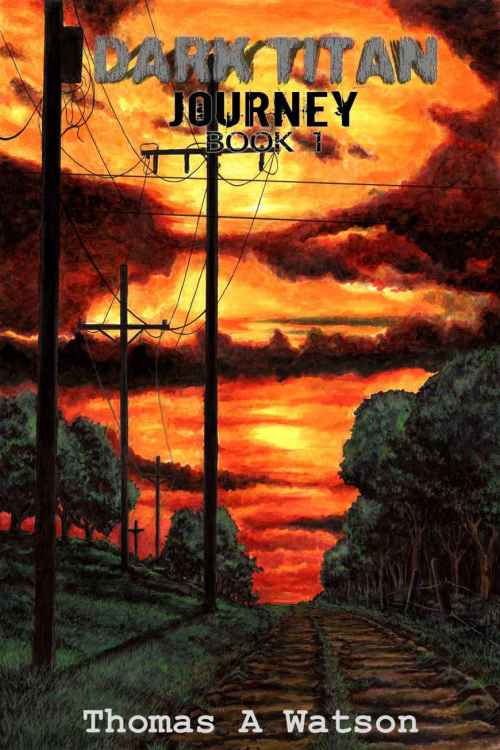
cover129-500x750“It may seem very easy to take a snap and use it as a cover, slotting it into one of the simple templates available on many of the book publishing platforms such as Createspace at Amazon. However, these templates should be used only as a very last resort. Why? Because these templates are truly only there for the most design illiterate of us all, and for those who don’t much care about how their book looks, for instance, maybe the book is being published for a charity or a niche, local audience who anticipate the book’s availability. There is a completely blank template for adding your own design, which is perfectly sized. I use this one with my own design, forgoing all of the added titles and image holders on the others; because if you wish to sell your book to a new audience out there, you’re going to need to spend some time or some money on a cover. Make sure your cover is eye-catching and clean, and can be seen at a distance because thumbnails on Amazon, Barnes and Noble and most other book sites are going to use a thumbnail to show your book off as a first point of sale.”

Very good advice! I must admit I am guilty of doing this very thing years ago as I embarked on the Self-Publishing path. But as I began to look more deeply into the professional outcome of the product, it became clear to me how important the book cover design was to the book. The content is the most important no doubt, but book cover designs are also just as important. I think authors should sit back and ask themselves (as I ask myself), no matter the audience, and no matter whether or not you’re trying to make Oprah’s book club, “what do I really want from the end product?” Just because you don’t expect to get rich, doesn’t mean your work can’t be the best. Remember, “Be exceptionally good at everything you do because light attracts light.” Check out these “Lousy Book Covers” for an example of what not to do (really, that’s the name of the website, I didn’t make that up): http://lousybookcovers.com/

Not Spending Enough Energy on Editing

edit1

“We say this many times over, and I am constantly surprised by the number of self-publishers who go ahead and publish anyway, even when they know themselves their book contains errors! This is death to your book sales, and will not be ignored by readers, not just for this book but for all your books connected to your name. Editing is fairly expensive and tedious, but if you wish to make sales and give up the day job, it is vital you edit your work. Two-part edits are minimum: a proofread to find spelling and grammar errors, and then a formatting pass, followed by a structural edit to the actual story and characters. This will flag up any parts of the book that do not communicate well and parts where you’ve dragged on or skipped over detail that could become boring or confusing to your readers. In such a tough and competitive market an edit is an essential, professional process for any serious writer, even if you think you can spell, write, format and structure I bet you money an editor will find a bunch of stuff that you had missed, wood-for-the-trees style.”

So true. I know I know, would all of the grammatical geeks please calm down?  Nobody cares that you’ve counted over 50 grammatical errors in this post already, that’s what we have you for. 🙂

But seriously, I notice that one of the hardest stumbling blocks to tackle for some Indie Authors is finances. Often, we don’t put a lot into the editing of the material because we can’t afford it. But, if you want the most professional look possible, I would highly suggest you invest in editing. If nothing else, put some sheckles (yea, I said that), away for a decent editor to be your extra set of eyes, it may just save your novel’s life. Now don’t get me wrong, I’m not as critical a reader as some may be when it comes to grammatical errors but I’m telling you now, if it’s so bad that it becomes hard to read, that’s going to throw me off completely and I’m gonna care more about watching the Walking Dead than reading your book.

Insisting on a Fancy Font

Fancy Font Fixation

Ok, thanks a lot Cate, but I think I’ll take it from here.

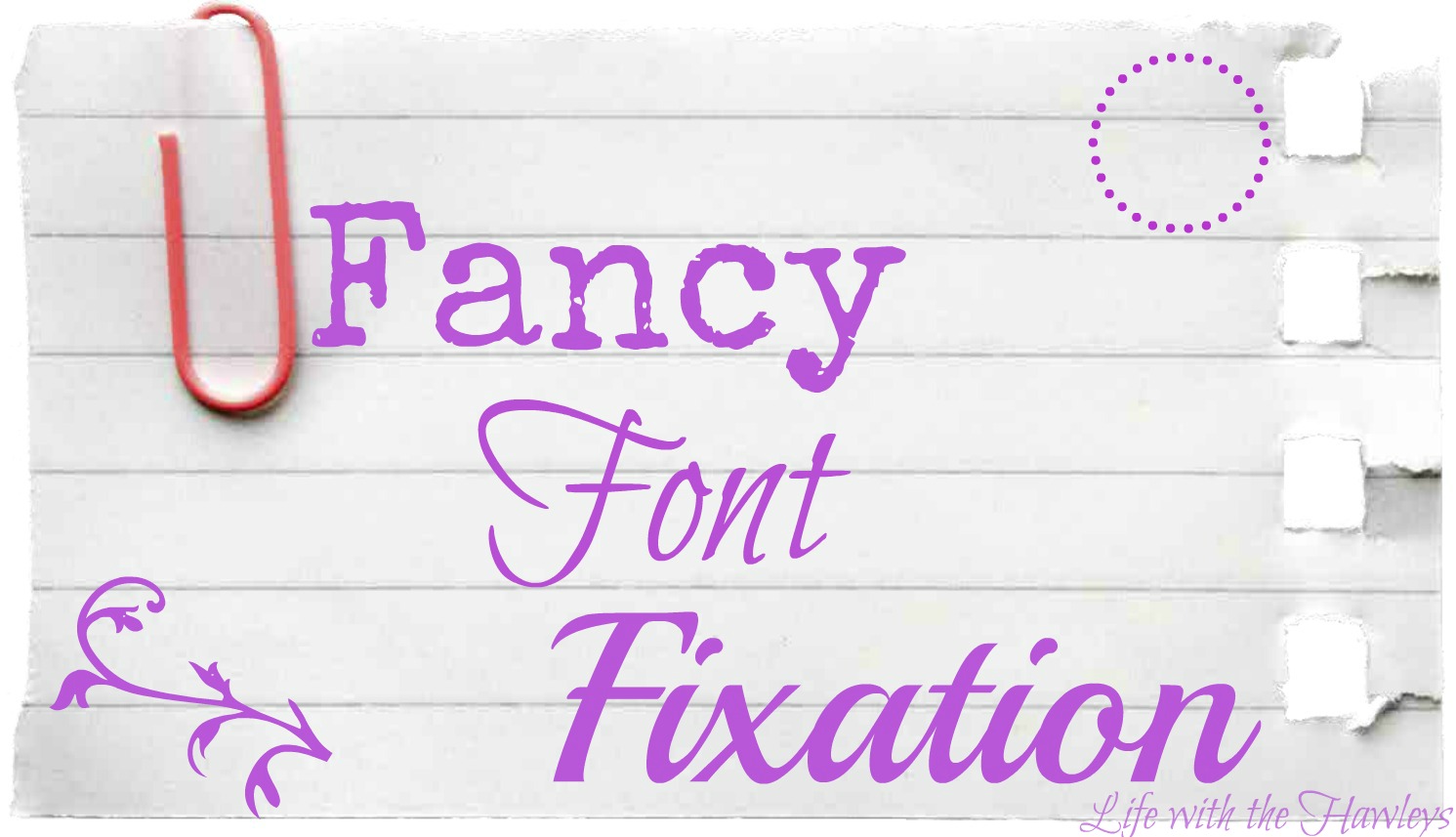
Please don’t do this people. Unless your book is some kind of graphic specialty or Children’s Book or something that requires some kind of cursive expertise, please don’t adjust your fonts in fancy writing. Only because you’re not in grade school anymore, the focus here is not how cute it looks, but how professional. Below is a basic list of the kinds of fonts that I would suggest for Chapters and such:

• Times New Roman
• Verdana
• Calibri
• Garamond
• Tahoma

Since I have to go now, I’d have to come back to this topic, but I hope what little information I was able to share may be of assistance to you. The most important obvious investments you can start out with though  is Editing and Book Cover Design.


Writing Therapy

ehquote

Do you write for therapy? Also known as Journal Therapy, Writing Therapy is the act of writing down thoughts and feelings to either come to a deeper understanding of self, or of the world, or just to provide a kind of healing to the stresses of abuse, insecurities, or everyday situations. It is a form of therapy that I am not sure that everyone who participates is even conscious of. Do writers who write recognize a form of healing from the process? Perhaps that is something we may explore in great depth at a later time. “What drives you to write? What makes you write? What kind of stain does having written a piece leave on you?” These are questions you may feel free to respond to at your own leisure; it will be interesting to see what our answers are to these questions.

In the meantime, below is an excerpt from a piece on Journal Therapy that may be of assistance in the exploration of this topic. This article first appeared in The Illustrated Encyclopedia of Mind-Body Medicine, The Rosen Group, accessed from http://www.journaltherapy.com. ©1999 Kathleen Adams. I hope it is of help to you in your writing endeavors. Enjoy 🙂

The Philosophy of Journal Therapy

phpThumb_generated_thumbnailjpg

In the 1980s many public school systems began formally using journals in English classes and across the curricula as well. These journals, often called “dialogue” or “response” journals, offered a way for students to develop independent thinking skills and gave teachers a method for responding directly to students with individual feedback. Although the intention for classroom journals was educational rather than therapeutic, teachers noticed that a simple assignment to reflect on an academic question or problem often revealed important information about the student’s emotional life. Students often reported feeling a relief of pressure and tension when they could write down troubling events or confusing thoughts or feelings.

Journal Therapy in Practice

large

Although there are many psychotherapists who incorporate journal therapy into their sessions by assigning written “homework,” there are relatively few who specialize in journal therapy. Therapists who utilize journal writing in a session often begin by asking the client to write a short “check-in” paragraph or two on “what’s going on” — how the client is feeling, what s/he wants to work on in the session, and what’s happening in her/his life that impacts the therapeutic work at hand. This writing is usually shared with the therapist, and an “agenda” for the session is set. The therapist then guides the client through a writing exercise designed to address the therapeutic issues or tasks that the client has brought forward in the check-in or warm-up write. This writing usually takes about 10 minutes, and the remainder of the session is spent with the client and therapist exploring the information revealed in the longer write. The session generally concludes with the therapist offering several suggestions for journal “homework” to be completed between sessions. Journal therapy is also very effective in groups, and it is common for group members to establish a sense of deep community as writings representing authentic expressions of self are shared.

Benefits of Journal Therapy

It is believed that by recording and describing the salient issues in one’s life, one can better understand these issues and eventually diagnose problems that stem from them. Journal therapy has been used effectively for grief and loss; coping with life-threatening or chronic illness; recovery from addictions, eating disorders and trauma; repairing troubled marriages and family relationships; increasing communication skills; developing healthier self-esteem; getting a better perspective on life; and clarifying life goals.

Stella

poster

“Raised under the protection of her mother and the field hands, Stella is unaware that she is a slave. Not being accustomed to hard labor, things change when Mama dies and she falls into the cruel hands of Marse Saddler. Years later, when The Louisiana Constitutional Convention of 1864 allegedly abolishes slavery in the state, Stella learns of Saddler’s plan to keep her on the plantation. She then agrees to accompany Saddler’s daughter Miss Carla and her husband John, to The Windy City {Chicago} and learns the hard way the difference between slavery and freedom.” 

(This short story will be published to The PBS blog and is free to the public. Anybody who follows The PBS Blog can take part in the reading of the series every Friday beginning January 23, 2015).


 *Note: Liking The PBS Facebook Page is not the same as following the blog, you have to actually visit this site and sign up to get the automatic New Post emails. *

Lines

4e5f2615bbea1ad7efae0dfa19128cfa
A woman by a wall painted with Revolutionary Poetry, in London, 1970s Richard Braine/PYMCA (from ‘Unordinary People: A celebration of British youth culture’)

Indefinite streaks of infinity running in one direction
words spilled over into cups of inspiration overflowing with obsession
so she writes
hurrying to let go of the pain caught in the palms of her hands
when
raindrops washed away dirt only to leave blisters of unspoken words on racing lines
how will she ever catch up?
Not talented enough to open her mouth in time to swallow the air so that she may catch her breath
not enough lines left over for exhausted words to sit and to wait
so what do I tell her?
what advice is there available for the woman with bleeding hands and a song to sing?
what kind of shoes are necessary to ensure that she keeps running in the same direction the lines are running
and
how many times
how many times must the caged bird write before she sings?
What advice shall be given to the one behind enemy lines?
Somewhere within the margins of the page
on the WRITE side of the RIGHT side
tell her
to stop hiding under her notebook
Tell her blue lines are not running they’re waiting
to search for similes beneath the surface
like
question marks these lines are empty on purpose
cuz
spoken words are not written they’re spoken on purpose
you tell her ….
this water didn’t come from raindrops in the sky
but the raindrops underneath her eye
-lids
Tell her it’s OK
to cry
even her messiah did
Cuz deeply emotional is the truth
and hearts aint bullet proof
but these lines
tell her these lines are waiting for her to get there
blank paper anticipate being stabbed in the chest
and wait for the blood you call ink to transform into the familiar alphabets the world has grown to love
called words
Indefinite streaks of infinity running in one direction
skillful lines
waiting
2 be heard

7 Keys to Peace

• Speak with Integrity; say only what you mean

 
• Accept Simplicity, never make things any more challenging than it really is

 
• Seek to improve on at least one thing in your personal life everyday without acknowledging the challenges that come with it

 
• Never focus more on the faults of others than those of your own; you’re always your own worse enemy

 
• Never exhaust your energy on problems you can’t solve

 
• Don’t use your words to speak against yourself, or against others

 
• Don’t take things so personally; nothing others do or say is a reflection of you


Peace can only exist if you want it to. When we are immune to the thoughts and actions of others, we won’t be the victims of endless suffering.

Guest Feature Poets

guest-blogging1

One of the features we have added to The PBS Blog’s list of reading material is our Guest Feature section. In this section, we strive to deliver quality poems or articles, usually written by an author outside of PBS, for your enjoyment. We would like to cover so many different topics but we can’t do it without your help. After all, who better to get your message out there but you? So, we are opening up to allow some of you to Submit a Poem of any subject to The PBS Blog to be posted in our Guest Feature section. This is not the same as a Guest blogger because you will not have access to this site. You will not be given a key in which to go into the inner rooms at this time, but I will be posting your poem to The PBS Blog for you. I will not edit your work and a link back to your blog (if you have one) will accompany your poem (further details are below). I have to make it clear that I do not have millions of followers. You will not be exposed to a grand audience and you will not be compensated for services rendered. However, you will get the opportunity to have your work exposed to some new faces and may even be able to make some new connections. I am also aware that there are many new bloggers in the blogosphere (like some of you just started yesterday, congrats! btw). If you are among one of these, this exercise is for you. I have seen an enormous increase in the follower or traffic or however you track your blog’s success, to someone’s blog when they were either featured or re blogged by someone else. That’s because in this vast techno-world, it’s not always easy to see everyone. Sure, your blog can be great, but it can also get lost in the clutter. So the re-blogs help to greatly generate attention to who you are. The Guest Blogs and Features do the same. So, for those of you who are still looking to do some connections and increase traffic to your blog, this is for you.  One  of the many purposes for this blog is inspiration. I enjoy inspiring and motivating people by way of poetry. I love being able to write about things that others can relate to, so being able to relate to others will be a key factor in the Guest Features I choose.

I will begin posting the Guest Features as soon as you can get them to me, but I will also like to space them out so if you don’t see your poem posted immediately it’ll probably post the next day (Poems are posted in the order to which they are received). Below is a basic guideline to follow:

– Only Poetry submissions are accepted at this time, Guest Featured Articles from Bloggers is coming soon.

– Poems can cover a variety of topics, except for these no no’s: 1. I will not accept material with an obscene use of profanity (guest or no guest,  this blog is after all a reflection of me and that’s just not the kind of language I use)  2. religious agendas (this is not to say you can’t submit a poem with spiritualism, but please don’t send in a poem about how Jesus is Lord and that we all need to accept him as our personal lord and savior) 3.  and poems that are just outright disrespectful (no example needed)

The idea is to try to relate to people across the board so try to be relatable. You have your own blog in which to push your own agendas.

– I will NEVER edit your post. All submissions will be posted AS IS.

– I will NEVER take credit for your work. All submissions include your first and last name along with any other credentials you’d like to send, such as: blog address, copyright information, etc. If you only send in your first and last name, this is what will accompany your post

– Limited promotions only. Please don’t send us a book about how great your business or talent is. Keep in mind that you are a guest in someone else’s home.

– If you’re familiar with The PBS Blog you know we like to use big colorful images to compliment each post. While images are not always used, if you would like to use them, please include them attached to your e-mail. I will arrange them in your post so that it looks nice (see posts for an idea). If no picture is attached to your e-mail we will not add pictures.

– If you’re a blogger, we encourage you to respond to the corresponding comments following your Guest Feature. If you are not a blogger, The PBS Blog will kindly thank those who comment on your poem. We can add an e-mail address or your personal website too if you include it in the e-mail. It’s up to you.

– You will know if I am interested in posting your poem simply because I will respond to your e-mail. Please give at least 1-2 business days before slamming your computer into the wall because you have not heard back from me. Bloggers actually have lives outside of cyber space, so give it a day or two.

That’s it, see ya soon 🙂

Please e-mail entries  to: ahouseofpoetry@gmail.com