Self-Publishing – Laying Bricks Ep 4: The Pathway

Laying Bricks(1)

People lay bricks for many different reasons. Whether you are building for a brick home, a drive through, or storefront, the process is the same. Like mathematics, as long as you have the basic formula for masonry you can succeed in brick laying. As long as you remember to add, subtract, multiply, and divide you can solve any seemingly complex mathematical equation. Unless of course you’re like me and you hate math.

Nonetheless, Self-Publishing is the same way. Once you’ve established the basics of building a book, you can do so repeatedly and that is what this series is all about. Everything else is just an add on. You may have built a house but it doesn’t have to stay the way you built it. You can add rooms, roofing, or extra bathrooms if you want.

Now that we’ve written a well written story, gotten it edited, beta read, and critiqued, now what?

Advanced Reviews, Pre-Launch

This episode took me a little longer. It took me longer because writers can do this in many different ways. Self-Publishing doesn’t have any official rules and for that this step can in fact also include marketing and promotion. To keep things simple, let’s just focus on building the book first. So, in this episode of Laying Bricks it is time to pull out your multipurpose hat.

Advanced Book Reviews

Once your book is the way it was meant to be, it is time to send it off for advanced reviews. This process is most important as it helps you to garner reviews in advanced. In this way, by the time the book is released, your reviews can help the book to sell. With Indie’s doing everything themselves, reviews give us room to depend on some outside help.

When deciding who you want to review your book, there are a few things to keep in mind:

Genre – Not a neccessity, but can be very helpful. When someone reviews your book who is actually part of that books genre— let’s say a fan of Historical Fiction reviewing your HistFic masterpiece—you have a better chance at expanding your audience. This isn’t to say anyone can’t review you at all, just that those of your genre makes it that much better. When you desperately send your book out to anyone, you increase your chances of marketing your book to the wrong audience.

Desperation – Speaking of desperation, don’t be desperate. I know, desperate times cause for desperate measures! However, take some time and be a little strategic about who you send your books out to. Target people who are not only in your genre but who have a passion for books with a genuine love for reading. Visit their websites and blogs to make sure they’re a real person, that they’ve reviewed books before, and that their subscriber number is decent. Listen, don’t get the wrong idea here. I’m not saying it’s all about the numbers because its not. I’m saying you want to get the most of the experience.

While we all have to start from somewhere, quality attracts quality. The whole point of reviews is to help the author. That said, make sure there’s enough of that reviewers’ blog traffic to make a difference for your book in some way. If you choose to pay for a review, make sure the prices are reasonable and that the person or company is well-established. There are lots of frauds out there and people taking advantage of Self-Publishers and you wouldn’t want to cause any unwanted attention to your Amazon account.

Follow The Rules – Every serious Book Reviewer has a list of rules and regulations to accompany their services. Paid or not paid, Reviewers must have a policy in place. This is important because books take up a lot of time. As much as I love to read, I cannot possibly read every single book that comes my way. In addition, though reading books is personal, even it requires some order.

  • Research the reviewer < Make sure they are real people and not weirdos. Yes, weirder than me.
  • Submit your request exactly as their policy states.
  • Pay special attention to the books they do not accept so you don’t get an email back and become that guy. Or girl.
  • Address the reviewer by name, make it personal. Try not to sound thirsty or in other words, desperate (even if you are).
  • Follow their blog, follow their social media. Make sure this reviewer’s energy and the vibe is fitting for your book. This isn’t to say reviewers don’t read a wide range of material, it’s just about you the author being strategic and getting the most out of the experience.
  • Consider the reviewers time. Yes, they are agreeing to read books for free but you aren’t the only person in the world. Reviewers get tons of emails a day from Indie Authors requesting reviews. Keep in mind that there may be a line. As such, if your book is 300 or more pages, don’t expect that reviewer to finish it in two weeks. If you have a deadline, be sure to contact the reviewer far enough in advance to meet your deadline and be realistic about it. Reviewers may read fast on their own leisure time, but to review a book is to study it enough to give sensible feedback. No, it’s not an academic assignment or anything but it’s not a race either. Give people time to really read it if you want to get the most logical feedback. If you want us to scan it and throw some stuff together, we can do that too. Your choice.
  • Don’t be rude. With the exception of a few because I know there are some, most of us to include yours truly, do not promise 5-star reviews. In fact, we are not reading your book in exchange for a glowing review at all. If the book is not up to par do not expect to be lied to unless of course, that’s your thing. If a reviewer gives you a low rating, don’t curse them out. Try to understand that whether the book was good or not they invested something they can never get back: Their time. They’ve done you a great service. Take the advice and use it to further perfect your work.

Pre-Launch Strategy

First, what is a pre-launch strategy? According to The Marketing People:

“Premarketing is the foundation stage of any marketing plan to enable business development. Prior to any marketing, SEO or social marketing, this step ensures that you have the right brand. The right website, stationery, brochure/catalog and other related sales and marketing tools in place. To ensure you capitalize on your ongoing marketing and sales team activity.”

In addition to garnering advanced reviews, you need something to do while your book is being read. This is a great time to start pre-launch strategies.

I hope that by now you’ve already established a few things:

  • Blog / Website
  • Email Newsletter
  • Social Media Accounts

If you do not already have these stop writing right now. Yes, step away from the computer, put the pen down and grab the laptop. Now go to your room young man / lady. Yes, you. Close the door and don’t come out until you have social media accounts up, a blog or website, and an email newsletter.

When I first started publishing, I followed the following trend:

  • Write book
  • Publish Book
  • Tell people about book (quietly)
  • Wait for people who I didn’t tell about the book to find me

This isn’t wrong necessarily (well, the last one is), it’s just out of order a bit. It’s not how you promote, it’s when. Marketing and Promoting your book when it comes out should just be one aspect of it. In last week’s article Planning Book Releases in Advance, we spoke a little bit about this. That is, planning for your books arrival at least six months to one year in advance. Plan for your books release before, during, and after the book is written.

If you haven’t done so, no worries, there is hope.

If you have not taken the time to plan pre-launch strategies for your book, do so now while your book is being read.

  • Build a Fan Base

OK, so your book isn’t out yet but what are you doing to prep people for it? This is a question I ask myself every day.

Social media is not really about selling books even if you’re like me with an online bookstore. Social media is about building relationships. As a result, these relationships lead to sales in an indirect kind of a way. Writers of books are supposed to be experts on the subject matter in which they are writing. This means that writers can utilize other writing methods to help draw attention to their book without constantly talking about the book itself.

No matter what your area is, sharing insight on that topic helps to build trust and interest in people. Writing flash fiction or sharing excerpts helps people to get used to your voice and style, posting articles, news clips, and other things help people to understand your passion and focus as well. As a result, they’ll be interested to see what that book is about.

There’s no guarantee they will want to buy the book but a relationship has formed and relationships are what you want.

  • Special Offers

While your book is being read, you can also offer something exclusive in preparation for your books release. Let’s face it, everybody wants to be exclusive and official (lbs). Make people feel special by giving something away ahead of time. Though a pre-order of your book is nice (especially a signed hardcopy), try to do something different. Give away a small journal, amazon gift card or Starbucks gift card. Whatever it is, put some effort into it. Let your genuine love for the people shine through (people can tell if you’re just being phony because you want them to buy your book). If you give away a book, make it an exclusive super-duper official one. Make sure we know that only the best of the best can qualify for this baby here.

  • Book Cover Design

We’ll speak more about this next week, but this is a good time to get started on that book cover design!

Remember: Pre-Marketing is the first stage to business development. As an Indie Author, you are that business.

I know its not much, but I sure do hope that this information has been helpful. As always, I am following my own advice and am passing along information in my journey as I learn. I am always humbled at whomever wishes to join me.

Be sure to subscribe to my email newsletter for more tips, updates on my upcoming projects, free excerpt chapters and articles not yet published to this blog, book promotions, and more.

Next– Let’s Paint the House!

Next, we’ll talk about decorating your brick house. 

Disclaimer. Everything I share on Self-Publishing is always based on my own experience and research because I believe you can’t advise people on stuff you haven’t really tried. It’s just best if you’ve walked those shoes. So, that said I do not profess to be an expert. There are too many of them out there for you to glean from. Now, should you find information on this blog useful? Whoo hoo! Go for it.

Missed the first three episodes?

Laying Bricks Ep 1: Guide The Bricks

(About Focusing on the Story)

Laying Bricks Ep 2: Mortar

(About the Revision)

Laying Bricks Ep 3: Cutting The Excess

(About Editing)

Hot PBS Self-Publishing Topics to Date:


Yecheilyah Ysrayl is the YA, Historical Fiction author of The Stella Trilogy. She is currently working on her next book series “The Nora White Story” about a young black woman writer who dreams of taking part in The Harlem Renaissance movement and her parents struggle to accept their traumatic past in the Jim Crow south. “Renaissance: The Nora White Story (Book One)” is due for release spring, 2017. For updates on this project, sneak peek of chapters and the pending book cover release for this project, be sure to follow this blog and to subscribe to Yecheilyah’s email list HERE.

Yecheilyah’s Book Reviews – All Good Stories by Linda G. Hill

Title: All Good Stories

Author: Linda G. Hill

Print Length: 62 pages

Publication Date: August 10, 2016

Sold by: Amazon Digital Services LLC

Language: English

ASIN: B01JQWMQAE

Familiar with Linda through her blog, Life in Progress, I expected humor. What I didn’t expect was to finish the book in two hours. Everyone knows I love a good laugh, and Linda did not disappoint. All Good Stories is a romantic comedy about friends Jupiter and Xavier and takes place mostly at the bookstore where Xavier works. From the onset, we can tell there’s a bit more heart invested on Xavier’s part. The cute way Jupiter shortens his name, the way he dreams of being with her, and the added bonus of being her best friend.

However, Jupiter’s got a new novel. It wouldn’t be so bad if it didn’t lead her to Bob the Blogger, a novelist and blogger obsessed with alliterations whose profile picture looks nothing like the real him. After a steamy three hours of commenting back and forth with Jupiter, Bob has agreed to critique her novel. He has written her three love poems with the added warning that he will not use the first letter of her best friends’ name (because he’s a Serial Alliterator and X just wouldn’t go well with his alliterations) and has given her his phone number.

Bob’s weirdness causes Xavier’s growing love and concern for Jupiter to thicken into a hilarious investigation. Plus, what’s Jupiter’s book about anyway?

I enjoyed the pacing of the read and that it continued toward the end. It’s a short read, but it didn’t need to drag on beyond what the author gave us. It’s like a literary treat if ever you’re waiting at the doctor’s office or airport and could use a good chuckle or two.

This book is not only a comedy but also has an important message. The seriousness of meeting people online and of rushed relationships has been the focal point of many books I’ve been reading lately. All Good Stories is definitely a good story and well-written.

Ratings:
Plot Movement / Strength: 5/5
Entertainment Factor: 5/5
Characterization: 4/5
Authenticity / Believable: 4/5
Thought Provoking: 4/5
Overall Rating: 5 / 5 stars

All Good Stories is available  now!

AND we’d like to give special highlight to Linda’s amazing Cover Artist Belinda Borradaile!

Check her out here!

Book Cover For Linda G HIll

Please also follow Linda on the web!

******

For free short stories and poetry: https://lindaghillfiction.com

bitmoji889657576

Did you just write a book? In need of more reviews? Check out my book review policy here.

Reading to Write – Message for Aspiring Authors

hieu-le-unsplash-woman-reading-1024x683

Earlier this week, as I scrolled through my email, I came across my girl Lisa’s Guest Blog Post  on the importance of having a good story line when writing erotica.First, I invite you to check out Lisa’s post (especially if you’re an Erotica writer) to get a better understanding of what I’m about to say. Lisa drew me in and nailed it. I’ll definitely be reading up on her upcoming series. Check her post out here.

One of the reasons I don’t review Erotica (I do read it occasionally, I just don’t review it) is because I’ve had bad experiences with Indie Author writers of this genre and not just Erotica but also Urban Fiction. Many of the writers who are emerging now showcase a variety of books that have bomb book covers and invite you in to read. Sometimes I just sit back and scroll through Google looking at book covers! They’re really nice. In fact, that’s what happened to me. This one cover was so enticing I just had to see what the book was about. Then, I got into the book and I’ve never been able to finish it. Needless to say, I was turned all the way off.

When I finished reading Lisa’s post a thought struck me, “They’re not reading.” It occurred to me that there are many people who write strictly from their own experiences and backgrounds, which is great no doubt, but is it enough? Are the stories really up to par? Or is it just that relatable aspect that we love and support? From a genuine writing perspective, are these books well written? Many of them are. But many of them are not.

I love how many of these books capture the gritty realness, but I’d be remised if I didn’t mention that I also see that something is missing. That missing link is reading. Many new writers, especially of Urban Fiction though not strictly UF, do not read books to write books.  In addition,  many of us are just not broadening our reading shelves. Many writers who write these books only read these kinds of books. This isn’t a bad thing but for writers, is this enough? The truth is no, it’s not. Don’t get me wrong, I enjoy UF and applaud Urban Fiction’s impact on the increased reading of teens. Because of Street Lit, for instance, black teens are coming into libraries, checking out books, and increasing the number of books read.  However, for Indie Authors venturing into this genre reading books that are actually not well written, this provides for those readers no nurturing of the skill.

If you plan to write a book, it’s not enough just to read the kinds of books that you love. It occurred to me, after reading Lisa’s post, that there’s a host of young writers writing books who have never been readers and never plan to.

Note: There is NO such thing as being a writer who does not like to read. This is not judgement. This is fact. It is the same as saying that you like to teach elementary school but you don’t like children. How can you ever learn to write if you don’t read? Anyone can write and I encourage many young writers to do just that. However, to craft, a story of your own that is truly engaging will require you to study how other writers have done it. This can only be done by reading other writers.

Reading helps writers with:

Story Structure and Dialogue Tags

I didn’t learn about how to structure a basic story from a classroom, I learned it from a book. Writer’s don’t have to have a Masters in English or a Bachelors in Creative Writing. All we have to do is read more. It was books that taught me about dialogue tags before I knew what they were (not college). Sure, I didn’t know what it was called, but I did know how they were to be written.

“Writing in The Guardian, Dan Hurley pointed to recent studies confirming that the relationship between reading and intelligence is so close that it could be symbiotic. Listing out three types of intelligence most recognized by psychologists, Hurley stated that people who read overall performed better on all fronts.”

Why do you think brothers come home from Prison geniuses? All they did was read.

Plot

Speaking of story structure, a lot happens to a reader subconsciously that is then spilled into his / her writing. When a person reads, he or she is processing everything about that book to include the plot. You can learn how to write a good plot even if you haven’t been in school. Even if you knew nothing about the grammatical rules and even if you don’t understand it. Read more and you will learn from your teachers in ink: Authors.

Vocabulary

Study the language of the book and the style of the writer. Look at the vocabulary, how does the writer use the words? As a writer words are your everything anyway so you want to know how to use them. Don’t just read books to hurry up and finish them just so that you can say that you read it. Take your time with it so you can study it. Pay attention to what the author did with the words, how they made you feel, the symbolism, and multiple meanings. I have books I’ve been reading for a while now because I am studying them. I need to take my time and process how this bestselling author delivers.

Inspiration

I hear a lot about inspiration in the blogosphere but did you know that reading is the secret weapon of inspiration? Yes! Whenever you get writer’s block or can’t decide what to do next, read. It’ll jump start the creative juices. There is a way this works, though: As you read and come up with ideas, write them down! Remember, don’t just read, study what you read. Reading is the most powerful form of research for a writer.

The Process of Release – Planning Book Releases in Advance

the-process-of-release

Consider this a commercial break into Laying Bricks. I’m still working on the next episode so you’ll have to wait another week. To make up for it, I decided to speak on another aspect of Self-Pub you may find useful.

What I love about book publishing, self-publishing specifically is the many new experiences I go through with each book I publish. When I look at some of my older works (which I still have available) I think “Goodness, how amateur of me!” To the point, I almost want to remove everything from the shelves and start over, but I don’t because of the way they aid in my experience and testimony, contributing to the proof of my growth as a writer. There’s so much I did not know way back when to include how to properly launch my books.

I won’t speak extensively on this topic, or at least not now. What I will say at this time is that one thing I’m learning is the importance of making some noise (OK so maybe just a few taps) as early as possible in the book release process. One of the ways to spread the word about a book is to create buzz about it before it’s released. It reminds me of something my sister always says, “Be thankful before you get your blessing. Say thank you that it’s on the way.”

Once I know for sure that I’ll publish a book, I try to begin the process of release as soon as possible. The process of release, what’s that? Well, it’s something I just made up (you can do that when you Self-Publish you know. Makeup stuff, try new things, your book, your rules).

The Process of Release (again, an EC thing) is not the same as the book publishing process. It’s part of that process sure, but it’s also a separate entity altogether. My book publishing process is when I am preparing my book for publishing. It includes first writing the book, of course, formatting, editing, revising, book cover, and everything in-between. My process of release, however, is when I am engaged in letting people know that I am going to in fact release another book. It’s the minor or major marketing and promotion I do to lead up to the book’s release. It could be as subtle as posting updates on social media, or as major as an entire campaign. The Process of Release can start as early as one year before the book is written to six months before it’s to be released.

The truth is that it’s never too early, but it can be too late. I cringe when I see debut authors release books that I never heard of. Don’t get me wrong, it’s a proud moment and I am proud of them. I do not cringe because of the book’s publication. I cringe because letting people know you have a book out on the day of release is not a good idea. And while I am no expert in the least, I do know that authors who release books their audience has been in on in some capacity has a greater chance of spreading the word in a wider capacity than those who pop up from nowhere with “My book is out!” Your book? What book? I didn’t know you were writing a book.

While I’m still learning concerning those major book release campaigns and will be soliciting the advice of many of you pros, I do know that there are some things we authors can do on the smaller scale in advance of our book’s release that may help a great deal:

The Process – People feel differently about this but if it’s your thing, go for it. One way to get the word out is to inform people of your process. Are you in the first draft stage? Have you finished your first draft? Have you met today’s word count? Are you revising? Beta readers? Editors? Let your blogger friends or social media buds know you’re cooking up something in the kitchen.

Sharing – If you’re feeling brave, share some excerpts on your blog (you do have a blog…right?). Again, people feel differently about this since not everyone wants to share their work. Some people feel it’s to an authors detriment and some feel it is to an author’s advantage. The truth is that no one really knows. The experience is different for each person and a solid list of rules for self-publishing does not exist. That said, it’s really up to you.

If you are feeling up to it, be sure your excerpts are the best of the best but don’t give away spoilers. You may go far as to be sure it’s a little bit edited for grammatical errors prior to uploading it. It may not be final, but it’s all about giving readers the best experience even at the early stages. You can use Grammarly or another program to help edit your posts.

Milestones– This is something I do a lot because it helps keep me on track. Set a series of short-term goals and share your milestones with your social media buds. Maybe you plan to have a book cover finished by the end of the year. Decide on a date for this and do a grand book cover release on your blog. When I say big, I mean be super-duper crazily excited about it. Plaster it across your social media. Use the book cover release as your official come out. People are highly visual. Use that to your advantage. This year, my book cover release will probably coincide with the official release date for my 2017 novel “Renaissance: The Nora White Story”. It will probably include social media headers and images of the book cover with the pending release date and perhaps a quote or two from advanced readers.

Flyers – Offline, print flyers of your book cover and pending release date and drop those babies off to libraries. They usually let you sit flyers around on the front desk or in the display glass (I’ve done it before). Or you can just deliver them to the people in the library directly! lol. Just don’t be rude about it.

Blog Hops, Guest Postings, Author Interviews – Believe it or not, even if you’re not talking about your book, being a guest on someone’s blog or doing an author interview can help generate buzz. Not that you should stalk people, but usually interviews end with something like, “So, what are you working on now?” I put blog hops in here because I’ve seen many authors doing it and it seems to work. Though I haven’t tried it yet. I am considering it but I’m not sure. Have you blog hopped? Tell us how it works!

Strategy – As Self-Publishers we can really do what we want with our release but I would still recommend doing so strategically. Release your book around high book reading cycles. A book reading cycle is a time where people purchase books the most or do the most reading. We’ve all heard it before: selling books are not like other businesses, nevertheless, there are ways selling books is similar to other businesses. One way is a cycle. Usually, businesses bulk up and do sales and all sorts of things around popular sales cycles. Could be a holiday or whatever the product is popular for. For your book release, consider releasing it around high reading cycles:

  • Holidays
  • Weekends
  • Summer

…and if your theme is AFAM historical in nature, February for Black History Month.

20160226_15003720160226_142617img_2995IMG_20140725_134307IMG_20140725_140547

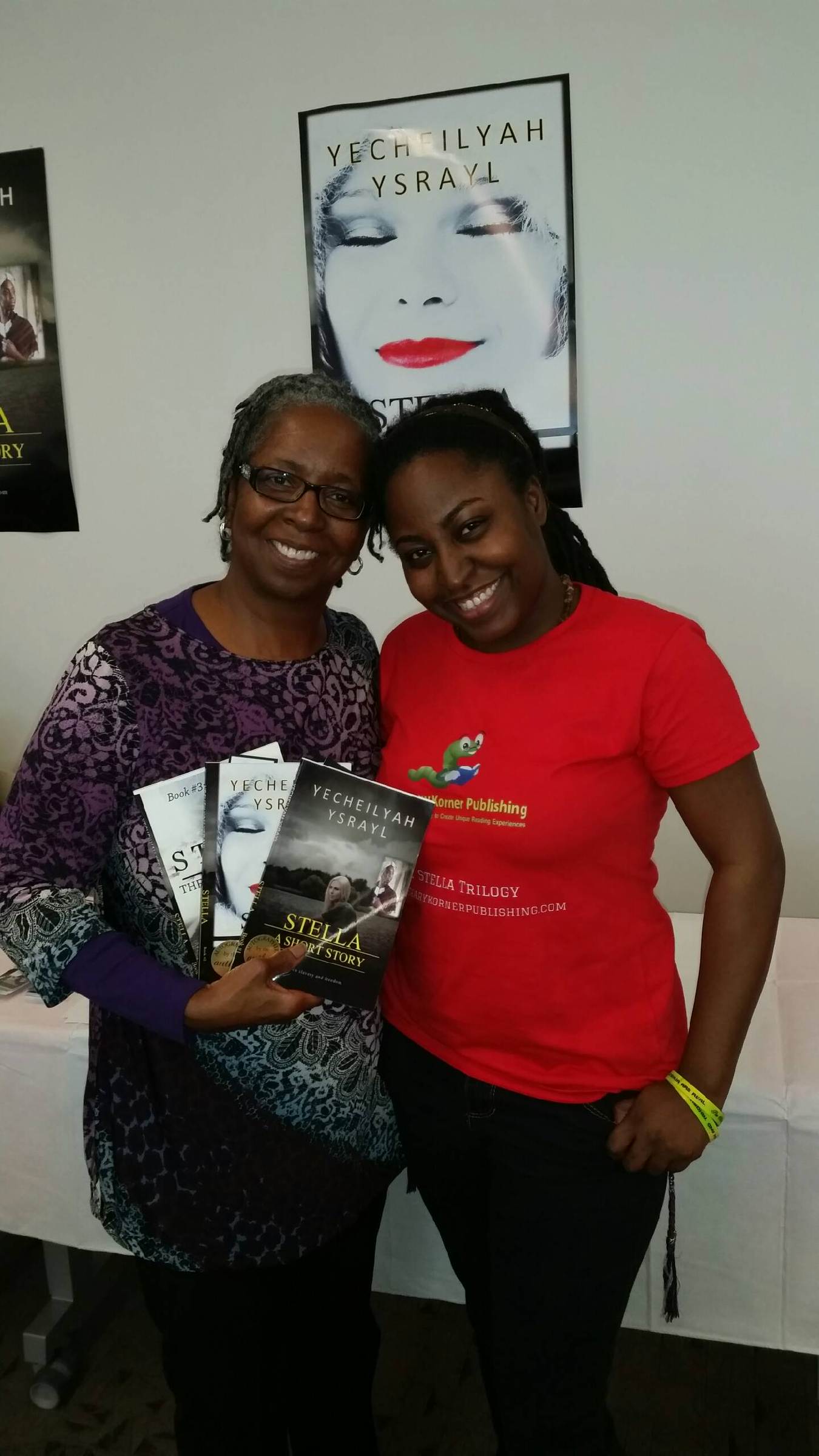
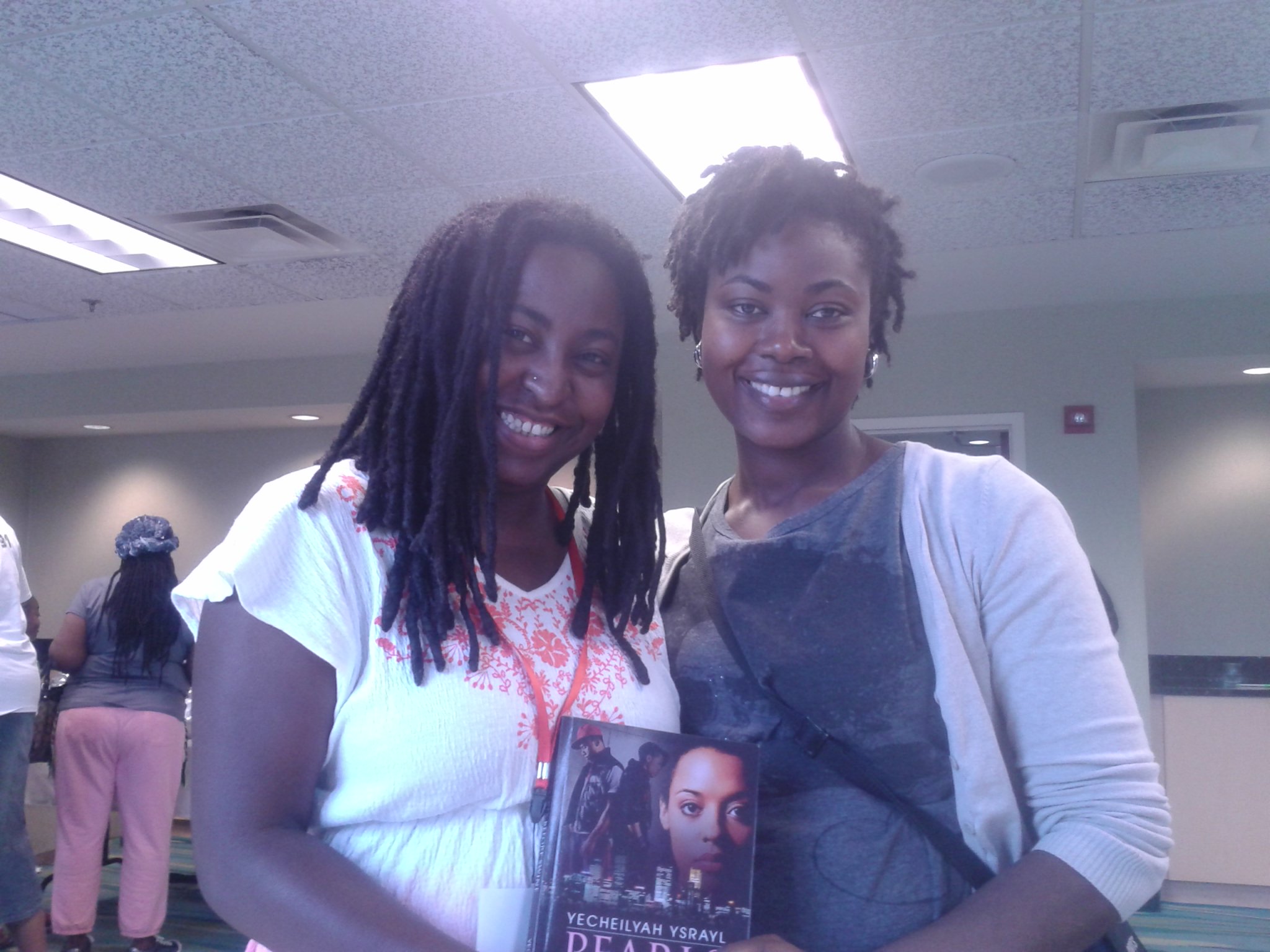
Epic Book Release – Make your book release day a special one. Since 2014 (when I started this blog and got serious about book publishing) I’ve been releasing my books online and in person on the same day. If my book goes live on Amazon on release day, I’ll spend that same day pushing paperback sells at a hotel lobby or library with book signings. This gives me a chance to speak, sign hard copies, increase total launch day sales, and takes pics of my newborn to post online. I mean my new book of course.

Things to remember when you’re up close and personal:

– Purchase books in advance of event (like 3mos in advance. Live events are more expensive since you’re renting space, possibly traveling, and purchasing items so purchase books in bulk ahead of time).

– Include promo items: Bookmarks, business cards, flyers, post cards, whatever you can bring to liven up your table and give away as gifts

– Laptop – You can use your laptop two ways: You can have your eBook page open for staunch eBook readers. They can approach your station, which you’ll have set up nice and professional like they’re applying for a job at Walmart, and they can purchase the eBook there, supervised by a personal assistant, while you sell the paperback to those wanting hardcopies.

Or, you can use your laptop to show your book trailers. Of course this is all dependent on the internet. If the place has no internet, throw a QR code on your flyers. They can scan it with their phone taking them to your site and you won’t miss a sale.

– Make sure you have change and something to carry it in, and an electronic payment method. I used Square, a credit/debit card reader you can attach to your smart phone to process card payments.

– A bunch of writing pens for autographs.

– Optional. Print large Posters of your book cover and hang them around or attach to a board so that people entering know you’re in the place to be. Have an arrow next to your lovely sign that you, the awesome author, is selling books around the corner.

– Be sure to have someone designated to take pics, a photographer or your sister with the HD camera. Trust me, you won’t have time to do it and you wouldn’t want to miss capturing the moment.

Even if you release strictly online, there are things you can do for your electronic release:

  • Giveaway – have a major giveaway (include a bookmark, business cards, and flyer in package) or something exciting.
  • Blog Release Party  – Do a blog release party or a game related to the theme of your book. You can host this on your blog or by throwing a Facebook Launch Party. To learn more about how to plan for a Fb Launch Party, google it. No, seriously, everything is on Google pretty much.
  • Start a thunderclap campaign. I did this and its great. Instead of paying for social media  people pay in a tweet or facebook post. You set a goal and those who sign up pledge a tweet or post. On the day of release, their accounts simultaneously post about your book release!

To succeed in anything, we often look at what we know but the key is what you do not know. Only when you can understand that you don’t know anything, can you come to truly understand. The Stella Trilogy is not my first work. My Self-Publishing career did not begin with The Stella Trilogy.

I’ve actually been publishing since 2008 but it wasn’t until 2014 when I realized I knew nothing about publishing, that I truly started to learn a little and it is why I am most known for Stella and consider it my best work. My hope is that my next series does better, garners more reviews, and reaches a wider audience. Now that I know I know nothing, I am ready to understand all.

The same can be said for blogging in general. Do you really know how to blog or do you just perceive to know?

In short, this is why I cover the very basics of Self-Publishing. This is why I talk about the ABC, goo-goo, gaga. Because until we can admit that we don’t know anything, only then can we begin to see. If you don’t understand the simple, how can you understand the great?

And so, I am for building strong foundations so that from there, I can build on what I build.

In closing, we want to start letting people know that yes, we are writing a book and plan to publish it at least six months before the book is to be released. Funds are limited, at least mine are! That said, it doesn’t have to be anything grandiose, but set goals. Will you get lots of reviews? Probably not. Will you sell lots of copies? Probably not. But, what if you do? The truth is you don’t really know until you try. Don’t wait three months or two weeks before the book is to be released to let people know about it. A general rule of thumb is that when you release your book, no one should be surprised.

************

Missed the first 3 episodes of Laying Bricks? This is a great time to catch up before next week!

Laying Bricks Ep 1: Guide The Bricks  (About Focusing on the Story)

Laying Bricks Ep 2: Mortar  (About the Revision)

Laying Bricks Ep 3: Cutting the Excess (More on revision with a focus on editing)

Sign- Up for my Newsletter  for a chance to read more Self-Pub Tips, Updates on my latest projects, and a free PDF of Book 1 in The Stella Trilogy: Between Slavery and Freedom.

The Ultimate Guide – Chapter 14

Excellent advice from Don on why you should get started on writing your next book! Post Quote: “There are a lot of consumers of books out there. The more offerings you have, the more exposure you will get with those readers if they like your work.”

Unknown's avatarDon Massenzio's Author Site

Your Best Marketing Tool – Write Your Next Book

This chapter is about the activity that most of us probably enjoy the least, marketing our work. This is more than just posts on Facebook and Twitter. This is the part of independent publishing that I dread and that is the most cumbersome. To say you are an independently published author really means that you are taking on two full-time jobs, that of a writer and of a publisher.

I’m sure most of us would just like to write and ignore the marketing. Unfortunately, if you want to gain exposure, this is an unavoidable aspect of what we do. For the mundane marketing tasks, such as posting to Facebook and other social media outlets, I try to be efficient without spamming social media. Social media does have the word social as part of it. Things like automation and cut and paste marketing…

View original post 939 more words

Self-Publishing – Laying Bricks Ep 3: Cutting The Excess

Laying Bricks(1)

When applying Mortar, sometimes it’s just too much and you need to cut the excess. When you get your script back, you’ll need to decide what to keep and what to ignore.

Cutting The Bricks

book-through-spectacles-unsplash

“A good book needs a good edit: nothing screams ‘amateur’ louder than a glaring spelling mistake or improper punctuation. One criticism leveled at self-published literature is that the quality isn’t up to the standard set by the traditional trade, where editorial services are of precious significance. The constructive input of a skilled editor is certainly valuable; a structural overhaul – or even just a light copy edit – can radically transform a novel, elevating it from the ordinary to the extraordinary. In fact, in a recent poll of publishers and their authors, authors said that the number one thing they wanted their publisher to contribute was ‘discoverability’ i.e.: marketing. The publishers however, all thought that their most important contribution was editorial input.”

Editing, like feedback from critiques and beta reads, is part of the revision process and encourages more rewrites. After the feedback from your readers you’ll need to revise. Then, you’ll need to get your manuscript edited. Finally, you’ll want to take it through another revision, adding the changes suggested by your editor (or some of them).

  • First Draft
  • Beta Readers / Critique
  • Revision Stage One
  • Revision Stage Two
  • Edit
  • Revision Stage Three
  • Proofread

You can really have as many revisions as your heart desires. Not all bricks will suffice at their original size. Most walls require smaller bricks at their ends. Before cutting a script, it helps to place it in the hands of someone with the credentials to absorb the shock of the blow. There are many forms of the edit but don’t worry, you may not need them all. Choose the brick chisel you need to cut your brick:

  • Line Editor
  • Copy Editor
  • Developmental Editor
  • Proofreader

Let’s get help from The Helpful Writer to define these:

Copy

The copy editor specializes in grammar, punctualization, fact-checking, spelling, and formatting. The Copy Editor is used most often in journalism publications, but utilized by some smaller publishers.

Line

Also known as a Copy/Content Editor, often employed by the small – medium publishers, and self-published authors. They do it all – grammar, fact-checking, spelling, formatting, plot, sentences, characterization, setting, punctualization, and voice. They go through every inch of an MS, word by word, line by line.

(EC: Go into the edit with the mind that you’ll have to utterly destroy your favorite parts. Truth is, your favorite part isn’t necessarily the reader’s favorite and we’ve already established the fact that giving readers what they want is important).

Developmental

Used by big publishing houses, and often ghost writers. You can find a few freelancing DEs. They are best with non-fiction writing, but can be hired by fiction writers. Their primary function is to ensure a book moves in a forward motion, watching plot and characterization. Think writing coach.

Proofreader

Many get a proofreader and an editor confused. A proofreader is the one who goes over your MS after an editor. They look for the glaring mistakes missed, generally in punctuation, spelling, and formatting. They look for the glaring mistakes that may have been missed during edits.

What if I want to Keep Parts?

That’s OK, as long as you keep in mind that you’re writing for more than just yourself and what you find profound may not resonate with your readers if it’s not presented well. For instance, I’m a big advocate for writing with purpose. I believe everyone has a mission, a purpose, a calling if you will and that everyone, as a consequence, has a responsibility to live up to this purpose. That said, when deciding what changes to make for me personally, it’s important that the vision is not lost in the revision. There are some parts of a story I will not sacrifice.

However, this doesn’t mean you shouldn’t heed the call of feedback that makes sense. It doesn’t have to come wrapped in fancy wrapping paper with a bow, some advice just makes sense. Its logical. The wisdom in what to change in your script is to heed logical advice while learning how to incorporate your passion into a story people will enjoy. As stated in Episode One, at the end of the day good stories sell. Period. Market and promote all you want. If its not a good story, it won’t sell. So while living up to your purpose, keep in mind that no one likes to be preached to. By preach I mean anything that may come across as preachy whether it’s of a religious nature or not. Always remember that there’s a way to embed messages into stories. In short, think like a wise man, but communicate in the language of the people.

The final stage of the revision process is the proofread. Once you got your bricks in place, you’ll want to give it a once over. Are the bricks straight or crooked? Is mortar oozing from all sides? Do you need to cut out portions of the brick itself?

Proofreading is done to look for those final errors that slipped through the cracks. Proofreaders examine your script carefully to find and correct typographical errors and mistakes in grammar, style, and spelling missed during the edit. Proofreading should be done after the edit and is the final stage of the revision process. In this way, you can ensure a polished manuscript before moving onto other fun stuff.

All excess mortar is squeezed out, and the joint is removed by scraping it off with the proofread and we’re ready to move on.

*********

Next– Brick Pathway

Next, we’ll talk about moving on from revisions with a manuscript that is ready to be seriously read. Now that you’ve scraped off excess mortar, what’s next in our brick laying process? Create a welcoming entrance to your book by laying a brick pathway. We’ll discover what that is next week. Stay tuned.

Be sure to subscribe to my email newsletter for more tips, updates on my upcoming projects, free excerpt chapters and articles not yet published to this blog, book promotions, and more.

Disclaimer. Everything I share on Self-Publishing is always based on my own experience and research because I believe you can’t advise people on stuff you haven’t really tried. It’s just best if you’ve walked those shoes. So, that said I do not profess to be an expert. There are too many of them out there for you to glean from. Now, should you find information on this blog useful? Whoo hoo! Go for it.

Missed the first two episodes?

Laying Bricks Ep 1: Guide The Bricks

(About Focusing on the Story)

Laying Bricks Ep 2: Mortar

(About the Revision)

Hot PBS Self-Publishing Topics to Date:


Yecheilyah Ysrayl is the YA, Historical Fiction author of The Stella Trilogy. She is currently working on her next book series “The Nora White Story” about a young black woman writer who dreams of taking part in The Harlem Renaissance movement and her parents struggle to accept their traumatic past in the Jim Crow south. “Renaissance: The Nora White Story (Book One)” is due for release spring, 2017. For updates on this project, sneak peek of chapters and the pending book cover release for this project, be sure to follow this blog and to subscribe to Yecheilyah’s email list HERE.

#Multi-author promotions. Reasons why you should be thinking about them #amwriting

Team work makes the dream work!

olganm's avatarLit World Interviews

Hi all:

I have taken up an external project with tight deadlines to work towards and that means sometimes I have to improvise more than I like, but I thought I could share a few thoughts on the possible benefits of joining in with other authors to promote your work, organize events, giveaways, etc.

Even if you’re a skilled marketeer (I am not), there are advantages to working as part of a team.

fall-into-romance-kindle-giveaway-large

In no particular order:

  1. You can share the organizing with others. Different events are organized differently, but it is possible to share and delegate responsibility for different parts of the event to different people, or you might just join in and follow instructions if you’re not a strong organizer.
  2. You can join forces and share skills to create a great event. You might be very good at visuals but not good at keeping track of…

View original post 543 more words