The Stella Series: Meet the Family

As mentioned, I am reviving the Stella series with a fourth book! For those who have not read the first three books, I’ll share excerpts, nuggets, and tidbits as we prepare for the fourth installment. Today, we are refamiliarizing ourselves with some of the family. Enjoy!


Stella May
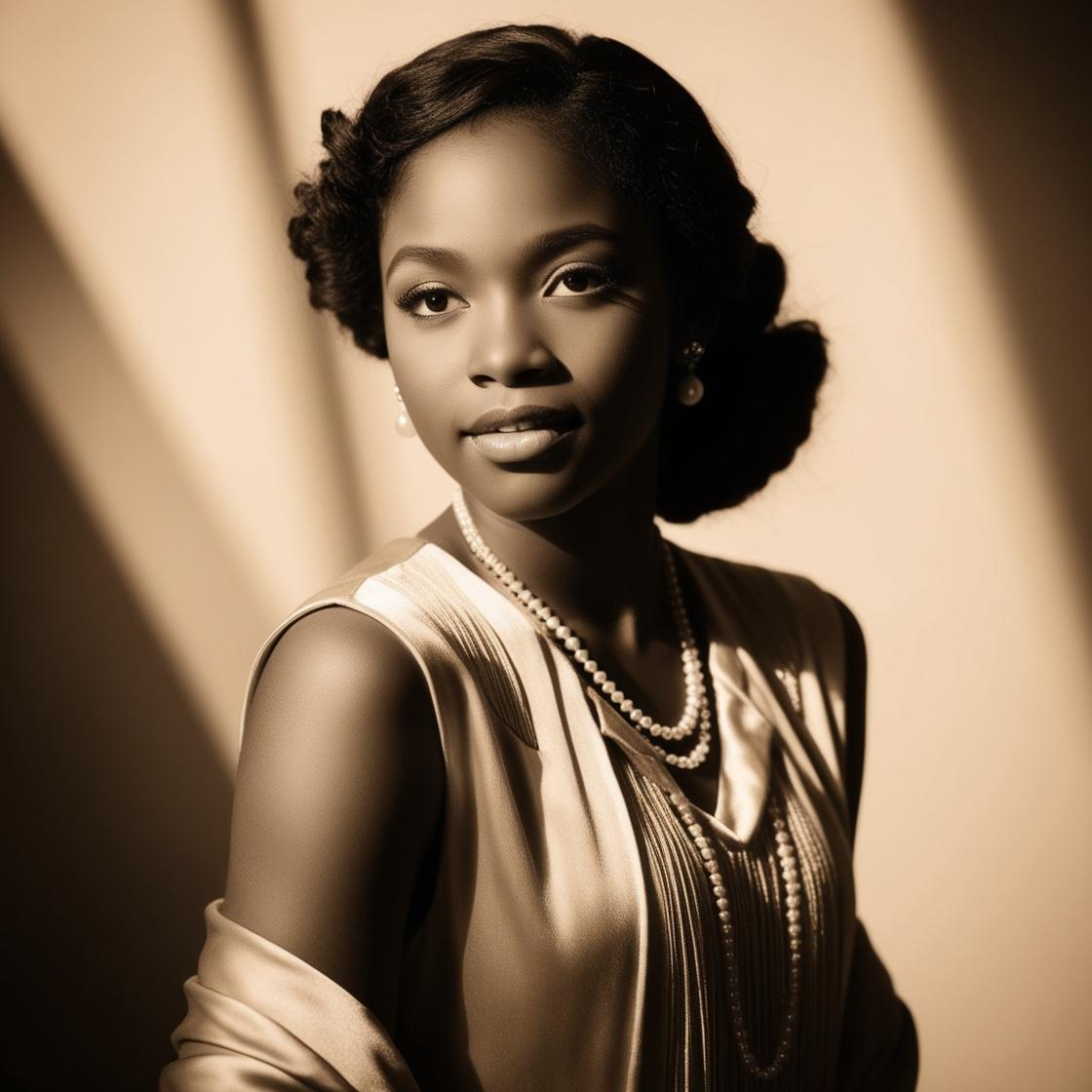
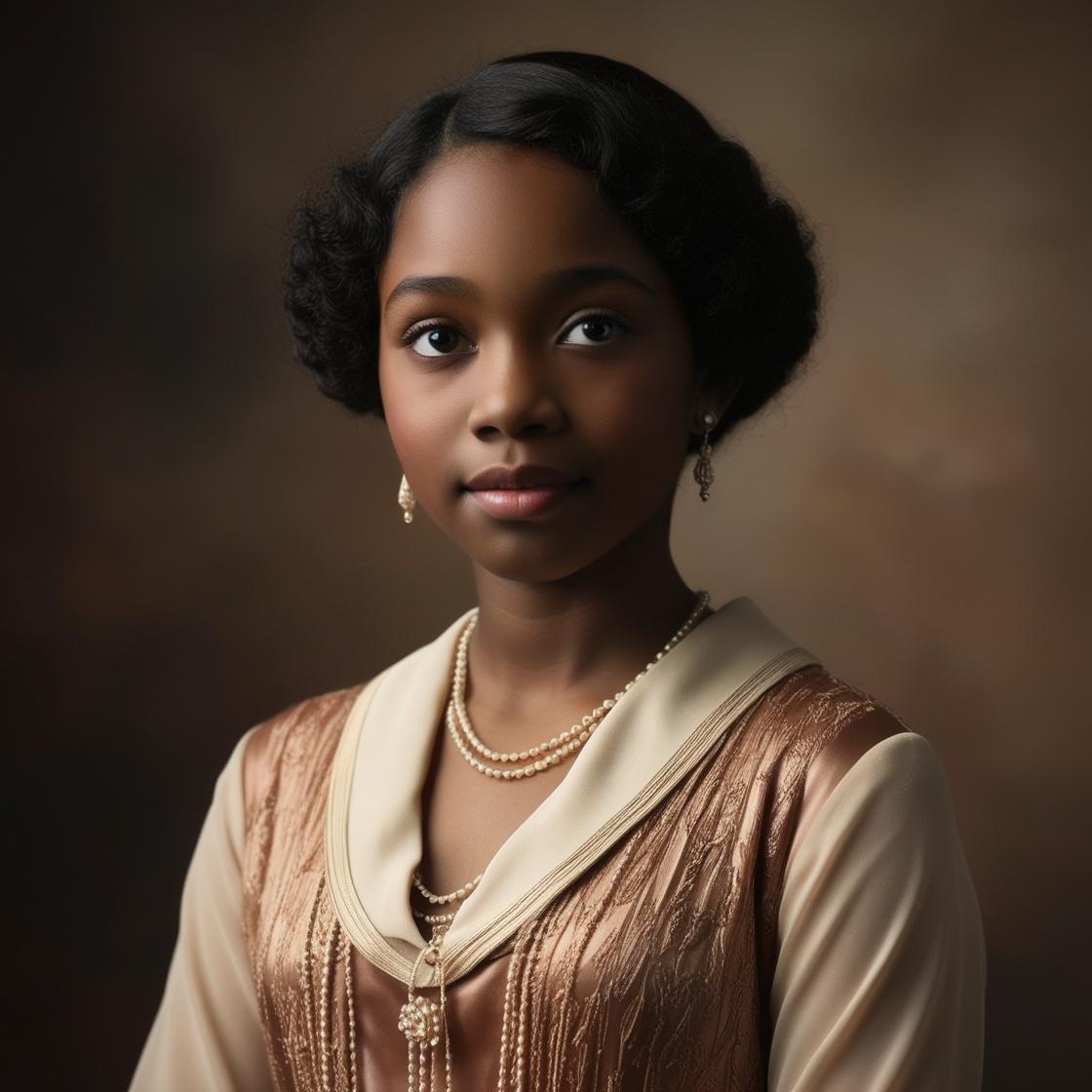
Born in 1845, Stella is the daughter of a Black woman named Deborah on Paul Saddler’s Plantation in Shreveport, Louisiana. From a young age, she can remember running through cotton fields and being loved by her family. To young Stella, life is simple and fun. She eats sweet cakes, plays with her friend Carla, and helps the grownups by carrying buckets of water to the field. Stella discovers she is a slave for the first time after Deborah’s unexplained death. Now, she learns the hard way the difference between slavery and freedom.

Solomon Curtis May

Solomon has no speaking roles, but his existence is essential for the family timeline. Solomon Curtis May is Stella’s only son, born in the fall of 1870 after she was sexually assaulted by the husband of her mistress. Solomon falls in love with a white woman and marries her after inheriting land outside Chicago. They have four girls: Deborah, named for his grandmother, Judith, Rebecca, and Sara.

Judith May

Solomon’s daughter Judith married a Black man and gave birth to a baby girl she named Stella after her grandmother. However, after enduring much teasing and discrimination for her mixed features, Judith’s daughter copes with this trauma by denying part of her ancestry. She changes her name from Stella to Sidney McNair and passes for white. After marrying a white man and having his children, Sidney lives her life on the other side of the color line.

Sidney McNair

Her aunt Sara influenced Sidney to pass for white and learn to enjoy her privileges. Sidney marries a wealthy white man named Clarence McNair, and they have four children: Edward, Karen, Joseph, and Glenda, whom they raise as white.

However, when she finally reveals the truth to her adult children in 1979, the shock of their real identity is a betrayal that stretches across generations.

Karen and Noah

Sidney’s daughter Karen McNair falls in love with a young Black man named Noah Daniels. He is a leading member of the Black Panther Party and thinks he’s dating a white girl. At this time, Karen also does not know that she is mixed race, although she has many more African American features than her siblings. The couple endures many trials because of their perceived interracial union. Together, they have a son, Noah Jr, who has a much more significant role as an adult in book four.

Edward McNair

Of all Sidney’s children, her sons are the most conflicted by their mother’s betrayal. Carrying many characteristics of his father, Clarence, Edward has not only lived his life as a white man but has also enjoyed the privileges of doing so and cannot come to grips with his new reality. In brief, Edward does not want to be Black, and his daughter, Cynthia, does not yet know about her true identity because of her father’s secrets.

However, although he appears to reject his heritage, something in Edward’s subconscious won’t allow him to completely forget it. We see this when he names his youngest son after his great-grandfather, Solomon.

Joseph McNair

Joseph is also conflicted about his mother’s decisions, but goes in another direction. Still under the illusion that he is just a white boy, he nevertheless feels sympathy for the plight of Blacks and fights for their freedom with his friends during the 1960s.

Unlike Edward, Joseph wishes he were Black. He grew up to marry a Black woman named Fae, and together, they have two children, a boy named Michael and a girl named Tanya.

Introducing Tanya and Michael…

Born in the early 90s, Tanya and Michael are the children of Joseph and Fae and are young adults in the early 2000s. They face the challenge of defining themselves in a society shaped by their father’s choices and haunted by the truths Stella once fought to conceal.

In book three, they are small children, but in book four, they are young adults. In his part, we weave together the struggles of a new generation to find their voice, identity, and place in a world still wrestling with its past. The echoes of Stella’s decisions resound, reminding us that even as times change, the threads of heritage and truth remain unbroken.


Get Started on The Stella Trilogy!

Book Four: Joseph’s Children

(Working Title)

(WIP/Coming Soon)

Stay tuned for a sneak peek at chapter one of book four!

The Stella Series Continues

I published the first book in the Stella Trilogy in 2015 and revised it in 2020. I have been working on a part four recently, and I am excited to continue this family’s story.

If you have not read the series, I highly recommend it in preparation for the next part. (If you read these books from 2015 to 2016, you are advised to read the revised editions with the alternate ending!)

Like the others, it will be a historical fiction novella or short novel.


When Cynthia McNair’s grandmother overhears her and her boyfriend joking about Blacks in a derogatory way, she has a story. Born in 1845, Stella Mae was an enslaved woman on the Saddler Plantation in Shreveport, Louisiana. Forced to stay on the plantation after Emancipation, she endures much abuse and revelation. She eventually gives birth to an only son, whom she names Solomon Curtis Mae. Stella’s story takes place in book one, Between Slavery and Freedom.

Solomon was given land by the same enslaver who freed him and Stella. As a man, Solomon married a white woman, and they had four girls: Deborah, Rebecca, Judith, and Sara.

Solomon’s daughter Judith gave birth to a baby girl named after her grandmother because they looked so much alike. However, this Stella did not take pride in who she was and lived her life as a white woman and raised her children as white. We watch her struggle from delusion to acceptance during the Jim Crow era as she navigates being married to a racist white man who doesn’t even know his wife is Black. Stella has even changed her name to Sidney McNair. Her story takes place in the second book, Beyond the Colored Line.

Sidney McNair, formerly Stella, gave birth to four children: Edward, Karen, Jospeh, and Glenda. Edward is Cynthia’s father.

Because she raised them as white, Sidney’s children did not know about their African ancestry until 1979. The person most conflicted about this was Joseph, who felt sympathy for the plight of Blacks and fought for their freedom with his friends during the 1960s. His story takes place in the third book, The Road to Freedom. In book three, we learn that Joseph married a Black woman named Fae, and they had two children, Tanya and Micheal.

Joseph’s Children: Book Four in the Stella Series (WIP)

Book Four unfolds in 2008. Tanya is now eighteen, her confidence growing as she steps into adulthood with fire in her heart and ambition in her eyes. Her sixteen-year-old younger brother Michael wrestles with the same questions of identity and purpose that once drove their father to leave home in search of answers nearly half a century earlier.

Against the backdrop of Barack Obama’s historic presidency, the heartbreak of Trayvon Martin’s murder, and the rise of Black Lives Matter, Joseph’s children navigate a new era. They face the challenge of defining themselves in a society shaped by their father’s choices and haunted by the truths Stella once fought to conceal.

The story weaves together the struggles of a new generation to find their voice, identity, and place in a world still wrestling with its past. The echoes of Stella’s decisions resound, reminding us that even as times change, the threads of heritage and truth remain unbroken, binding the present to the past.

Stay tuned for a sneak peek at chapter one!

Mark ‘Even Salt Looks Like Sugar’ as ‘to read’ on Goodreads!

Hey guys!

I am releasing a short novel (also known as a novella) this fall. It is a special project I hope to eventually offer for free to you, my loyal readers! Right now it is only 99cents on Amazon and will not go up. Proceeds from the eBook will help to fund my next poetry contest.

Today, I am asking if you could mark the book as ‘to read’ on Goodreads so that others can learn about this new, exciting read. When you mark a book as to read it shows up on your timeline as a book added and works similar to Facebook whereas your Goodreads friends will be able to see the book you added. Every time you add a book, comment on a review to a book, review a book, or update your progress on a book it shows up at the top of your page and others can see it! It’s a FREE way that you can support your Indie Author friends, like me, without spending money. Thanks so much!

CLICK HERE TO MARK

Even Salt Looks Like Sugar as “to read” on Goodreads

CLICK HERE to PRE-ORDER

Even Salt Looks Like Sugar at just 99cents.


Dear Writer: STOP Releasing So Many Novels!

Interesting perspective. For the series, I’ve always thought it wise to put some time between the release of each book. Don’t rush. Give us time to read Book One. It also helps the Author.

theryanlanz's avatarRyan Lanz

bus-1098970_640

by Michael Cristiano

As I’m sure you know, dear readers (or Mom… Hi, Mom!), I’ve come to a couple realizations over the past year or so since the release of my first novel. The biggest revelation, the one where I decided to go back to writing for myself, I’ve written about extensively already, and you can read that post here…

View original post 915 more words

My Ingredients for a Series – Guest Post…

As I prepare to release another series (The Nora White Story, 2017), I thought I’d share how I decide if a book will be a series or a novel. Short, sweet, and to the point.

*Comments disabled here. Meet me on the other side*

Chris The Story Reading Ape's avatarChris The Story Reading Ape's Blog

Blog Post 3

The Preparation Method

I know right away or before the first book is finished whether or not it’ll be a series. For instance, in “Beyond the Colored Line” (Book 2 in The Stella Trilogy), Joseph and his brother Edward come to blows in their mother’s living room. As a consequence, Jo leaves home.

After I finished writing this scene, with Karen’s voice still screaming her brother’s name as he stumbles down the street, I knew I wanted to explore more deeply Joseph’s story. What happens to him on his journey? Where does he go? What does he do? What kind of thoughts run through his mind? I knew that Book 2 would end, and yet there was still more to explore.

The Ingredient List


a. A pinch of completion
b. A tablespoon of deep plot elements

Most people don’t like having to wait for the next book. This is why…

View original post 283 more words

Williams Wells Brown – Novelist

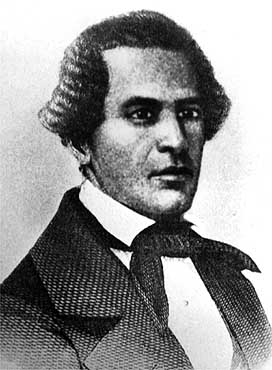
We have talked about some of the first black poets. Now, Williams Wells Brown is considered the first African American to publish a novel (recorded). Brown was born into slavery to a black mother and a white slave owner. Wells served various masters before escaping slavery in 1834. He then took on the name of a Quaker who helped him in his escape, Wells Brown, and in 1847 published a slave narrative, A Fugitive Slave. Brown’s only novel, Clotel was published in 1853 and tells the story of the daughters and granddaughters of President Thomas Jefferson and his slave woman. Wells also wrote a play “The Escape; or, A Leap for Freedom” in 1858, along with other historical writings.

A Story Within a Story – Crafting Chapters

Who knew that this simple realization would come in the middle of the night, as I walked along with McFadden’s Easter on the streets of Harlem and stood shoulder to shoulder under a night sky just as dark as Garvey’s skin, who spoke just a short distance from us. Though I’ve always written in such a way, it was right here on 135th Street and Lenox Avenue when it became a conscious thought and it occurred to me that I can now  implement this revelation into my writing in a much more conscious manner. And as Easter’s future husband approached us, I knew that I had to freeze the moment and write this down. She was smitten anyhow and I doubt she’d notice my absence. Surely I can put the book down for a quick, and anxious writing fix.

The words came quickly and rushed to the tips of my fingers after the sun drifted into a heavy slumber last night and the wind whispered just as calm and peaceful as my husband’s breath heaving in and out of his nostrils. I was up, of course, reading when after thirteen straight chapters of Glorious I stumbled upon a revelation I’d be more than selfish not to share.

girl-book-light-dark-reading-collage-lying-night-grass-giantI’ve personally fallen in love with short stories. It could just be the impatience of the creative mind that’s got me savoring a quick fix, but I love the fragment of writing time as compared to a full fledged novel. It’s not easier, its just the simplicity of it all I suppose. Nonetheless, whatever the urge I’ve found it tasteful to write short and to the point; where the story is over before it’s left your palette. Not in a way that’s disappointing but too delicious not to crave. A refreshing snack of literature if you will that’s got you begging for more and at the same time offended for not having been given enough. Nonetheless, I was up reading this novel when it hit me: chapters are like short stories within a story.

Though my eyes were heavy, my mind was eager and I noticed that in the best of books we are strung along by string from one point to the next in a series of small revelations all leading to one grand finale. I was reminded in that moment that more than the first sentence, the first paragraph, or the first chapter is the need to keep the story moving in a consistent thread of mini stories wrapped into one large fabric by making sure that each chapter ends as if it alone was a short story within itself. Like a cliff hanger carefully composed to force the reader on to the next chapter. That moment right before Gillespie’s cheeks explode into handfuls of balloons.

I realized that writing is like configuring one grand puzzle by crafting the pieces and deciding which shape belongs where. It is a series of steps, body parts if you will, where each member does it’s part and yet contributes to the completion of the whole. By focusing on the purpose of each chapter, what it sets out to achieve alone and how it ties into the story as a whole, I think this may in fact help us writers to make sure that our books too move along with the same grace and elegance of a McFadden, Ellison, or McMillan.