How Do You Know When Your Novel is Finished? Best Selling Authors Share Their Tips.

Very helpful. *Comments disabled here*

Fabricating Fiction/Louise Jensen's avatarfabricating fiction

gift-1-spell-error-corrected img_0369

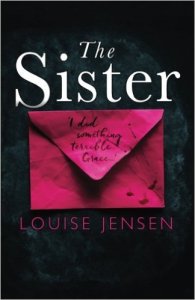
Writing The Sister took me 18 months. During that period I rewrote multiple times, changing the point of view, the tense, and even the genre. When I couldn’t write any more I paid for a professional critique, got feedback from beta readers, and still I wasn’t happy enough to submit it. After weeks of more tinkering there was absolutely nothing left I could do but I still hesitated in submitting it, was it ready? How do we ever know?

Writing The Gift has been a completely different experience. Writing to a deadline means I have not had time to go through the same process that I went through with The Sister. A process that involved putting in a drawer and coming back to it after a month with fresh eyes. Now I am coming to the end of my copy edits it is time for me to let go…

View original post 994 more words

How to Use the Holidays to Sell More Books

I don’t celebrate Holidays, but this is some valuable information! Its always wise to release books and implement sales around high reading cycles (Holidays, Weekends, Summer etc.)

*Comments disabled here. Please refer to original post*

Nicholas C. Rossis's avatarNicholas C. Rossis

Written word media recently published a great post with ideas on how to take advantage of holiday marketing trends to sell your books. With Christmas fast approaching, I figured this is a great time to have a look at the main points:

1. Between mid-November and early January, everyone loves to shop

From early November through early January, everyone is in a buying mood, so this is the perfect time to sell more books. Here are a few noteworthy dates within this range that are significant online shopping days, with ideas on what tactics and messages will resonate with customers:

When to promote during the holidays | From the blog of Nicholas C. Rossis, author of science fiction, the Pearseus epic fantasy series and children's books Info by Written World Media

Amazon | From the blog of Nicholas C. Rossis, author of science fiction, the Pearseus epic fantasy series and children's books Image: dailyfinance.com

2. Focus on Amazon

Focus on Amazon – over half the shoppers will use it for their holiday shopping. Emphasize links to your books on Amazon. Your prospective customers will already be shopping on Amazon, so make it easy for them to…

View original post 477 more words

The Process of Release – Planning Book Releases in Advance

the-process-of-release

Consider this a commercial break into Laying Bricks. I’m still working on the next episode so you’ll have to wait another week. To make up for it, I decided to speak on another aspect of Self-Pub you may find useful.

What I love about book publishing, self-publishing specifically is the many new experiences I go through with each book I publish. When I look at some of my older works (which I still have available) I think “Goodness, how amateur of me!” To the point, I almost want to remove everything from the shelves and start over, but I don’t because of the way they aid in my experience and testimony, contributing to the proof of my growth as a writer. There’s so much I did not know way back when to include how to properly launch my books.

I won’t speak extensively on this topic, or at least not now. What I will say at this time is that one thing I’m learning is the importance of making some noise (OK so maybe just a few taps) as early as possible in the book release process. One of the ways to spread the word about a book is to create buzz about it before it’s released. It reminds me of something my sister always says, “Be thankful before you get your blessing. Say thank you that it’s on the way.”

Once I know for sure that I’ll publish a book, I try to begin the process of release as soon as possible. The process of release, what’s that? Well, it’s something I just made up (you can do that when you Self-Publish you know. Makeup stuff, try new things, your book, your rules).

The Process of Release (again, an EC thing) is not the same as the book publishing process. It’s part of that process sure, but it’s also a separate entity altogether. My book publishing process is when I am preparing my book for publishing. It includes first writing the book, of course, formatting, editing, revising, book cover, and everything in-between. My process of release, however, is when I am engaged in letting people know that I am going to in fact release another book. It’s the minor or major marketing and promotion I do to lead up to the book’s release. It could be as subtle as posting updates on social media, or as major as an entire campaign. The Process of Release can start as early as one year before the book is written to six months before it’s to be released.

The truth is that it’s never too early, but it can be too late. I cringe when I see debut authors release books that I never heard of. Don’t get me wrong, it’s a proud moment and I am proud of them. I do not cringe because of the book’s publication. I cringe because letting people know you have a book out on the day of release is not a good idea. And while I am no expert in the least, I do know that authors who release books their audience has been in on in some capacity has a greater chance of spreading the word in a wider capacity than those who pop up from nowhere with “My book is out!” Your book? What book? I didn’t know you were writing a book.

While I’m still learning concerning those major book release campaigns and will be soliciting the advice of many of you pros, I do know that there are some things we authors can do on the smaller scale in advance of our book’s release that may help a great deal:

The Process – People feel differently about this but if it’s your thing, go for it. One way to get the word out is to inform people of your process. Are you in the first draft stage? Have you finished your first draft? Have you met today’s word count? Are you revising? Beta readers? Editors? Let your blogger friends or social media buds know you’re cooking up something in the kitchen.

Sharing – If you’re feeling brave, share some excerpts on your blog (you do have a blog…right?). Again, people feel differently about this since not everyone wants to share their work. Some people feel it’s to an authors detriment and some feel it is to an author’s advantage. The truth is that no one really knows. The experience is different for each person and a solid list of rules for self-publishing does not exist. That said, it’s really up to you.

If you are feeling up to it, be sure your excerpts are the best of the best but don’t give away spoilers. You may go far as to be sure it’s a little bit edited for grammatical errors prior to uploading it. It may not be final, but it’s all about giving readers the best experience even at the early stages. You can use Grammarly or another program to help edit your posts.

Milestones– This is something I do a lot because it helps keep me on track. Set a series of short-term goals and share your milestones with your social media buds. Maybe you plan to have a book cover finished by the end of the year. Decide on a date for this and do a grand book cover release on your blog. When I say big, I mean be super-duper crazily excited about it. Plaster it across your social media. Use the book cover release as your official come out. People are highly visual. Use that to your advantage. This year, my book cover release will probably coincide with the official release date for my 2017 novel “Renaissance: The Nora White Story”. It will probably include social media headers and images of the book cover with the pending release date and perhaps a quote or two from advanced readers.

Flyers – Offline, print flyers of your book cover and pending release date and drop those babies off to libraries. They usually let you sit flyers around on the front desk or in the display glass (I’ve done it before). Or you can just deliver them to the people in the library directly! lol. Just don’t be rude about it.

Blog Hops, Guest Postings, Author Interviews – Believe it or not, even if you’re not talking about your book, being a guest on someone’s blog or doing an author interview can help generate buzz. Not that you should stalk people, but usually interviews end with something like, “So, what are you working on now?” I put blog hops in here because I’ve seen many authors doing it and it seems to work. Though I haven’t tried it yet. I am considering it but I’m not sure. Have you blog hopped? Tell us how it works!

Strategy – As Self-Publishers we can really do what we want with our release but I would still recommend doing so strategically. Release your book around high book reading cycles. A book reading cycle is a time where people purchase books the most or do the most reading. We’ve all heard it before: selling books are not like other businesses, nevertheless, there are ways selling books is similar to other businesses. One way is a cycle. Usually, businesses bulk up and do sales and all sorts of things around popular sales cycles. Could be a holiday or whatever the product is popular for. For your book release, consider releasing it around high reading cycles:

  • Holidays
  • Weekends
  • Summer

…and if your theme is AFAM historical in nature, February for Black History Month.

20160226_15003720160226_142617img_2995IMG_20140725_134307IMG_20140725_140547

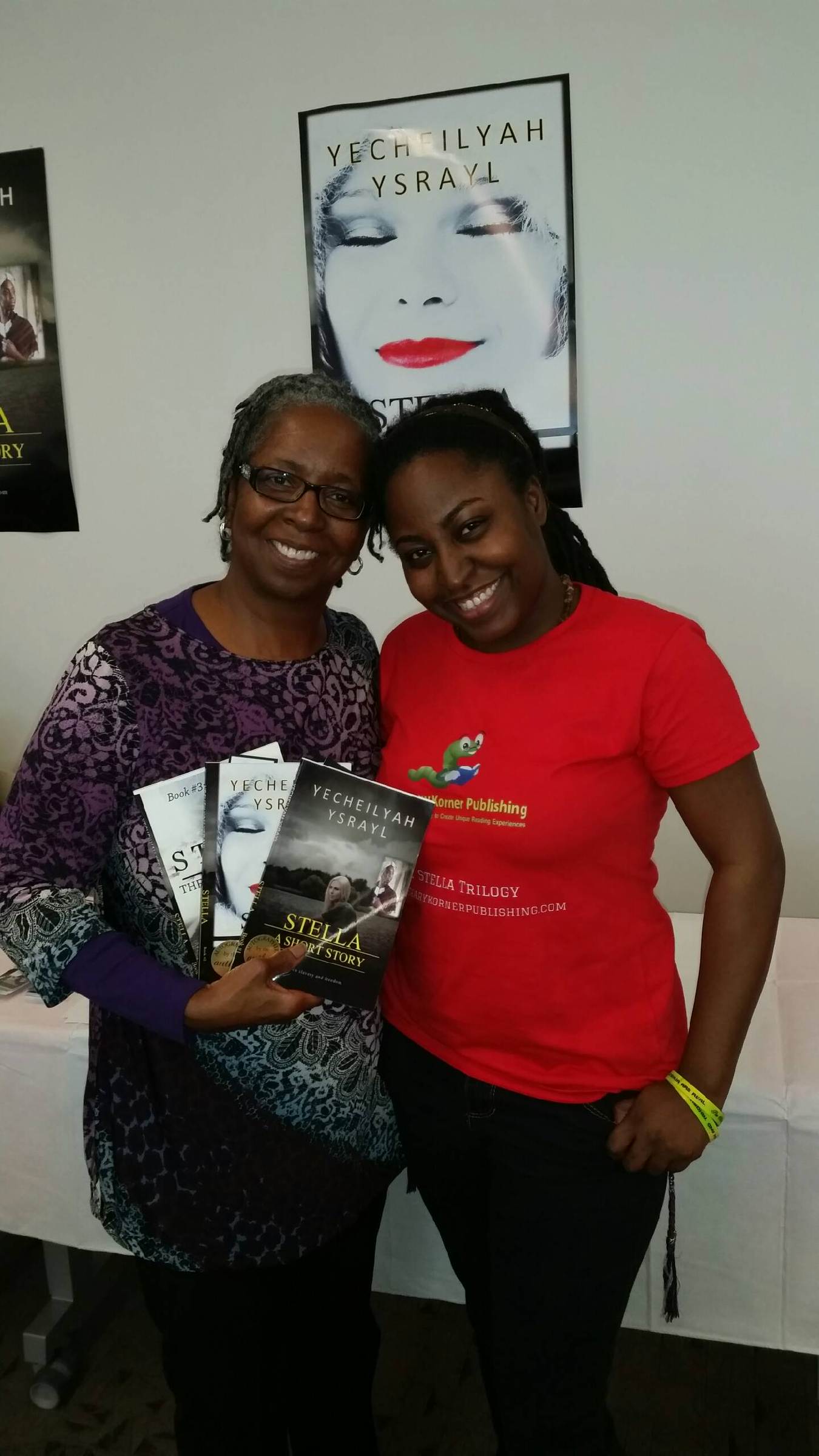
Epic Book Release – Make your book release day a special one. Since 2014 (when I started this blog and got serious about book publishing) I’ve been releasing my books online and in person on the same day. If my book goes live on Amazon on release day, I’ll spend that same day pushing paperback sells at a hotel lobby or library with book signings. This gives me a chance to speak, sign hard copies, increase total launch day sales, and takes pics of my newborn to post online. I mean my new book of course.

Things to remember when you’re up close and personal:

– Purchase books in advance of event (like 3mos in advance. Live events are more expensive since you’re renting space, possibly traveling, and purchasing items so purchase books in bulk ahead of time).

– Include promo items: Bookmarks, business cards, flyers, post cards, whatever you can bring to liven up your table and give away as gifts

– Laptop – You can use your laptop two ways: You can have your eBook page open for staunch eBook readers. They can approach your station, which you’ll have set up nice and professional like they’re applying for a job at Walmart, and they can purchase the eBook there, supervised by a personal assistant, while you sell the paperback to those wanting hardcopies.

Or, you can use your laptop to show your book trailers. Of course this is all dependent on the internet. If the place has no internet, throw a QR code on your flyers. They can scan it with their phone taking them to your site and you won’t miss a sale.

– Make sure you have change and something to carry it in, and an electronic payment method. I used Square, a credit/debit card reader you can attach to your smart phone to process card payments.

– A bunch of writing pens for autographs.

– Optional. Print large Posters of your book cover and hang them around or attach to a board so that people entering know you’re in the place to be. Have an arrow next to your lovely sign that you, the awesome author, is selling books around the corner.

– Be sure to have someone designated to take pics, a photographer or your sister with the HD camera. Trust me, you won’t have time to do it and you wouldn’t want to miss capturing the moment.

Even if you release strictly online, there are things you can do for your electronic release:

  • Giveaway – have a major giveaway (include a bookmark, business cards, and flyer in package) or something exciting.
  • Blog Release Party  – Do a blog release party or a game related to the theme of your book. You can host this on your blog or by throwing a Facebook Launch Party. To learn more about how to plan for a Fb Launch Party, google it. No, seriously, everything is on Google pretty much.
  • Start a thunderclap campaign. I did this and its great. Instead of paying for social media  people pay in a tweet or facebook post. You set a goal and those who sign up pledge a tweet or post. On the day of release, their accounts simultaneously post about your book release!

To succeed in anything, we often look at what we know but the key is what you do not know. Only when you can understand that you don’t know anything, can you come to truly understand. The Stella Trilogy is not my first work. My Self-Publishing career did not begin with The Stella Trilogy.

I’ve actually been publishing since 2008 but it wasn’t until 2014 when I realized I knew nothing about publishing, that I truly started to learn a little and it is why I am most known for Stella and consider it my best work. My hope is that my next series does better, garners more reviews, and reaches a wider audience. Now that I know I know nothing, I am ready to understand all.

The same can be said for blogging in general. Do you really know how to blog or do you just perceive to know?

In short, this is why I cover the very basics of Self-Publishing. This is why I talk about the ABC, goo-goo, gaga. Because until we can admit that we don’t know anything, only then can we begin to see. If you don’t understand the simple, how can you understand the great?

And so, I am for building strong foundations so that from there, I can build on what I build.

In closing, we want to start letting people know that yes, we are writing a book and plan to publish it at least six months before the book is to be released. Funds are limited, at least mine are! That said, it doesn’t have to be anything grandiose, but set goals. Will you get lots of reviews? Probably not. Will you sell lots of copies? Probably not. But, what if you do? The truth is you don’t really know until you try. Don’t wait three months or two weeks before the book is to be released to let people know about it. A general rule of thumb is that when you release your book, no one should be surprised.

************

Missed the first 3 episodes of Laying Bricks? This is a great time to catch up before next week!

Laying Bricks Ep 1: Guide The Bricks  (About Focusing on the Story)

Laying Bricks Ep 2: Mortar  (About the Revision)

Laying Bricks Ep 3: Cutting the Excess (More on revision with a focus on editing)

Sign- Up for my Newsletter  for a chance to read more Self-Pub Tips, Updates on my latest projects, and a free PDF of Book 1 in The Stella Trilogy: Between Slavery and Freedom.

Self-Publishing – Laying Bricks Ep 2: Mortar

Laying Bricks(1)

“You cannot build your hopes upon unstable foundations and expect a product of longevity.”

– Audrey Prim,

Quote From heyygurrlheyy.wordpress.com

Sure, there are other things we’ll need to do: paint the walls, add furniture, and hire professionals but not now, not while laying bricks.

Execution is vital in going from an idea to something that is actually tangible. Goals are great, but alone they’re not enough. Written down, they are merely plans. Plans are awesome. But a plan that is not backed by action becomes fruitless.  Laying bricks is excellent, but it is not enough. No, you can’t just write, sorry. I wish it was that easy. Wait, actually, it is!

It is if you take your time. If we are to build a strong house, there are other things that we must do with these bricks besides lay them. In our first unofficial episode, we spoke about focusing on one brick and how to lay it properly. We got through the laying part but if the brick is not held together, then the entire foundation is weak and the house will crumble.

Applying Mortar – Revisions and Feedback

19rv8q

Writing the story is important. It is your guide, your first brick. But we have all lived long enough to know that you can’t just stack bricks, you need something to hold them together. As much as we’d like to all just have fun, this is a business after all.

Safety Tip: When working with mortar, always wear gloves and a mask or respirator.

Before applying mortar, you’d need to protect yourself. This just means you’ll need to be prepared to battle self-doubt and rejection because this step requires revisions and feedback. If your first brick is the story, then how do you know if that story is any good? Surely we cannot depend on our own selves to determine the quality of work. I mean, are we brilliant? Yes, of course. But we are also too close to the work.

I’m not going to pretend your first draft isn’t everything, it is. It took lots of time and research. It is everything, but it’s not EVERYTHING! See how exciting the last everything was? First drafts are like the play-dough you just want to play with and get all “authorly” and say stuff like “yaasss”. However, we can’t just give readers dough now can we? We have to mold it into something and to do this properly, you’ll need a little bit of help.

Discover the tools you need to apply a generous amount of feedback to each layer of the brick. This may require:

  1. Beta Readers
  2. Advanced Review Readers
  3. Writing Critique Groups
  4. Facebook Writer Groups

Click Here for 40 Places to Find a Critique Partner

Who Will Help You Improve Your Writing

I know. It sounds funny speaking about revisions so early on. The truth is that no first draft is ready to be published. The truth is that your manuscript will need revisions. But, how do you know what needs to be revised?

The job of these people listed is to provide constructive feedback. When it came time to participate in The Curiouser Author Society’s Critique day, whew! Nervous is not the word, I was terrified. However, when I finally did upload my novel’s first chapter and allowed this group of people to read it, I was pleasantly surprised. It was like a weight was lifted from my shoulders. Sure, I thought it was good but could I really depend on my own critique? Not really. Now that others read it and provided feedback I knew it was good. Granted, it wasn’t great (at this stage you don’t get to great yet… there were things I needed to fix), but I was confident that it wasn’t poor either which boosted my confidence as a writer. I’m telling you from experience, it is enough fuel to finish the book indeed!

Here are a few things to look for during revision:

  • Contradictions  – Usually writers start off strong in the beginning but then you get to the end and its like, “Where they do that at?” Look for contradictions in your characters behaviors or setting or anything. Is she wearing red shoes? I thought she hated red tho? Stuff like that.
  • Flow and Pace – If you skip it, chances are it needs to be skipped.
  • Destroy – I’ll speak more on this in the next episode but it is part of the revision process. To fix some things means you have to break it down to build it up. So if the shoe fits, yeah, some parts of your story will need to be utterly destroyed. Recently, I just had to cut an entire chapter from my WIP. Ouch.
  • One Thing at a Time – So is the whole point of this series. We’re not focused on the in depth stuff. In this series we’re focusing on the basics. When you perfect the basics you can build upon what you build. On the other hand, without a strong foundation none of the other stuff will matter. So, back to it. Revise in stages, fixing one thing at a time. Don’t rush. Remember, this is  a process. We’re not building a straw house. We’re building  a brick house.
  • Show and Tell – Check for moments you told instead of showed and vice verse. I won’t elaborate here since I plan to publish a separate post on it, but just be sure you understand the difference between telling vs. showing. Personally, I think good writers show and tell. There’s an ongoing debate in the writing world about Showing vs. Telling but here’s the secret: don’t show us everything! As a result of the show vs. tell debate authors are now showing us everything but their booty cheeks. That’s not what show vs. tell means and makes the story sound just as boring as my example. It’s called Storytelling for a reason. You are supposed to tell a story. The difference is in balancing the amount of telling and showing. Straight action doesn’t work no more than no action. Your characters just can’t be running all over the place, they need quite, emotional times too.
  • Grammar / Punctuation – This is last not because its not important. It’s just that this goes more into the next episode. But, there are still mistakes you can catch during your revision you may not have seen before. Especially those caught by your betas.

Sure, everyone’s opinions are just that, opinions. Additionally, opinions vary for each person. Still, it helps to have an extra set of eyes to validate some things for you as you revise your script. If you think you can really do it all yourself, then maybe you are not ready to build a house. (Ever watched those home reconstruction shows? Do you see how much work that is? Now, imagine one person doing it. Sheesh). The extra set of eyes are not to dictate your script, change the vision, or slam your work.

The extra eyes are just to help you along the revision process before you go in for the edit. So, “butter” that brick with mortar by recruiting additional sets of eyes to read your manuscript. They may be useful in locking each brick into place and to release any unnecessary plot bubbles that may be underneath all the glitter and glam.

Next– Removing Excess

Next, we’ll talk about removing the excess in your Self-Pub brick laying process. Find out what to do when you get your scripts back from readers. After you’ve gotten the book critiqued, now what? Stay Tuned.

Be sure to subscribe to my email newsletter for more tips, updates on my upcoming projects, free excerpt chapters and articles not yet published to this blog, book promotions, and more.

Disclaimer. Everything I share on Self-Publishing is always based on my own experience and research because I believe you can’t advise people on stuff you haven’t really tried. It’s just best if you’ve walked those shoes. So, that said I do not profess to be an expert. There are too many of them out there for you to glean from. Now, should you find information on this blog useful? Whoo hoo! Go for it.

Missed the first episode? See Laying Bricks Ep 1: Guide The Bricks


Yecheilyah Ysrayl is the YA, Historical Fiction author of The Stella Trilogy. She is currently working on her next book series “The Nora White Story” about a young black woman writer who dreams of taking part in The Harlem Renaissance movement and her parents struggle to accept their traumatic past in the Jim Crow south. “Renaissance: The Nora White Story (Book One)” is due for release spring, 2017. For updates on this project, sneak peek of chapters and the pending book cover release for this project, be sure to follow this blog and to subscribe to Yecheilyah’s email list HERE.

Indie Book Convention in Tampa? Yes, please!

I’ve been looking for Indie conventions in the U.S. for a minute! If my schedule coincides with the date, I’ll support this for sure.

*Comments disabled here. Please comment on original post.*

LilaVale's avatarAuthor Lila Vale

I’d love to attend something close to home. Plus, Florida is awesome.

If you think you might be interested, please fill out this form. This will help the organizers get a tentative head count so they know what venues to look at to host us and what kinds of accommodations we might need. This is open to all genres!

Kyle also made a WordPress for the event for updates, etc. You can submit any questions you might have on the form or on the web page.

View original post

Before The Week Ends: Book Review Registry

bitmoji-180803953

Before the week ends, I’d like to inform my Authors reading that I have set up an online Book Review Registry to make it easier for you to sign your books up for a review. Book reviews are free. The readers fee doesn’t kick in until October 3rd so if $20 is not something you would like to pay in exchange for an honest review (completely understandable. I’m not trying to get rich or anything) you can always sign up NOW while there are no fees. I have decided to charge a fee only to cover time. I love reading, I love writing, and I love promoting authors. Unfortunately,  my time would not allow me to do it as often as I’d like. The little time I do have require me to be as organized as possible to ensure I’ll get them done. I don’t want to promise anyone anything I can’t deliver on. My last book review showed me just how tight my time is and I barely met the authors deadline. Anywho, go ahead and register your book at the link below and thank you in advance for your support:

“It takes a minimum of 5 Amazon reviews and an average 3.5 rating to really start to see changes in book sales for Indie Authors.” – EC

Lcdo9nAgi BOOK REVIEW REGISTRY

Self-Publishing: Pricing Your E-Books

87713e2c-af41-4870-9791-48421a31049c

Price. Money. Mulah. Paper. Dollar Bills. Dough. You get the point.

The financial aspect of Indie Publishing is not something I speak much about or that I hear much about in the blogging world. Maybe its because money has always been that personal thing that belonged to just us. In many ways, this is true. How much is in your bank account is not something you sound a trumpet about nor should it be. Not only that, but there’s a lot of things I’ll never tell you about my financial life. Even in relation to Book Publishing. Some things are just best kept on the low.

But, what I will share is some important tips for pricing your books. Specifically, your eBooks. Believe it or not your book price has a role to play in your books overall image. What do I mean by image? I mean that when someone comes along, or scrolls along, through Amazon’s list of reads and sets their mind on which one to pick, there are a few things that make up the books overall image in the mind of the reader. This is not something that we, as readers, are always consciously aware of, but it is something that we do on that subconscious level. We are looking at:

– Book Title

– Book Cover

– Book Description

– Book Price

Usually in that order, but this is not always the case. Remember that when I write posts like these they are based on my personal experience in this field because I think experience is just a good teacher. So, in my experience (you may have done your own research), usually readers tend to decide to purchase a book based on these elements and in this order but not always in this order. In the event a reader is not judging in this order it usually has something to do with the price. This is when book pricing takes on a greater role and rises from the bottom of the list to the top.

I believe that the relationship between marketing and buyer habits is connected. Meaning that by paying attention to how people buy books, this can give me some insight on how to better market or sell them. So as an avid reader, I pay attention to myself in how I go about purchasing a book and usually I’ve been known to bypass books based on price. If the book looks interesting but the price is extremely too high, I may skip it. Not that I won’t come back to it, but you don’t want to give me the room to come back. You want me to make a purchase out the gate, sorta speak. Books I skip based on price tend to look something like this:

– The Title is not very encouraging, but it will do

– The book cover is plain, but I can work with it

– The price is too high

In this list I’ve ignored the other mediocrities and made up my mind to give the book a try. However, I looked and saw that it was $6.99. For the most part, these are instances where I just can’t. These are also instances where price can be the first determining factor in eBook sales even against the title, description, and cover. Sometimes all of these can be on point but the price is still too high. Now, prices of books can also be too low! But we’ll cross that bridge when we get there. For now, lets get some insight on how we should price our eBooks and what these prices should be based on. Now, I’m going to let someone a bit more experienced discuss this part. This excerpt is from an article written by Laurence O’byran whose services I acquired not too long ago to assist with the launch of the final book in the Stella series. Laurence is the author of three traditionally published novels from Harper Collins and runs a book promotion service I’m sure you’re tired of seeing on Twitter ; ).

What Is The Best Price For An Ebook/Kindle book in 2016?

Free

Only if you have a closely linked series and book number one can be priced at free to get readers started on your series.

.99c

If you are a new author and you want make it easy for people to buy your book, and you want to increase your total earnings. This price can be used for a short period to get your book onto a best seller list and then you can move the price up. When deciding a price do not consider the effort put in to write and produce it, consider what total earnings you want. By pricing at .99c, and then increasing the price you can achieve higher earnings. I have seen this working.

.99c can be used during a launch period, for a relaunch with a new cover, or for when you add a new book to your series. How long you stay at .99c will depend on total sales and whether you are continuing any paid promotion periods. It will also depend on if you have a new title coming out in the near future and what level of buzz you already have for the title. If there’s a lot of media attention on the title your period at .99c may only be a day or two.

$2.99

This is the recommended price long term. It’s considered by many to be the sweet spot for long term Kindle book sales. This price may also be appropriate if the first book in the series is $.99c. Your earnings should go up when you reach this price point. The period at .99c is used to gain you exposure, build that vital word of mouth and get you as high up the rankings as possible, with as many reviews on Amazon as possible.   

And that is pretty much the extent of the primary cost brackets that are good for eBooks. Yes, just these main three. Anything else is going to be too expensive if its not a popular read by a well-known author or the other components (book description, title, cover) are not up to par. And even then anything over 2.99 is too much. I’m speaking from personal experience. I realized too late that the first book in my Stella Trilogy was too high and because I published through Lulu at the time, I have to re-submit  blah blah blah to change it. So what happened is that the other two books did much better financially than the first. So, don’t be like me. Although $3.99 is not extremely too high, it is something I need to change, even possibly marking Book One in my series down to $.99 or even $1.99. Paperback books is a completely different subject matter and this is where you make your money at if you want to set high prices. Paperbacks are supposed to be more expensive because of the cost to print and so you can reap a nice profit from those print book sales. For eBooks however, though profit is to be made, it requires a little more strategy because of the competition. Like I said, marketing your book how you yourself buy books can come in handy, for instance:

When comparing your book to the pricing of others, consider that a big percentage of book sales are now going through sites such as BookBub, where free and .99c books are the norm. If a reader can buy a known top name author’s ebook for .99c or your ebook at $4.99 or more, what do you think they will do? – L. O’Bryan

What would you do? Exactly.