How Blogging Is Good Practice for Book Publishing

Disclaimer: I do not think blogging is for everyone. These articles are here to help guide and encourage you to discover your own systems and practices, as each person’s journey is and will be different.


Three of my books were conceived through blogging: I am Soul, The Women with Blue Eyes, and Black History Facts You Didn’t Learn in School.

Let me be clear: I did not start this blog to write these books.

I started this blog for some other reason, and in the process of being creative, I wrote about these topics until they culminated into whole books.

After three years of writing poetry dedicated to Black people and Black womanhood, I compiled those poems into a book called I am Soul.

After sharing excerpts from an exciting short story out of my wheelhouse but fun to write, it eventually culminated into an urban fantasy novel.

After writing Black History articles every Friday for Black History Month that went beyond February, the project culminated in a full-length volume people can now enjoy anytime they pick up the book instead of waiting for Friday.

I hope you see where I am going with this.

In the same way that journaling can help us to organize our thoughts, writing about your area of expertise on a blog can be good practice for book publishing.

Posting content on social media and a blog is a form of publishing. Whenever you hit that post button on a blog article or a Facebook post, you are publishing content. Here are two powerful ways it helps to prepare you to write a book.

It Helps You to Get Used to Writing Publicly

When writers publish books, they open themselves to be judged, not just praised. When you post content online, you engage in a similar vulnerability. Your thoughts are now live for everyone to see, critique, or admire. This is similar to what happens each time an author publishes a book. Writing on a blog or posting to social media helps you to get used to hearing feedback about your writing.

It Helps You to Build an Audience / Readership

One of the significant issues new self-published authors face is publishing books with no readership. While established authors like Ashley Antoinette can pop out with a new book and surprise readers, new authors may have a hard time doing the same because they don’t have the audience for it to be successful. They can publish books on a whim, but they also run the risk of people not buying them. Blogging can help with that.

While practicing how to write publicly, you also build up a tribe of readers who like what you write! You attract people who enjoy the same things you do, not just with writing but with life. You might all like to travel, garden, or camp. You might all be married, single, or divorced. You might all be business owners, work a job you love, or retired.

These genuine connections help build bridges of commonality that eventually lead to mutual support systems. You also get instant feedback that will help you test-drive your story idea.
Click here for more Indie Author Basics to encourage you through the Self-Publishing / Indie Author Process!

Are You REALLY Promoting Your Book?

Are you really promoting your self-published book?

Or does it just look and feel like you are promoting your book?

  • If you are only telling people you wrote a book, but you are not telling them what the book is about, you are not really promoting your book.
  • If you only show us the cover of the book but do not educate us about the content and core message, you are not really promoting your book.
  • If you only post Amazon links to social media but do not discuss the book and what we can learn from it, you are not really promoting your book.

These things can be a part of book promotion. Still, alone, they do nothing to generate enough interest in people to want to buy the book, and that is what book promotion is:

A culmination of your activities and strategies to create awareness and generate interest in your book.

This includes but is not limited to:

Advertising: Paid Ads (or just ads in general), digital or print material, website or landing page, etc.

Publicity: Interviews, book reviews, media coverage, guest blog posts, podcasts, etc.

Social Media: Building engagement with readers through entertainment and educational content using any of the many social media platforms. Blogging can also fall under this and is a powerful tool for community.

Events: Conferences, Author Talks, Book Signings, Book Fairs

The purpose is to create enough buzz to interest readers to purchase the book.

  • Anytime you share a review from someone who reads your book, you ARE promoting your book.
  • Anytime you create content (graphics, excerpts, videos, etc) that educates or entertains people about your book’s message (nonfiction), characters, or plot (fiction), you ARE promoting your book.
  • Anytime you talk about the book on a podcast or in an interview, you ARE promoting your book.
  • Anytime you share your journey and what it was like writing the book, you ARE promoting it.
  • Anytime you write on a topic that is relatable to the things we can find in your book, believe it or not, you ARE also promoting the book.

We can do many things that look like book promotion on the surface but are ineffective in raising awareness among our readers about the book’s topic and why it’s important to them.

But I hope this post gets you thinking about deeper ways to connect with your audience!

If this has helped you, let me know!

Click here for more Indie Author Basics to encourage you through the Self-Publishing / Indie Author Process!

My Viral Experience on TikTok (What I Learned)

I wouldn’t say going viral is fun. I find it overwhelming. However, it could be less stressful if you are prepared. Here’s what I am learning.

Proper Preparation

When I first joined TikTok, I made my account a business account. I didn’t wait until a bunch of people followed or anything like that because I knew I wanted to use it to increase awareness about my poetry and black history book. I added my website link, which I customized for TikTok like I did on IG.

SN: I stopped using Linktree years ago. While I love it, I wanted to brand my website, not Linktree so I created a specialized page on my website for my social media pages. For Instagram it looks like this, and for TikTok it looks like this.

This made it easier for people to sign up to my email list and visit my website to order books once my videos took off. Without this seemingly small act, I would have been stressed about where to direct all these people. Thankfully, I had somewhere for them to go if they wanted to learn more about me.

Don’t Worry About the Numbers, Just Post Your Content

I immediately noticed that once a video goes viral, people binge the rest of your content. This means that even if your posts aren’t doing well (regarding numbers), you should continue to post! This way, you are not frantic about what to post next after your viral moment.

I had tons of other black history videos, and poetry content people could watch while I worked on creating more videos.

Every post on my page averaged over a thousand views after that one viral video. I followed this up with a welcome video, directing people to my email list, and then I posted again today (7/19) a whole week later.

The viral video is on its way to a million views, and I have reached 15K followers, up from the 3K I had when I first posted.

SN. I have never used ads or paid anything to boost my videos on TikTok. All my growth is organic.

Changes to My Account

  • After 5K follows, you can no longer see who views your posts. I don’t like this change because I enjoyed being nosy. (lol) I like to see who is just watching versus who is taking action.

  • You now have the option to create a playlist to organize your posts. I like this because I can now separate my poetry videos from the Black history ones. Even though the black history is more popular, I still do poetry and I don’t want my audience confused. You will get black history but you gonna get these poems too.

  • You can now have people subscribe to your page instead of just following it, apply to TikTok’s creator fund to start making money and sign up for the TikTok shop.

That’s it so far!

Authors, Are You on TikTok? Do You like it or Nah?

Dear Self-Published Author, Reinvest in Yourself

The financial part of Self-Publishing is not talked about enough. Lack of funding can get in the way of an author producing a high-quality book which can get in the way of that author selling that book.

One solution you can employ is to reinvest in yourself by taking the money you make from your book to publish more books!

I’m a slow writer. By slow, I mean I only publish 1-2 books yearly. I have no plans of publishing a book this year. But here’s the twist:

The money I made and saved in 2022 will help me to publish in 2023.

I have the privilege of speaking at Griffin High School again this year. As you know, teaching, children, and writing are all passions of mine, so whenever I can combine them is a plus. This will pay for editing my black history book. The money I made from book signings will help to cover the cost of the cover and other things.

See where I’m going with this? I knew you would.

If you think about it, by reinvesting, you are not spending your own money!

It’s about changing your perspective and putting those creative skills to work.

No. I did not publish a book this year.

I’ve been stacking my coins so I can publish two books next year.


Need more Indie Author Tips?

Check out the IAB archive here.

Need deeper guidance? Schedule a free discovery call.

Don’t Judge Your Year One by Someone Else’s Year Ten

One complaint I hear from new Self-Publishers (a lot) is how much they wish they could do what they see other authors doing.

Usually, these are authors they perceive are more successful. I say perceive because you really don’t know what that person is going through, has gone through, or what they sacrificed to be where they are now.

But know this:

You are doing yourself a disservice when comparing your progress to others.

If you’ve published your first book, it is not fair for you to compare yourself to someone publishing their third or fourth book. Your journey will not be the same. Never measure your year one with someone else’s year ten.

My first few books were duds. I’m talking bootleg covers and crappy editing. The only people who bought them were members of my organization at the time—like someone whose church family buys their book.

The problem with this is that I wasn’t reaching anyone else. No one outside of my spiritual family and genetic relatives knew who I was.

It wasn’t until The Stella Trilogy (books 6-8) that I found my voice, and people became aware of who I was. Starting this blog and the support from the blogging community also helped. People interviewed me on their blogs, let me guest post, re-blogged my articles, and helped me to cast a wider net.

I miss those days!

But this was five books in.

Five published books before I saw some ripples. That’s five years.

I share my process and my journey to be an inspiration to aspiring and new Indie Authors. I share to raise awareness about the difficulties and perks of the self-publishing industry as I’ve experienced it and to spark hope for those seeking this path.

I do not share these things for you to look down on yourself, your journey, or your process.

Don’t give up on yourself too quickly. You have your own lane. A lane that will lead you to so many great endeavors and opportunities. Walk in it.

Own the space you are in.

PS. This message can also apply to life in general.


Schedule a free discovery call.

Need more Indie Author Tips?

Check out the IAB archive here.

The Power of Systems and Consistency

I’ve been Self-Publishing my books for twelve years now. Usually, after learning I’ve published fourteen books and counting, people are astonished. They want to know what the secret is. There’s only one problem.

I don’t have a secret.

But, I do have a system. 

System: A set of principles or procedures according to which something is done; an organized framework or method.

Every time I publish a book, I follow the same 5-7 steps. 

Call it a schedule if that’s easier, but this timetable helps me to publish with ease every time. 

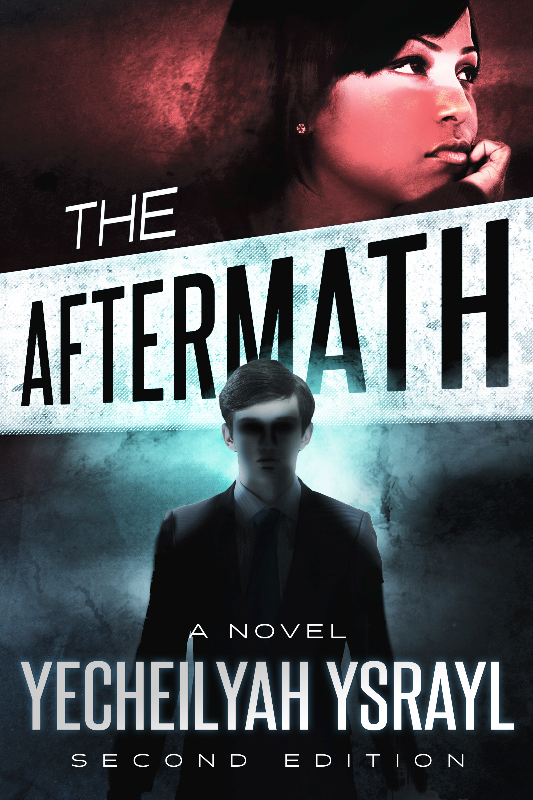
Cover by Yocla Designs

This is the new book cover for my first novel, The Aftermath (2012), which I revealed years ago. I had planned to launch a second edition but still have not finished revising it. However, I won’t have to worry about a cover when I get around to it. It is bought and paid for.

As you can see, I don’t always keep my steps in exact order, but I am never too far off track because I have a blueprint to follow. 

Tip: Always get your book edited and formatted before your artist designs the entire book cover because the book’s trim size determines the book’s dimensions. A cover design (just the front) is okay if you’d like to use it to promote and build excitement, but for an accurate width of the spine, for instance, your artist will need your exact number of pages which you won’t know until the book is edited and formatted. Getting the text formatted before the final cover is complete is part of my system. 

What I am saying to you is I do the same thing repeatedly. No magic. No secret sauce. Just systems and consistency. 

I call this series Indie Author Basics because I genuinely believe simplicity is king. All you have to do is find a way that works for you and repeat it. That’s a system. A collection of parts working together. 

If you have not written your book, what can you do every day to move you closer to finishing? Could you write it every morning while drinking coffee? Could you write it before bed? During lunch? What system works for you?

If you’ve written your book but have not published it, click on the link below and schedule a call with me. If you are looking to Self-Publish, you don’t have to figure out a system. Just use mine!


Schedule a free discovery call.

Need more Indie Author Tips?

Check out the IAB archive here.

Dear Self-Published Author, Don’t Overpay to Play

“Don’t Overpay to Play”

– Vivica A. Fox

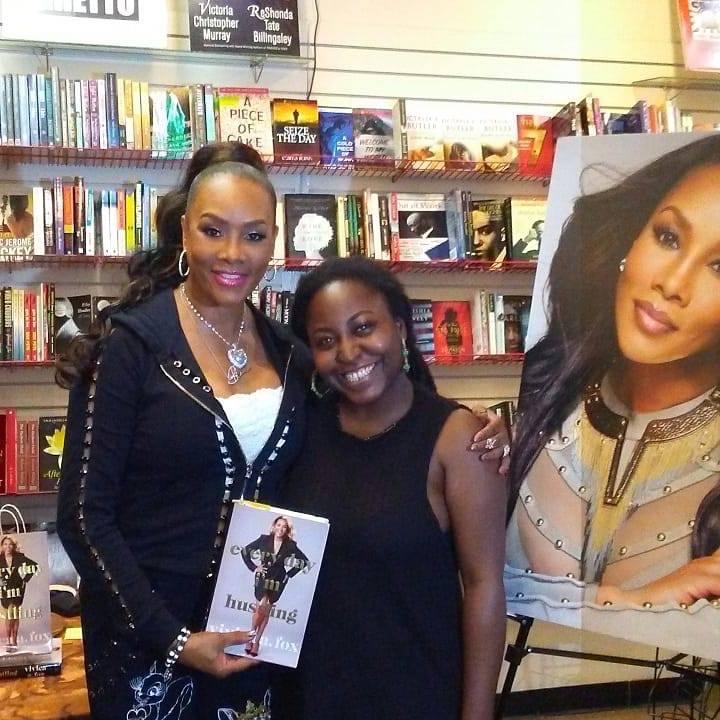
I low-key don’t like this picture because that black shirt was cuter in my mirror at home, lol.

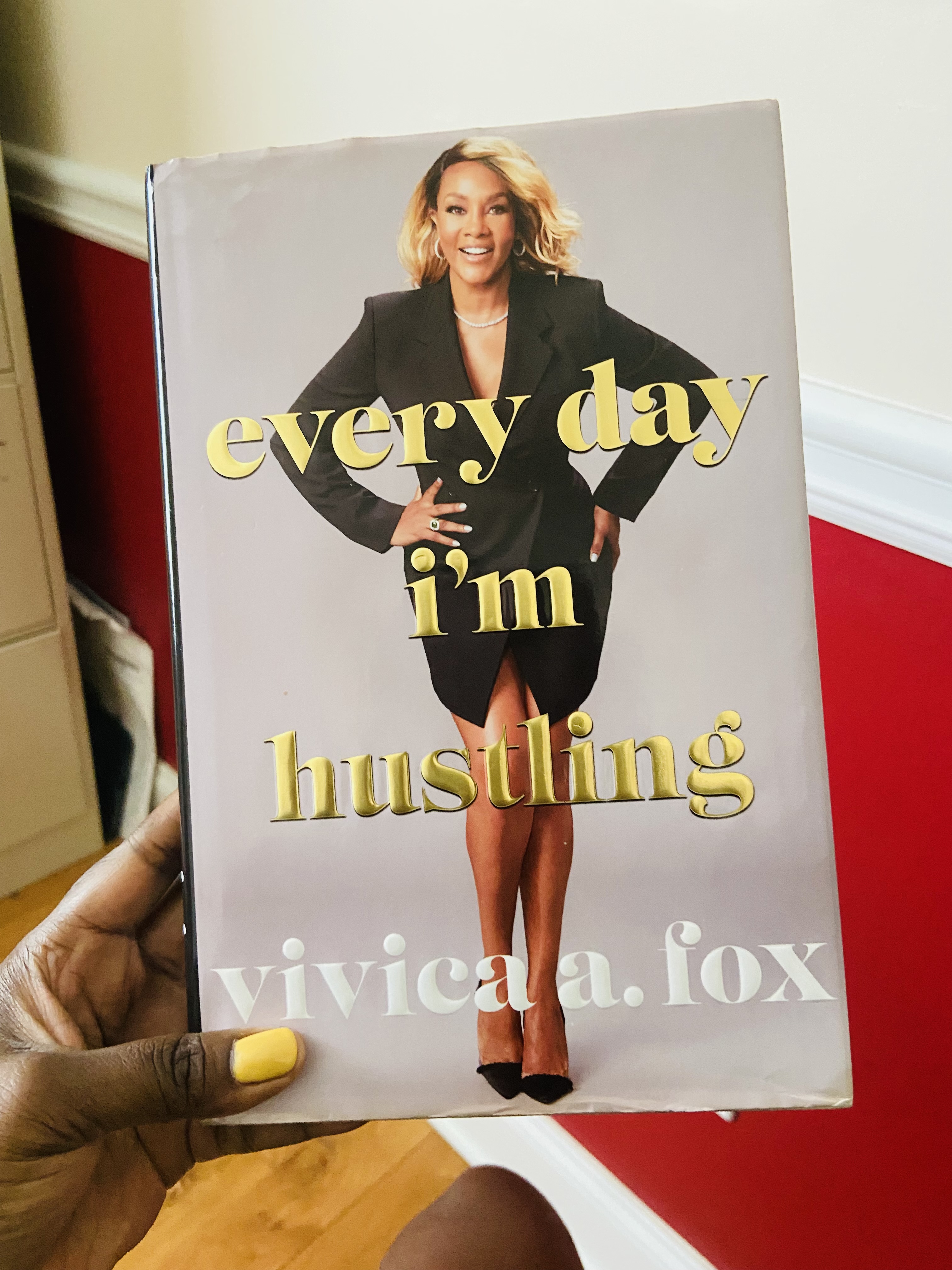
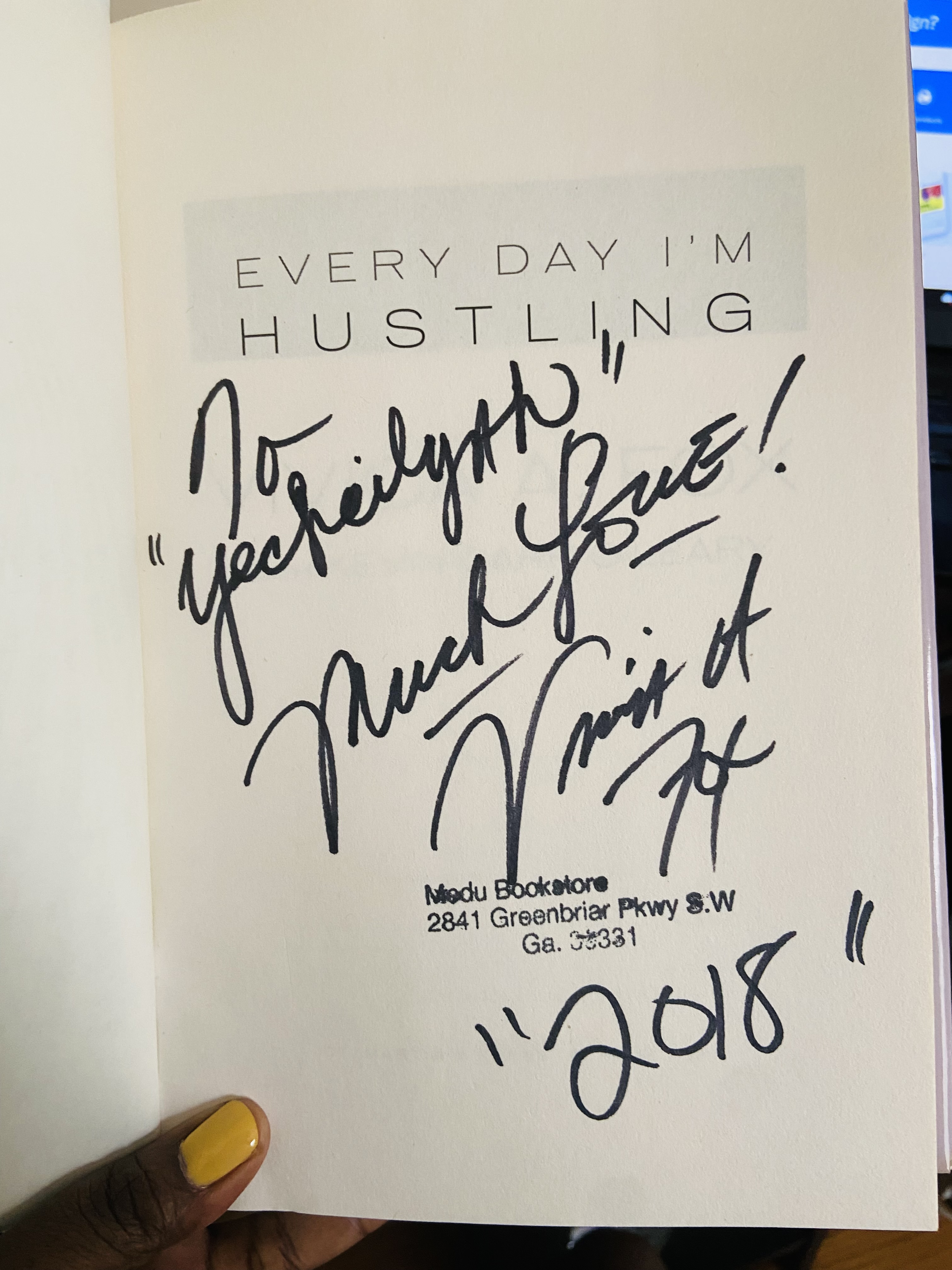
I met Vivica in 2018 when she released her book Everyday I’m Hustling, which I read and reviewed. In it, she talks about not overpaying to play. When applied to Self-Publishing, this kind of advice can save us tons of money and wasted time.

The scammers are getting clever by the day, and they gear their tactics toward Self-Published authors. One thing we can do to arm ourselves is to understand the difference between investing in ourselves and our books and paying to play. 

Investments

An investment in your book is anything that will help with the publication, promotion, and marketing of your work in a way that brings value. These are usually services offered by well-known, reputable people and organizations that produce quality. It is when you vet and hire a competent editor, when you pay for a dope cover design, when you buy ads, when you pay for web design, coaching, and so forth. These are investments that can take you to new levels. It’s an investment because you get a return.

Paying to Play

Paying to play is paying an obscene amount of money for hype that offers no real value. They usually package these as opportunities to take your business to the next level. It could mean paying 10K to a vanity press to publish your book only to come out with a crappy cover and poorly edited book slapped up on Amazon or paying 2K to attend a pointless conference. 

Vivica explains it this way:

“When you get a little bit of success, you start getting invited to these big dinners and awards nights that on paper look like a great place to network. These invites can cost three hundred dollars and up! After you go to a few, you realize that you really just get the cocktail hour to network, and then it’s hard to see anyone once you’re seated for the presentation.”

Anytime you are paying tons of money to “get in the room,” you are overpaying to play. It doesn’t have to be literally in the room, as in Vivica’s example, but it could be anything that promises luxury but is not worth it in the end. Here are some examples from Anne R. Allen’s Bogus Agents, Phony Communities, Fake Conferences, and Pay-to-Play Anthologies: New Scam Warnings for Writers:

  • Republishing your book to send to “investors” or “get you a traditional publishing contract.”
  • Filming a pricey book trailer
  • Book-to-Film “licensing” (See my post on this heartbreaking scam And here’s Alli’s warning, including business names the book-to-film scammers use.) I hear from people every day who have been snagged by this scam.
  • High-ticket, useless marketing services.
  • Buying you an interview on a podcast or radio show nobody listens to.

And I will add to that:

  • Paying to be featured in an article no one knows exists or reads
  • Paying thousands to a vanity press only to receive poor editing and crappy cover art
  • Paying to speak at an event in exchange for “exposure” (seasoned speakers should get paid to speak)

Let’s say someone offers to promote your book to their 20K followers. What you want to look at is their engagement, not followers. No one will see your book if they have tons of followers, but no engagement. Engagement is likes, comments, saves, and shares. If they charge you money to promote on their page and they have 20K followers but 0-3 likes on a post, this is a red flag. It means chances are they bought their followers. (Buying followers is also a form of paying to play.)

Note: There’s nothing wrong with not having much engagement for the everyday social media user who is learning. I am talking about the people charging you money to be featured on their platform and using their millions of followers as bait.

Paying to play can also look like being offered a chance to be featured in an article in Forbes for the low price of $500.

Umm. Why would I pay to be featured in an article if I’m for real dope? Shouldn’t Forbes reach out to me?

This is the stuff we have to pay attention to. Many of these features in articles and media have been bought, not earned. This is paying to play the game.

I didn’t think I was going to enjoy this book tbh, but Fox drops some great gems.

Everything is Not a Scam, But Vet People

I am not one of those “everything is a scam,” type people. Some businesses are new to what they are offering and we all know to become an expert, you must start. Everybody was a newbie at something at some point. You will know the scammer by the services offered in relation to the price tag. Why am I paying 5K to attend a conference for you to tell me to have more faith? Not when I can take that money and pay for professional therapy.

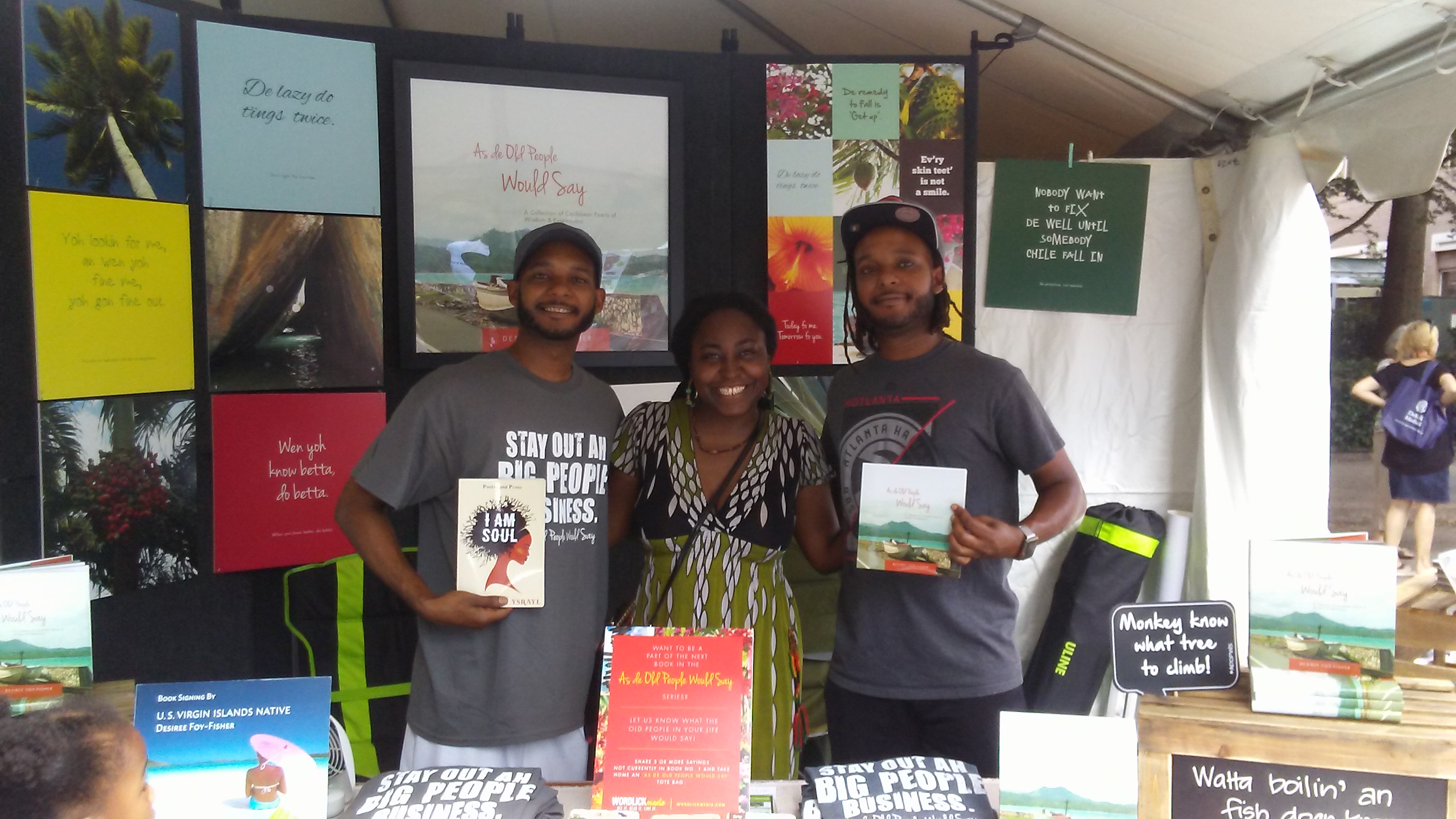
AJC Book Festival

I’m passionate about sharing my experiences as a Self-Published author because there are so many scams aimed at us. They mainly target the novice Self-Publisher. I do not mean the novice writer. You can have written before and be a master of the English language and still get scammed because you know little about Self-Publishing a book. Or, you can have Self-Published and still get scammed. It can happen to any of us.

That’s why our greatest weapon against it is knowledge and experience.

“I always tell people to educate themselves with real experience.” – Vivica A. Fox


Need more Indie Author Tips?

Check out the IAB archive here.

Need More Guidance? Schedule a free discovery call or book a consult.