High achieving authors (Indie, Trad, or otherwise) tend to fall into a few categories:
They publish high-quality books (well-edited, dope cover art, and well-formatted, to name a few).
They collaborate with other authors and business people.
They use their book to create additional income streams through businesses and services.
Today, I want to focus on that last one, although all these are important.
No matter the route, book publishing is hard work, and most of the work happens after the book is written and published. Most of us find ourselves saying, “Dang, now what?”
Depending on what your book is about, there are so many creative things you can do to leverage your self-publishing career.
Here are a few things I do based on the kinds of books I write:
From writing black historical fiction, I lecture at schools.
and so on…
Some authors even have high-ticket courses based on the chapters in their books. Podcasts and workshops based on the book are also ways people leverage their books.
The key point is to look at the book not as the end but as the beginning. Let it (the book) stretch you to new heights!
First, you want to determine how much the event host will charge you to be a vendor and what that fee entails. My requirement to vend at any event is that the fee includes a table and two chairs. Some businesses demand that you supply your own table and chairs. That feels like renting space with no space to me, but everyone’s different.
Whatever you decide, ensure the cost is reasonable and within your budget. So, if you have to bring a table (which you’ll probably have to buy), the vending fee should not cost an arm and a leg.
There is an exception to high ticket vending costs based on the influence of the event. See bullet point #3.
2. Travel / Lodging
This is a must if you decide to vend at a location outside the city/state where you live. This means the cost of vending takes on a more significant role because now you will have to consider: the cost of vending + travel + hotel.
This is where you should keep in mind that you are a business, not just an author, and that choosing to sell your goods at events is a business decision. Take into account the event’s quality if you must travel and do other things.
3. Consider the Influence of the Event Host / Audience
We talked about this last time, but I want to discuss it from a different angle.
Events that offer a chance for people to become vendors come in all shapes and sizes. Some events are hosted by first-time event hosts, and some by larger influencers and celebrities. Both are wonderful growth opportunities.
When deciding where to put your money, consider whether there will be a sizable enough crowd for you to conduct business outside of the vendors. The one con to vending at an event that can only produce a crowd within the vendors is that it will be difficult to conduct any commerce because we are all there for the same reason.
Vending is also about connecting with powerful influencers who could help propel you to the next level. In this case, the cost to vend might be pricey, but the event’s influence makes up for it because of the people and powerful connections you can make. (Think Essence Fest and Invest Fest)
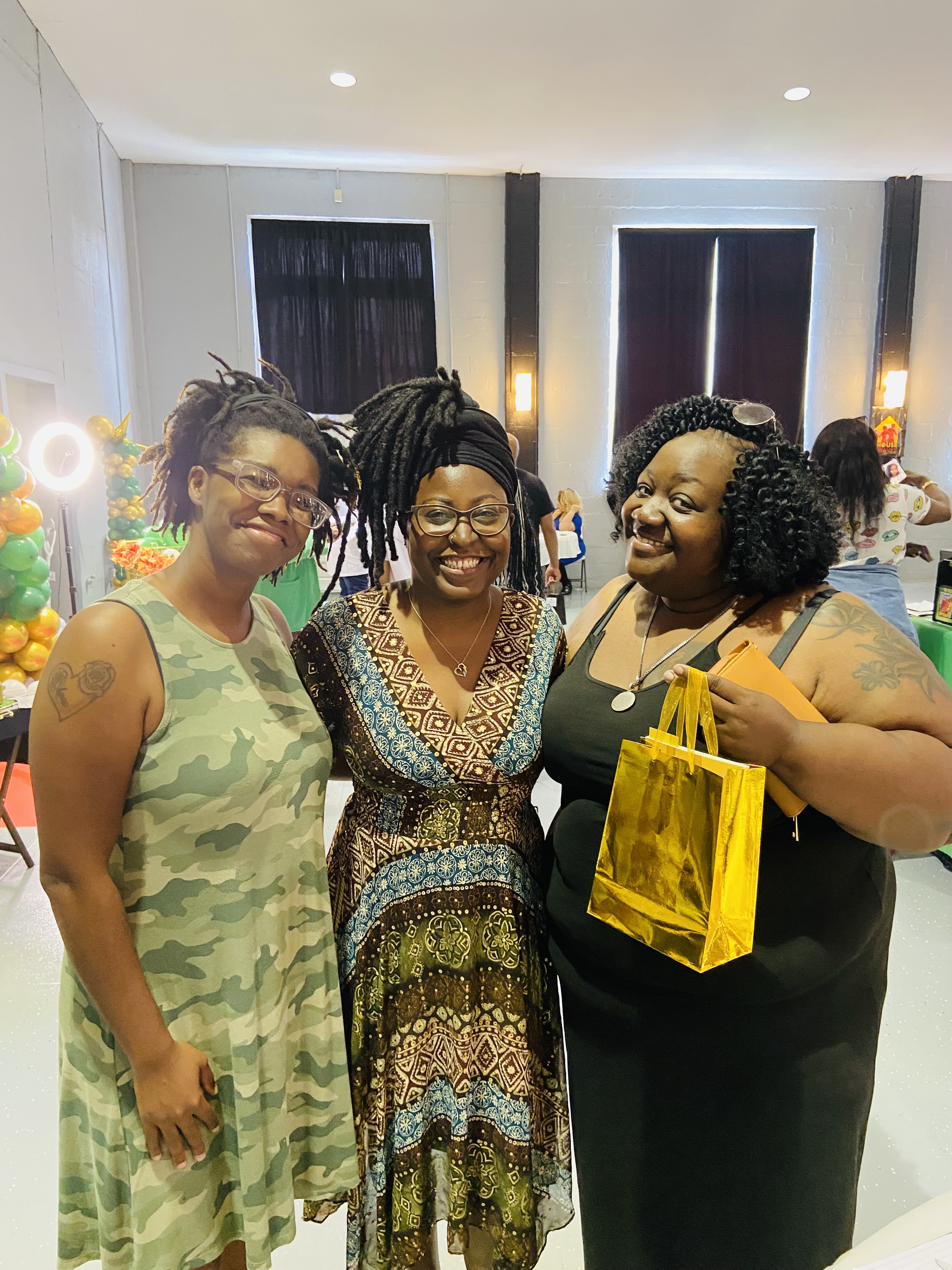
Excited supporter!
While vending at Black Writer’s Weekend last year was a bit costly, here are some things that made me decide to give it a try:
BWW and its founder Tamika Newhouse are pretty well-known in Atlanta. I knew the event would bring out a large enough crowd for me to engage people beyond the vendors, and it did. I made my vending fee back.
Included my mandatory table and chairs.
I did not need to travel far since I am in the Atlanta area, so no funds were needed for hotel or travel.
4. Engagement and ROI
If you are just going to sit behind your table looking mean, scrolling through your phone, and waiting for people to talk to you, vending might not be for you. If you intend to make a return on your investment, you will have to engage with people.
Here are some things that have been helpful for me.
Stand up and stay off the phone during high-traffic moments.
Bring a helper/assistant (hence the two chairs I always require when I vend) so you can leave your table now and again to talk to the other vendors and guests, take bathroom breaks, etc. My helper is my husband, who is fully trained (lol) on how to talk about my books in my absence. However, I am never too far away from my table.
Try not to look bored and mad (even if you are). Smile and speak. I always give people an excited “Good Morning!” or “Good Afternoon!” You’d be surprised by the people who will stop at your table just from you being friendly and pleasant. I also take note of certain non-verbal clues that people might be interested. Staring at my station but not speaking, walking away but turning for another look, studying my banner (because, how do you pronounce this name?) are all signs I use to engage people further.
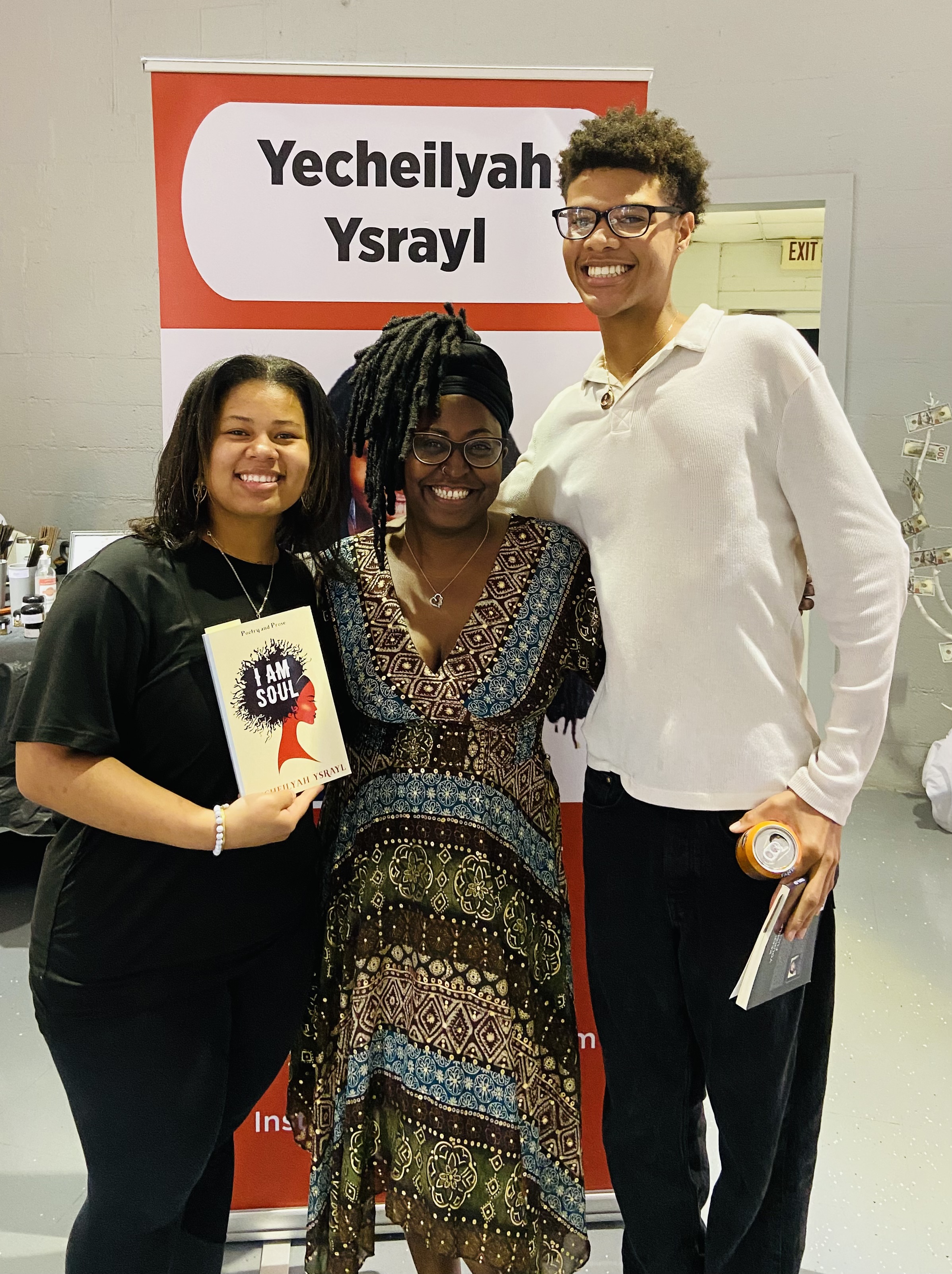
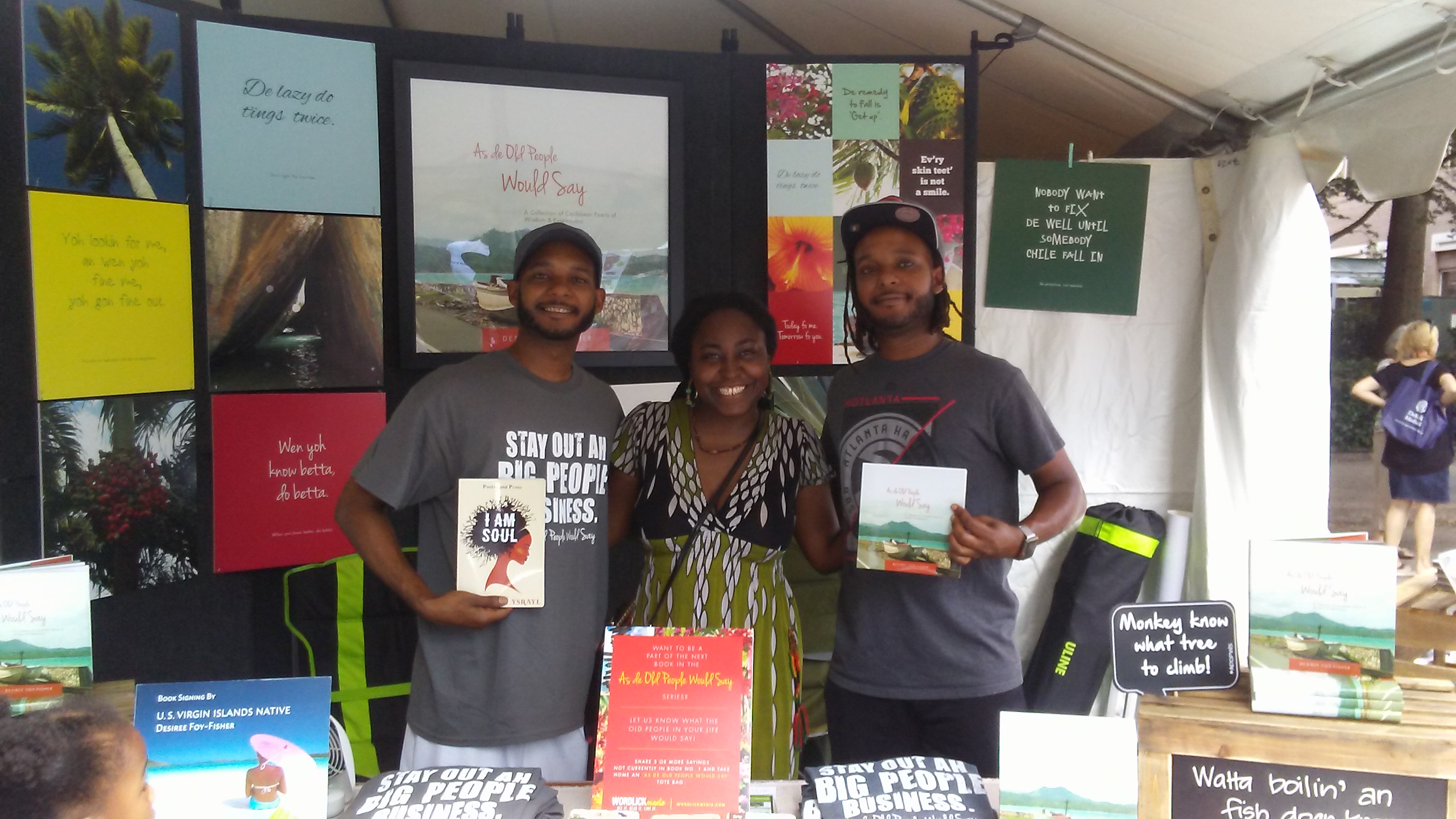
I sold these two books from calling them over when I saw them do a double take!
5. Inventory
Last but certainly not least is your inventory!
Do you have enough books to go?
Business cards and bookmarks?
Marketing materials?
Give yourself enough time to get all your tools together before the event and include that in the cost! Remember, as Indie Authors, we have to buy author copies.
Bonus: New Lessons
In part one, I joked that authors should vend at events focusing on books to avoid competing with the lady selling shea butter.
Well, I did meet a lady selling Shea Butter!
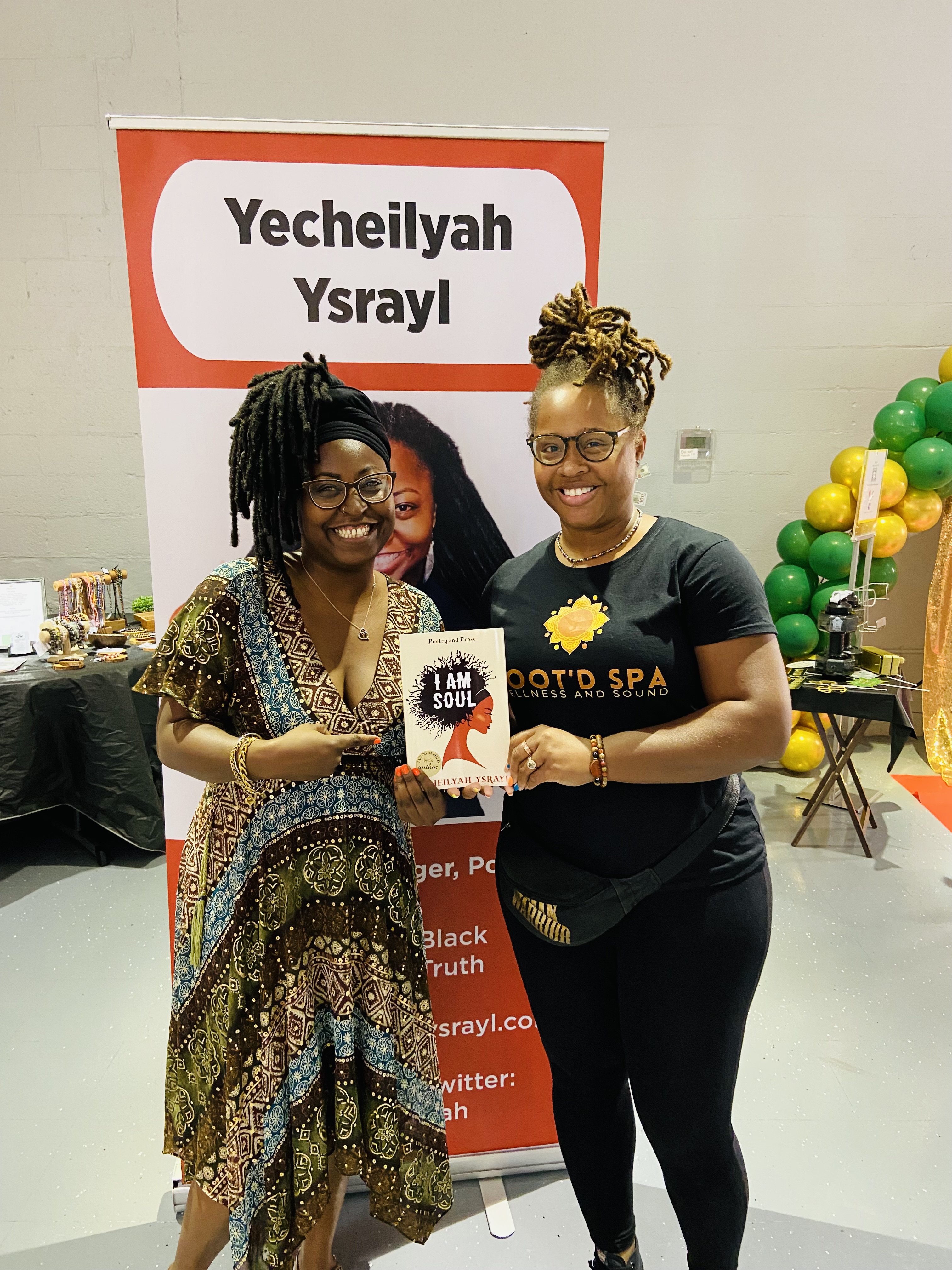
And her table was right next to mine, she also has locs, and wears glasses.
I learned a new lesson:
Of everyone at the pop-up, I was the only one with books. This set me apart and made people feel like I was the bookstore part of the event. And I did pretty well!
Even if it’s not an event focusing on books, you can do well as the only person with books or one of a few.
The Shea Butter woman’s name is Jenesis, and she runs an alternative and holistic health service business called Root’d Spa with various wellness products.
She bought a copy of my book, and I bought a bracelet from her! We are now following each other on social media.
Shea Butter Lady Jenesis!
Recap:
Consider not just the fee but also: vending fee + travel + lodging + inventory
Be ready to work
Bring a helper/assistant
Speak up and be kind
Consider the event influence for high-ticket vending opportunities
Always be on the lookout for new lessons and perspectives. You might just find your next business partner!
I am dropping this quick update you may or may not have known about.
Amazon is increasing its printing cost on June 20th.
The printing cost is the money you pay to get your book printed.
If you have self-published books on Amazon and the price of your book is too low (less than the new minimum) your royalties could be reduced, or you might not get any.
Printing Cost Changes
All paperback and hardcover books will see an increase in their fixed costs to cover the materials, labor, and supplies.
They are introducing a new fixed and per-page cost for paperbacks and hardcover books with a larger than standard (6 x 9) trim size.
At the same time, they’re also decreasing the cost for some color-ink books ordered through specific Amazon marketplaces.
To see a full breakdown of the updated costs, check out this cost table link that Amazon put together here.
You have two options:
Leave your prices alone and accept the reduced royalties (if it applies to you)
Increase the sale price to offset the increased printing costs.
Here’s what you want to do:
Log into your Amazon K.D.P. Account
Go to your bookshelf
Click on the ellipes (…) next to your book and edit print book pricing.
Check to see if you will still get a royalty when the change kicks in. (It will show you on the page) If not, increase your book price.
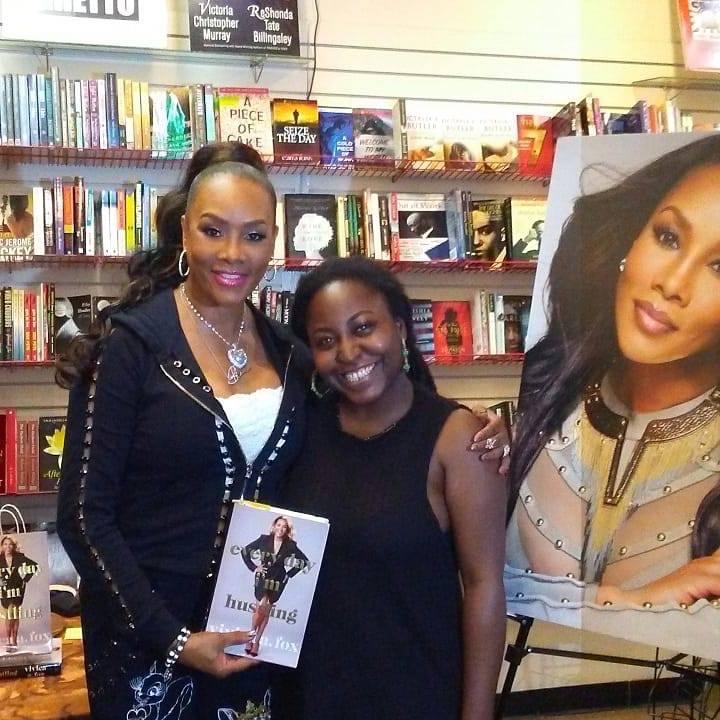
I low-key don’t like this picture because that black shirt was cuter in my mirror at home, lol.
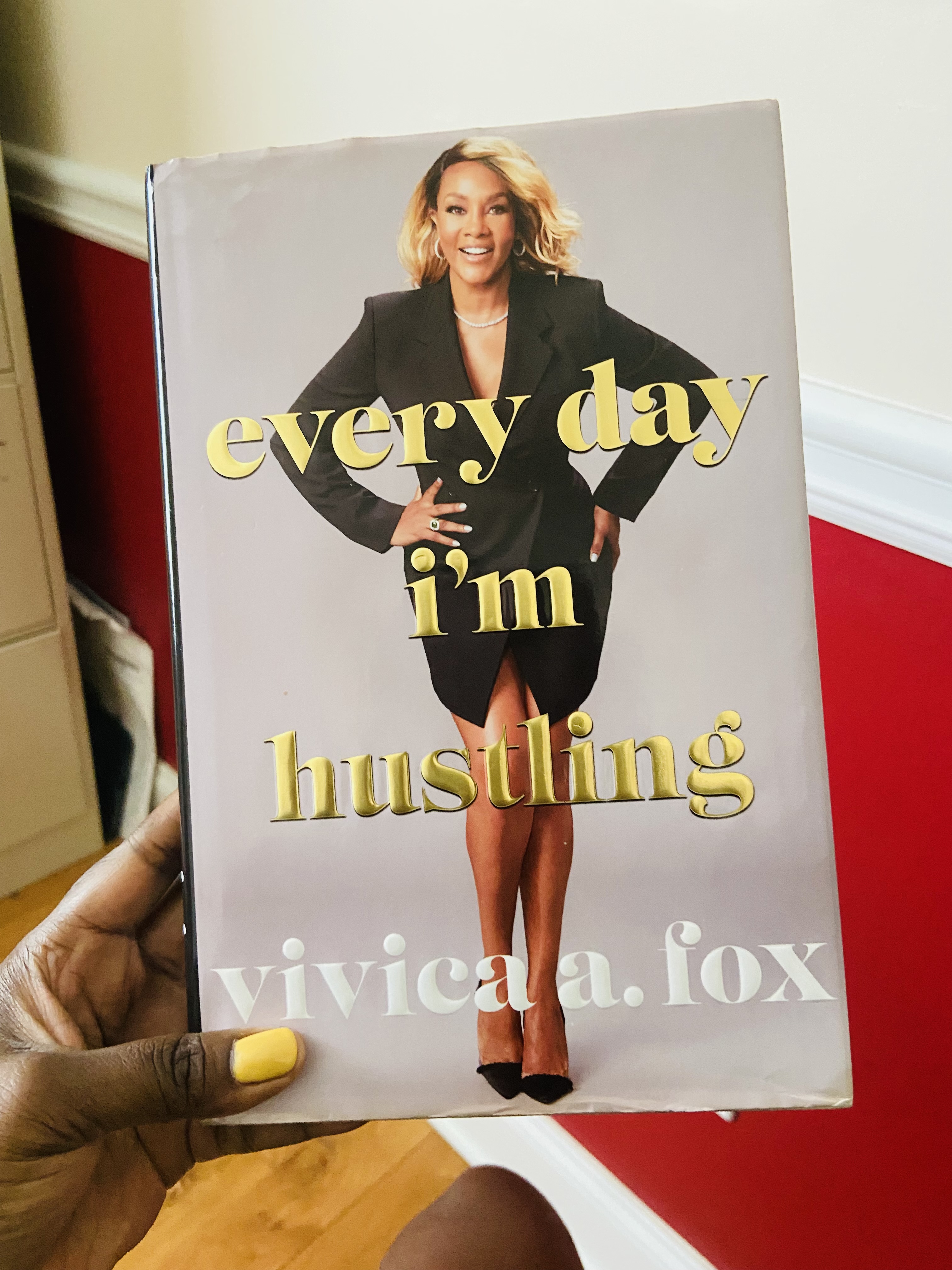
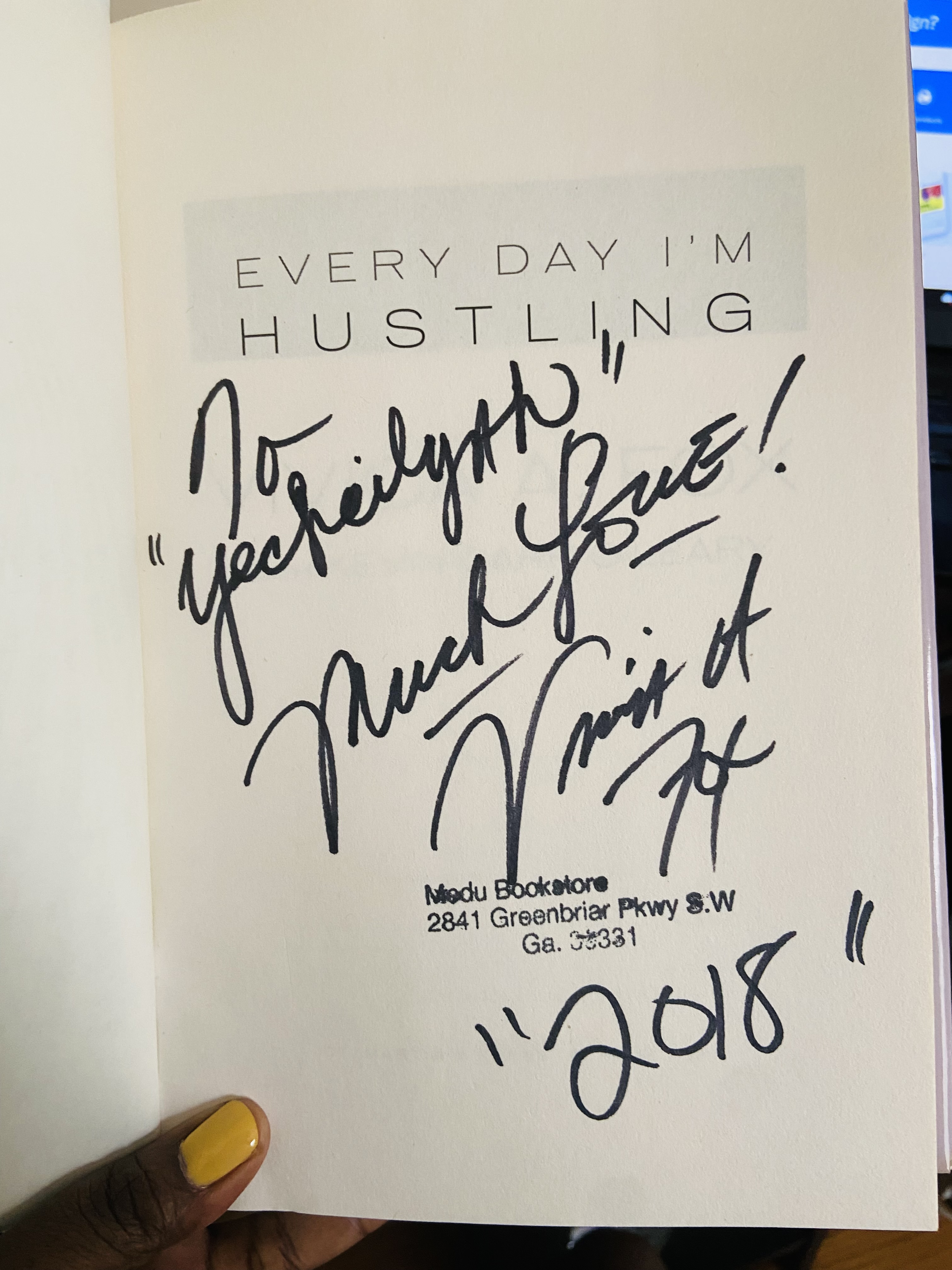
I met Vivica in 2018 when she released her book Everyday I’m Hustling, which I read and reviewed. In it, she talks about not overpaying to play. When applied to Self-Publishing, this kind of advice can save us tons of money and wasted time.
The scammers are getting clever by the day, and they gear their tactics toward Self-Published authors. One thing we can do to arm ourselves is to understand the difference between investing in ourselves and our books and paying to play.
Investments
An investment in your book is anything that will help with the publication, promotion, and marketing of your work in a way that brings value. These are usually services offered by well-known, reputable people and organizations that produce quality. It is when you vet and hire a competent editor, when you pay for a dope cover design, when you buy ads, when you pay for web design, coaching, and so forth. These are investments that can take you to new levels. It’s an investment because you get a return.
Paying to Play
Paying to play is paying an obscene amount of money for hype that offers no real value. They usually package these as opportunities to take your business to the next level. It could mean paying 10K to a vanity press to publish your book only to come out with a crappy cover and poorly edited book slapped up on Amazon or paying 2K to attend a pointless conference.
Vivica explains it this way:
“When you get a little bit of success, you start getting invited to these big dinners and awards nights that on paper look like a great place to network. These invites can cost three hundred dollars and up! After you go to a few, you realize that you really just get the cocktail hour to network, and then it’s hard to see anyone once you’re seated for the presentation.”
Republishing your book to send to “investors” or “get you a traditional publishing contract.”
Filming a pricey book trailer
Book-to-Film “licensing” (See my post on this heartbreaking scam And here’s Alli’s warning, including business names the book-to-film scammers use.) I hear from people every day who have been snagged by this scam.
High-ticket, useless marketing services.
Buying you an interview on a podcast or radio show nobody listens to.
And I will add to that:
Paying to be featured in an article no one knows exists or reads
Paying thousands to a vanity press only to receive poor editing and crappy cover art
Paying to speak at an event in exchange for “exposure” (seasoned speakers should get paid to speak)
Let’s say someone offers to promote your book to their 20K followers. What you want to look at is their engagement, not followers. No one will see your book if they have tons of followers, but no engagement. Engagement is likes, comments, saves, and shares. If they charge you money to promote on their page and they have 20K followers but 0-3 likes on a post, this is a red flag. It means chances are they bought their followers. (Buying followers is also a form of paying to play.)
Note: There’s nothing wrong with not having much engagement for the everyday social media user who is learning. I am talking about the people charging you money to be featured on their platform and using their millions of followers as bait.
Paying to play can also look like being offered a chance to be featured in an article in Forbes for the low price of $500.
Umm. Why would I pay to be featured in an article if I’m for real dope? Shouldn’t Forbes reach out to me?
This is the stuff we have to pay attention to. Many of these features in articles and media have been bought, not earned. This is paying to play the game.
I didn’t think I was going to enjoy this book tbh, but Fox drops some great gems.
Everything is Not a Scam, But Vet People
I am not one of those “everything is a scam,” type people. Some businesses are new to what they are offering and we all know to become an expert, you must start. Everybody was a newbie at something at some point. You will know the scammer by the services offered in relation to the price tag. Why am I paying 5K to attend a conference for you to tell me to have more faith? Not when I can take that money and pay for professional therapy.
AJC Book Festival
I’m passionate about sharing my experiences as a Self-Published author because there are so many scams aimed at us. They mainly target the novice Self-Publisher. I do not mean the novice writer. You can have written before and be a master of the English language and still get scammed because you know little about Self-Publishing a book. Or, you can have Self-Published and still get scammed. It can happen to any of us.
That’s why our greatest weapon against it is knowledge and experience.
“I always tell people to educate themselves with real experience.” – Vivica A. Fox
Note: These are suggestions based on my experience with my own books and books of authors I’ve worked with. These suggestions are not law or set in stone. In the end, each person must do what is right for them, but I hope these tips can help you decide.
Pricing your book as a new Self-Published author can tremendously impact your writing career and the momentum of your launch. Price the book too high, and you lose the interest of those who want to take a chance on a new author. Price the book too low, and people start to worry the book isn’t good quality.
So, what to do?
How Well Known Are You
Before I get into it, we must consider there is more than one kind of new author.
Some people may have never written a book before, but they have influence in other areas.
By influence, I mean that these writers have thriving businesses or are already known in their community for their expertise. They might not have published a book, but their success in other areas gives them leverage.
Because they have an impact, they can price their books higher even if they’ve never published a book. For instance, you wouldn’t expect Viola Davis’s first book to be cheap. She’s already a celebrity.
However, in this case, we are speaking of everyday dreamers who always desired to see their words in print. For us, we have to be a bit more strategic.
Now Let’s Get to It
Self-Published Ebooks: Usually less than $5.99. I recommend pricing the ebook low for new authors to encourage more sales and reviews. I would say anywhere between $0.99 – $2.99.
You can change your ebook price whenever you want, so you have room to experiment with this once the book is live. You might start with 99cents and then increase it later. This is up to you.
You can also set your first book in a series or your debut book price low once you’ve published other books to entice new readers. I am Soul, my award-winning poetry collection, was published in 2017. I have the ebook set to 99cents so new readers can get a taste of my writing style. Usually, this is the first book people read of mine, and they almost always want to read my other books next. This is intentional.
Self-Published Paperbacks: This is where I see the most problems. You are a new author no one has heard of before (and who no one ever thought was into writing in the first place), and your 50-page self-help book (half of which is blank pages so we can “fill in”) is $50 PLUS shipping.
Make this make sense.
For a new Self-Published author, I recommend pricing your paperback between $9.99, and $19.99, depending on the length. The book’s length is important because longer books cost more to print, so you will have to charge a bit more. Again, this price assumes you aren’t already a celebrity or someone of influence with a massive following, in which case the price will go up.
Either way, just make sure it makes sense.
The most important step you can take is to study other books in your genre to get an idea of how to price your book (considering all we’ve discussed.)
Go to Amazon and look up the category of where your book will be sold. What are the prices of top-selling books?
Do this for Kindle eBook and paperback.
And remember, Google is your friend. Here, we focus on the basics, but I am sure there are many other articles from other sources that can provide deeper insight into this topic.
All I ask is that you do not go into this blindly. The cost of your book is a big deal. Don’t throw darts at the wall and come up with random numbers.
Finances are a big deal when it comes to Indie Book Publishing. For those who want to do it right, it pays in more ways than one to have a budget for every book you intend to publish. Check out this article from Angela Ford on ways to break it down and later, I’ll publish a separate post on how I break down the costs for my very own books. Until then, enjoy:
“Can you afford to be an indie author? As independent authors, we have to be aware of the way cost plays into self-publishing. Cost can mean the difference between turning book publishing into a business versus having a very expensive hobby. The question is, how much is too much? When do you know if your books are bringing in a positive return on investment?” – Angela J. Ford
Keep reading through to the original article here.










 The PBS Blog