It Could Easily Be You

When I was ten years old, my family moved to Milwaukee, Wisconsin, just months after learning to walk again after the car accident. It was the only time we did not live in Chicago during my childhood.

Shortly after moving into a big, beautiful home, we were evicted. With only a few family members in the state who decided we could not live with them, my mother and her three daughters went to a woman’s shelter. My brother was welcomed to stay with an older cousin, but she didn’t have room for the girls.

I’ve gone days without food, months without a roof, and years without the kind of nourishment most people take for granted. So watching people mock families who are about to lose their SNAP benefits isn’t just sad — it’s cruel, and it reminds me how easily empathy gets lost in comfort.

In a matter of days, many American families face the risk of losing their food stamp benefits as the Trump Administration intends to cut payments, affecting about 42 million individuals across the nation. What people are feeling and witnessing is not about lazy parents who are not working to put food on the table. This is about a trash economy that has forced even the hardest-working families to rely on assistance. You might not need it today, but that doesn’t mean you won’t need it tomorrow.

Before the stock market crash of October 1929, there was a time of optimism. Many families prospered as cars and new technology grew. People did not expect to go to their banks and be locked out without warning. Families didn’t expect that they would have to stand in bread lines. It happened suddenly, and it could happen to you, too.

“The loss of SNAP benefits leads to food insecurity, hunger, and malnutrition, which are associated with numerous negative health outcomes in children, such as poor concentration, decreased cognitive function, fatigue, depression, and behavioral problems.”

Melissa Quinn, CBS News

My cousin put it perfectly on Facebook:

“Food stamps fed all of us. Medicaid paid them hospital bills. WIC kept formula in our baby’s bottles. Free lunch stopped our stomachs from growlin in class. The projects gave most of us a roof when we ain’t have one. Financial Aid got a lot of ya’ll them degrees you flexin now. We’ve all had help at some point, so quit looking down on folks still getting it. You just forgot what struggle felt like. Don’t get too high up…the ground still waiting if you fall.”

– Tiff McCormick, Facebook Post

Breaking From Tradition Can Be a Good Thing

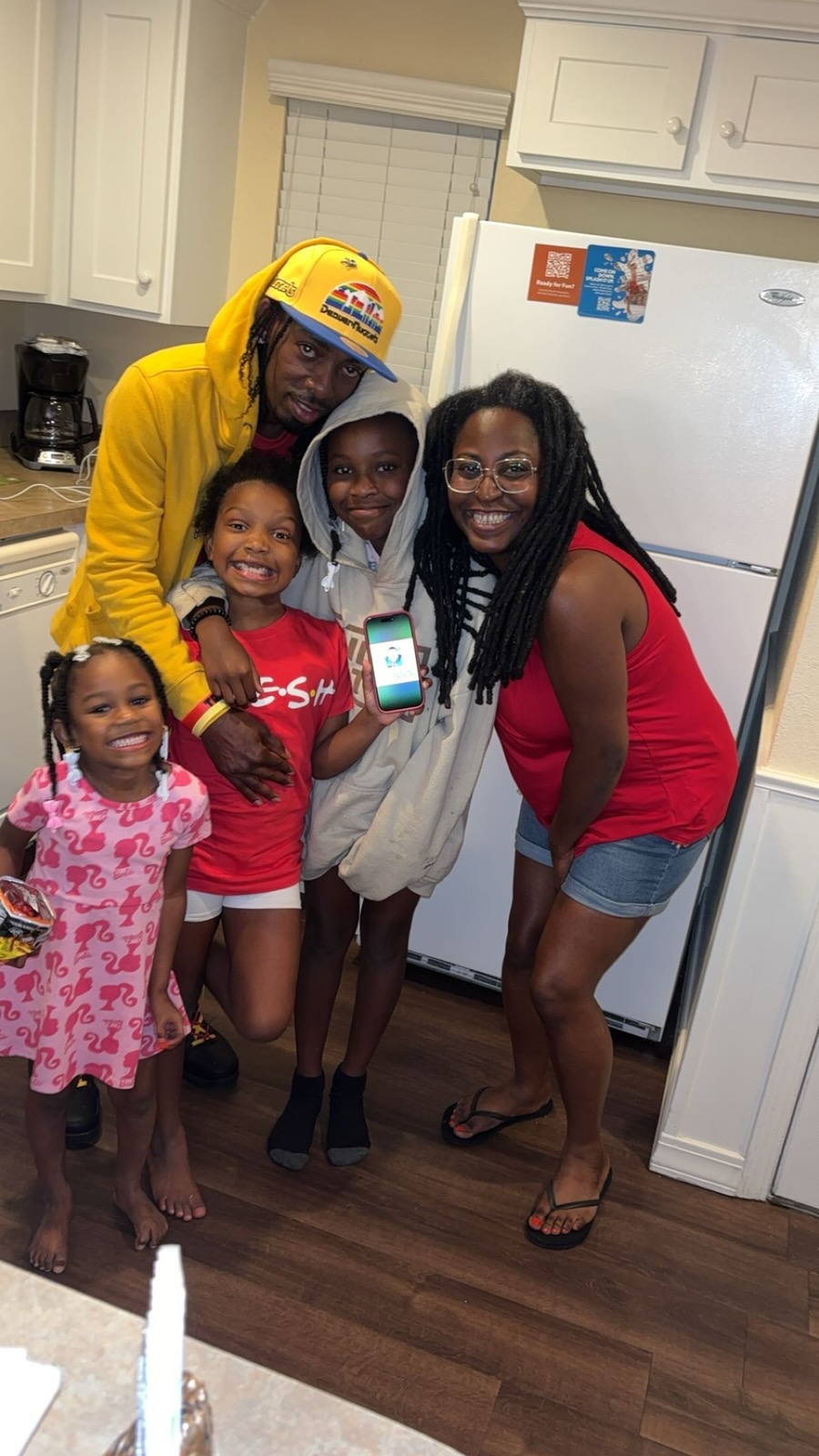
My big brother Ray, nieces Gigi, Jamie, Brook, and Me

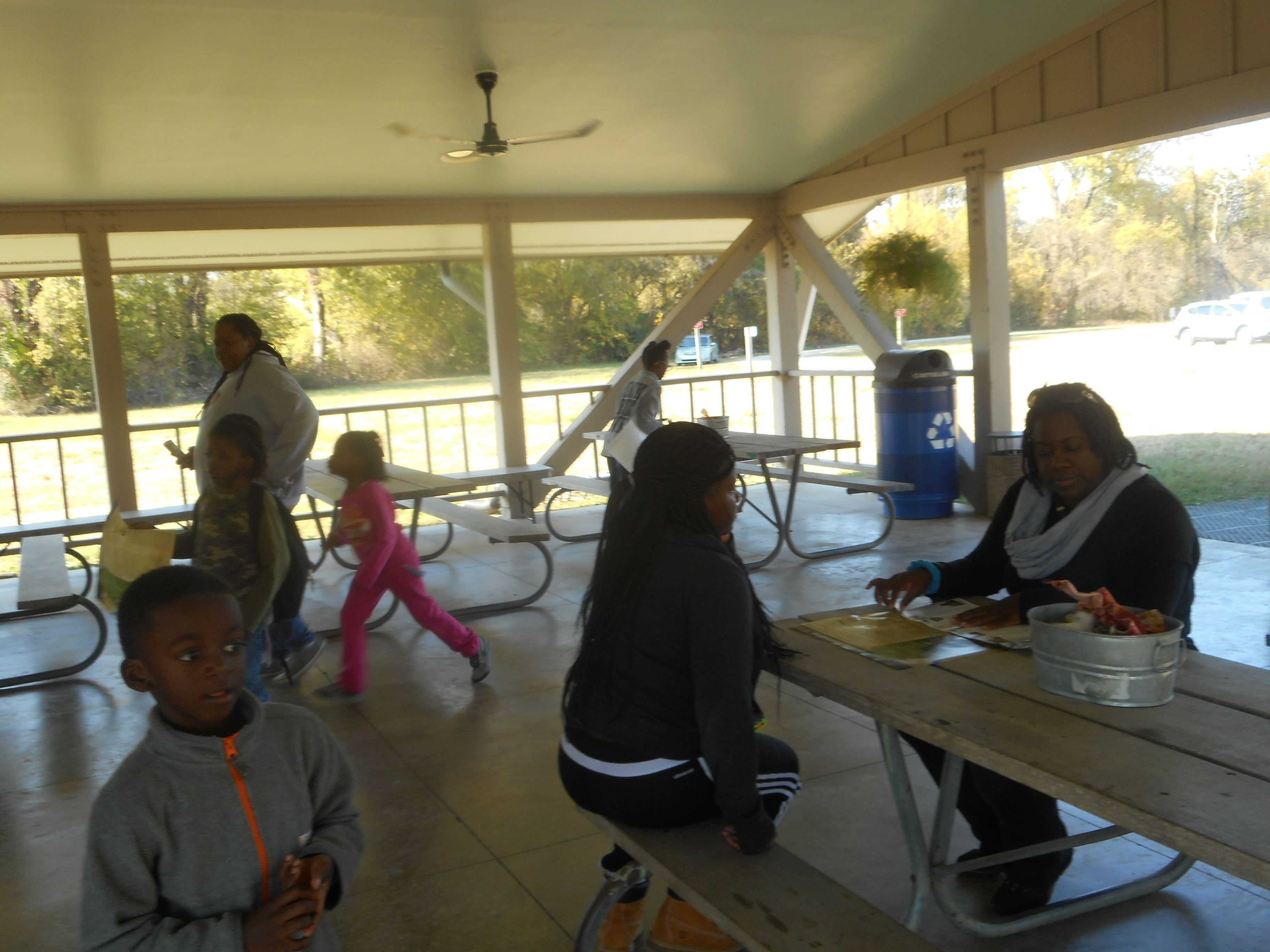
Some families keep their history alive around picnic tables, their roots watered each summer by laughter, shared meals, and stories that stretch back generations.

Mine did not.

On my mother’s side, there were no great migrations back home for a weekend, no sea of matching shirts declaring our kinship, no annual roll call of who had been born, married, or passed on.

I didn’t grow up with the smell of charcoal and cousins’ laughter drifting across a summer lawn, the kind of memory stitched into photo albums and passed down like a family recipe. Family reunions simply weren’t our thing. There were no matching T-shirts, no group photos under a banner.

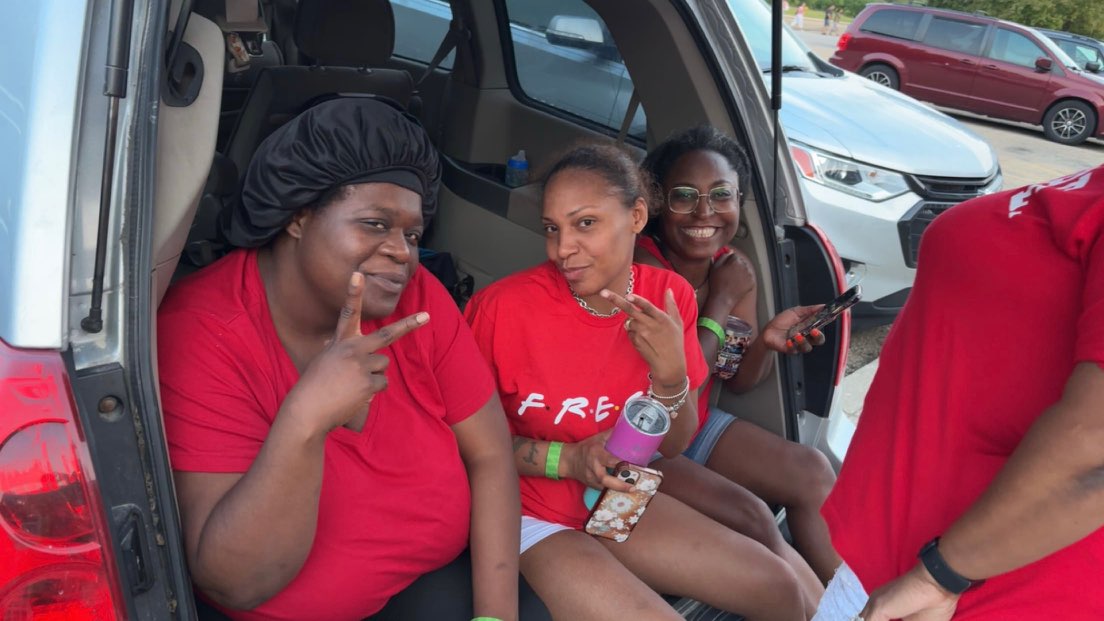
Cousin Laura, Pam, and Me sitting in the back of this truck like some thugs, lol

The closest I came to that sense of gathering was at Chicago block parties. We’d shut down the street, our banquet hall, line the sidewalks with tables and sizzling grills, and open the fire hydrant so the water arched into the air like a silver ribbon. Kids ran barefoot through a cracked-open hydrant, laughing because this time, no one called the police.

Music pulsed from speakers, and for one day, neighbors felt like cousins, and the whole block became family.

But it wasn’t our family.

Six years ago, this ended with our generation.

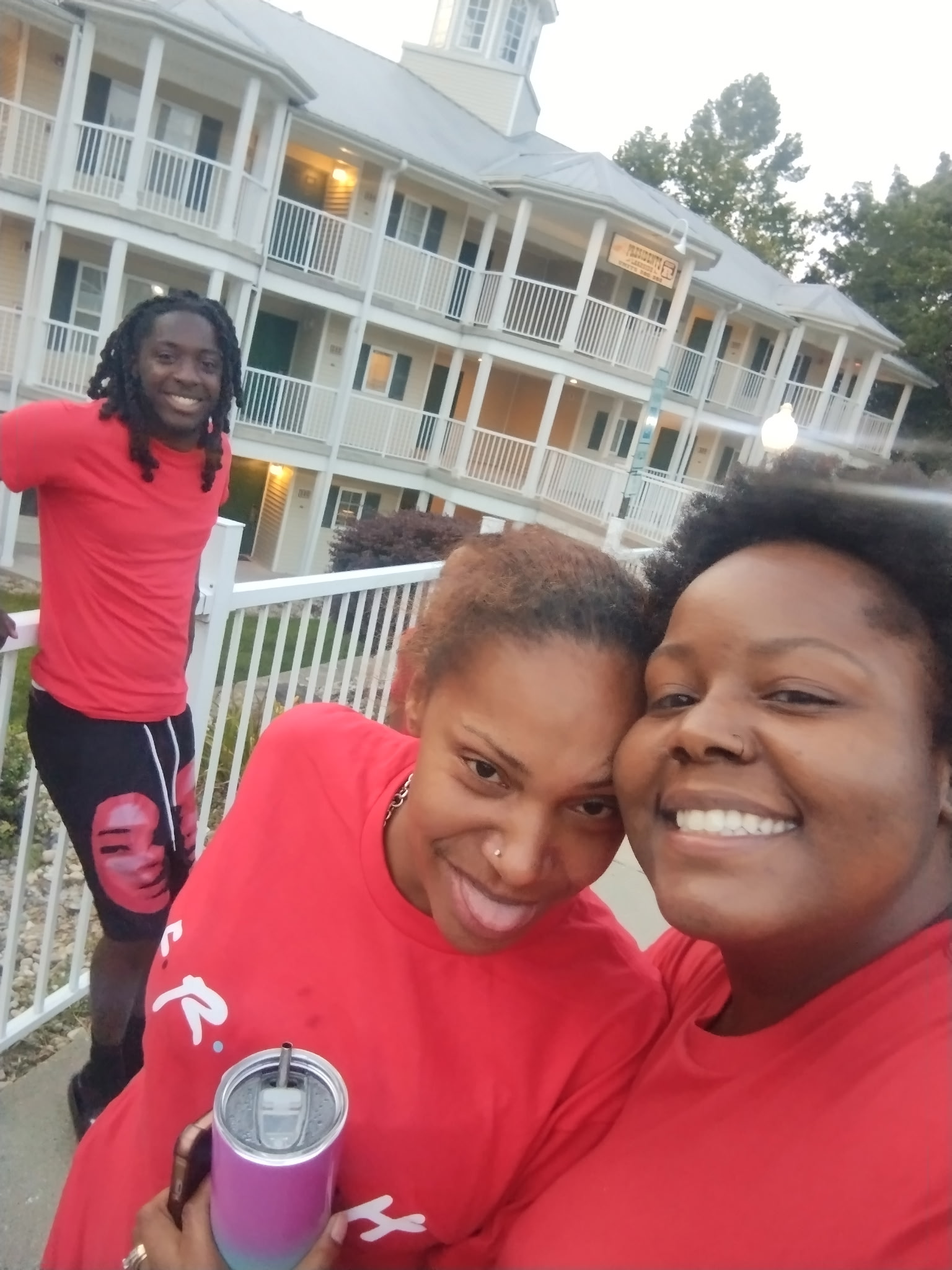
Jeremiah in the background (Nephew), Big Sissy Pamela, and Lil Cuzzo Angela

What began as a simple backyard barbecue has grown, year after year, into something bigger that we can finally call by its true name: a Family Reunion.

It’s a strange and humbling thing to realize we’re the aunts and unks now—the ones setting the tone, carrying the stories, and shaping the memories for our children.

We’ve rewritten the narrative we inherited.

Many of us are building marriages we’re proud of, raising children under our own roofs, and pursuing careers that light us up. We are not lost to the streets, not numbed by addiction, not absent from the lives we brought into this world.

Aunt Barbara, Lil Reg, and his daughters, Gigi and Brooklyn

Instead, we have passports now. We take our children to see oceans they’ve never touched, mountains they’ve never climbed, cities that speak in languages they’ve never heard. We give them richer experiences, not just with our words but with our lives.

Sometimes, breaking from tradition can be a good thing!

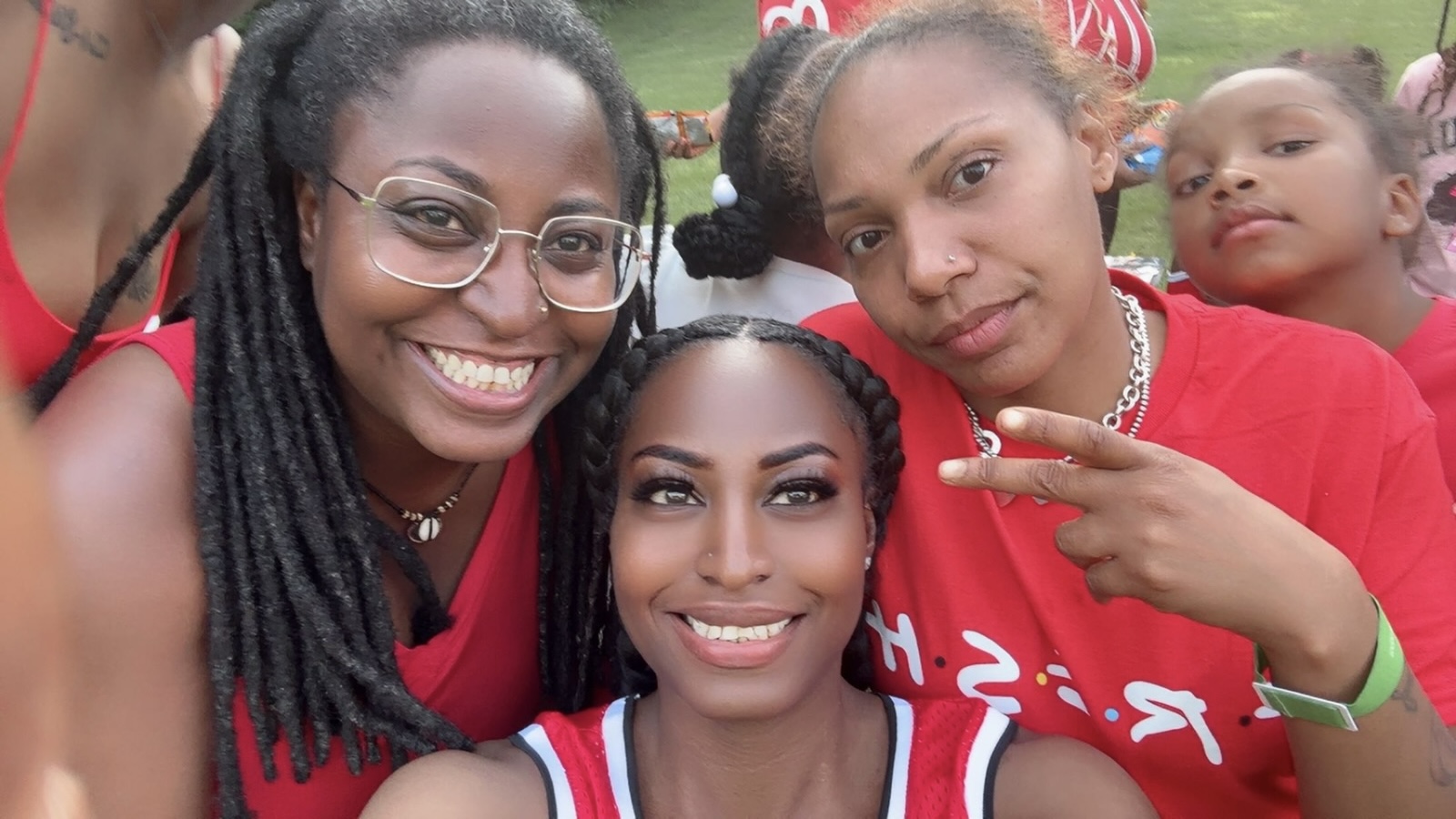
My crazy sisters and me: Yecheilyah, Tracey, Pam, and photo bombed by her daughter, Jamie.

Always There Are the Children

Something devastating is happening, a bone-chilling, frightening thing.

The children are dying.

In this year alone, I have learned of the deaths of four young people, three of them children under 25 years old. All of them were from people I know; they were firstborns, the first fruits of their mother’s wombs.

It has made me reflect deeply on how we foster future generations while remembering old ones. As a history buff, I understand how easy it is to dwell on the past. However, I’ve realized that the past, present, and future are inextricably linked; if we ignore one, we disregard the others.

I had the fortunate opportunity to speak with my husband’s great-aunts this past weekend as we mourned the death of their sister, our grandmother. They are all in their 70s and 80s, so I asked them what advice they have for the next generation. Almost everyone said to listen to the elderly. Essentially, you should obey your mother and father. Today, many may refer to this as honoring the ancestors. Whatever phrase you use, the broad consensus is to listen to those who came before you.

Growing up on a farm, where they grew and raised everything they ate, I got the impression they weren’t just saying this because they were elders but that it was a genuine conviction in which they truly believed.

Growing up, many of us heard the warning: “Honor your mother and father so your days are prolonged on the earth.”

I think about the depth of this as I watch the children perish.

One of my favorite poems from Nikki Giovanni is “Always There Are the Children.”

For me, it is a reminder that we do not live forever in these bodies. We will pass on one day, but there will always be children. What we pour into them while we live determines whether there will be more Nikki Giovannis and Maya Angelous.

Unfortunately, we live in a world obsessed with two things: appreciating people only once they’ve passed and only once they have become great. Rarely do we recognize the process and honor the in-between spaces. Seldom do we honor the becoming.

This robs the children.

And the children are not just minors in small bodies; we are the children, too. We are also daughters and sons, and I hope that we learn to nourish ourselves in the same way that those who came before us were nursed, and that we do so early on, rather than waiting until we are thought to have made it, because we are born worthy.

“We prepare the way with the solid
nourishment of self-actualization
we implore all the young to prepare for the young
because always there will be children.”

-Nikki Giovanni

The Amazon Bestseller Approach: A Warning

In the words of James Baldwin, “If I love you, I have to make you conscious of what you don’t see.”

Here’s the Game:

Once upon a time, when print-on-demand publishing became more popular thanks to companies like Amazon and Lulu, self-published authors discovered a powerful manipulation tactic: they could reach a higher ranking by reducing their ebooks to 99 cents and getting all their friends to buy them, skyrocketing their books to the #1 spot.

And before you knew it, tons of Self-Published books, both excellently written and mediocre alike, hit the Amazon Best Sellers List. Some authors even put the sticker on their covers.

It was an exciting time…

…for a few minutes.

Most of these authors stayed at #1 for a maximum of a few hours.

Over time, their book sales continued to plummet until the next book, where they repeated this strategy: setting the price to 99 cents and telling all their friends to buy it.

The problem with this is it caused many Self-Published authors to lust after that pretty orange tag, even if it only lasted for a few minutes.

They’d refresh their browsers repeatedly to see where the numbers are.

When I first put I am Soul on preorder at 99 cents in 2017, it was #7 on Amazon’s Best Sellers list.

But I had only sold five preorders!

Chile, my bank account was dryer than a Popeye’s biscuit.

It looked good on the outside, though, and I was technically a bestseller on paper, but I wasn’t making any money.

By focusing on more organic ways to sell my book, I became a bestseller on and offline.

It wasn’t until I started to shop my books offline and talked to the owners of bookstores that I truly understood how little being an Amazon Best Seller meant to the outside world. I focused my efforts on getting my name out there and increasing my reviews, and this helped me to become an Amazon Best Seller the organic way.

I was also selling out of brick and mortar bookstores and I didn’t have to beg my family and friends to make it happen.

Back to the Story…

The problem with getting all your friends to buy your book is once they’ve bought their copies, the book stops selling.

And that’s what happened to these authors. Unlike traditionally published authors or Indie Authors who focused on other methods and reached the bestsellers through sales, the self-publishers who used the tactic couldn’t maintain the momentum. In a matter of hours, their orange tags were gone.

It’s exciting and praise-worthy to make it onto the best sellers list, whether it’s Amazon or USA Today. However, it is not something Self-Published authors should stress themselves over or allow to consume their writing career.

If the bestsellers list is a goal, authors should strive to do it more authentically. Instead of trying to manipulate the algorithm, focus on selling the book to your target audience, getting early reviews, offering sneak peeks, running Ads, book signings, book tours (virtual or in-person), speaking, and a host of other creative ways to get the word out about your book.

Click here for More Indie Author Basics

Black History Fun Fact Friday – Cane River Creole National Park – Oakland Plantation

On this day in 2016, I posted about a former slave plantation in Natchitoches, Louisiana I visited that weekend. I shared my experience on this blog, but I never made it a Black History Fun Fact. As the memory popped up in my Facebook archives, I decided to add it to the collection. Below is the original post for those of you who were not following me in 2016 and never saw this.


Originally Published on 11/28/2016

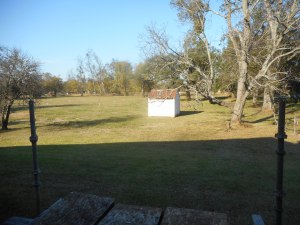
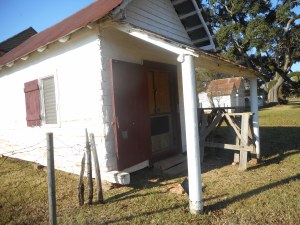
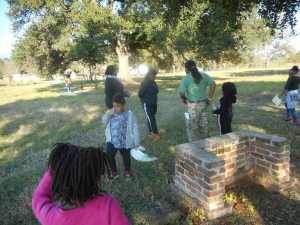
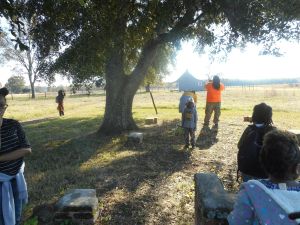
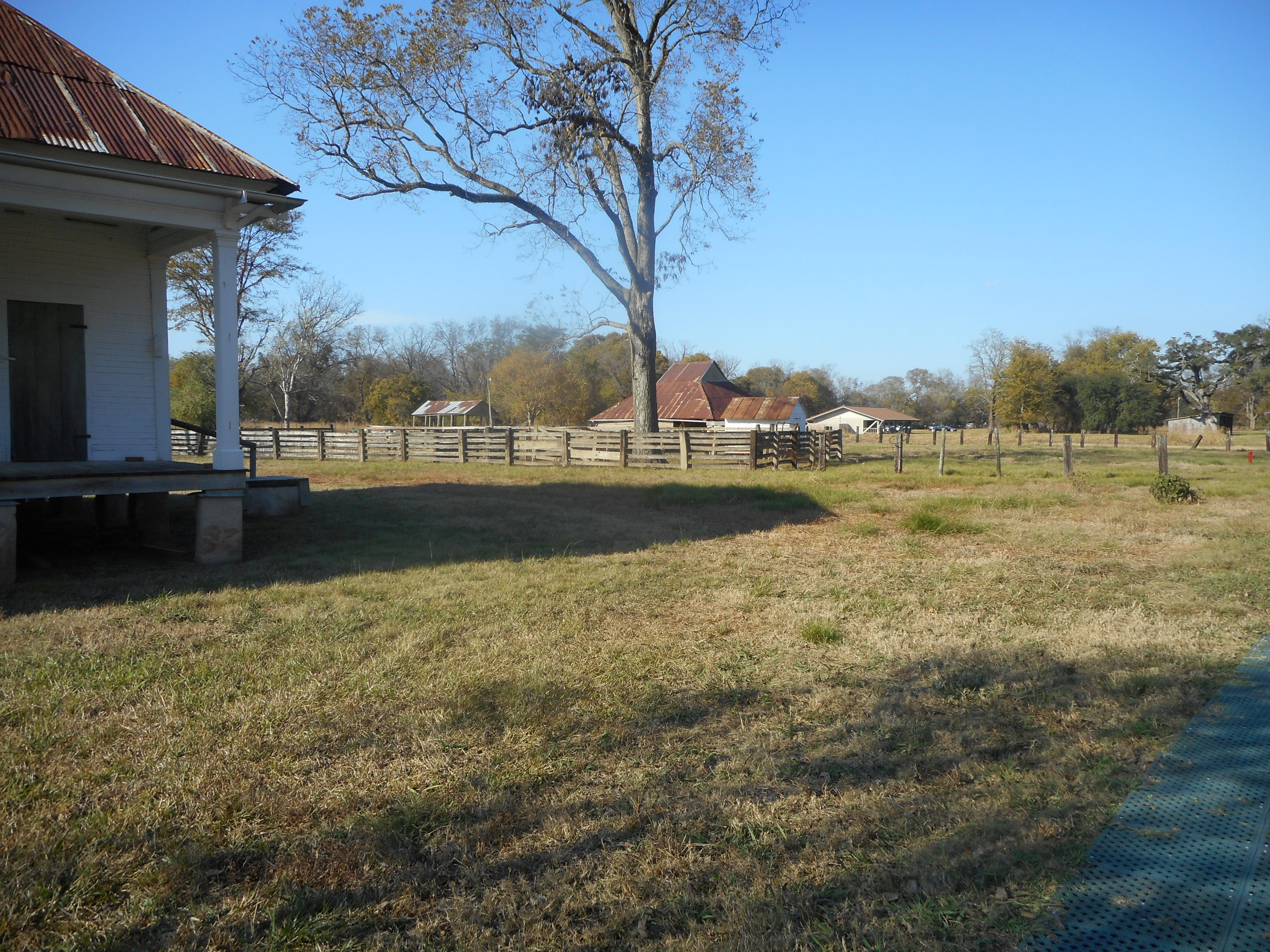
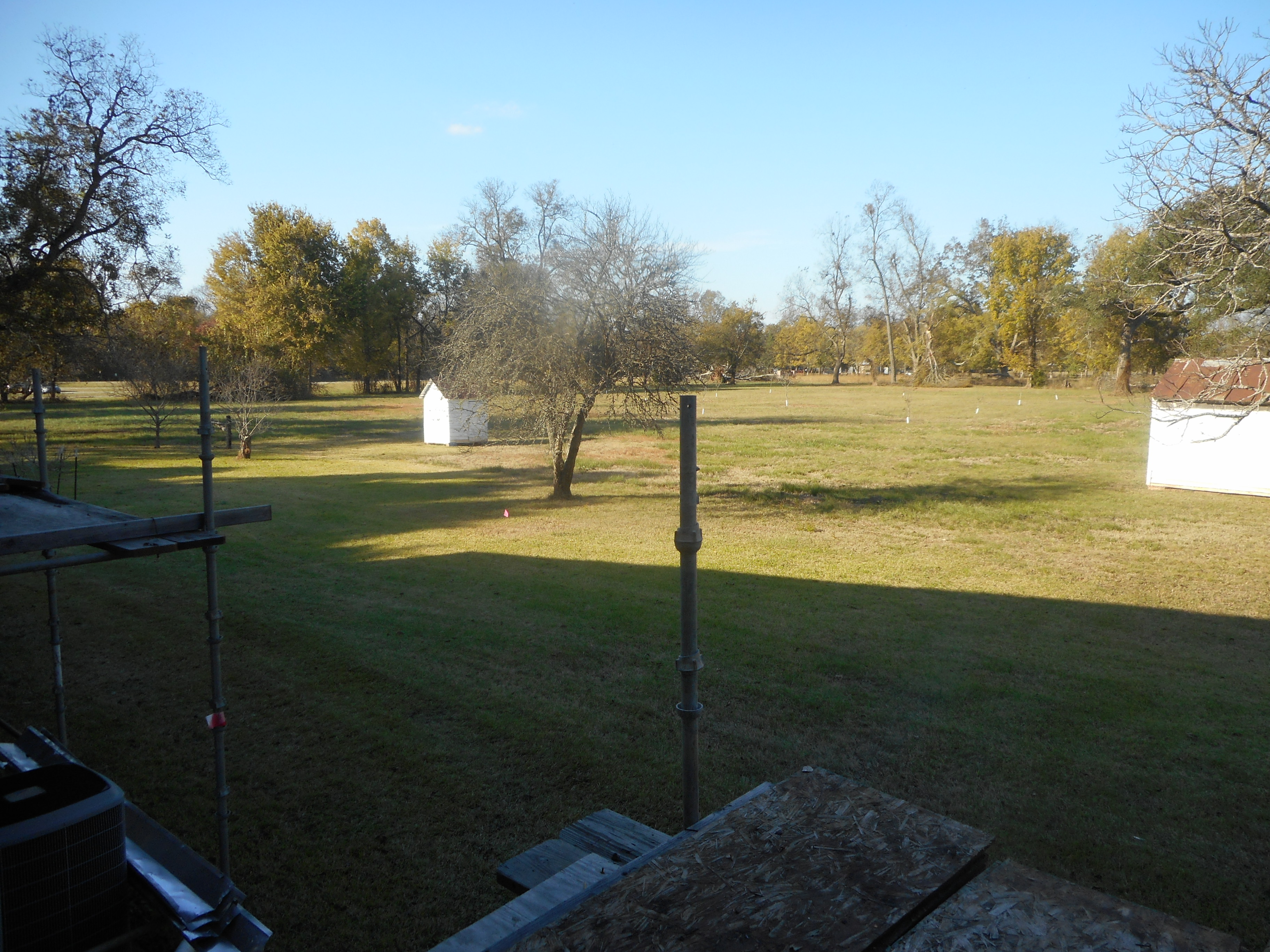
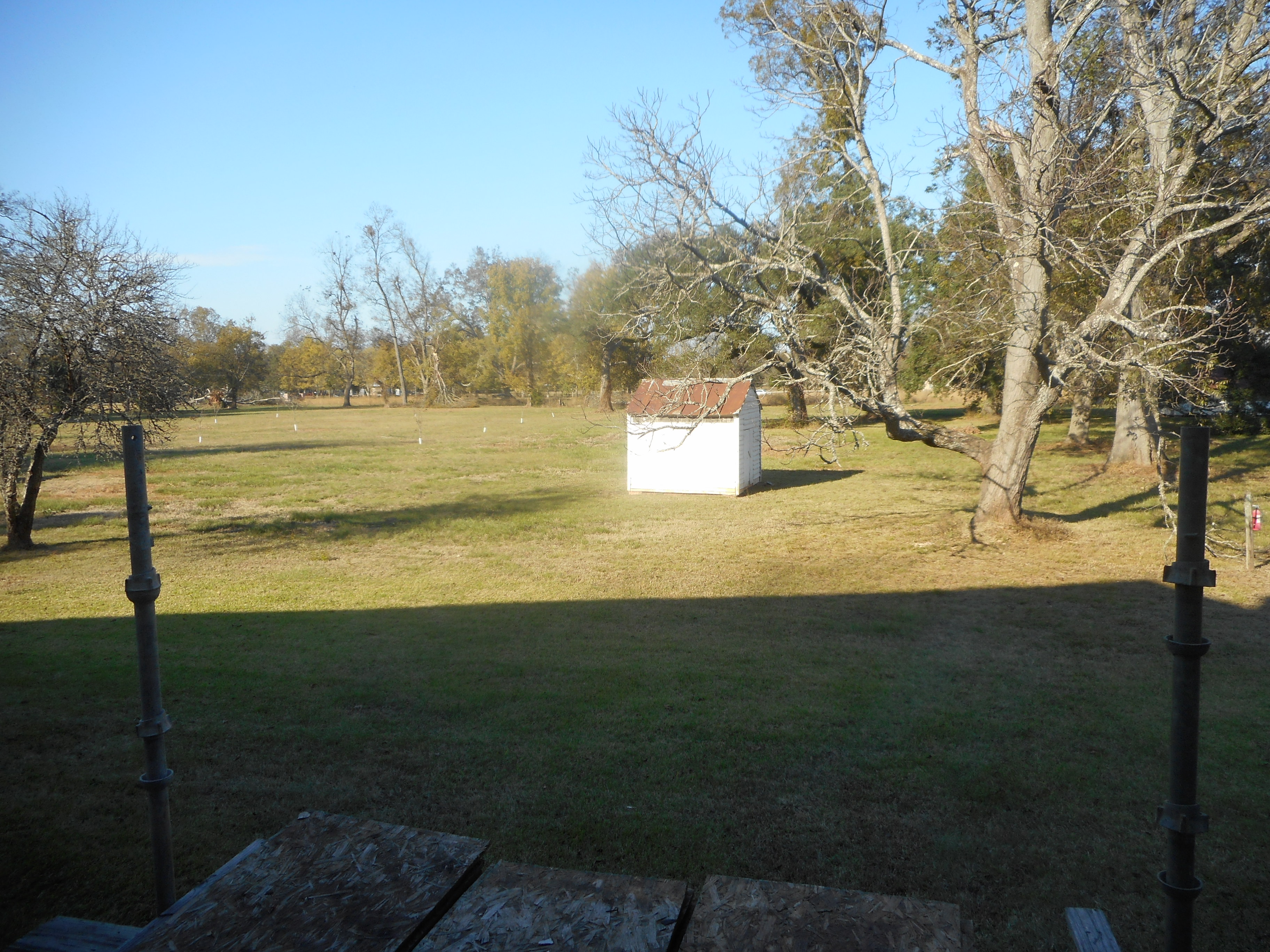
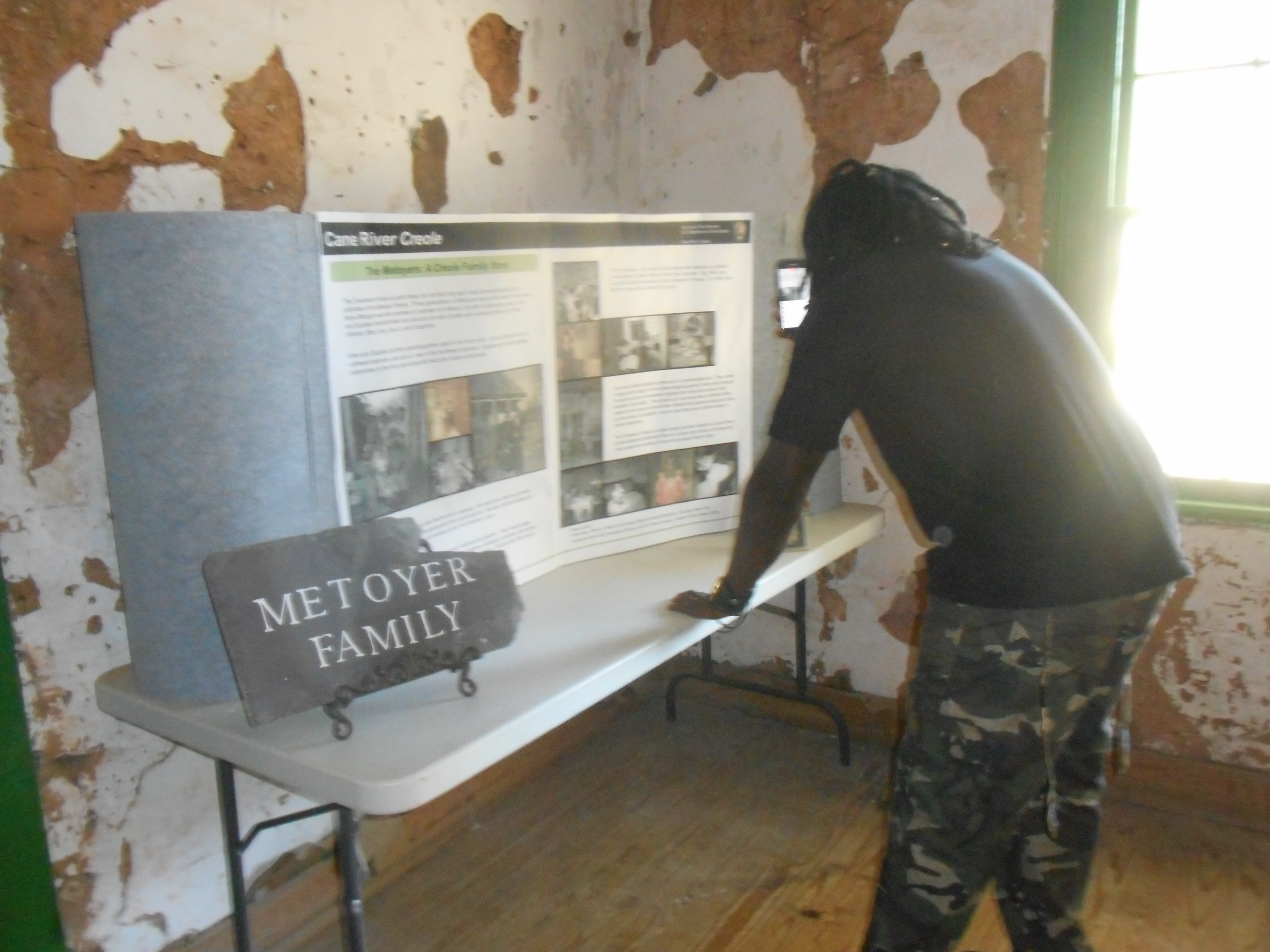
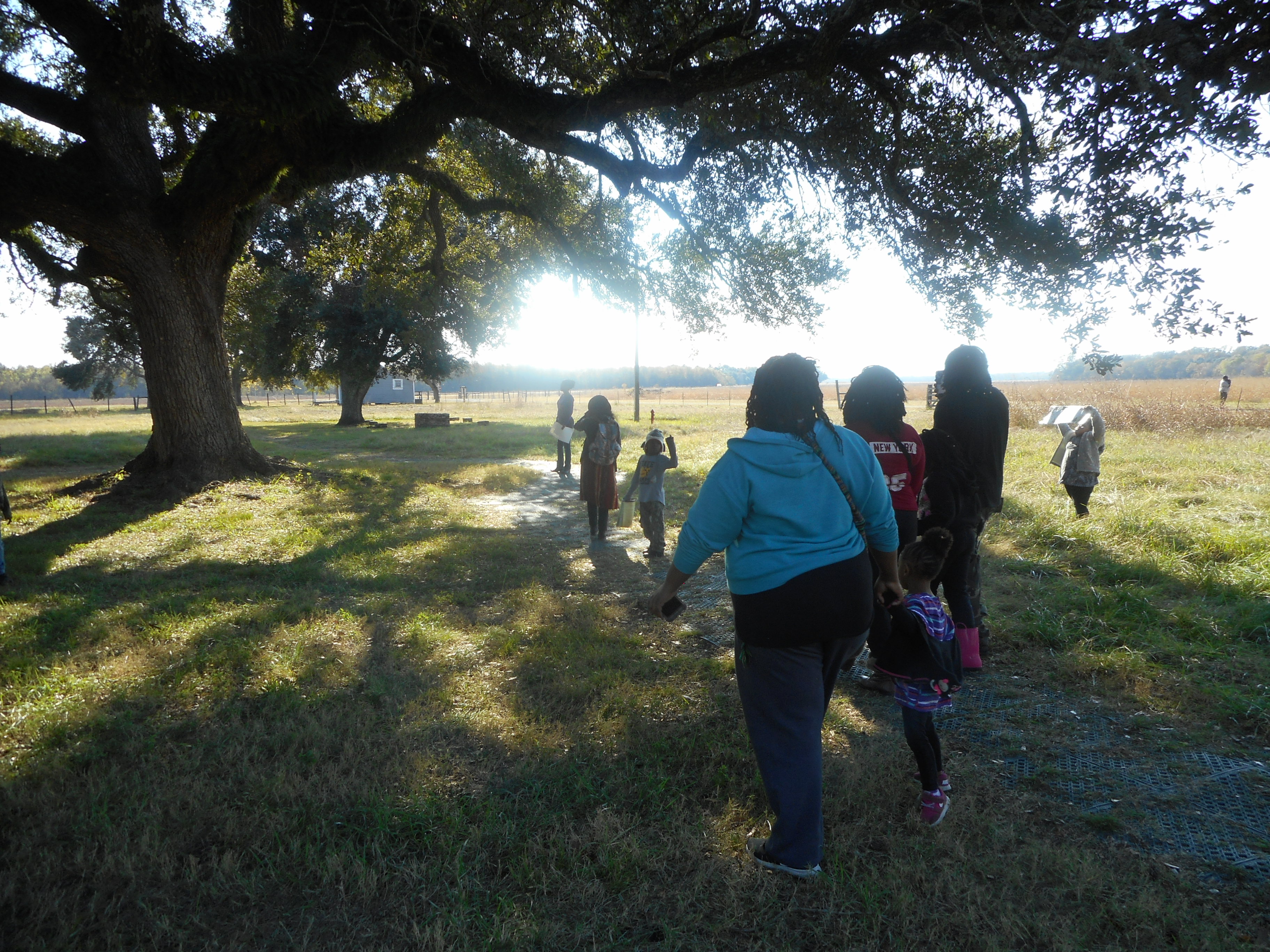
I took a week off to unplug and to spend time with my family. In addition to camping, we visited the Cane River Creole National Historical Park in Natchitoches, Louisiana.

dscn0180 dscn0184 dscn0183 dscn0182 dscn0181dscn0340

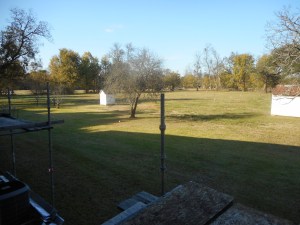
Reading and watching movies about slavery is one thing, but touring a former slave plantation is an entirely different experience. I didn’t get very emotional, but I will say for now that gratitude is my best way of describing it—appreciation for all the comforts I enjoy in my life that my ancestors paid for with their blood. As the sun lowered and we prepared to leave, I thought about what they would be doing at this time of the day. I thought about how they’d just be coming in from the fields to prepare for their nightly routines or, perhaps, still working.

dscn0267dscn0270 dscn0306 dscn0307

Originally called Bermuda, the founder of Oakland was Jean Pierre Emmanuel Prud’homme, who began farming the land in 1785 and received a Spanish land grant in 1789. The land’s first cash crops were tobacco, indigo, and cotton.
dscn0237

The Prud’hommes were the first family west of the Mississippi River to farm cotton on a large scale.

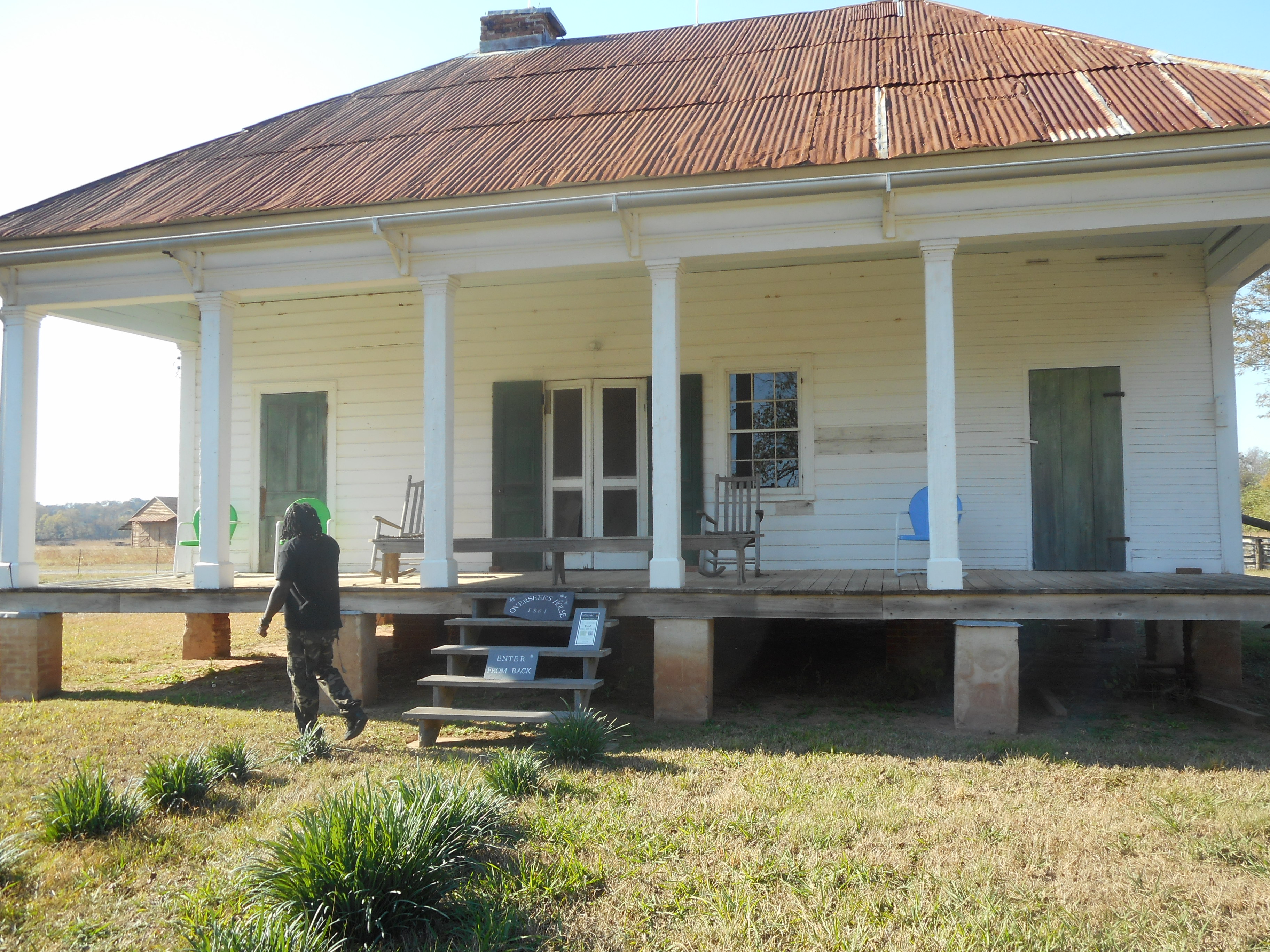
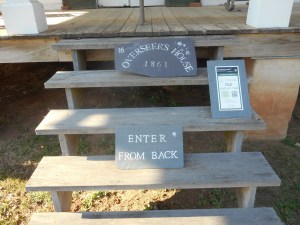
The Overseer’s House
dscn0208 dscn0209 dscn0211

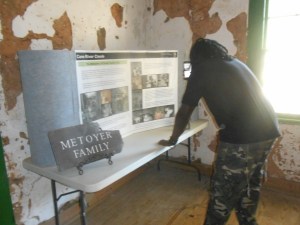
Overseers were the middlemen of the Antebellum South’s plantation hierarchy. Sometimes they were white men working for the slave owner, and other times they were enslaved men hired to rule over their brothers. The “masters” expected overseers to maintain a workforce of slaves to produce a crop. The enslaved were the overseer’s responsibility. He was to keep them working by any means necessary. In return, he got to occupy his own cabin or possibly get a bit more food. The perception was that because his job was “better,” he himself was better off, but he was still an enslaved person.
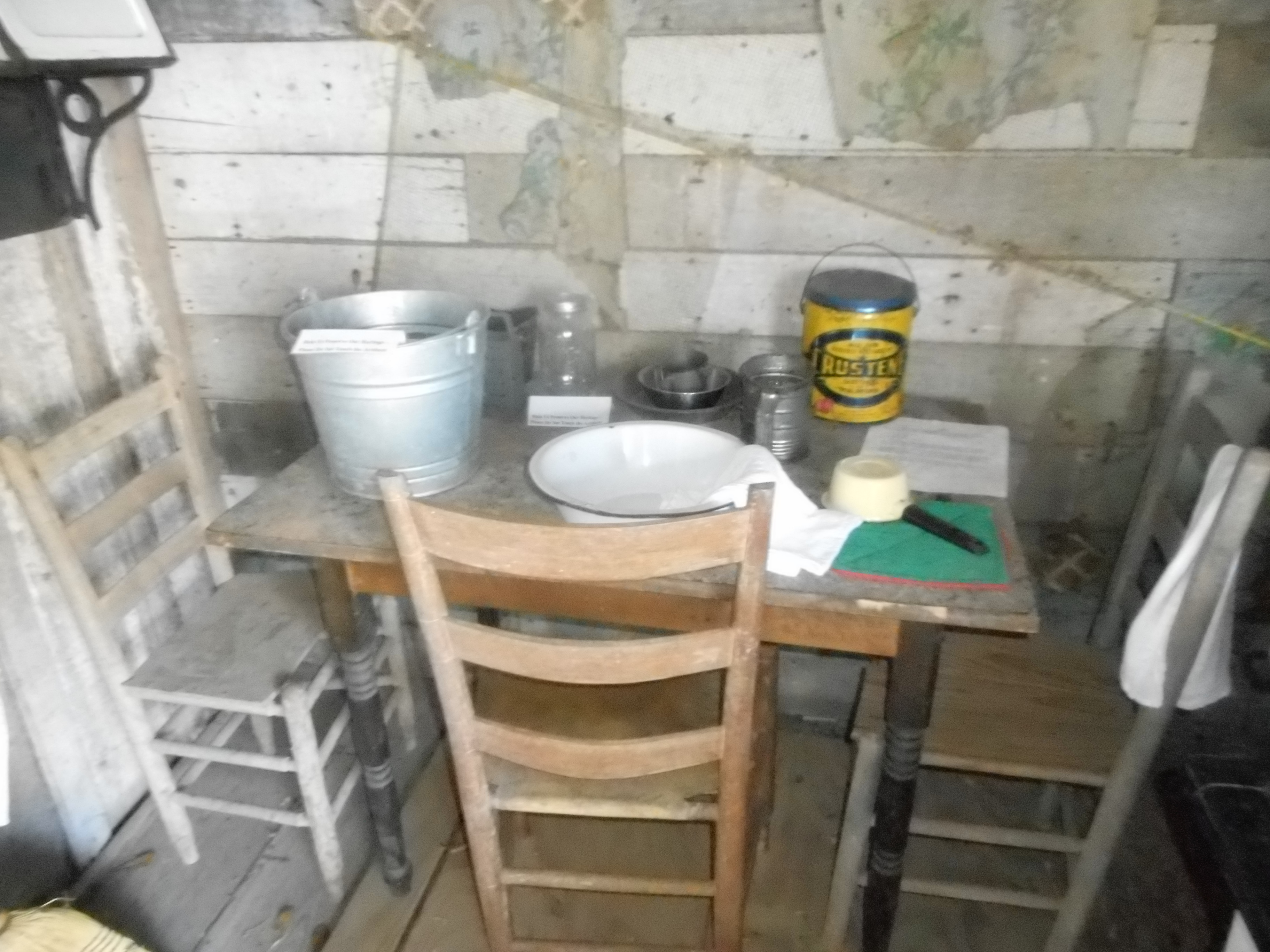
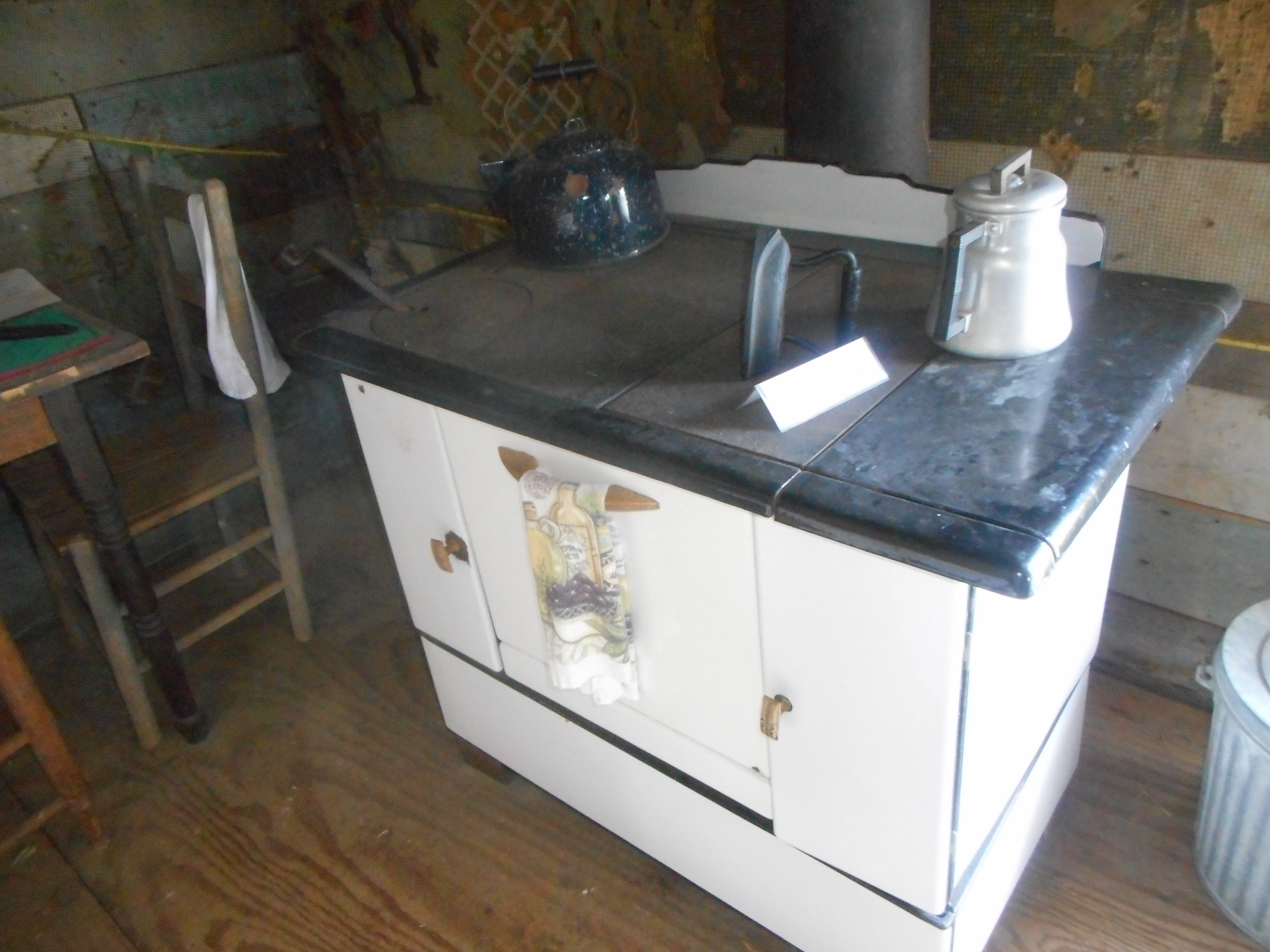
dscn0212 dscn0213 dscn0215 dscn0222dscn0221

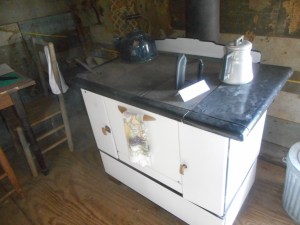
Close Up: Check Out this Old School Stove!

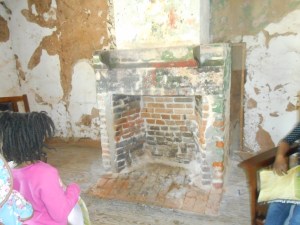
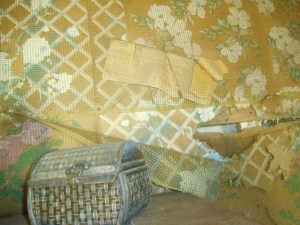
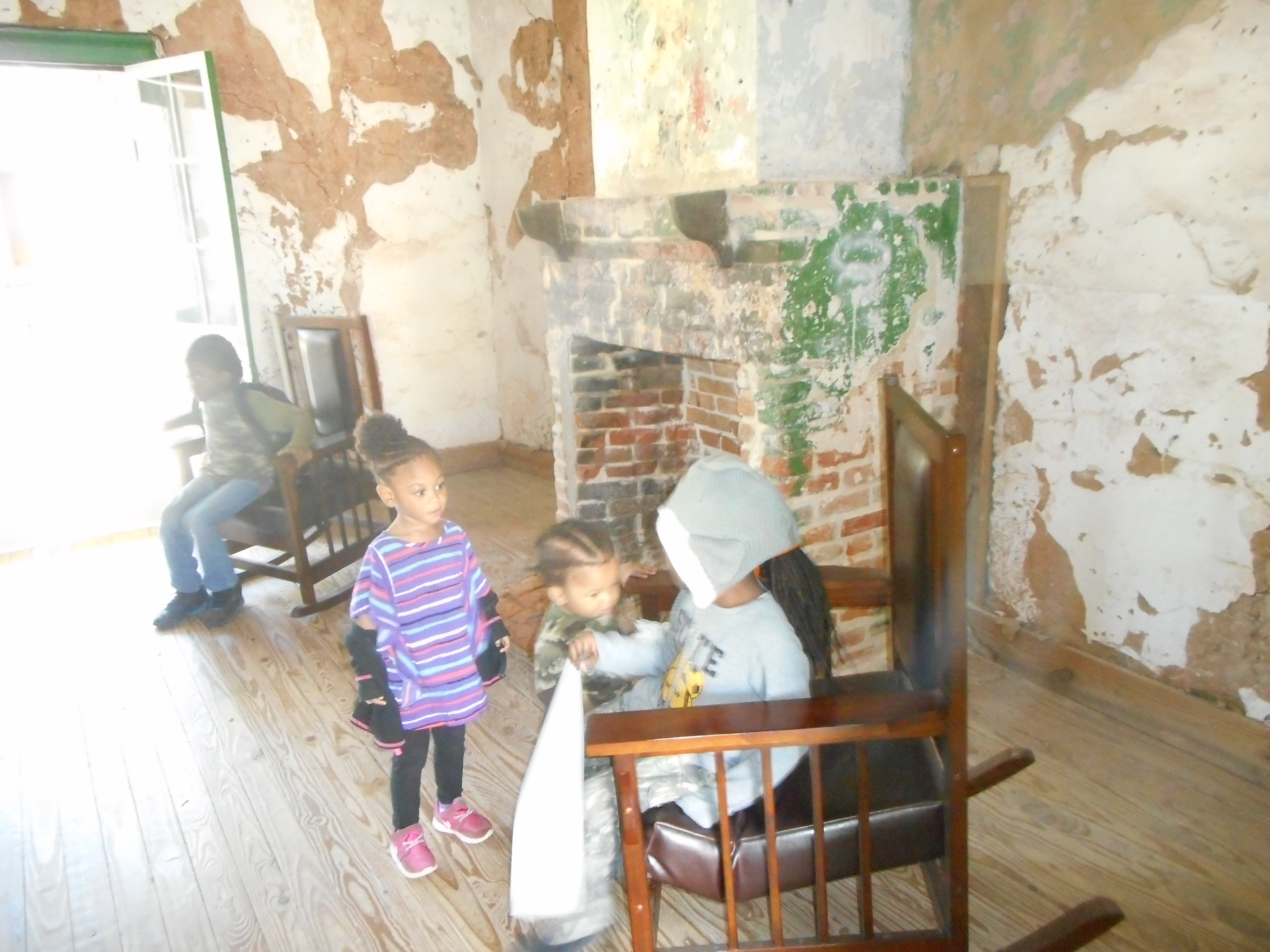
I also noticed the mud and straw still preserved from the original building of the house.

dscn0220

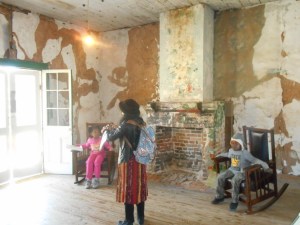
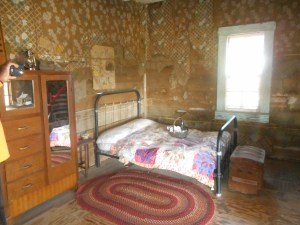
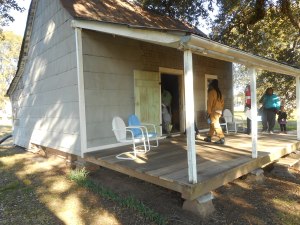
Slave Quarters turned Home of Sharecroppers

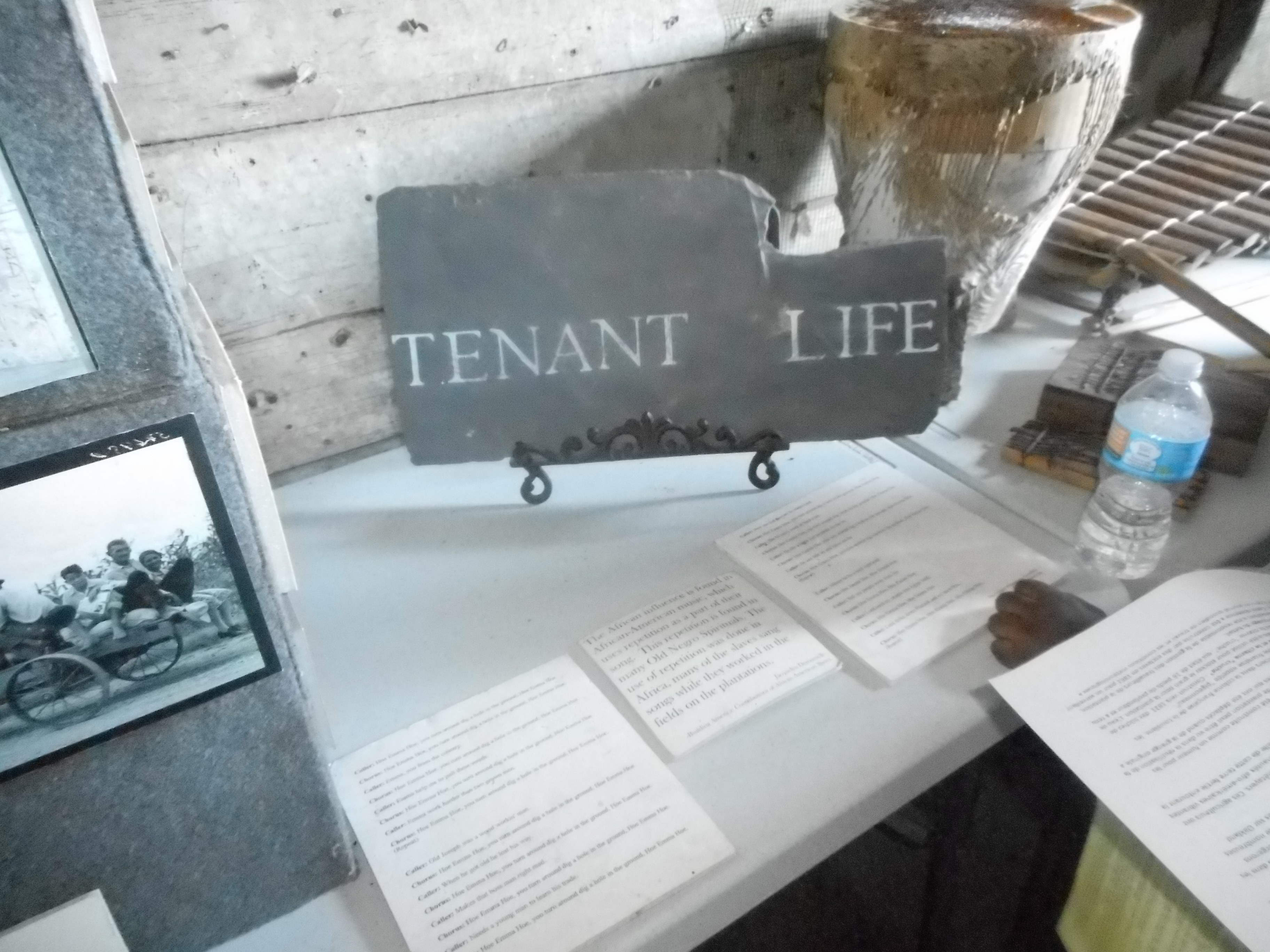
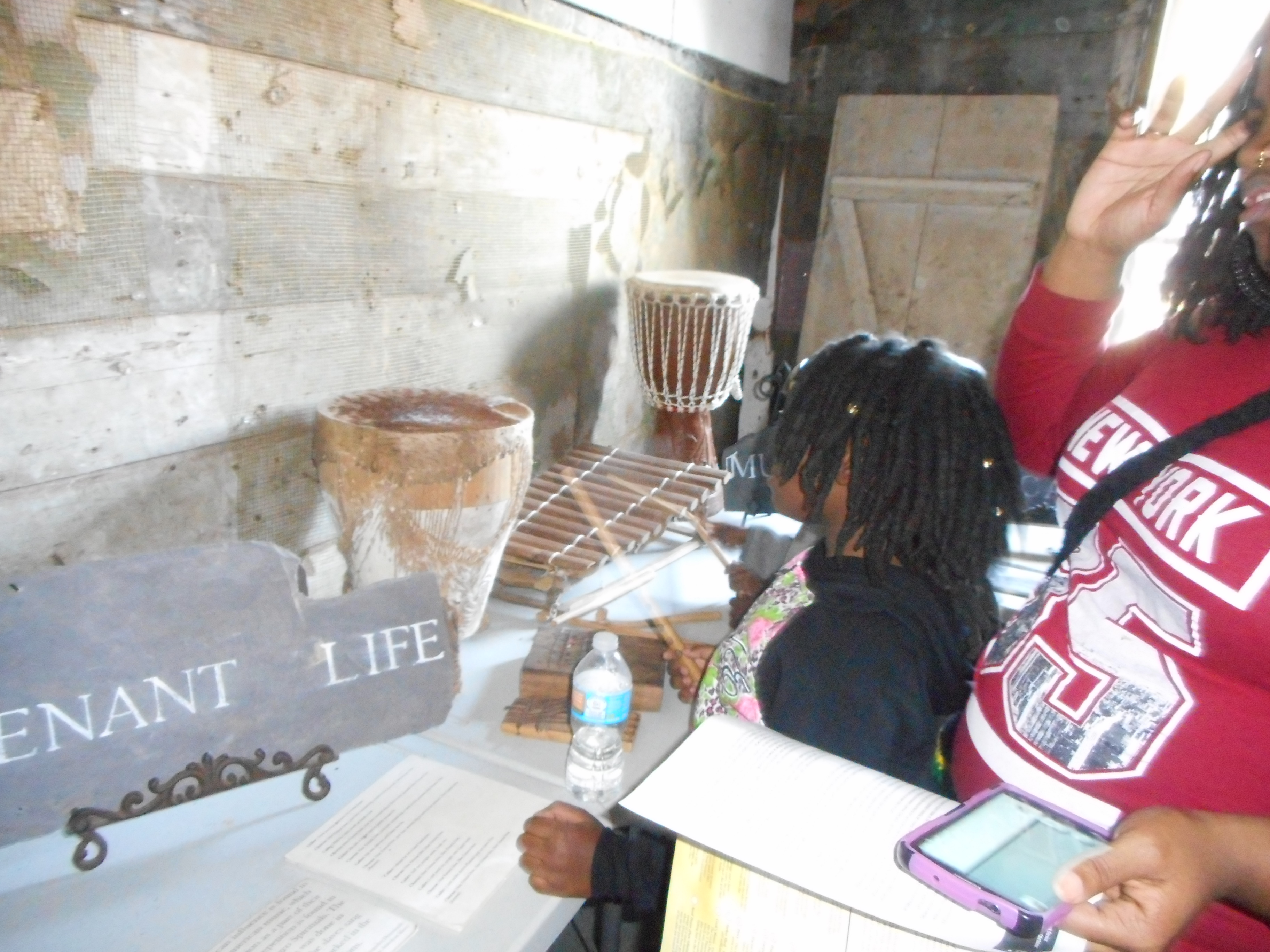
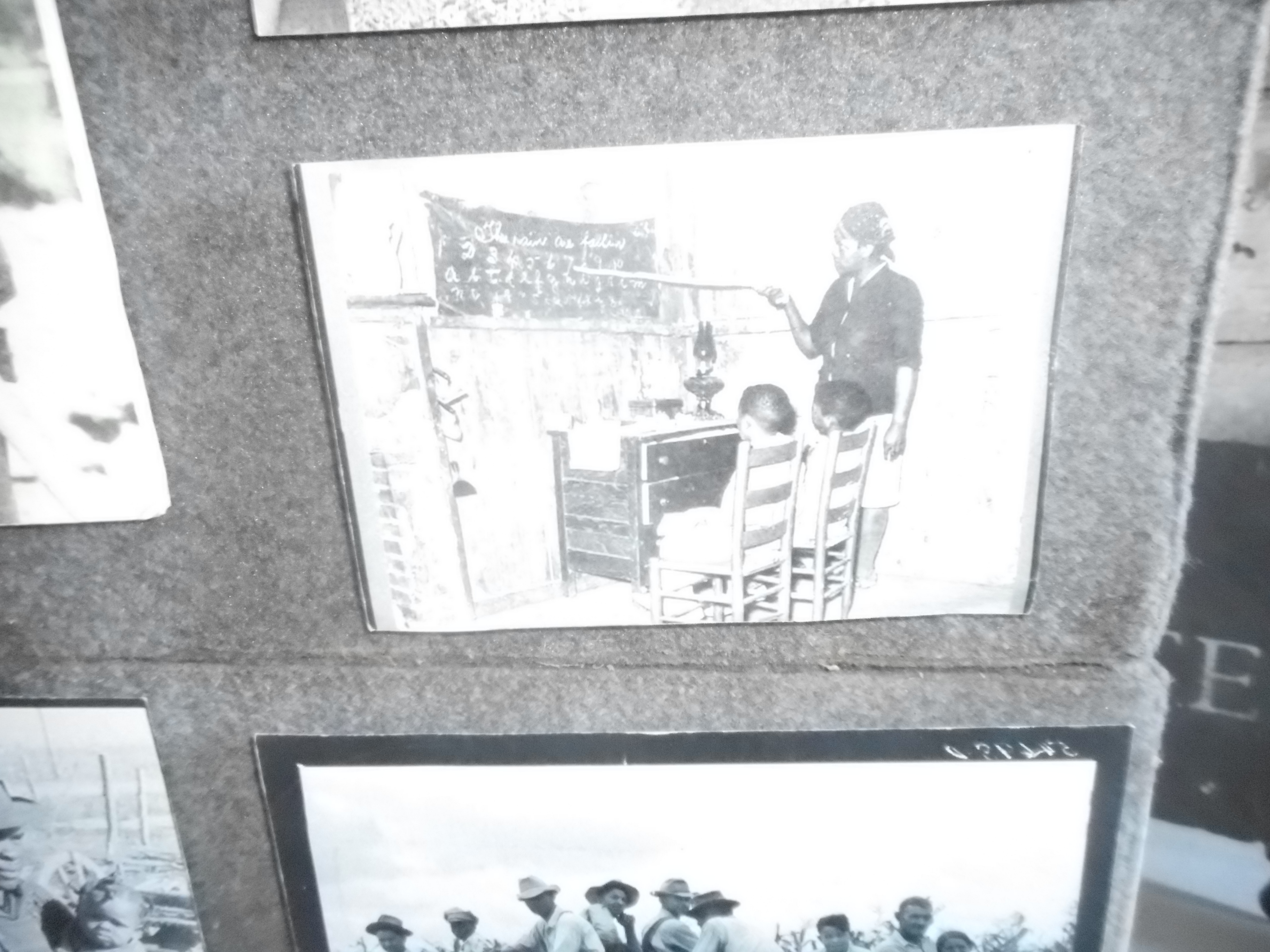
After the Civil War, sharecropper and tenant farmers continued to live on the land up until the 1970s. They worked twelve hours a day, six days a week.
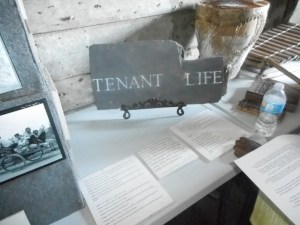
dscn0235 dscn0239 dscn0240 dscn0241 dscn0242 dscn0243 dscn0244 dscn0245 dscn0251 dscn0252 dscn0253 dscn0255 dscn0259 dscn0260 dscn0261 dscn0262

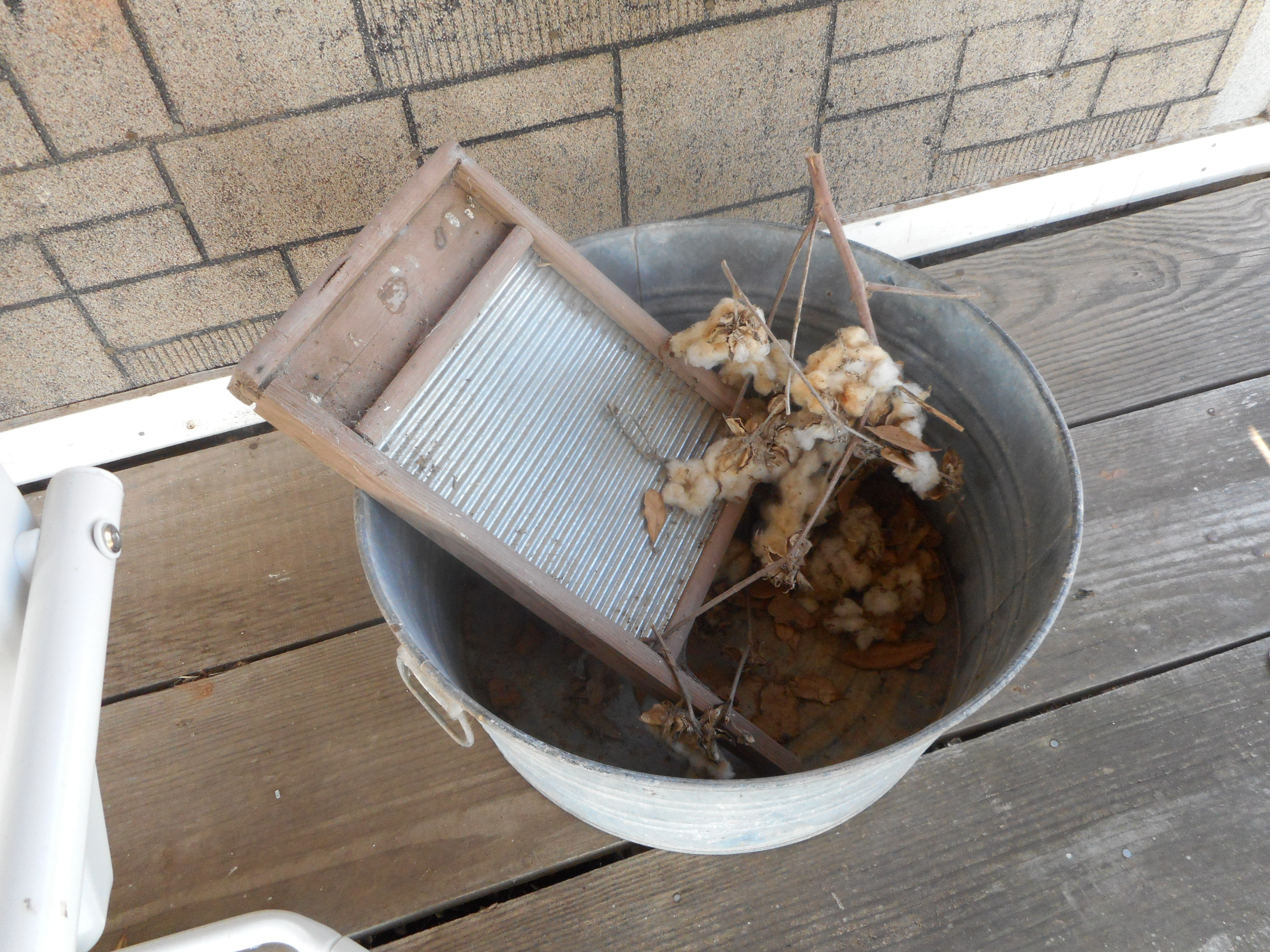
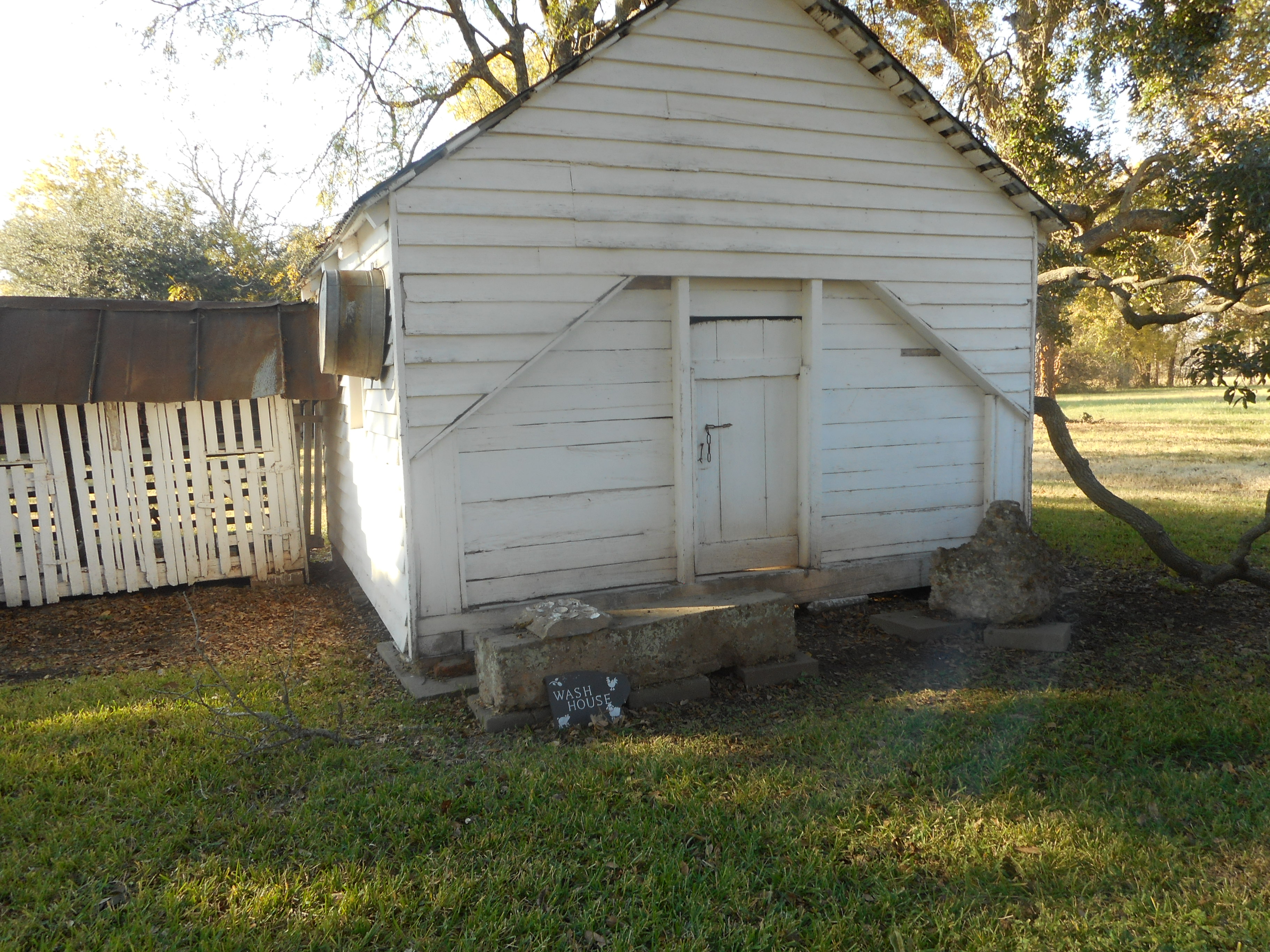
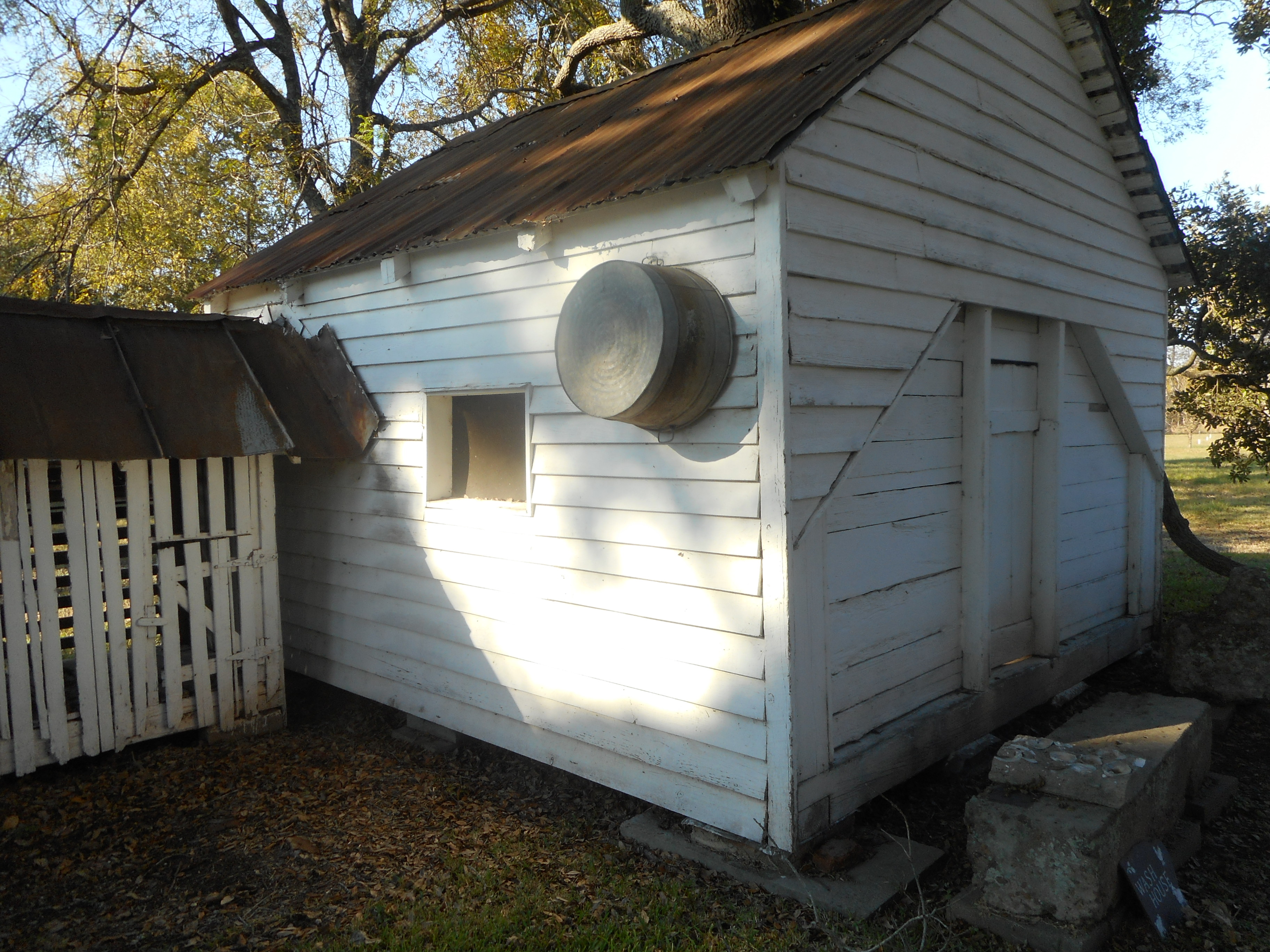
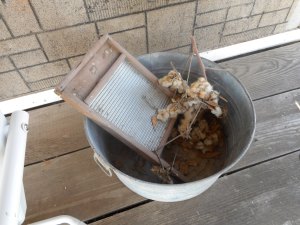
Wash House

Martha Ann, an enslaved Laundress, worked in this wash house in the 1850s. In the 1940s, her descendant, Martha Helaire, earned $4 an hour working here as a Laundress. All we have to do is walk a few steps to the washer and dryer.

dscn0319 dscn0321

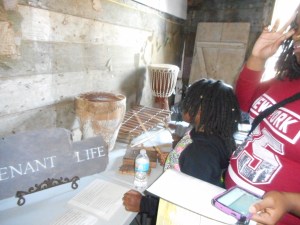
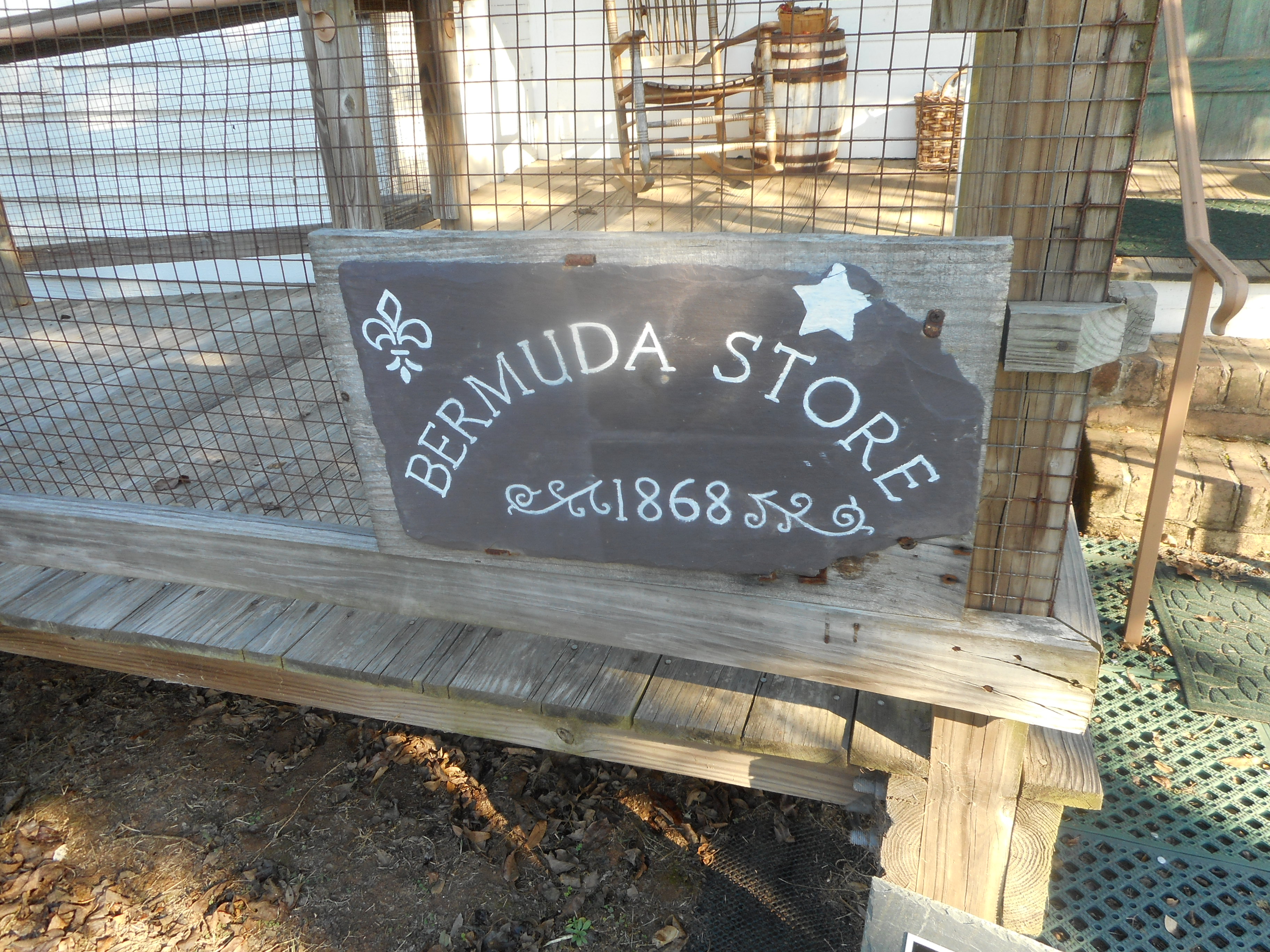
Bemuda Store

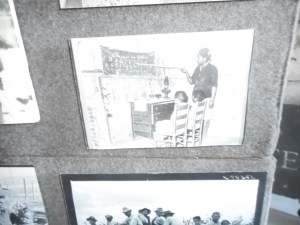
Opened after The Civil War, sharecroppers and tenant farmers continued buying their supplies from family and farming from this store until 1983.

1983?!

The Prud’homme family owned and operated the store. They also ran the Post Office located inside.

dscn0285 dscn0286

Carpenter Shop

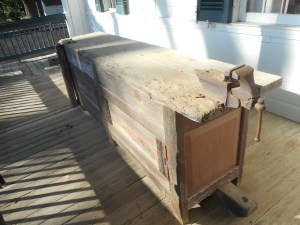
Slaves built and repaired plantation structures from this workplace.

dscn0277 dscn0278

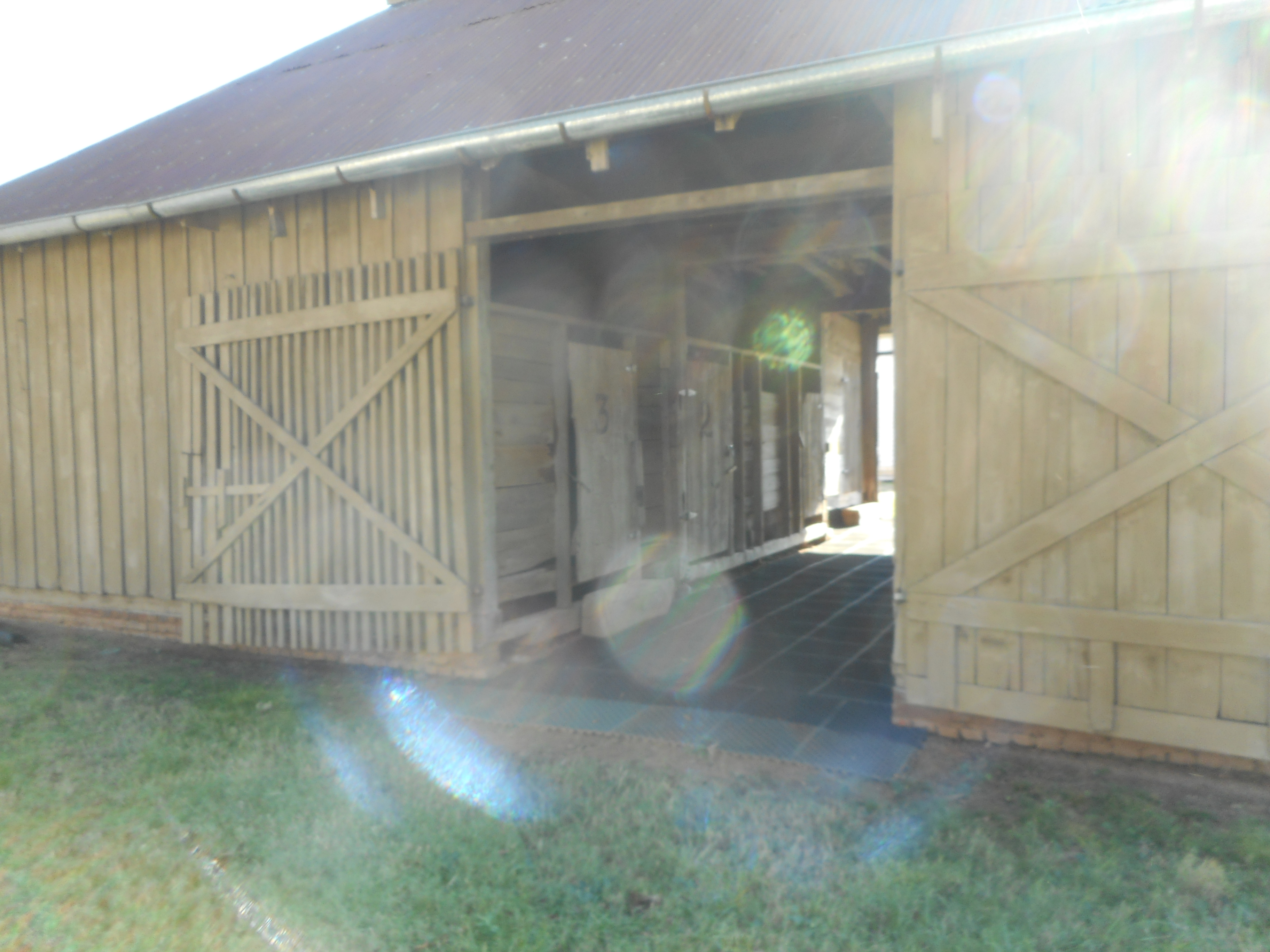
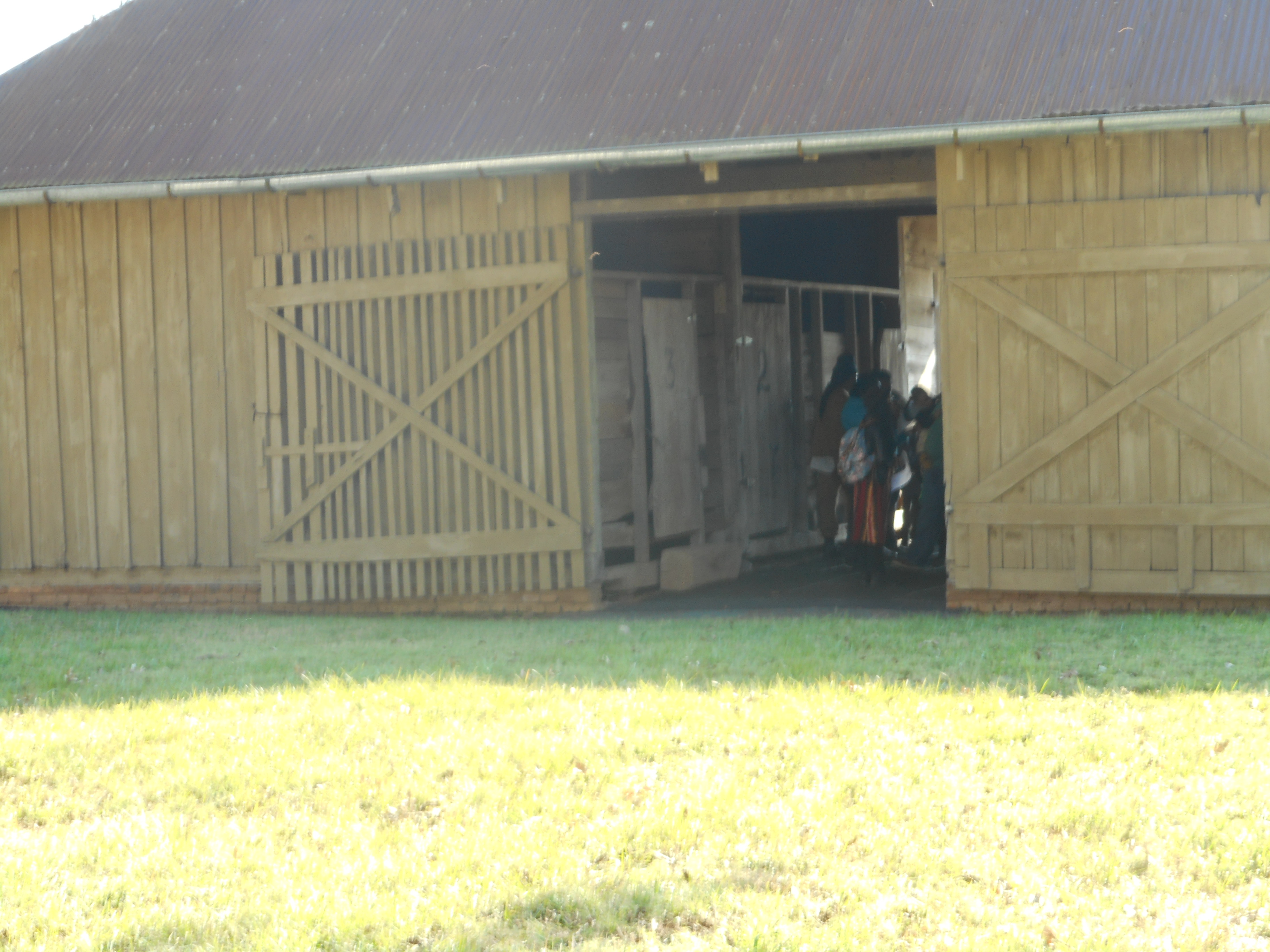
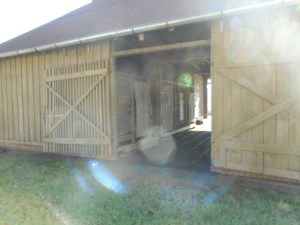
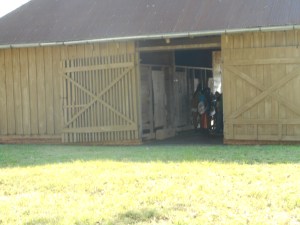
Mule Barn

Smokehouse turned mule barn. Built by the enslaved, the plantation reused the smokehouse to accommodate the mules when the original mule barn burned down.
dscn0186 dscn0190

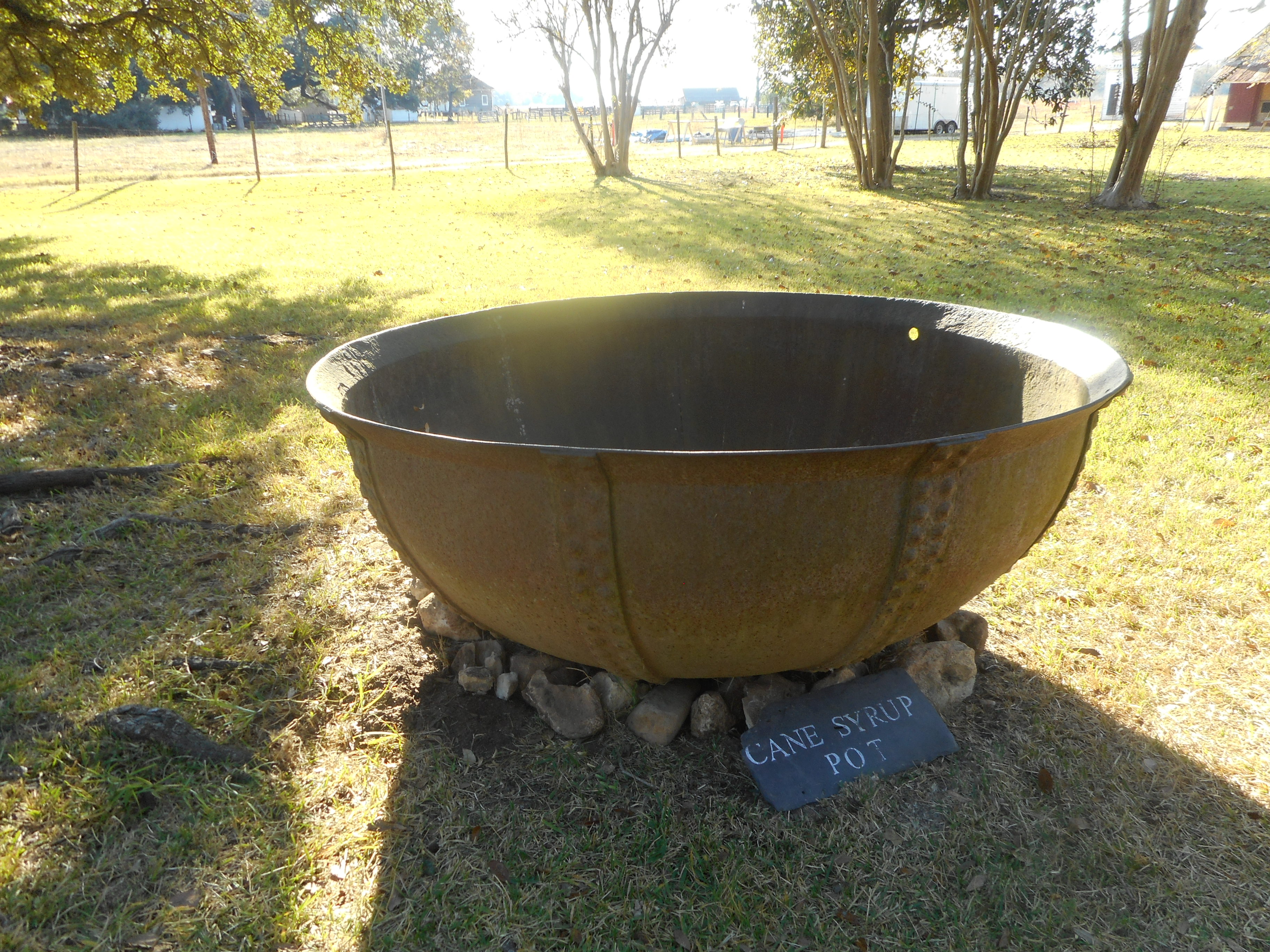
Cane Syrup Pot

Used to make cane syrup.

On some plantations, they used these pots to punish the enslaved and to boil them alive (as depicted in the movie “Mandingo.” CLICK HERE to see the clip.)

dscn0291

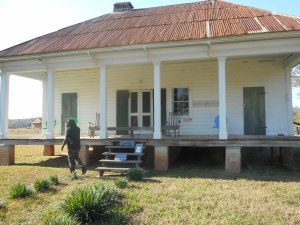
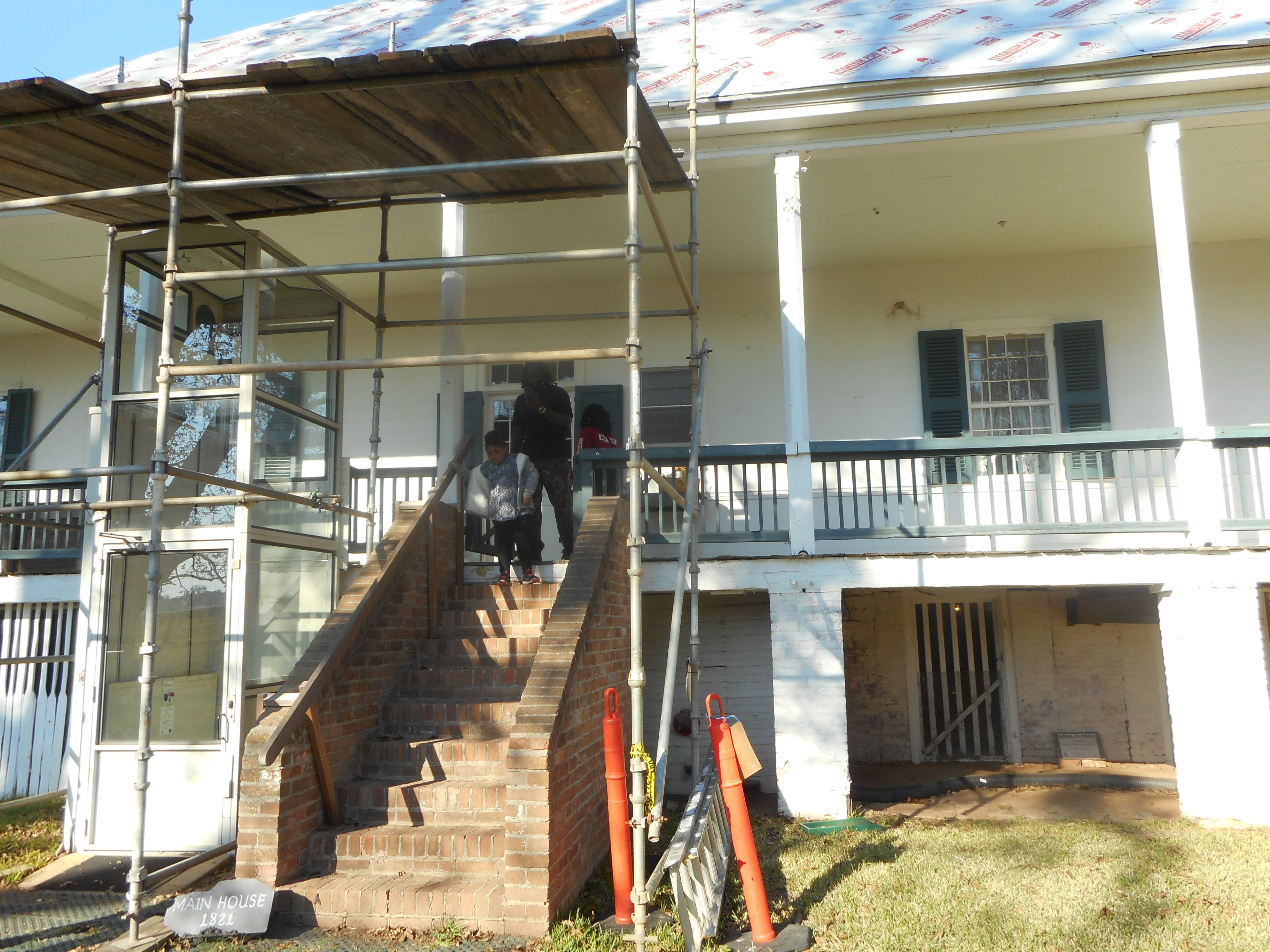
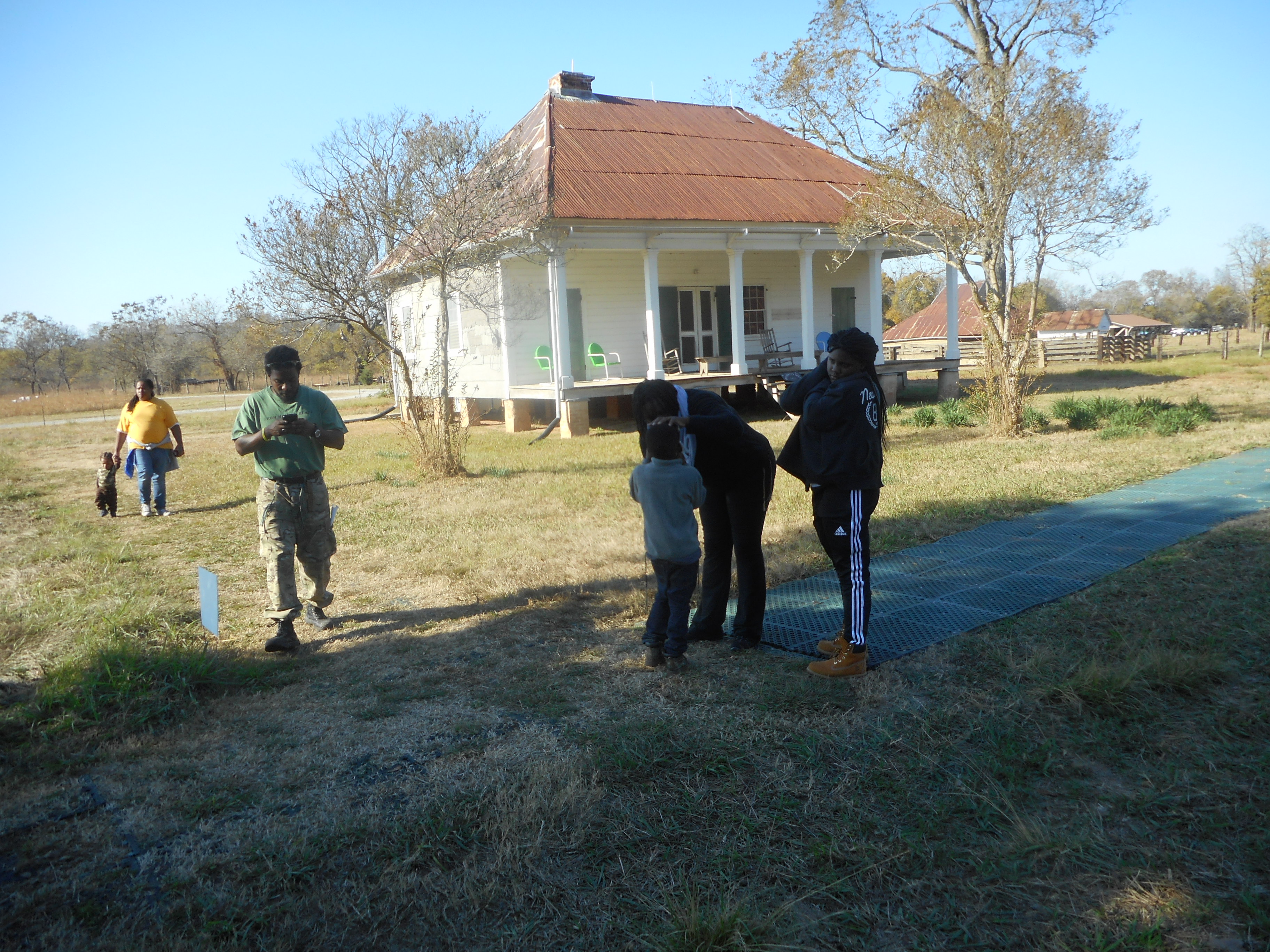
The Big House

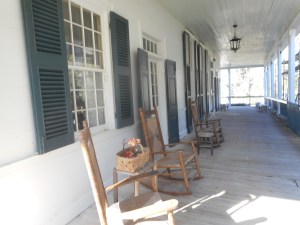
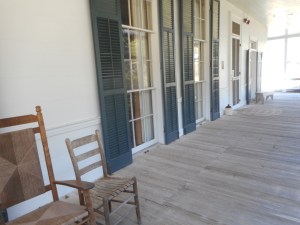
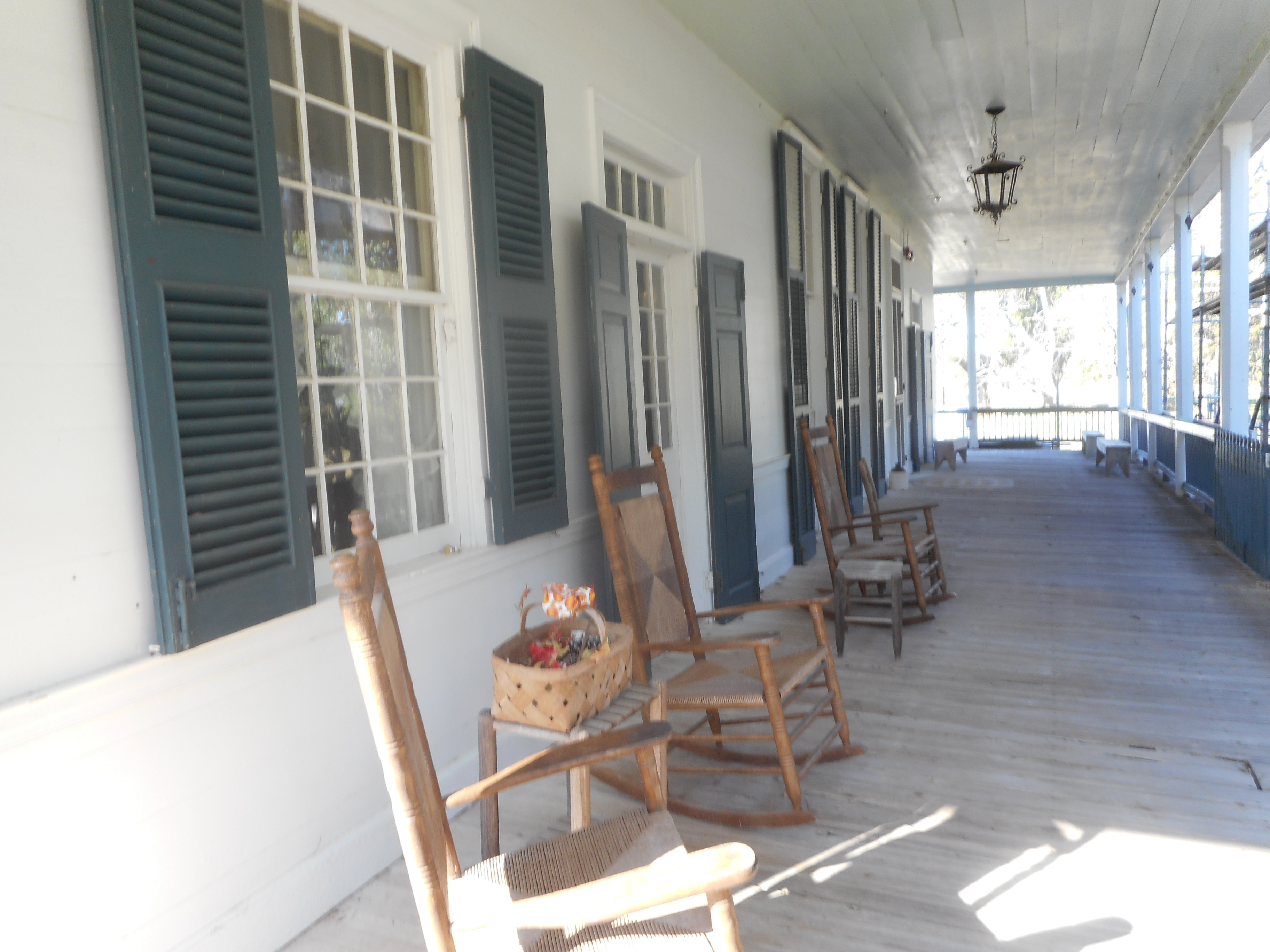
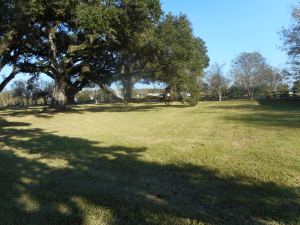
This is the porch and perimeter of “The Big House.” We could tour everywhere except for this house. We were not allowed inside, and they did not give us a reason why.

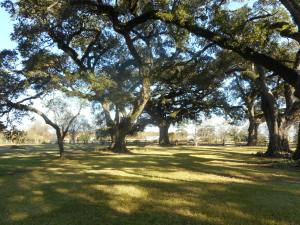
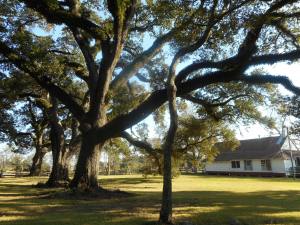
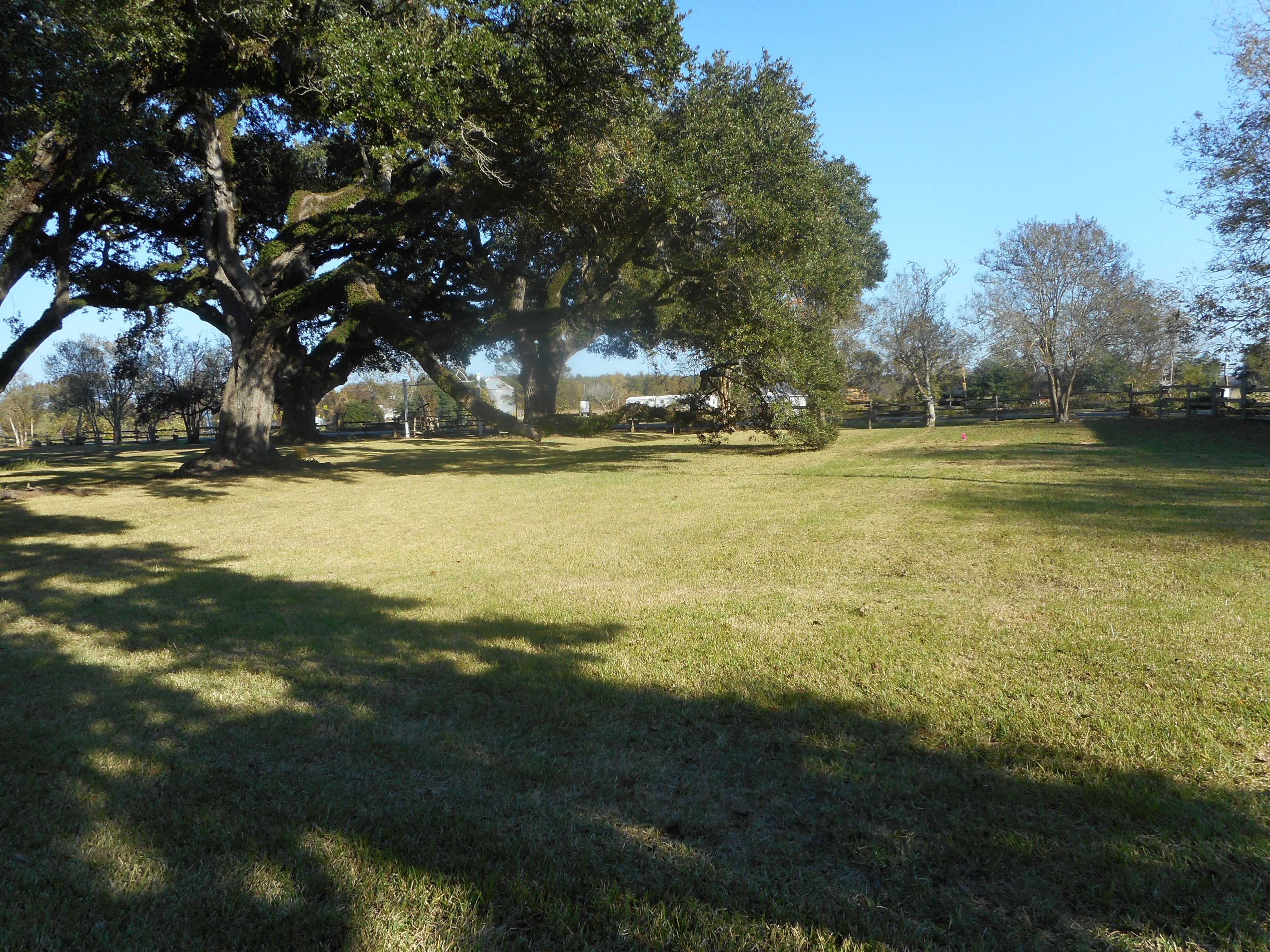
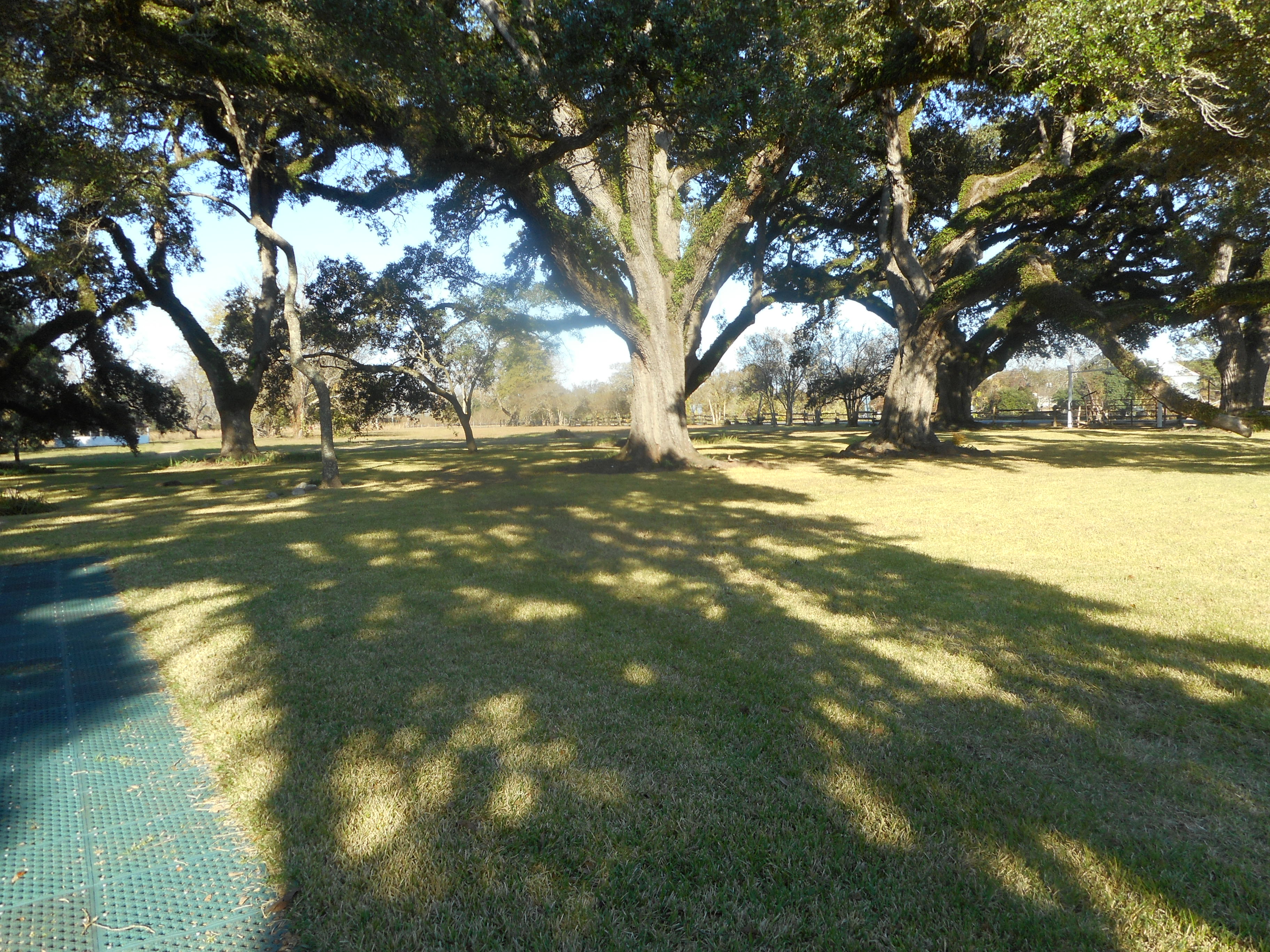
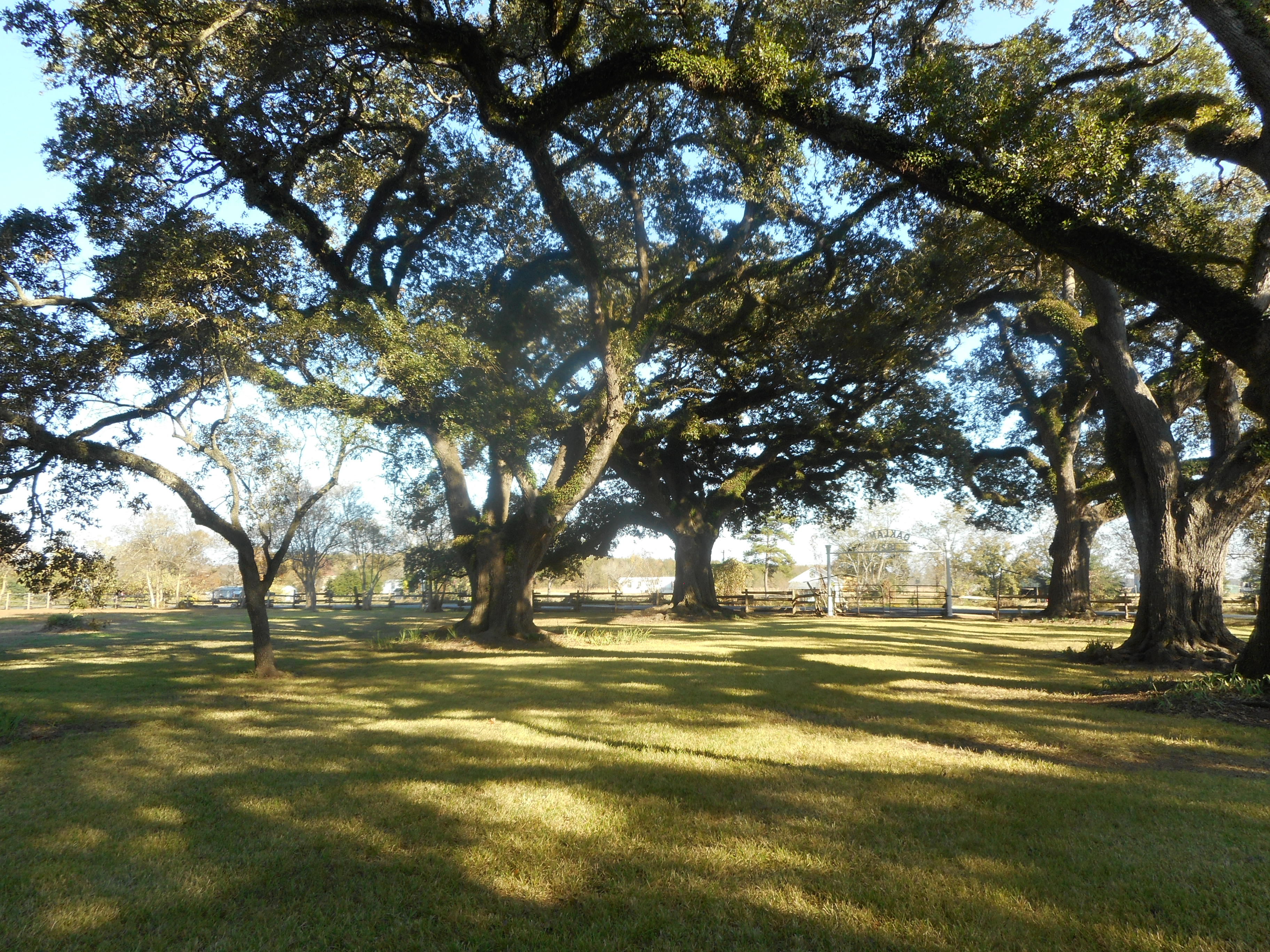
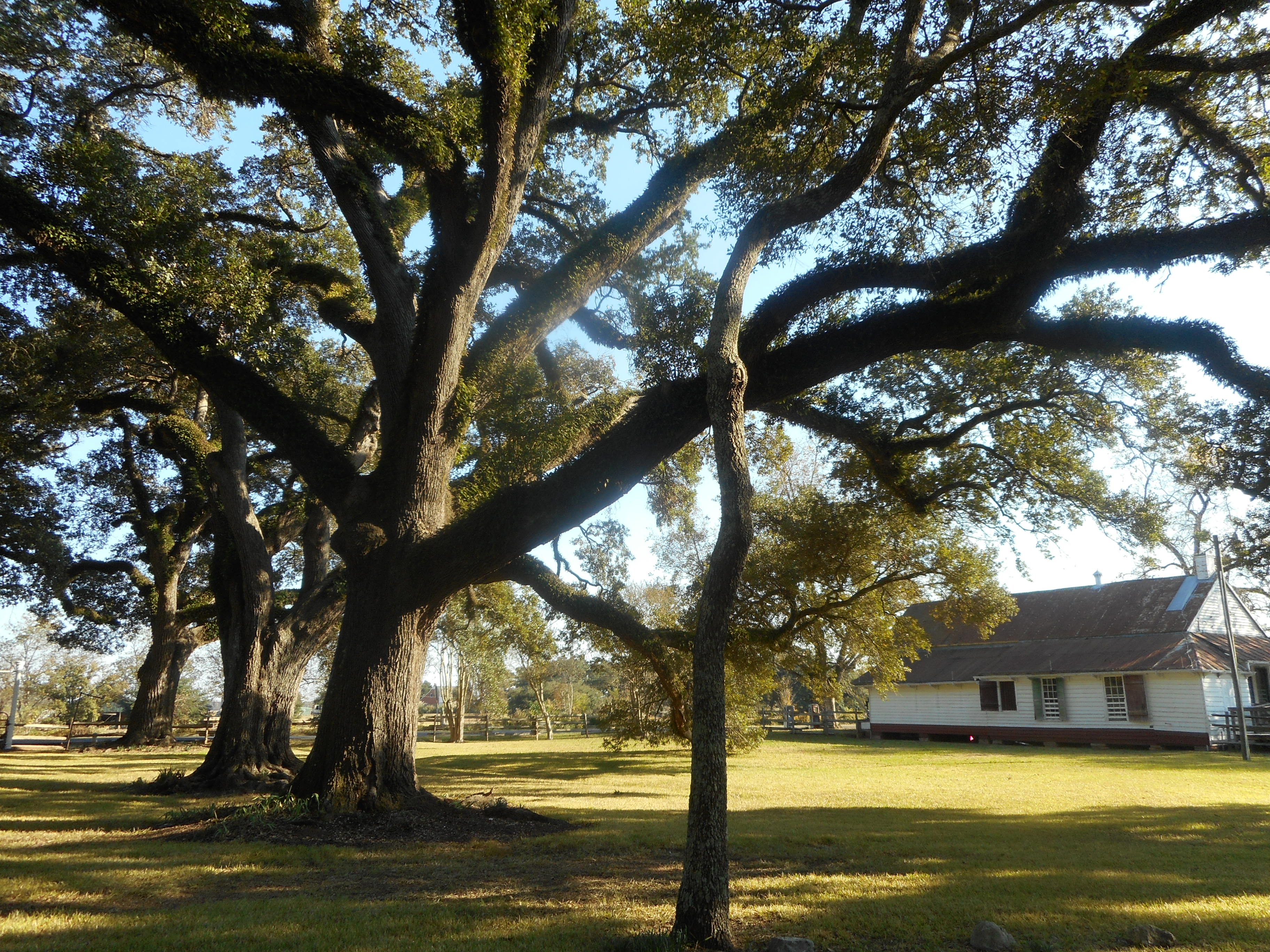
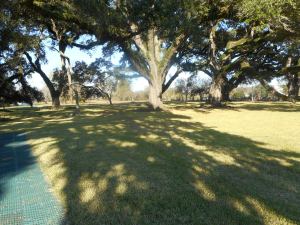
It was overwhelming to look at the trees whose thick branches bowed low. Shading the big house, cooling it from the Louisiana sun, and sheltering it from the River breeze, these trees lined the walkway to the entrance of the gate and were planted in 1825.
dscn0287 dscn0288 dscn0294 dscn0295 dscn0296 dscn0298 dscn0299 dscn0300 dscn0301 dscn0303 dscn0304 dscn0308

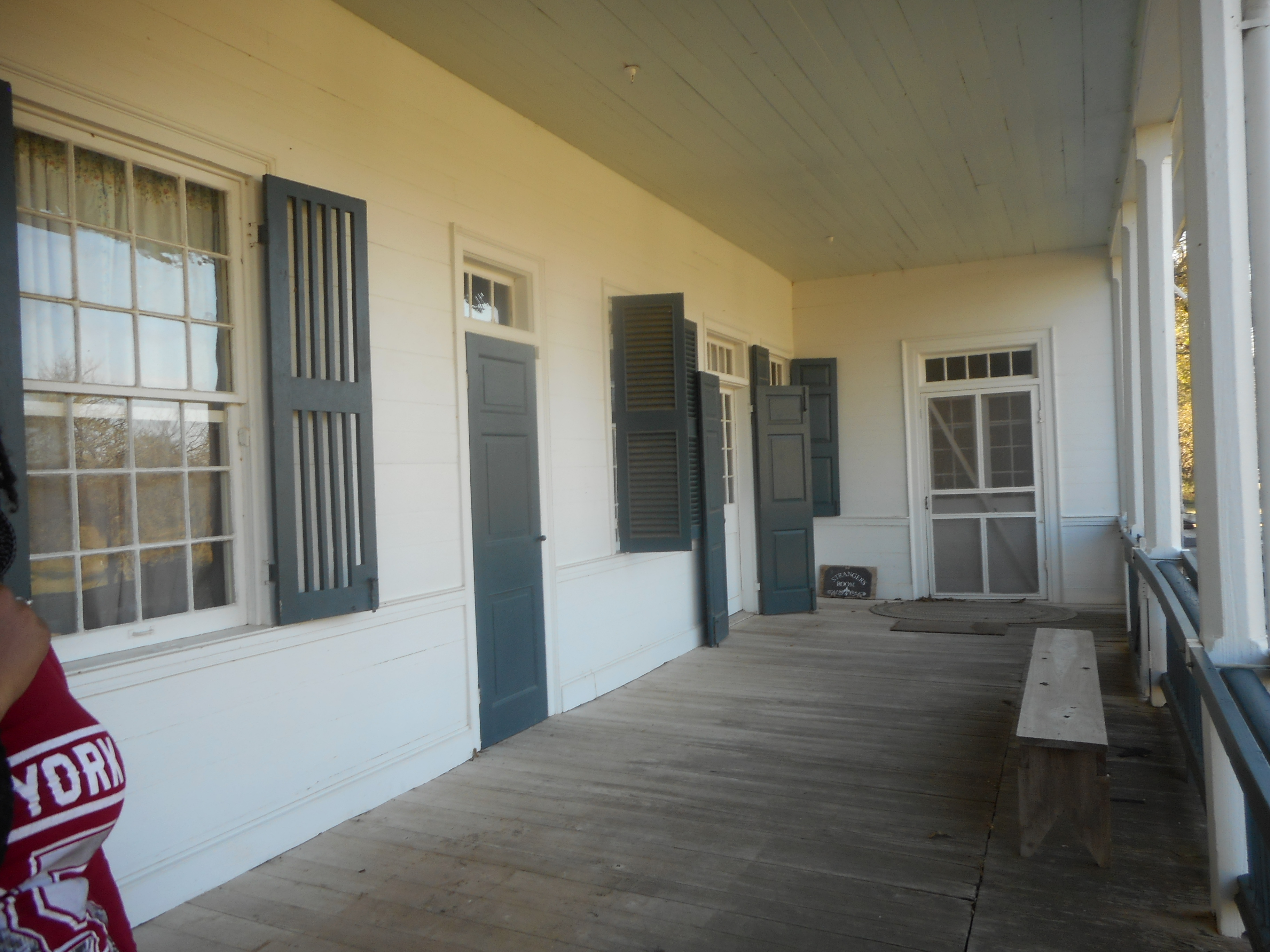
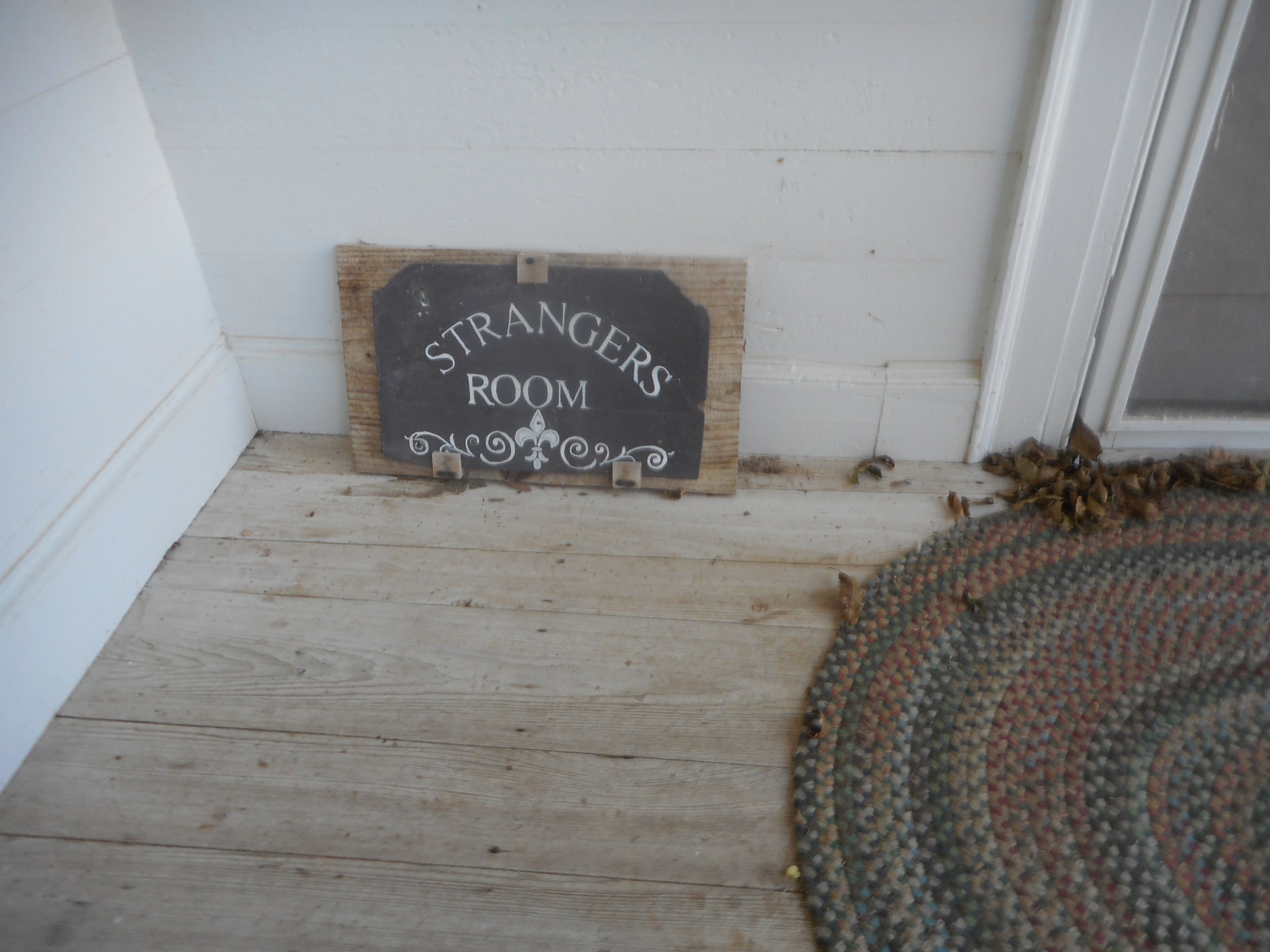
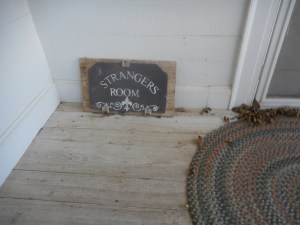
Strangers Room

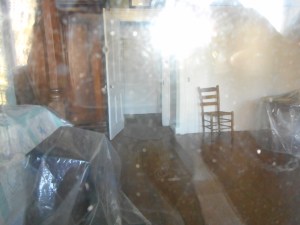
I don’t know what a stranger’s room is (guest room?), but it’s a room in the big house. I tried to take pics of the inside from the window. It looks like the original furniture is still preserved.
dscn0309 dscn0310

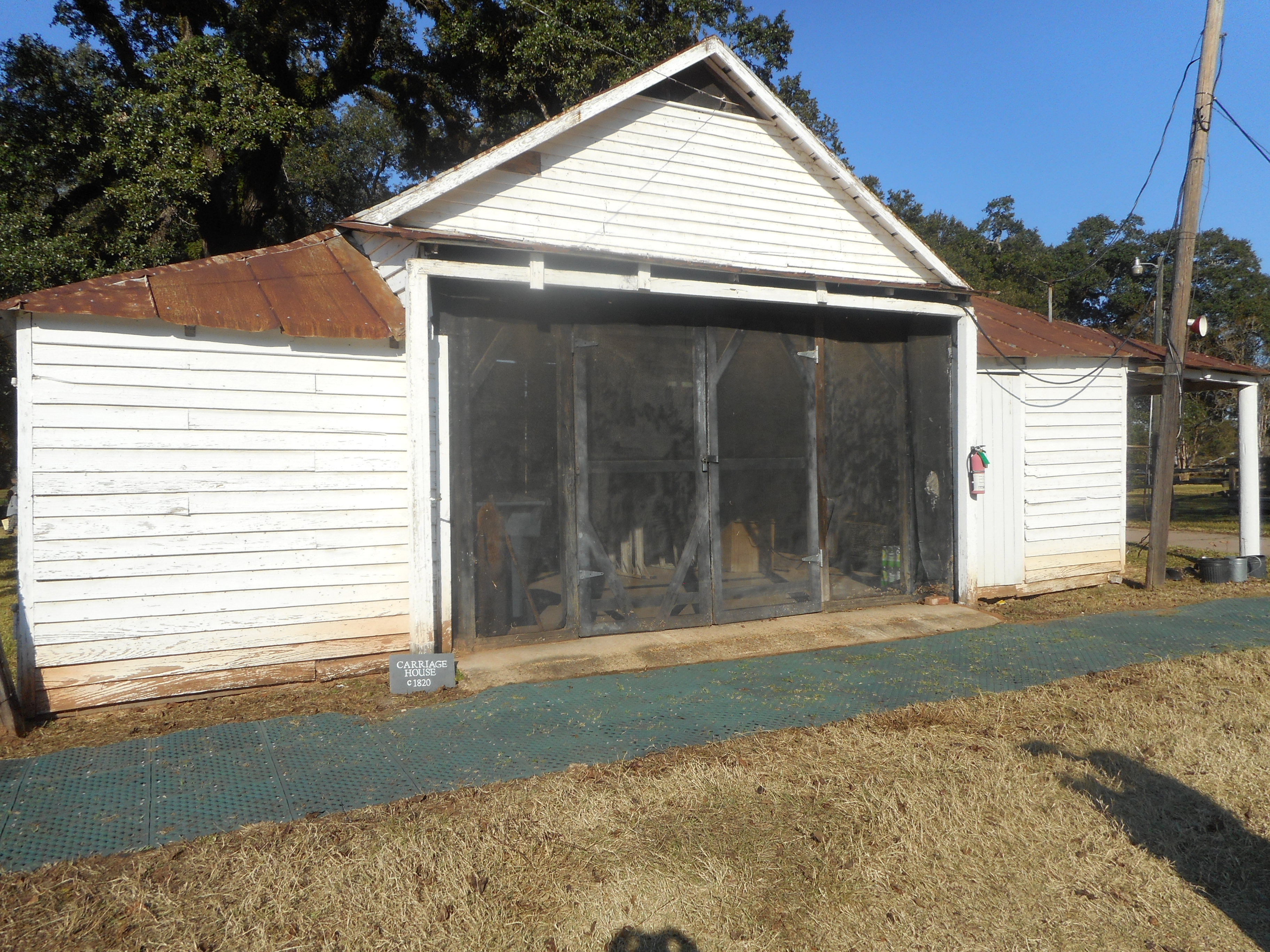
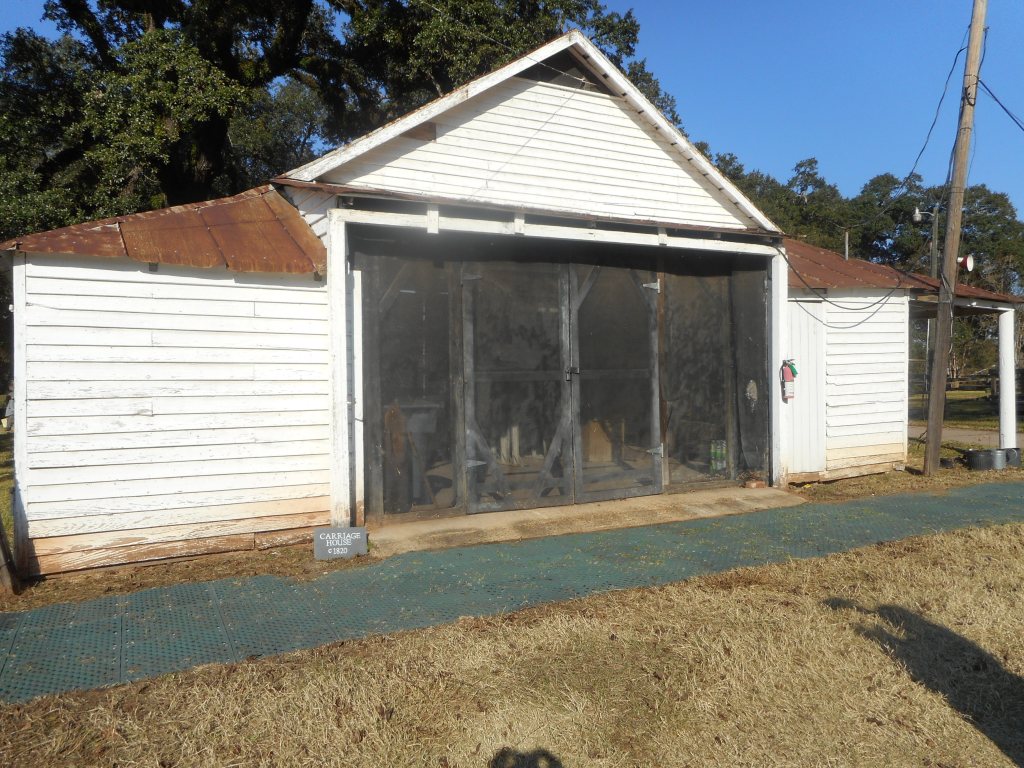
Carriage House

The carriage house dates to 1820. In its earlier years, the east bay was used as a horse stall. The overseer had the horse saddled each day and tied to the chain so that it was available for riding and checking the fields.
dscn0281

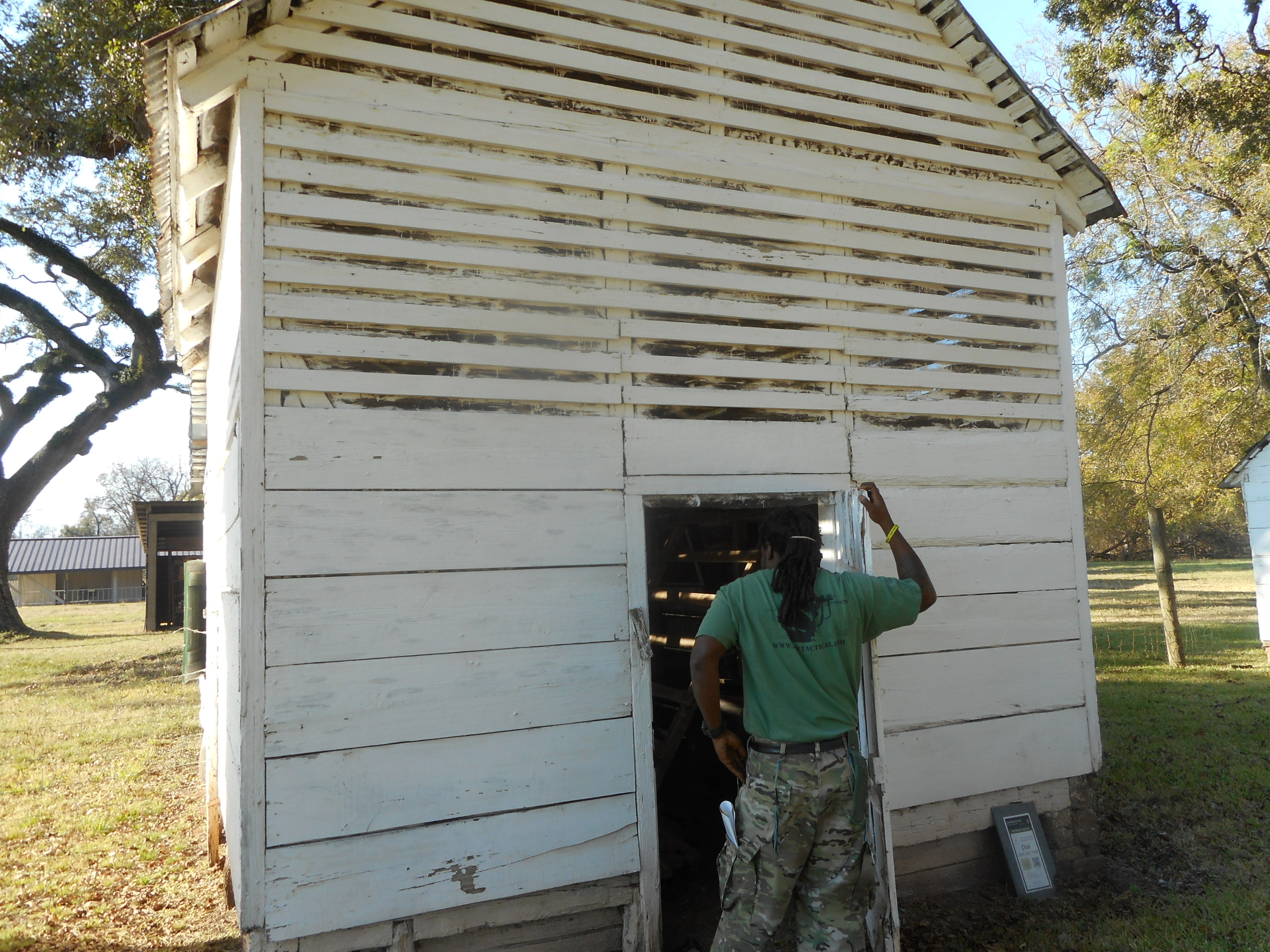
Square Corn Crib and Cistern

The Corn Crib was built around 1821 of hand-hewn cypress logs and was used to store grain for the plantation. Rainwater was channeled from the crib roof into the cistern, which was 16 ft deep and held 4804 Gallons of water used for watering stock.

dscn0271

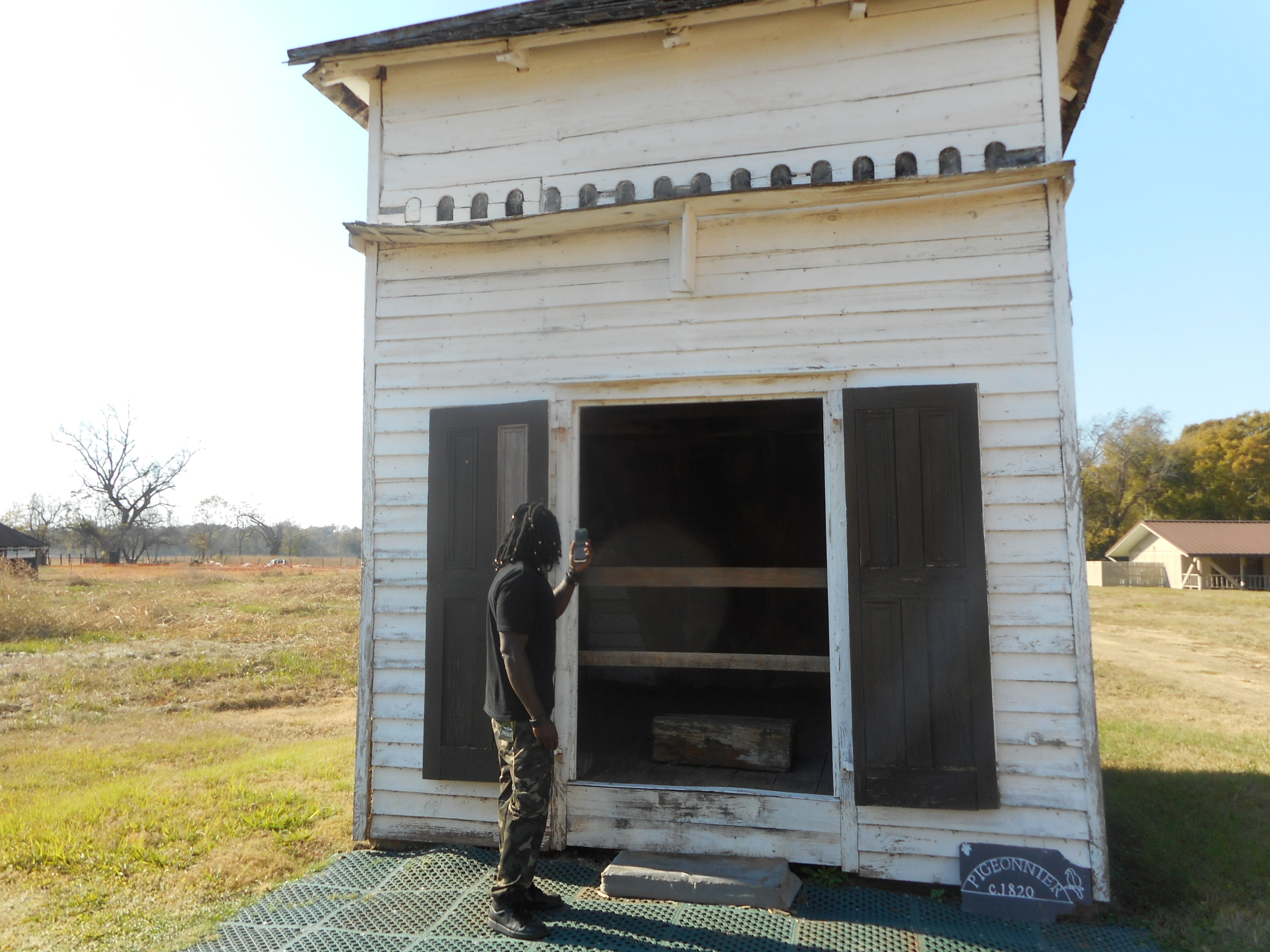
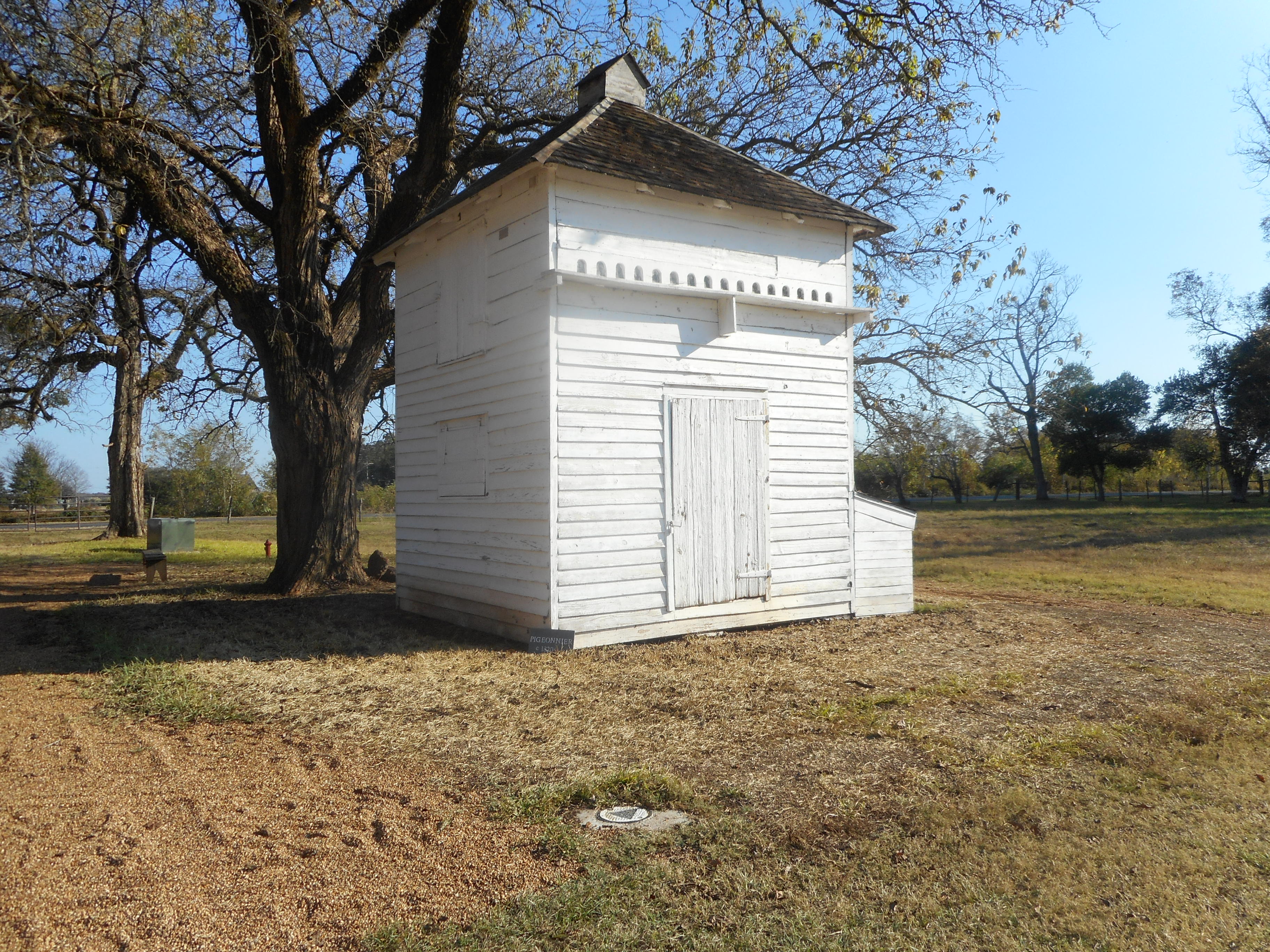
Pigeoneer

There are several Pigeonnier’s on the land. The Prud’ Hommes harvested young pigeons for a delicacy called “Squab.”
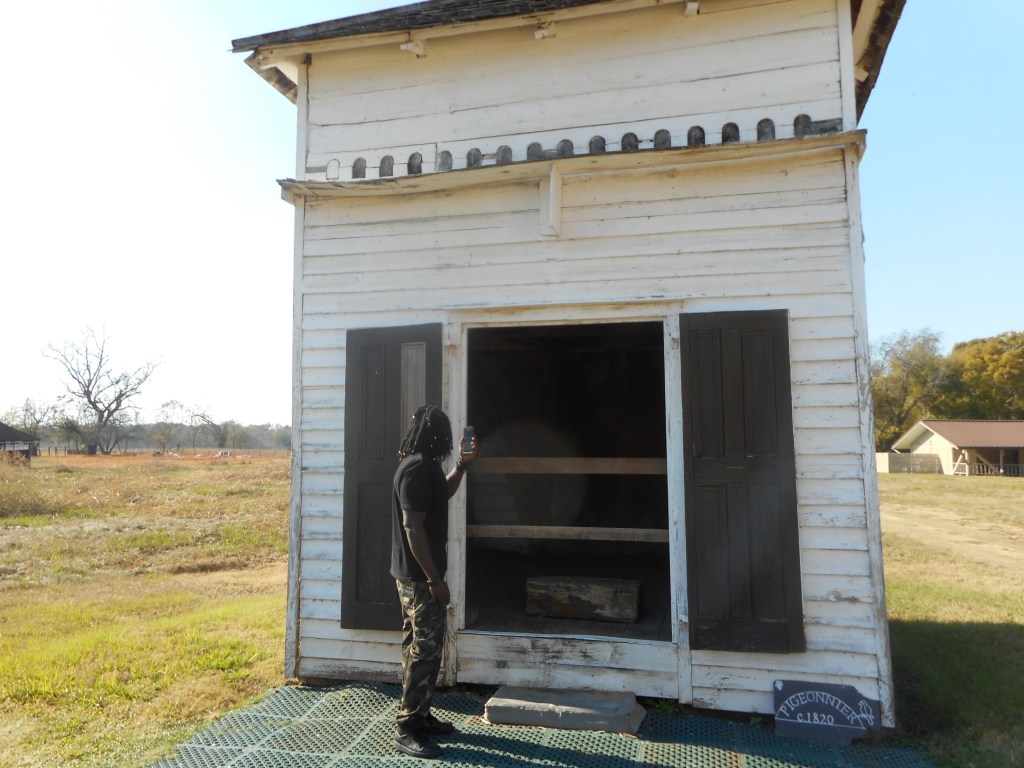
dscn0194

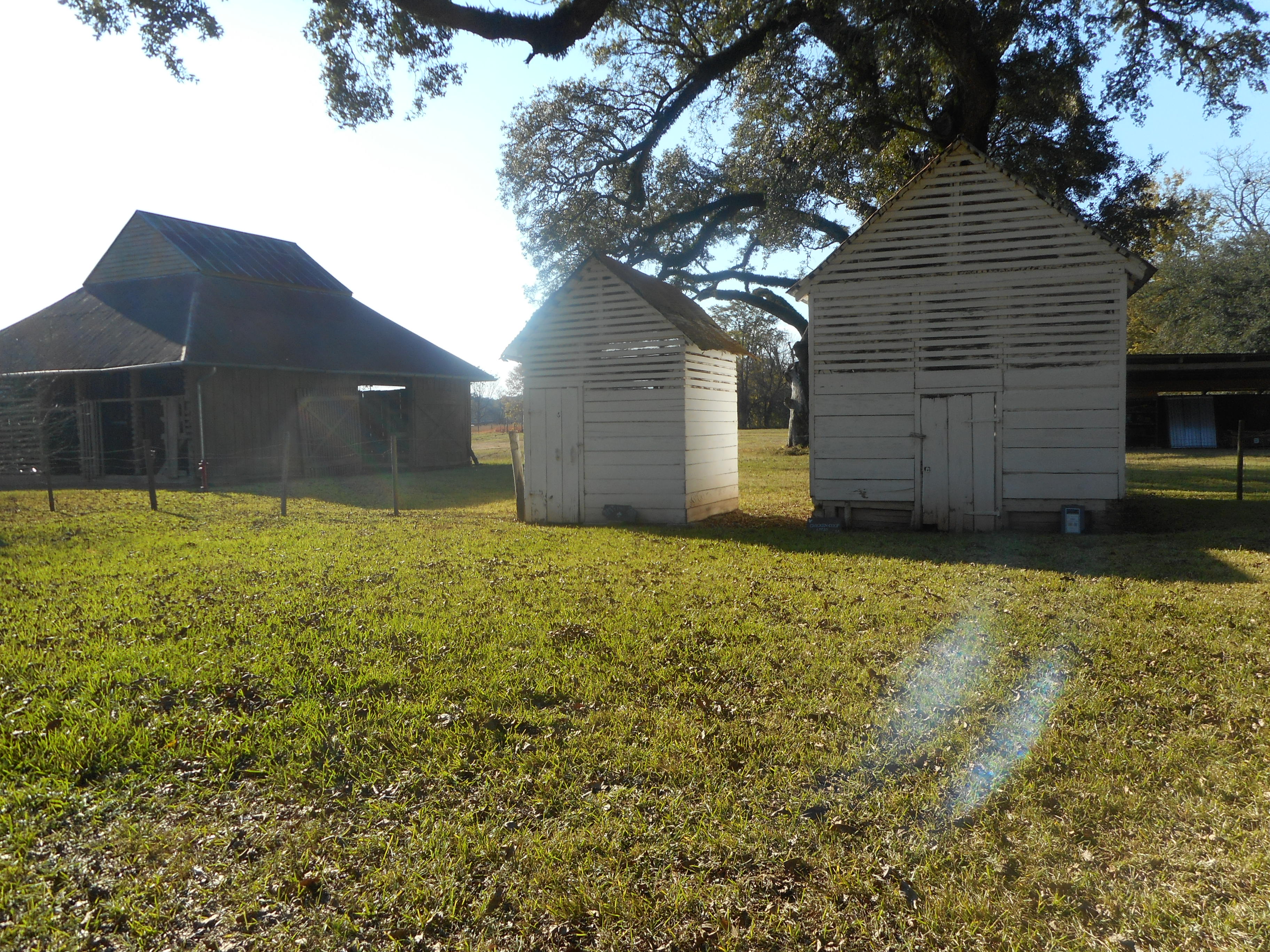
Chicken Coop

Husband checking out the Chicken Coop.

dscn0328

Fattening Pen

Chickens were bred, hatched and fattened in this area. Turkeys were also raised on the land.
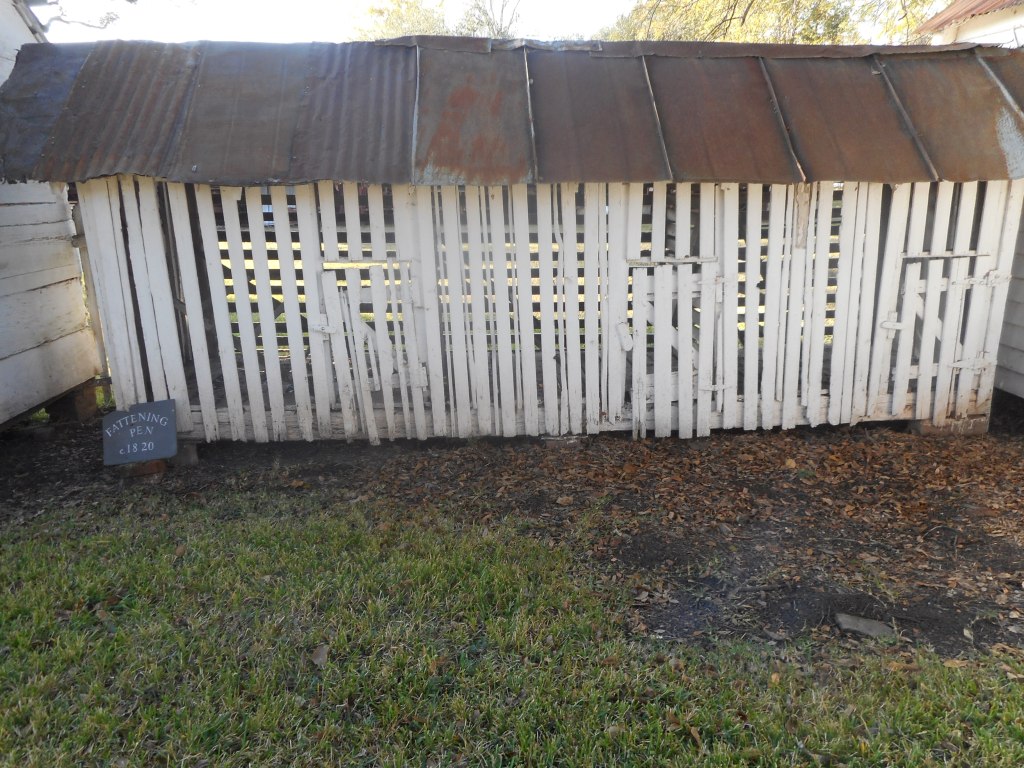
dscn0322

Randoms

dscn0306 dscn0307 dscn0313dscn0224 dscn0226 dscn0229 dscn0230 dscn0231 dscn0232 dscn0233

What I carried home with me was an even deeper appreciation for those little things we take for granted every day. I was headed back to the campsite to sleep in a tent, but I knew that eventually, I’d be going home to a hot shower, a full meal, and a warm bed. As we packed up to leave the plantation, I considered what it would be like to be forced to stay. What is it like not to have a home to go back to and nothing more to look forward to tomorrow than the same back-breaking work?

dscn0272 dscn0282

My revelations were not just in relation to dark history (I am aware black history is not just about slavery). As I looked around the land, I saw how the enslaved built almost everything on the property. It reminded me of how skillful and resourceful we are as a people. From shelters to clothing, food, and shoes, I thought how empowering it would be to get back to building our own.

Often deemed ignorant and illiterate, the truth is that Israelites, so-called Blacks, were not as naive as we are taught. It occurred to me that many blacks were only lost when it came to adapting and assimilating into American culture. Otherwise, we were expert farmers, inventors, midwives, carpenters, and chefs. Thus, I left not just in appreciation for the tangible things in my life, but for everything my people have endured and the knowledge they’ve passed down to me through the generations.


Being that I drafted this post when we got home so it can be ready for you today, I’m going to crawl into this bed and get ready to catch up. I’ll be scrolling your blogs to see what I missed. The grind continues.

bitmoji866883694

Click here to read more Black History Fun Fact Friday Articles!

Yecheilyah’s Book Reviews – Storm Wrack and Spindrift (Remnants Book 3) by Margaret Pinard

Title: Storm Wrack & Spindrift (Remnants Book 3)

Author: Margaret Pinard

Print Length: 259 Pages

Publisher: Taste Life Twice Publishing

Publication Date: December 2, 2019


About.

The MacLeans have suffered being thrown off their land, emigrating to the New World, surviving in the forest wilderness, and losing their father Gillan in a bizarre murder. Now, ten years later, the two youngest emigrants will split the family across an ocean.

Sheena pursues a future back in Scotland with her husband Gordon Lamont. Alisdair dreams of university and a chance to reform the political system in the colony that denied him justice for his father’s death.

But the British Empire of the 1830s has yet more obstacles to throw in their path. When the only school in the province only accepts Anglican students, what will Alisdair do? When Sheena finds herself in a role of authority over families like her own, how will she cope with the isolation?

And when both their hopes of peace and stability are dealt a telling blow, how will they stay true to their fighting spirit?

STORM WRACK & SPINDRIFT is a dramatic story of family survival and personal struggle set against social upheaval. While voter enfranchisement was advancing in London, and slavery finally outlawed in the Empire, the tiny stage of rebellion in a backwoods colony farm could still have deep repercussions. Every life is precious, every decision important–which is why the early struggle for Responsible Government and other civil liberties continues to encourage us today.

I enjoyed reading about the MacLean family, especially since the author did an excellent job transporting readers to the era of the 1830s. The descriptions and dialect are authentic, and any lover of historical fiction would enjoy the natural flow of reading. I enjoyed the back-and-forth between Sheena’s experiences in Scotland and Alisdair’s challenges with the family on the farm.

I sympathized with his conflict with wanting to study law but not wanting to leave the family who needed his help. The characters are undoubtedly the stars of this book. I love children, so I am fond of Mairi and her bond with Grannie. They are so sweet together, and even though Neil (Mairi’s dad) is sad, the author does an excellent job portraying his misery. Speaking of grief, prepare yourself. This book has its moments.

I was glad to hear about the Slavery Abolition Act, which ended slavery in most British territories and freed over 800,000 enslaved Africans in the Caribbean, South Africa, and a small number of people in Canada. It received Royal Assent on August 28, 1833, and took effect on August 1, 1834. (Henry, 2020) The government compensated slave owners for the value lost from freeing enslaved people, and the character Sheena was not having it.

“And is there any proposed fund for the slaves, since by abolishing slavery, we admit we had no right to own other people in the first place?”

“Well no—”

“No, of course not.”

I liked the detail about Rhoda, Sheena, and Gordan’s widowed housekeeper participating in abolitionist demonstrations and the mention of Wilberforce’s death. William Wilberforce, a British politician, philanthropist, and pioneer of the anti-slavery movement, died in 1833. By describing Rhoda’s relationship with Wilberforce in detail and illustrating how his death affected her, the author was able to relate Wilberforce to the family on a personal basis.

While I enjoyed this story, for me, it cannot be read as a standalone novel as marketed. As the third book in the series, I felt a bit lost initially because it felt like something was missing, such as everything leading up to the MacLean’s family’s life on the farm.

The epilogue is intriguing, and I wonder if the author would consider adding another book to the series, possibly centered on the experiences of Mairi.

Plot Movement / Strength: 3/5

Entertainment Factor: 3/5

Characterization: 5/5

Authenticity / Believable: 4/5

Thought Provoking: 4/5

Overall: 3/5

Storm Wrack & Spindrift (Remnants Book 3) is available now on Amazon!

“But My Family Don’t Support my Writing”

Popular Complaint: “My family don’t support my writing.”🤷🏾‍♀️

Umm. How can I put this, your family and friends will be the least supportive of your writing (as is the case for most businesses). That’s not a bad thing entirely because they are not really your targeted audience.

New Writer:  *Smacks lips, rolls eyes.* “Okay, so what that mean?” 🙄

It means you have to find those people who are most likely to read the kinds of books you write and often, they are not family members. This specific group of people is called a targeted audience. You are not targeting everyone but focusing on one specific kind of reader. Here’s an example from words from Tyler Perry:

“I clearly believe that I’m ignored in Hollywood for sure and that’s fine. I get it. My audience and the stories that I tell are African American stories specific to a certain audience, specific to a certain group of people that I know that I grew up with and we speak a language.” – Tyler Perry

Say what you want about Perry but he has a keen understanding of his Target Audience. That’s what he is speaking of here. A specific group of people who his films/movies/TV shows are specifically for. That’s why his movies are all along the same lines in the theme. We can see that Tyler Perry makes the same movies because he is targeting a specific audience.

Personally, I am not much of a Tyler Perry fan. There are only a few of his movies I like but that’s not the point.

We can agree or disagree with his movies, but he is an excellent example of someone with knowledge of his Target Market.

When you are targeting a specific group, you are not trying to reach everyone or garner everyone’s support. Your purpose is to appeal to that specific group.

(Feel like I’m saying “specific” a lot but that’s kinda important). 

How many people at Michelle Obama’s book signing were related to her?

New Writer: “What? But those was her fans tho.” 🧐

And you have fans too if you look beyond the praise of family members who will probably never buy.

New Writer: “So you saying my mama can’t buy my book?” 💁🏾‍♀️

Your mom will probably buy your book first, but she’s not the seventeen-year-old black boy with peer pressure issues you wrote it for is she?

New Writer: “I mean naw but…”🤨

…and she’s probably not gonna leave a book review on Amazon, follow you on Goodreads, Twitter, Instagram, or subscribe to your email list and if she does, she probably won’t remember to read it.

New Writer: *smacks lips* “Dang why you gotta be all negative for?” 😒

Because the truth will set a lot of writers free from unrealistic expectations about what it means to be an author.

Loyal family/relatives may buy a book or two and they may be there to cheer you on, lift you, and support you in various ways. Families are good at heaping praises.
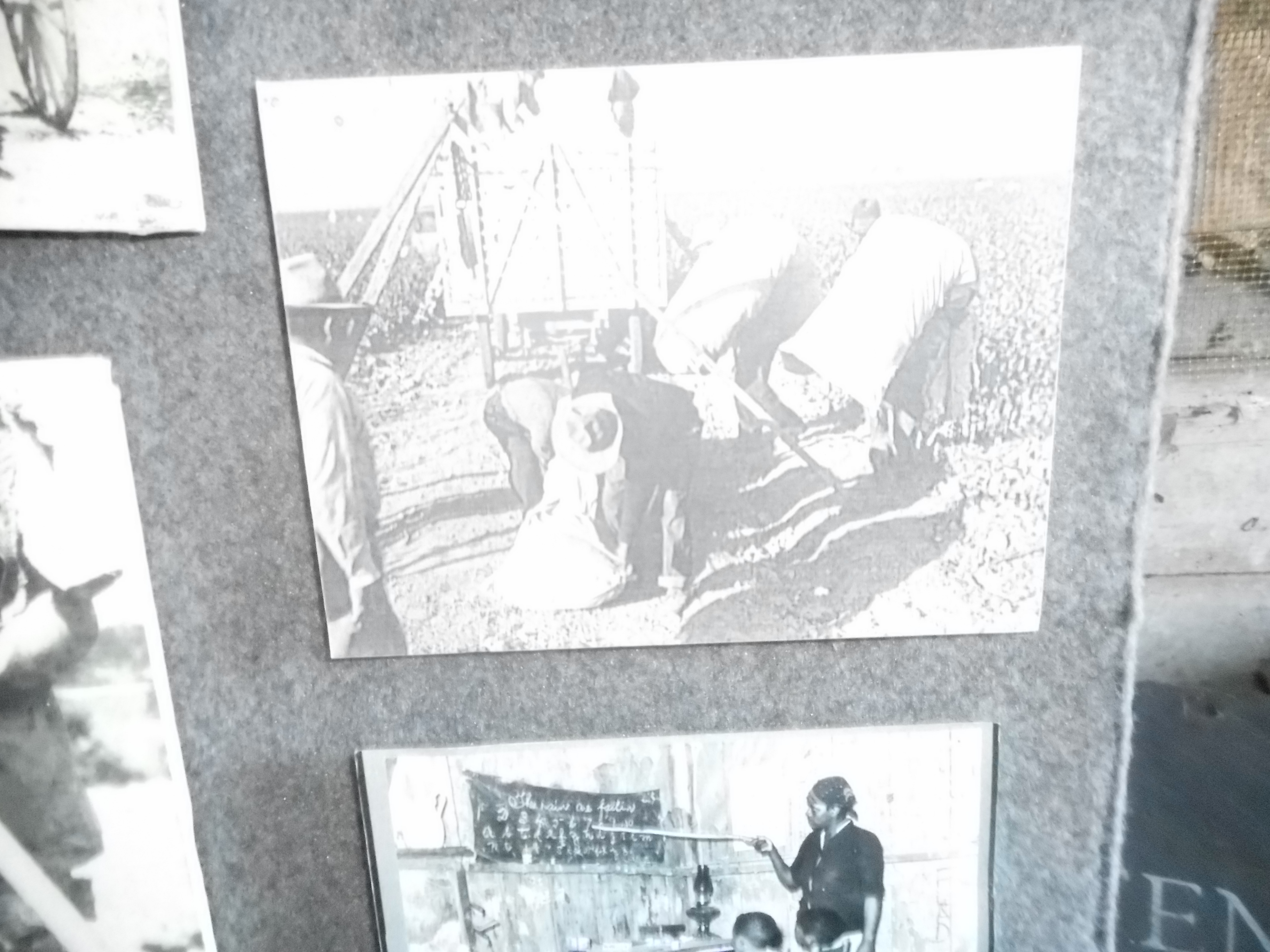
They love to like your posts, root you on and tell you repeatedly how they intend to buy your book and how proud they are of you. This is helpful from an encouraging point of view and it feeds the ego, but praise doesn’t sell books. How many of these people follow up? Every year the same family member asks, “where can I buy yo book?” But they never buy.

It is those non-relative readers who your book is specifically written for who will buy with consistency and read your every release, becoming avid readers and fans.

(…and I hate to use the word “fan,” by the way. *Shudders* Be a fanatic for no one.)

👉🏾How many of your genetic relatives have bought your book?

New Writer: “Lemme see, my mama got one, my cousin, boo boo nem, lil Chris…”

So what, all five of them..?

New Writer: “Oh, so you being funny?”🤔

No. I’m being real. Put it this way, would a company whose buyers don’t watch TV, make a commercial to push their product?

New Writer: “Naw that’s stupid.”🙄

🤷🏾‍♀️ So why would authors focus the bulk of their efforts on trying to sell to people who don’t read the books they write?

New Writer: “I guess I see what you saying.”😩

Now, take out some paper. You’re gonna have to write this down.

…wait, what are you doing? Put your phone down this is important. 🤦🏾‍♀️

New Writer: “Imma type it in my notepad.”

Okay but don’t be on Instagram this is important.

New Writer: I’m not dang. 🤳Go. I’m ready.”

Okay, here are a few questions you can ask yourself to help you find your readers. 

  • Who are my current readers/Who am I trying to reach? How old are they? What do they like? Where do they hang out?
  • What’s the #1 thing my readers love/need the most?
  • What problem does my book solve? What are my readers’ pains/issues/struggles/challenges?
  • What do readers gain from reading my book? What do I have to offer?
  • Who would benefit most from reading my book?
  • What makes my book unique?

My Responses to Common Complaints from New Writers is something new I am adding to this blog based on common writing and publishing questions from new Indie Writers. I thought it would be fun to answer them here in the form of dialogue. You will know the posts by the quotation marks around the complaint to differentiate it from other posts.

Did you like this first post? Do you have a common complaint I should address?

Find more articles under the Writing Tips and Resources page here.