Close up of a social media results report with pen and calculator
Social Media is a different world from offline. As such, I think interaction on and offline must apply to book promotion and be fitting for each. I’m learning, and trying to better implement, a well-balanced combination of both off and online tools because each is so different, yet similar too. Now the following are just my personal thoughts and opinions and are by no means that of an expert. These thoughts are not supported by any advanced data or statistic aside from my own experience; they are just my thoughts because, well, I was thinking about some stuff.
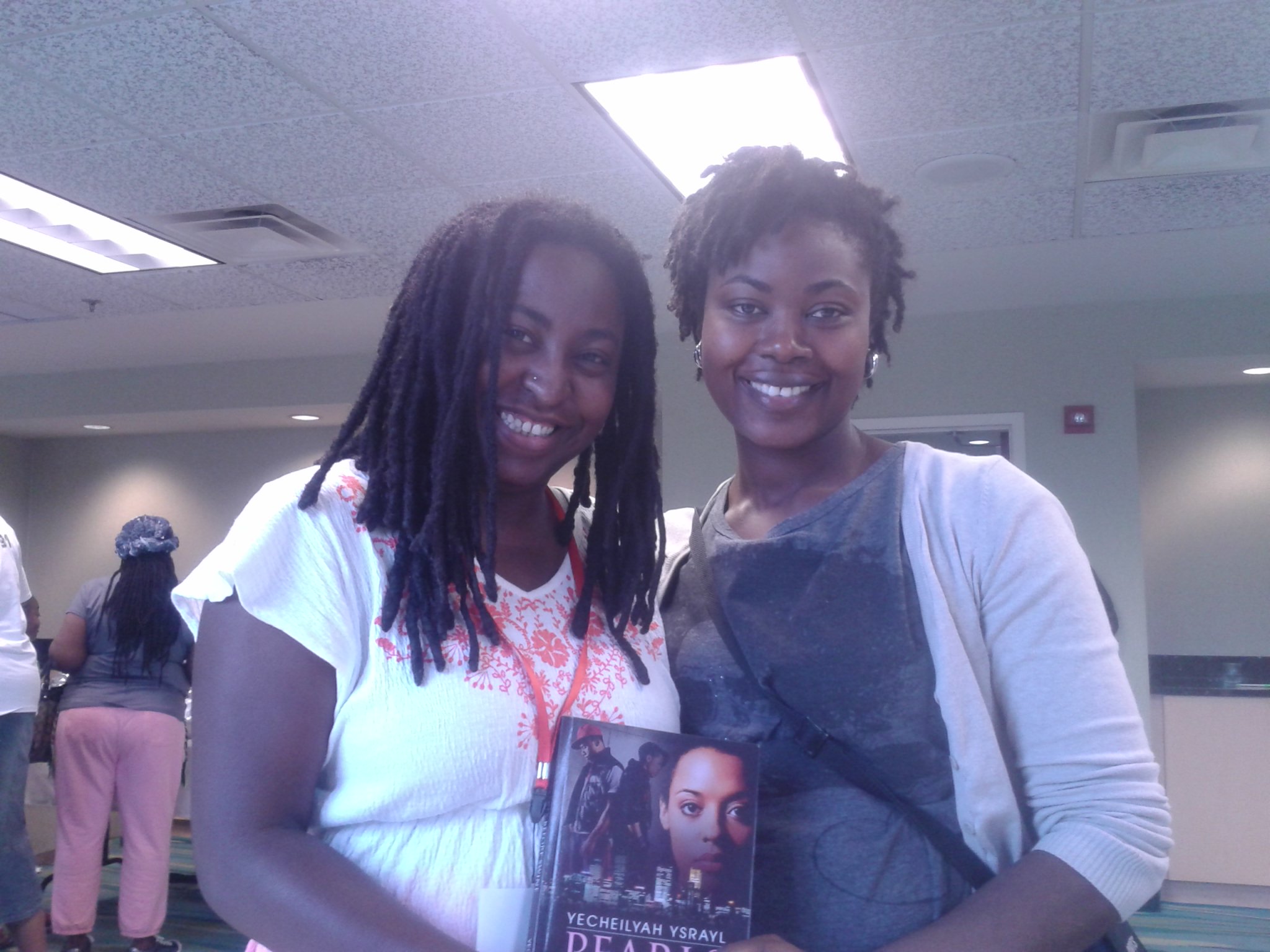
Me and Offline supporters from Canada and Philadelphia at The Pearls Before Swine release, The Double Tree Hilton Hotel, Chicago IL 2014
In my opinion, offline offers opportunities not always present online and online offer its benefits as well that are not always present offline. There are things I would do online as to appeal to this community that may not be required offline. Or that may not attract as much attention to offline supporters. For instance, I think offline activities are great to share with your online friends in the form of pictures. It’s always exciting to see photos of book signings, public speaking engagements, and varying social engagements with offline supporters. I think these, pictures, are far more engaging to your online supporters than ads and constant promos concerning updates of what is done offline because it gets boring after a while.
Online communities want to engage online whereas offline communities who are not as into “internet-ting” want to engage offline. Offline supporters and readers want to hear your voice and see your face. They can care less about how many Facebook Likes you have. As such, I believe balance of both on and offline activity is good but that there also need to be a limit to merging the two. Its OK for them to be separate. I believe, for instance, that a social media presence should rightly fit the online community.
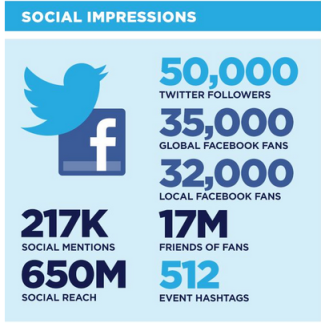
I know this looks good, but Social Media is very deceiving. While numbers such as is in this photo is exciting it can mean absolutely nothing or it can mean everything. You will probably never know for sure. This is where offline activities come into play. Offline book promotion handles much of the foot work. It is the physical act of pushing the book.
Social Media on the other hand, in my opinion, is not necessarily about selling books as much as it is about building; though through building come sales, social media is best utilized to help generate buzz about a book without blatantly asking people to buy it. Its purpose is to serve as a networking platform that helps connect writers to other writers, readers to writers, digital marketers and professional experts, editors, book groups and workshops, reviewers, beta readers, and gives authors room to connect with readers who enjoy the genre in which the writer writes by way of a platform. What I hope to accomplish as an author in general but especially online, is to show my support for the books content itself. I aim to raise awareness concerning the social or political message behind the writing. Why is this topic relevant today? How does it help people to grow? What value does my subject hold and can it start conversations that lead to greater understanding? By striving to answer these questions, it will help garner offline attention and lead to radio interviews and social engagements. In short, I try to forget for a moment literally selling the book, and to instead focus on why my book is different from the next and thus why it is even worth your time in the first place.
Social media is about connections and should be used to reach the people you can’t reach offline (because they will become offline supporters). It should be, not merely an advertisement of the book, but a presentation of the books message and an introduction of the author on a personal level. By focusing on the content of the book and getting to know the author, I believe readers become interested in the book itself because of their passion for the topic and their trust of the author. In this way, I think we Indies have the potential to reach lots of readers and to be more productive in our service to the online literary community.
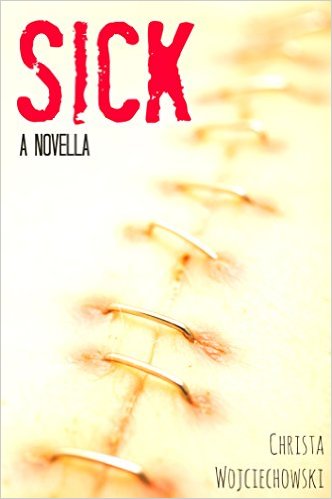
SICK is a psychological suspense novella about a woman with a very sick husband living in a constant vacuum of life-threatening illnesses. The offspring of wealthy parents, John and Susan Branch married and settled into an affluent life that eventually dwindled after John took over his family business upon his father’s death. Soon, the family business plummeted, and so did John’s health. Diagnosed with Idiopathic Thrombocytopenic Purpura, a complicated blood disorder, Susan is forced to take care of her ailing husband while trying to maintain a livelihood of basic necessity as a full-time medical clerk of a podiatrist. Immediately it is apparent that John’s illness is taking its toll on Susan, who, from the onset, appears to neglect part of herself to be his full-time nurse.
“A marriage made in medicine, John’s and mine. He was the victim, and I, the slave to his diseases”. – SICK, Christa W.
As the story moves along, I start to notice something very unusual about John. His wife reads him books as he drifts off to sleep, feeds him baby food, sings him lullabies, and says he’s a “good boy”. If that’s not weird enough, John pouts, throws temper tantrums, and whines like a three-year-old. I became annoyed at Susan’s inability to see the signs and felt sympathy for her sense of low self-worth. Eventually, I began associating John’s behavior and speech with that mental retardation; surely, this man couldn’t be serious. And as Suzie slaved to be his mother, wife, and nurse, I could not be prepared for the story’s ending. John, the progeny of old money, an Ivy League education, and a keen intelligence behind his eyes, was far from a learning disorder. John Branch, the world’s most sick man, would be far sicker than I anticipated.
“The wealth, the disease: they were part of him.” – SICK
As I read this book I knew I wanted to give the author a four-star rating, but then I got to the end and it blew my mind so I had to upgrade her! I love the psychology of the story. How the persona and personal background of Susan and John helped me as a reader and as a person understand the outcome of this sad situation. There are people in this world who grow up with silver spoons in their mouths and yet they have no love. Whether that is self-love or love that wasn’t given to them as children, a lack of love can transform a mentally stable individual into a monster.
After the read, the author provides some very informative and educational information about one of the world’s least talked about conditions which I won’t mention here as I think it will give away the story.
SICK is a must-read.
Plot Movement / Strength: 5/5
Entertainment Factor: 4/5
Characterization: 5/5
Authenticity / Believable: 5/5
Thought Provoking: 5/5
Overall Rating: 5 / 5 stars
Be sure to grab your copy of SICK from Amazon today.
Since this is the final interview I will skip through the semantics and get straight to the point.
The Interracial Blog Feature was inspired by my new book, “Beyond The Colored Line”, and was created as a means to foster a better understanding of diverse relationships. Not just between whites and blacks but between all diverse relationships.
Today, we welcome a special guest in as our final interviewee. I didn’t know initially that both he and his wife wanted to be interviewed and being I did have an extra spot left you can imagine my excitement. Help me to welcome Andre Wells, husband to Allison Wells from last weeks segment, to the blogosphere.
EC: Well hello there Mr. Wells. As our first and only male guest I appreciate your boldness in letting me interview you! I was starting to think this was a woman thing LOL. So, you know the routine, can you give the racial background of you and your wife for the record and how long you’ve been together?
AW: Hello EC. My name is Andre Wells and I am African American and my wife is Hispanic and Caucasian. We’ve been together for about 12 years, Married almost 10.
EC: Excellent. Now, the character in my book, Stella May, is what the people of her era deem a mulatto, that is, she is of mixed ancestry. You have children who are biracial. What advice would you give to fathers of mixed children on how to deal with the stigmas that are often placed to them?
AW: Be honest with your children about who they are and the struggles they may have to face. Teach them how to respond to stigmas and challenges.
EC: I like that, “teach them how to respond to stigmas and challenges”. Speaking of challenges, what are some challenges that interracial couples deal with that couples of the same race may not have to deal with?
AW: Some people think I am over dominant over my wife or feel the woman must be the head of house because the black man must not be that responsible.
EC: Interesting. There is a big controversy within the black community concerning role reversal or the topic of submission and authority in general.
Mr. Wells, when African-Americans and Whites marry, there is more likely to be an African-American husband and a white wife. In fact, 73 percent of all African-American and White marriages have this setup. In your personal opinion, since you would know more than any of our guests! As a black man, and your experience with Interracial Relationships, what do you think attracts other ethnicities to black men?
AW: Black men are unique. Unique in our looks; unique in the way we carry ourselves; even the way we raise our families. In most cases white women want black men but don’t want the stigmas that come along with it.
EC: Wow. Speaking of black men, I hear a lot of black people, women in particular, accusing other blacks of being “sell outs” when they date outside their race. Have you or your wife ever had the misfortune of the title and why do you think this is?
AW: I’ve heard that term in reference to relationships such as mine. I think it stems from feeling betrayed, jealousy, misunderstanding and some just down right racism.
EC: Speaking of opinions, a lot of people discern that blacks who speak with a professional tongue are trying to sound white. I speak from experience. My husband is not white but he’s very educated and he grew up in a diverse city as well where the majority of people in the town were white. Of the blacks present, he was teased by them a lot for his speech. They said that he sounded, “White”. As a man married to a “bi-racial” woman, what are your thoughts on this?
AW: Black men / women who have to live in a world where success is often based on one’s professionalism and ability to communicate properly, some may face scrutiny when trying to present themselves as respectable individuals in society.
EC: Mr. Wells I am enjoying this interview I must say. Now, speaking of speech, I’ve always wondered about the conversations between interracial couples concerning the ongoing racial tensions surrounding blacks and whites. Are there any moments when you and your wife disagree with a subject that is race related? If so, how do you deal with that?
AW: For the most part we understand and agree concerning each others racial differences. We look to the bible to help us have knowledge of who we are and that generally relieves any confusion we may have.
EC: Speak brother speak! Hope I’m not offending anyone out there, yall know I’m silly hee hee. So loving this interview right now yaass LOL. Were almost done though. Any time before 1967 your relationship would technically be illegal. How does that make you feel today with the knowledge that you’ve chosen to be with someone outside of your race?
AW: I didn’t have knowledge of who I was when I met Allison. But even so, I didn’t even begin to discriminate or allow race to determine who or how I love someone. To me, those days demonstrated racism and racism restricts people from fulfilled lives.
EC: Indeed. Andre, I want to thank you again for being part of this series, it has truly been a pleasure. If there is one form of advice you would give to people still struggling to accept Interracial Relationships, what would it be?
AW: Know that not every “interracial relationship” is joined together because they deny their own or even prefer another race. Some are actually together; love enjoins them and friendship maintains them.
EC: Can I ask you that same question again? I need you to repeat your answer for the record lol. No, seriously, in closing, as someone who has been married for some time, name one thing that has kept your relationship going.
AW: A relationship together in spirit and in truth.
EC: Thank you Mr. Wells, it has truly been a pleasure.
AW: Anytime.
***
It is unusual for me not to put much thought into scheduling Mr. Well’s interview last, simply because I tend to plan everything (well, mostly everything). From the dates I choose to release my books to a subject as complex as this one, nothing I ever do hardly come without reason or significance. That said however, I didn’t put much thought into scheduling Mr. Wells interview last. But as I reflect on his answers, I am thankful for how this series has ended. His answers, in my opinion, summed everything up very nicely. I love how he brought in the bible and spoke concerning identity. What people must understand is that when I bring up these kinds of topics it is not about white or black. I am not trying to unite a color of people. It is not, then, about blacks or whites; it is about identity and nationhood.
It’s been a long ride for our people here in the America’s; from slavery, to Jim Crow, to racism, imprisonment, police brutality, the list goes on. Black people are the only group of people whose nationality changes with the census. They are the only people who cannot trace their lineage back to their natural heritage. If there is any people on the face of the earth more discriminated against than they, more despised and more afflicted then they please, inform me. They are such; the African American is, because their problem is not physical. Being deeper than racism itself, their problem is spiritual. If African Americans can begin to search deeper into the question of “Who am I and what is my purpose?” Then race and the concept of black and white in general will eventually fade. As I have stated on this blog plenty of times and as I will continue to state, I use black and white as terms for understanding, but I do not consider it my nationality. Black is, after all, a color but it does not define nationhood.
I want to thank everyone so much who has taken the time to support this series, either as interviewees or as interactions. I know it touched someone somewhere and for that I am thankful.
As a token of my appreciation for those who have opted to share a piece of themselves with us, I have a special gift.
Over the course of my writing career I have published a number of books and I have carefully chosen a few of them (the ones I think are the best lol) and placed them here. I want you (Interviewees) to each choose which book you would like to have and I will mail it to you at no cost. I am a hard-copy type person so your book will be a hard-copy. It is my way of saying thank you. Choose any one of these you like and email me your mailing address (Please visit the website to see what each book is about. I don’t want to list it here to preserve space on an already lengthy post. Just click on each book as if you were buying it and it shows what each is about):
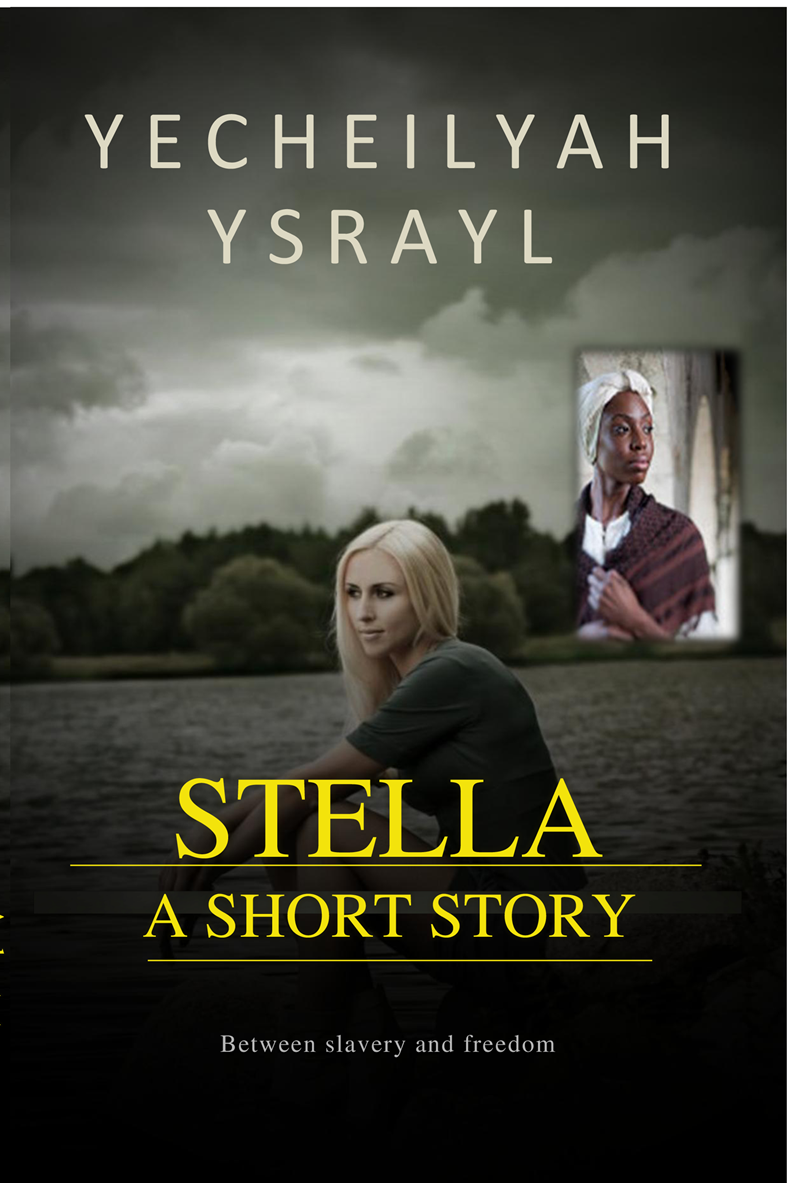
Stella Book #2
Stella Book #1
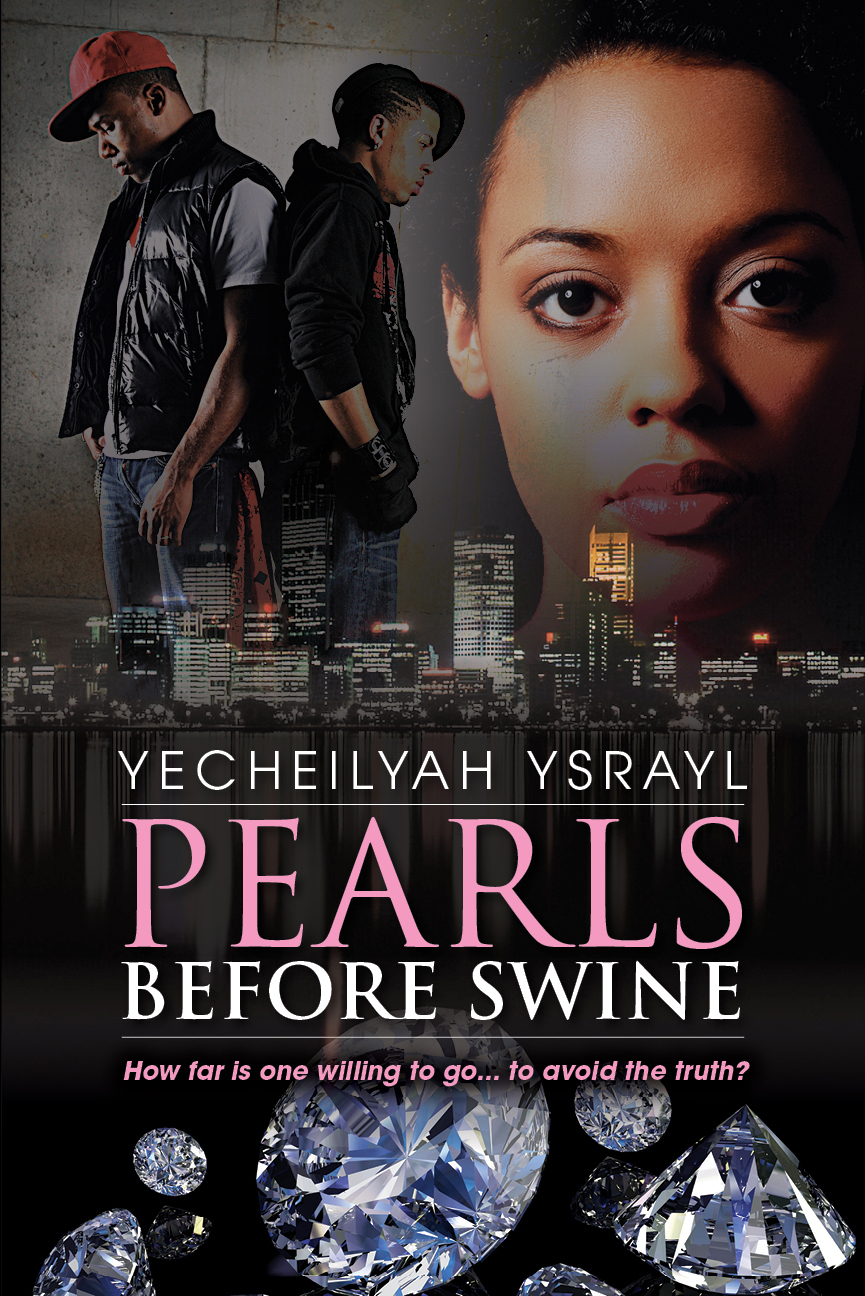
Pearls Before Swine Vol #1 (a play)
From Girlhood to Womanhood (poetry)
In Case You Missed It:
The Interracial Blog Feature – Interviews Beyond The Colored Line:
On Sunday, November 1, 2015, I will be announcing the release date for the final installment of the Stella Trilogy (The Road to Freedom: Joseph’s Story) along with its book blurb and cover reveal.
I am excited to be on the brink of having all of the books finished and ready to be made available as a set or individually. Now I can focus on book signing campaigns and events for The Stella Trilogy as a package while re-writing my first novel, whose release I have pushed back to next year sometime.
So be sure to tune into this blog and to keep your eyes on my social media for the cover release, blurb, and release date celebration of Stella Book #3. You never know, there may be some treats in store!
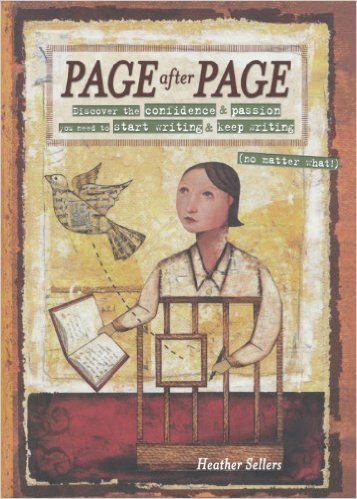
“Is your writing going to be a lover in the center of your life? The thing you pulse toward, the fever in your soul? Or is your writing life more of a casual crush, something you think about, but don’t do much about? You know how when you are in love, lying with your lover, time stops–goes so fast and doesn’t move at all? You feel mushy and goopy, and you are wet and hot and cool and loved and lovely, all at the same time?
Here’s the thing, there is one way to make time stop. And only one way: Fall in Love.
When you have a lover or a baby, you fall out of time, and into the beloved. Love is the only time in our lives when we are out of time. To create a writing life, you will need to fall in love–deeply, seductively, passionately–with your writing life. It will become not a habit or a job, but a lover. If you keep it a second-string lover, your back-up lover, your Tuesday night sex-as-friends kind of lover, it might always be cranky with you. But if you make your writing life so lovely you can’t take your eyes off it, you will space out during meetings, and dream about it as you go through the day, just like when you’re in love. – Heather Sellers, Page After Page, Chapter 3
***
Heather Sellers is an Award winning writer and professor who has taught writing workshops for twenty years, has a Ph.D. in writing and is an associate professor of English. Her book, Page after Page, is a great resource for writers looking to jump-start, begin, or keep the writing juices flowing. She presents great advice on how to dedicate yourself to writing, enjoying the process, and writing exercises to help keep you passionately, seductively, and totally in loooovveee with writing.










 The PBS Blog