10 Good Things that Happened In 2020

With everyone talking about all the bad things in 2020, I almost felt compelled to join in. Almost.

One day, I will open up about ten bad things that happened in 2020.

Today is not that day lol.

The interesting thing about this list is I forgot most of it happened!

I did not forget about the books I published or the fact that I am still above ground, but a lot of this other stuff had become blurred amidst the pandemic, my mom’s death, and other things. As I looked back at pictures and dates, I could only think, “wow. A lot of good happened this year. I was just too focused on the bad.”

As you read this, I hope you will think more about some good things that happened to you this year that you might have forgotten about in the chaos. Yes, even if the only good thing is that you did not contact this deadly virus and are still above ground. Even if all you did was stay safely inside, kept your job and your family healthy. These are the most important things.

10. REVIVAL with Harry Lennix
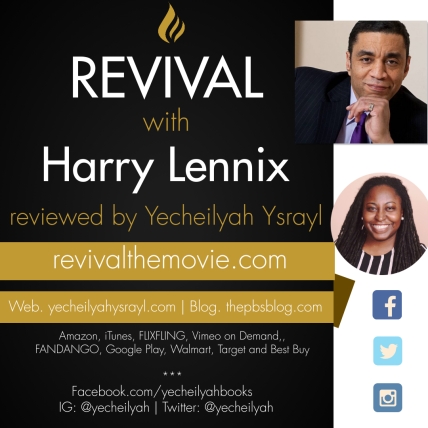
I had the privilege of being contacted by TriCoast Entertainment to review Harry Lennix’s new film, REVIVAL, featuring a star-studded, mostly black cast in the retelling of the Book of John. With Michelle Williams playing Mary Magdalen, Chaka Khan as Herodias, Wendy Raquel Robinson as the woman with the blood issue, Kenny Lattimore as Lazarus, Harry Lennix as Pontius Pilate and Mali Music as Yahoshua, Revival! is a part short film, part musical, and part Broadway Play. You can check out my full review here.

9. Freedom Train Network

I enjoyed being a featured author for The Freedom Train Network at its Black Woman Celebration back in May. I also got to interview with them on The Freedom Train Network Podcast. It was a fabulous experience, and I am so thankful for platforms such as this one. Joseph Ward, Patrick Irvine, and Sam Carter, three Tallahassee natives dedicated to the betterment of their city and black America, founded the network designed to highlight black entrepreneurs, black professionals, black community leaders, and black-owned businesses throughout the United States. They use this network to educate, inspire, inform, uplift, and equip listeners with valuable and purposeful information. The network also serves as a media resource directory for black Americans who may not be informed about their available resources. (FTN)

8. Ambassador for Greenwood Dist

I became an ambassador for this amazing clothing line called Greenwood Dist. Greenwood Dist. is passionate about “proving that a black-owned business can celebrate black excellence while still making the market’s dopest clothing.” Greenwood believes that “fashion, culture, media, and art can and SHOULD help advocate and ensure that people’s voices are heard. Black culture is the biggest determinant of what’s “cool” and popular. Our culture determines everything from the way society talks to the brands that are popular.”

If you care about supporting black-owned businesses and you care about supporting me, be sure to check out the site. If you see something you like, use my discount code Soul at checkout for ten percent off. 

7. Sold My Books at Barnes and Noble

When I first started working with B&N, I was skeptical. The chain is not exactly doing well. There is not much black literature on the shelves, and I wasn’t sure I could stand out among so many notable authors. With bookstores, it’s like people have to know already who you are to look for you. I hoped to get my Georgia online audience excited enough to visit the store in the area. Well, I don’t know if that happened, but I do know the books sold, and I could bring in more to stock.

6. Visited Spain for First Time
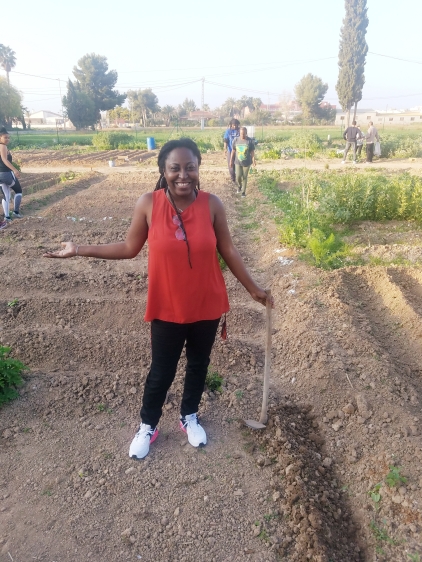
We got to visit Madrid and Alicante, Spain, for the first time. It was just as things unfolded with the virus. We went and got back just in time. (I think Spain shut down like a week later). We picked oranges and lemons from trees, helped plant a garden in Almoradi, a city that gives free land to its citizens, and ate homemade churros and chocolate with coffee. It was so good y’all. We did other things top of course, but this is the cliff notes version.

5. Published Four Books (3 Revised)

I revised The Stella Trilogy, something I have wanted to do because of the poor editing and cover design the first time around. All three parts got a professional edit, new covers, new formatting, and my own ISBN. And I could still release a new poetry book. Now that I think of it, I published four books this year. Between Slavery and Freedom is available free on my website here, and the entire Stella Trilogy is available on KU here.

4. Books in a School

Griffin High School bought some of my books for their school library after my visit in January. I didn’t get to sign them because COVID hit before I could but I am Soul, Renaissance, Revolution, Keep Yourself Full, and Even Salt Looks Like Sugar are all available at the school.

3. Books in a Public Library

I got I am Soul into the Dallas Public Library in Dallas, Georgia. We stock next month. This is exciting because it opens the door for me to get my books into other, larger libraries. As I have heard, it is easier to get into the others when you get into one. Well, we will see if that’s true. I want to focus less on selling books one-by-one and more on packaging them in bulk for larger companies and corporations and then, if it is Yah’s will, do more teaching and coaching. I will still write and publish my own books, but I am ready to move on to what’s next for me. There are no limits.

2. The Next Generation

I spoke to four classes of tenth and eleventh graders at Griffin about writing, publishing, my journey as an author, and advice on how they can Self-Publish their own books. This was the highlight of 2020 for me. I love young people, their innocence and straightforwardness, their non-sugarcoating questions. I love their realness. Because of school policy, I couldn’t take pictures of them except for the media specialist’s one, as seen here. However, some students bought books, some of them asked questions in private after the session, and almost all of them wrote to me thank you cards.

1. Alive and Well

Above all else, the most important thing of it all is that I still have the breath of life in my body. I am alive, my family is alive, and despite everything we are healthy and have lacked nothing during the pandemic.

UPDATE: I forgot about the awesome dinner I had as keynote speaker with Queens Circle of ATL Book Club! As I’ve said, a lot of good happened I forgot about in the chaos.

Call me naïve, but I still believe in silver linings. Even if it’s something you think you might have done poorly or something that went badly, always look for growth in it.

The Year of Wisdom

Photo by Reneé Thompson on Unsplash

I thought year thirty-three was going to be the year of wisdom.
Profundity would find me on the edge of the ocean
dipping my toes in the waters of understanding.
Clarity would embrace me like a sister
and I would smile a thousand times.

But buried under year thirty-three
naïveté found me on the edge of stupidity
and dipping my toes in the waters of doubt.
Confusion embraced me like a sister,
heartbreak like a friend,
and I felt that I could die
a thousand deaths.

Thirty-three became the year of mourning.
A scorching misery, I would pull over my head
like a hoodie, pulling against the drawstring
so it covered my face
unafraid that someone might
mistake the heart in my hand
for a weapon and kill me
like an unarmed black man.

And I did not care if they did.

I was sackcloth and ashes.
Beaten by loss-the death of a mother,
uncle, brother, and the loss of a friend.
My tongue could taste the bitter tang
of humiliation like plaque on my teeth,
and tears turned into oceans I drowned in.

I thought year thirty-three was going to be
the year of wisdom.

And, strangely, it was.

Thirty-three quieted me.
It forced my tongue to the roof of my mouth
fixed my jaw to clench shut my teeth
while cultivating me in the furnace of affliction.

Profundity did not find me
on the edge of the ocean,
and I have not dipped my toes
into the waters of some grand understanding.
Instead, the flames of truth
burned off the useless layers
on the surface of my skin.
My tears are oceans of holy olive oil
washing away the sorrow from my soul.

Seeds of fight root themselves
in the crevices of my heart
that I have pushed back into my chest
so that out of the ashes of pain
wisdom may grow
so that out of silence,
understanding will meet me here once again
on the edge of the ocean
where I am smiling
a thousand times.


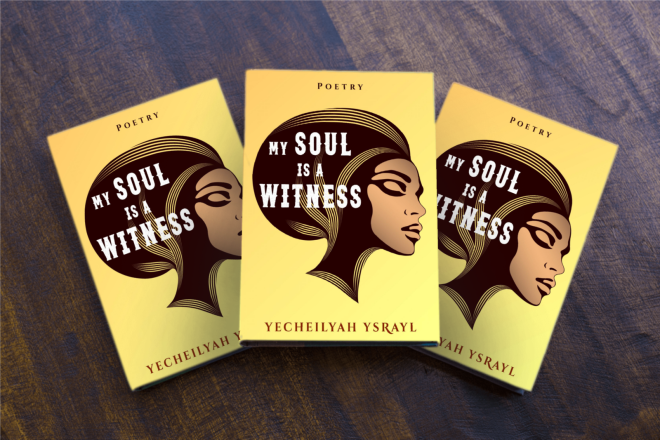
Don’t forget that if you have read My Soul is a Witness I am trying to reach 20 Book Reviews before this year closes and we are two reviews away! (Update: For some reason one of my reviews were removed. Boo. So I am 3 reviews away). If you have the book (and have read it), do consider leaving an honest review on Amazon by Jan 1.

Note: This poem is not in the book. It is new for those flipping your pages wondering where it is lol.

How to Review on Amazon:

Click this link. Scroll down to ‘Write a Customer Review,’ rate and leave your thoughts on the book.

Also, I am Soul is 99cents on Kindle for a limited time.

Dear Indie Authors, Please Identify Your Target Audience in 2021


Entrepreneurship has been the talk of 2020. With the COVID-19 virus sweeping the world, many new businesses have been born. It is a delight to see people take something as detrimental as a deadly global pandemic and use it as the catalyst for stepping outside their comfort zones. Every day someone is beaming about their new business endeavor, and I am here for it.
Self-Publishing a book is a business, too, so if you published a book this year, congratulations! This is a fantastic accomplishment that deserves recognition and celebration.

But Self-Publishing a book is not a business for every author.

There are two kinds of authors. We must identify them before going into it:

  • Authors who publish books for themselves
  • Authors who publish books for an audience

If you publish a book for yourself, you are not necessarily interested in creating a writing business from the book or making money. You might have published this book as a primary teaching tool to awaken the lost sheep, or you may have published this book as a lifetime goal you always wanted to achieve. You might want to print a few copies for family and friends, but you aren’t interested in creating a business out of it.
You are doing this for yourself, and there is nothing wrong with that, but also, in this case, you don’t have to continue to read this post.

You probably should though. Ya know, in case you change your mind.

If you are Self-Publishing a book that’s important to you AND appeals to a particular audience, you want to keep reading this post.

The Problem.

You write a book for yourself and then try to sell it to everyone.

“Most self-published books are vanity projects, which means, the author paid for the privilege of having them published, and spent money getting professionals to help them edit, design and produce it, but they earn less than they cost.” -Derek Murphy

The mistake is you wrote this book and did not think about who you want to read it so you try to appeal to everyone.


“It’s easy to fall into the habit of writing what you love or writing to impress your peers or your editor. That might make for good writing… but it won’t necessarily attract readers. To do that, you have to write for, well, readers.” – Writer’s Digest

The Problem.

Who are these readers? Hint: They are not everyone you know.

Dear Indie Authors, Please Identify Your Target Audience in 2021.

Identifying your target audience means identifying your customer demographics and then figuring out which tools will best attract them.

Rather than targeting everyone, you are focusing on the ideal customer for your business. “That means, stop beggingasking for help and support. Stop desperate, useless marketing tactics like spamming Facebook or blasting Twitter.” (Murphy)

You are not only identifying the ideal reader, you are thinking about real, actual people who would like to read your book.

“A lot of writing advice encourages you to define this ideal reader… but forgets to mention they need to be actual readers. If your ideal reader isn’t real, no one will read what you write. Instead of deciding what to write and defining a reader for it, start by defining your reader and writing for them.” – Dana Sitar

When you know your target audience it makes it easier to find your tribe. Your focus is on the people who are there instead of those who aren’t because you know you can’t please everyone.

But that’s what selling to everyone is like: trying to please everyone.

Instead of saying your book is for women, think about who these women are in more specific terms.

“My book targets women history buffs, aged 25-45, who love black history but are tired of the same white male-dominated narratives.”

Ask yourself: “Who am I writing this book for? What real people do I know would read a book like this? Maybe there is a black woman I know who is always talking about Ta-Nehisi Coates and happens to be reading Colson Whitehead’s Underground Railroad. She might enjoy my Stella Trilogy.

Not so Good Example:

“My book targets women 20-70, suffering, that want to feel better.”

This one is too broad. Every woman you know is suffering from something and want to feel better, and it will be hard to market a book to this wide of an age group. You got millennials and senior citizens in the same club.

Why Does It Matter?

Once you know your target audience and what they want, you can give it to them by being of authentic service to your tribe, which means offering exceptional value consistently. Consistency builds trust, and people buy from brands they trust.

Understanding our target audience doesn’t mean our family and friends won’t support us. It means we are not targeting them in our marketing. To target is to direct an action or message to someone or something. Pookie and Ray-Ray may know you, but are you trying to direct your message to them?

How many family members have bought your book?

I’ll wait.

But this doesn’t only apply to Self-Publishers but entrepreneurs in general, especially in the age of social media. Most people have not even done the basic work of securing a website. You appear out of nowhere with something to sell. You then tell people to cash app you the money and expect them to trust you enough to do it. You can have all the faith in the world, but it still doesn’t exempt you from following a basic business practice.

It’s easy to become frustrated and exhausted about the lack of support for a company without much to show for your efforts when you are trying to appeal to the broadest possible audience. If you start a business and then spam all your Facebook and Instagram friends hoping they will support you, your message may seem inauthentic and doesn’t really resonate with anyone in particular. – Tucker Max, How to Write For and Target the Right Audience for Your Book

Another benefit to knowing your target audience is knowing you don’t have to be everywhere to be seen. If your audience does not hang out on Facebook, you do not have to be on Facebook. If they are not on Instagram, you do not have to be on Instagram. It is easier to be consistent when your attention is focused instead of divided. Go where your people are and build.

Indie Authors, and new entrepreneurs in general, would be a lot happier if we focused on serving our targeted audience instead of everyone we knew. Everyone does not care about you or your business, and it’s a waste of time, energy, and resources trying to appeal to everyone. No one is obligated to support you. People do not care about your product, book, or service. They only care about what it can do for them. Please understand this.

“If you aren’t writing for an audience and carefully considering the commercial viability of your project, if you aren’t expecting and planning to make more money than you spend, and learning exactly what it takes to achieve that, then you’re publishing for yourself, and it’s a big risk and gamble.”

Are You Building a Book Business or a Hustle?

Self-Publishing a book is expensive without a return on investment. As Murphy explains, it just becomes a gamble. I like to call it a hustle. When I think of that word hustle, I think of someone doing anything and everything to make it instead of aligning oneself with a strategic plan and purpose. If you are continually spending money to produce something that doesn’t give anything in return, it can quickly get frustrating.

Excellent cover design, editing, ISBN, and all that is basic; we should all know the importance of this in 2021. The self-publishing service providers, coaches, vanity presses, and assisted self-publishers rarely talk about how authors can make money from that book they just paid five thousand dollars to produce. Launching a #1 Amazon Best Seller is great, but that doesn’t mean the author is earning money. Being on the Amazon Best Sellers list is cool but what’s even more neat is having a faithful readership because a loyal audience will bring consistent book sales.

This isn’t to say you shouldn’t pay to publish a high-quality product. It is to say that without an audience to buy it, it will feel like a waste of money.

Identifying a target audience is the key to any business’s success, and I mean success outside of personal gratification. In 2021, I hope we can all do better (myself included) in focusing on those who best fit the people we want to serve.

Looking for more Indie Author Basics? Click Here.


Don’t forget that if you have read My Soul is a Witness I am trying to reach 20 Book Reviews before this year closes and we are almost there! If you have the book (and have read it), do consider leaving an honest review on Amazon.

Why It Matters:

It’s a real challenge for Indie Authors to market books without Amazon reviews because reviews act as social proof and establish credibility and competence in the publishing marketplace. Are you an author? In need of reviews? Be sure you RSVP for my 2021 list. Click Here.

How to Review on Amazon:

Click this link. Scroll down to ‘Write a Customer Review,’ rate and leave your thoughts on the book.

Also, I am Soul is 99cents on Kindle for a limited time.

Black History Fun Fact Friday – Dr. George Cleveland Hall

This week, I spoke briefly on Dr. George Cleveland Hall, for whom the Hall Public Library in Chicago is named. I talked about the Hall Branch as the place I got my first library card and all the historical things I didn’t know that happened there. To read this post, click here.

Today, we are digging a little deeper into this man’s background, Dr. George Cleveland Hall.

As I dug into his story, I found Hall was a pretty big deal, and I am surprised there isn’t more information on him because this man was phenomenal and a significant influence on Chicago.

Dr. George Cleveland Hall was born on February 22, 1864. Not only was Cleveland a doctor, but he was also head of the Urban League and “one of the five founding members and the first president of the Association for the Study of Negro Life and History (ASNLH), currently known as the Association for the Study of African American Life and History (ASALH).” (William Smither)

In 1886, Hall graduated from Pennsylvania’s Lincoln University and studied medicine at Bennett Medical College and in 1896 graduated from Harvey Medical College.

Cleveland was a surgeon at Provident Hospital, the first private hospital in the state of Illinois to provide internship opportunities for black physicians, the first to establish a school of nursing to train black women, one of the first black hospitals to offer postgraduate courses and residences for black physicians, and the first black hospital approved by the American College of Surgeons for full graduate training in surgery.

Okay, Chicago!

George Cleveland Hall
Public domain image

In 1911 Cleveland founded the Cook County Physicians’ Association of Chicago, the organization of black doctors in the city.

But Dr. Hall’s significant influence on Chicago was not just about his expertise in the medical field. He is actually most known for his civic duty and grassroots work. In 1915, he joined Carter G. Woodson and others in the founding of the ASALH at the Wabash YMCA in historical Bronzeville.

Just wow.

I cannot believe I have not heard of Dr. Hall before. His contribution to black history and medicine is groundbreaking. He is right up there with Carter G. Woodson and then some. Hall also had a close relationship with Booker T. Washington.

Cleveland received two honorary degrees, one from Lincoln University for Doctors of Laws and another from Howard for Doctor of Science. He became the first black Chicagoan appointed to the board of directors for the Chicago Public Library.

Dr. George Cleveland Hall died at sixty-six in 1930.

On January 18, 1932, Chicago city officials dedicated the George Cleveland Hall Library to Dr. Hall, the first full-service library on the city’s Southside.

This is the same library where I received my first library card.

Yass.

For More Black History Fun Facts, click here.

No One is You And That is Your Power

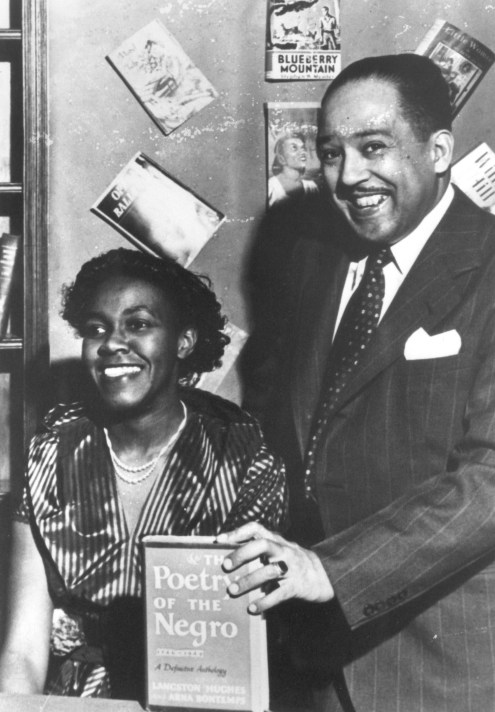
Langston Hughes and Gwendolyn Brooks at Hall Branch Library, Chicago, IL, 1949. Credit: George Cleveland Hall Branch Archives, photo 146, Vivian G. Harsh Research Collection.

I still go to libraries.

I got my first library card at the Hall Branch Library on 48th in Michigan on Chicago’s south side. I was thirteen years old and still needed my mother’s signature. I wasn’t into Black History back then. I chose this library because I wanted to check out books, and it was down the street from my grandmother’s house.

Here’s where it gets interesting.

Dr. George Cleveland Hall

Yesterday, I discovered Hall Branch was named for the renowned African American surgeon, social activist, and civic leader Dr. George Cleveland Hall (1864-1930). It was the first Chicago Public Library location with a Black branch manager, Vivian G. Harsh, who served as its first manager. We will get deeper into Hall’s background on this Friday’s Black History Fun Fact, the last one of the year.

In 1949, Langston Hughes and Gwendolyn Brooks visited the Hall Branch to celebrate the publication of The Poetry of the Negro Anthology.

On July 7, 2000, the Friends of Libraries USA (now United for Libraries) and Illinois Center for the Books designated Hall Branch as a literary landmark. This was in recognition of its promotion of African American literary culture by serving as a meeting place for such writers as Arna Bontemps, Gwendolyn Brooks, Lorraine Hansberry, Langston Hughes, Zora Neale Hurston, Claude McKay, and Richard Wright. (Learn more about the Chicago Renaissance of the Black Belt Here).

I thought I had picked this library at random and for no particular reason. I had no idea it was so rich with Black History or that it was this hub for Black writers.

This helped me to see how unique each of our journeys are. No one has walked in your shoes or experienced what you’ve experienced. No one is you, and that is your power.

Everything is a stepping stone to get us to the place Yah has destined for us, every path like a thread weaving and connecting everything together.

It would be years before I learned who Langston Hughes and Gwendolyn Brooks were, and many more years before I would publish a collection of poetry of my own.

Little did I know I was building on the same foundation as those who came before me.

Talk about the power of purpose!

Also, I still got that library card!


Have you read My Soul is a Witness? I am striving for 20 book reviews at minimum before the year is out. If you read this book, I would appreciate so much if you reviewed it! Go to the page here. Scroll down to Write Customer Review, click that, rate and review. Boom. Done.

Thanks!!

Vote For My Soul is a Witness Book Cover

They say not to judge a book by its cover…

…but I need you to do just that!

If you like the cover of my book, My Soul is a Witness, please vote for it for the cover of the Month contest on AllAuthor.com!

Here is the link:

https://allauthor.com/cover-of-the-month/10528/

Go, Go, Go!!

And thank you!!

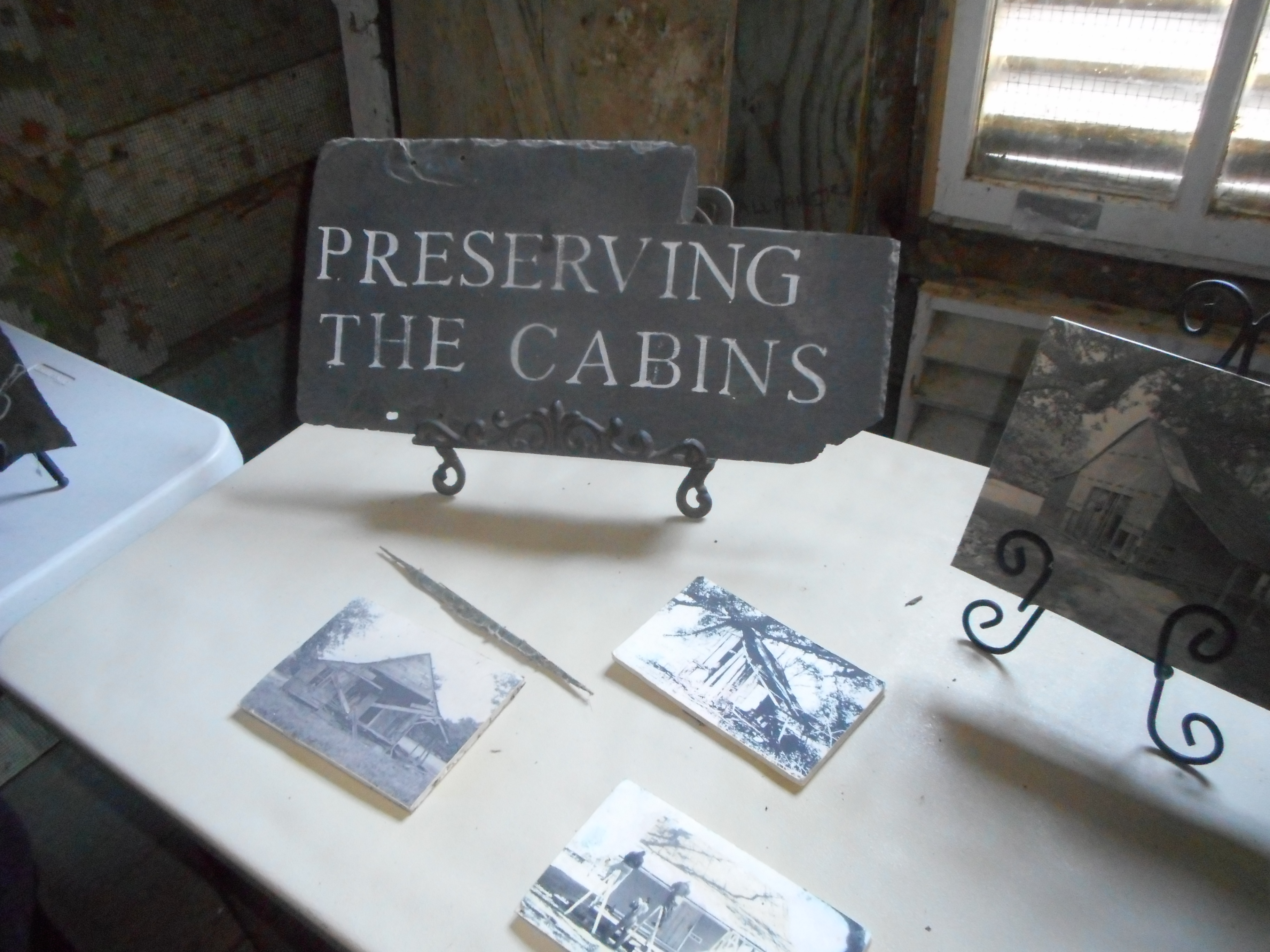
Black History Fun Fact Friday – Cane River Creole National Park – Oakland Plantation

On this day in 2016, I posted about a former slave plantation in Natchitoches, Louisiana I visited that weekend. I shared my experience on this blog, but I never made it a Black History Fun Fact. As the memory popped up in my Facebook archives, I decided to add it to the collection. Below is the original post for those of you who were not following me in 2016 and never saw this.


Originally Published on 11/28/2016

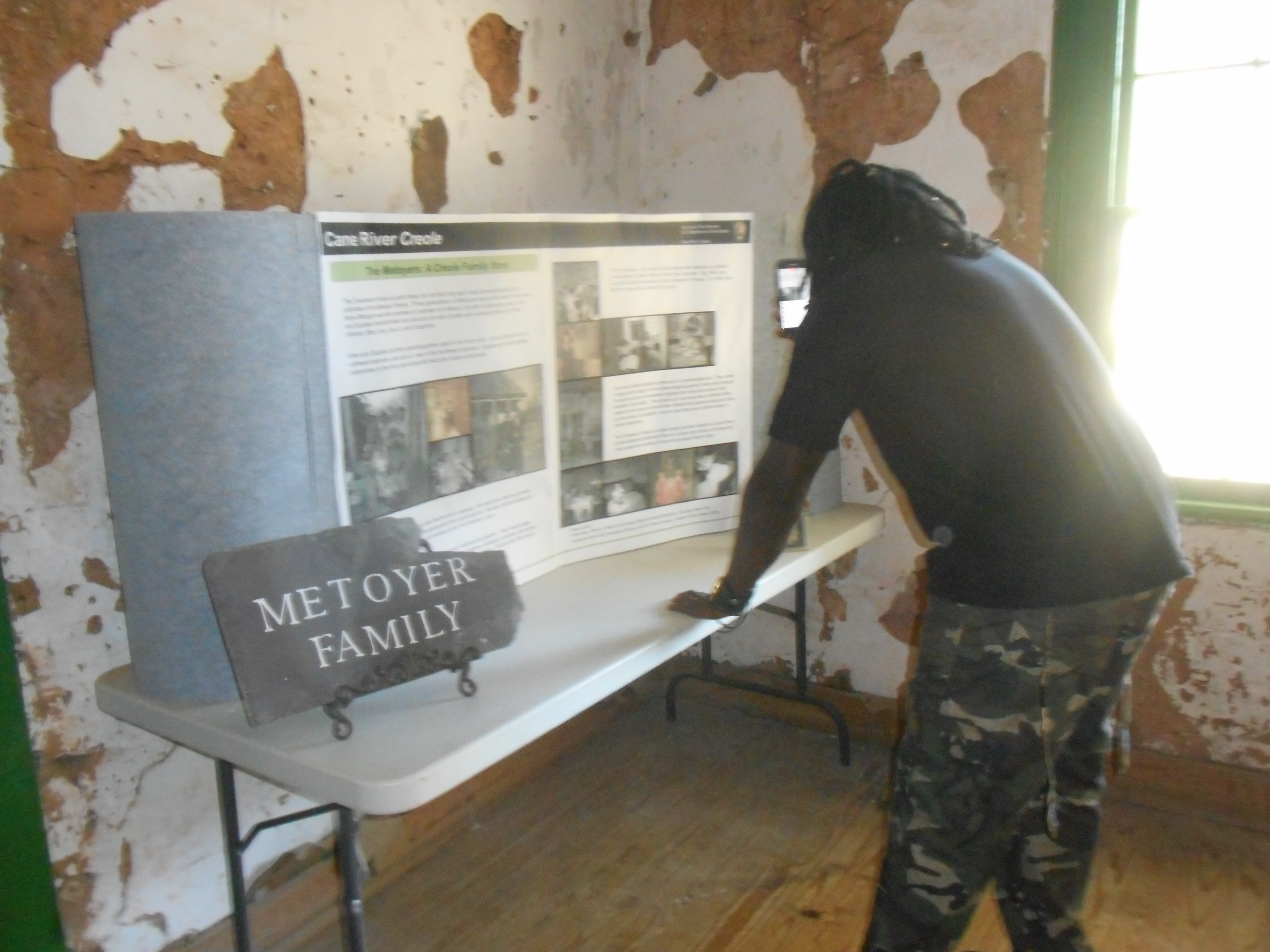
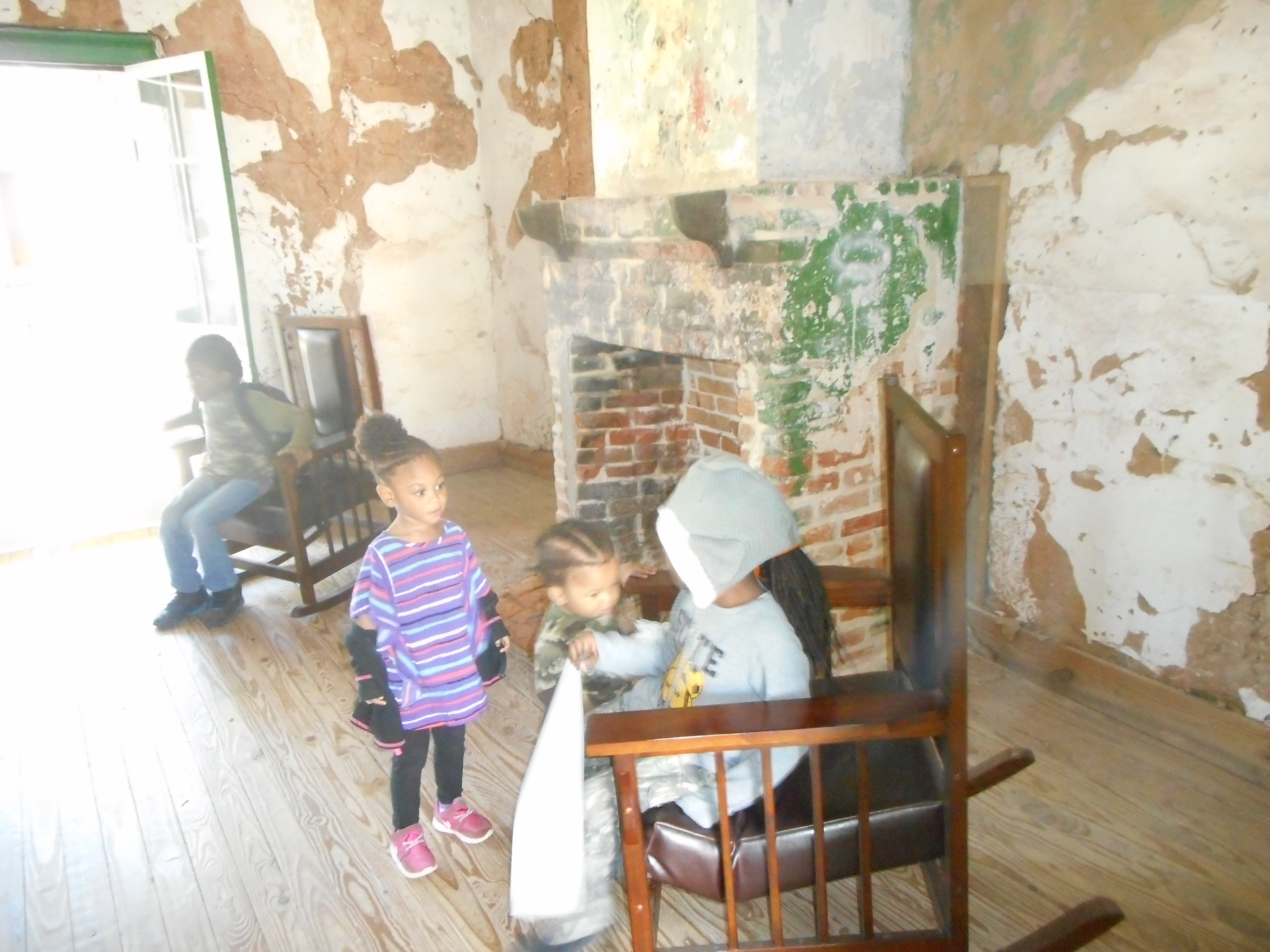
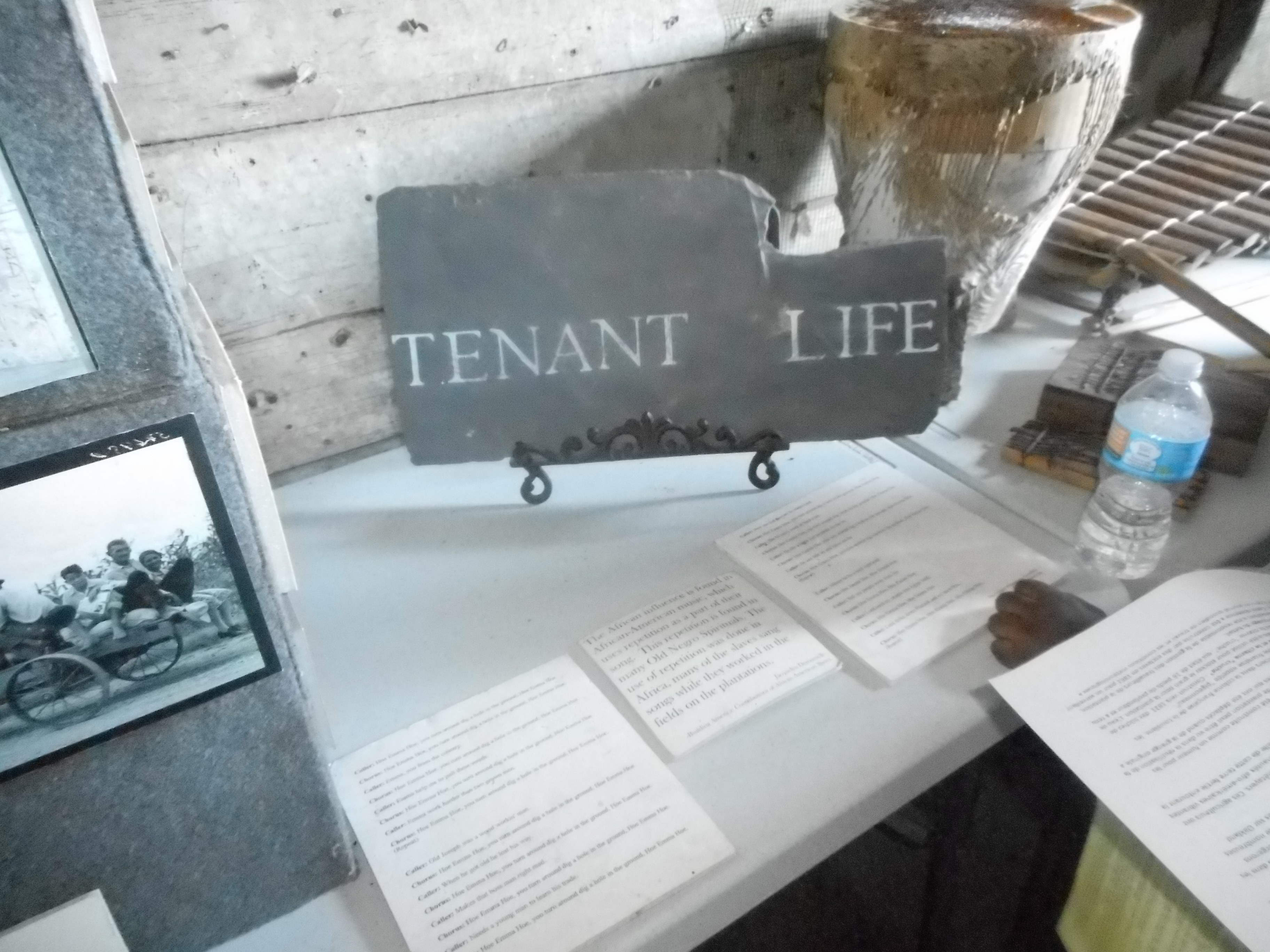
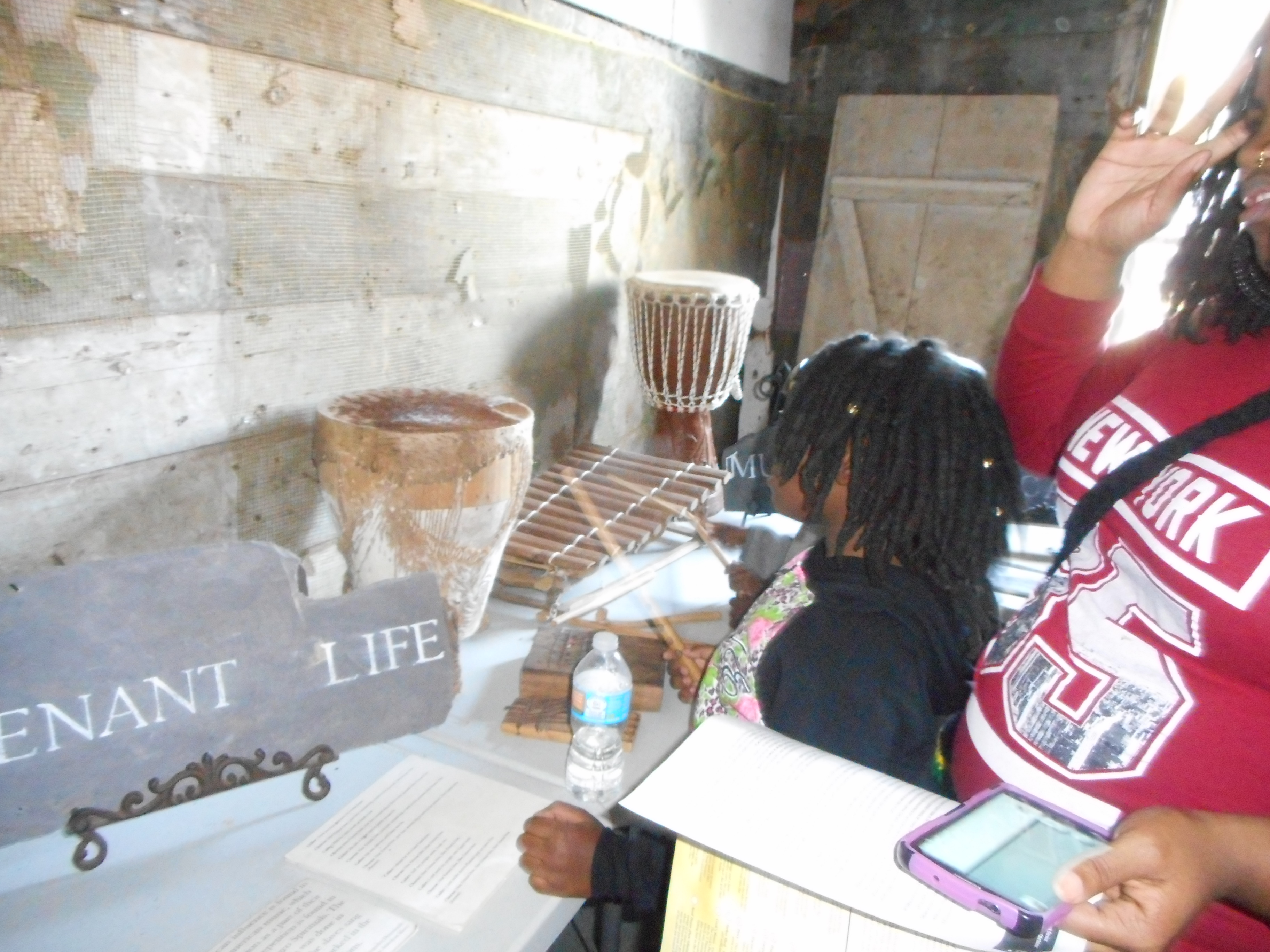
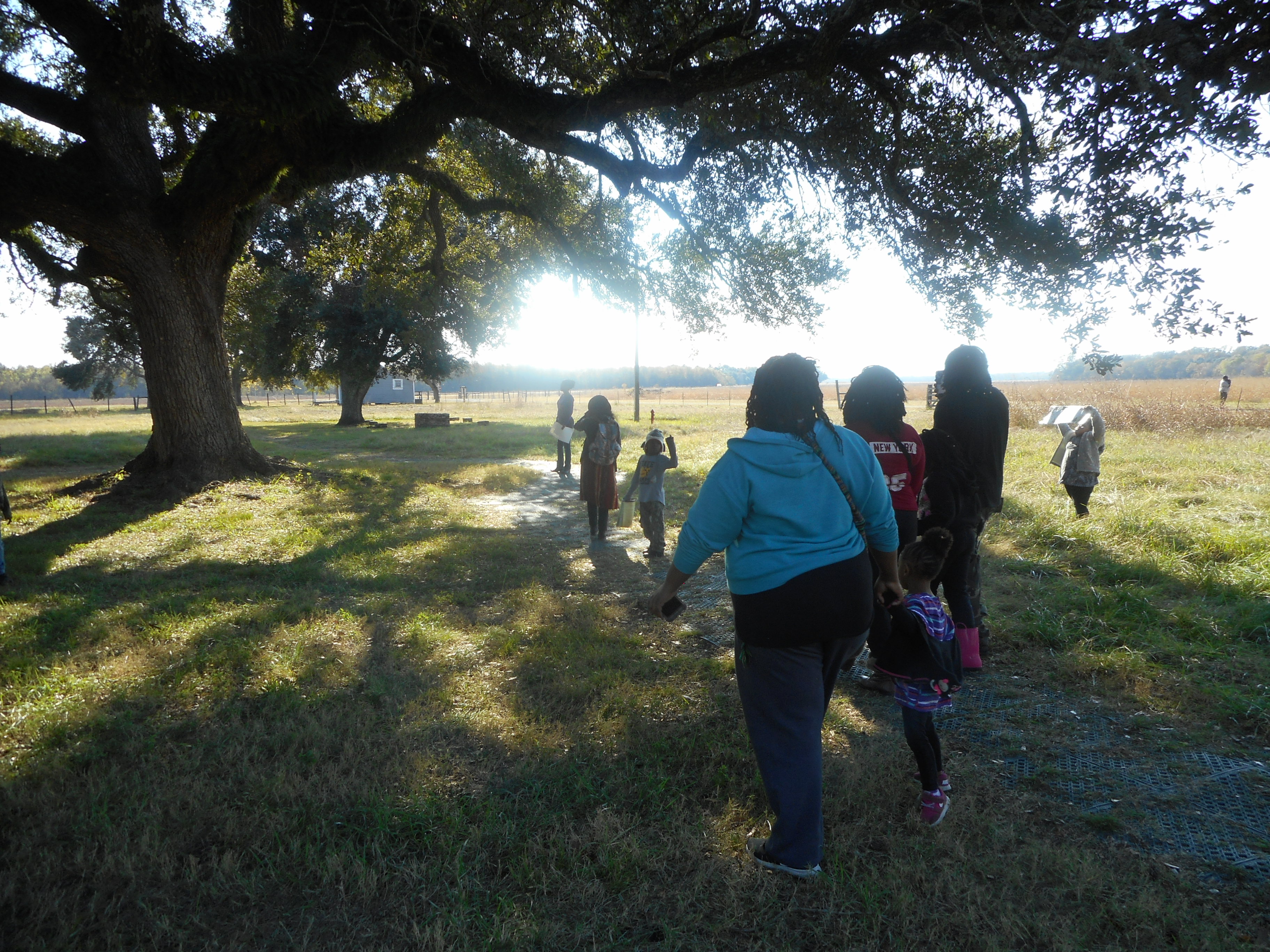
I took a week off to unplug and to spend time with my family. In addition to camping, we visited the Cane River Creole National Historical Park in Natchitoches, Louisiana.

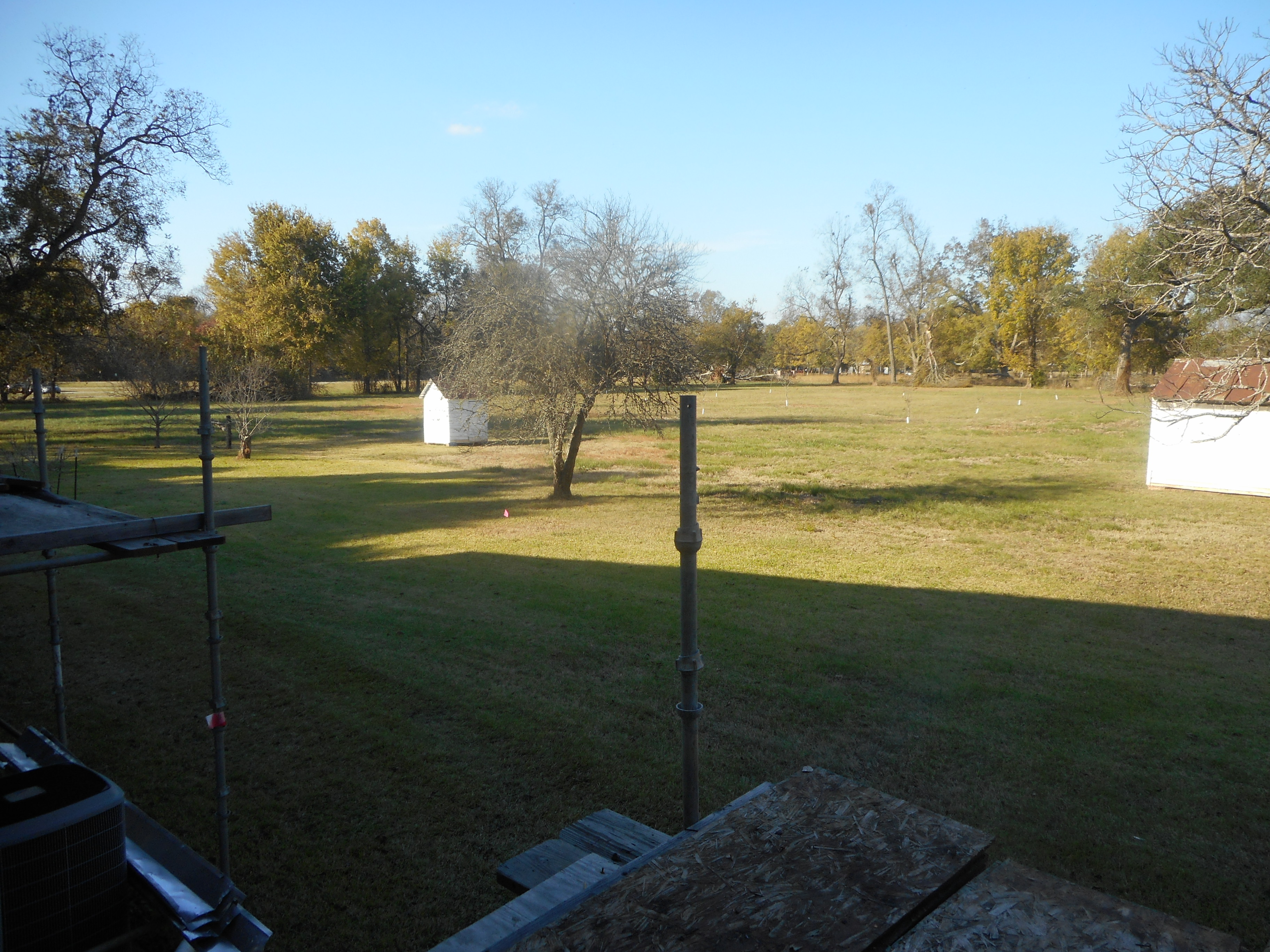
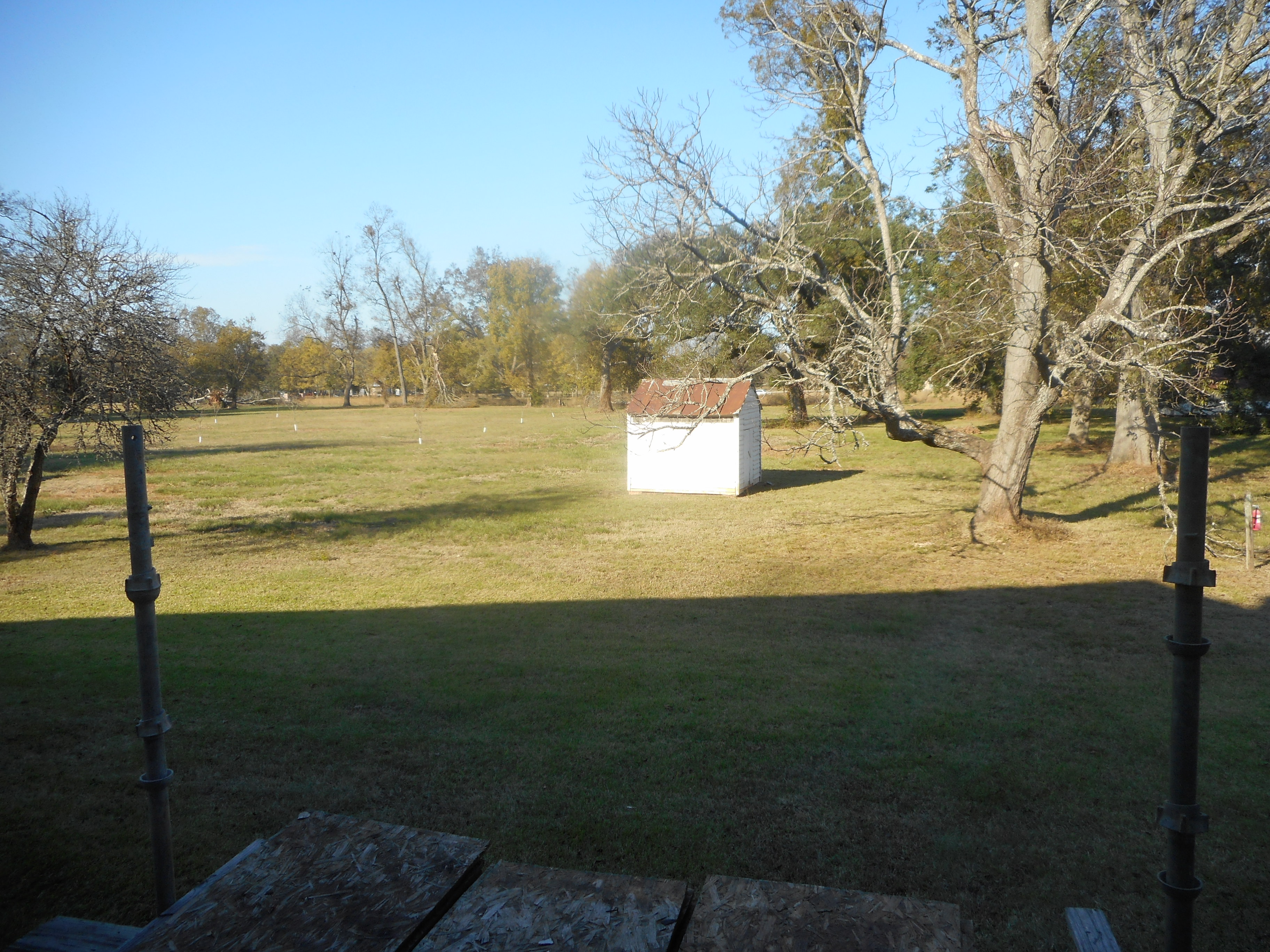
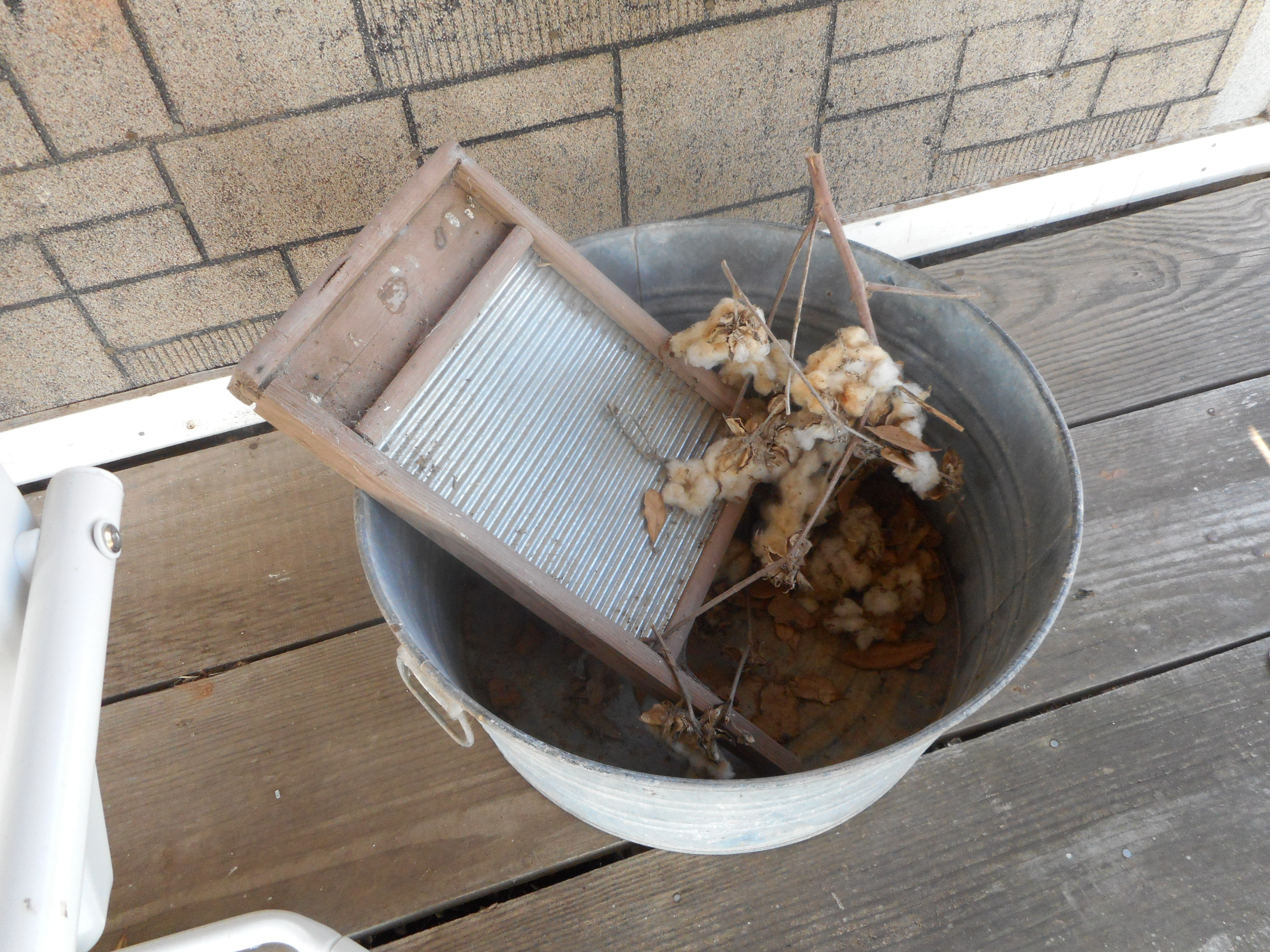
dscn0180 dscn0184 dscn0183 dscn0182 dscn0181dscn0340

Reading and watching movies about slavery is one thing, but touring a former slave plantation is an entirely different experience. I didn’t get very emotional, but I will say for now that gratitude is my best way of describing it—appreciation for all the comforts I enjoy in my life that my ancestors paid for with their blood. As the sun lowered and we prepared to leave, I thought about what they would be doing at this time of the day. I thought about how they’d just be coming in from the fields to prepare for their nightly routines or, perhaps, still working.

dscn0267dscn0270 dscn0306 dscn0307

Originally called Bermuda, the founder of Oakland was Jean Pierre Emmanuel Prud’homme, who began farming the land in 1785 and received a Spanish land grant in 1789. The land’s first cash crops were tobacco, indigo, and cotton.

dscn0237

The Prud’hommes were the first family west of the Mississippi River to farm cotton on a large scale.

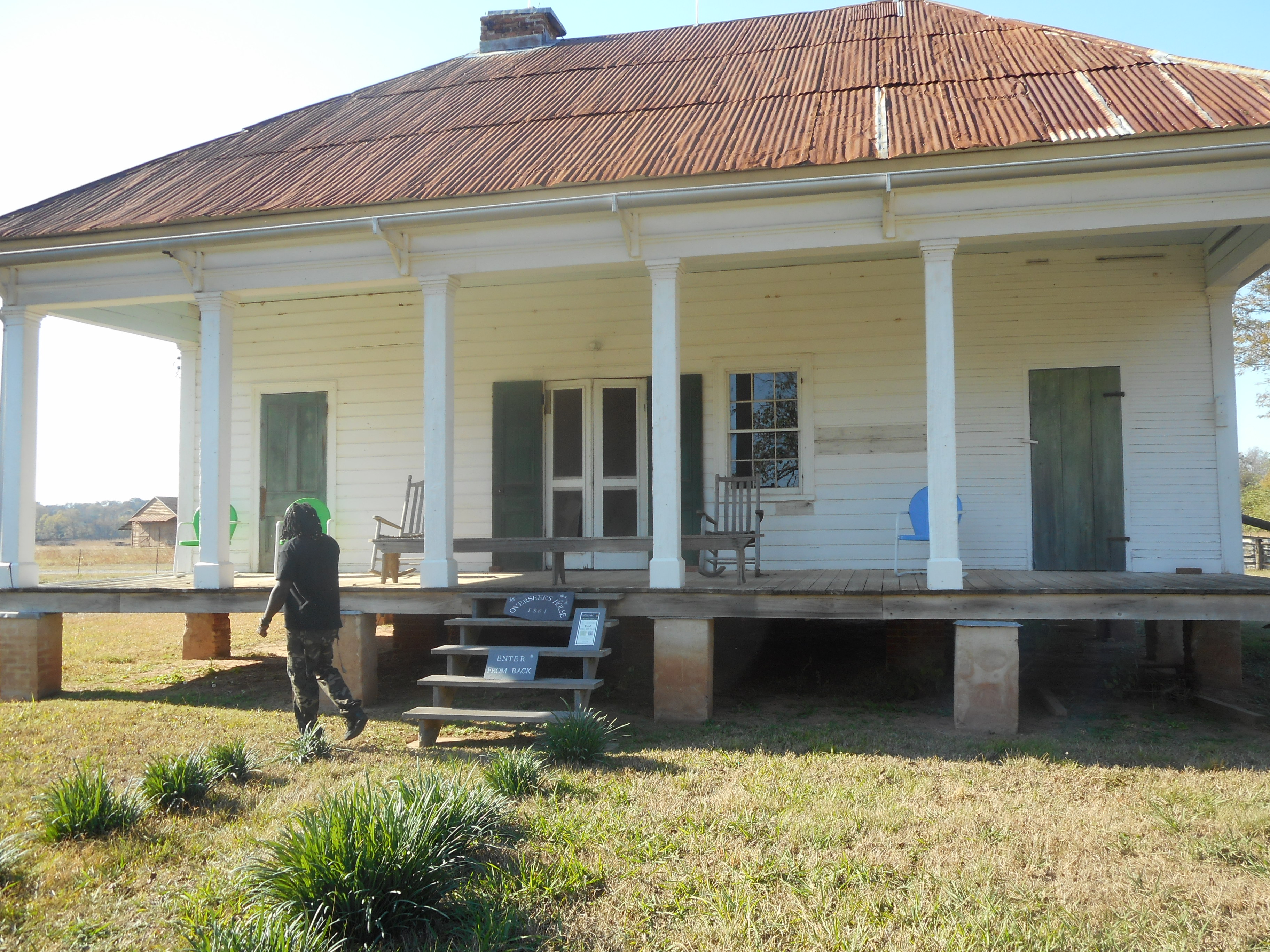
The Overseer’s House

dscn0208 dscn0209 dscn0211

Overseers were the middlemen of the Antebellum South’s plantation hierarchy. Sometimes they were white men working for the slave owner, and other times they were enslaved men hired to rule over their brothers. The “masters” expected overseers to maintain a workforce of slaves to produce a crop. The enslaved were the overseer’s responsibility. He was to keep them working by any means necessary. In return, he got to occupy his own cabin or possibly get a bit more food. The perception was that because his job was “better,” he himself was better off, but he was still an enslaved person.

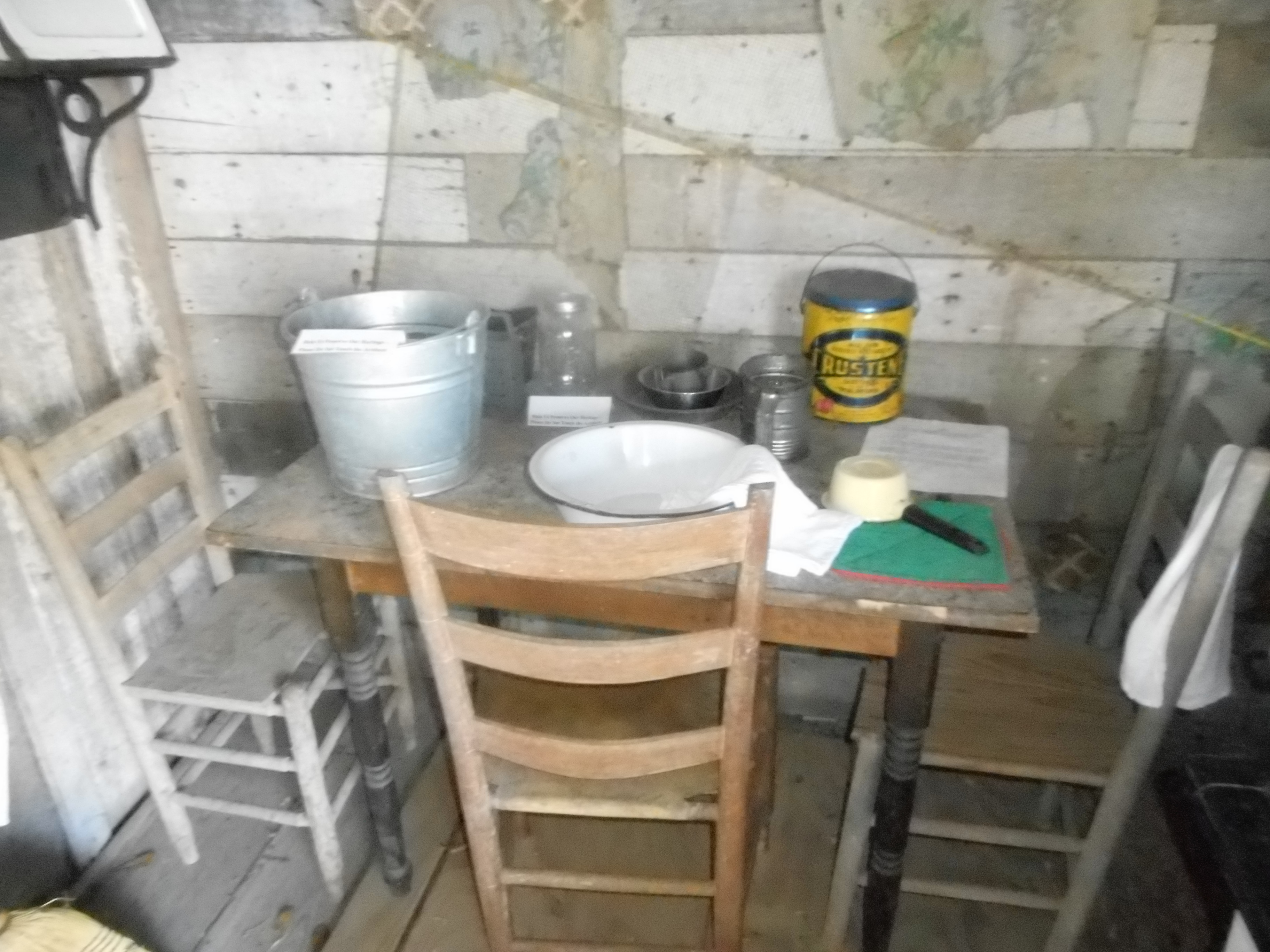
dscn0212 dscn0213 dscn0215 dscn0222dscn0221

Close Up: Check Out this Old School Stove!

I also noticed the mud and straw still preserved from the original building of the house.

dscn0220

Slave Quarters turned Home of Sharecroppers

After the Civil War, sharecropper and tenant farmers continued to live on the land up until the 1970s. They worked twelve hours a day, six days a week.

dscn0235 dscn0239 dscn0240 dscn0241 dscn0242 dscn0243 dscn0244 dscn0245 dscn0251 dscn0252 dscn0253 dscn0255 dscn0259 dscn0260 dscn0261 dscn0262

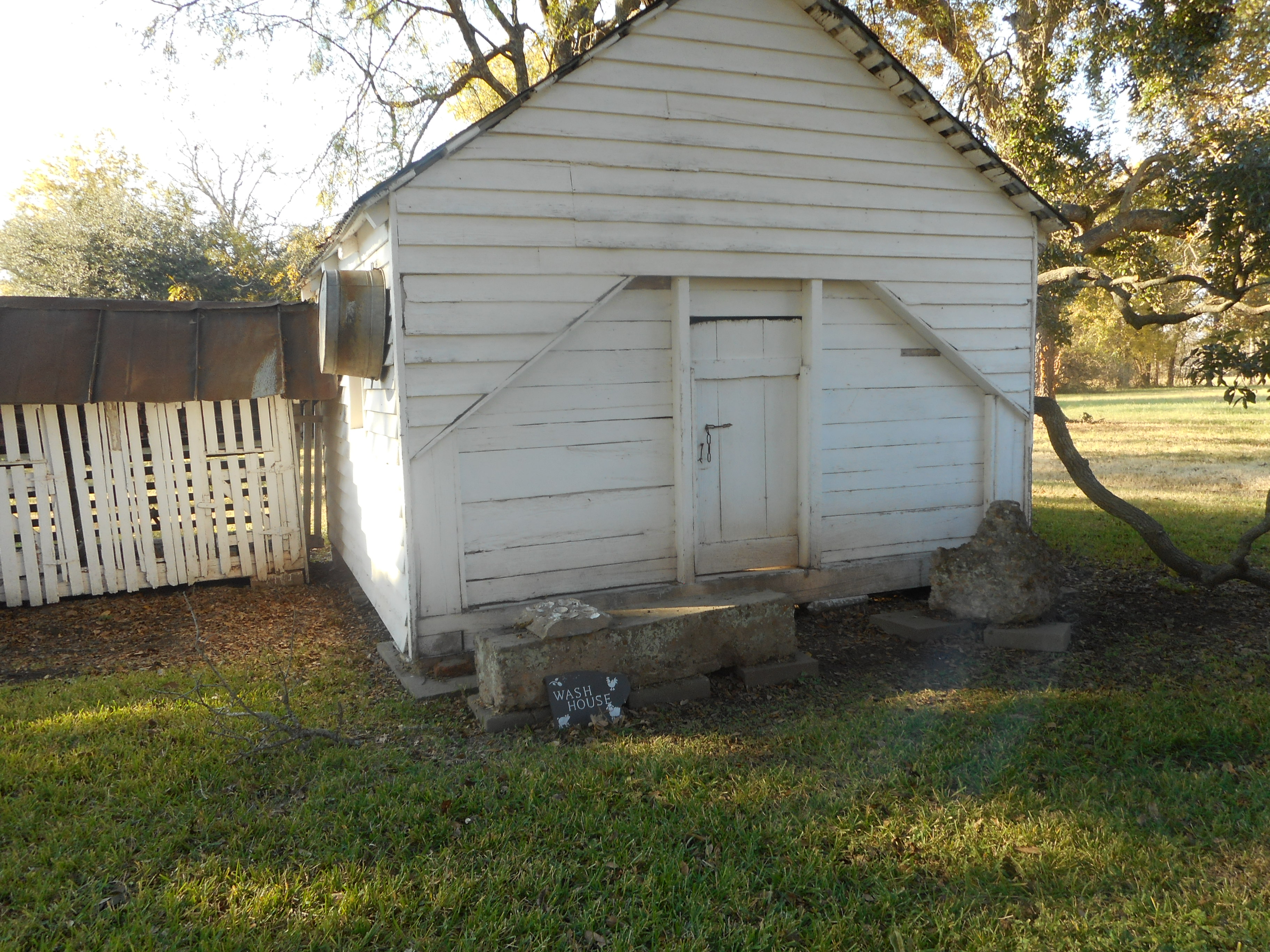
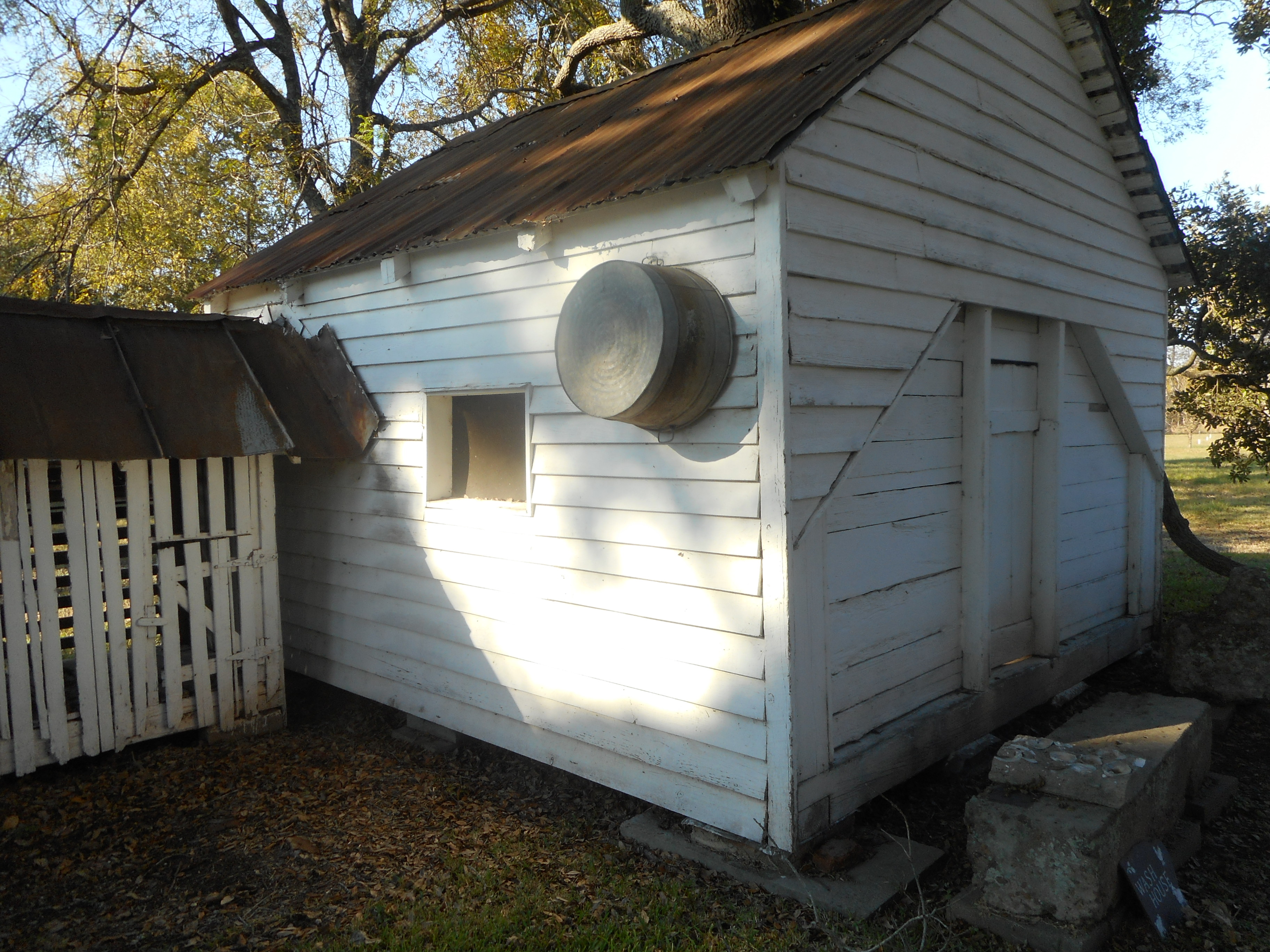
Wash House

Martha Ann, an enslaved Laundress, worked in this wash house in the 1850s. In the 1940s, her descendant, Martha Helaire, earned $4 an hour working here as a Laundress. All we have to do is walk a few steps to the washer and dryer.

dscn0319 dscn0321

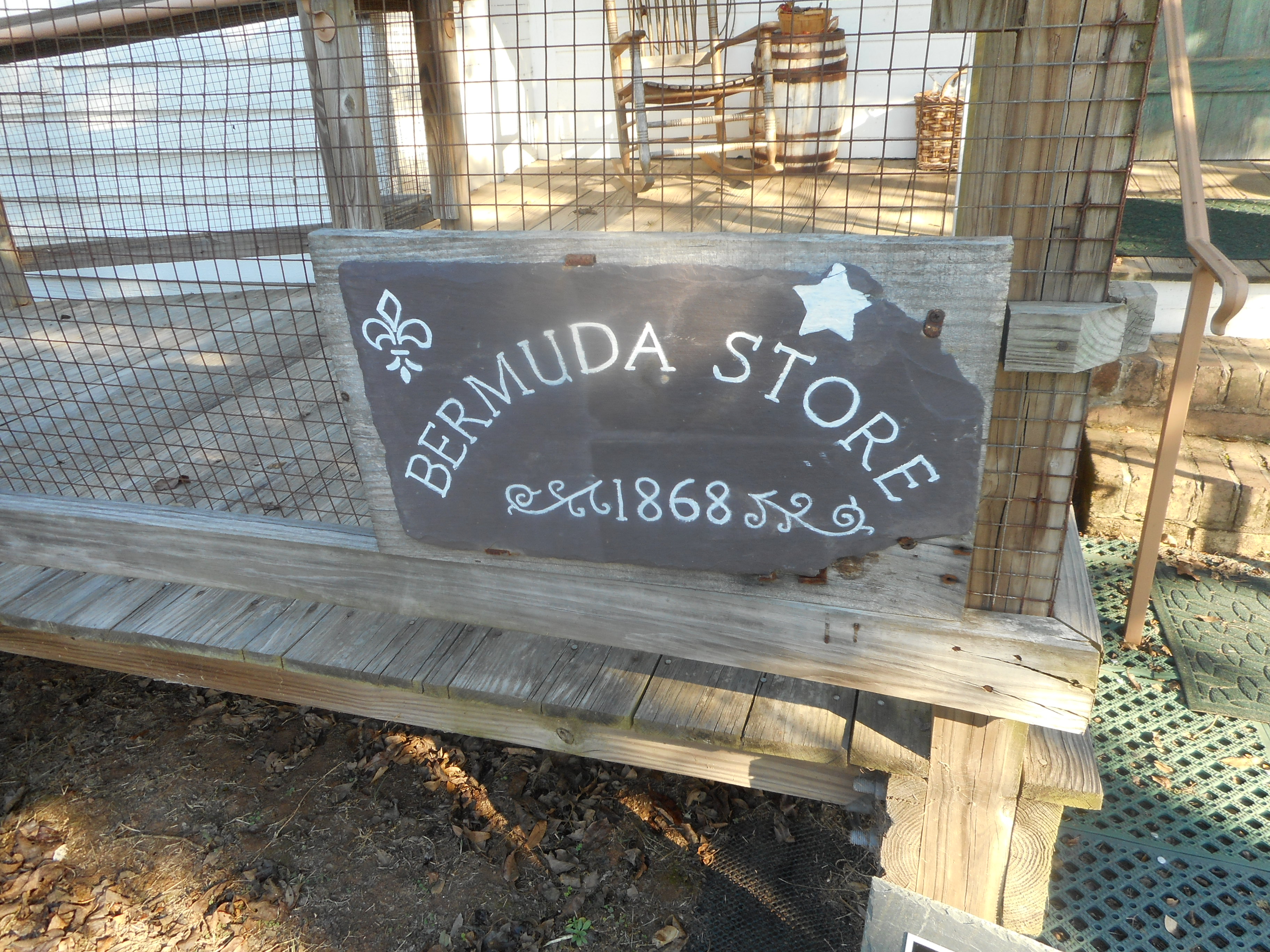
Bemuda Store

Opened after The Civil War, sharecroppers and tenant farmers continued buying their supplies from family and farming from this store until 1983.

1983?!

The Prud’homme family owned and operated the store. They also ran the Post Office located inside.

dscn0285 dscn0286

Carpenter Shop

Slaves built and repaired plantation structures from this workplace.

dscn0277 dscn0278

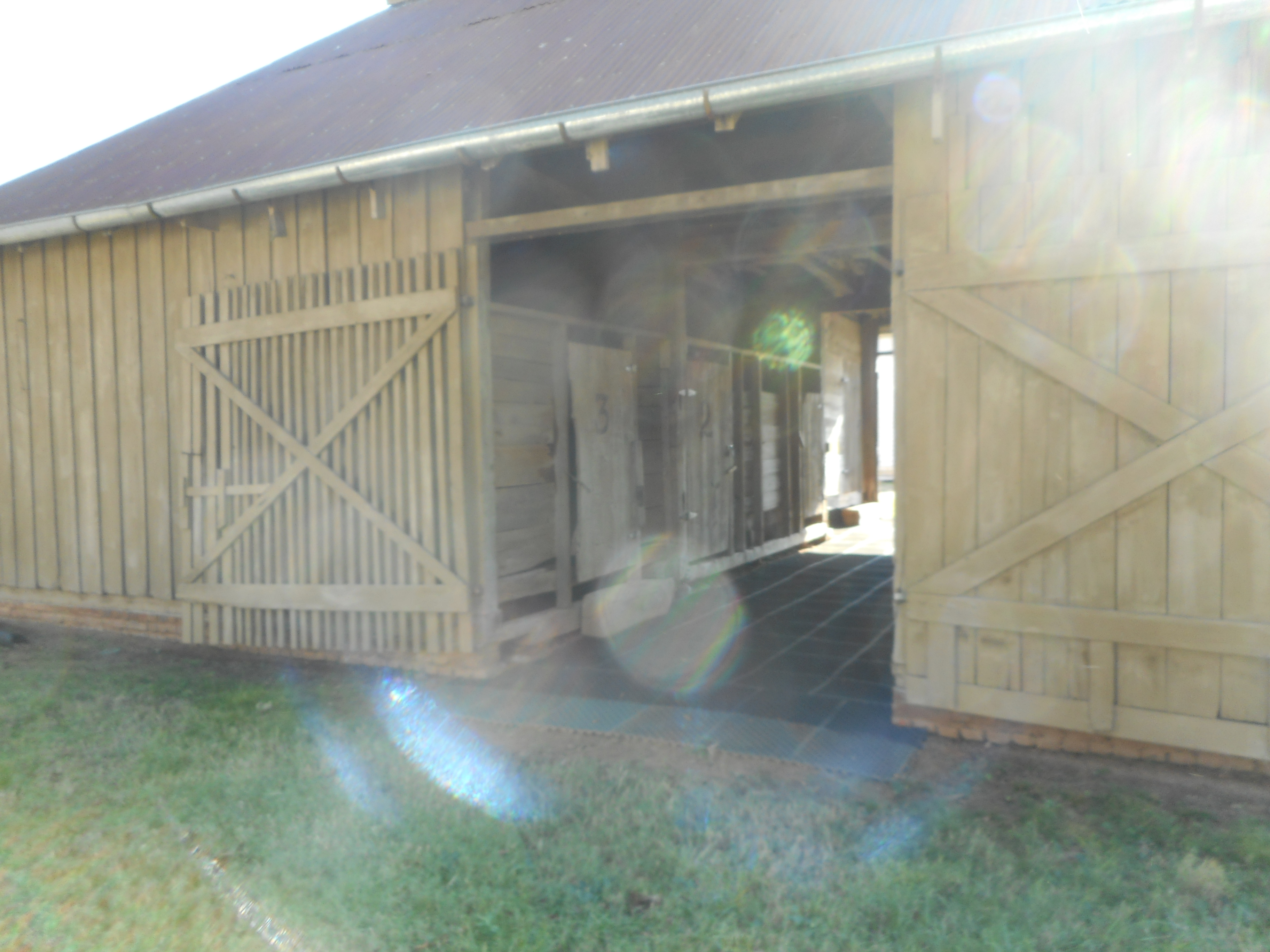
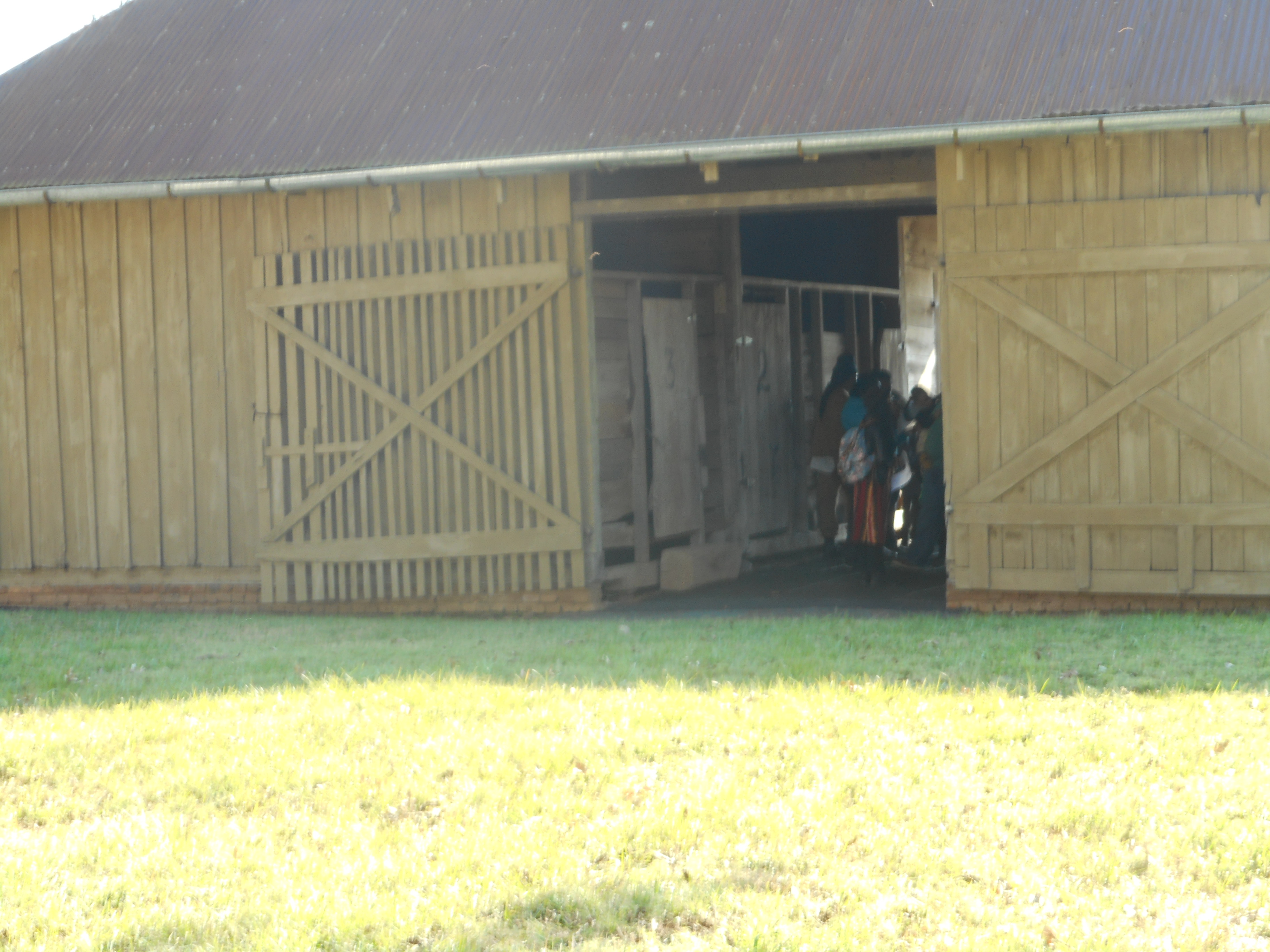
Mule Barn

Smokehouse turned mule barn. Built by the enslaved, the plantation reused the smokehouse to accommodate the mules when the original mule barn burned down.

dscn0186 dscn0190

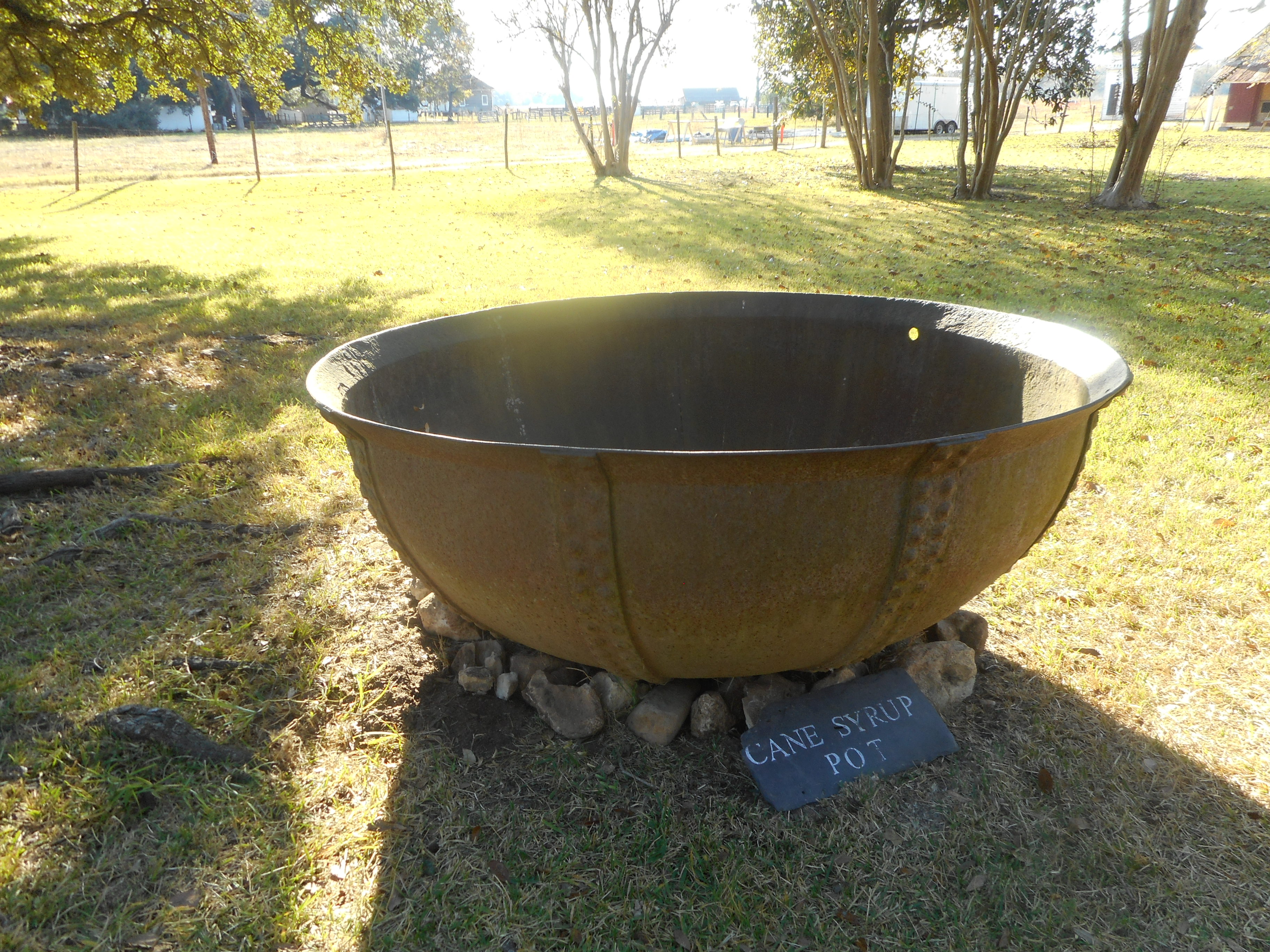
Cane Syrup Pot

Used to make cane syrup.

On some plantations, they used these pots to punish the enslaved and to boil them alive (as depicted in the movie “Mandingo.” CLICK HERE to see the clip.)

dscn0291

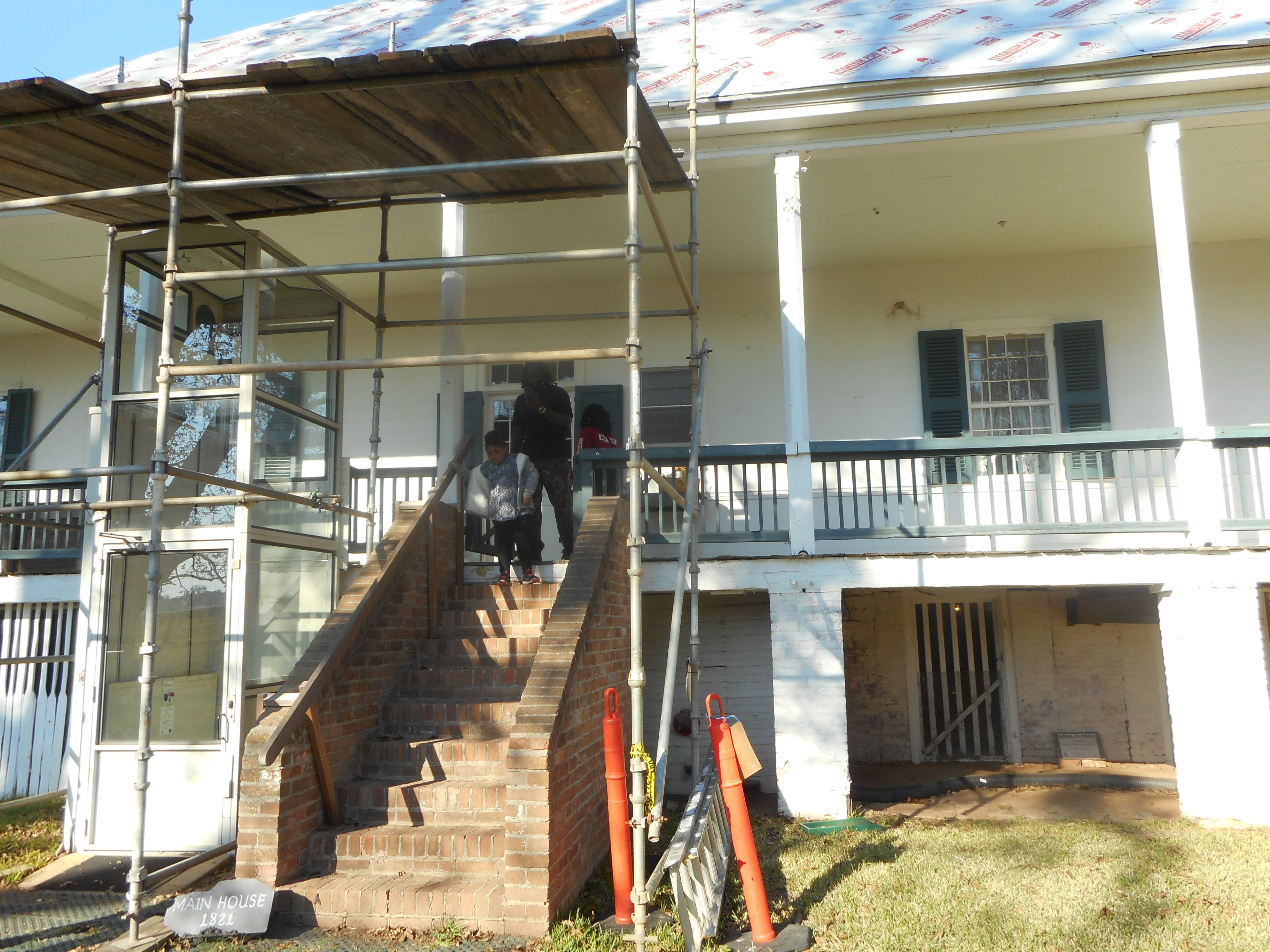
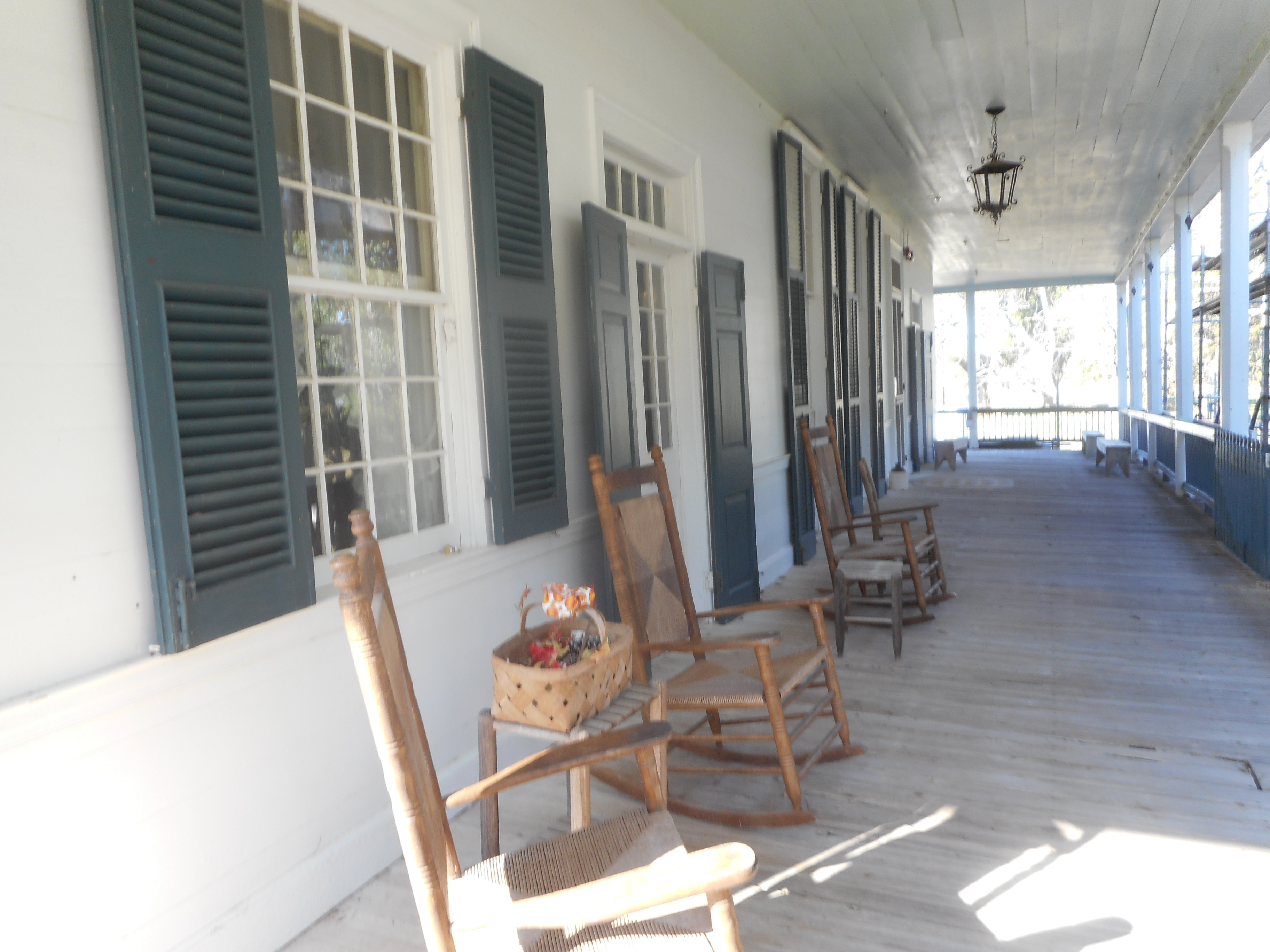
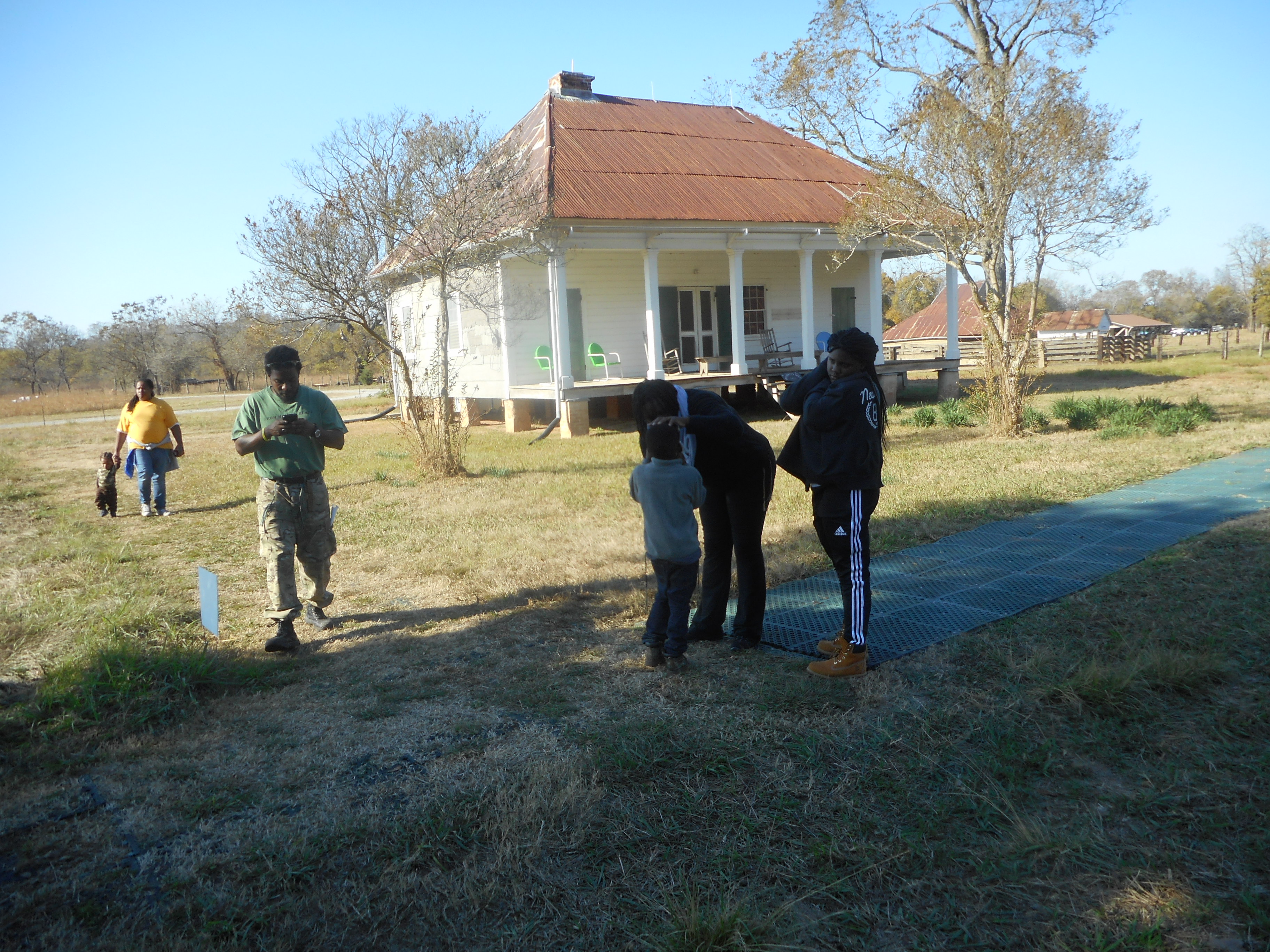
The Big House

This is the porch and perimeter of “The Big House.” We could tour everywhere except for this house. We were not allowed inside, and they did not give us a reason why.

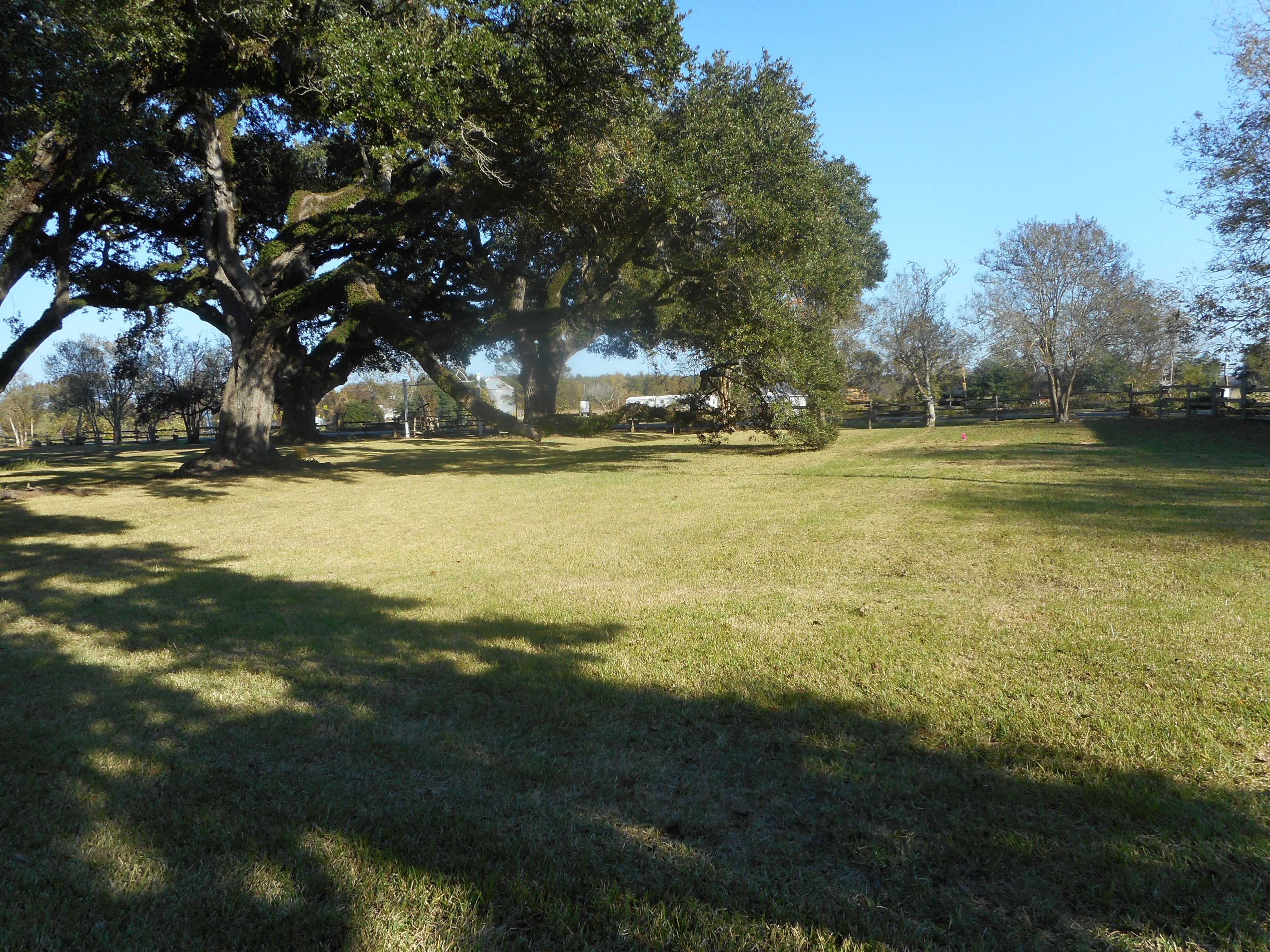
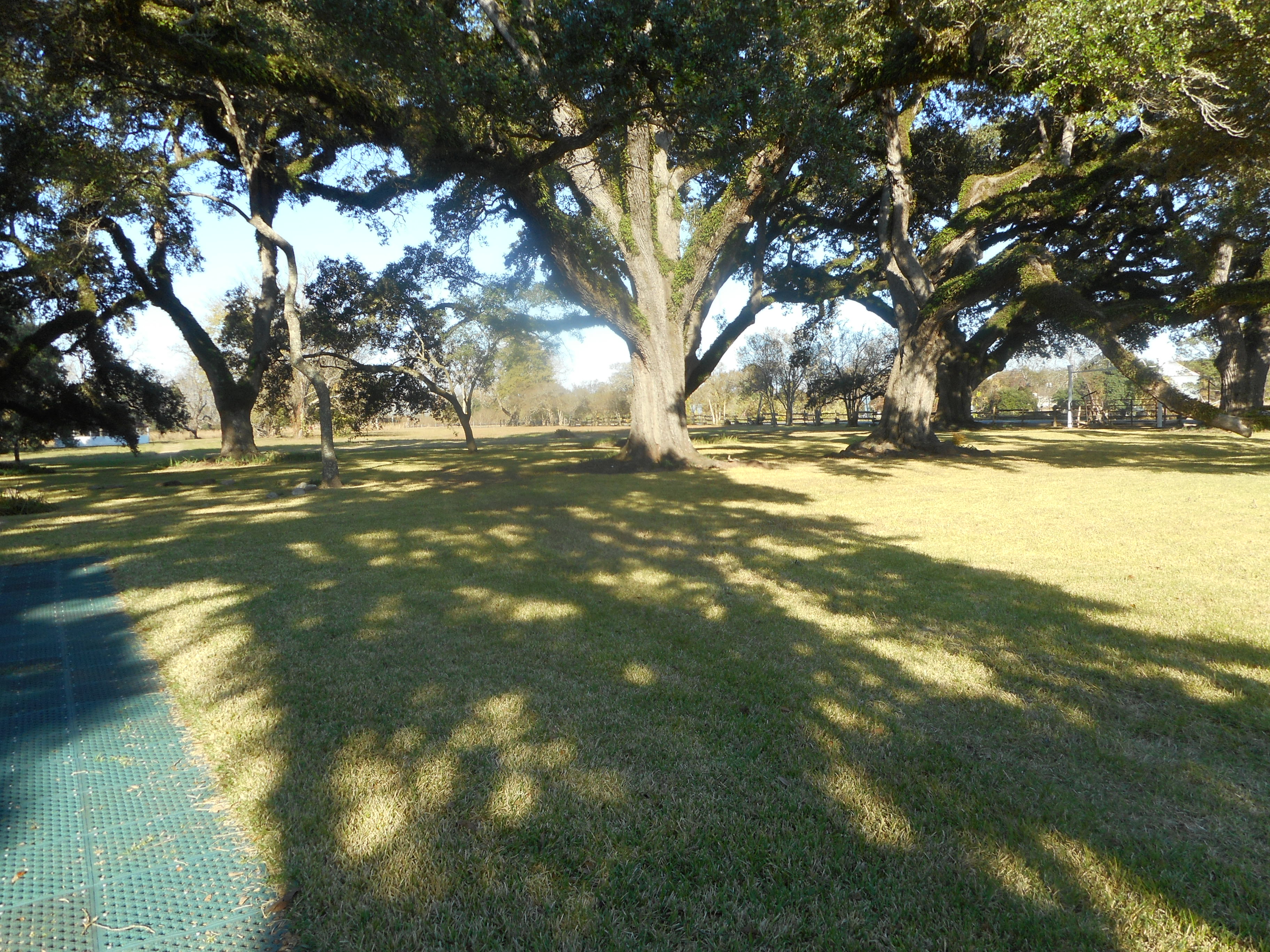
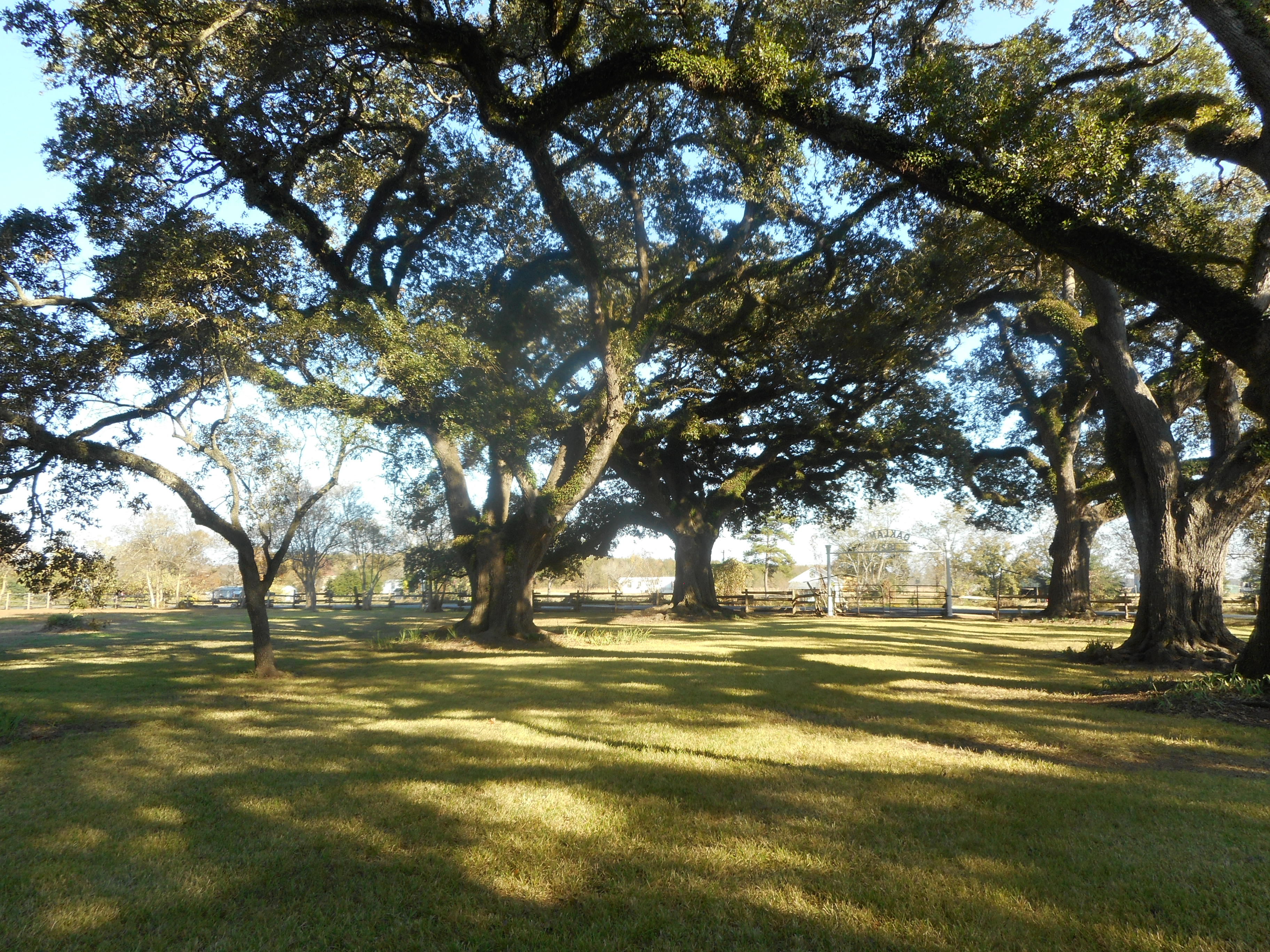
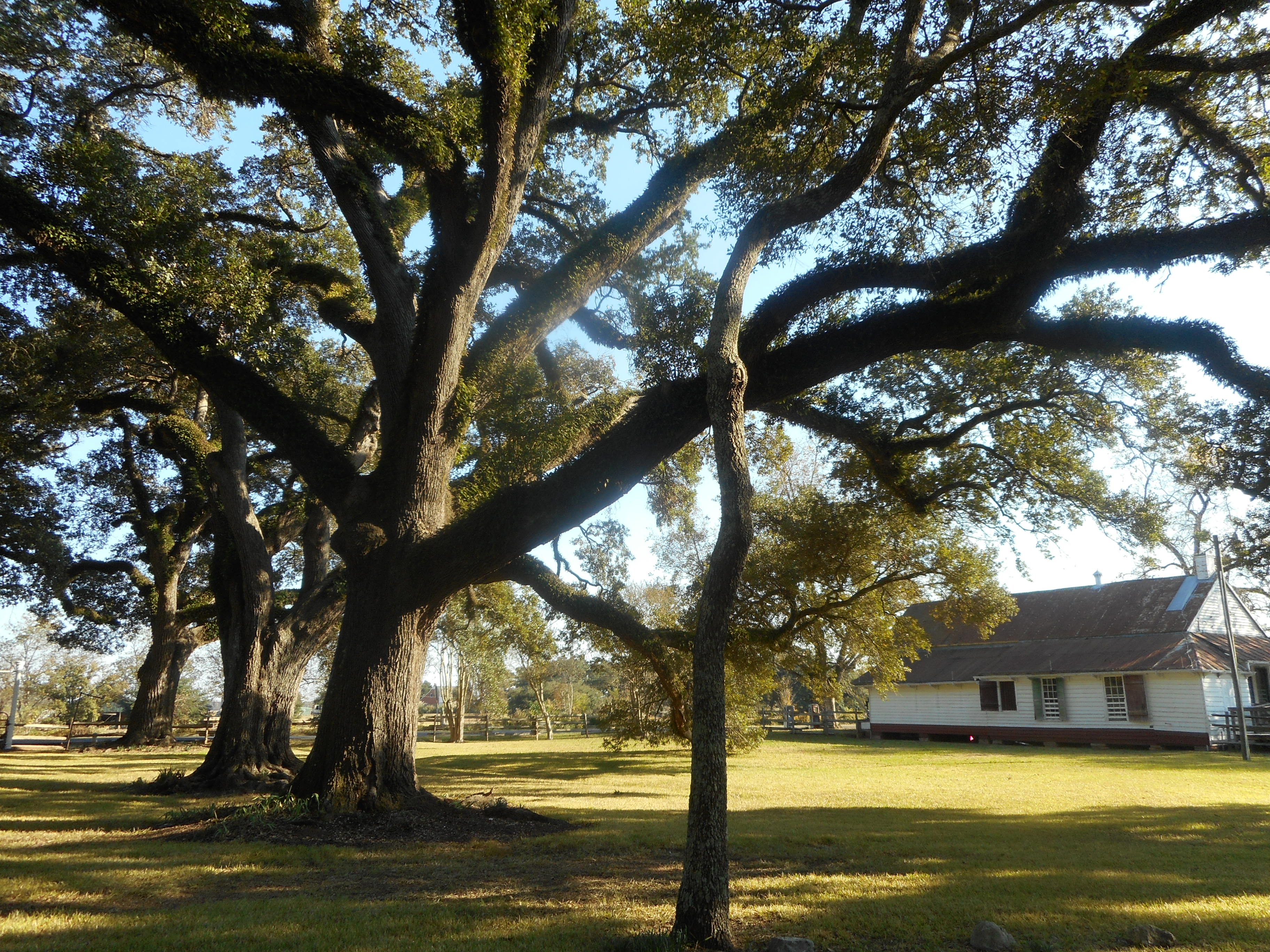
It was overwhelming to look at the trees whose thick branches bowed low. Shading the big house, cooling it from the Louisiana sun, and sheltering it from the River breeze, these trees lined the walkway to the entrance of the gate and were planted in 1825.

dscn0287 dscn0288 dscn0294 dscn0295 dscn0296 dscn0298 dscn0299 dscn0300 dscn0301 dscn0303 dscn0304 dscn0308

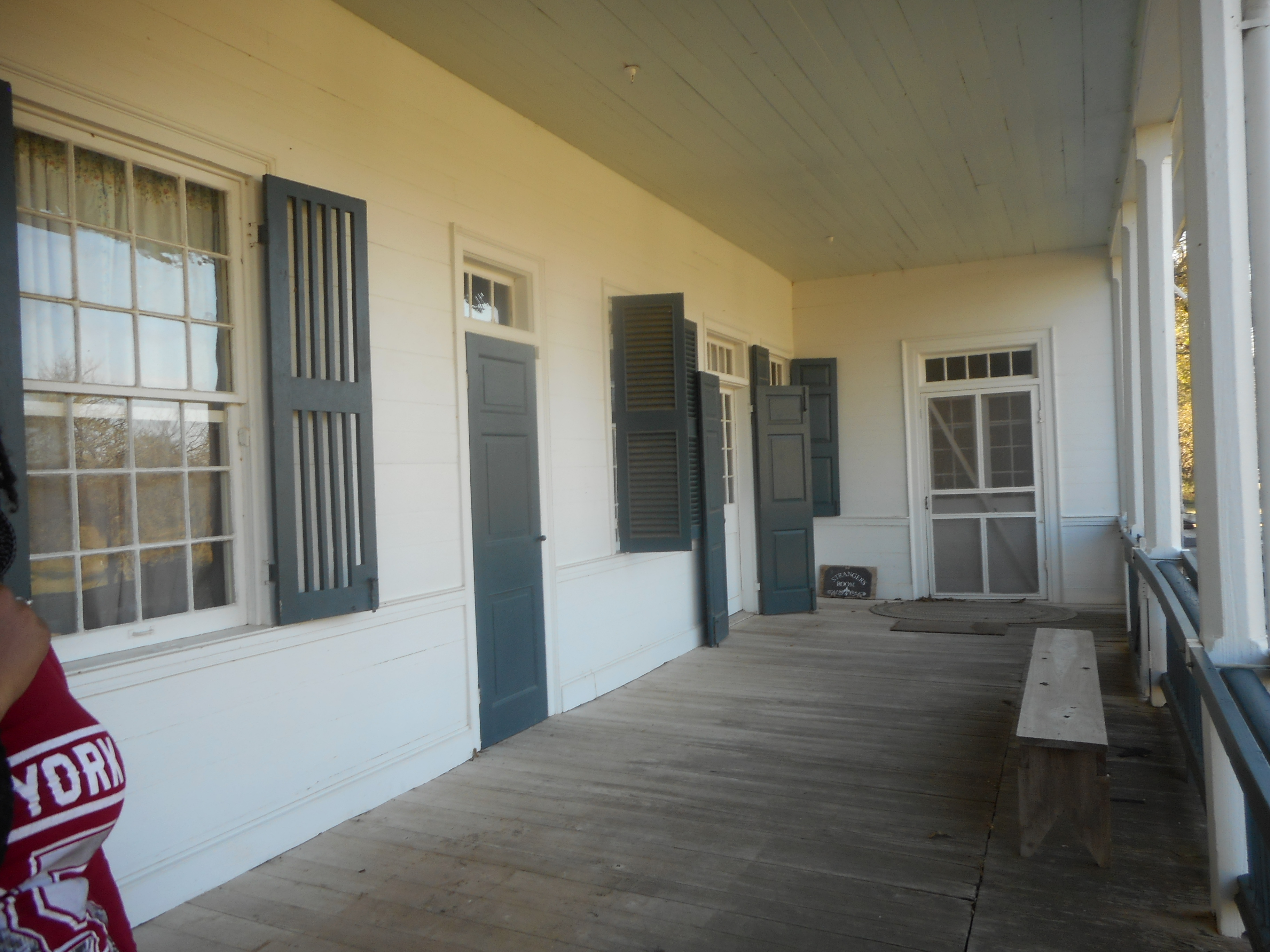
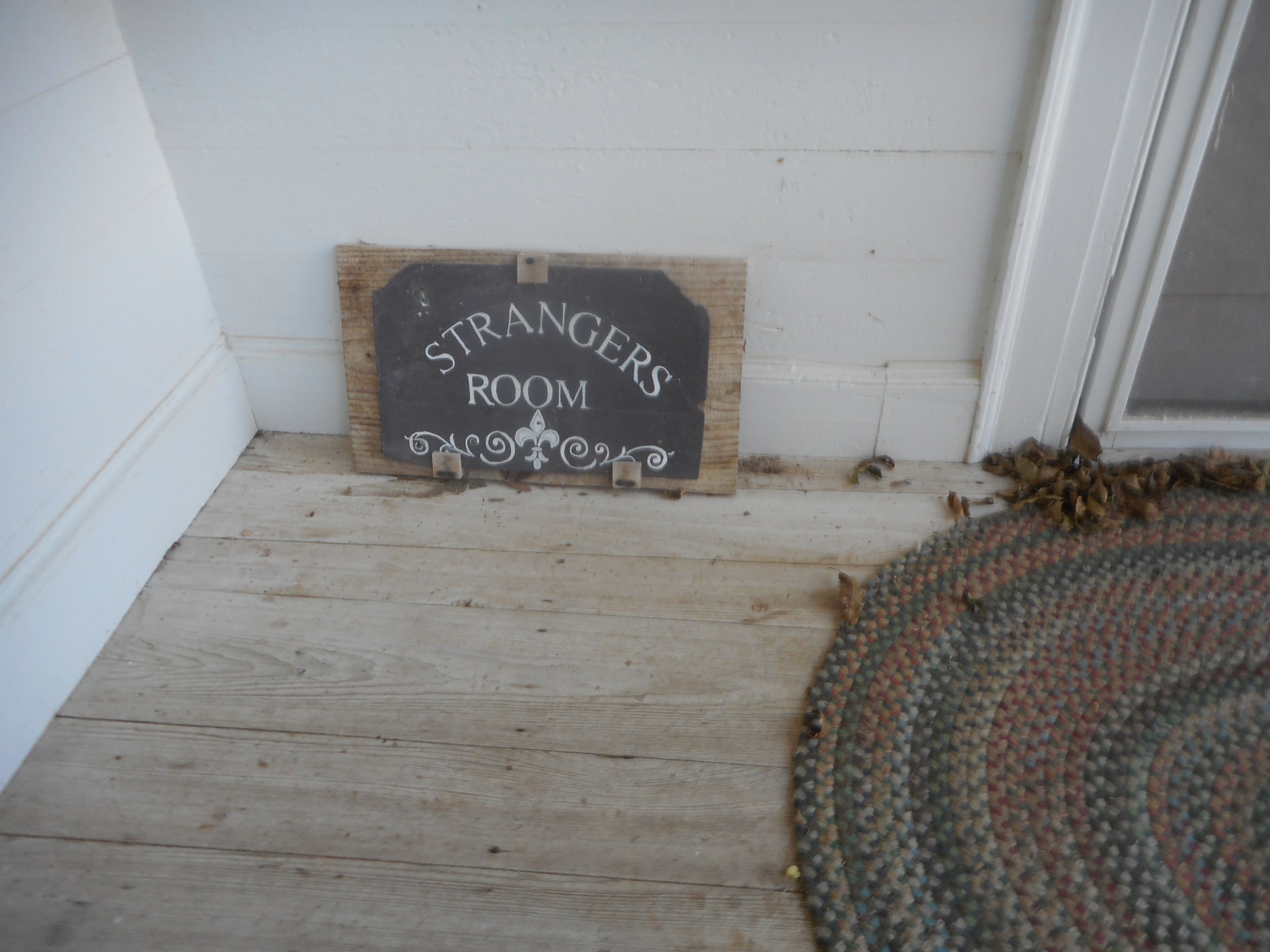
Strangers Room

I don’t know what a stranger’s room is (guest room?), but it’s a room in the big house. I tried to take pics of the inside from the window. It looks like the original furniture is still preserved.

dscn0309 dscn0310

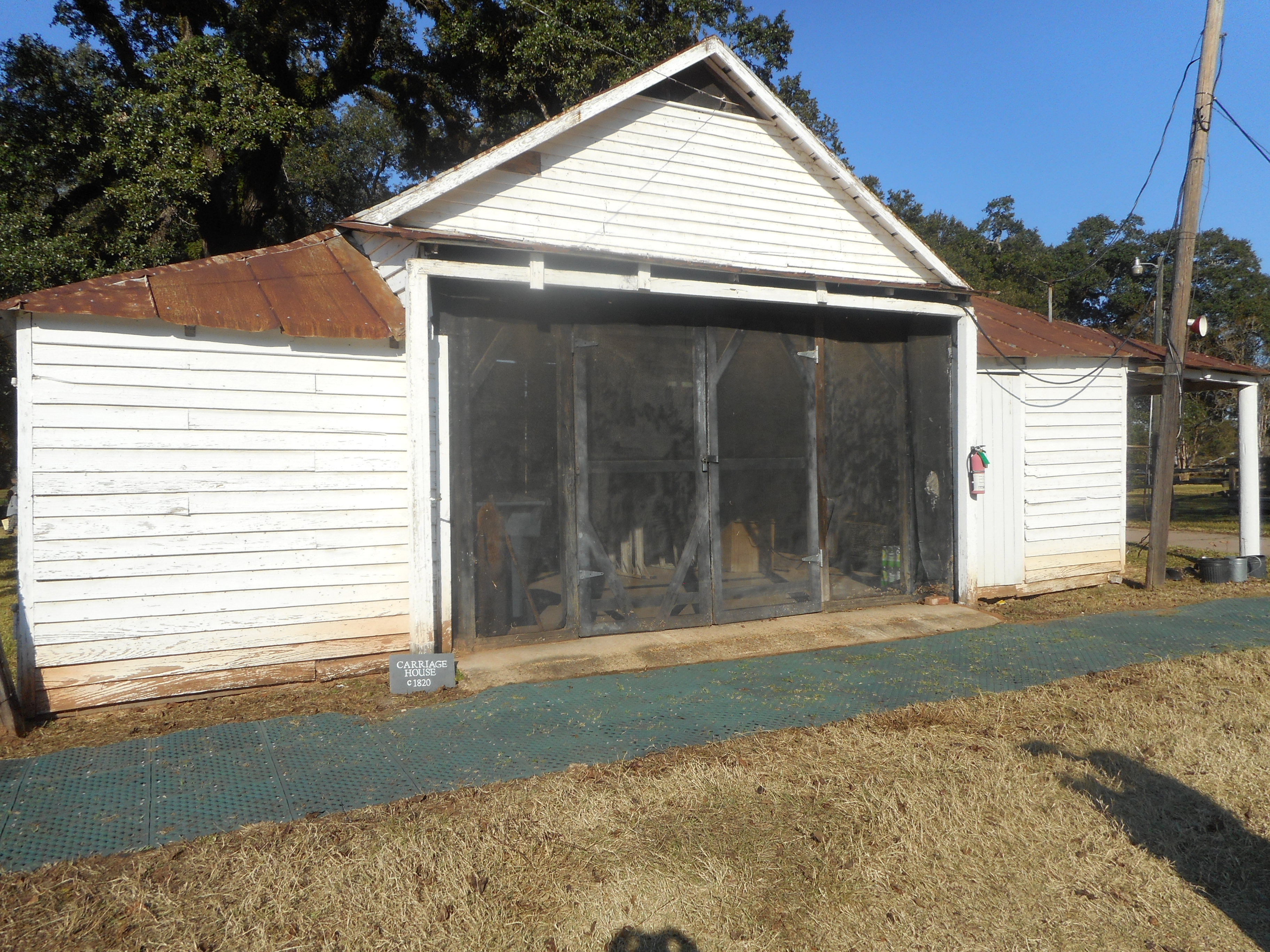
Carriage House

The carriage house dates to 1820. In its earlier years, the east bay was used as a horse stall. The overseer had the horse saddled each day and tied to the chain so that it was available for riding and checking the fields.

dscn0281

Square Corn Crib and Cistern

The Corn Crib was built around 1821 of hand-hewn cypress logs and was used to store grain for the plantation. Rainwater was channeled from the crib roof into the cistern, which was 16 ft deep and held 4804 Gallons of water used for watering stock.

dscn0271

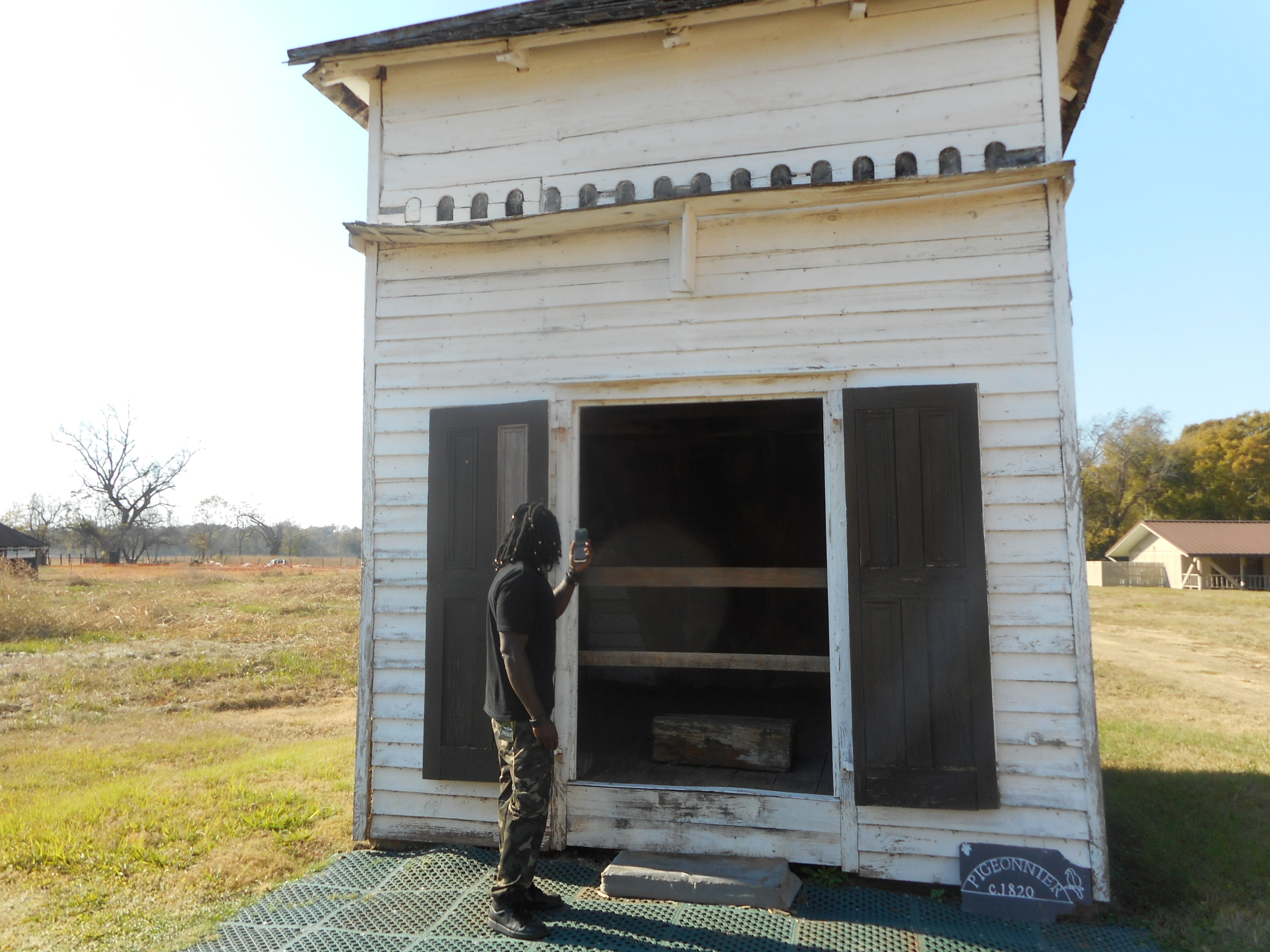
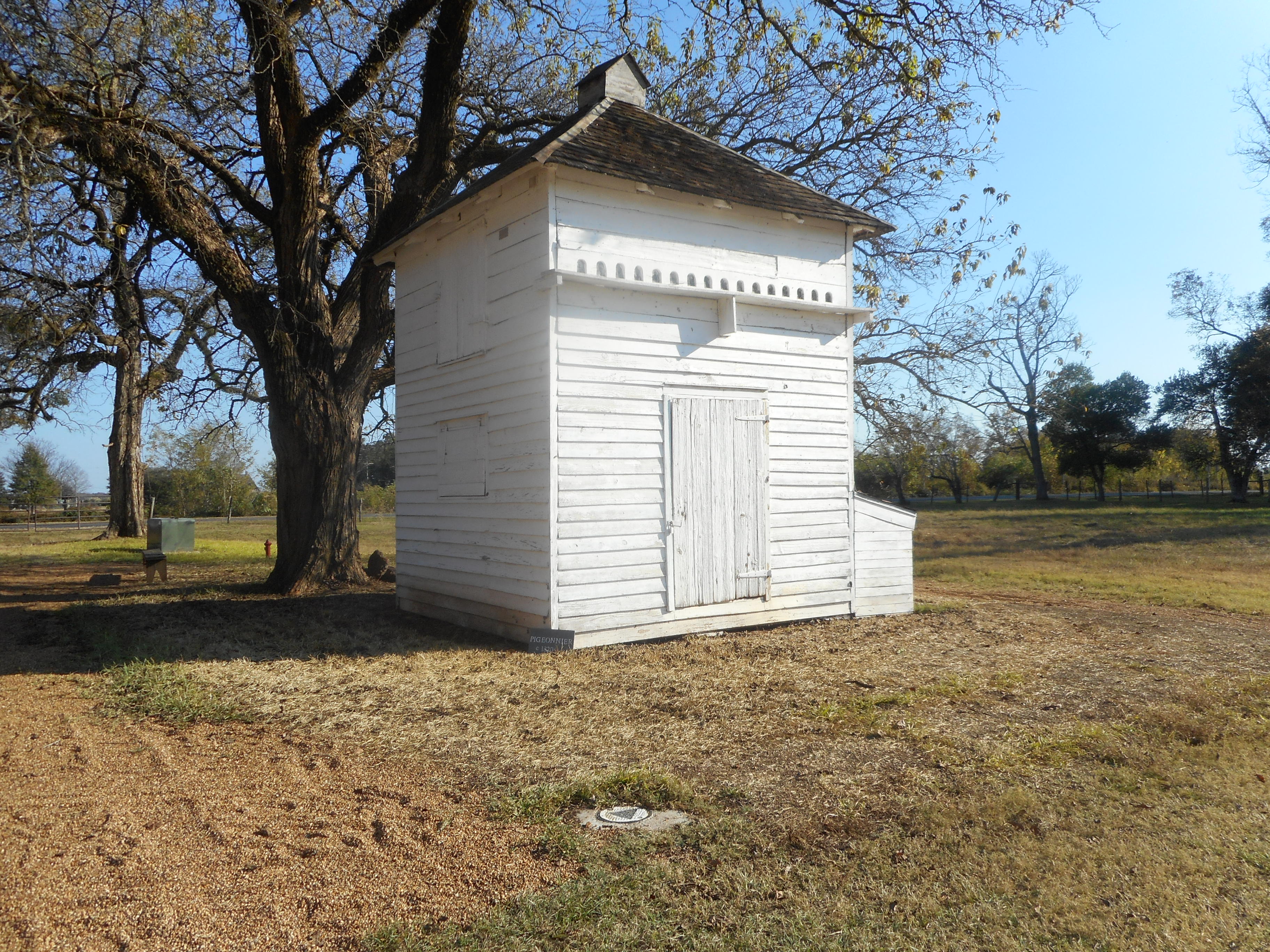
Pigeoneer

There are several Pigeonnier’s on the land. The Prud’ Hommes harvested young pigeons for a delicacy called “Squab.”

dscn0194

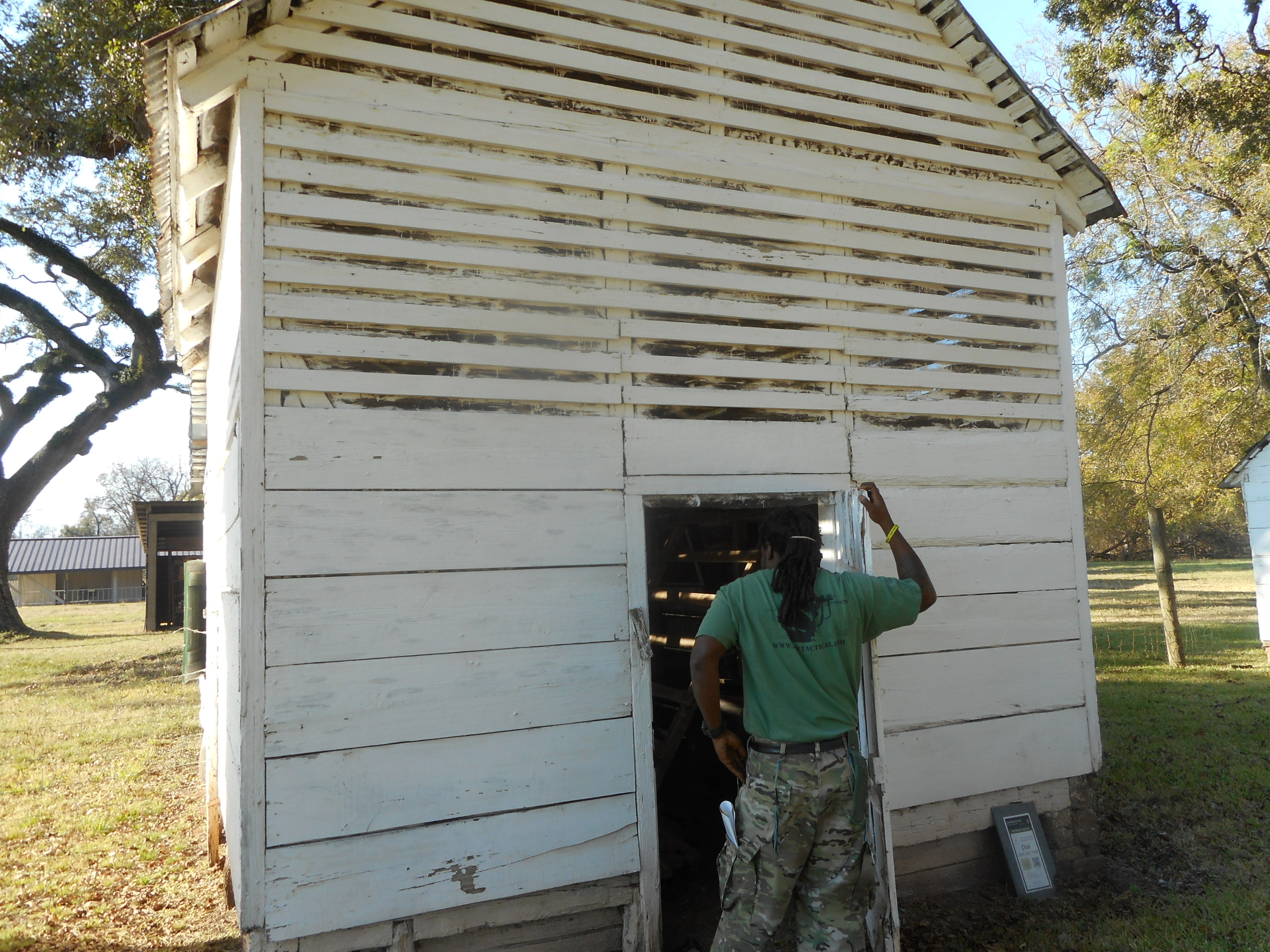
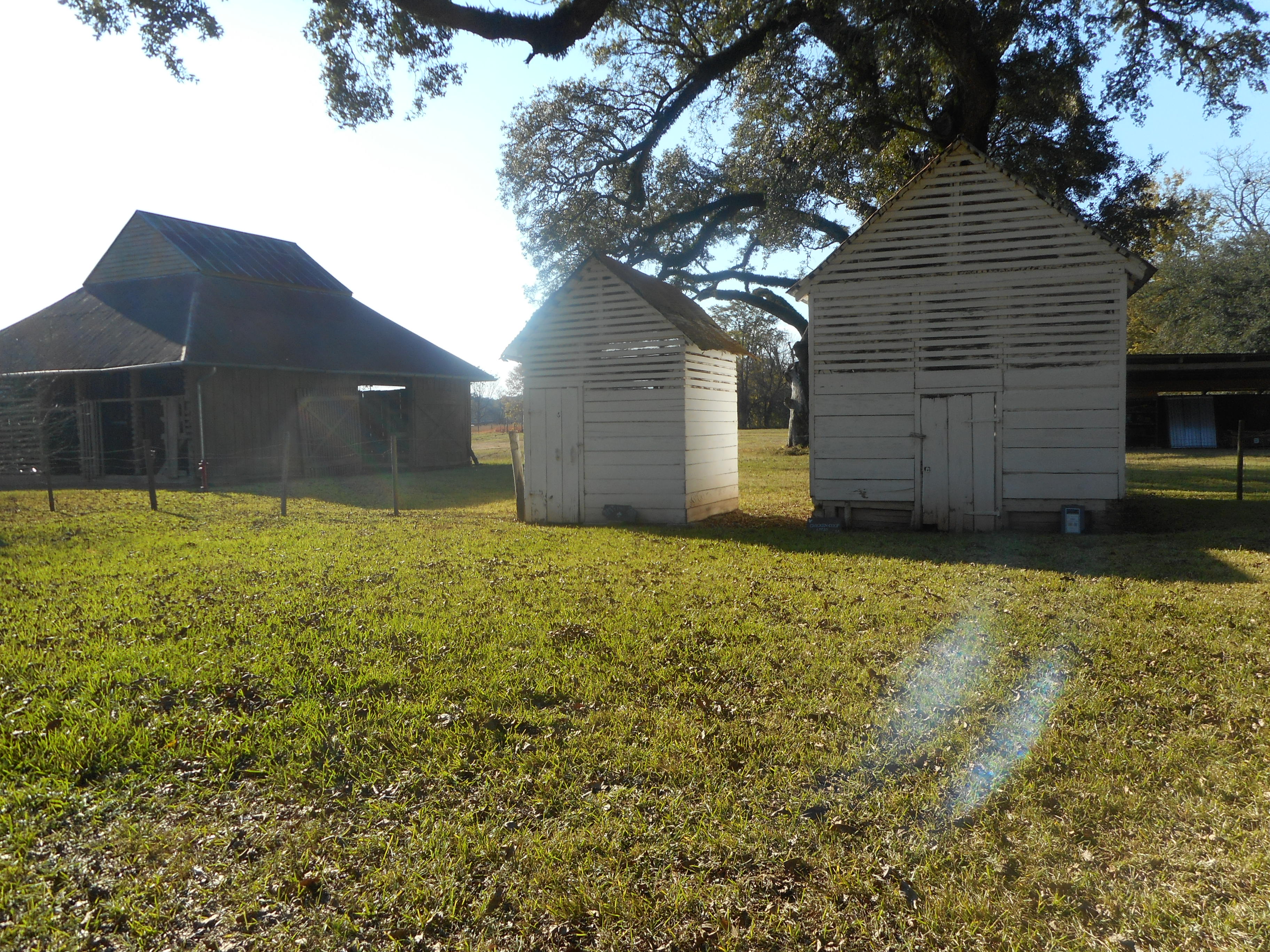
Chicken Coop

Husband checking out the Chicken Coop.

dscn0328

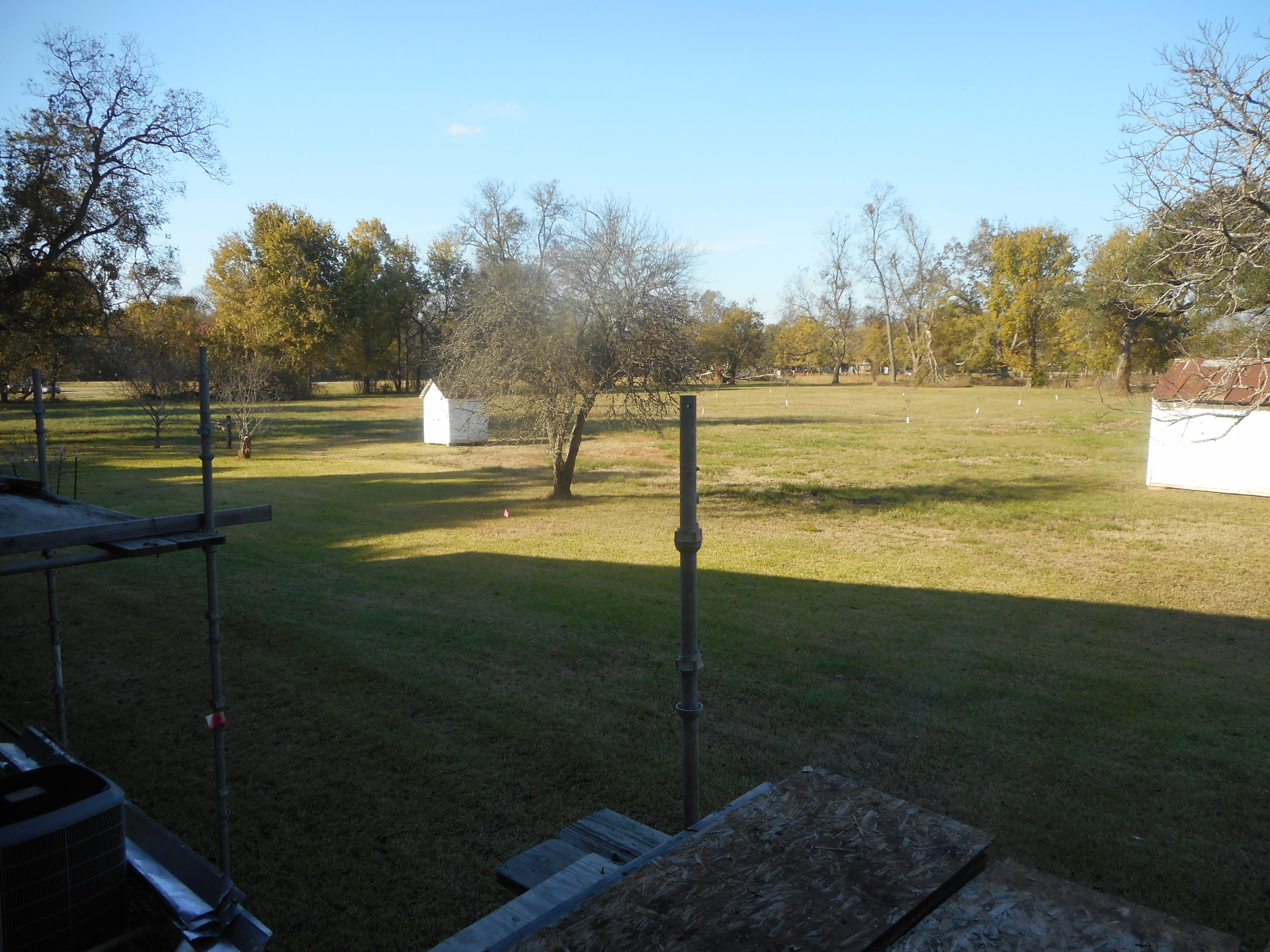
Fattening Pen

Chickens were bred, hatched and fattened in this area. Turkeys were also raised on the land.

dscn0322

Randoms

dscn0306 dscn0307 dscn0313dscn0224 dscn0226 dscn0229 dscn0230 dscn0231 dscn0232 dscn0233

What I carried home with me was an even deeper appreciation for those little things we take for granted every day. I was headed back to the campsite to sleep in a tent, but I knew that eventually, I’d be going home to a hot shower, a full meal, and a warm bed. As we packed up to leave the plantation, I considered what it would be like to be forced to stay. What is it like not to have a home to go back to and nothing more to look forward to tomorrow than the same back-breaking work?

dscn0272 dscn0282

My revelations were not just in relation to dark history (I am aware black history is not just about slavery). As I looked around the land, I saw how the enslaved built almost everything on the property. It reminded me of how skillful and resourceful we are as a people. From shelters to clothing, food, and shoes, I thought how empowering it would be to get back to building our own.

Often deemed ignorant and illiterate, the truth is that Israelites, so-called Blacks, were not as naive as we are taught. It occurred to me that many blacks were only lost when it came to adapting and assimilating into American culture. Otherwise, we were expert farmers, inventors, midwives, carpenters, and chefs. Thus, I left not just in appreciation for the tangible things in my life, but for everything my people have endured and the knowledge they’ve passed down to me through the generations.


Being that I drafted this post when we got home so it can be ready for you today, I’m going to crawl into this bed and get ready to catch up. I’ll be scrolling your blogs to see what I missed. The grind continues.

bitmoji866883694

Click here to read more Black History Fun Fact Friday Articles!