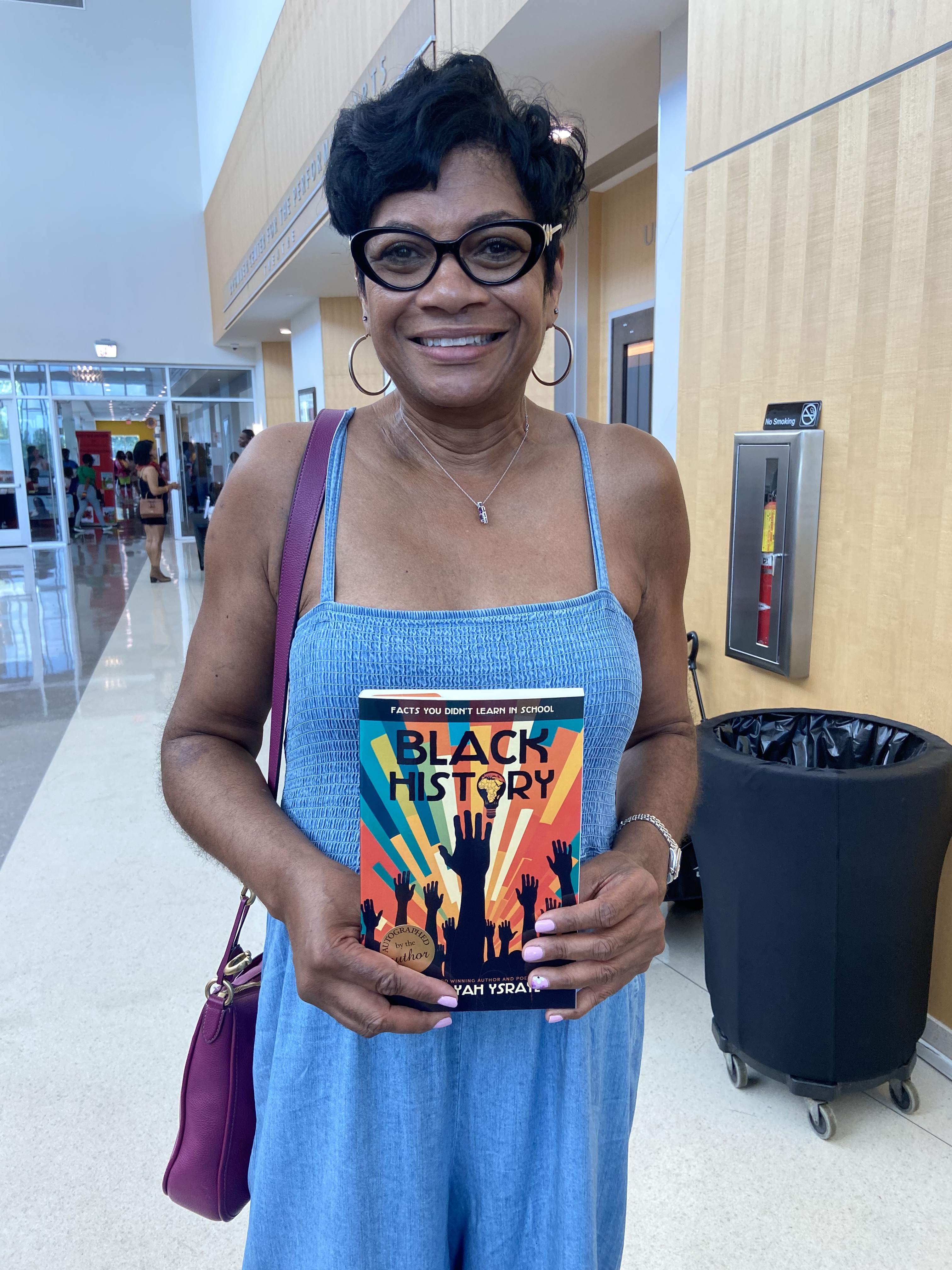
Yecheilyah’s Book Reviews – Firsthand by A’Dreana Anderson

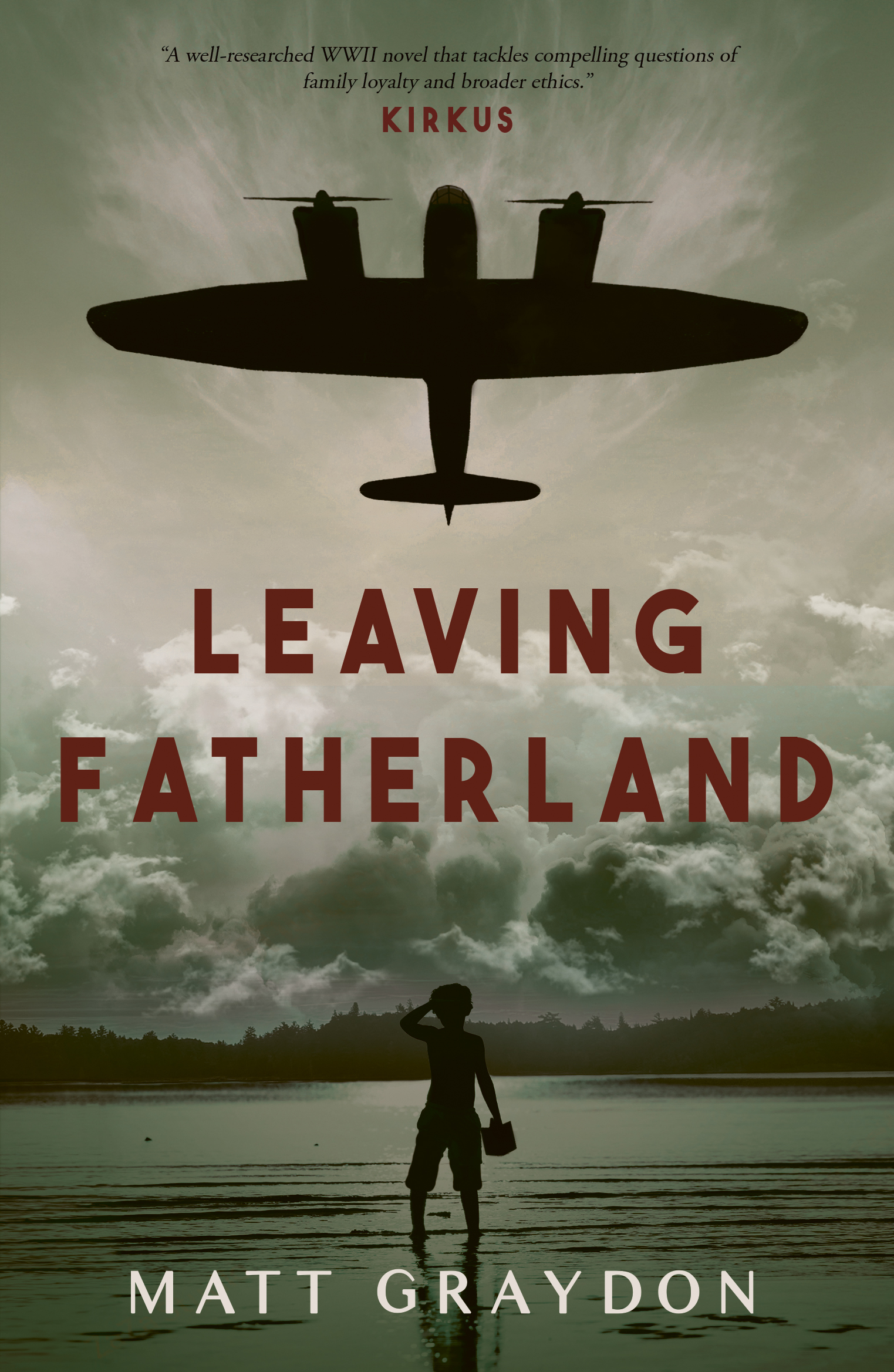
Title: Firsthand

Author: A’Dreana Anderson

PublisherJoyfully Unbound Publishing

Published: July 7, 2024

Pages: 332 pages


In Firsthand, Richard McLeary owns over seven hundred acres, the third largest Plantation in Chatham County. The land was given to him by his father-in-law on the condition that he marry his daughter and treat her well. However, Richard is arrogant and seeks the approval of other wealthy planters. He boasts as if his land cannot be stripped from him and violently mistreats the enslaved people working his plantation.

In just the first few chapters, we are witnesses to his brutality which includes the death of an enslaved man defending another. In this haunting and poignant historical fantasy, debut author A’Dreana Anderson is compelling in her telling of slavery to such an extent that it felt like Richard had written this story from his own personal account. I can see a racist white man who pretends he is wealthier than he actually is clearly in my mind. There are also some historical accuracies I appreciated.

When visiting the Slave Market, the auctioneer presented an enslaved woman who was pregnant. Richard frowns and decides not to bid on her. While enslavers eventually valued women of childbearing age, this was not always the case. Before 1808 and the abolition of the slave trade, many slave owners discouraged enslaved women from reproducing. They considered the infants to be time-consuming and took too much time away from the women working. It wasn’t until after 1808 when slave owners could no longer depend on the domestic supply of enslaved laborers from the trade, that they sought women who could reproduce and had already given birth to healthy children.

The story’s turning point occurs when Richard, his son Henry, and his overseer James head to the Oglethorpe’s Racecourse Slave Market outside of Savannah to replace the enslaved people he murdered. He bids on Nini, a strong, gorgeous Black mute woman who captures his eye so much that he spends $2,500 for her. He immediately lusts after her and attempts to beat her into obedience. However, Nini refuses to comply, which turns him on even more. There is something about her eyes, and Richard is going to find out the hard way when he wakes up to realize he has been condemned to live as a mute, enslaved Black man.

Some graphic scenes might be too much for some readers, though, and some of the descriptions, although well-written, slowed the story just a bit. (Richard sometimes talked too much for me.) However, this was not to the extent that it destroyed the overall reading experience.

89707

Ratings

  • Plot Movement / Strength: 4/5
  • Entertainment Factor: 4/5
  • Characterization: 5/5
  • Authenticity / Believable: 4/5
  • Thought Provoking: 5/5

Overall: 4/5

Firsthand is Available Now on Amazon!

Firsthand


To have your book reviewed on this blog, apply here!

Stay tuned for our next dope read!
IMG_8994

Yecheilyah’s Book Reviews is a reputable review service that features writers from all over the world, both traditionally and independently published. We are listed on Kindlepreneur as a top-tier book review blog and Reedsy as one of their vetted active book blogs that provide insightful, excellent book reviews.

*Books are read in the order they are received.


Yecheilyah’s Book Reviews – Call Me Mama: A Reason to Persevere by Ife Akanegbu

Title: Call Me Mama: A Reader to Persevere

Author: Ife Akanegbu

PublisherMy Cute Prairies

Published: July 1, 2024

Pages: 57


If you’ve ever wondered what it’s like to be an addict, this short narrative will transport you there. From the weight of guilt to the hope of redemption, the author portrays a picture of addiction that will make you reconsider your feelings about addicts.

The story opens with Mariam sitting in a car outside her daughter’s school, watching with binoculars. She is not allowed to see Zora. She has lost access to such privilege.

As someone who grew up with an addicted mother, I understand what it’s like to be a daughter and not have your mother around, which doesn’t always mean she’s not present. For example, Zora refers to Mariam as Aunty, even though she is her mother. She does this because she does not know Mariam is her mother. It took me back to the first nine years of my life when I addressed my mother by her first name. What I appreciated, though, was how the author helped me grasp how it feels from the mother’s perspective. The author’s writing style is poetic, allowing for honesty and grace.

Call Me Mama helps us empathize with the human parts of those who fall prey to addiction, and I love that about good fiction. Don’t just tell me someone is a villain; show me why. How did this person get to this point? What made them the person they are? In addition, we so often see the monster and not the person being held hostage in their bodies, a prison for their unhealed trauma.

“She wanted to beg, plead for another chance, promise that this time would be different. But the words died in her throat, strangled by the shame that had become her constant companion.”

Then, there is Mary-Joanna, a constant temptation. “Come on, let’s get out of here, have some real fun,” she says as they sit in the basement of a church. Her words are like a trigger that sends Mariam’s heart beating against her ribs until she no longer hears anything the speaker is saying, only the promise of relief from the dungeon of darkness she’s found herself in.

But, it is Zora who is the real salvation of Mariam’s story. The innocence of a child and the unconditional love Zora wrap around her mother’s neck offers Mariam the hope she desperately needs. Will she take it?

bitmoji-20191031054252

Ratings

  • Plot Movement / Strength: 5/5
  • Entertainment Factor: 4/5
  • Characterization: 5/5
  • Authenticity / Believable: 5/5
  • Thought Provoking: 5/5

Overall: 5/5

Call Me Mama: A Reason to Persevere by Ife Akanegbu is Available Now on Amazon!

Call Me Mama


To have your book reviewed on this blog, apply here!

Stay tuned for our next dope read!

IMG_8994

Yecheilyah’s Book Reviews is a reputable review service that features writers from all over the world, both traditionally and independently published. We are listed on Kindlepreneur as a top-tier book review blog and Reedsy as one of their vetted active book blogs that provide insightful, excellent book reviews.

*Books are read in the order they are received.
 

The Book Review Registry is Open for 2024

My book review registry is now open for 2024!

To apply for a review, click on the link below.

Please be sure to follow the policy instructions if you wish to get a response from me. I do not accept unsolicited requests for reviews.

Emailing me a heartfelt story, list of accomplishments, and book awards will not get me to review your book. Everyone must go through the policy.

About Yecheilyah’s Book Reviews:

Yecheilyah’s Book Reviews is a renowned review service that features writers from all over the world, both traditional and self-published. We are listed on Kindlepreneur as a top-tier book review blog and Reedsy as one of their vetted active book blogs that provide insightful, excellent book reviews.

Our reviews are so exclusive that we only open the registry once a year and for a limited time.

Authors featured on this blog are also published in our online directory!

“Yecheilyah did an amazing job reviewing my self-published book. She was extremely thorough and brought forth all the important elements of the story. I would highly recommend her services to anyone in need of a book review.”

– John K. McLaughlin, Author, Lifeline to a Soul

Black ReWrite

I was blessed to come in contact with an organization called Black Rewrite, which focused on amplifying and celebrating narratives of Black and Brown authors. They dedicate space for Black authors each week, and I am honored to be featured this week!

At Black Rewrite, they provide space for authors to share their work, and I would be delighted if you could check out my article, “American History X,” on the site. Please be sure to like, share, and comment if you choose and share with your Black author friends!

Here’s the link to the piece. Thanks so much!

4 Ways New Self-Published Authors Can Maximize Book Sales

Share Your Journey and Expertise at Least 1 Year Before Publishing Your Book

I released Black History Facts on February 24, 2024. However, the book has been selling steadily since September 2023, when I placed it on preorder. I attribute this largely to how I readied my audience for the book years before it was released. They were prepared when it arrived.

As soon as I knew I would publish the book, I posted black history videos and behind-the-scenes content of my trips to museums and historical landmarks, and I shared new information I found.

I took my people everywhere I went, and they couldn’t wait to see the final product. It became more than a book, but a movement they were just as much a part of as I was.

Post Your Preorder/Buy Link At the Same Time as Your Cover Reveal

Revealing the cover of your new book can be thrilling, but failing to include a buy link means missing out on a lot of potential sales. Whether you’re putting up preorders or announcing the book’s publication, keep your cover reveal for when you’re ready to begin collecting orders. People will be ecstatic to learn you wrote a book and will be willing to buy it right away after viewing your cover, especially if it’s dope!

Pay attention to those who are traditionally published. When these authors show you the cover of a new book, you can also preorder it.

Increase Your Book Reviews

Book reviews are still underrated. Many people do not think they matter, but they do and help authors! And you can work to increase it no matter what stage of the process. Even months or years after release, you can still increase the reviews you receive.

Seek the help of book bloggers, beta readers, and reputable paid review services such as Kirkus and Yecheilyah’s Book Reviews.

The biggest perk to reviews is that they act as social proof. Anyone can call themselves a best-selling author, but reviews help verify that other people think the book is dope, not just the author who wrote it.

It will be odd for someone claiming to be a best-seller to have no book reviews. If it’s such a great book, people should be talking about it.

Book reviews also increase the author’s Amazon rating and expose the book to people who have never heard of it.

I strive to get at least 5-10 book reviews on Amazon in the first few weeks of release and increase from there. However, Amazon is one of many places where people can leave reviews. Blog book reviews are also helpful. Remember, a review is just feedback, so if someone emails you or direct messages you praise for your book, you can use it as a review! (with permission) Slap that bad boy on a graphic and post it to social media as social proof.

Have a Post-Publishing Strategy (Don’t Forget About the Book Once It’s Published)

Too many authors focus solely on the publishing date, but your book is much more than that. Consider how to continue spreading the word about your book after publication. Visit your local libraries and bookstores to inquire about readings, look for interview opportunities, and participate in events, contests, and more. You still want the book to sell after it has been published, so make sure you are working to make that happen.


Click here for more Indie Author Basics to encourage you through the Self-Publishing / Indie Author Process!

Mistakes Self-Publishers Make When Publishing Print Books (And How to Avoid Them)

We often talk about how attractive the book cover should be, and for good reason. Poor cover art is the #1 mistake Self-Published authors make when publishing print books.

But we know that already.

Let’s go inside of the book this time.

When preparing your manuscript for publishing in a print book, the formatting should be done in a way that is different from a college essay, research paper, or blog post.

Here are the top print book mistakes I see self-published authors make and how to avoid them.

Disclaimer. I am not a lawyer. Nothing beyond this point should be taken as legal advice.

No Copyright Page

The copyright page of a book is one page that lets people know who owns the rights to the book and that, generally, the author’s intellectual property cannot be copied without permission.

You do not need to register your book with the copyright office to add this page except if you want to. In this case, register the copyright at copyright.gov. You can do it after you publish the book to Amazon since it takes about 6-13 months (of this writing) to go through.

However, know your book is automatically under copyright when creating it.

The copyright page discourages theft, such as plagiarism, and announces you as the book’s owner. It is like a “No Trespassing” sign; every book should have one.

If you own a software program such as Atticus (PC) or Vellum (Mac), they have copyright templates already designed for you. If you don’t have these programs, creating one is easy. All you need is a copyright notice and a rights reserved.

© 2024. Yecheilyah Ysrayl. All rights reserved.

You may also add additional information. Below is an example of a basic, full copyright page.

It should also include your ISBN. For more on ISBNs, click here and here.

This page should appear at the beginning of the book, also known as the book’s front matter, after the title page. The title page is one page that looks like the cover but without the artwork. It includes the book’s title and the author’s name. This title page may appear twice, depending on the publisher. Once at the book’s opening and once more before the opening chapters.

The Author’s Name and Title are Not on the Spine

This is easily avoidable with a professionally designed book cover, but let’s touch on it a bit.

Some books do not need a spine because they are too thin. Otherwise, you will want to have your author’s name and title on the spine of your print book.

The spine binds the front and back of the book and is also important for bookstores.

With the author’s name and title on the spine, a book is easier to find for someone skimming the titles on shelves. Since self-published books are already underestimated, a book without a spine can easily get lost, and the author misses out on sales.

The first thing a potential customer will see is the outward-facing spine, so if the book does not have a title or author name, readers won’t even notice the book.

No Chapter Headings

A chapter heading is how you organize your book so readers know when a section begins and ends. It is literally as simple as adding Chapter One….Chapter Two…Chapter Three.

Chapter headings can also have subtitles or names instead of numbers. In Black History Facts, I use chapter headings and subtitles.

Chapter One (Chapter Heading)

What You Didn’t Learn About Sundown Towns

(Subtitle)

The purpose of chapter headings and sections is to organize the book to make it easier to read and follow. Without it, readers might get confused about where they are in the story. Believe it or not, there are so many authors who make the mistake of not including chapters, making the book look more like an essay.

If you have a software program or professional who formats books, this is easily avoidable as they can add them for you.

Fancy Text

One of the most common mistakes of first-time self-published authors is using fancy text.

Times New Roman, Arial, Helvetica, Calibri, and Cambria are great fonts for books that make them easier to read!

Cursive writing and other fancy text, including colored fonts, make them harder to read.

Too Much Space and Not Enough Words…

Indie Authors who self-publish should also be aware of too much spacing, making the book look like it was written for children (unless it was). An adult-level book should not have so much space between it and the next section that you could write a short bio about your life in between.

Be sure to fill blank spaces with words or shorten the book’s length.


Plan to publish a print book? Don’t forget to add a copyright page, spine, chapter headings, text that is easy to read, and a book with enough words to fill it out.

Investing in professional cover design and interior formatting will help with all of this!

Click here for more Indie Author Basics to encourage you through the Self-Publishing / Indie Author Process!

Black History Fun Fact Friday – Juneteenth

In honor of Juneteenth, I am reposting this from a few years ago. It was written before it became an official holiday and then updated after. I hope you can still glean something from it. Enjoy!


Many Black Americans are replacing their fourth of July celebrations with Juneteenth. For many, the day is a celebration of freedom. However, the harsh reality is that even after Juneteenth, many Blacks were still enslaved and suffering.


In the Beginning…

Born on February 12, 1809, near Hodgenville, Kentucky, Abraham Lincoln is most famous for preserving the Union during the American Civil War and bringing about the emancipation of enslaved people in the United States. However, before he wrote the esteemed Emancipation Proclamation, several efforts were made to preserve the Union without freeing the enslaved. These efforts included Colonization, or the idea that a majority of the African American population should leave the United States and settle in Africa or Central America.

On August 14, 1862, five years after The Dred Scott Decision that reiterated Blacks were not, and as “a second class of persons,” could not be citizens, Abraham Lincoln hosted a “Deputation of Free Negroes” event at the White House. Led by the Rev. Joseph Mitchell, commissioner of emigration for the Interior Department, it was the first time African Americans had been invited to the White House to weigh in on a political matter. 

Lincoln planned to produce a document that would not only free some of the enslaved but, once freed, call on them to leave the country voluntarily. This idea, Lincoln’s Panama Plan, was not new but had been circulating among white racist elites and eugenicists since the 1700s.

“In 1816, a group of white enslavers and politicians in Washington, D.C. created the American Colonization Society (A.C.S.) to promote the removal of free Black people, who would be encouraged to leave the United States and resettle in West Africa.” A.C.S. and its many chapters hoped this would rid them of free Black people while preserving slavery.”

-The 1619 Project, pg. 23

To make a long story short, Lincoln’s original plan was to have a document that, while freeing some enslaved people, also required those freedmen to, sum up, “Go back to Africa.”

87275

Let Freedom Ring?

Lincoln issued the Emancipation Proclamation on January 1, 1863, to end slavery in the States that were in Rebellion. The proclamation declared “that all persons held as slaves” within the rebellious states “are, and henceforward shall be free.”

“The Emancipation Proclamation did not apply to slave states that weren’t in rebellion; Kentucky, Delaware, Missouri, and Maryland. It also didn’t apply to territories. It didn’t apply to Tennessee, lower Louisiana, and the counties of Virginia that were to become West Virginia.”

-William Spivey 

With the passing of the 13th Amendment in January of 1865, slavery was officially deemed illegal in America, freeing all people enslaved.

82704

Well. Wait, except the people in Texas and other places.


Many Texas men, women, and children were still being held in bondage and did not know that slavery was over.

News of the supposed emancipation did not spread as quickly as the movies would have us to believe. Many slave-owners packed up their belongings and moved to Texas in mass.

“Since the capture of New Orleans in 1862, slave owners in Mississippi, Louisiana and other points east had been migrating to Texas to escape the Union Army’s reach.”

-Henry Louis Gates Jr.

More than 150,000 enslaved people had made the trek west, according to historian Leon Litwack in his book Been in the Storm So Long: The Aftermath of SlaveryAs one former enslaved person recalled, “It looked like everybody in the world was going to Texas.” For the next two years, the enslaved would live removed from the updates of the war, and slavery would go on, business as usual.

These men, women, and children were still enslaved until June 19, 1865. Union soldiers, led by Major General Gordon Granger, landed at Galveston, Texas, with news that the war had ended.

This, the freeing of the enslaved in Texas, is the reason many Black Americans celebrate Juneteenth instead of July 4th as their National Independence Day.

“The people of Texas are informed that, in accordance with a proclamation from the Executive of the United States, all slaves are free. This involves an absolute equality of personal rights and rights of property, between former masters and slaves and the connection heretofore existing between them, becomes that between employer and hired labor.”

The language of this decree is important. Enslaved people are being told they are free two and a half years after President Lincoln’s Emancipation Proclamation.

If we read further, we see that they are also being told that they must remain at their present homes (the plantation) and work (continue slave labor) for “wages.” And that any “idleness,” among them won’t be tolerated. 

“The Freedmen are advised to remain at their present homes and work for wages. They are informed that they will not be allowed to collect at military posts; and they will not be supported in idleness either there or elsewhere.”

Thus, much like the Emancipation Proclamation, this order also did not free all enslaved persons.

Juneteenth0619

“There is much evidence to suggest that southern whites—especially Confederate parolees—perpetrated more acts of violence against newly freed bondspeople in Texas than in other states.”

-Historian Elizabeth Hayes Turner in an essay titled “Juneteenth: Emancipation and Memory.” 

“Between the Neches and Sabine rivers and north to Henderson,” she continues, “reports showed that blacks continued in a form of slavery, intimidated by former Confederate soldiers still in uniform and bearing arms.” Murder, lynching, and harassment were common. “You could see lots of Negroes hanging from trees in Sabine bottom right after freedom,” reported one freed slave, “They would catch them swimming across Sabine River and shoot them.”

Celebrations

65837

African Americans celebrated their freedom with the first official Juneteenth event in 1866, where they read the Emancipation Proclamation of 1863 and praised Abraham Lincoln as “The great liberator.”

“Free them and make them politically and socially our equals? My own feelings will not admit of this; and if mine would, we well know that those of the great mass of white people will not.”

– Abraham Lincoln, August 21, 1858

“My paramount object in this struggle is to save the Union and is not either to save or to destroy slavery. If I could save the Union without freeing any slave I would do it, and if I could save it by freeing all the slaves I would do it, and if I could save it by freeing some and leaving others alone I would also do that. What I do about slavery, and the colored race, I do because I believe it helps to save the Union.”

– Abraham Lincoln, Letter addressed to Horace Greeley, Washington, August 22, 1862

The celebrations continued until coming to a halt with the institution of Black Codes and, eventually, Jim Crow. These laws essentially put Blacks back into a form of slavery where they were fully disenfranchised. After the Civil War and the end of slavery, southern states, which had amassed great wealth from slavery, found their economy in shambles. They had to figure out how to keep a slave-like system going.

10084

Black Codes

Black Codes came from slave codes, laws created to limit the rights of African Americans. They subjected them to criminal prosecution for “offenses” such as loitering, breaking curfew, vagrancy, having weapons, and not carrying proof of employment. These were the same “offenses” that would get enslaved people whipped or sold during slavery.

For example, the enslaved could not travel from place to place without a pass signed by their owner. Those without such a pass could be arrested, jailed, and detained as a runaway. Some owners wrote general passes allowing their slaves to “pass” and “repass.”

Black Codes included Pig Laws that unfairly penalized poor African Americans for crimes such as stealing a pig. It was also a crime to be unemployed.

These laws could be imposed on Black men easily, sending them to jail, and thus, former slave owners turned “entrepreneurs” could lease them to various companies that would work them to death and treat them like they were slaves. This made the states tons of money.

“The laws passed in Texas were similar to those passed in every other Confederate state. Modern-day politicians often make comparisons to Jim Crow as one of the worst periods in African American life.

Jim Crow didn’t have shit on the Black Codes, which was the South’s attempt to recreate enslavement and go back to business as usual. Mass incarceration isn’t a recent invention; during the Black Codes, Black people could do little without running afoul of the law with the penalty being sent back to the fields if they weren’t already there.”

William Spivey, Why Celebrate Juneteenth and What Did It Accomplish

Juneteenth didn’t make a full resurgence until The Civil Rights Movement when Blacks began to celebrate it fully again. And while many Blacks have celebrated it for centuries, it still did not become an official Holiday until 1980, when it was made a Texas State Holiday.

Still, it wasn’t until 1997 that Congress recognized June 19 as “Juneteenth Independence Day,” after pressure from a collection of groups like the National Association of Juneteenth Lineage and the National Juneteenth Celebration Foundation.


UPDATE:

As of  June of 2021, Juneteenth is now a National Federal Holiday.

1418

But the question remains, what exactly did Juneteenth accomplish for the Black man, woman, and child? What freedom did it bring about?

Some sum it up this way:

“Today Juneteenth commemorates African American freedom and emphasizes education and achievement. It is a day, a week, and in some areas a month marked with celebrations, guest speakers, picnics and family gatherings. It is a time for reflection and rejoicing. It is a time for assessment, self-improvement and for planning the future.

Its growing popularity signifies a level of maturity and dignity in America long over due. In cities across the country, people of all races, nationalities and religions are joining hands to truthfully acknowledge a period in our history that shaped and continues to influence our society today. Sensitized to the conditions and experiences of others, only then can we make significant and lasting improvements in our society.” – https://juneteenth.com/

But, Spivey brings out another good point worth considering:

“Texas after Juneteenth wasn’t an anomaly. Slavery continued to go on in states in the South, North, and West. In some cases, for several years. Slavery still existed in other parts of the United States and did so until the ratification of the 13th Amendment on December 6, 1865, and beyond.

Slavery still existed in Delaware and Kentucky, which resisted all Union attempts to end slavery and refused to ratify the 13th Amendment. In California, slavery was sort of outlawed in 1850 as a condition for statehood. The exception was slaves who had been brought to California and where the possibility they might return one day to their original home existed, even if that state had voted to ratify the 13th Amendment.

New Jersey had as many as 400 people remain slaves long after Juneteenth. Oregon’s provisional government banned slavery in 1844 but forbade free black people from settling in the territory. Settlers continued to bring slaves with them. General Joseph Lane, a former territorial governor, kept at least one slave on his farm until 1878, 13 years after the passage of the 13th Amendment.”

17677

It is true Blacks were not free on July 4, 1776. But it is also true many Blacks were not free on June 19, 1865, either.

Juneteenth did nothing to restore land or citizenship rights to the 40 million newly freed Blacks. Immediately after African Americans in Texas were freed from chattel slavery in June of 1865, they were required to have labor contracts, and many Blacks returned to their former slave-owners. 


1686848970

Grab Your Copy of Black History Facts You Didn’t Learn in School Here