Save those Soap Scraps!

cache_500_1_1_img_30425870_d028b1a744842c368ecedbba0f692f8fjpg.gif
Yall know the feeling, you get down to those tiny pieces of soap you can no longer use and you throw them away. After all, they can become unsightly to the eyes after while, not enough to cover your body anyway right? Wrong! Save those soap scraps!

IMG_8525-c-630x210
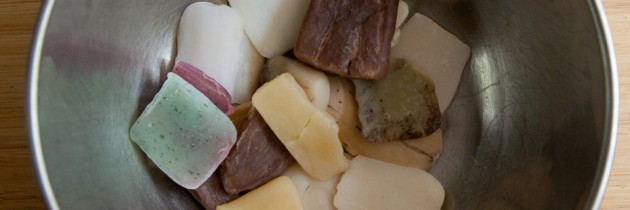
Today, we’re going to learn how to make new bars of soap from recycled soap scraps. It’s super easy and can save money on those rainy days (I suggest storing them away until you really need them). You will need:


Soap Scraps
Small Pan
Water
Olive Oil
Soap Mold
Knife


1216769_com_soap
The first thing you’ll want to do  is to start saving those tiny scraps in some kind of dish or container. Save them until you have at least enough to fill one cup.

 
When you’re ready, take your scraps and put them in the small pan, add water.

 
You’re going to let this soak for one complete day, stirring occasionally. Don’t panic when the soap melts down, that’s what it’s supposed to do.

 
After your soap has had its bath, bring the soap soup to a boil, watch and stir occasionally so that it does not burn.

 
When it comes to a boil remove from heat and stir in about a tablespoon of olive oil ( if there are any additional ingredients you want to add, such as food coloring or essential oil, do it now).

 
Pour this mixture into a greased (so it doesn’t stick) soap mold of choice, let harden. (If you’re using the soap mold pictured at the top, which I also happen to use, let it sit under a bowl or small pot for spills. I suggest securing a more secure soap mold otherwise. I intend to upgrade myself).

Cut into any size

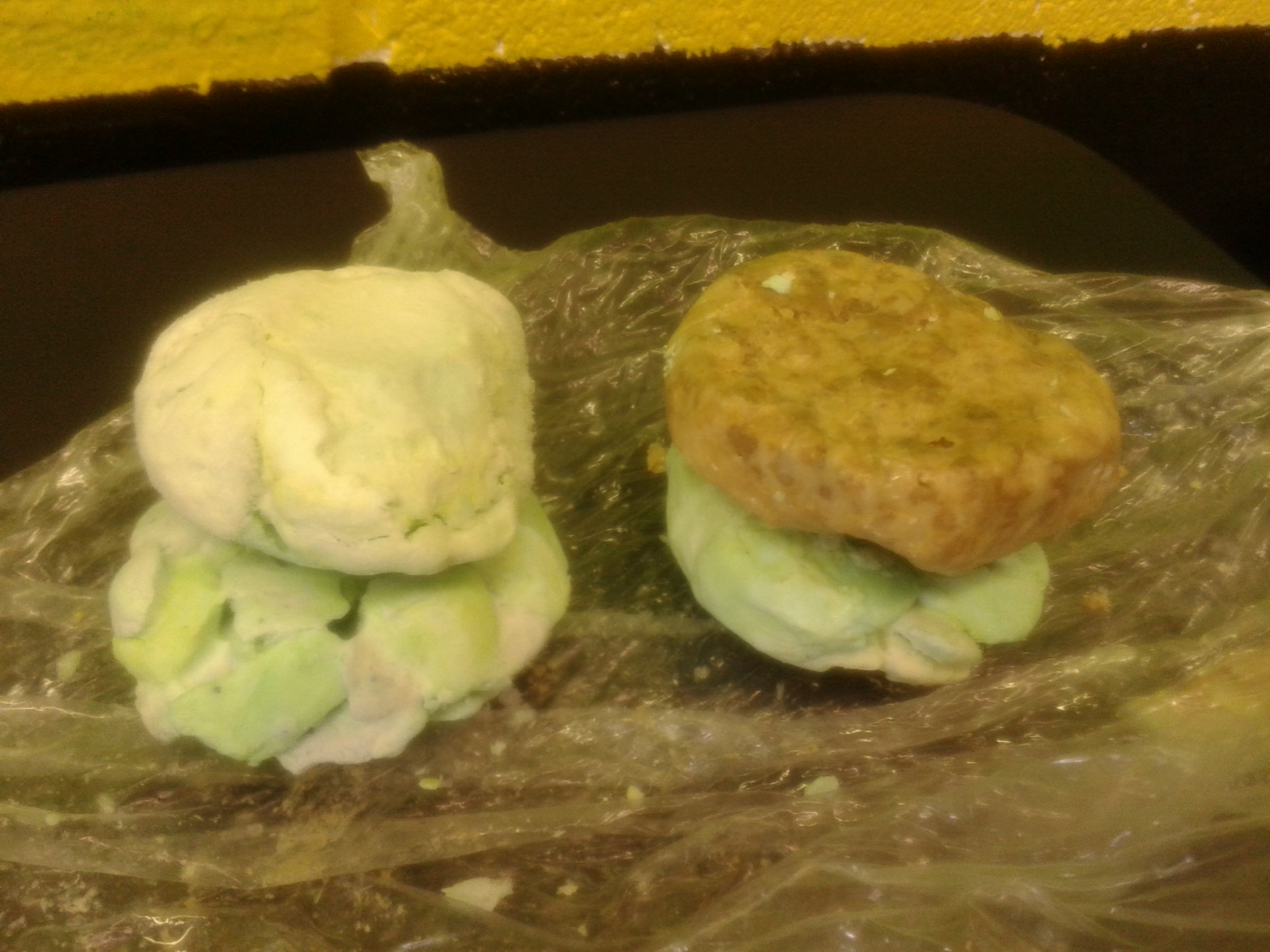
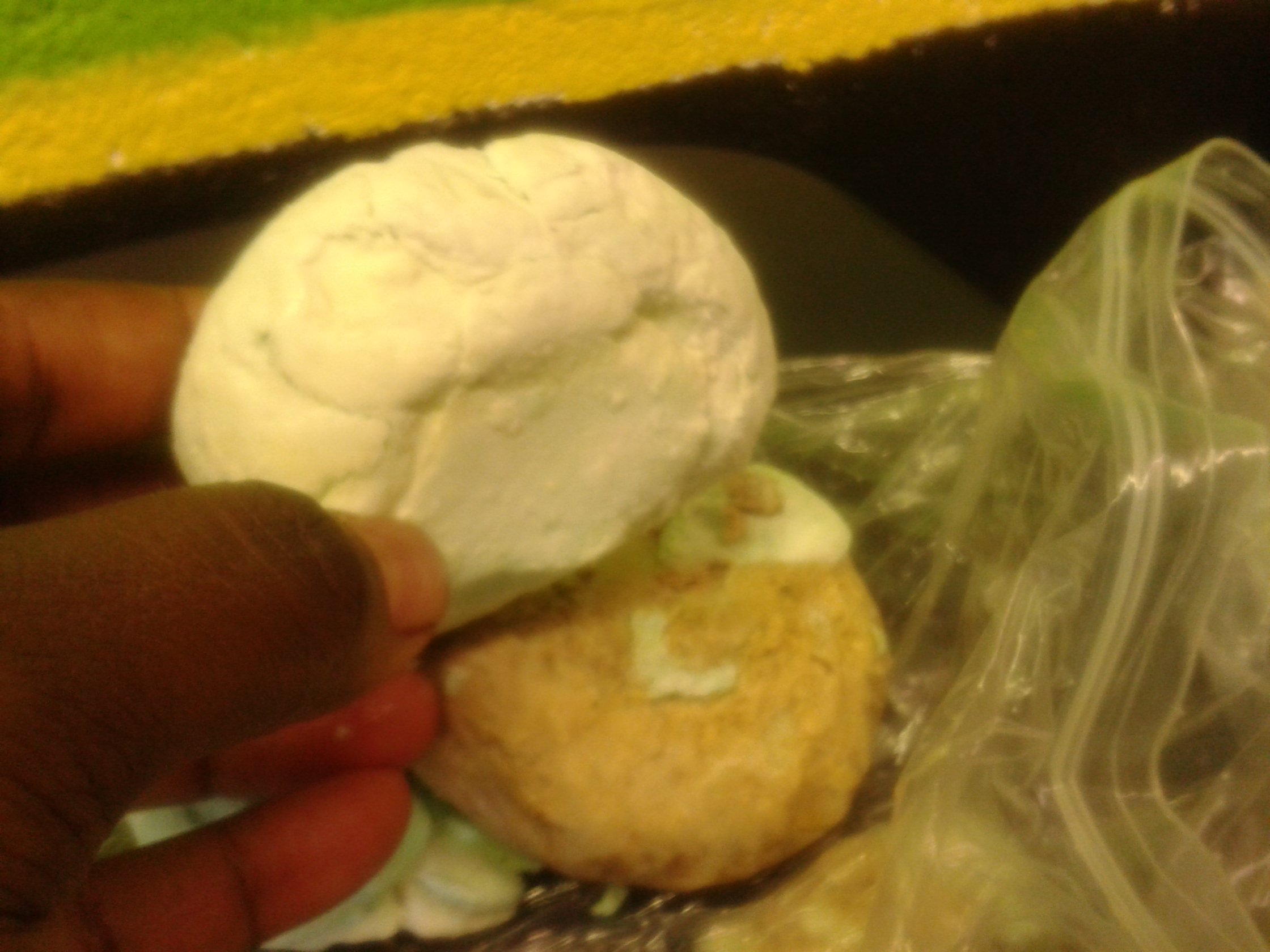
141012_0001141012_0002141012_0003141012_0004

Mine aren’t exactly pretty, but so far I have accumulated 4 bars of soap from our old soap scraps. I would have had more but I was just being lazy. Don’t sleep on this because you have it right now, but soap and toilet paper are key necessities people never seem to have available during emergency’s. While Water and Food are the most important, wouldn’t it be great to pull out a new bar of soap too? Even if you don’t need it, it can be useful to trade for what you do need. I think I have enough to make at least two more bars today. Six bars of soap without spending a dime, imagine that.  🙂

Embracing Change

Children have a tendency to think under the realm of simplicity. For this reason, we are encouraged to be in our mentality as a child, so that we maintain the humility necessary to receive the discipline of wisdom. Especially since there’s been awhile since many of us were children, so we have to be reminded of this kind of meekness, and to understand that most of the answers to the questions we look for are right here before us, but that we miss seeking “profundity”. Indeed, some of us need to seriously regress back into childhood and understand how simple things really are. But children also have a tendency to be unstable in their ways. They are more apt to move from place to place easily, despite danger. But as adults who have gained a certain level of experience, we cannot afford to be led astray by the elementary matters of childhood, in which we continue to trip over the same mistakes over and over again before we attempt to change them.

 
Change itself is difficult, for it is buried under years of routine and tradition. However embracing change when it is occupied by truth can cause great discipline, and create a greater understanding for the individual who is willing to grow up. It is a light that comes with maturity, illuminating the path of the elder. But not everyone of age is wise, for many of us are still easily led astray and stuck in our ways; plagued by the unchanging traditions of our youth. (There are countless old fools) And as some children are afraid of the dark, so are we who have yet to put off the instability of childhood; still heavier than darkness are we to ourselves. We can remove this burden however, if only we are willing to embrace change, and all of the gifts that come with it.

Lustful Commitments

40_2

I don’t think we fully understand lust. We compare it to the sexual desire felt among all of mankind. The desire to become one physically with the man that has aroused these senses. But sexual desire is a natural occurrence shared by all of mankind. Lust in definition then is not sexual desire alone, but it is uncontrollable sexual desire. People who cannot control themselves will only end up in the least desirable situations. In relation to lustful commitments, relationships that are built upon an uncontrollable sexual desire: The physicality of all things can only go so far. In time, pure desire without genuine love will burn out into an unrecognizable flame; it will rust along the outlines of passionate flesh, and it will mock the remainder of your dedication, which is built upon nothing but the chemistry of a kiss. Irritation will then ensue as you come to find that you share nothing in common but the power of sexual desire, the devouring of the others  flesh; the tingling of a single touch. But this euphoric feeling is only temporary, and so this lustful commitment becomes an easy addiction to the release of prolactin, and the climax will be the only thing that you share.

My advice is simple: Make sure that when you marry him,  it’s because you fell in love with his mind. Consider yourself warned.

Thank You

thank-you

Make it a habit to tell people thank you. To express your appreciation, sincerely and without the expectation of anything in return. Truly appreciate those around you, and you’ll soon find many others around you. Truly appreciate life, and you’ll find that you have more of it. – Ralph Marston

Appreciation

illustration_today_i_am_thankful1

One of my itty bitty’s (a nickname for the children I work with in the community) was upset to discover that their treat was not as exciting as those given to the other children. We had played a guessing game that utilized their spelling and vocabulary skills and they were now being rewarded as a job well done. I on the other hand, was not exactly prepared to end the lesson. For this reason I put the snacks in a box and blindly (without looking), chose each child’s snack. While some received potato chips and juice, others got things like cereal (no milk) and cheese crackers. Needless to say the one who got the cereal did not appreciate her inability to get the potato chips, and the one who received the crackers mentioned he did not eat cheese, and simply gave it back. They were more upset however at my unwillingness to give a different snack or to allow them to trade. The lesson here, as I explained, was Appreciation. Not always agreeing with what is received, but accepting it as a gift because it was given to you, even if you passed it on to someone else. I explained to Tommy (not his real name), that instead of giving the crackers back he could have given it to one of his brothers or sisters who was not present at the time. That led to the inspiration of today’s post.


How often do you appreciate the little things?


You don’t have to share in someone’s reason for being; don’t have to agree with the birds need to sing soulful melodies in the morning in fact, that just may irritate you. May make you abandon your sleep to shoo away the creature destroying your morning bliss. Or maybe the drunkard on the nearest street corner has asked for the last of your change for the last time. Maybe the blogger next door has stirred within you a fiery rage of disagreement, like the smell of dissatisfaction poured out in a bowl of incense, a useless sacrifice from your subscription, not exactly what you expected. But sometimes growing with people is about appreciating the little bit of good you may be able to extract from them for the sake of building up your own goodness.

 
As mentioned earlier, Tommy may not have seen any good in receiving a snack made up of what he did not eat (cheese), but seeing the good in the fact that someone had given him something, he could have accepted the snack as a form of appreciation even if he gave it to someone else. His acceptance would have then built up something good in himself, and may have then moved me to enough compassion to give him something else.


The Lesson:
Learn to appreciate what seems insignificant, and in a humble manner strive to grow with what seems poor.