Ways to Connect with Readers Outside of Social Media

Social media is a necessary tool for connecting in today’s world and it is a must for all businesses to have a social media presence in some capacity.

There are people whose entire livelihoods are built into their social media accounts. Platforms like TikTok, Instagram, Facebook and now Threads have become creator economies where high performing content gets you paid.

But what happens if you are hacked, the app malfunctions, or in the case of TikTok, the app is banned? Now all that work you’ve done and all those people you connected with are gone in an instant.

That’s why I believe authors should focus as much energy into building their own communities.

Community Membership Website

Outside of meeting up with people in person, community membership platforms are the next best thing. I am a member of a few, and I love that the person has their own social app, which they control. There are paid membership sites like Mighty Networks and Skool, and free ones like Discord. The only reason I don’t have one of my own is because I am already managing so many websites, including this blog. Otherwise, I would definitely consider it.

Blogging

This blog has helped me tremendously in my work, and Imma stick beside her.

Email List

By email list, I do not necessarily mean an author newsletter that reads like an ad. These newsletters usually have updates on the author’s latest books and events and usually go out once a month or so. (Pretty much whenever the author has a new book out.)

However, most author newsletters are boring, long, and cluttered with too many images.

The emails I am talking about are where the author speaks to their readers like friends. They might share thoughts on what’s happening in the world lately, how they feel, or offer an inspiring story. They might also throw in an update, but not so many that it becomes a billboard for their books. These emails might come out several times a month, and readers are okay with them because they are fun and inviting.

These emails are usually simple and sent using third-party providers like Mailerlite or Mailchimp. They give people the option to unsubscribe if they want, which is kinda legal. If you are sending out mass spammy marketing emails with no way for people to unsubscribe, you are breaking privacy laws.

Text List

By text list, I mean a professional text line for your business, not your personal number. This can be used to offer short, quick updates, alerts for sales, or an inspiring quote. Personally, I don’t have a text line, nor do I want one, but it is an option. Many businesses use them and do well.

In-Person Meet-Ups

This one is pretty self-explanatory. In person meetings, workshops, and events will always provide a special kind of value you won’t find online and I don’t think we should neglect them. Zoom meetings can also be a great way for meeting up to see people face to face.

As for socials, remember to back up your content, download your data, and save viral moments like videos you might want to repurpose later!
Click here for more Indie Author Basics to encourage you through the Self-Publishing / Indie Author Process!

The Fragility of Human Connections

I have witnessed friendships and relationships that bloomed beautifully only to die a harsh and painful death. I saw roses grow from cracks in concretes and then plucked prematurely by those who were supposed to water them. I have watched flowers starve and wings clipped. I have seen Kings slandered and soldiers slain symbolically, their characters lynched. I have observed how secrets spill into the streets when people no longer want to keep them. I have watched Queens shatter other Queens’ crowns instead of fixing them. I have seen people with tribes of men suddenly walking alone. I have witnessed safe spaces become hazard zones. Is it better to have connected and lost or not connected at all?

What would happen if this blog faded away into oblivion? Would it even make a sound?

Building Emotional Connections with Readers

Being an author is hard work. Being an Independent Author with no large publishing company, financial backing, or publicity to support you is downright grueling. Who would even want to do this? It is certainly not for the weak.

However, there are things that set some authors apart from others.

And usually, I talk about producing a professional book, but I am not even talking about that here. It is also not about:

  • If those authors are better writers.
  • If those authors are better people.
  • If those authors have more money or even make more money.

It is not even about those authors having a better-quality book (tons of pretty books are not selling).

It is about how those authors have taken the time to nurture and edify their audience with their message before, during, and after their book is published.

These authors have an identity people are familiar with because they have authentically shared their stories, experiences, and knowledge surrounding their topic. This increases their value and creates an emotional bond that makes people want to go out and buy their book when they do publish it.

But this is different from what most self-published authors do.

Most self-published authors, especially new authors, publish a book on a random topic no one has heard them speak on before and hope people will buy it.

We call this hope marketing and it does not work.

You must absolutely take the time to educate and inform people about the content of the book you are writing if you expect them to care enough about it to buy it.

While I have bought books on a whim, for the most part buying a book is an emotional decision. This means we must build awareness that gives people a reason to buy.

People need to know who we are, what we do, and why it’s important to us.

None of this is about selling a book. That part comes later. In the beginning, it is about awareness and emotional connections.

It is as deep as understanding your morals, values, and identity and communicating how this ties into the topic you are discussing.

Click here for more Indie Author Basics to encourage you through the Self-Publishing / Indie Author Process!

Social Media is just ONE Way to Get the Word out About Your Book

Highwater High School orders copies of Black History Facts

For many authors who use social media to promote their books, it’s a game-changer. From Instagram reels to TikTok, people are making decent income from their talents.

However, social media is only ONE of many places to sell and promote your book in 2024 and onward.

Bulk Sales to Schools, Universities, Corporations

It’s fantastic to sell $20–30 books one at a time on your author’s website, Amazon, and other online merchants, but selling 10 or more copies at a time in bulk orders is even better.

Why is it better?

Because large organizations and networks have the budget to spend much more than your average consumer trying to make ends meet just like you are. Depending on the organization, you might even sell hundreds if they truly feel you. In fact, everything else we talk about in this post comes back to bulk sales since all these organizations can buy your book in bulk to some extent, whether five copies or 500 copies.

Book Clubs, Book Talks, Open Mic

Offline book clubs are not appreciated talked about enough. Here are groups of people deciding to read one book together and discuss it. What a wonderful way to spread a book’s message and buy that book in bulk! Author events, book talks, and open mics are also good. They also provide great networking opportunities. You’ll meet people with great influence you probably would not have met online.

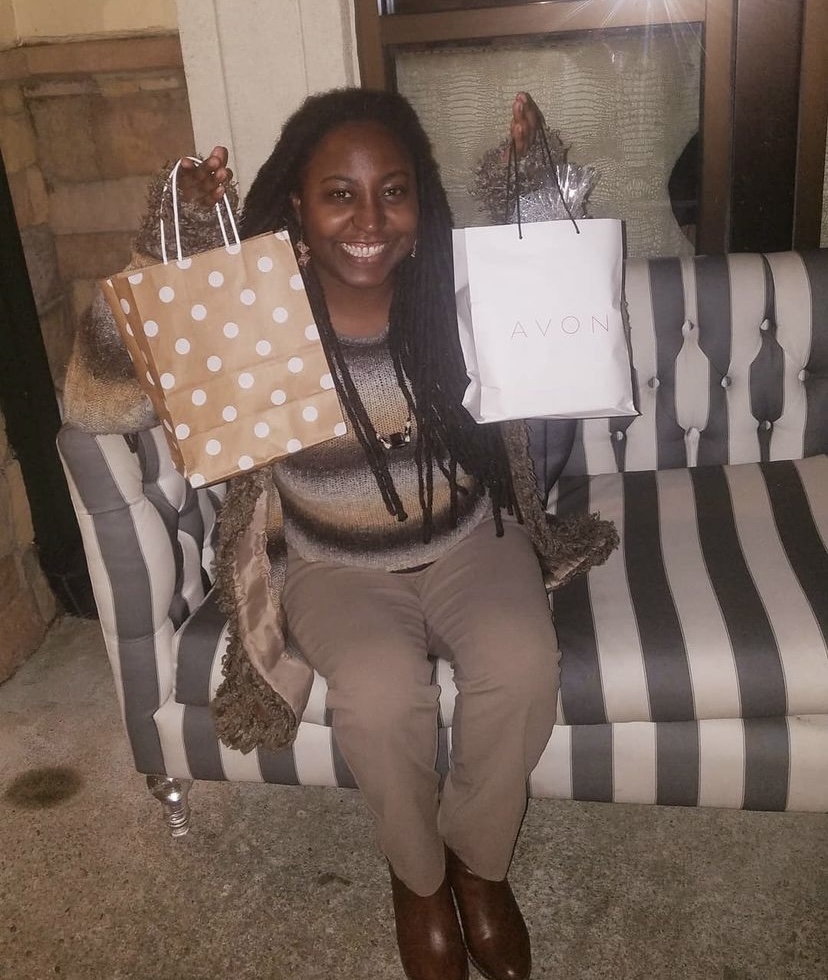
Queenz Cirlce of ATL gave me gifts!

I once met an older woman at a book signing who was interested in using The Women with Blue Eyes for a book club she hosts. She is old enough to be my mother and does not have social media. However, she does have a book club full of women who read and said she will talk with them about the book. She never got back with me, but this is an example of an opportunity I could have used to sell that book in bulk.

Another example that worked out was meeting a young lady who invited me to be a keynote speaker at her book club back in 2018 (Queenz Circle of ATL) to discuss Even Salt Looks Like Sugar. It was a private, offline dinner. We read from the book, laughed, ate a delicious meal, took pictures, and I sold copies of the book. It was amazing and none of it was online.

Podcasts, Radio Shows

Podcasts can be on or offline since many of them are also streamed on YouTube or Spotify these days, but this is another great way to get the word out about your book. Radio shows are also a great, offline way of promoting your book to listeners. The perk here is that you get to articulate in your own words why your book is so special and what sets it apart. You can then take clips from your interviews and cut them down to fit on Instagram, TikTok, YouTube, Facebook, or wherever you engage online.

This leads me to my next point.

The Work You Do Offline Creates Your Online Content

How you show up offline, whether taking better care of your mind and body, eating, or networking with business professionals, becomes the content you can repurpose online. Attending an event, being interviewed at a radio station or on a podcast, meeting up with readers for an author talk, and whatever work you do in the background becomes the content you post online. This can be photos, videos, testimonials, or whatever you captured from the event.

If you know how to utilize it, social media is a powerful tool for marketing, selling, and promoting your book. It is not the only option, though. Traditional networking techniques and in-person meetings are quite effective and provide you with content for your online posts!

Click here for more Indie Author Basics to encourage you through the Self-Publishing / Indie Author Process!

Vending at Large Events Does Not Mean Large Sales: What Self-Published Authors Should Know

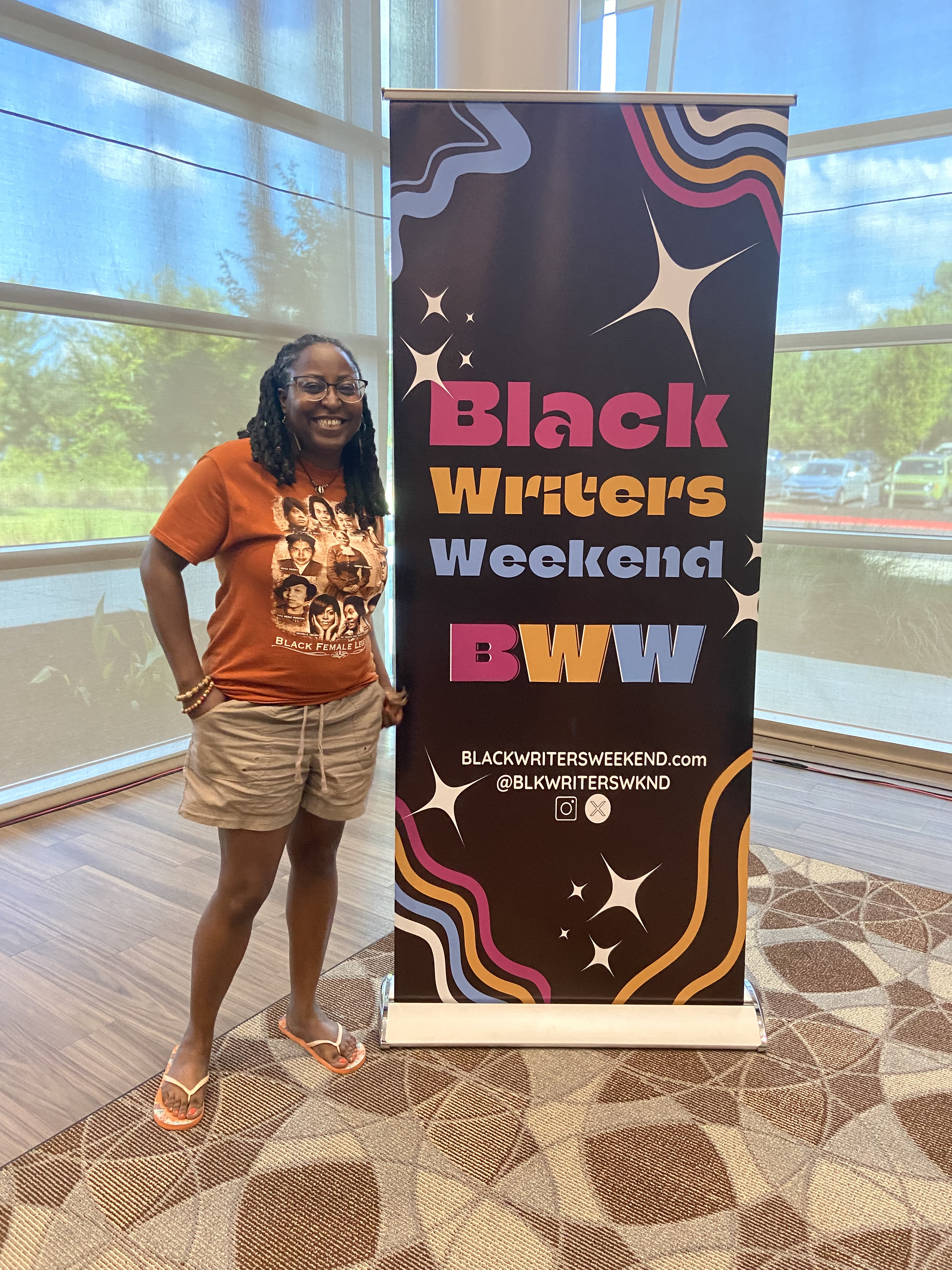
Before I went on vacation, I attended Black Writers Weekend (BWW). The event itself was okay, but what made it worthwhile for me was my conversations with the vendors. We talked about so much more than books; the historical conversations were like a glass of cold water on a hot day. I love basking in the brilliance of people.

But not all conversations were positive.

I noticed many first-time vendors were not happy. Considering the cost and the traveling many did to get to Atlanta, they expected a much bigger turnout, and many people left feeling some kind of way.

I didn’t have to travel far or stay at a hotel, but I understood their frustrations and empathized with the lack of focus on the marketplace. Some people who opted to have books shipped found their books didn’t arrive on time!

But this is not about what BWW did right or wrong.

This is about what authors should expect from vending at events; unfortunately, making a profit is not one of them.

Depending on what an author pays for a table, the cost of books, travel, and board, the chances of making that money back are slim.

Can you make good sales from vending? Certainly, but vending is more about networking than it is about sales. Vending at large events also does not mean large sales.

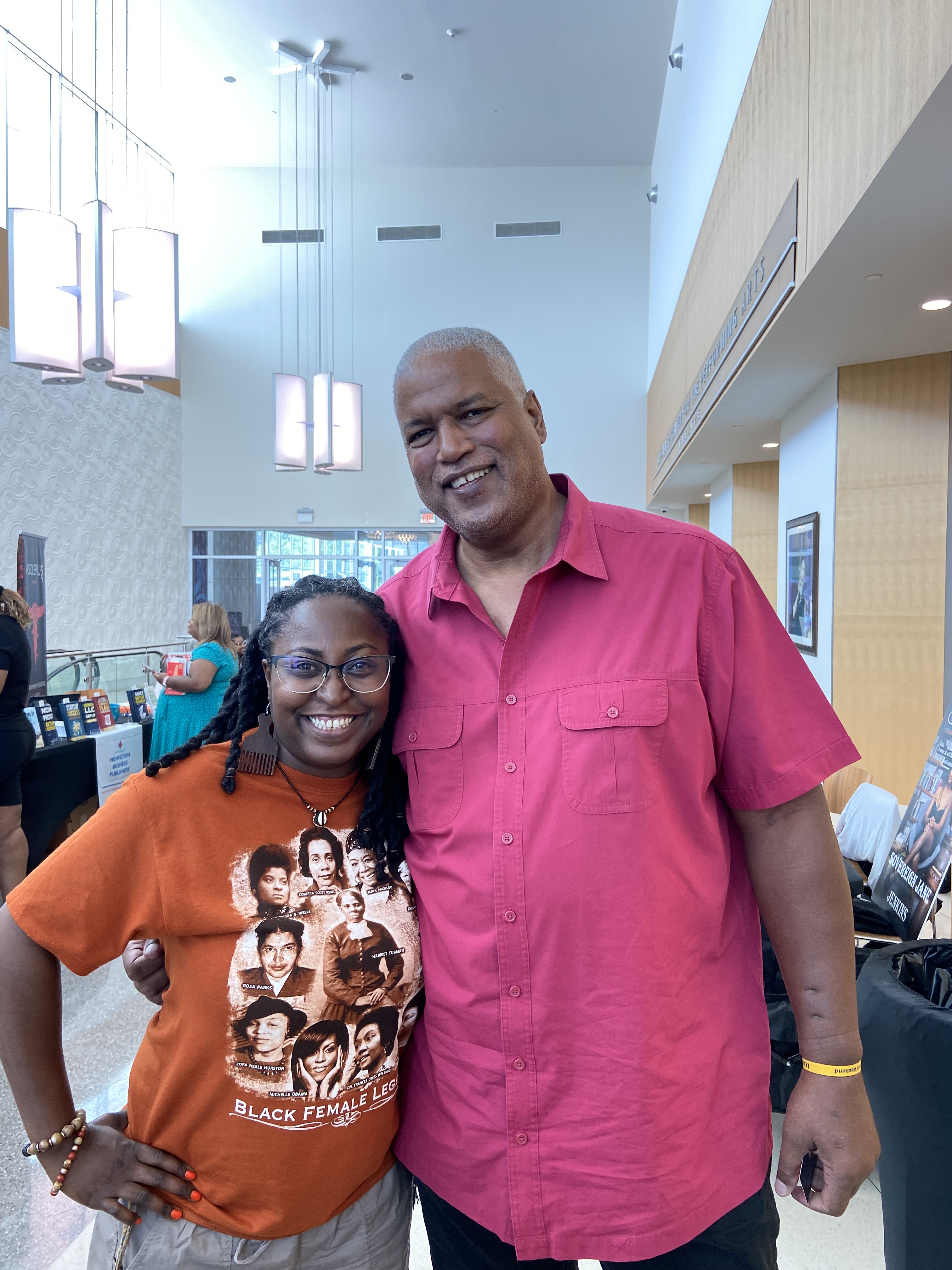
Finally got to meet the amazing writer and historian William Spivey!

Authors choosing to pay for vending should consider the cost of the table, any books or merch they’d need to purchase, travel, and board.

  • Will you have to book a flight or drive?
  • Will you be staying at a hotel?
  • How many books do you need to purchase in advance?
  • How much is this going to cost with the vending fee?
  • What is included in the fee? Do you get a table and chairs or will you have to bring your own? (Yes, some event hosts require you to bring your own table. I don’t vend at those events.)
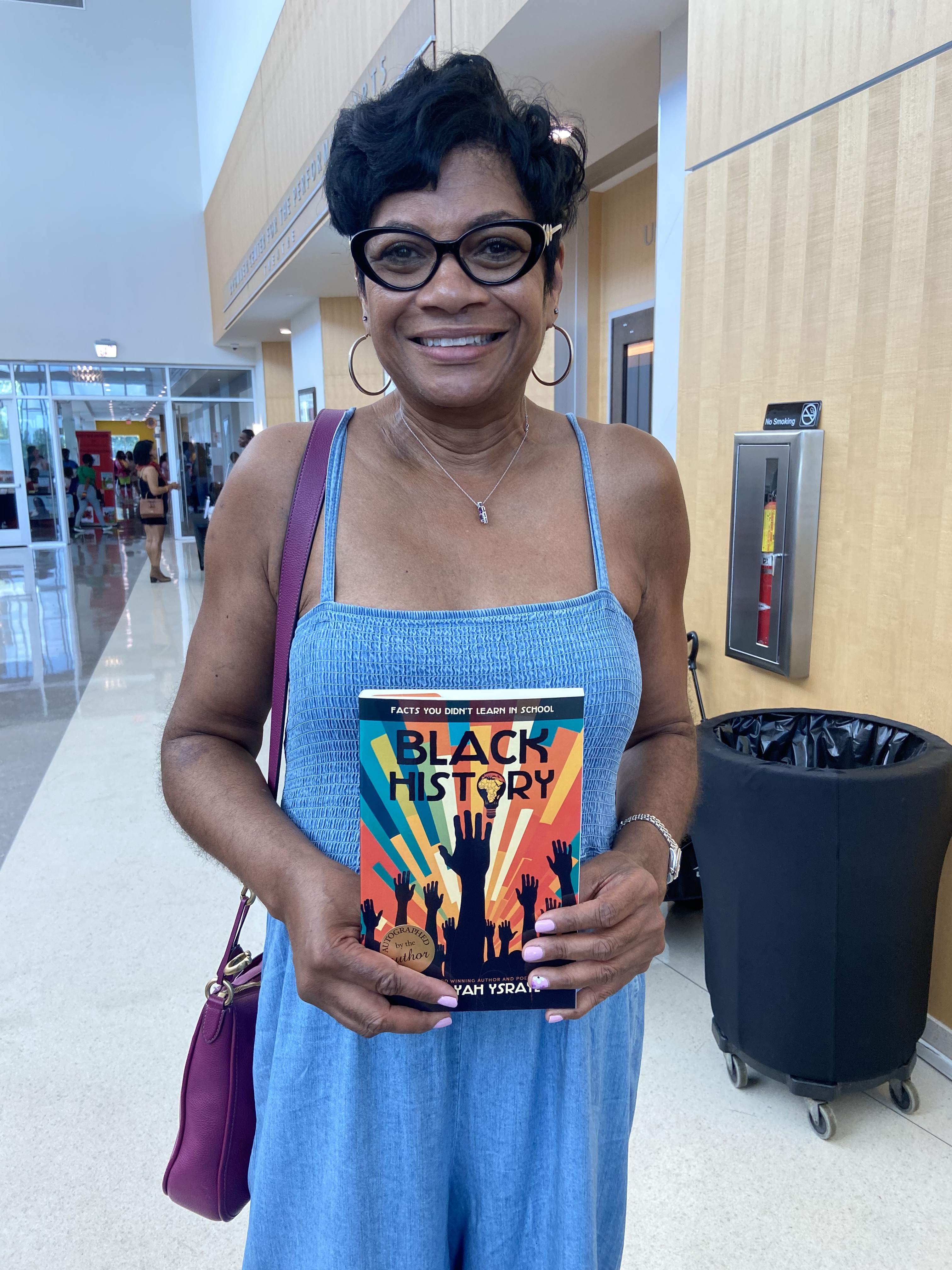
Thank you beautiful!

While self-publishing my books since 2010, I was not always a full-time author. My background is in Medical Assistance and teaching. When I decided to go full force into this author thing (2017), I did a lot of vending and events. It was a lot of fun, but I rarely vend anymore because a) it is not always financially feasible, and b) I am at the point now where I prefer to get paid to speak or capture content.

When I vend, it is because the event has an element that aligns with my brand or belief system and will allow me to build my network. When I published Black History Facts You Didn’t Learn in School, I knew I would attend Black Writers Weekend because the crowd is full of people interested in my type of content.

Vending at events of any size can benefit authors at any stage of the process. I would primarily recommend vending to new authors and authors who want to get their names out there and connect with other writers and literary professionals.

For authors looking to sell books, I recommend vending at smaller events that align with your brand and that focus on books, such as book festivals. As I joked about before, it’s much more challenging to sell someone a book standing next to the Shea Butter lady. Definitely do not overlook smaller gatherings. They tend to have a better vibe than the popular ones.

For seasoned authors or those ready to advance, I recommend hosting your own book signings, events, and workshops or requesting to be a guest speaker at an event instead of vending.

This is where my focus is geared now.

Click here for more Indie Author Basics aimed at encouraging you through the Self-Publishing / Indie Author Process!

Genuine Connections Will Take You Places Money Won’t

Since we live in a capitalist society, money is the first thing we think about when wanting to go places or do something, and if we don’t have the money, we become hopeless.

And I get it. You need money for everything. Not even a charity can run without funding. What kind of society makes it so you can’t even help people without money?

However, there are two other things we have that can make things easier:

  • Our mind
  • Our connections

Many people ask me about my self-publishing journey, and I can tell you it has been challenging. Nothing about self-publishing is easy, even now. However, what has made it easier is my connections with other people.

December, 30, 2017

When we first moved to Georgia, my husband and I visited the Nubian bookstore in Morrow. Every two weeks or so, we would buy books until we developed a relationship with the owner Marcus. As two nerds, we had no other agenda but to buy as many books as our wallets could afford and our arms could carry.

Two months later, I asked Marcus how I could get my own books into his store. (It had not occurred to me before then.)

To my surprise, we worked out a consignment deal on the spot and put my books on the shelf.

Then, he told me about the Medu Bookstore in Atlanta and referred me to Nia. I submitted I am Soul, which had to go through a review process. 

This is why…editing.

June 13, 2018

A couple weeks later, I got the call that I had passed the review board, and just like that, I was in two bookstores.

While hosting a book signing, I met a guy who told me there was a Barnes and Noble that accepts self-published books. He said I should check it out. I did, and a few moves later, I was in B&N.

Of all the advice I’ve ever given, this is probably the most important:

Building genuine connections and relationships with people can take you places money won’t.

It will allow you to skip steps you would otherwise have taken.

June 16, 2021

Once I am Soul passed the review board, The Women with Blue Eyes didn’t have to go through them to get on the shelves because they trusted me to deliver high-quality work.

In this season, instead of mindlessly scrolling social media, consider ways of leveraging your connections for more growth.

Something to think about.

Check out more Indie Author Basics Here

Religion and Relatability (or the Lack Thereof)

Photo by Pixabay

My mom and aunts never forced us to go to church. Except for that one year we moved from the projects to a new apartment. My aunt seemed hell-bent on giving us the American dream. I suppose after the trauma of growing up in Robert Taylor, if she couldn’t give it to us in total, she’d try to provide us with the next best thing. To her, that meant bump beds, new clothes, our own rooms, going to church every Sunday, and choir rehearsal every Thursday like all the other “good Christian folk.”

We hated it.

8 Year Old Me

The first time I got baptized, the church came to scoop the project kids up in these school buses, took us to some building, separated the girls from the boys, and made us undress and put on long, white t-shirts with no underwear. 

Right.

So when the new church tried to baptize me, I was so terrified that my entire head didn’t go into the water. 

Fortunately for us, that was the only time in our lives we were ever required to go. As we aged, going to church became one of those decisions we could make ourselves. We got to decide what or how we would believe. Later in life, my cousin decided to be a Jehovah’s Witness.

Easter, 1995, Robert Taylor Projects at 4947 S. Federal

I think choosing our belief system and the freedom of being able to explore religion outside of Christianity was one of the healthiest things the surrounding adults could have done for us, which we totally overlooked growing up.

There was so much trauma I think we missed this critical sort of autonomy our parents afforded us. And I think they missed it too. With all the drugs and abandonment, there were still these glimmers of hope we didn’t realize were diamonds in the ruff.

To make a long story short, I’m an anomaly to most people because while I am obviously spiritual, I am not religious (and I believe there is a difference.) Because no one had ever forced religion on me, I’ve never been devout in the traditional sense. I can talk about the bible all day, but I’ve never been the “church lady,” nor do I live my life that way.

And no, you don’t have to be a Christian to be a “church lady.” Ya’ll know what I’m talking about.

I have zero interest in being the embodiment of that fake piousness too often present in mainstream religions. This pretentiousness, in my opinion, causes many to lack the ability to be relatable.

Take my most recent Instagram post, for example. (If you read this later, it’s the reel with the God Did song by DJ Khaled featuring Rick Ross, Wayne, and Jay-Z…whose part was too long and not as great as everyone says, but I digress.)

In general, I don’t listen to a lot of mainstream rap. I think most of it is trash. Give me some throwback Common or Talib Kweli. I’ll even take College Dropout Kanye.

But pairing that song with the message I had for that day (and doing it on a Sunday when most people’s minds are religiously focused), I thought it would relate to people more deeply. 

And it did. 

I should point out that being relatable does not mean compromising your own beliefs. I see it more like being able to connect with something others might find familiar for a greater, more clear understanding.

My internal motto is: “You (your actions, how you carry yourself, think) will be the only bible some people will ever read.”

I hope one day more of us could consider this point of view in all its layers.