One complaint I hear from new Self-Publishers (a lot) is how much they wish they could do what they see other authors doing.
Usually, these are authors they perceive are more successful. I say perceive because you really don’t know what that person is going through, has gone through, or what they sacrificed to be where they are now.
But know this:
You are doing yourself a disservice when comparing your progress to others.
If you’ve published your first book, it is not fair for you to compare yourself to someone publishing their third or fourth book. Your journey will not be the same. Never measure your year one with someone else’s year ten.
My first few books were duds. I’m talking bootleg covers and crappy editing. The only people who bought them were members of my organization at the time—like someone whose church family buys their book.
The problem with this is that I wasn’t reaching anyone else. No one outside of my spiritual family and genetic relatives knew who I was.
It wasn’t until The Stella Trilogy (books 6-8) that I found my voice, and people became aware of who I was. Starting this blog and the support from the blogging community also helped. People interviewed me on their blogs, let me guest post, re-blogged my articles, and helped me to cast a wider net.
I miss those days!
But this was five books in.
Five published books before I saw some ripples. That’s five years.
I share my process and my journey to be an inspiration to aspiring and new Indie Authors. I share to raise awareness about the difficulties and perks of the self-publishing industry as I’ve experienced it and to spark hope for those seeking this path.
I do not share these things for you to look down on yourself, your journey, or your process.
Don’t give up on yourself too quickly. You have your own lane. A lane that will lead you to so many great endeavors and opportunities. Walk in it.
Own the space you are in.
PS. This message can also apply to life in general.
I’ve been Self-Publishing my books for twelve years now. Usually, after learning I’ve published fourteen books and counting, people are astonished. They want to know what the secret is. There’s only one problem.
I don’t have a secret.
But, I do have a system.
System: A set of principles or procedures according to which something is done; an organized framework or method.
Every time I publish a book, I follow the same 5-7 steps.
Call it a schedule if that’s easier, but this timetable helps me to publish with ease every time.
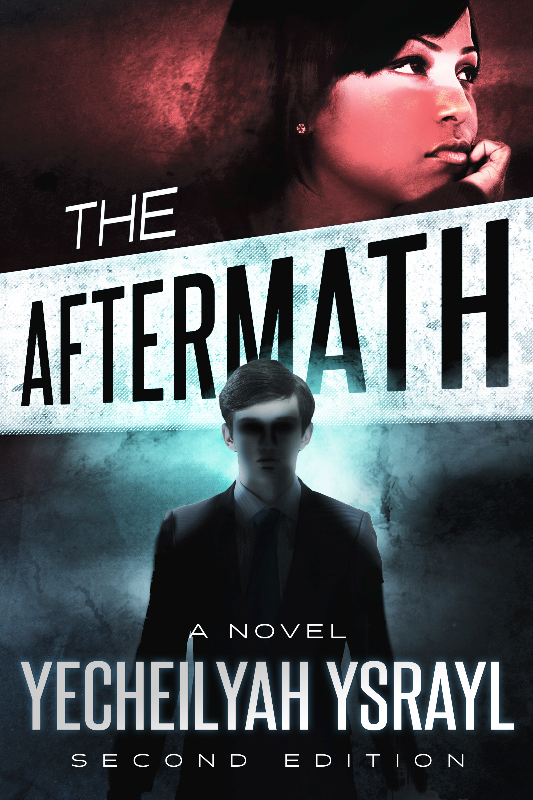
This is the new book cover for my first novel, The Aftermath (2012), which I revealed years ago. I had planned to launch a second edition but still have not finished revising it. However, I won’t have to worry about a cover when I get around to it. It is bought and paid for.
As you can see, I don’t always keep my steps in exact order, but I am never too far off track because I have a blueprint to follow.
Tip: Always get your book edited and formatted before your artist designs the entire book cover because the book’s trim size determines the book’s dimensions. A cover design (just the front) is okay if you’d like to use it to promote and build excitement, but for an accurate width of the spine, for instance, your artist will need your exact number of pages which you won’t know until the book is edited and formatted. Getting the text formatted before the final cover is complete is part of my system.
What I am saying to you is I do the same thing repeatedly. No magic. No secret sauce. Just systems and consistency.
I call this series Indie Author Basics because I genuinely believe simplicity is king. All you have to do is find a way that works for you and repeat it. That’s a system. A collection of parts working together.
If you have not written your book, what can you do every day to move you closer to finishing? Could you write it every morning while drinking coffee? Could you write it before bed? During lunch? What system works for you?
If you’ve written your book but have not published it, click on the link below and schedule a call with me. If you are looking to Self-Publish, you don’t have to figure out a system. Just use mine!
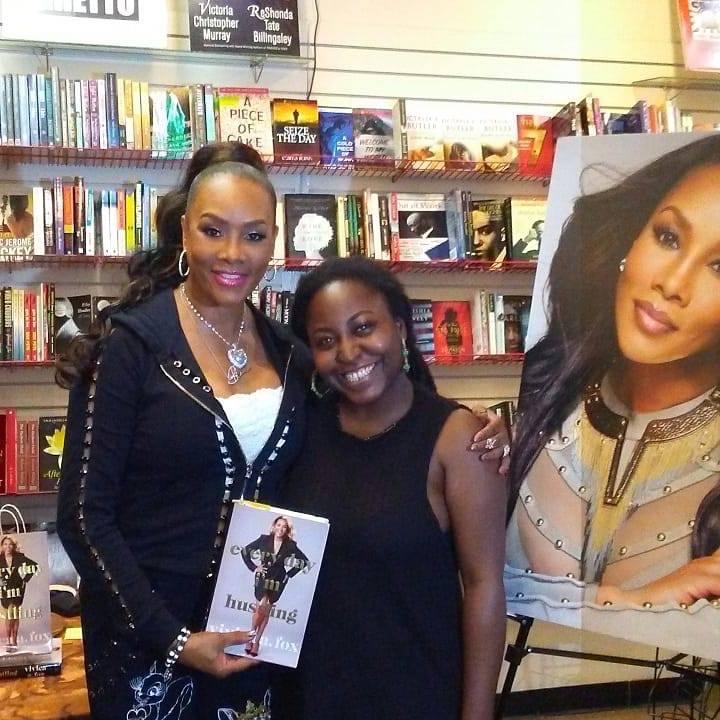
I low-key don’t like this picture because that black shirt was cuter in my mirror at home, lol.
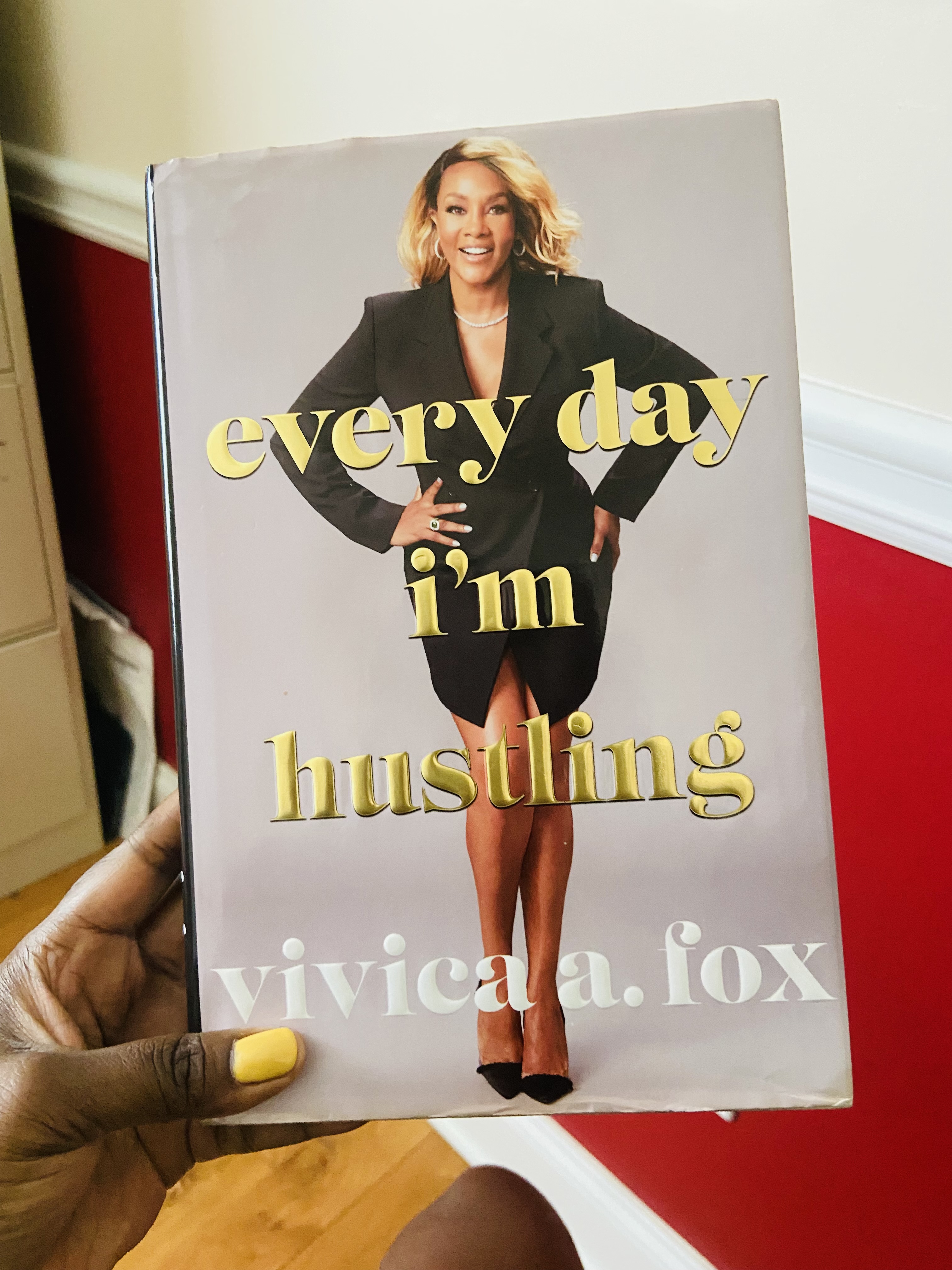
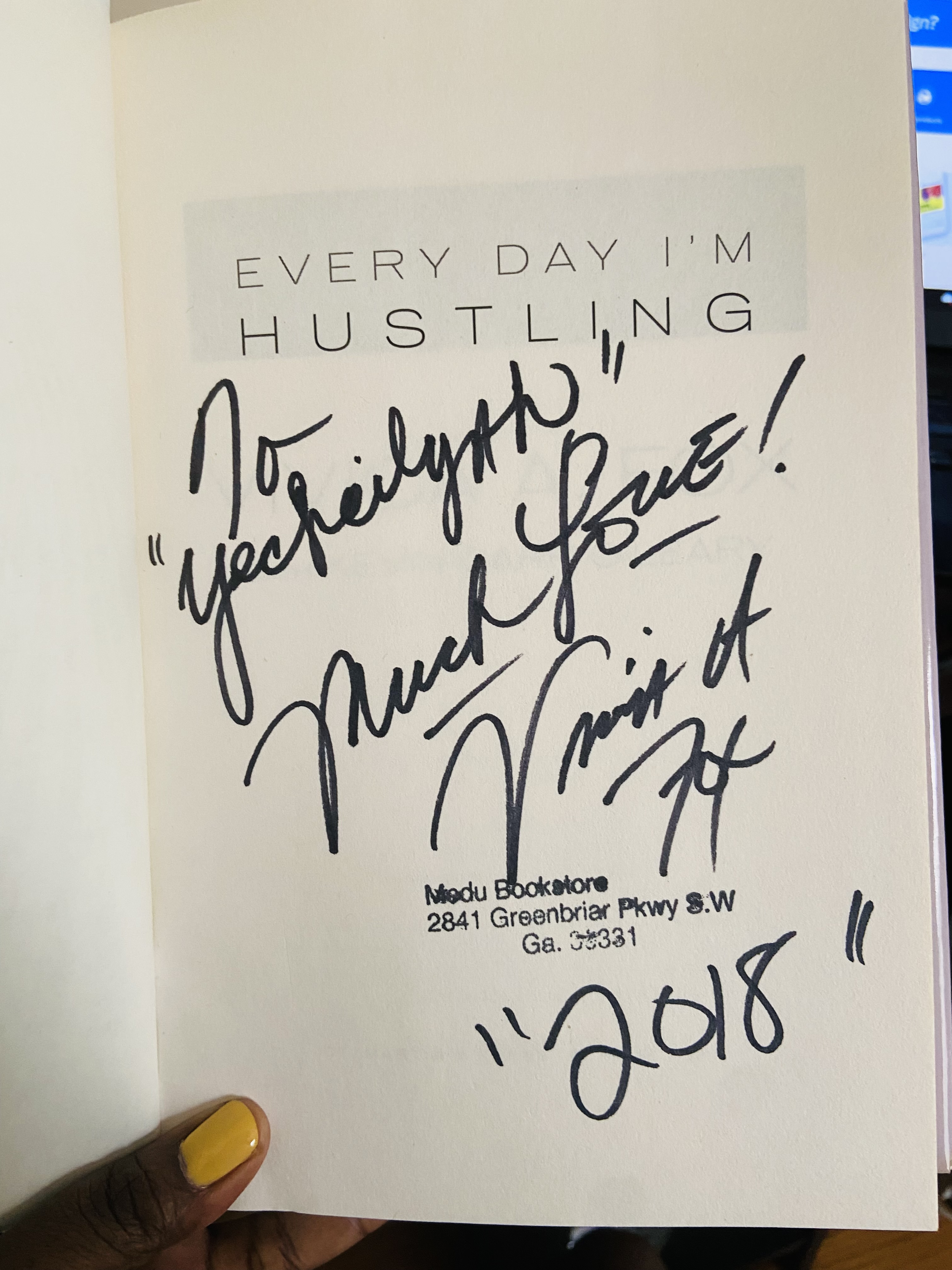
I met Vivica in 2018 when she released her book Everyday I’m Hustling, which I read and reviewed. In it, she talks about not overpaying to play. When applied to Self-Publishing, this kind of advice can save us tons of money and wasted time.
The scammers are getting clever by the day, and they gear their tactics toward Self-Published authors. One thing we can do to arm ourselves is to understand the difference between investing in ourselves and our books and paying to play.
Investments
An investment in your book is anything that will help with the publication, promotion, and marketing of your work in a way that brings value. These are usually services offered by well-known, reputable people and organizations that produce quality. It is when you vet and hire a competent editor, when you pay for a dope cover design, when you buy ads, when you pay for web design, coaching, and so forth. These are investments that can take you to new levels. It’s an investment because you get a return.
Paying to Play
Paying to play is paying an obscene amount of money for hype that offers no real value. They usually package these as opportunities to take your business to the next level. It could mean paying 10K to a vanity press to publish your book only to come out with a crappy cover and poorly edited book slapped up on Amazon or paying 2K to attend a pointless conference.
Vivica explains it this way:
“When you get a little bit of success, you start getting invited to these big dinners and awards nights that on paper look like a great place to network. These invites can cost three hundred dollars and up! After you go to a few, you realize that you really just get the cocktail hour to network, and then it’s hard to see anyone once you’re seated for the presentation.”
Republishing your book to send to “investors” or “get you a traditional publishing contract.”
Filming a pricey book trailer
Book-to-Film “licensing” (See my post on this heartbreaking scam And here’s Alli’s warning, including business names the book-to-film scammers use.) I hear from people every day who have been snagged by this scam.
High-ticket, useless marketing services.
Buying you an interview on a podcast or radio show nobody listens to.
And I will add to that:
Paying to be featured in an article no one knows exists or reads
Paying thousands to a vanity press only to receive poor editing and crappy cover art
Paying to speak at an event in exchange for “exposure” (seasoned speakers should get paid to speak)
Let’s say someone offers to promote your book to their 20K followers. What you want to look at is their engagement, not followers. No one will see your book if they have tons of followers, but no engagement. Engagement is likes, comments, saves, and shares. If they charge you money to promote on their page and they have 20K followers but 0-3 likes on a post, this is a red flag. It means chances are they bought their followers. (Buying followers is also a form of paying to play.)
Note: There’s nothing wrong with not having much engagement for the everyday social media user who is learning. I am talking about the people charging you money to be featured on their platform and using their millions of followers as bait.
Paying to play can also look like being offered a chance to be featured in an article in Forbes for the low price of $500.
Umm. Why would I pay to be featured in an article if I’m for real dope? Shouldn’t Forbes reach out to me?
This is the stuff we have to pay attention to. Many of these features in articles and media have been bought, not earned. This is paying to play the game.
I didn’t think I was going to enjoy this book tbh, but Fox drops some great gems.
Everything is Not a Scam, But Vet People
I am not one of those “everything is a scam,” type people. Some businesses are new to what they are offering and we all know to become an expert, you must start. Everybody was a newbie at something at some point. You will know the scammer by the services offered in relation to the price tag. Why am I paying 5K to attend a conference for you to tell me to have more faith? Not when I can take that money and pay for professional therapy.
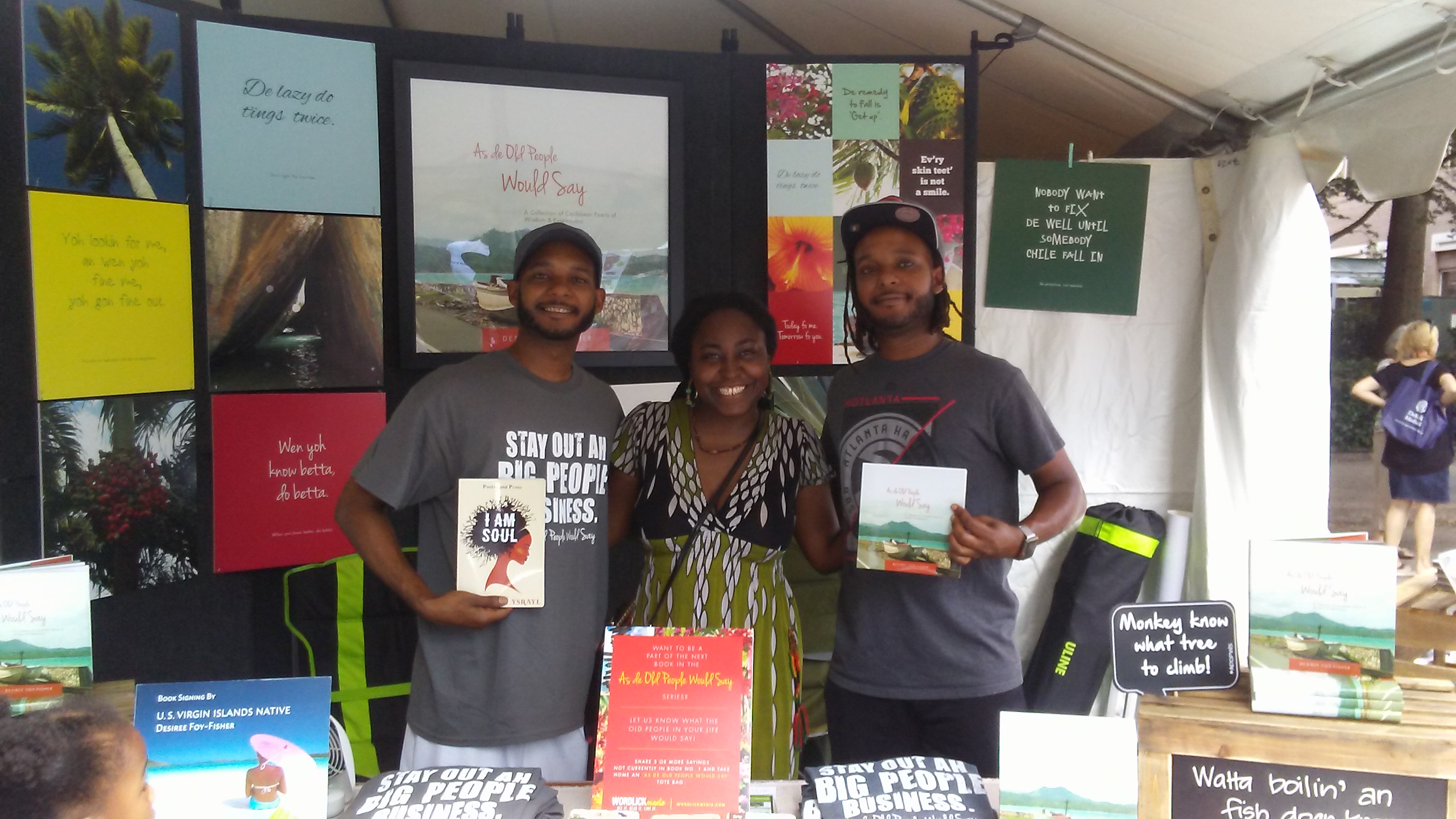
AJC Book Festival
I’m passionate about sharing my experiences as a Self-Published author because there are so many scams aimed at us. They mainly target the novice Self-Publisher. I do not mean the novice writer. You can have written before and be a master of the English language and still get scammed because you know little about Self-Publishing a book. Or, you can have Self-Published and still get scammed. It can happen to any of us.
That’s why our greatest weapon against it is knowledge and experience.
“I always tell people to educate themselves with real experience.” – Vivica A. Fox
With back-to-back events, it’s been a busy few weeks. Here are some networking lessons I learned so far:
Wear Your Brand
One of the first things I noticed at the AOD (Accountability on Demand) Live business conference was that many people wore their logo, slogan, or tagline on their shirts and clothing. At Poet Fest, one poet even had her name written down her pants leg.
It was a great marketing technique that I had missed. Here I am with a Calvin Klein shorts set on, and everyone else is wearing their own name brands. I went home vowing to get some t-shirts done.
But then, I realized this is not about t-shirts or wearing your name on your clothes.
I probably won’t do that.
Whether you wear your logo figuratively or literally, this is about intentionally showing up for yourself.
Message received.
My shorts set was still cute, though.
Email / Text Marketing Is Prime Real Estate
More than selling books and gaining more social media followers, I have increased my email list substantially over a month.
But why is this important?
Keeping in touch via email and/or text marketing helps you to stay connected to readers you might have otherwise never seen again.
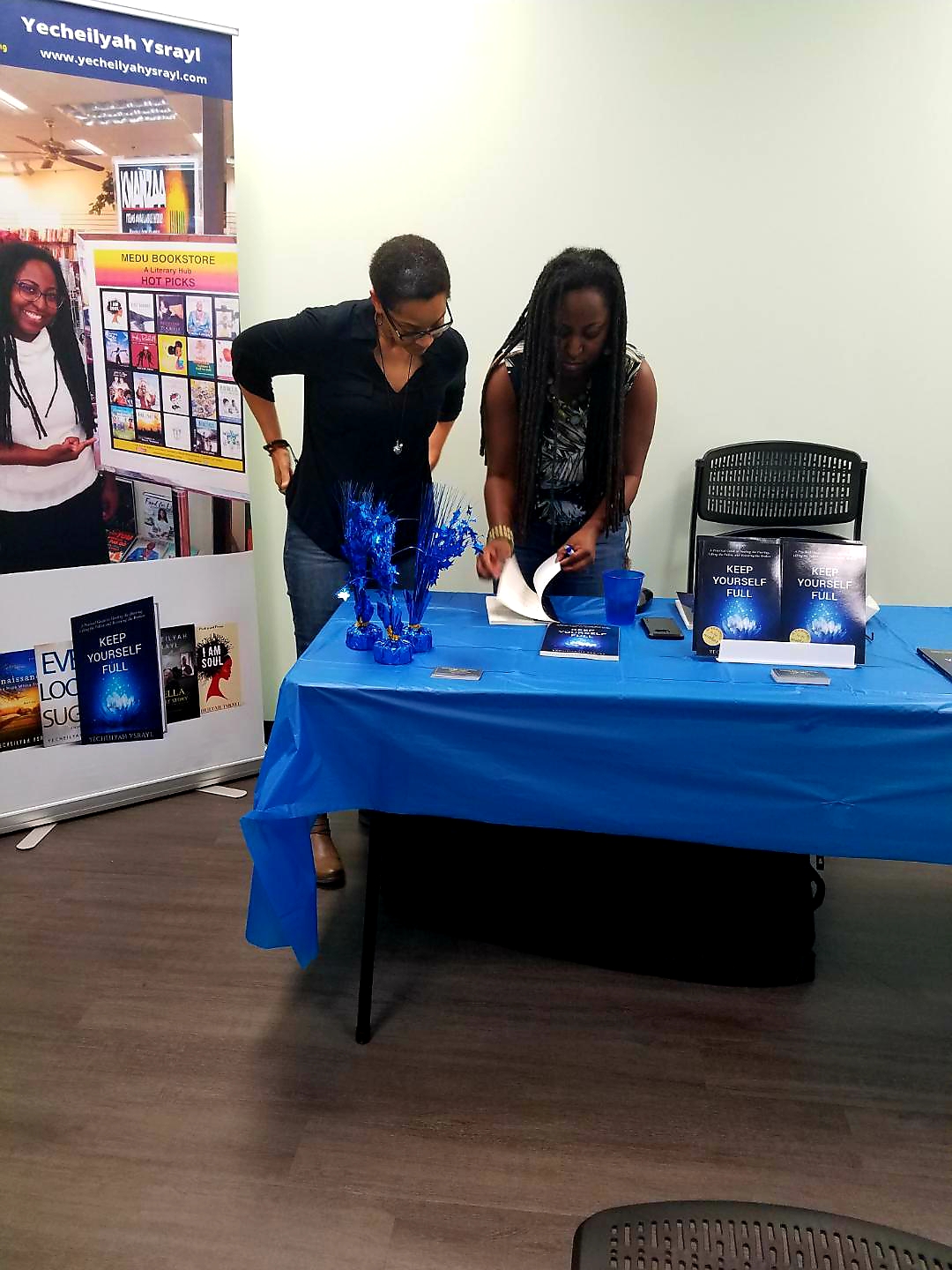
During your book signings, speaking events, and other things, keep either a notebook and pen on your table or a tablet.
Write Email List Sign-Up somewhere and put name and email so they know where to write it.
If using a tablet, have the spreadsheet already open where people can type their information.
People will walk by and just write their name and email, sometimes even before talking to you or buying a book. How is this a good thing?
It gives you the chance to build a relationship with them later. And then, they might just consider supporting your work.
This is also why I encourage Indie Authors to sell books from their author website, to stay connected with readers: because you have no idea who bought your book from Amazon unless they tell you or leave a review you can see.
Social Media is Still King
In 2022, people do not ask for your business card. They ask for your IG handle.
The first draft of this said, “Business Cards Are Still Useful,” and that’s still a lesson I learned as it made it easier for me to give out my contact information and served as a great conversation starter.
And, while I wouldn’t say business cards are dead, they are used differently in the age of social media.
If you are old school, you can take all your social handles and put them on a card. And although people will probably stash these bad boys away in their office drawer like I did when I got home, not before they follow your Instagram, Facebook group, and Twitter.
Social media is not only King but essential considering the current pestilence situation we got going on with Covid and Monkey Pox.
I don’t take pictures wearing my mask because I think it’s weird, but I always have it and my mini hand sanitizer. Please believe it.
The bottom line is, people are online all day, every day more than usual.
This means not being online and using social media is tragic for anyone looking to grow a business in 2022.
How to Actually Network
First, I am introverted. Walking up to strangers and talking to them isn’t my thing. However, I learned that is only a small part of real networking. The other part is to discern how (or if) we can best serve each other.
How can what you do and what I do become a bridge? How can we build on what we build?
That’s what networking is, making connections and building relationships.
Practical example: You are a writer, and there’s someone in your social circle who edits. It would be a good idea to connect with that person.
But it doesn’t have to be someone who does something similar to what you do, either.
Michael Q. Lau helps you on your journey to health by optimizing your relationship between fitness and food.
Let’s say you have been trying to lose weight, work out and eat better. There is a nutritionist specializing in fitness in your midst. It would be best if you connected with that person and tried to see how to combine your personal goal of being fit with your business goals.
How can ya’ll turn this collaboration into something more?
Follow-Up
Communication is the cornerstone of all good relationships, so keep in touch with people.
Engage with their social media, follow their blogs, check out their services, ask them questions, subscribe to their email list, and so on.
I won’t keep you today, but I want to share this short message.
Most Self-Published authors publish a book, do a happy dance, and then let it rust away on Amazon, never to be seen or heard from again.
That’s because most Indie Authors are still waiting to be Amazon Best Sellers, rack up on thousands of reviews, and wait for Amazon to send them royalties.
And there is nothing wrong with any of this.
Except, sometimes those royalties don’t be royal if you know what I mean.
And getting new reviews can be like pulling teeth.
Both are important, but I want you to know you don’t have to pull your hair out waiting. There are people who have few reviews on Amazon and still do very well and it’s because they stepped outside the box. They did something different.
And so can you.
One of the most important lessons I’ve learned over the years is that the book is only the beginning. It is a foundation, an open door, a ticket…
But into what??
Whatever you want.
Your Self-Published book is the beginning of a fresh course, community, even a movement for political and social change.
Writing a book sets you apart as an expert in your field. You are now equipped to speak on the topic of your book (yes, fiction writers, you too), teach the themes of your book, or advocate for the message of your book.
You can sell signed paperback copies of this book from your own website, sell them in bulk at schools, libraries, and bookstores.
You can build an entire course and online school from your book, or vend at large events, conferences, and workshops.
Strategic Self-Published authors see the book, not as the end, but the beginning of a journey into more.
And why is this important?
Because a Self-Published book lost in the sea of Amazon does not produce more fruit.
I am squeezing this post in, in the middle of packing, so I won’t keep you long.
Ahh. The author’s email list. Some hate them. Some love them. Either way, this is for the people who use them.
Before you send that email, do you have permission?
What do I mean by permission? This is your business, and you run the show. Do you really need permission?
Yes, you do.
How excited I imagine ya’ll be to spam people without knowing you spamming people. Photo by Tima
You must have permission to email people anything that may be considered marketing or promotional content. Further, you must provide a way for them to unsubscribe or opt-out of the email if they choose to do so.
I am not talking about emailing here and there. I am talking about those of you sending mass emails every day to promote your products and services without getting permission. I am talking about the slick way that you BCC people who have not volunteered for the information you are sending.
This is not my opinion, guys. These are part of the legal requirement for email marketing.
“CAN-SPAM is one of the longest-running email marketing regulations in the world. Its laws were released in 2003 after years of email spam and unsolicited pornography filled inboxes the world over.” (Privacy Policies)
CAN-SPAM applies to US-based businesses sending marketing emails to US residents. Here are some of its requirements:
Do not use deceptive email addresses, names, domain names or subject lines to mislead the recipient. Be truthful and honest.
If you are putting “Re:” in the subject line of your emails as if you are replying to someone when you are not, you are being deceptive and violating US privacy law.
If the message contains adult content or explicit imagery, this must be specified clearly in the subject line of the email.
Include a physical street address within the content of all marketing emails.
Provide consumers with a conspicuous and straightforward way to unsubscribe from marketing emails. Fulfill unsubscribe requests within 10 days.
Be Safe and Use a Third-Party Email Provider
Photo by cottonbro
If possible, do not send emails without using a third-party email marketing service.
Third-party email services like ConvertKit, Mailchimp, and Mailerlite allow you to create a form people can use to sign up, giving them permission to be emailed. It also provides an easy way to comply with privacy laws because they already set it up that way. They embedded these into the form.
The Problem with Not Telling People to Subscribe to Your List
Photo by Andrea
Ask any influencer, coach, mentor, or “guru” and you’ll learn the general rule of thumb is that when growing an email list, you never say, “Sign up to my email list.” Instead, you offer an incentive (say a free book or resource) that people will sign up to receive. They enter their email and download the freebie.
But here’s the thing:
You still have to mention they will be subscribed to your list.
You cannot trick people into signing up for your email list.
You cannot keep emailing people who have not given permission to be emailed.
You cannot email people without a way for them to opt out.
You cannot be deceptive. If someone did not reply to your email, there is no reason to put “Re” in the subject line like they did.
Note: These are suggestions based on my experience with my own books and books of authors I’ve worked with. These suggestions are not law or set in stone. In the end, each person must do what is right for them, but I hope these tips can help you decide.
Pricing your book as a new Self-Published author can tremendously impact your writing career and the momentum of your launch. Price the book too high, and you lose the interest of those who want to take a chance on a new author. Price the book too low, and people start to worry the book isn’t good quality.
So, what to do?
How Well Known Are You
Before I get into it, we must consider there is more than one kind of new author.
Some people may have never written a book before, but they have influence in other areas.
By influence, I mean that these writers have thriving businesses or are already known in their community for their expertise. They might not have published a book, but their success in other areas gives them leverage.
Because they have an impact, they can price their books higher even if they’ve never published a book. For instance, you wouldn’t expect Viola Davis’s first book to be cheap. She’s already a celebrity.
However, in this case, we are speaking of everyday dreamers who always desired to see their words in print. For us, we have to be a bit more strategic.
Now Let’s Get to It
Self-Published Ebooks: Usually less than $5.99. I recommend pricing the ebook low for new authors to encourage more sales and reviews. I would say anywhere between $0.99 – $2.99.
You can change your ebook price whenever you want, so you have room to experiment with this once the book is live. You might start with 99cents and then increase it later. This is up to you.
You can also set your first book in a series or your debut book price low once you’ve published other books to entice new readers. I am Soul, my award-winning poetry collection, was published in 2017. I have the ebook set to 99cents so new readers can get a taste of my writing style. Usually, this is the first book people read of mine, and they almost always want to read my other books next. This is intentional.
Self-Published Paperbacks: This is where I see the most problems. You are a new author no one has heard of before (and who no one ever thought was into writing in the first place), and your 50-page self-help book (half of which is blank pages so we can “fill in”) is $50 PLUS shipping.
Make this make sense.
For a new Self-Published author, I recommend pricing your paperback between $9.99, and $19.99, depending on the length. The book’s length is important because longer books cost more to print, so you will have to charge a bit more. Again, this price assumes you aren’t already a celebrity or someone of influence with a massive following, in which case the price will go up.
Either way, just make sure it makes sense.
The most important step you can take is to study other books in your genre to get an idea of how to price your book (considering all we’ve discussed.)
Go to Amazon and look up the category of where your book will be sold. What are the prices of top-selling books?
Do this for Kindle eBook and paperback.
And remember, Google is your friend. Here, we focus on the basics, but I am sure there are many other articles from other sources that can provide deeper insight into this topic.
All I ask is that you do not go into this blindly. The cost of your book is a big deal. Don’t throw darts at the wall and come up with random numbers.









 The PBS Blog