The Stella Series: Meet the Family

As mentioned, I am reviving the Stella series with a fourth book! For those who have not read the first three books, I’ll share excerpts, nuggets, and tidbits as we prepare for the fourth installment. Today, we are refamiliarizing ourselves with some of the family. Enjoy!


Stella May

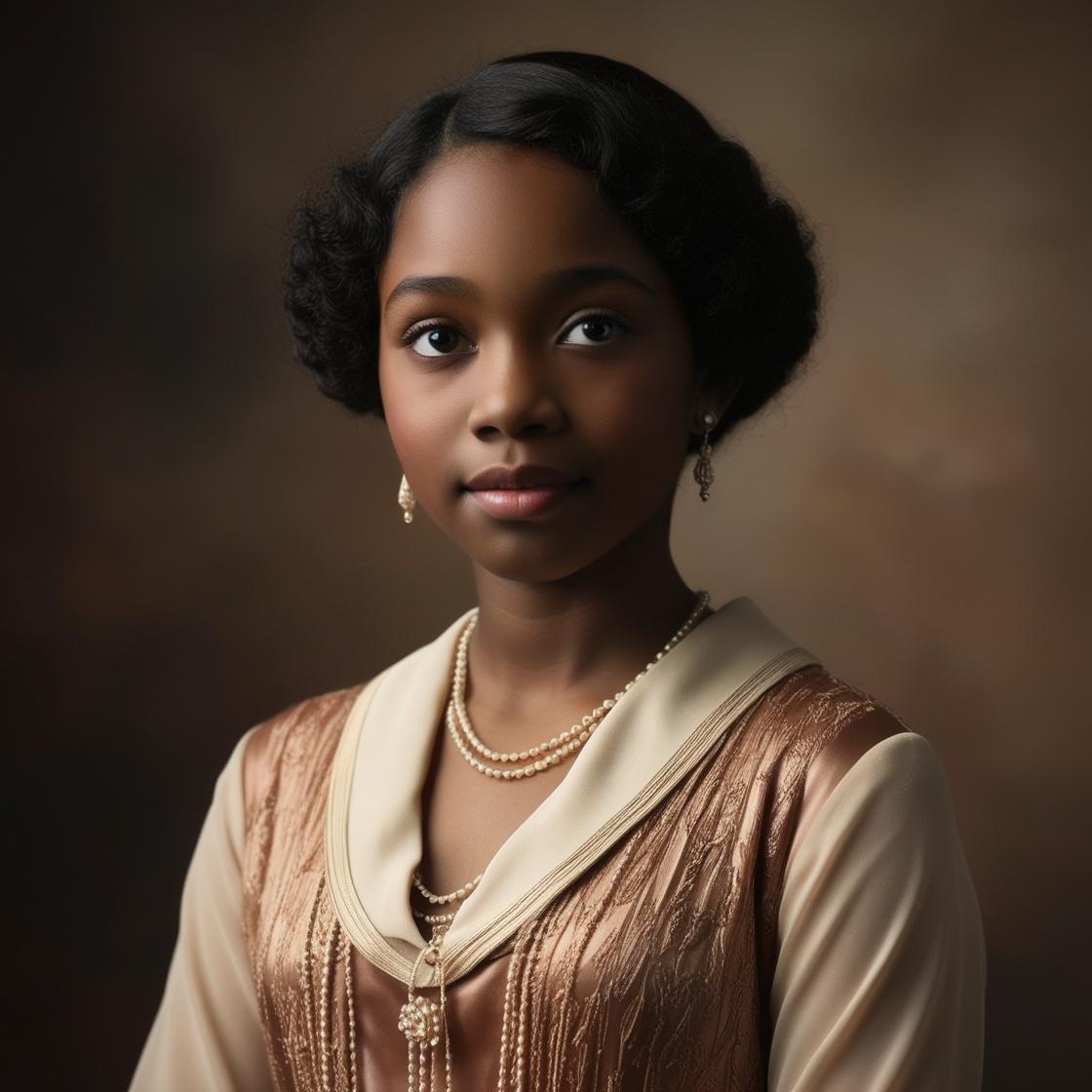
Born in 1845, Stella is the daughter of a Black woman named Deborah on Paul Saddler’s Plantation in Shreveport, Louisiana. From a young age, she can remember running through cotton fields and being loved by her family. To young Stella, life is simple and fun. She eats sweet cakes, plays with her friend Carla, and helps the grownups by carrying buckets of water to the field. Stella discovers she is a slave for the first time after Deborah’s unexplained death. Now, she learns the hard way the difference between slavery and freedom.

Solomon Curtis May

Solomon has no speaking roles, but his existence is essential for the family timeline. Solomon Curtis May is Stella’s only son, born in the fall of 1870 after she was sexually assaulted by the husband of her mistress. Solomon falls in love with a white woman and marries her after inheriting land outside Chicago. They have four girls: Deborah, named for his grandmother, Judith, Rebecca, and Sara.

Judith May

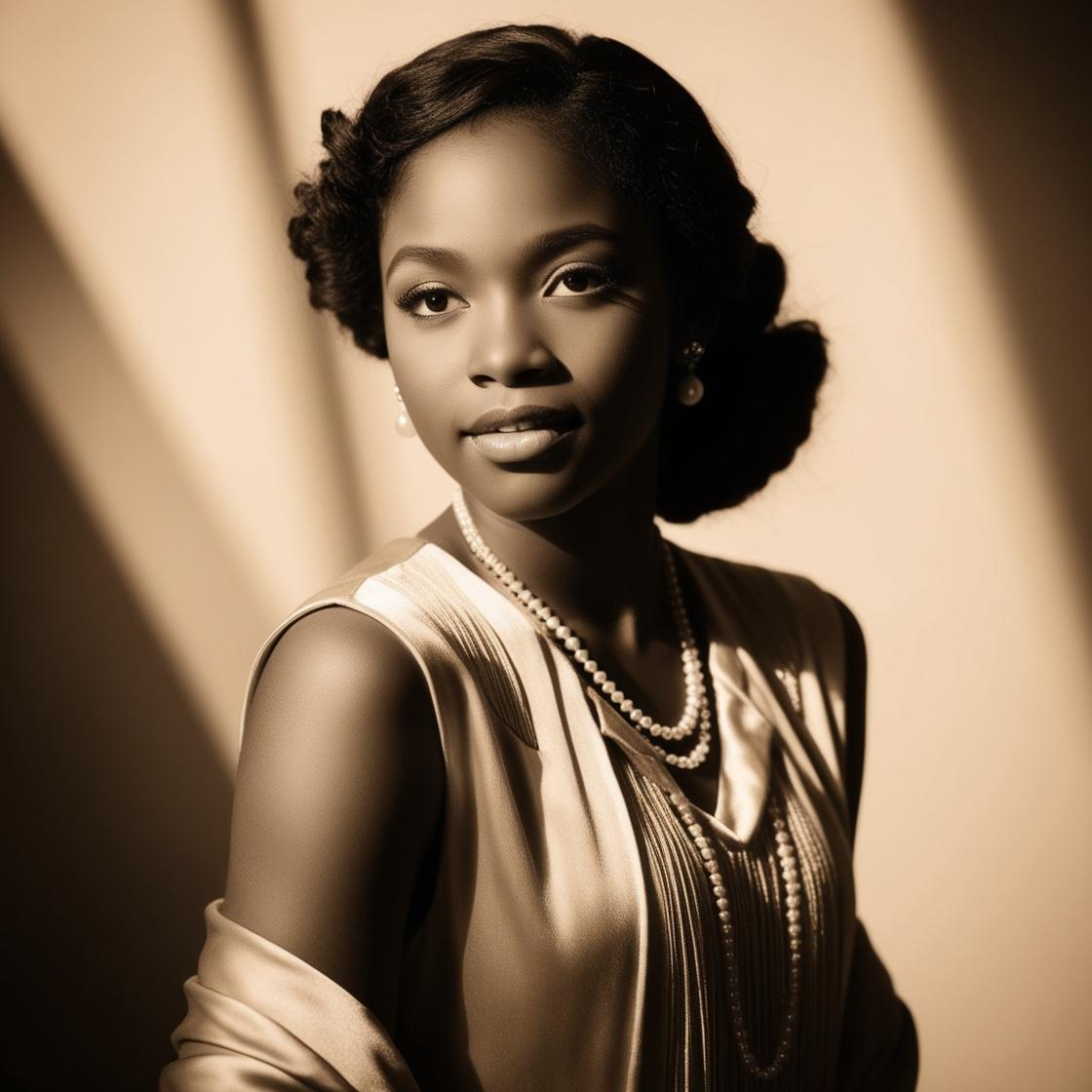
Solomon’s daughter Judith married a Black man and gave birth to a baby girl she named Stella after her grandmother. However, after enduring much teasing and discrimination for her mixed features, Judith’s daughter copes with this trauma by denying part of her ancestry. She changes her name from Stella to Sidney McNair and passes for white. After marrying a white man and having his children, Sidney lives her life on the other side of the color line.

Sidney McNair

Her aunt Sara influenced Sidney to pass for white and learn to enjoy her privileges. Sidney marries a wealthy white man named Clarence McNair, and they have four children: Edward, Karen, Joseph, and Glenda, whom they raise as white.

However, when she finally reveals the truth to her adult children in 1979, the shock of their real identity is a betrayal that stretches across generations.

Karen and Noah

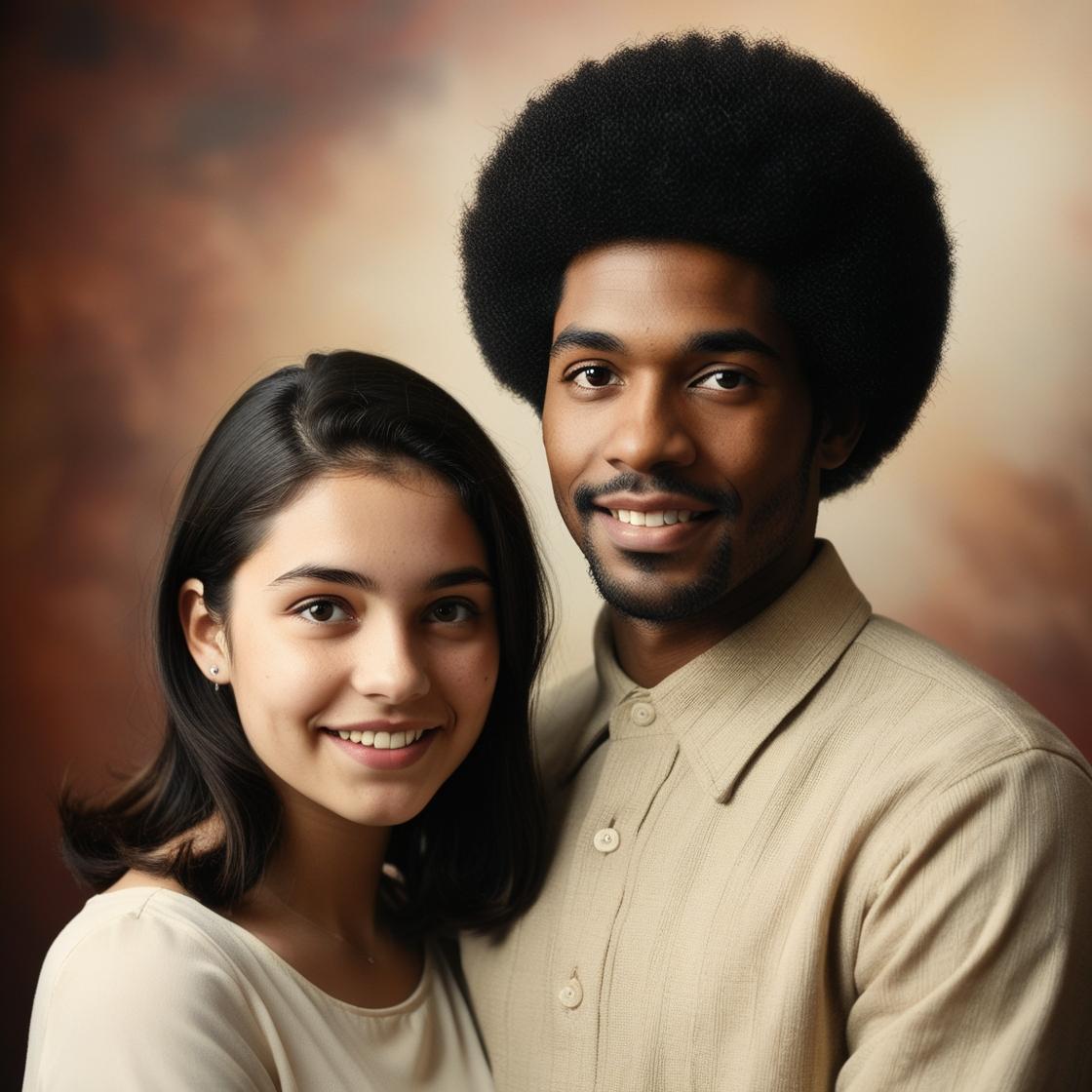
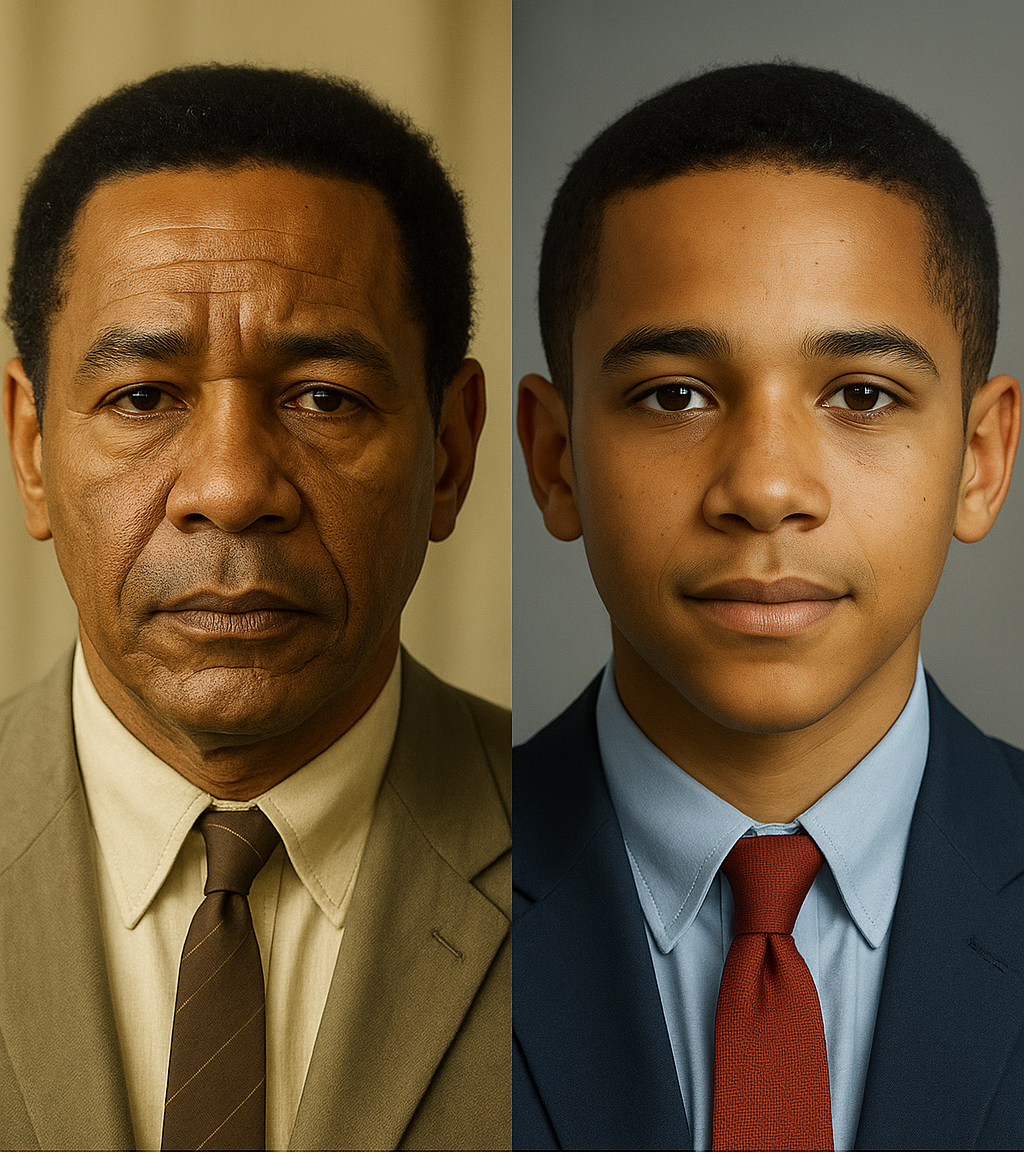
Sidney’s daughter Karen McNair falls in love with a young Black man named Noah Daniels. He is a leading member of the Black Panther Party and thinks he’s dating a white girl. At this time, Karen also does not know that she is mixed race, although she has many more African American features than her siblings. The couple endures many trials because of their perceived interracial union. Together, they have a son, Noah Jr, who has a much more significant role as an adult in book four.

Edward McNair

Of all Sidney’s children, her sons are the most conflicted by their mother’s betrayal. Carrying many characteristics of his father, Clarence, Edward has not only lived his life as a white man but has also enjoyed the privileges of doing so and cannot come to grips with his new reality. In brief, Edward does not want to be Black, and his daughter, Cynthia, does not yet know about her true identity because of her father’s secrets.

However, although he appears to reject his heritage, something in Edward’s subconscious won’t allow him to completely forget it. We see this when he names his youngest son after his great-grandfather, Solomon.

Joseph McNair

Joseph is also conflicted about his mother’s decisions, but goes in another direction. Still under the illusion that he is just a white boy, he nevertheless feels sympathy for the plight of Blacks and fights for their freedom with his friends during the 1960s.

Unlike Edward, Joseph wishes he were Black. He grew up to marry a Black woman named Fae, and together, they have two children, a boy named Michael and a girl named Tanya.

Introducing Tanya and Michael…

Born in the early 90s, Tanya and Michael are the children of Joseph and Fae and are young adults in the early 2000s. They face the challenge of defining themselves in a society shaped by their father’s choices and haunted by the truths Stella once fought to conceal.

In book three, they are small children, but in book four, they are young adults. In his part, we weave together the struggles of a new generation to find their voice, identity, and place in a world still wrestling with its past. The echoes of Stella’s decisions resound, reminding us that even as times change, the threads of heritage and truth remain unbroken.


Get Started on The Stella Trilogy!

Book Four: Joseph’s Children

(Working Title)

(WIP/Coming Soon)

Stay tuned for a sneak peek at chapter one of book four!

The Stella Series Continues

I published the first book in the Stella Trilogy in 2015 and revised it in 2020. I have been working on a part four recently, and I am excited to continue this family’s story.

If you have not read the series, I highly recommend it in preparation for the next part. (If you read these books from 2015 to 2016, you are advised to read the revised editions with the alternate ending!)

Like the others, it will be a historical fiction novella or short novel.


When Cynthia McNair’s grandmother overhears her and her boyfriend joking about Blacks in a derogatory way, she has a story. Born in 1845, Stella Mae was an enslaved woman on the Saddler Plantation in Shreveport, Louisiana. Forced to stay on the plantation after Emancipation, she endures much abuse and revelation. She eventually gives birth to an only son, whom she names Solomon Curtis Mae. Stella’s story takes place in book one, Between Slavery and Freedom.

Solomon was given land by the same enslaver who freed him and Stella. As a man, Solomon married a white woman, and they had four girls: Deborah, Rebecca, Judith, and Sara.

Solomon’s daughter Judith gave birth to a baby girl named after her grandmother because they looked so much alike. However, this Stella did not take pride in who she was and lived her life as a white woman and raised her children as white. We watch her struggle from delusion to acceptance during the Jim Crow era as she navigates being married to a racist white man who doesn’t even know his wife is Black. Stella has even changed her name to Sidney McNair. Her story takes place in the second book, Beyond the Colored Line.

Sidney McNair, formerly Stella, gave birth to four children: Edward, Karen, Jospeh, and Glenda. Edward is Cynthia’s father.

Because she raised them as white, Sidney’s children did not know about their African ancestry until 1979. The person most conflicted about this was Joseph, who felt sympathy for the plight of Blacks and fought for their freedom with his friends during the 1960s. His story takes place in the third book, The Road to Freedom. In book three, we learn that Joseph married a Black woman named Fae, and they had two children, Tanya and Micheal.

Joseph’s Children: Book Four in the Stella Series (WIP)

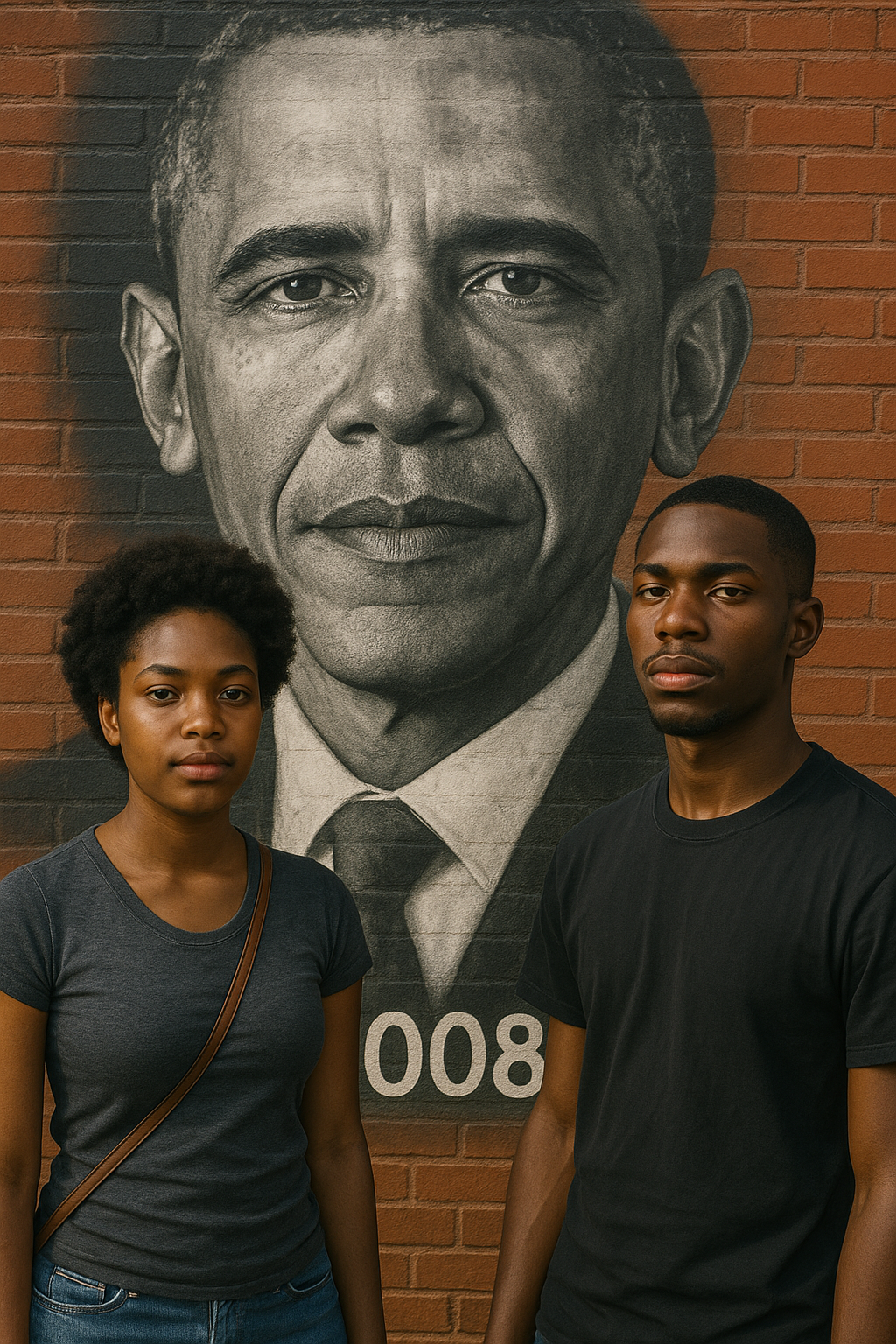
Book Four unfolds in 2008. Tanya is now eighteen, her confidence growing as she steps into adulthood with fire in her heart and ambition in her eyes. Her sixteen-year-old younger brother Michael wrestles with the same questions of identity and purpose that once drove their father to leave home in search of answers nearly half a century earlier.

Against the backdrop of Barack Obama’s historic presidency, the heartbreak of Trayvon Martin’s murder, and the rise of Black Lives Matter, Joseph’s children navigate a new era. They face the challenge of defining themselves in a society shaped by their father’s choices and haunted by the truths Stella once fought to conceal.

The story weaves together the struggles of a new generation to find their voice, identity, and place in a world still wrestling with its past. The echoes of Stella’s decisions resound, reminding us that even as times change, the threads of heritage and truth remain unbroken, binding the present to the past.

Stay tuned for a sneak peek at chapter one!

“The Day You Plant the Seed is Not the Day You Eat the Fruit”

I learned a lot revising The Stella Trilogy, but the most important lesson I learned is, “the day you plant the seed is not the day you eat the fruit.” I don’t know who the original author is of this saying, and I know there are many versions of the same quote.

This means to me, the first time you get an idea is not the same time you will bring it forward. I had wanted to revise The Stella Trilogy for a long time, but it was hard to imagine taking the time to launch a book that has already released, let alone three. It was hard to imagine having the resources to produce three new covers, edit three separate books, format them, and all that other jazz.

But the day you plant the seed is not the day you eat the fruit.

I had to wait until I had the time and resources to get it done.

Then, I had to put it in my mind that once I began, I would have to keep going. This meant no waiting two and three months between books. If I was going to release book one, books two and three had to be right behind it.

And I’m sort of a slow writer.

It’s incredible to realize that what we put into our mind can manifest as we planned it if we are disciplined and patient enough.

It’s even more incredible to know that although a man plans his way, Yah guides his steps. (Prov. 16:9)

I wanted to release these books back to back, and I am thankful that I could accomplish what I set out to do.

It was hard for me to see the purpose of this endeavor at first, but revising these books helped me to see visions of another series using the same characters from The Stella Trilogy (something like a spin-off) with Joseph’s children.

Isn’t that amazing? Maybe revising this story wasn’t about what was already there, so much as what can grow from it.

I am excited about where these visions will take me and so happy to have you here with me.


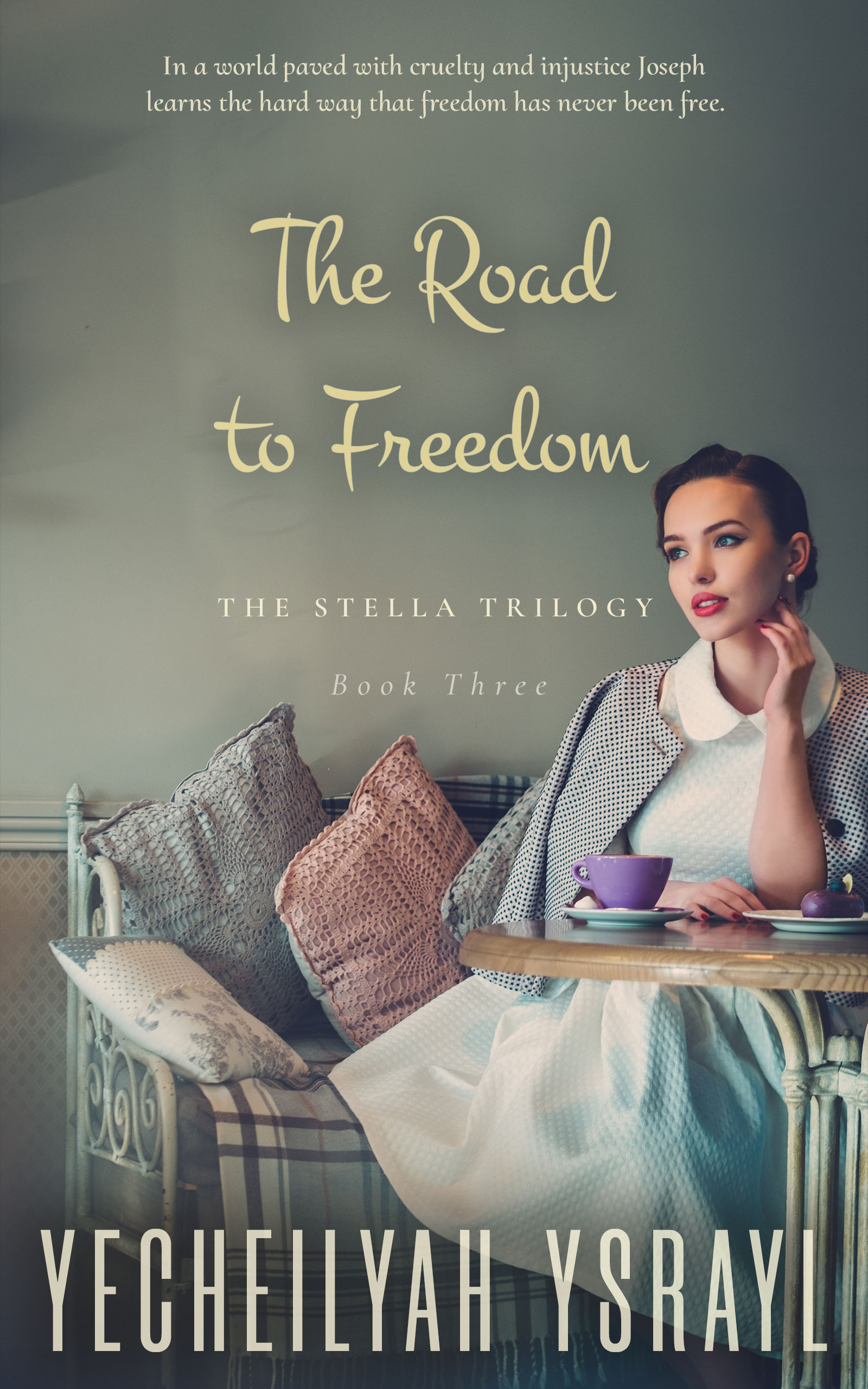
Book 3 in The Stella Trilogy,
The Road to Freedom, is ready for you.

About.

Book three follows Stella’s son Joseph after a fight with his brother compels a young Joseph to leave his mother’s house and join his friends for a trip to Atlanta for the Student Non-Violent Coordinating Committee’s (SNCC) second conference. Excited to live life on their own, Jo and his friends have left school and the lives they were living for a chance to become part of the movement. With no money and virtually no plan, the seven friends, three black and four white, set out for the road when they are stopped by a racist cop who makes them exit the car. The teens are unaware that a mob of Klansmen await them at the New Orleans bus terminal. Find out in the third installment of the Stella Trilogy how Joseph and his friends discover the hard way that freedom has never been free.

*Click Here to Get The Road to Freedom

Book Reviews Needed For The Stella Trilogy

Hey guys!

I am gearing up to release the last book in The Stella Trilogy, The Road to Freedom. After this book drops the series will be complete. Whoo hoo!

But what’s that saying? The real work begins after you release the book? Yea, that.

I don’t know who said it first, but there are no lies told here.

As book three is on its way out, I would like to draw more attention to books one and two by getting some book reviews in. As you guys know, these books were originally published in 2015-2016 but due to major editorial and formatting issues, I have had to take them down and relaunch them. One major risk of taking them down was losing the little reviews the books had. That was a risk I was willing to take if it meant a better reading experience. There are over three thousand followers of this blog. I am hoping I can get a few of you to help.

I just thought I’d ask. What’s that other saying? “Closed mouths don’t get fed.”

  • If you have read any of these books, it would mean everything if you could review them on amazon. Review book one here. Review book two here.


  • If you have never read these books and would like to receive an ARC copy, it would delight me to send it to you.

Comment below, contact me through the contact form or email me directly at yecheilyah@yecheilyahysrayl.com.


Ya’ll like my new yellow dress? Cute right?

Revising The Stella Trilogy: Crafting Authentic Historical Details

In Beyond the Colored Line, book two of The Stella Trilogy, we meet Noah Daniels who is a member of The Black Panther Party for Self-Defense. There are two books I read that helped me to conceptualize his character in the most authentic way possible: Revolutionary Suicide by Huey P. Newton and The Assassination of Fred Hampton: How the FBI and the Chicago Police Murdered a Black Panther by Jeffrey Haas.

These books helped me to capture the language and the spirit of the movement as realistically as possible. I modeled Noah’s persona after both Huey Newton and Fred Hampton. Noah uses terms like “Pig,” regarding the police like the Panthers did in the 60s, but reading Newton’s story helped me to understand this wasn’t a random term they pulled out of the sky to be derogatory.

Black Panther rhetoric like “All Power to the People,” and the concept of “pig,” came with Newton’s interest in A. J. Ayer’s logical positivism, that nothing can be real if it cannot be conceptualized, articulated, and shared. While I do not agree with this philosophy as a person of faith (because faith is the opposite of this…the belief and expectation of something even when you cannot see it), it was helpful in me understanding the Panthers on a deeper level and thus helped me to make Noah’s story more real.

Not all research needs to be included in the story so you won’t hear Noah quoting A.J. Ayer. The point of research for historical books is to help the writer to better understand the culture of the time so the characters can interact with the setting genuinely.

Historical Fiction is not an easy genre to write because while the story itself is fictional, the dialogue and personas of the characters have to be true to the time. A young person living in 1960 wouldn’t speak like a young person living in 2020. If done right, adding authentic historical details enrich the story by triggering memories of the past.

Excerpt from Chapter Ten:

“That just bugs me. We supposed to march and get hit upside the head by the pigs?” he would say in conversations with his mother when he would visit her. Unlike many young black men raised by their mothers, Noah’s mother had decided early on that her son’s narrative would be different. When he came of age, she would turn him over to be raised by his father. She could provide a lot of things, but she could not teach him how to be a man. She supported most of Noah’s radicalism, but only to an extent.

“Now don’t you go rappin’ ‘bout all that communist jive talk in here boy. Violence and hatred never helped to expand no revolution.”

“But Ma, that’s where you’re wrong. It’s not about violence. It’s about defending ourselves. Violence is only the guilt complex that exists in the minds of America.”

Mama Daniels would lift her head to the ceiling, wishing she’d said nothing.

“To say that a man is violent because he defends himself does not differ from saying a man who is being lynched and thus fighting back is himself violent because he fights back.”

“Boy, what? You know, sometimes I wish you weren’t so smart.”

Noah laughed, “’cause you know I’m right. Mama, white Americans know that they have been violent against Negroes, and they fear that one day the Negro will do unto them as they have done unto the Negro.”

The 1960s presented a new wave of leadership and identity for people of color who went from being Negroes to Blacks. Just the previous year, the heavyweight champion, Muhammad Ali refused induction into the army on both religious and political grounds. The epitome of the black power movement was the Black Panther Party, founded by Huey P. Newton and Bobby Seale. This party organized the use of self-defense in the accomplishment of black justice and was right up Noah’s alley.


Stella: Beyond the Colored Line

Get it Here.

Haven’t read book one yet? Get it here for just $0.99.

Already read these books? Don’t forget to leave a review!

Stella: Beyond the Colored Line is Live (The Stella Trilogy Book 2)

Beyond the Colored Line is LIVE

“This story retells the history of many African-American families alive today. It is a heritage rich with strife and suffering but also filled with a hope and a desire to finally grasp the freedom that has been so elusive and out of reach for so many. At times, I was forced to accept some uncomfortable truths about our American past. There is nothing wrong with that. This story makes you think about freedom and what it really means to you as a person, and as an American. I loved this story because it is through the learning of other’s journeys that we begin to learn much about ourselves. Their pain becomes our pain and we begin to see through their eyes. Stella will touch your soul with such a sweet simplicity you won’t even know it.”

– Colleen Chesebro, on Stella: Beyond the Colored Line, First Edition

About.

In book two, we dig deeper into the McNair family’s legacy. Named after her great-grandmother, Stella has a very light complexion which causes her to be the tease of her classmates. Unable to find solace among her African American contemporaries, Stella finds it challenging to adjust to a world where she is too light to be “black.” After The Great Depression of the 1930s forces Stella’s family to move to Chicago, a conversation with Aunt Sara provokes Stella to do something that will dramatically affect not just her life but the life of her children and grandchildren.


Excerpt.

1928

Daddy runs off to no one knows where on account of his life. Some racist whites had seen him and Mama together and threatened to lynch him if found, so he runs off. The community gossip is that his brothers know, but they won’t say. We weren’t alone, though, Mama and me. It seems like Mama filled the hole where Papa should have been with our whole family. The house always stayed filled with guests, my people, and peoples of my people. My granddaddy was a colored man and owned this land. My namesake, his Mama Stella, was a slave and was given this house by her owner. As the story goes, after Grandma died, I was born. Since Mama was the closest, she named me after her.

My aunts would gather around the table with my mama, and they laugh and cry most of the night about their girlhood. They would talk about what it was like being four mixed girls in Illinois. I don’t have uncles on my mother’s side, but Daddy got six brothers.

Due to the controversy around my parent’s relationship, Daddy being a Negro, and Mama being half-white, they only visit on special occasions. Uncle Roy, Daddy’s younger brother, says Mama acts differently around her sisters and that we too uppity, especially Aunt Sara. She’s the youngest of my aunties and the most spoiled. She’s the one who convinced Mama to send me to a white school in the first place, and boy was my uncles hot! They said we were breaking the law–that a Negro had no business in a white school. But Aunt Sara said I had all the right in the world since I was half white. For her, not only could I do this, I had a right to do it.

“But does the school know she a Negro?” Uncle Roy would ask.

“That’s none of the school’s business, now is it?” Aunt Sara would say, and they’d go back and forth until Mama break it up.

Not all talks were good talks. I used to sit until my eyes were red with fatigue to hear Mama and my uncles talk about all the killings that were taking place around the country, and especially in the South. I felt like I lived in two worlds, one black and one white, but none mixed. And what did that mean, mixed?

My aunties wanted to talk about education, family, career, and navigating the world as a mixed-race person, whereas Daddy’s side liked to talk about the black condition, what was going on in the black community, and what it meant to be black in America. They talked less about blacks navigating a world that they felt didn’t include them, and more about blacks redefining themselves and creating their own worlds. The conversations were intriguing and fascinating on both sides, but it left me feeling like my very body was a contradiction. Was I white? Was I black? Race wars always involved these two groups of people, and there ain’t seemed to be room for a mulatto.

“That’s what I say,” said the voice of Uncle Keith, Daddy’s second oldest brother.

“Up there in Minnesota.”

“That close?” Mama gasped.

“Yeah, that close. What woman, you living under a rock? They just had one over in DeKalb last month,” said Uncle Roy.

“It’s a crying-out-loud shame,” continued Keith. “Say they dragged the boys from the cell and a whole mob of ‘em lynched ‘em. Say it was ‘bout a thousand of ‘em.”

“My my,” said Aunt Rebecca.

There were times even I witnessed evidence of the events rocking the country. One day, Mama and I went to visit Cousin Mary in Texas and drove the truck up to a general store. We walked in, and I picked up a postcard from a rack. It was of a man hanging on a tree that supported an iron chain that lifted him above a fire. The man didn’t seem to have much of a body left. They cut his fingers off, his ears and his body was burned to a crisp. On the back of the postcard read: “This is the barbecue we had last night. My picture is to the left with a cross over it. Your son, Dan.”

I learned later the picture was of a seventeen-year-old mentally ill boy named, Johnny, who had agreed to have raped a white woman. And everybody at home still talked of the Cairo Circus of 1909, the public lynching that took place here in Illinois. I couldn’t understand why Mama was so upset about a circus until I found out what kind of spectacle it was. My aunts didn’t want anything to do with the land or the house because of events like these. They say it’s too close to slavery. No one wanted to inherit the home or the property, but Mama, and this is how I spent several years of my life living in the same house where my great-grandmother had been a slave. Mama kept the house full of guests by renting out rooms to help with her washerwoman salary.

We weren’t much of a churchgoing family, party going is more like it, unless Mama wanted to show off a new dress or hat when somebody died or needed saving and on holidays and such. Folk would come from all over southern Illinois to hang out with “Cousin Judy.” Sundays sure were fun, my second favorite day of the week. Saturdays were my favorite day of the week. It was the day for shopping, and that only meant one thing, Chicago.

First, Mama would wake me to the smell of biscuits or pancakes. This massive breakfast was to keep me full enough throughout the day, so she didn’t have to worry any about food buying. Then, she commanded me to bathe real good, paint my arms and legs with coconut oil, untie my curls, and we’d both put on our Sunday’s best and be two of the most beautiful women you’d ever seen. I was a young lady now, and shopping was the best thing for a young lady, next to boys, but you couldn’t like them in public.

You could like shopping, though, and I loved going from store to store in search of the finest. I skipped along while Mama scanned the insides of magazines for stuff she heard about from the white women whose laundry she cleaned. We would squeeze our way through crowds of people, just bumping into each other. Everyone dressed in their weekend wear and bought ice cream for their children. Some went to see the picture show, and so did Mama and me. We could buy candy or jewelry, or perhaps a new hat or two. We could drink from water fountains without a label and spend money without prejudice.

We had a good time on Saturdays because on Saturday, no one knew we were colored.

Click here for a signed paperback
of Beyond the Colored Line

*Click Here to get it on Kindle

Haven’t read book one? Get it for 99cents on Kindle here or in paperback here.
*Paperbacks ordered today will ship next week.

Revising The Stella Trilogy: Book Two – Beyond the Colored Line

Book one is out and we are on to book two!

My main challenge for book two is making sure that it stays consistent with book one. This is important for any series, but for Historical Fiction, it is even more critical.

Since writing Historical Fiction is writing set in a time that has already occurred, the details of the past must be realistic to what was going on. A good Historical Fiction book places fictional characters somewhere in a world that has already existed in a way that reads authentic. Readers should be able to reimagine what that world was like by immersing themselves in the life of the characters and the world around them. I like to think of it as a time machine, which is also what makes writing #Histfic fun to me.

Style, Language, Dialogue

Like book one, book two opens in 1996 and picks up where we left off at Mama Sidney’s house in book one. But book two also takes us back into the life of Mama Sidney, and we revisit history from the 1920s through the 60s. My focus for book two was to make sure the dialogue, language, racial and political events occurring during this time were realistic to what was happening in the world. We talk about The Great Depression and touch on the reoccurring lynchings taking place in both the north and south. We look at the brutal murder of Emmett Till, the shooting of Dr. King, Jim Crow Laws, and The Black Panther Party. While I immerse Stella in her own world, there is still the larger world to deal with and we watch how she navigates both. How does Stella’s personal identity crises correlate to the identity crises plaguing her larger community?

Racial Terminology

The biggest thing to deal with for book two is the racial classifications of blacks during this period. African Americans are the only people whose racial terminology has changed with the census. We have been “Niggers,” Negros, Coloreds, Blacks, and African Americans, and this can get confusing when trying to use the right term for the right year. This is also not to mention other racial “nicknames” we called ourselves, such as Afro-American and The New Negro.

The challenge of using the right term for the right years is because there were terms that blacks preferred to call themselves and terms used discriminately by the wider society. Although by the 60s Black Americans were preferring to be called blacks or Afro-Americans (as Malcolm X used a lot after leaving the Nation of Islam) white separatist signage still referred to us as coloreds. “Whites Only / Coloreds Only,” or “Welcome to the Colored Zone,” banners and store signs could have read.

Credited to W.E.B. Dubois and Booker T. Washington, blacks advocated for a switch from Colored to Negro in the early 1920s. As blacks redefined themselves, terms like “The New Negro,” became popular and sparked a movement that later became known as The Harlem Renaissance.

By the 1960s, though, African Americans had transitioned from being “Negros,” to “Blacks.” (Malcolm X specifically didn’t like the term Negro).

During the Black Power movement when sayings such as “I’m Black and I’m Proud,” were popular (think James Brown “Say it loud, I’m black and I’m proud!”) blacks wore their hair natural, read and published black literature and did what they thought would reconnect them with their lost heritage. In this process, many black political leaders of the time, such as Kwame Ture or Stokely Carmichael, helped to shift the terminology away from Negro and toward Black. Black publications like Ebony followed by switching from Negro to Black.

While a large majority of people still preferred Negro, “Black“ was becoming the preferred term with the New York Times and Associated Press abandoning “Negro” in the 1970s.

By the 1980s, Jesse Jackson called for a shift from Black to African American and while the change is still not as accepted or monumental as black was during the 60s, it is the term most socially acceptable when referring to black Americans.

I had to consider these changes when referring to blacks throughout this part of the book. What did they call themselves? What did society call them? How do I integrate this into the dialogue and setting realistically?

Setting, language, and dialogue is the backbone of Historical Fiction because the setting makes the story seem real and determines the character’s beliefs and actions. Not only do I strive to make the characters stand out but the culture of the time in which they live.


About Book Two:

In book two, we dig deeper into the McNair family’s legacy. Named after her great-grandmother, Stella has a very light complexion causing her to be the tease of her classmates. Unable to find solace among her African American contemporaries, Stella finds it challenging to adjust to a world where she is too light to be black.

After The Great Depression of the 1930s forces Stella’s family to move to Chicago, a conversation with Aunt Sara provokes Stella to do something that will dramatically affect not just her life but the life of her children and grandchildren.

Stella: Beyond the Colored Line will be available through my website and back up on Amazon in digital and print by April 24th. I am not putting the rest of the books up for preorder, so you’ll be able to order it immediately on 4/24.

If you have not already read book one, click one of the links below.

Amazon Kindle

Signed paperback

https://www.yecheilyahysrayl.com/bookstore/stella-between-slavery-and-freedom