September walked out of here like she had somewhere to be, and October is strolling in with hella causes, from Breast Cancer Awareness Month to World Mental Health Day (10/10), to PAIL: Pregnancy and Infant Loss Awareness Month. (We gotta come back to this one!)
Additionally, October is Black History Month in the UK, and since I haven’t seen many people in the US discuss it, let’s do so.
If you didn’t already know, October marks Black History Month in the United Kingdom and was first celebrated in October 1987 to coincide with the 150th anniversary of the abolition of slavery in the Caribbean. (1838-1988)
The observation of October as Black History Month had its beginnings in programs and priorities of the Ethnic Minorities Unit (EMU) of the Greater London Council (GLC), and by the Principal Race Relations Adviser and Head of the Unit, Ansel Wong.
But it was Akyaaba Addai-Sebo who took it to new heights. Addai-Sebo came to the UK from Ghana to seek refuge from political persecution in 1984. Like the founder of Black History Month in America (Dr. Carter G. Woodson), Addai-Sebo wanted to challenge racism and celebrate the history and achievements of his people.
But that’s not all.
Akyaaba’s chief inspiration was young people. He says one of the reasons the celebration is in October is to appeal to children returning to school from summer break. According to one story, Akyaaba encountered a distraught mother who complained that her son (whom she had named after Marcus Garvey) asked her why he couldn’t be white.
“The inspiration for Black History Month came from an incident that happened at the GLC where I worked as the Co-ordinator of Special Projects. A colleague of mine, a woman, came to work one morning, looking very downcast and not herself. I asked her what the matter was, and she confided to me that the previous night, when she was putting her son Marcus to bed, he asked her, ‘Mum, why can’t I be white?’
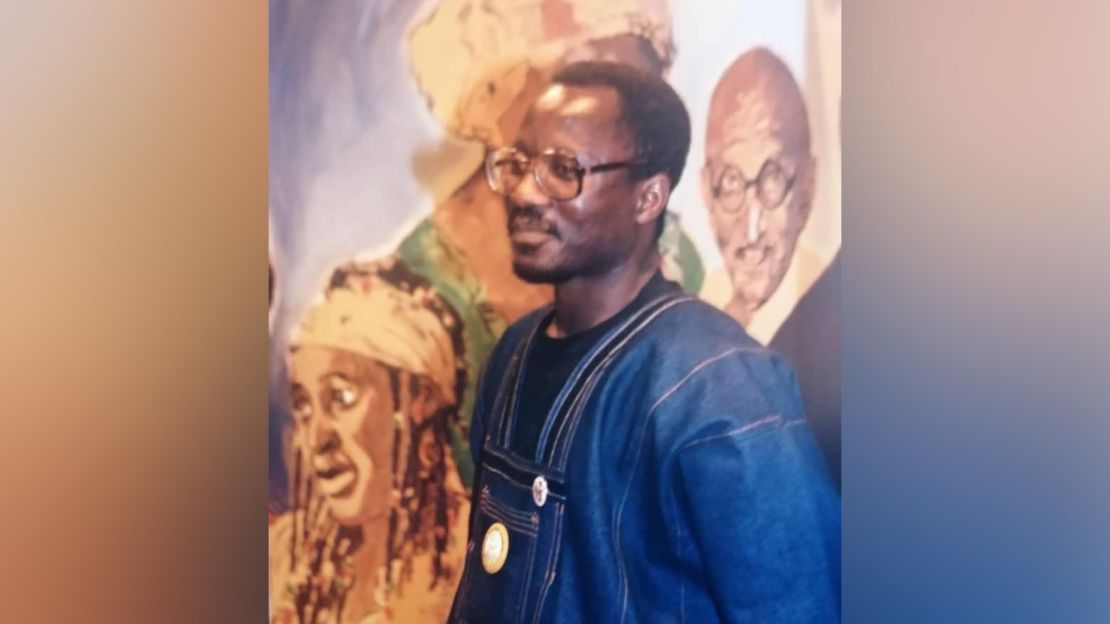
A young Akyaaba Addai-Sebo
He goes on to say:
“So when this incident with Marcus took place in London, it dawned on me that something had to happen here in Britain. I was very familiar with black history month in America, and thought that something like that had to be done here in the UK, because if this was the fountainhead of colonialism, imperialism and racism, and despite all the institutions of higher learning and research and also the cluster of African embassies, you could still find a six year old boy being confused about his identity even though his mother had tried to correct it at birth.”
Although the overwhelming majority of enslaved Blacks were transported to the Caribbean and South America, not just North America, many Americans are still not familiar with our history in other parts of the world.
For example, the English ship that brought the first recorded enslaved Blacks to the American colonies was called The White Lion and arrived in Jamestown, Virginia, on August 20, 1619. However, we were also already being enslaved by other nations, such as being brought to Puerto Rico by Spanish conquerors as early as 1509.
“People from African and Caribbean backgrounds have been a fundamental part of British history for centuries. However, campaigners believe their value and contribution to society are often overlooked, ignored, and distorted.” (trisha@whatson.uk.com)
In Firsthand, Richard McLeary owns over seven hundred acres, the third largest Plantation in Chatham County. The land was given to him by his father-in-law on the condition that he marry his daughter and treat her well. However, Richard is arrogant and seeks the approval of other wealthy planters. He boasts as if his land cannot be stripped from him and violently mistreats the enslaved people working his plantation.
In just the first few chapters, we are witnesses to his brutality which includes the death of an enslaved man defending another. In this haunting and poignant historical fantasy, debut author A’Dreana Anderson is compelling in her telling of slavery to such an extent that it felt like Richard had written this story from his own personal account. I can see a racist white man who pretends he is wealthier than he actually is clearly in my mind. There are also some historical accuracies I appreciated.
When visiting the Slave Market, the auctioneer presented an enslaved woman who was pregnant. Richard frowns and decides not to bid on her. While enslavers eventually valued women of childbearing age, this was not always the case. Before 1808 and the abolition of the slave trade, many slave owners discouraged enslaved women from reproducing. They considered the infants to be time-consuming and took too much time away from the women working. It wasn’t until after 1808 when slave owners could no longer depend on the domestic supply of enslaved laborers from the trade, that they sought women who could reproduce and had already given birth to healthy children.
The story’s turning point occurs when Richard, his son Henry, and his overseer James head to the Oglethorpe’s Racecourse Slave Market outside of Savannah to replace the enslaved people he murdered. He bids on Nini, a strong, gorgeous Black mute woman who captures his eye so much that he spends $2,500 for her. He immediately lusts after her and attempts to beat her into obedience. However, Nini refuses to comply, which turns him on even more. There is something about her eyes, and Richard is going to find out the hard way when he wakes up to realize he has been condemned to live as a mute, enslaved Black man.
Some graphic scenes might be too much for some readers, though, and some of the descriptions, although well-written, slowed the story just a bit. (Richard sometimes talked too much for me.) However, this was not to the extent that it destroyed the overall reading experience.
To have your book reviewed on this blog, apply here!
Stay tuned for our next dope read!
Yecheilyah’s Book Reviews is a reputable review service that features writers from all over the world, both traditionally and independently published. We are listed on Kindlepreneur as a top-tier book review blog and Reedsy as one of their vetted active book blogs that provide insightful, excellent book reviews.
In honor of Juneteenth, I am reposting this from a few years ago. It was written before it became an official holiday and then updated after. I hope you can still glean something from it. Enjoy!
Many Black Americans are replacing their fourth of July celebrations with Juneteenth. For many, the day is a celebration of freedom. However, the harsh reality is that even after Juneteenth, many Blacks were still enslaved and suffering.
In the Beginning…
Born on February 12, 1809, near Hodgenville, Kentucky, Abraham Lincoln is most famous for preserving the Union during the American Civil War and bringing about the emancipation of enslaved people in the United States. However, before he wrote the esteemed Emancipation Proclamation, several efforts were made to preserve the Union without freeing the enslaved. These efforts included Colonization, or the idea that a majority of the African American population should leave the United States and settle in Africa or Central America.
On August 14, 1862, five years after The Dred Scott Decision that reiterated Blacks were not, and as “a second class of persons,” could not be citizens, Abraham Lincoln hosted a “Deputation of Free Negroes” event at the White House. Led by the Rev. Joseph Mitchell, commissioner of emigration for the Interior Department, it was the first time African Americans had been invited to the White House to weigh in on a political matter.
Lincoln planned to produce a document that would not only free some of the enslaved but, once freed, call on them to leave the country voluntarily. This idea, Lincoln’s Panama Plan, was not new but had been circulating among white racist elites and eugenicists since the 1700s.
“In 1816, a group of white enslavers and politicians in Washington, D.C. created the American Colonization Society (A.C.S.) to promote the removal of free Black people, who would be encouraged to leave the United States and resettle in West Africa.” A.C.S. and its many chapters hoped this would rid them of free Black people while preserving slavery.”
-The 1619 Project, pg. 23
To make a long story short, Lincoln’s original plan was to have a document that, while freeing some enslaved people, also required those freedmen to, sum up, “Go back to Africa.”
Let Freedom Ring?
Lincoln issued the Emancipation Proclamation on January 1, 1863, to end slavery in the States that were in Rebellion. The proclamation declared “that all persons held as slaves” within the rebellious states “are, and henceforward shall be free.”
“The Emancipation Proclamation did not apply to slave states that weren’t in rebellion; Kentucky, Delaware, Missouri, and Maryland. It also didn’t apply to territories. It didn’t apply to Tennessee, lower Louisiana, and the counties of Virginia that were to become West Virginia.”
-William Spivey
With the passing of the 13th Amendment in January of 1865, slavery was officially deemed illegal in America, freeing all people enslaved.
Well. Wait, except the people in Texas and other places.
Many Texas men, women, and children were still being held in bondage and did not know that slavery was over.
News of the supposed emancipation did not spread as quickly as the movies would have us to believe. Many slave-owners packed up their belongings and moved to Texas in mass.
“Since the capture of New Orleans in 1862, slave owners in Mississippi, Louisiana and other points east had been migrating to Texas to escape the Union Army’s reach.”
-Henry Louis Gates Jr.
More than 150,000 enslaved people had made the trek west, according to historian Leon Litwack in his book Been in the Storm So Long: The Aftermath of Slavery. As one former enslaved person recalled, “It looked like everybody in the world was going to Texas.” For the next two years, the enslaved would live removed from the updates of the war, and slavery would go on, business as usual.
These men, women, and children were still enslaved until June 19, 1865. Union soldiers, led by Major General Gordon Granger, landed at Galveston, Texas, with news that the war had ended.
This, the freeing of the enslaved in Texas, is the reason many Black Americans celebrate Juneteenth instead of July 4th as their National Independence Day.
“The people of Texas are informed that, in accordance with a proclamation from the Executive of the United States, all slaves are free. This involves an absolute equality of personal rights and rights of property, between former masters and slaves and the connection heretofore existing between them, becomes that between employer and hired labor.”
The language of this decree is important. Enslaved people are being told they are free two and a half years after President Lincoln’s Emancipation Proclamation.
If we read further, we see that they are also being told that they must remain at their present homes (the plantation) and work (continue slave labor) for “wages.” And that any “idleness,” among them won’t be tolerated.
“The Freedmen are advised to remain at their present homes and work for wages. They are informed that they will not be allowed to collect at military posts; and they will not be supported in idleness either there or elsewhere.”
Thus, much like the Emancipation Proclamation, this order also did not free all enslaved persons.
“There is much evidence to suggest that southern whites—especially Confederate parolees—perpetrated more acts of violence against newly freed bondspeople in Texas than in other states.”
-Historian Elizabeth Hayes Turner in an essay titled “Juneteenth: Emancipation and Memory.”
“Between the Neches and Sabine rivers and north to Henderson,” she continues, “reports showed that blacks continued in a form of slavery, intimidated by former Confederate soldiers still in uniform and bearing arms.” Murder, lynching, and harassment were common. “You could see lots of Negroes hanging from trees in Sabine bottom right after freedom,” reported one freed slave, “They would catch them swimming across Sabine River and shoot them.”
Celebrations
African Americans celebrated their freedom with the first official Juneteenth event in 1866, where they read the Emancipation Proclamation of 1863 and praised Abraham Lincoln as “The great liberator.”
“Free them and make them politically and socially our equals? My own feelings will not admit of this; and if mine would, we well know that those of the great mass of white people will not.”
– Abraham Lincoln, August 21, 1858
“My paramount object in this struggle is to save the Union and is not either to save or to destroy slavery. If I could save the Union without freeing any slave I would do it, and if I could save it by freeing all the slaves I would do it, and if I could save it by freeing some and leaving others alone I would also do that. What I do about slavery, and the colored race, I do because I believe it helps to save the Union.”
– Abraham Lincoln, Letter addressed to Horace Greeley, Washington, August 22, 1862
The celebrations continued until coming to a halt with the institution of Black Codes and, eventually, Jim Crow. These laws essentially put Blacks back into a form of slavery where they were fully disenfranchised. After the Civil War and the end of slavery, southern states, which had amassed great wealth from slavery, found their economy in shambles. They had to figure out how to keep a slave-like system going.
Black Codes
Black Codes came from slave codes, laws created to limit the rights of African Americans. They subjected them to criminal prosecution for “offenses” such as loitering, breaking curfew, vagrancy, having weapons, and not carrying proof of employment. These were the same “offenses” that would get enslaved people whipped or sold during slavery.
For example, the enslaved could not travel from place to place without a pass signed by their owner. Those without such a pass could be arrested, jailed, and detained as a runaway. Some owners wrote general passes allowing their slaves to “pass” and “repass.”
These laws could be imposed on Black men easily, sending them to jail, and thus, former slave owners turned “entrepreneurs” could lease them to various companies that would work them to death and treat them like they were slaves. This made the states tons of money.
“The laws passed in Texas were similar to those passed in every other Confederate state. Modern-day politicians often make comparisons to Jim Crow as one of the worst periods in African American life.
Jim Crow didn’t have shit on the Black Codes, which was the South’s attempt to recreate enslavement and go back to business as usual. Mass incarceration isn’t a recent invention; during the Black Codes, Black people could do little without running afoul of the law with the penalty being sent back to the fields if they weren’t already there.”
Juneteenth didn’t make a full resurgence until The Civil Rights Movement when Blacks began to celebrate it fully again. And while many Blacks have celebrated it for centuries, it still did not become an official Holiday until 1980, when it was made a Texas State Holiday.
Still, it wasn’t until 1997 that Congress recognized June 19 as “Juneteenth Independence Day,” after pressure from a collection of groups like the National Association of Juneteenth Lineage and the National Juneteenth Celebration Foundation.
UPDATE:
As of June of 2021, Juneteenth is now a National Federal Holiday.
But the question remains, what exactly did Juneteenth accomplish for the Black man, woman, and child? What freedom did it bring about?
Some sum it up this way:
“Today Juneteenth commemorates African American freedom and emphasizes education and achievement. It is a day, a week, and in some areas a month marked with celebrations, guest speakers, picnics and family gatherings. It is a time for reflection and rejoicing. It is a time for assessment, self-improvement and for planning the future.
Its growing popularity signifies a level of maturity and dignity in America long over due. In cities across the country, people of all races, nationalities and religions are joining hands to truthfully acknowledge a period in our history that shaped and continues to influence our society today. Sensitized to the conditions and experiences of others, only then can we make significant and lasting improvements in our society.” – https://juneteenth.com/
But, Spivey brings out another good point worth considering:
“Texas after Juneteenth wasn’t an anomaly. Slavery continued to go on in states in the South, North, and West. In some cases, for several years. Slavery still existed in other parts of the United States and did so until the ratification of the 13th Amendment on December 6, 1865, and beyond.
Slavery still existed in Delaware and Kentucky, which resisted all Union attempts to end slavery and refused to ratify the 13th Amendment. In California, slavery was sort of outlawed in 1850 as a condition for statehood. The exception was slaves who had been brought to California and where the possibility they might return one day to their original home existed, even if that state had voted to ratify the 13th Amendment.
New Jersey had as many as 400 people remain slaves long after Juneteenth. Oregon’s provisional government banned slavery in 1844 but forbade free black people from settling in the territory. Settlers continued to bring slaves with them. General Joseph Lane, a former territorial governor, kept at least one slave on his farm until 1878, 13 years after the passage of the 13th Amendment.”
It is true Blacks were not free on July 4, 1776. But it is also true many Blacks were not free on June 19, 1865, either.
Juneteenth did nothing to restore land or citizenship rights to the 40 million newly freed Blacks. Immediately after African Americans in Texas were freed from chattel slavery in June of 1865, they were required to have labor contracts, and many Blacks returned to their former slave-owners.
About a week ago, a reader notified me that a review I published to this blog was from a book written by a woman who took part in the insurrection of January 6th. I did not know, as I had published the review months ago. I enjoyed the book, but I have since removed the review and deleted the read’s promotional tweets.
What happened at the Capitol was wild, but America’s hypocrisy amazes me.
Where was this energy when Tulsa and Rosewood’s black people had their homes raided, their communities bombed and their family killed? I have yet to hear the Ku Klux Klan declared a terrorist organization.
When black homes, businesses, and communities were bombed, the people who attacked them were not considered terrorists.
It wasn’t terrorism when strange fruit hung from trees.
Attacks on Black Americans are not considered “an attack on our democracy.”
When they dragged fourteen-year-old Emmett Till from his family’s home, shot him with a 45 caliber pistol, beat him to a pulp, and drowned him in a lake with a 75-pound cotton gin and barbed wire around his neck, his murderers were not deemed, terrorists.
They were acquitted.
When unarmed black men, women, and children are killed, the murderers are not considered terrorists.
Showing pictures of Malcolm X and Fred Hampton’s deceased body all over the newspapers was not “shocking,” nor was it “an attack on our democracy.”
On June 17, 2015, Dylan Roof walked into a church, killed nine black people, and injured one more person. Later, he confessed that he committed the shooting in hopes of igniting a race war.
But when he was caught after the search, police did not “fear for their lives.” He was not shot dead.
On May 2, 1967, 30 Black Panthers walked into the California State Capitol building with rifles and shotguns (it was legal to carry back then openly) that catapult them into the national spotlight and made national headlines. From this point on, The Black Panthers were terrorists.
Their headquarter offices were bombed and raided.
Their members were shot and killed.
The laws were changed, making it illegal to open carry.
Where is the outrage, America, when black people are attacked like your beloved Capitol? Where is this energy?
Americans are admonished never to forget 9/11.
Jewish Americans are admonished never to forget the holocaust.
But it is often stressed that Black American’s forget slavery and centuries of oppression.
We are not the same.
Malcolm X said, “If you’re not careful, the newspapers will have you hating the people who are being oppressed, and loving the people who are doing the oppressing.”
Today, social media and mainstream media are the newspaper, and if we are not careful, it would have us believe the same system that works for the oppressor is the same system that works for the oppressed.
No way was the Panthers politely told to leave the Capitol in California.
No way did the police stand by and calmly escort members of BLM off the streets during protests.
What happened on January 6th was wild, but it should not be surprising.
We are seeing only the beginnings of the “chickens coming home to roost” (to quote Malcolm) for America.
It is what it is.
“It was horrendous,” a CNN commentator called the January 6th events.
But so was watching a police officer put his knee on the neck of a black woman in 1963. And so was watching a police officer put his knee on George Floyd’s neck in 2020.
Let me make this a bit more plain: You watched a man die on TV.
But this was not considered an act of terrorism. Why? Because the same system that works for America is not the same system that works for black people.
Joe Biden said, “The scenes of chaos at the Capitol do not reflect the true America. This is not who we are.”
Respectfully, I disagree.
This is America and always has been America.
Movie Night Friday is back with my review of these two movies coming to you in February.
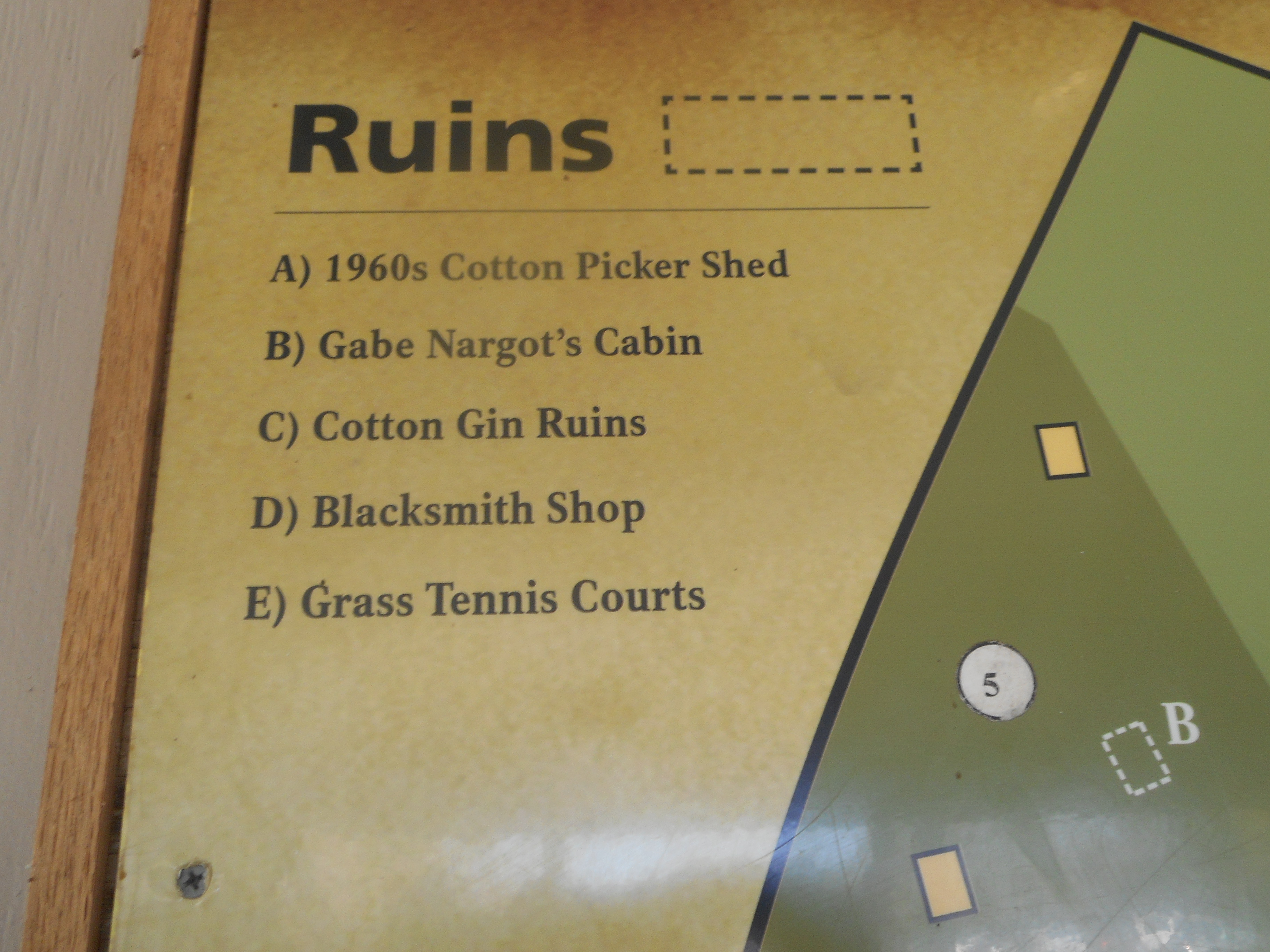
On this day in 2016, I posted about a former slave plantation in Natchitoches, Louisiana I visited that weekend. I shared my experience on this blog, but I never made it a Black History Fun Fact. As the memory popped up in my Facebook archives, I decided to add it to the collection. Below is the original post for those of you who were not following me in 2016 and never saw this.
Originally Published on 11/28/2016
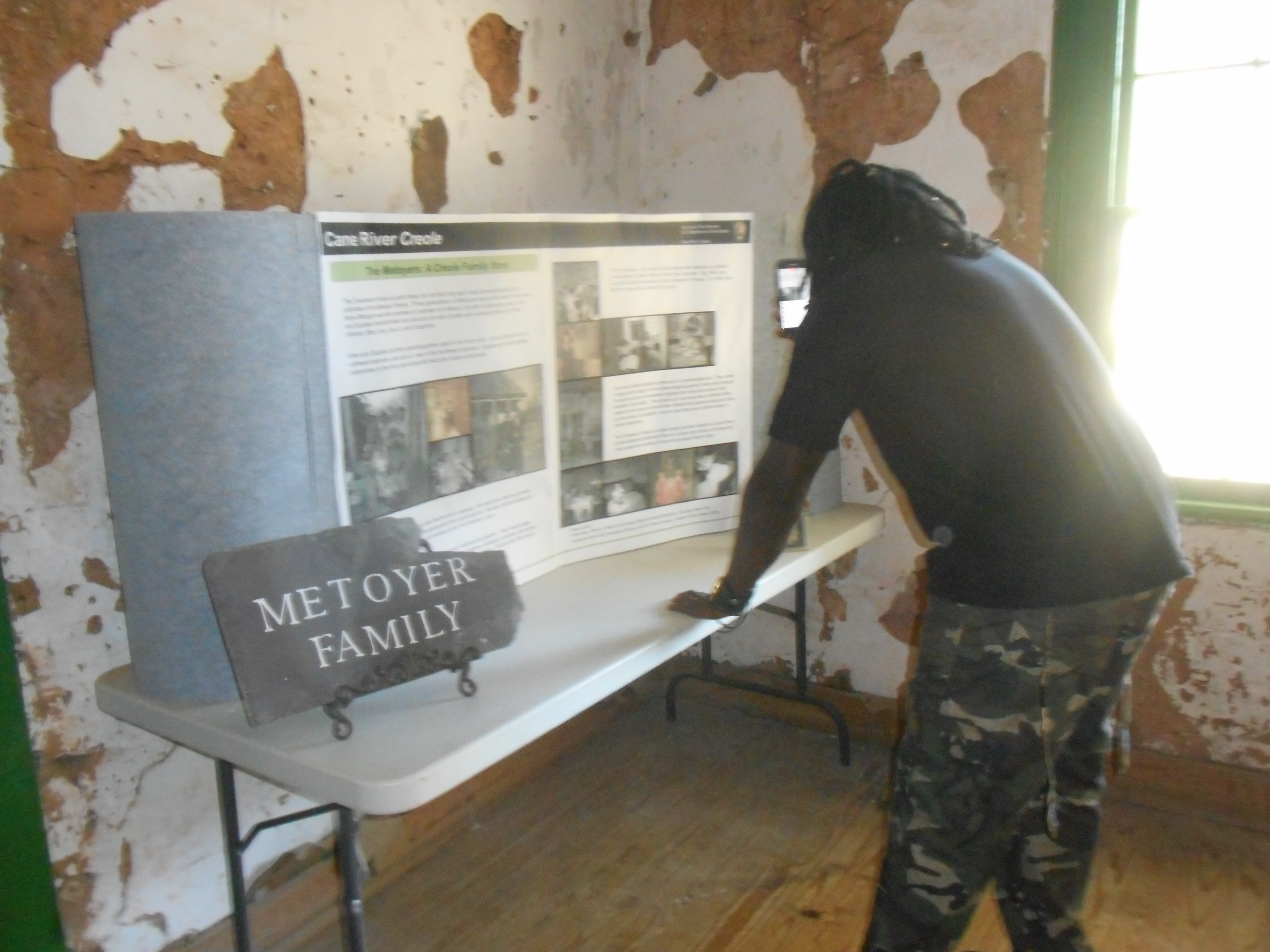
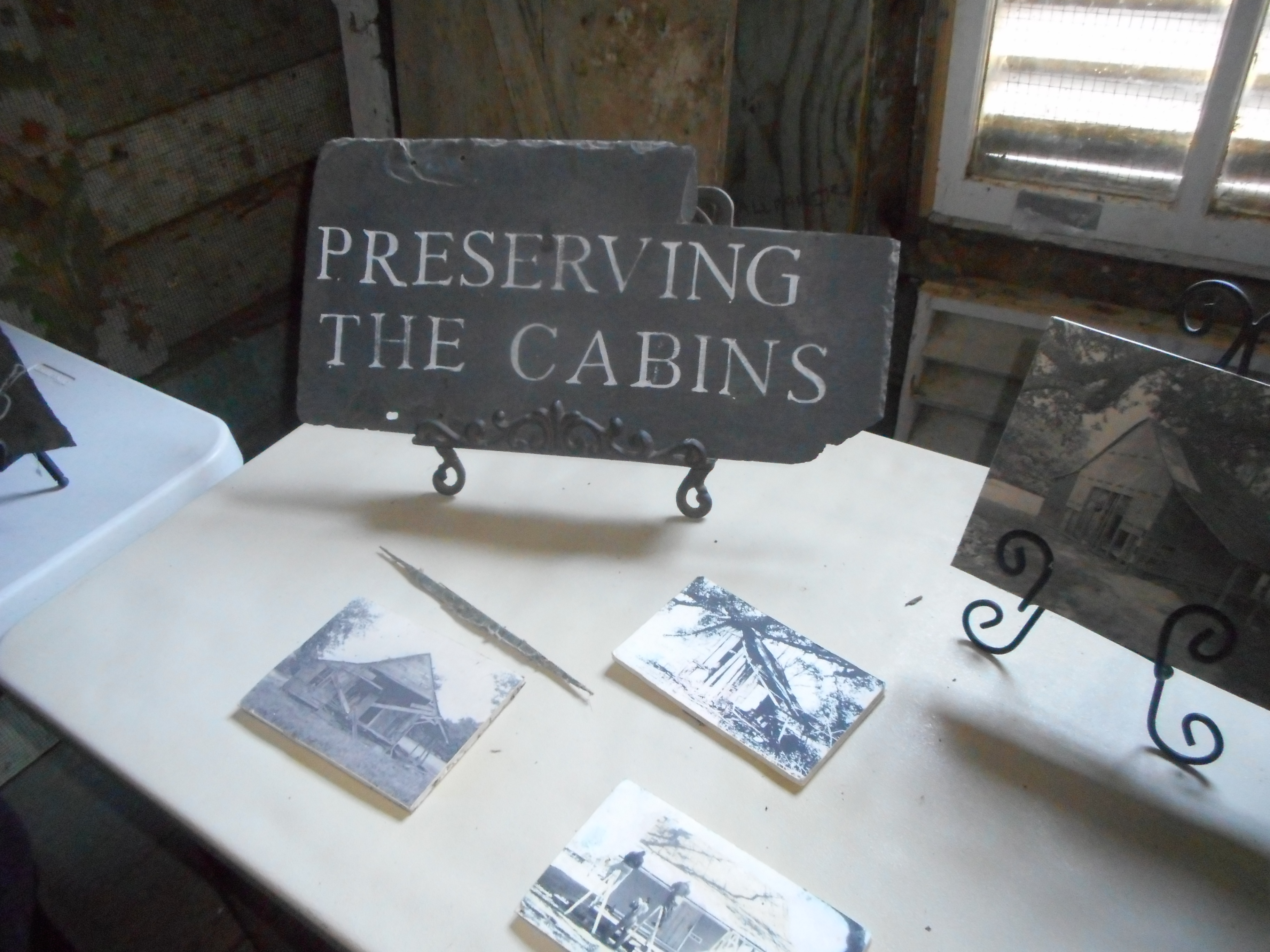
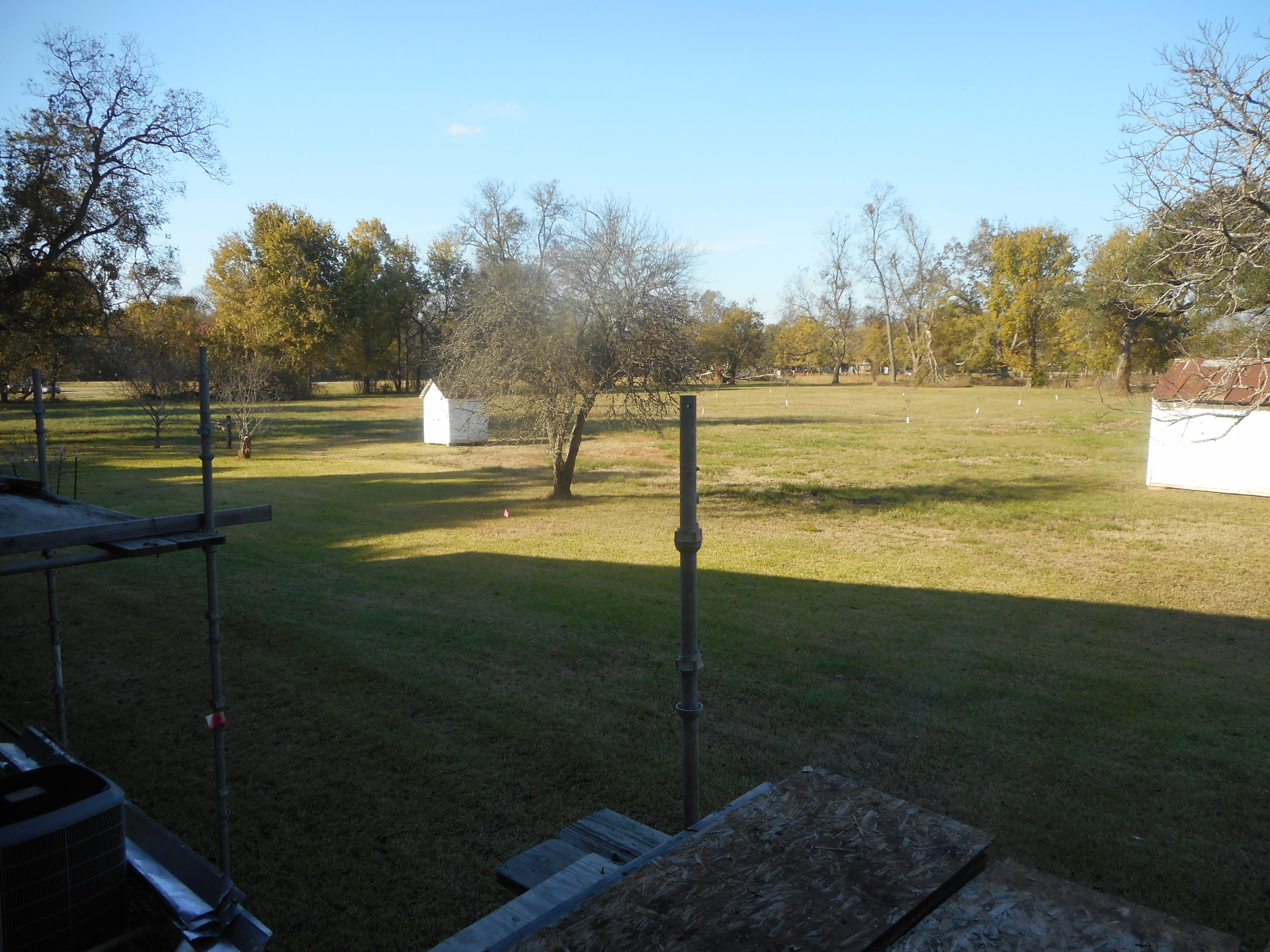
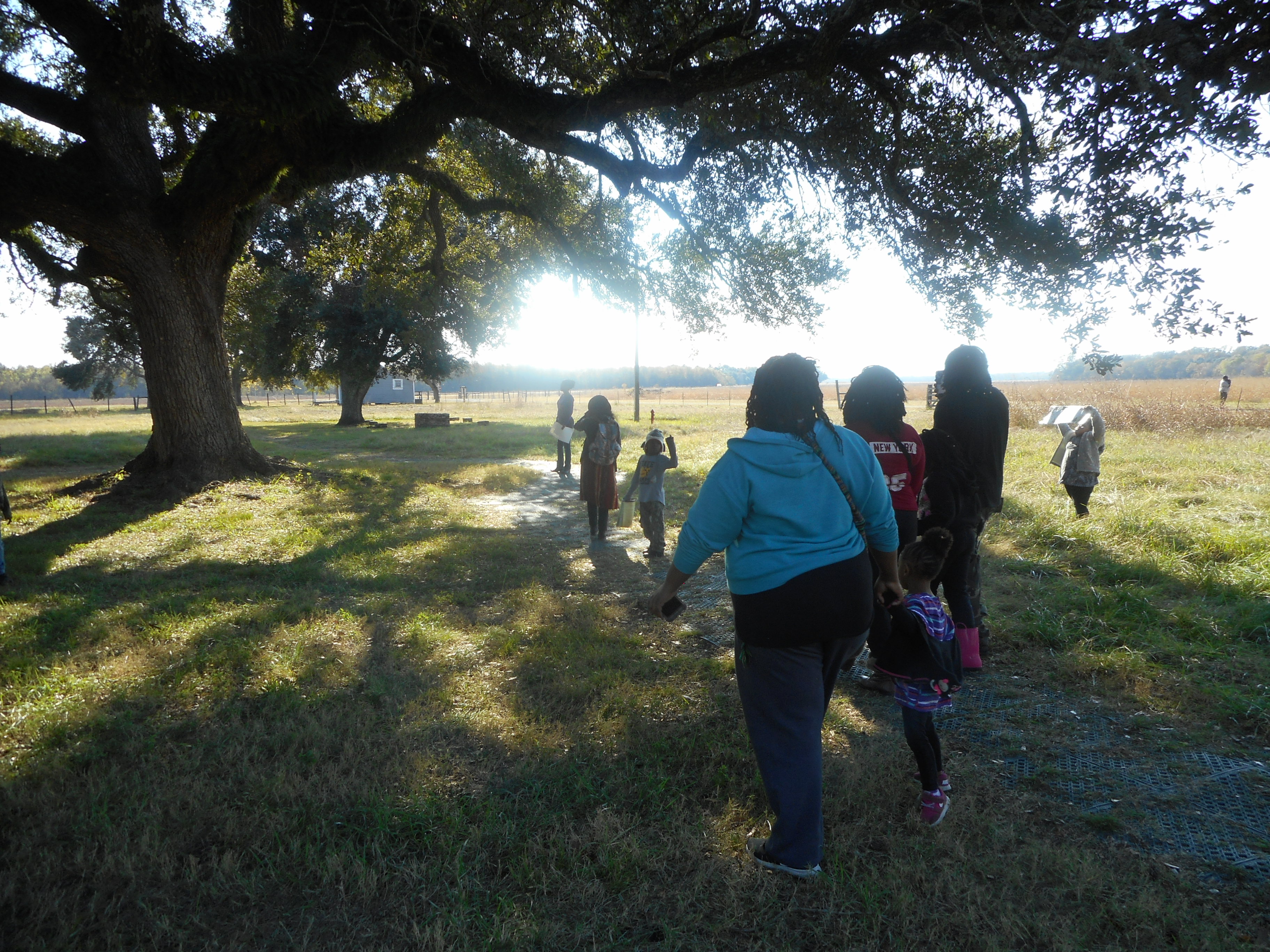
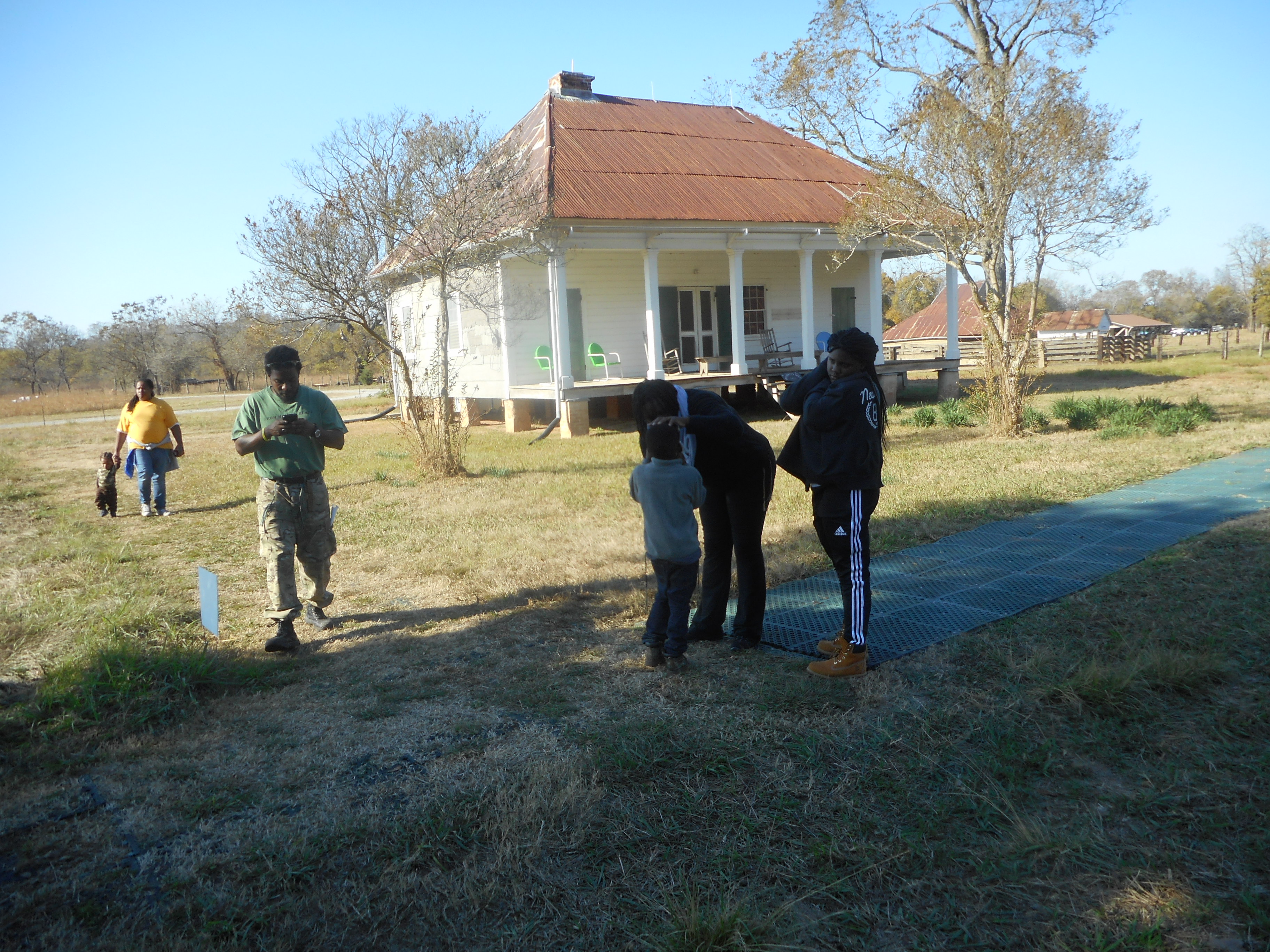
I took a week off to unplug and to spend time with my family. In addition to camping, we visited the Cane River Creole National Historical Park in Natchitoches, Louisiana.
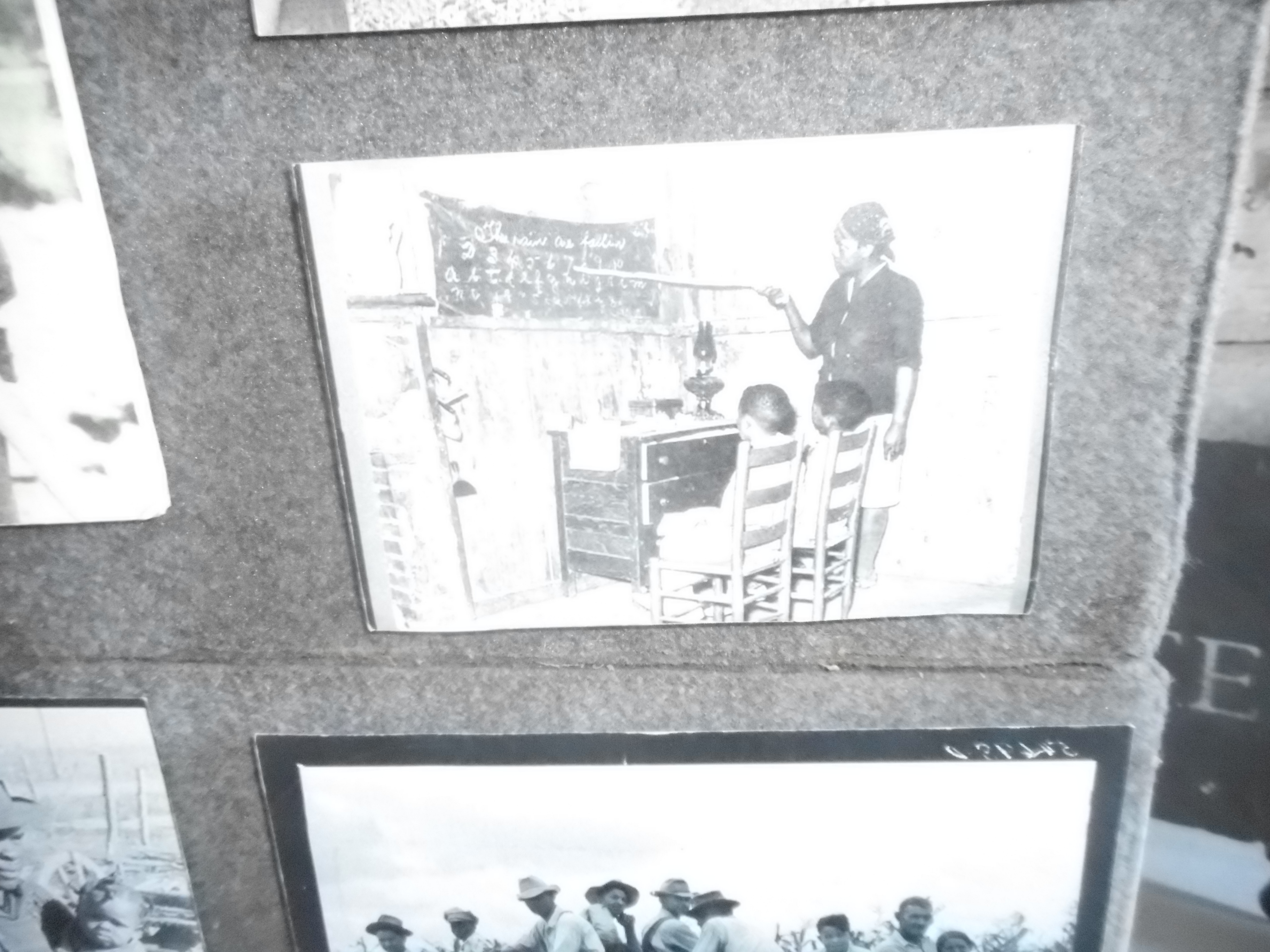
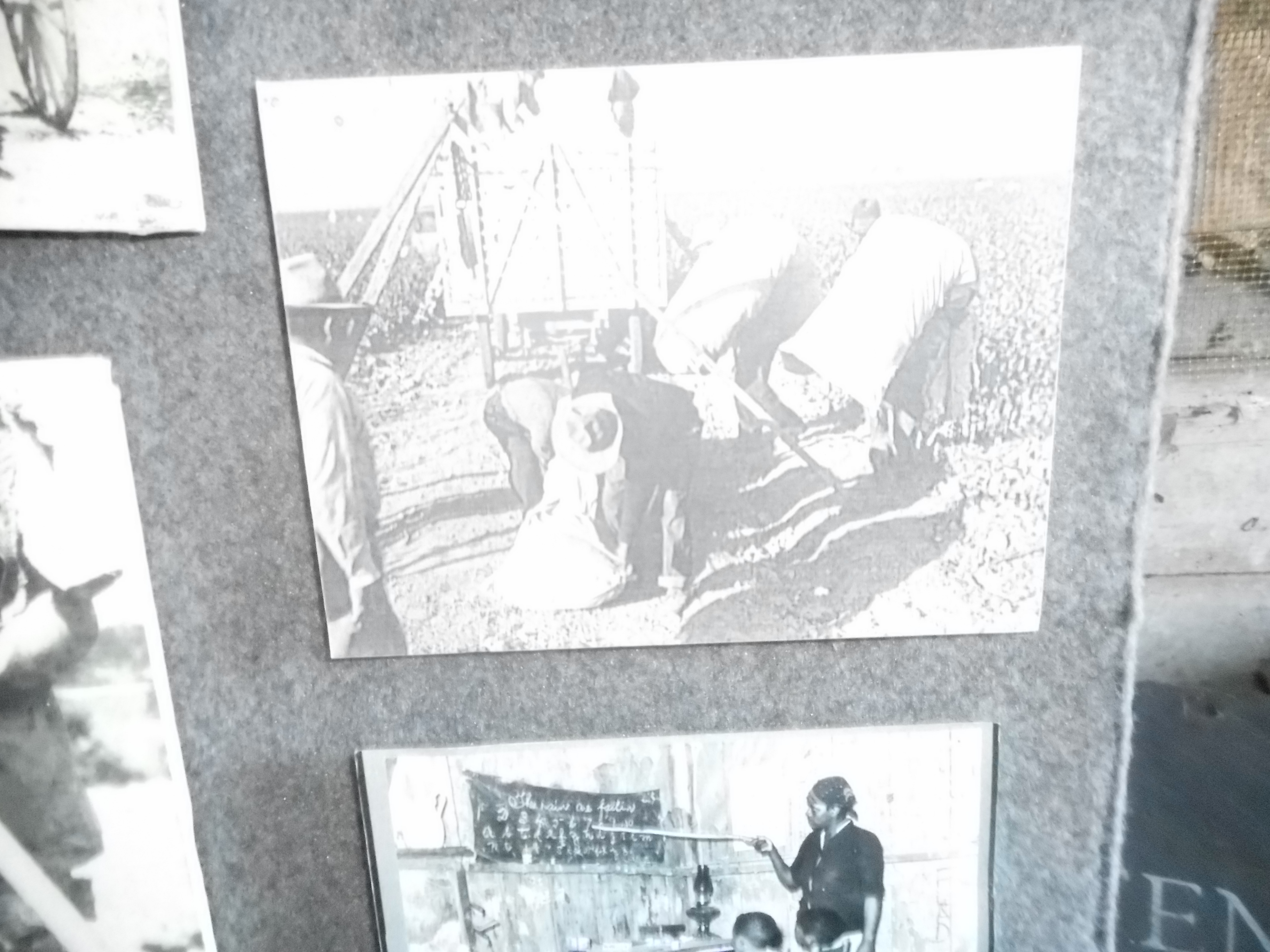
Reading and watching movies about slavery is one thing, but touring a former slave plantation is an entirely different experience. I didn’t get very emotional, but I will say for now that gratitude is my best way of describing it—appreciation for all the comforts I enjoy in my life that my ancestors paid for with their blood. As the sun lowered and we prepared to leave, I thought about what they would be doing at this time of the day. I thought about how they’d just be coming in from the fields to prepare for their nightly routines or, perhaps, still working.
Originally called Bermuda, the founder of Oakland was Jean Pierre Emmanuel Prud’homme, who began farming the land in 1785 and received a Spanish land grant in 1789. The land’s first cash crops were tobacco, indigo, and cotton.
The Prud’hommes were the first family west of the Mississippi River to farm cotton on a large scale.
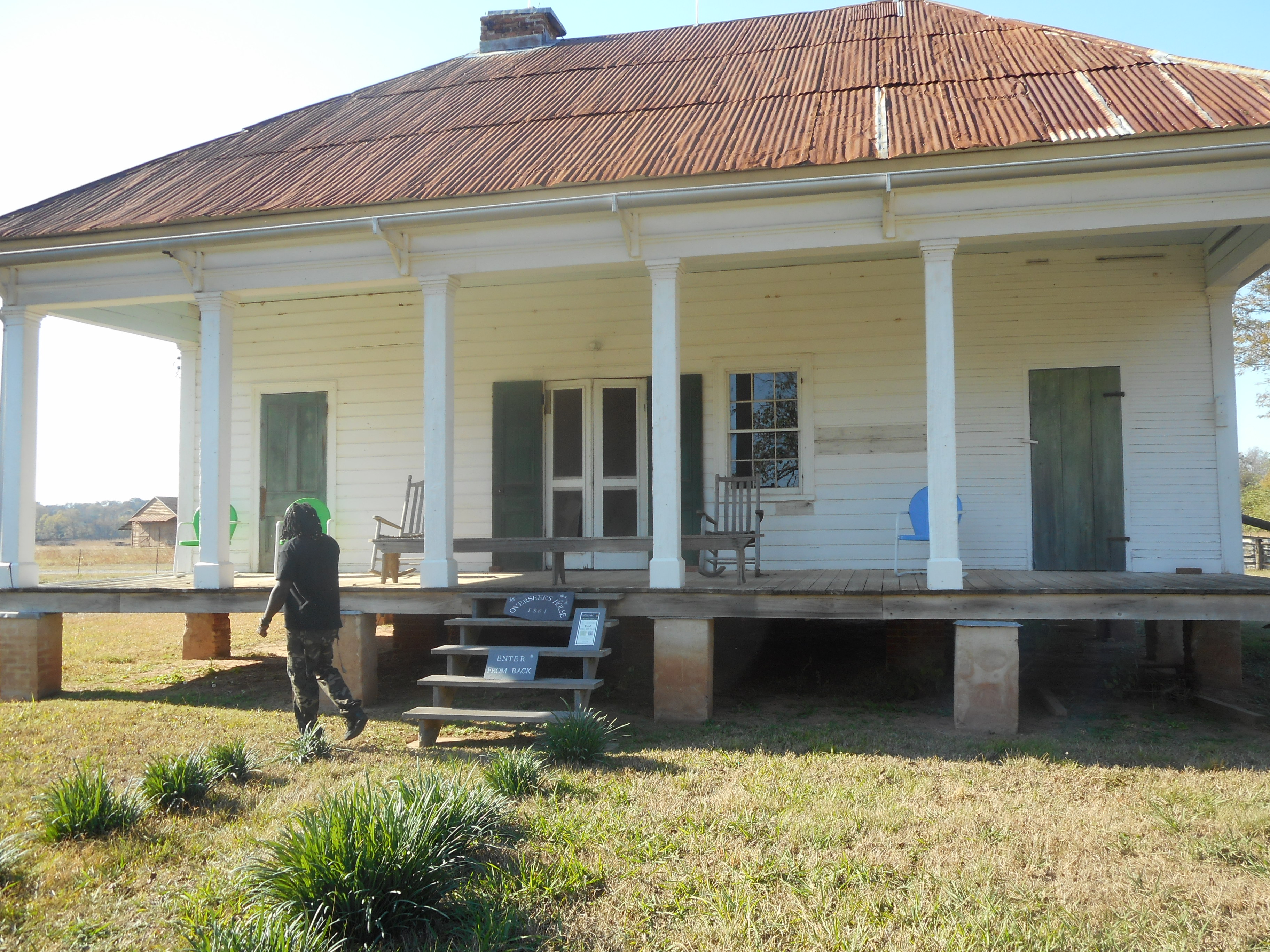
The Overseer’s House
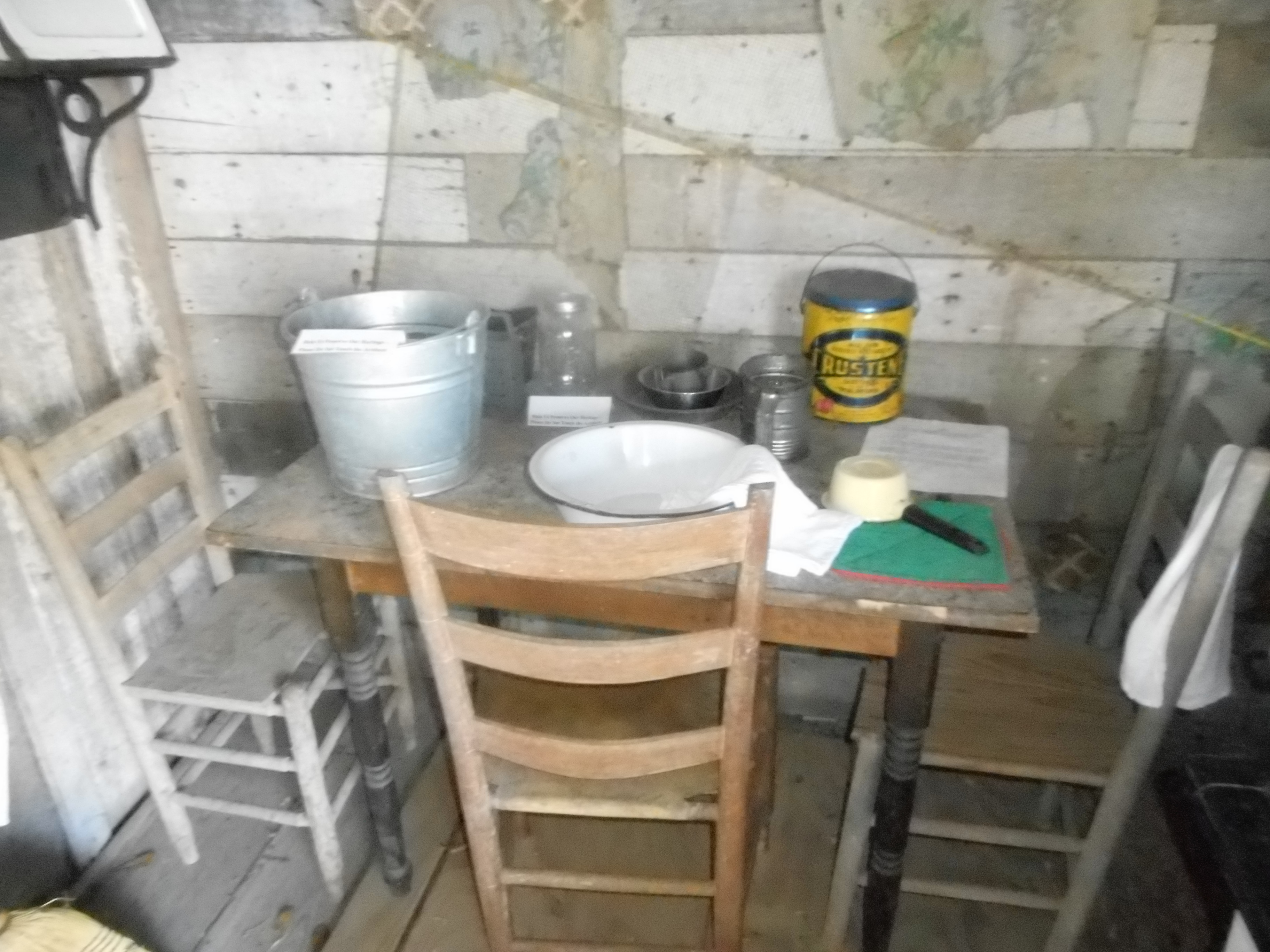
Overseers were the middlemen of the Antebellum South’s plantation hierarchy. Sometimes they were white men working for the slave owner, and other times they were enslaved men hired to rule over their brothers. The “masters” expected overseers to maintain a workforce of slaves to produce a crop. The enslaved were the overseer’s responsibility. He was to keep them working by any means necessary. In return, he got to occupy his own cabin or possibly get a bit more food. The perception was that because his job was “better,” he himself was better off, but he was still an enslaved person.
Close Up: Check Out this Old School Stove!
I also noticed the mud and straw still preserved from the original building of the house.
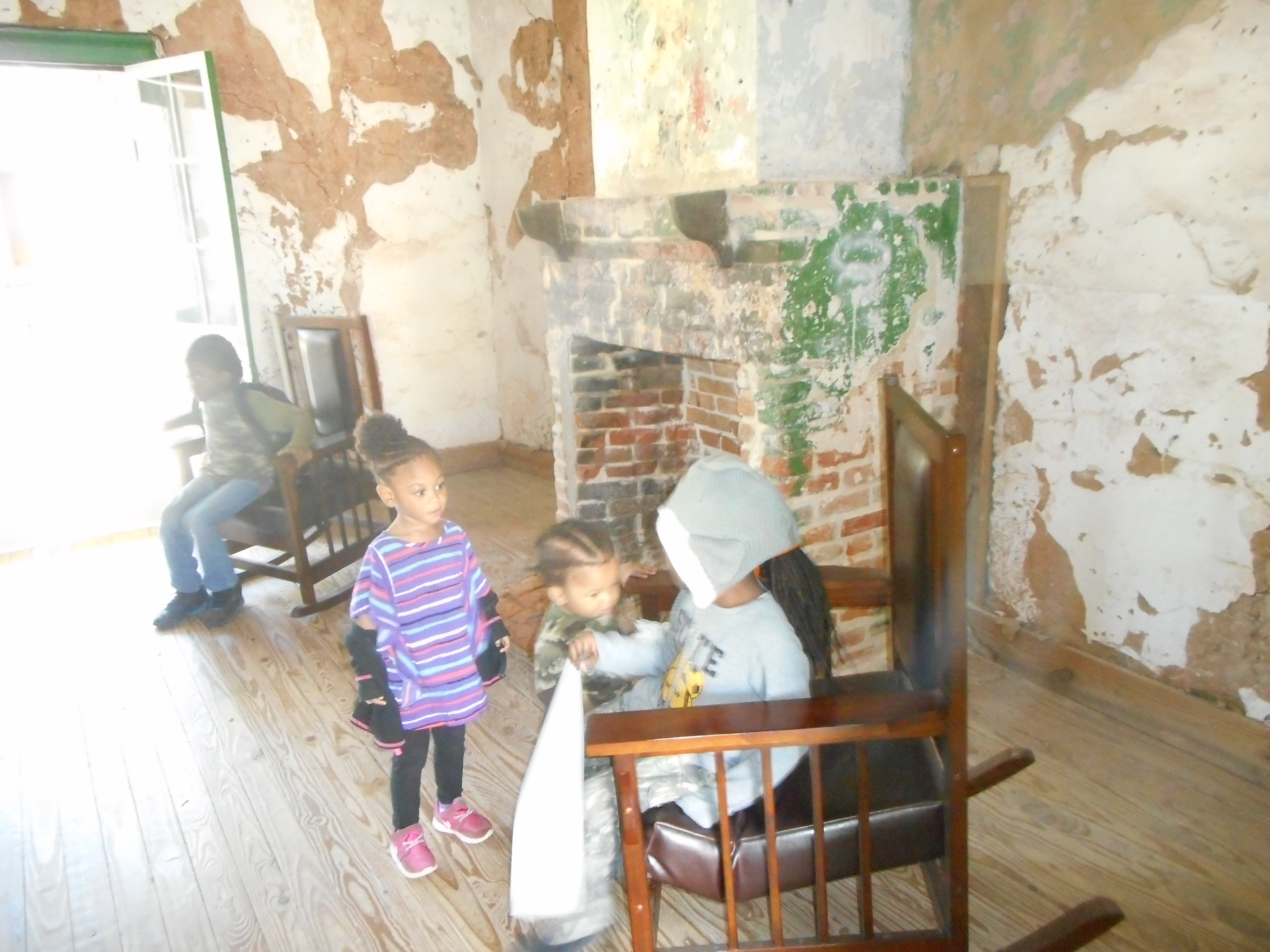
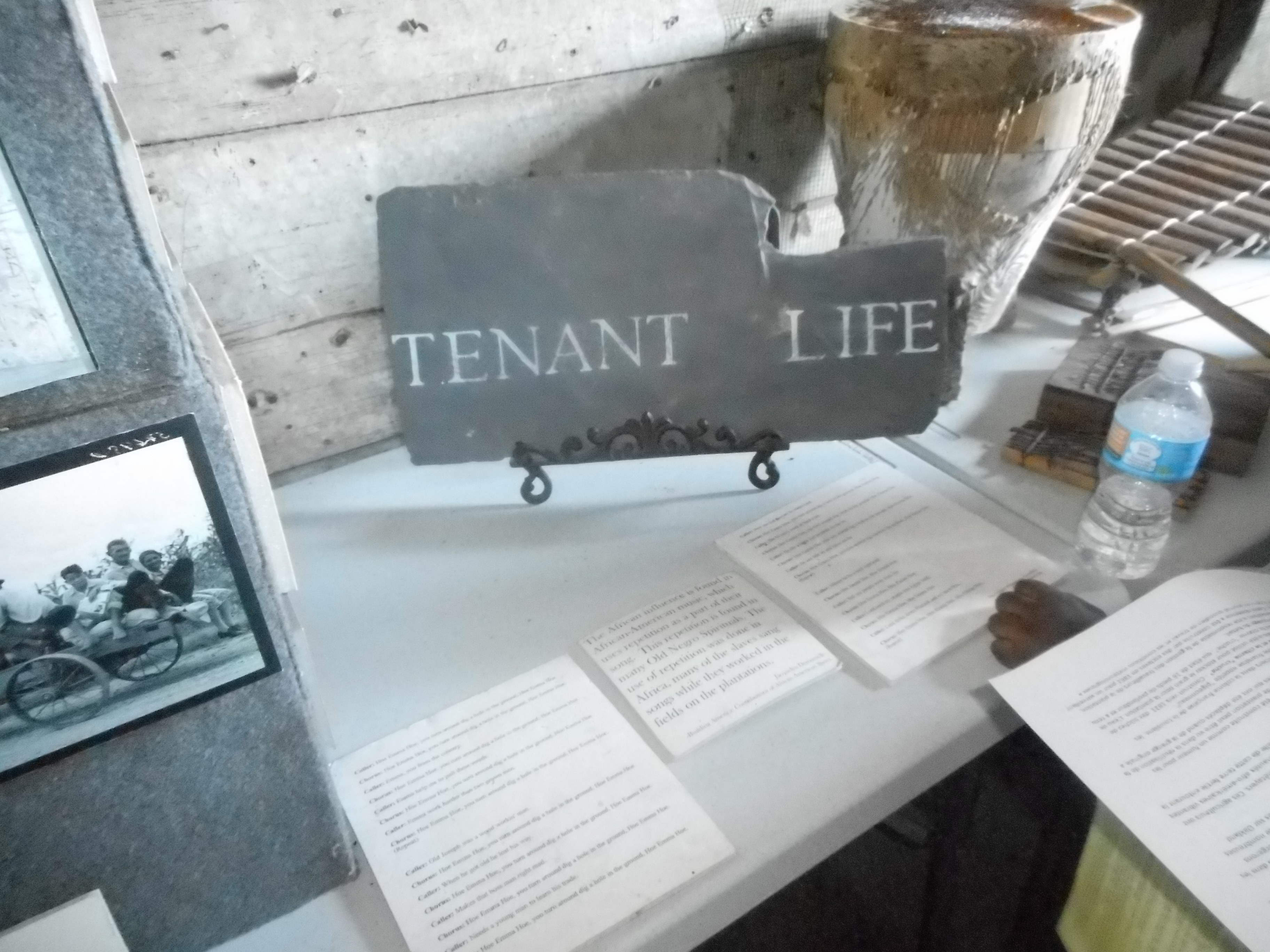
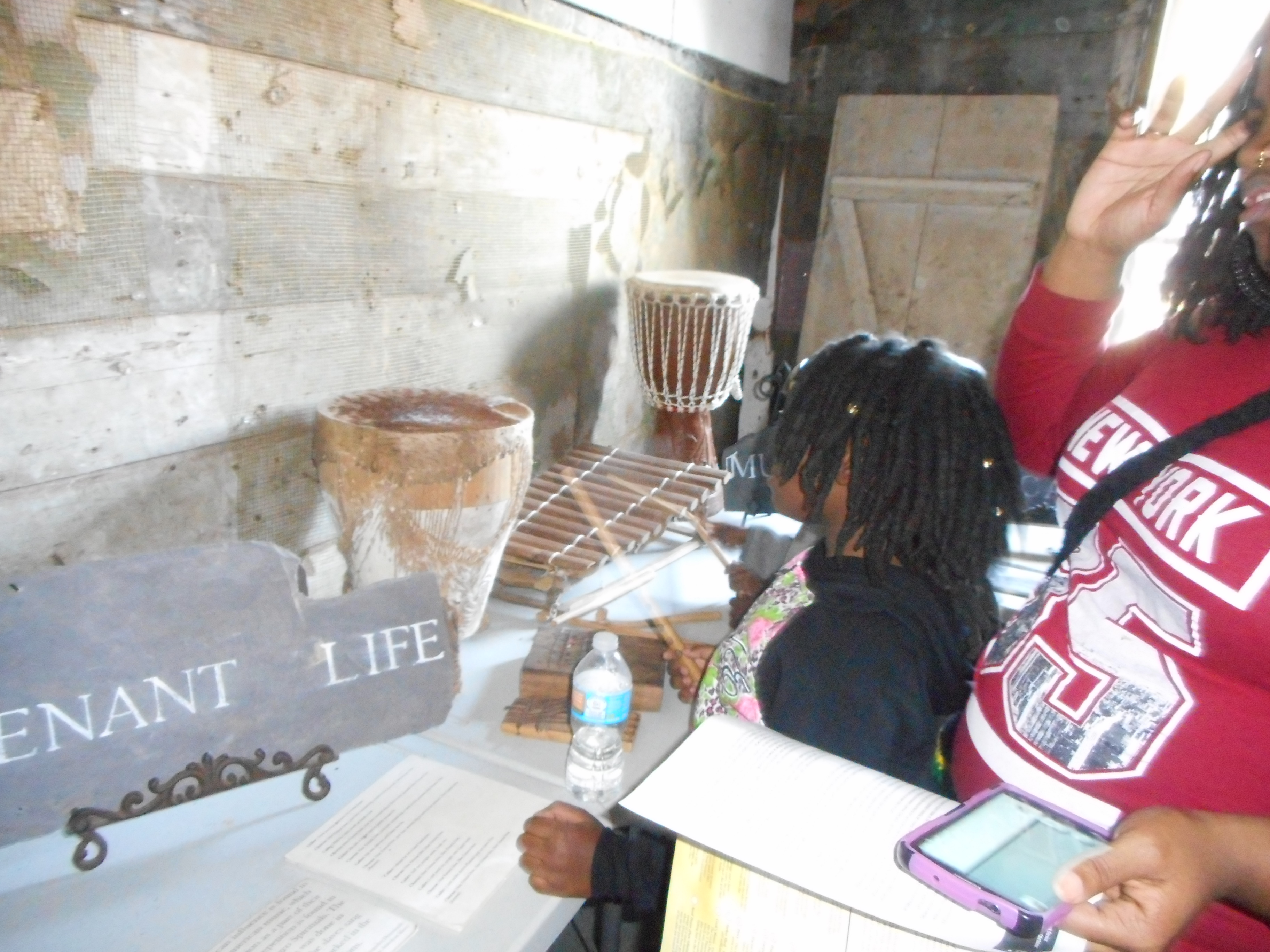
Slave Quarters turned Home of Sharecroppers
After the Civil War, sharecropper and tenant farmers continued to live on the land up until the 1970s. They worked twelve hours a day, six days a week.
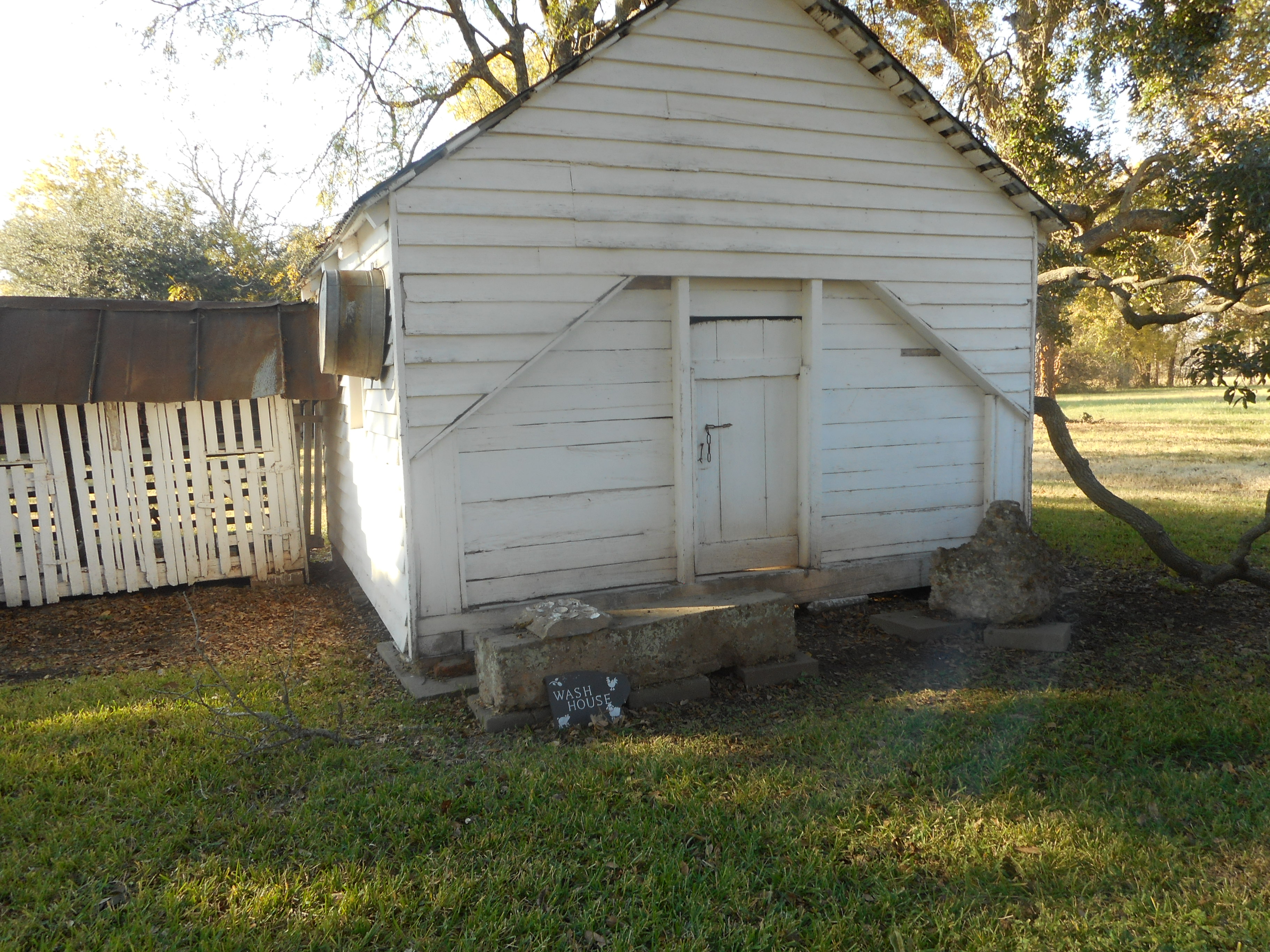
Wash House
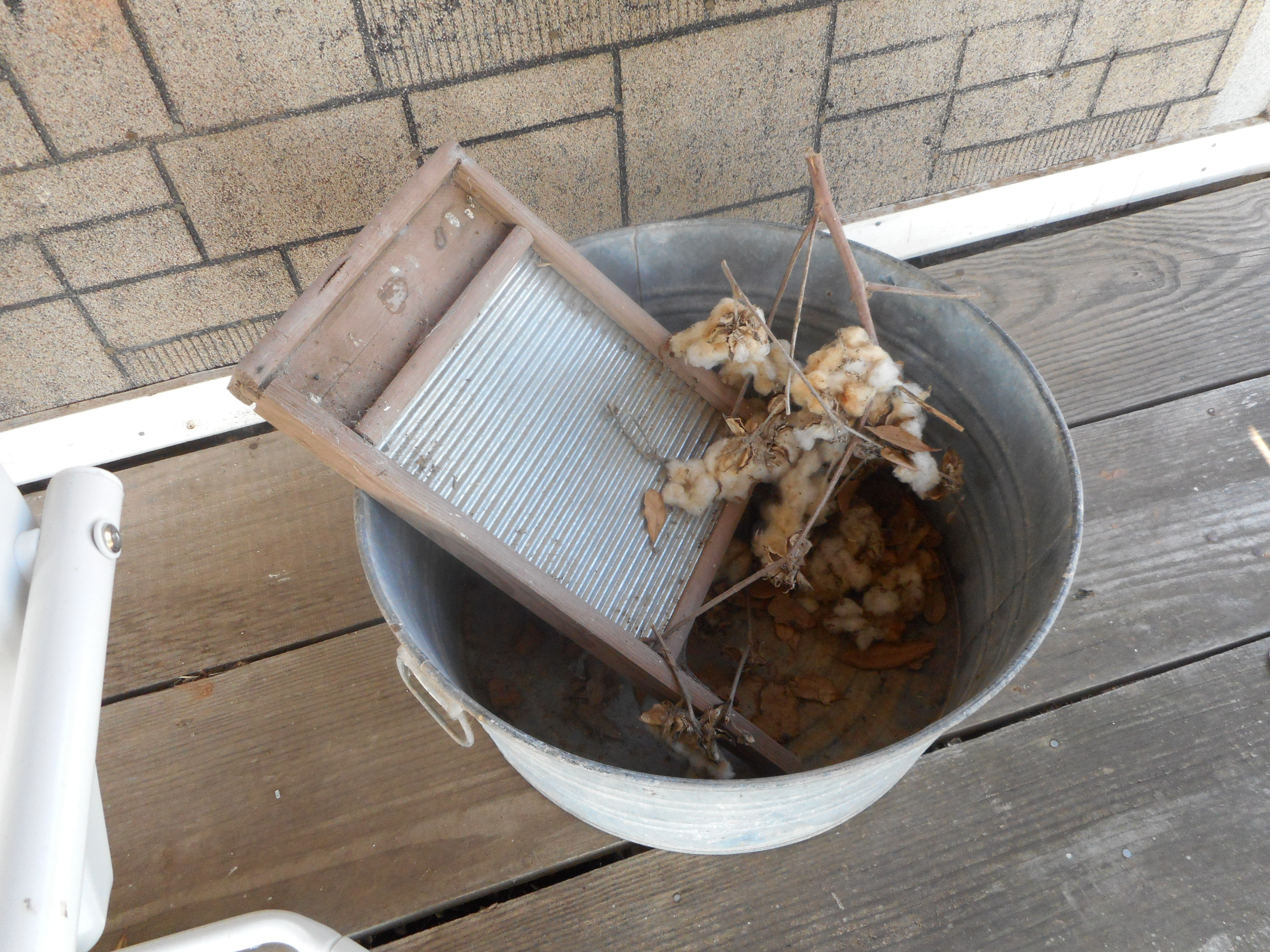
Martha Ann, an enslaved Laundress, worked in this wash house in the 1850s. In the 1940s, her descendant, Martha Helaire, earned $4 an hour working here as a Laundress. All we have to do is walk a few steps to the washer and dryer.
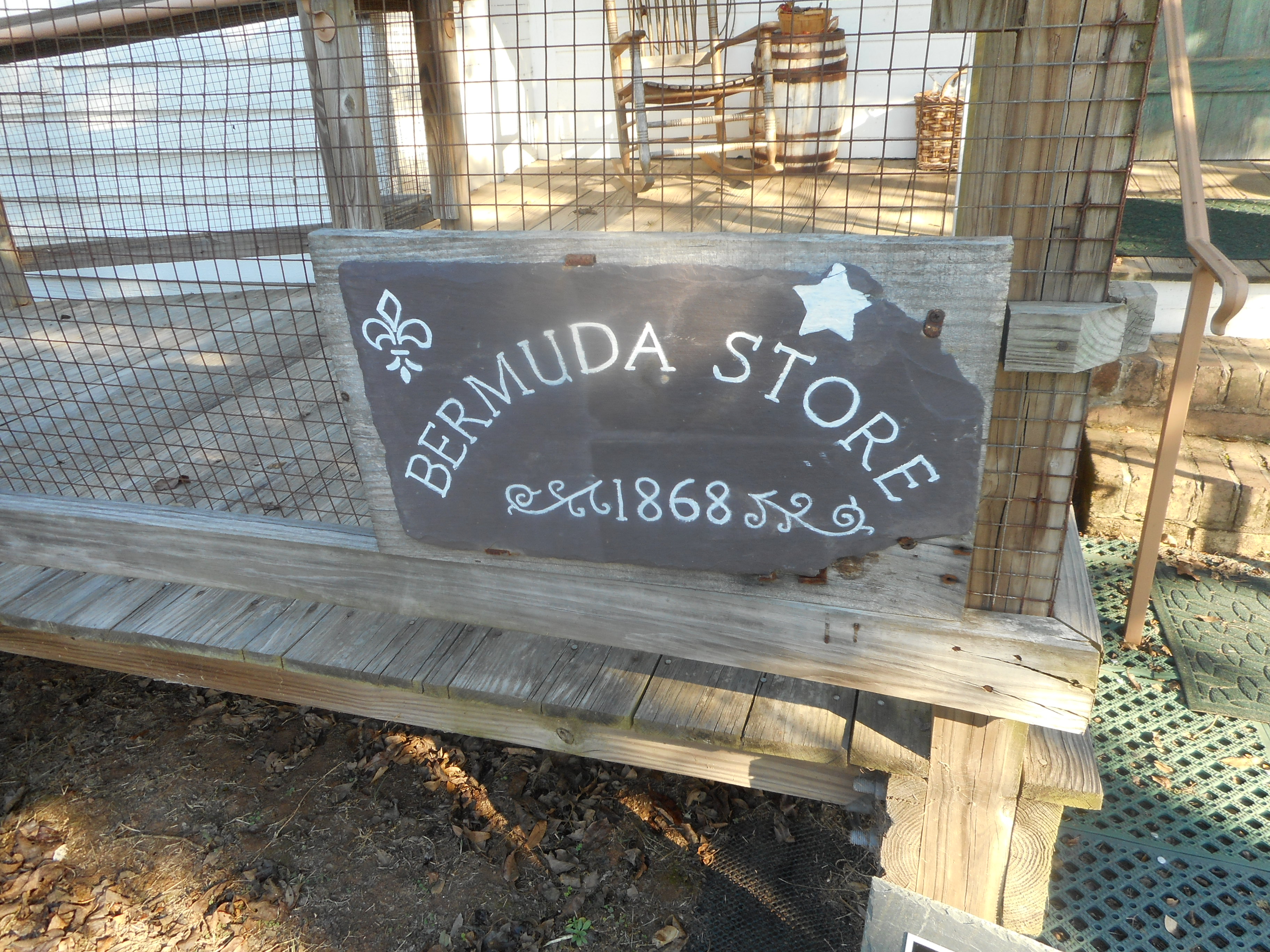
Bemuda Store
Opened after The Civil War, sharecroppers and tenant farmers continued buying their supplies from family and farming from this store until 1983.
1983?!
The Prud’homme family owned and operated the store. They also ran the Post Office located inside.
Carpenter Shop
Slaves built and repaired plantation structures from this workplace.
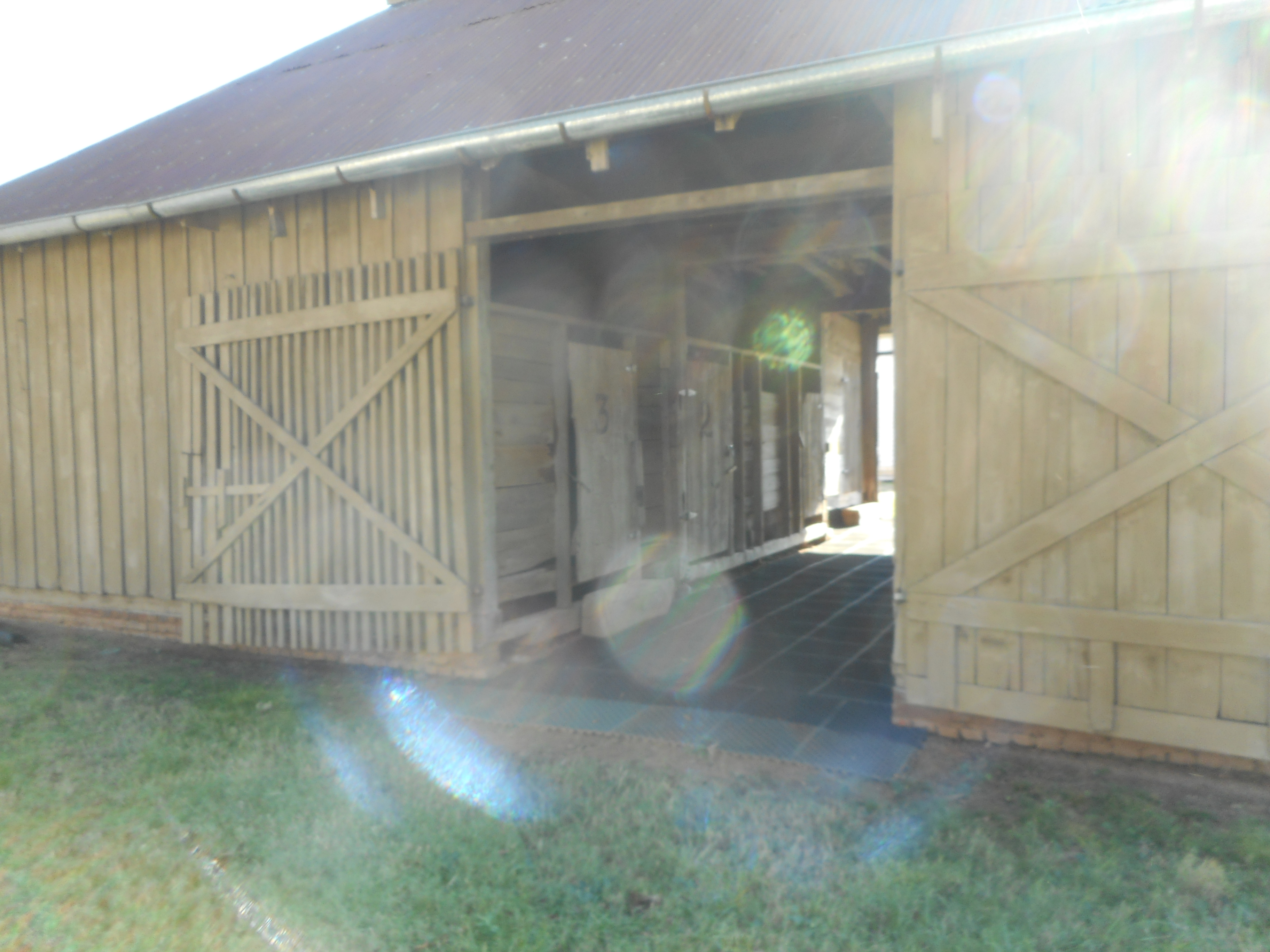
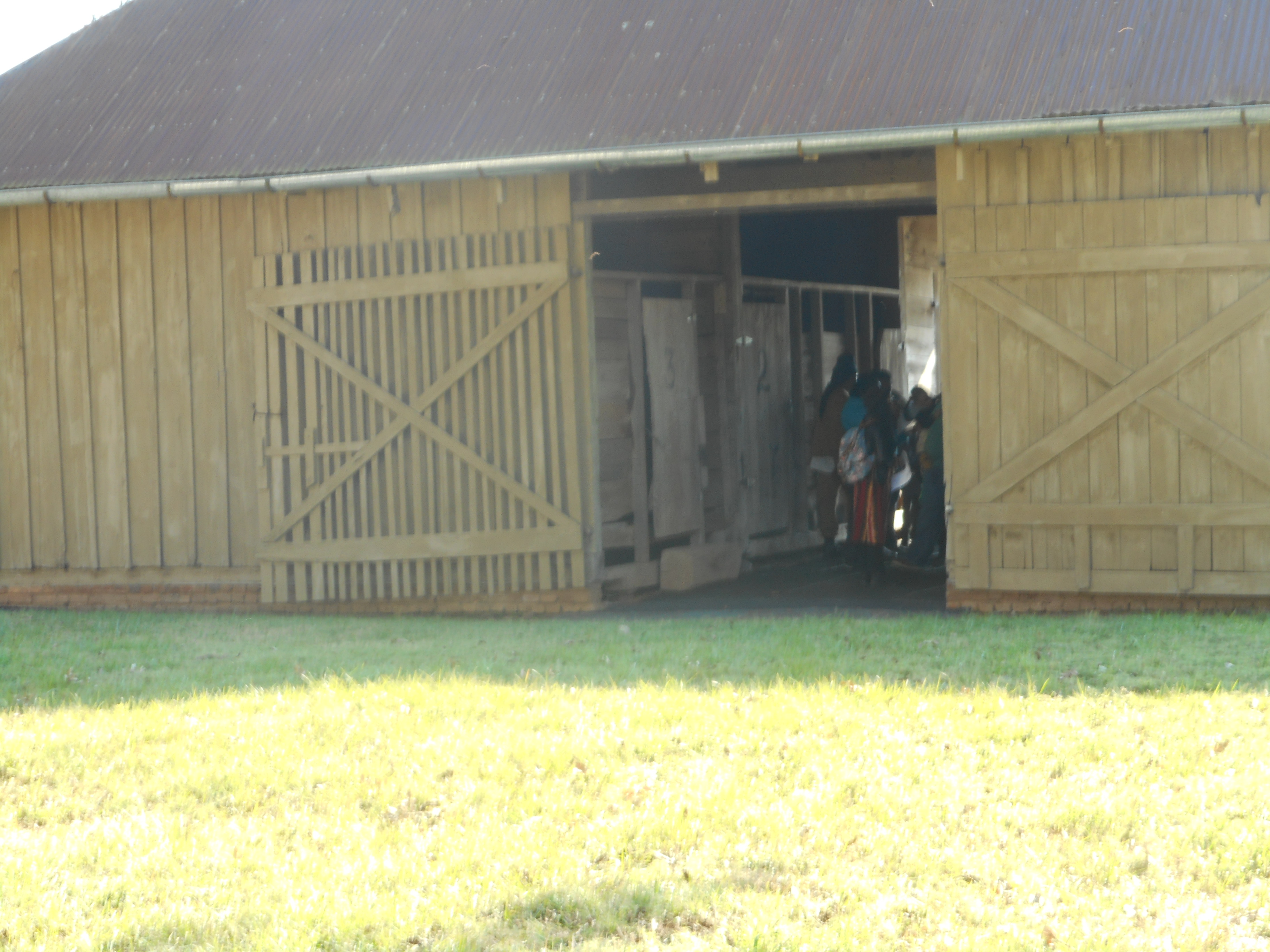
Mule Barn
Smokehouse turned mule barn. Built by the enslaved, the plantation reused the smokehouse to accommodate the mules when the original mule barn burned down.
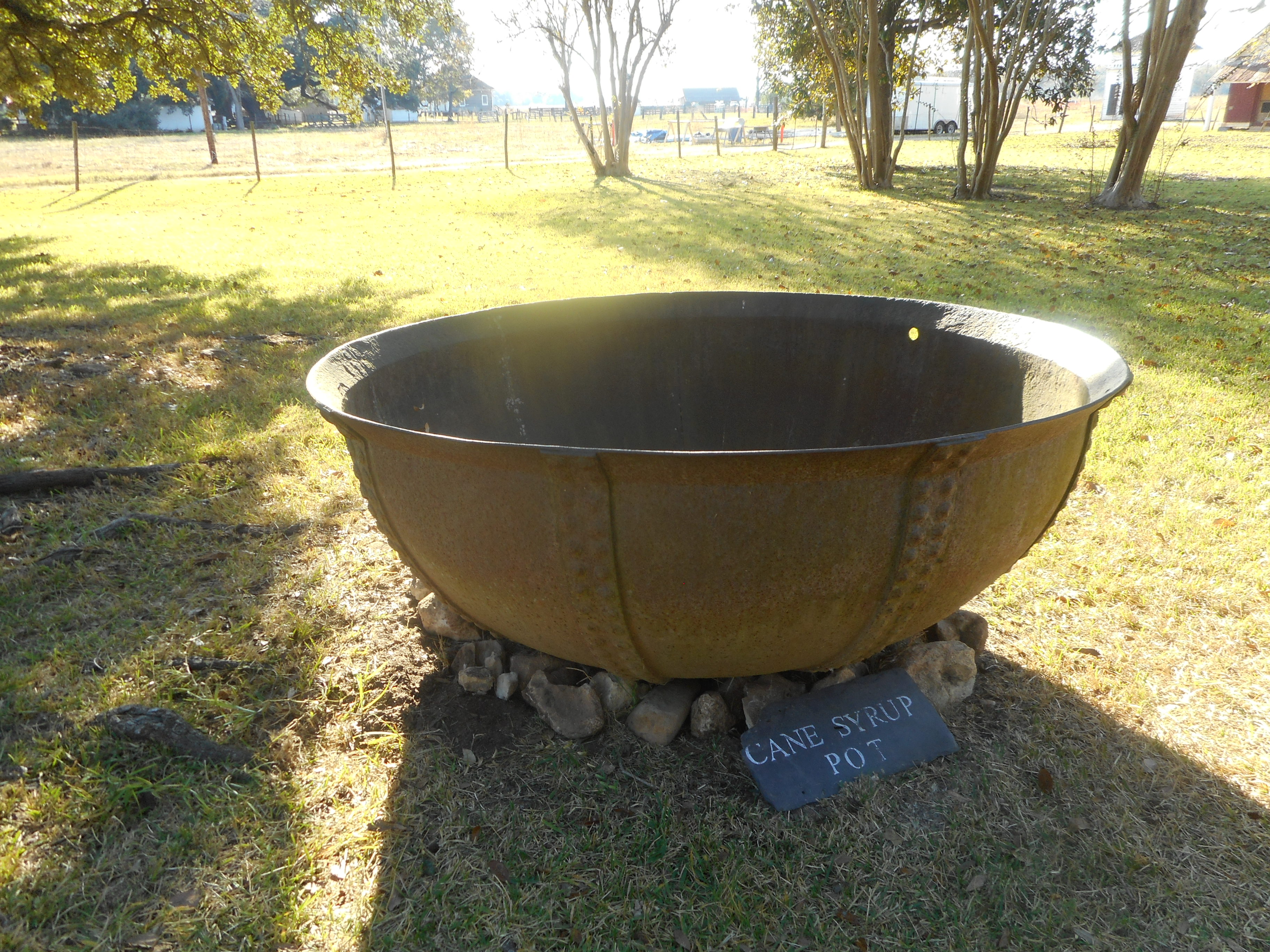
Cane Syrup Pot
Used to make cane syrup.
On some plantations, they used these pots to punish the enslaved and to boil them alive (as depicted in the movie “Mandingo.” CLICK HERE to see the clip.)
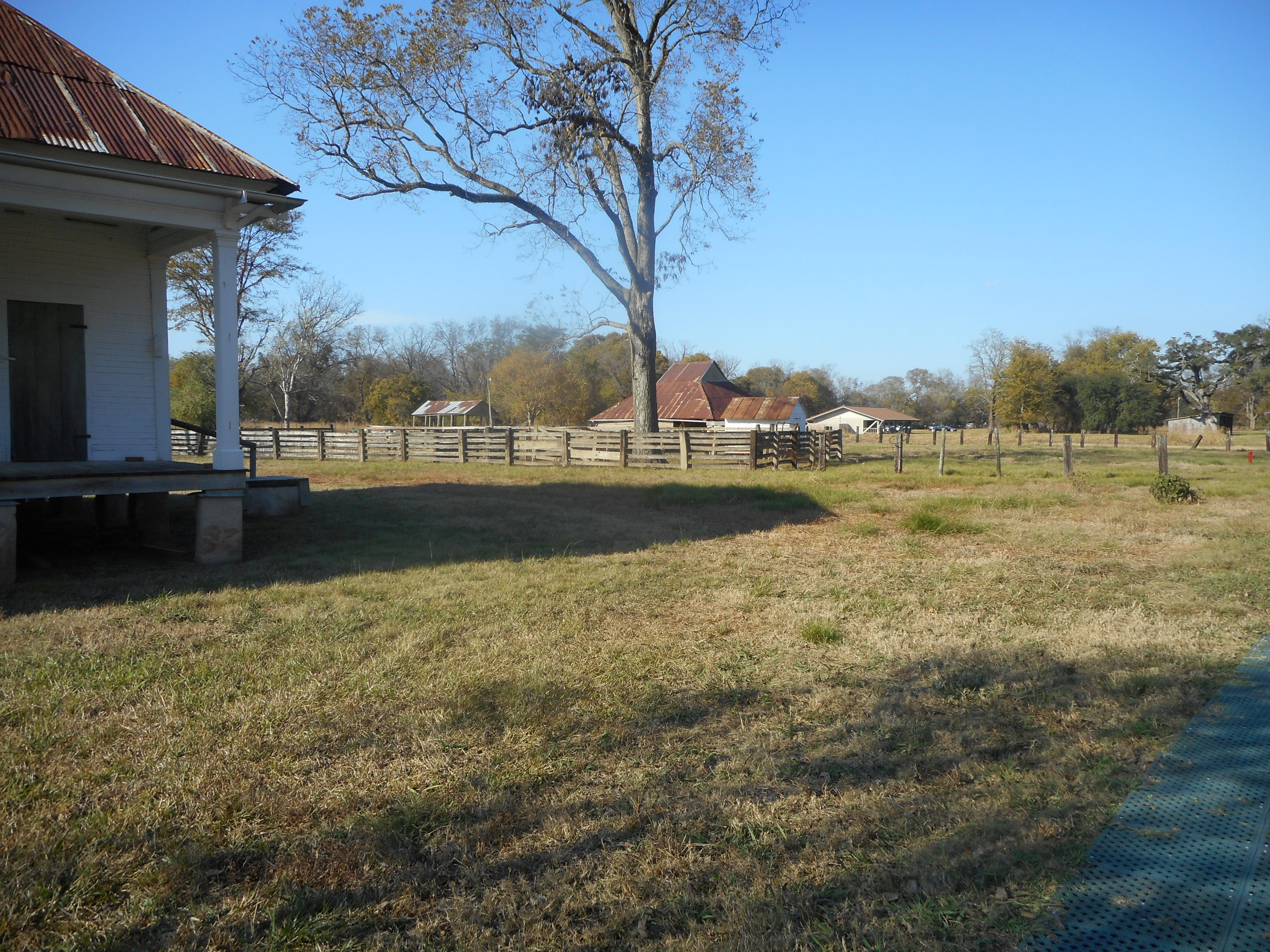
The Big House
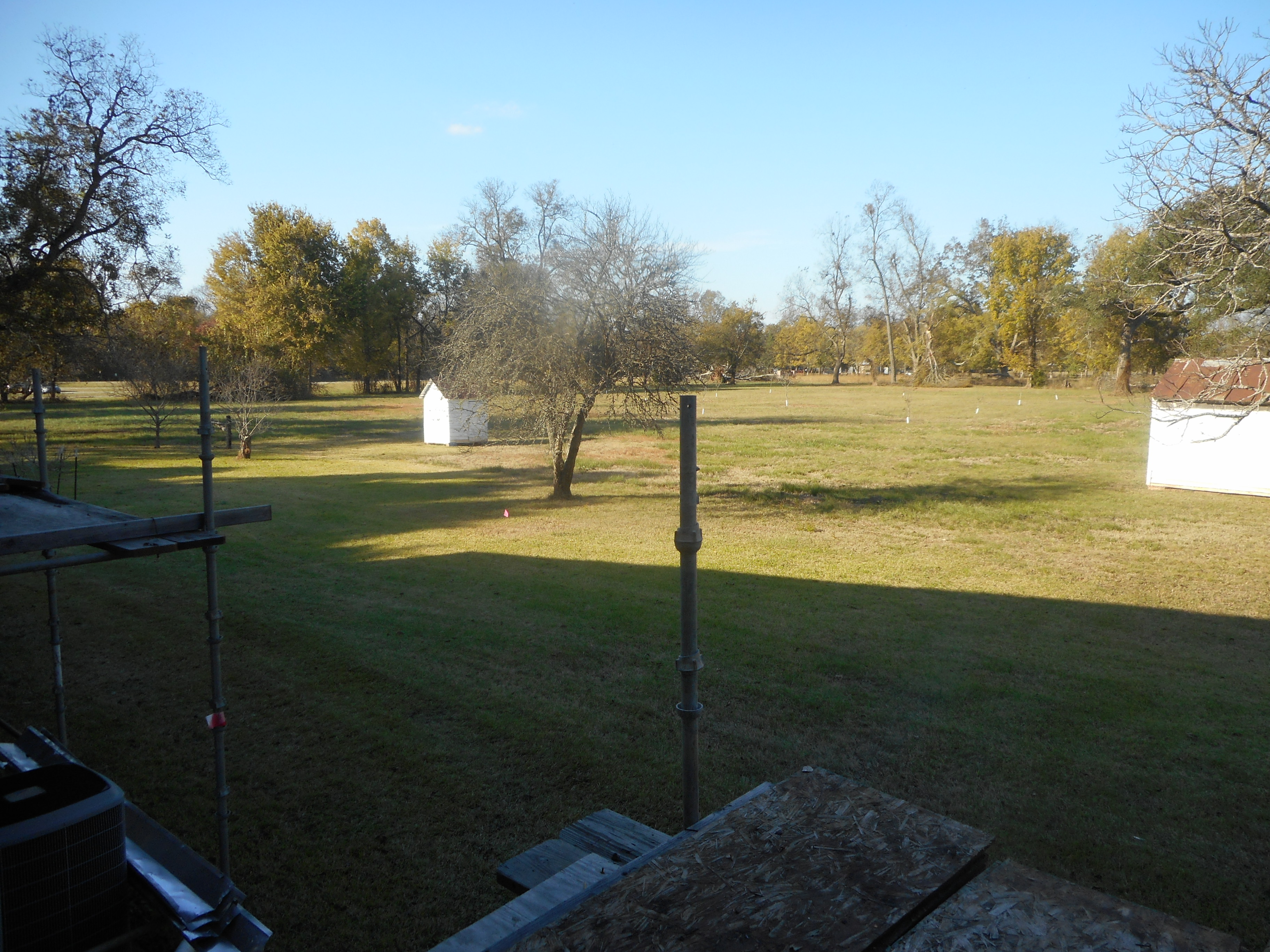
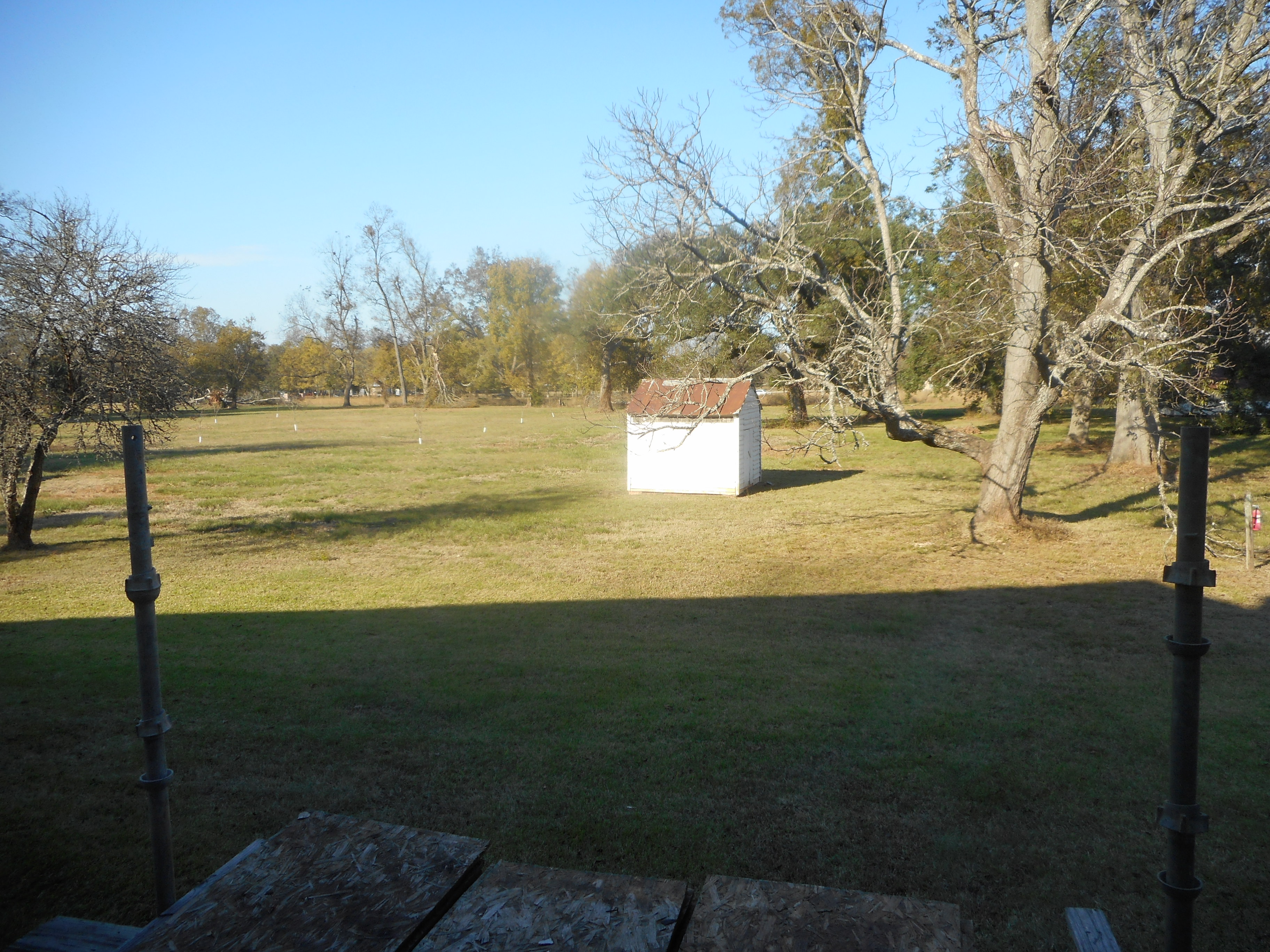
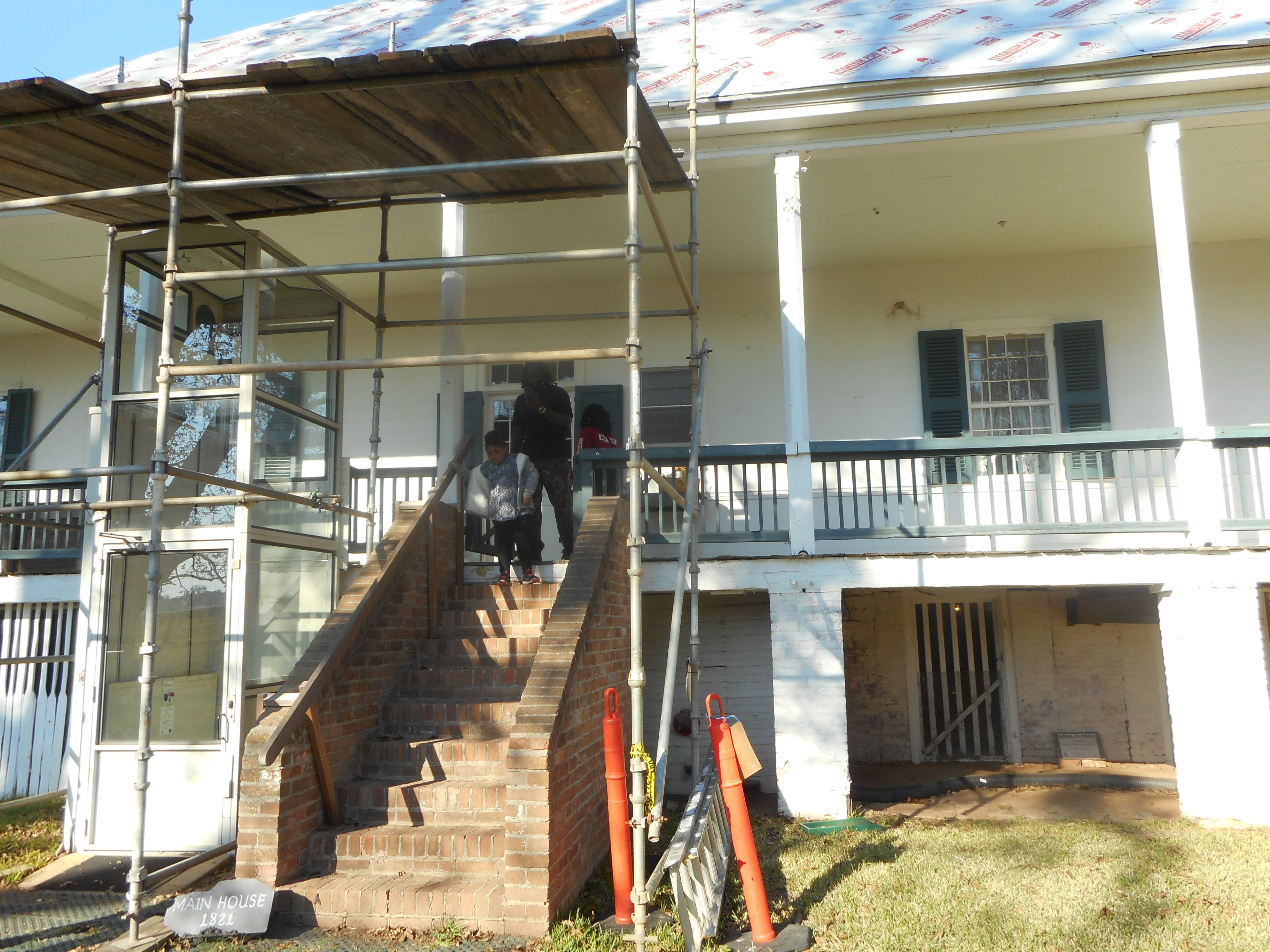
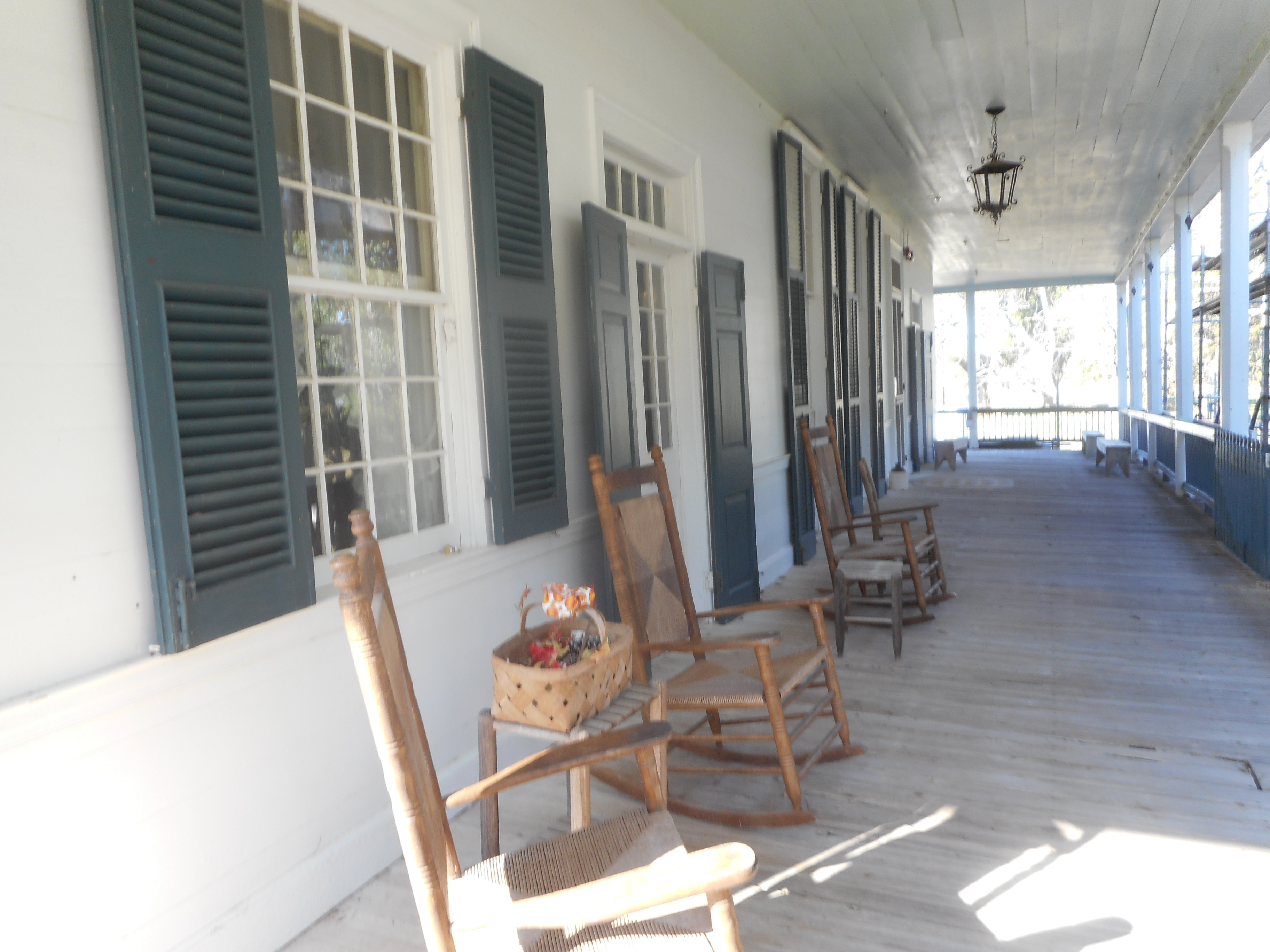
This is the porch and perimeter of “The Big House.” We could tour everywhere except for this house. We were not allowed inside, and they did not give us a reason why.
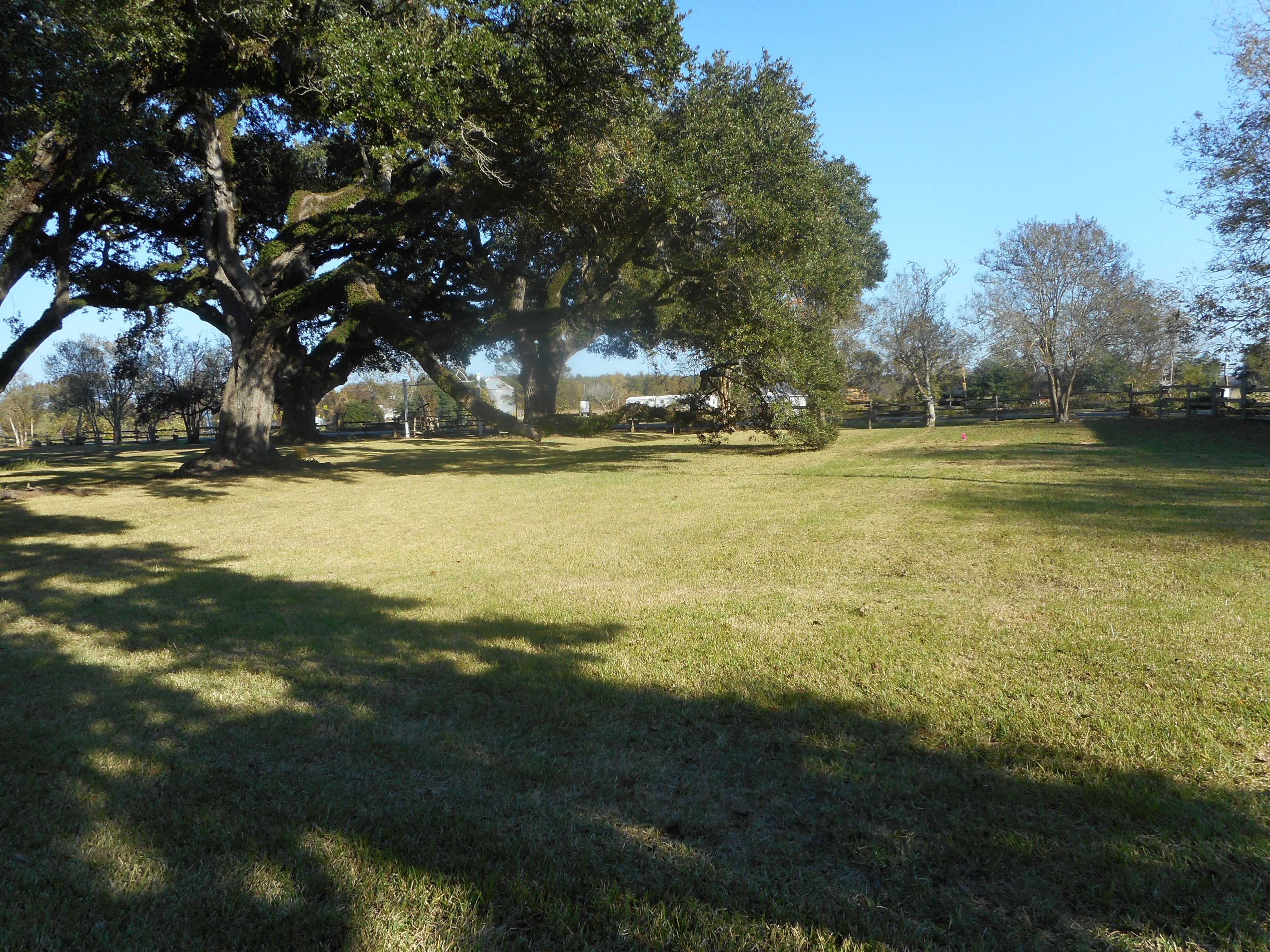
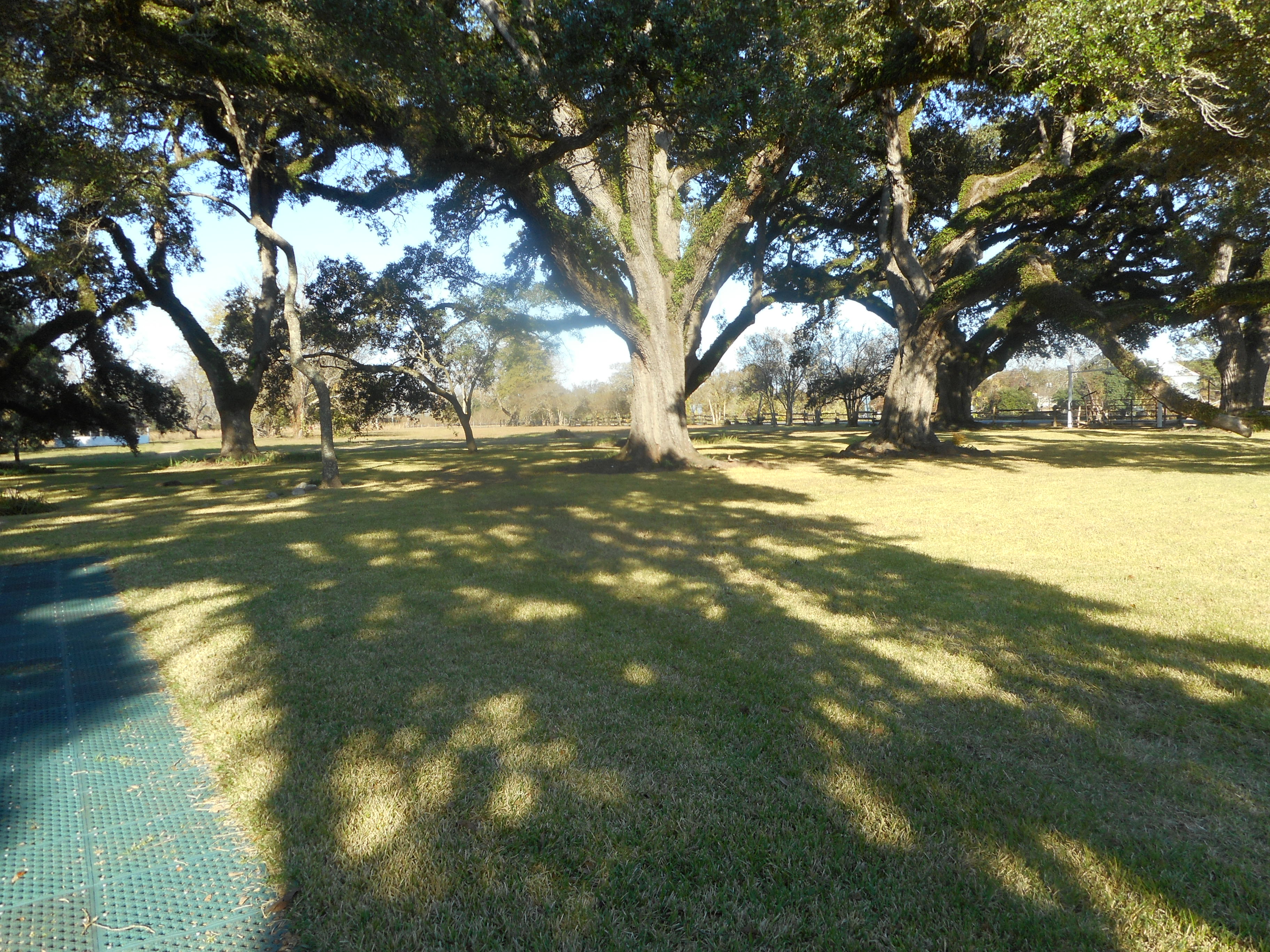
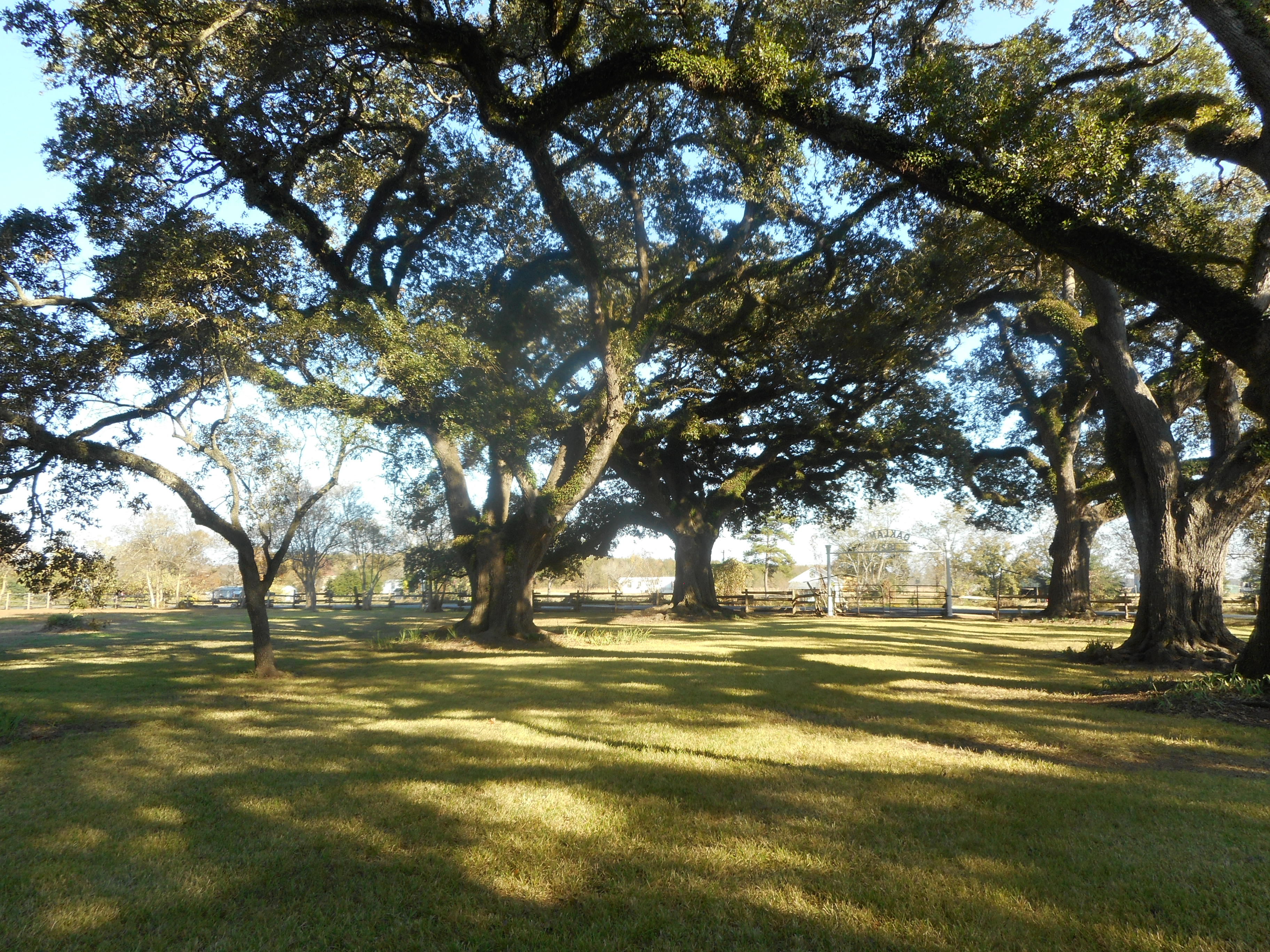
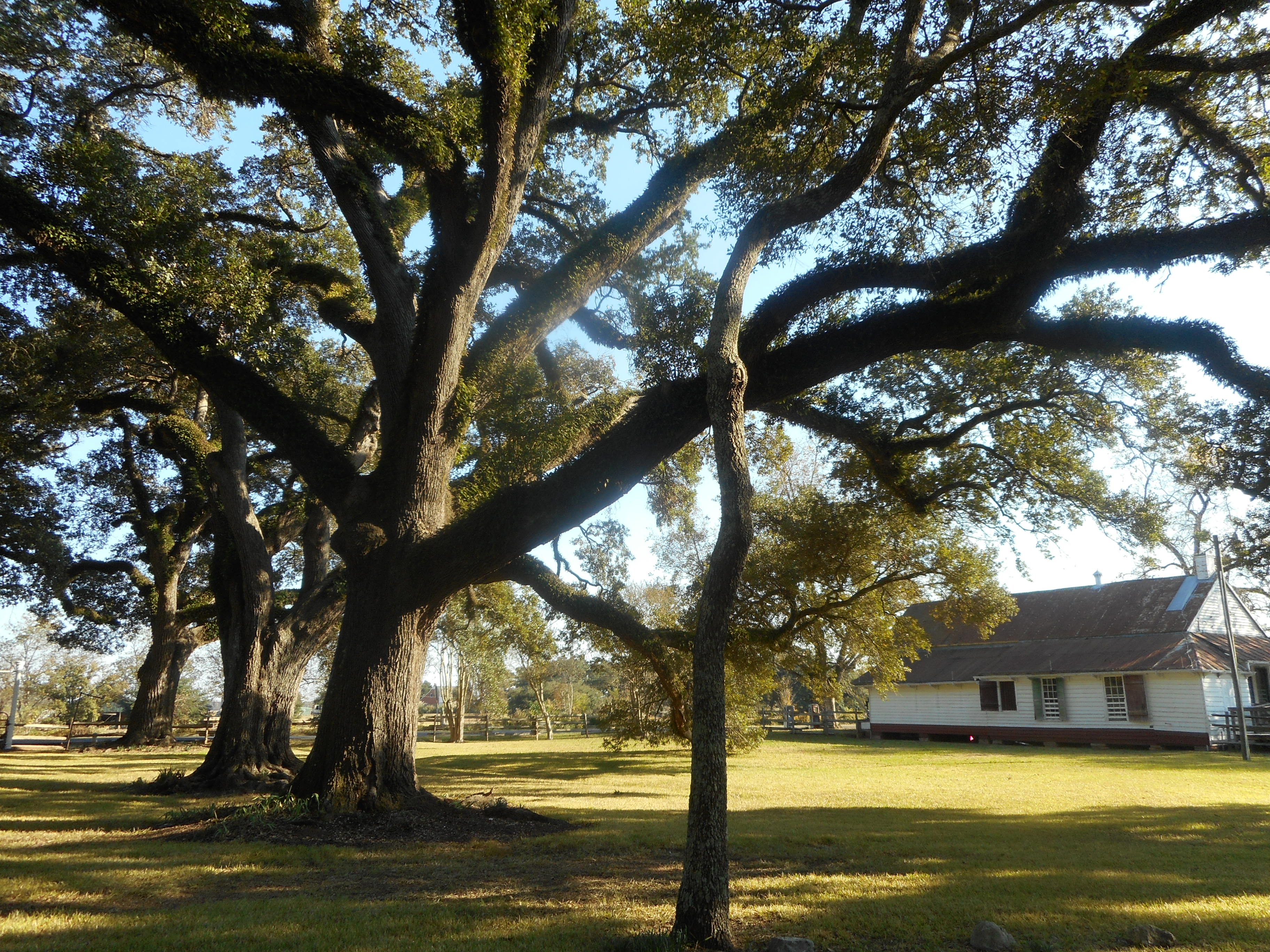
It was overwhelming to look at the trees whose thick branches bowed low. Shading the big house, cooling it from the Louisiana sun, and sheltering it from the River breeze, these trees lined the walkway to the entrance of the gate and were planted in 1825.
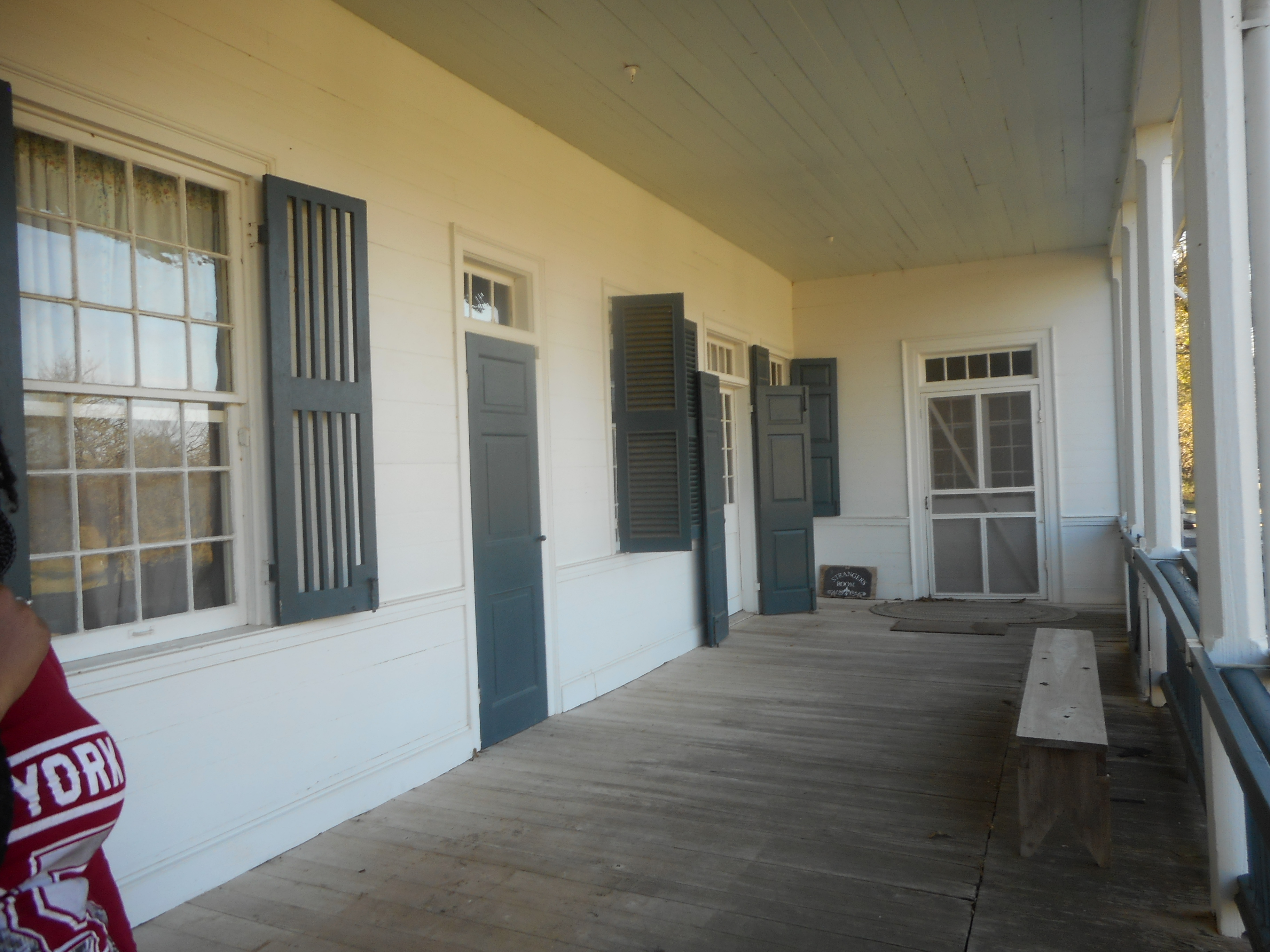
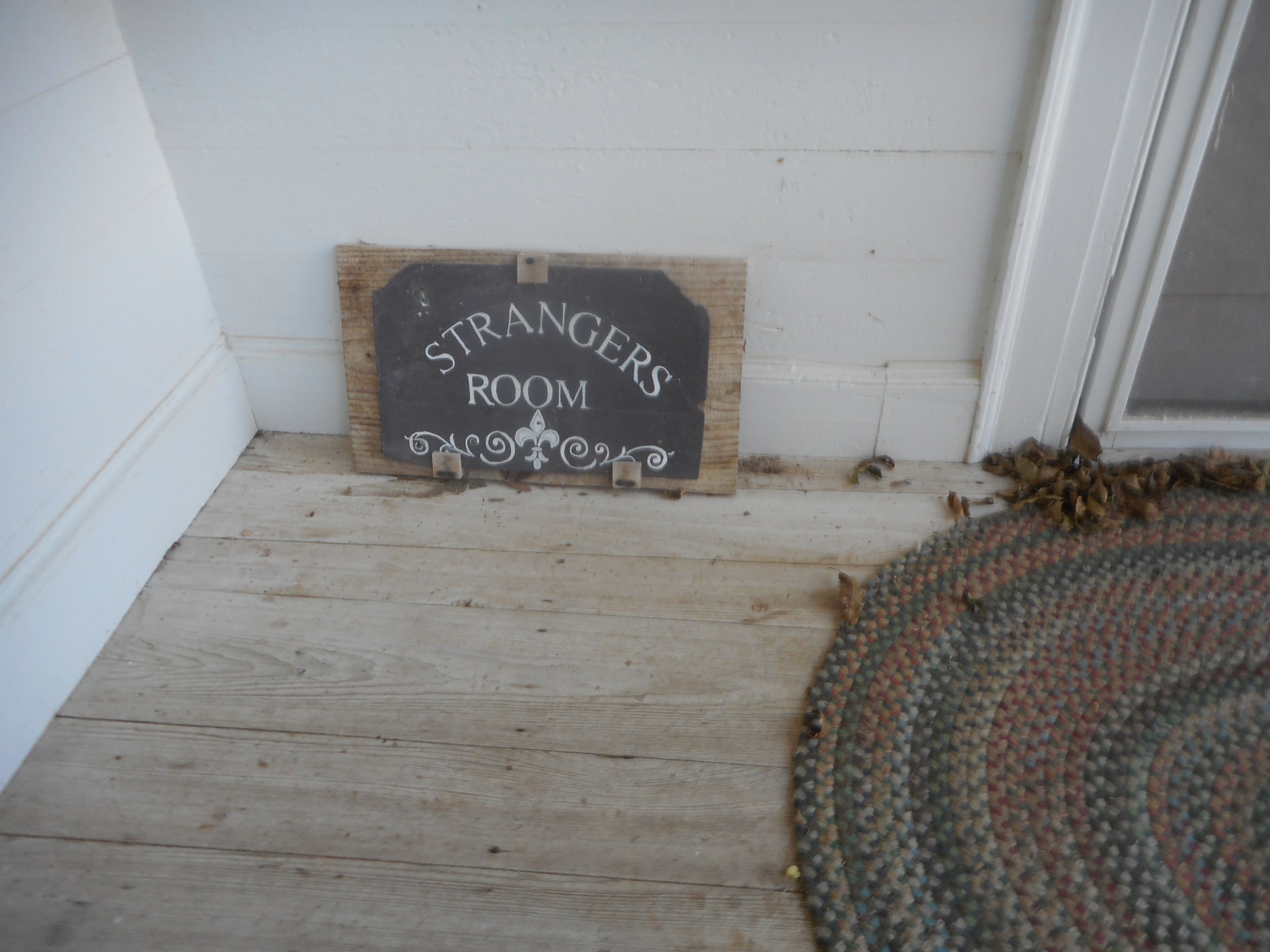
Strangers Room
I don’t know what a stranger’s room is (guest room?), but it’s a room in the big house. I tried to take pics of the inside from the window. It looks like the original furniture is still preserved.
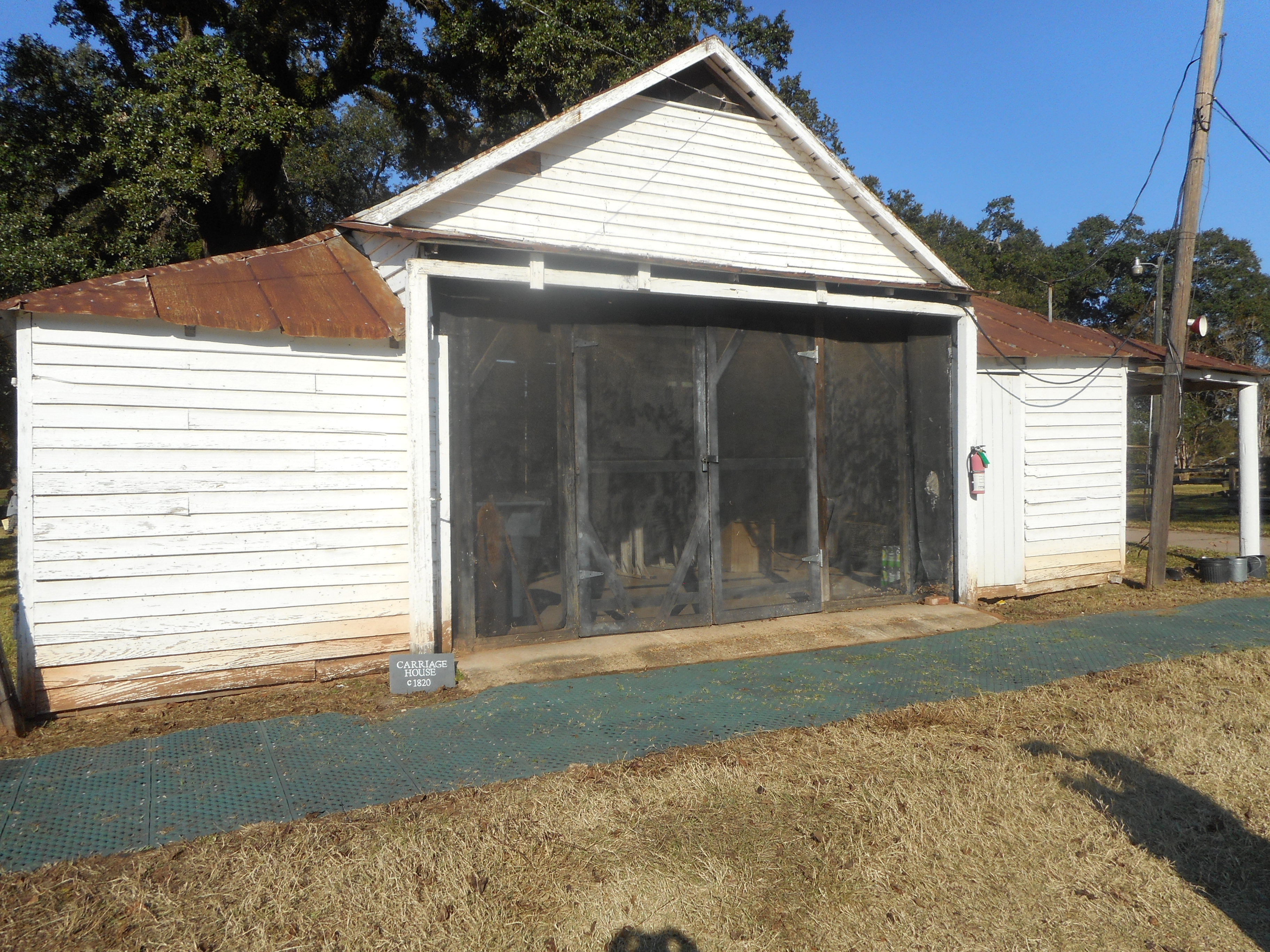
Carriage House
The carriage house dates to 1820. In its earlier years, the east bay was used as a horse stall. The overseer had the horse saddled each day and tied to the chain so that it was available for riding and checking the fields.
Square Corn Crib and Cistern
The Corn Crib was built around 1821 of hand-hewn cypress logs and was used to store grain for the plantation. Rainwater was channeled from the crib roof into the cistern, which was 16 ft deep and held 4804 Gallons of water used for watering stock.
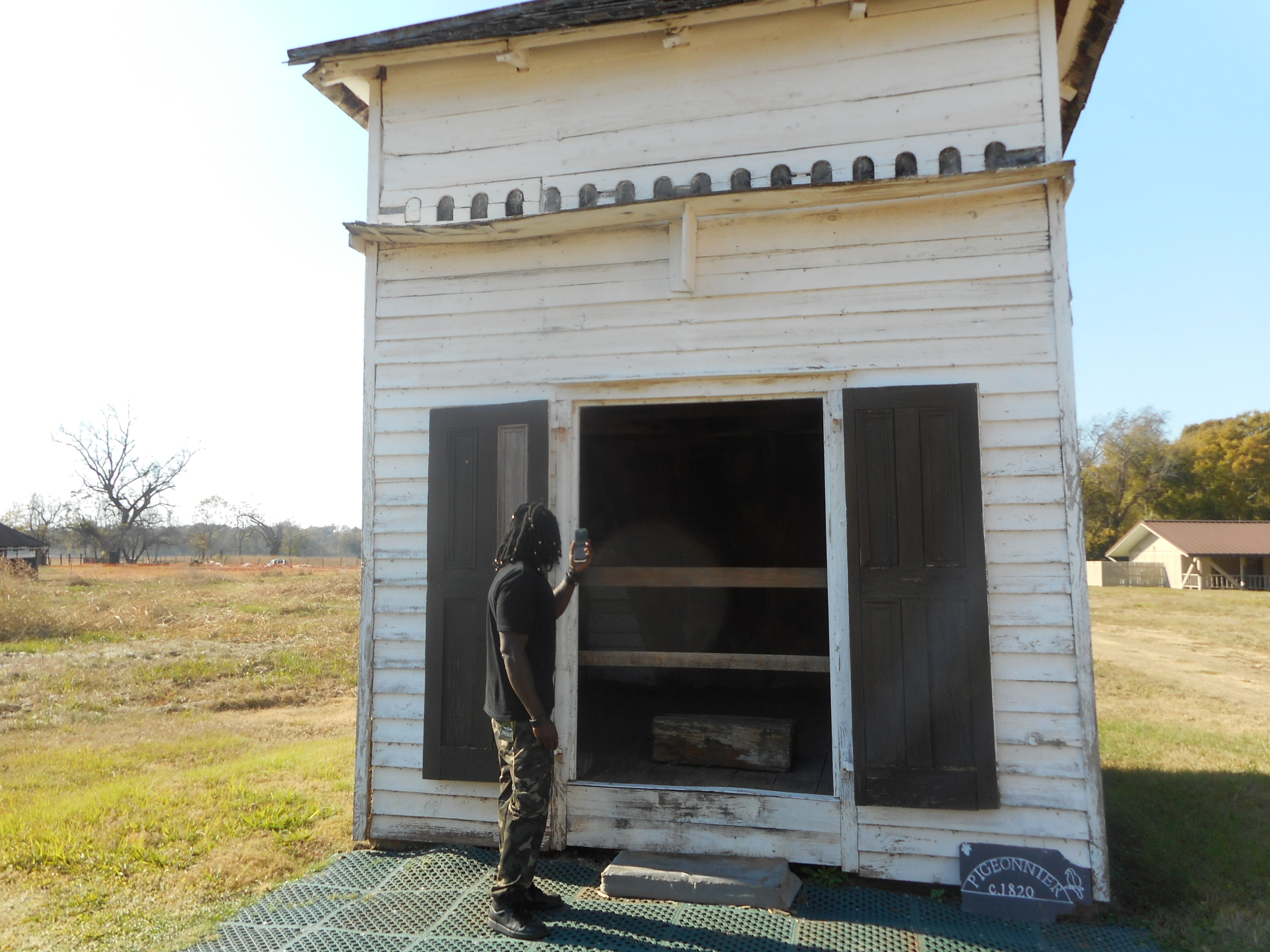
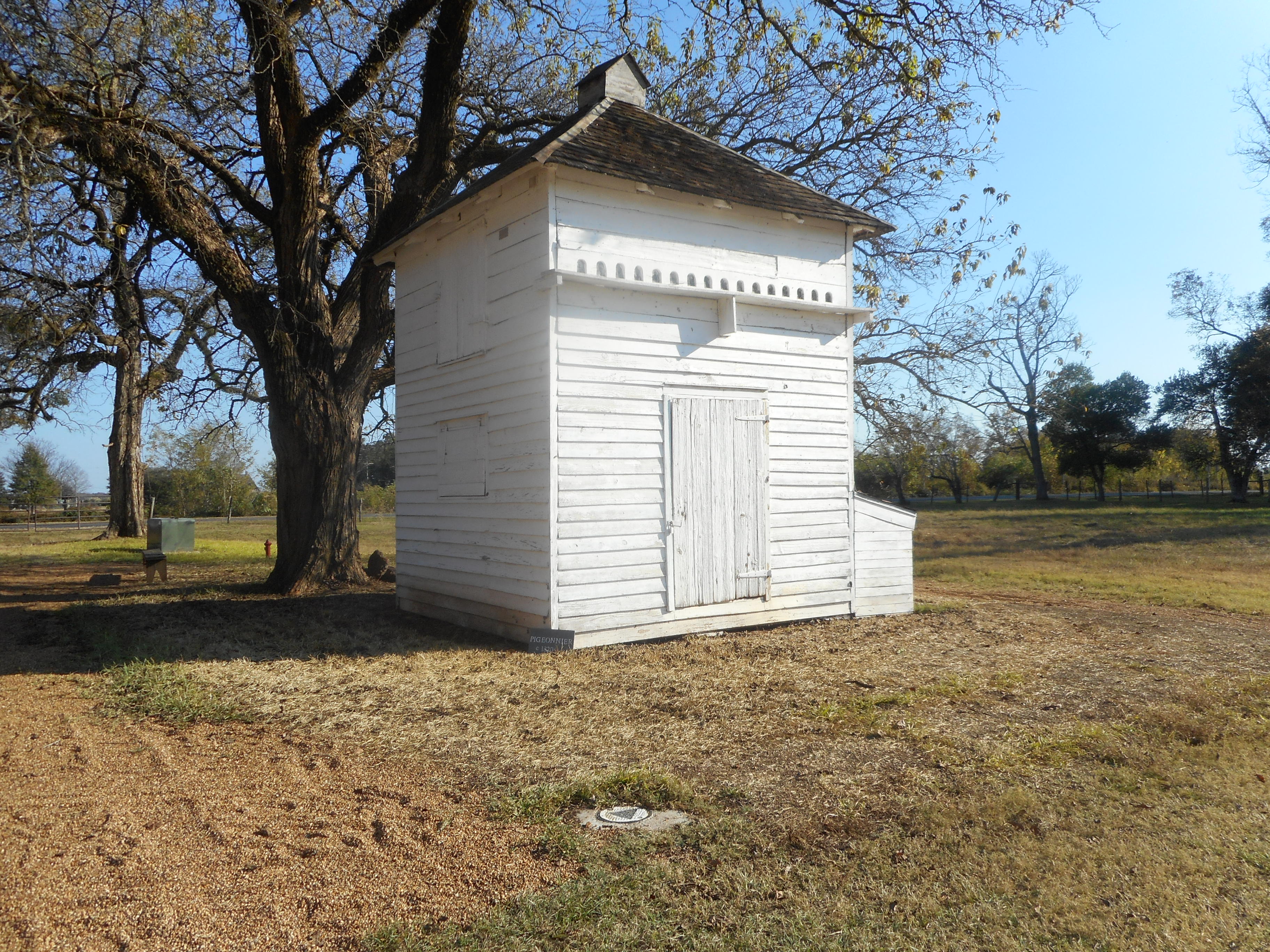
Pigeoneer
There are several Pigeonnier’s on the land. The Prud’ Hommes harvested young pigeons for a delicacy called “Squab.”
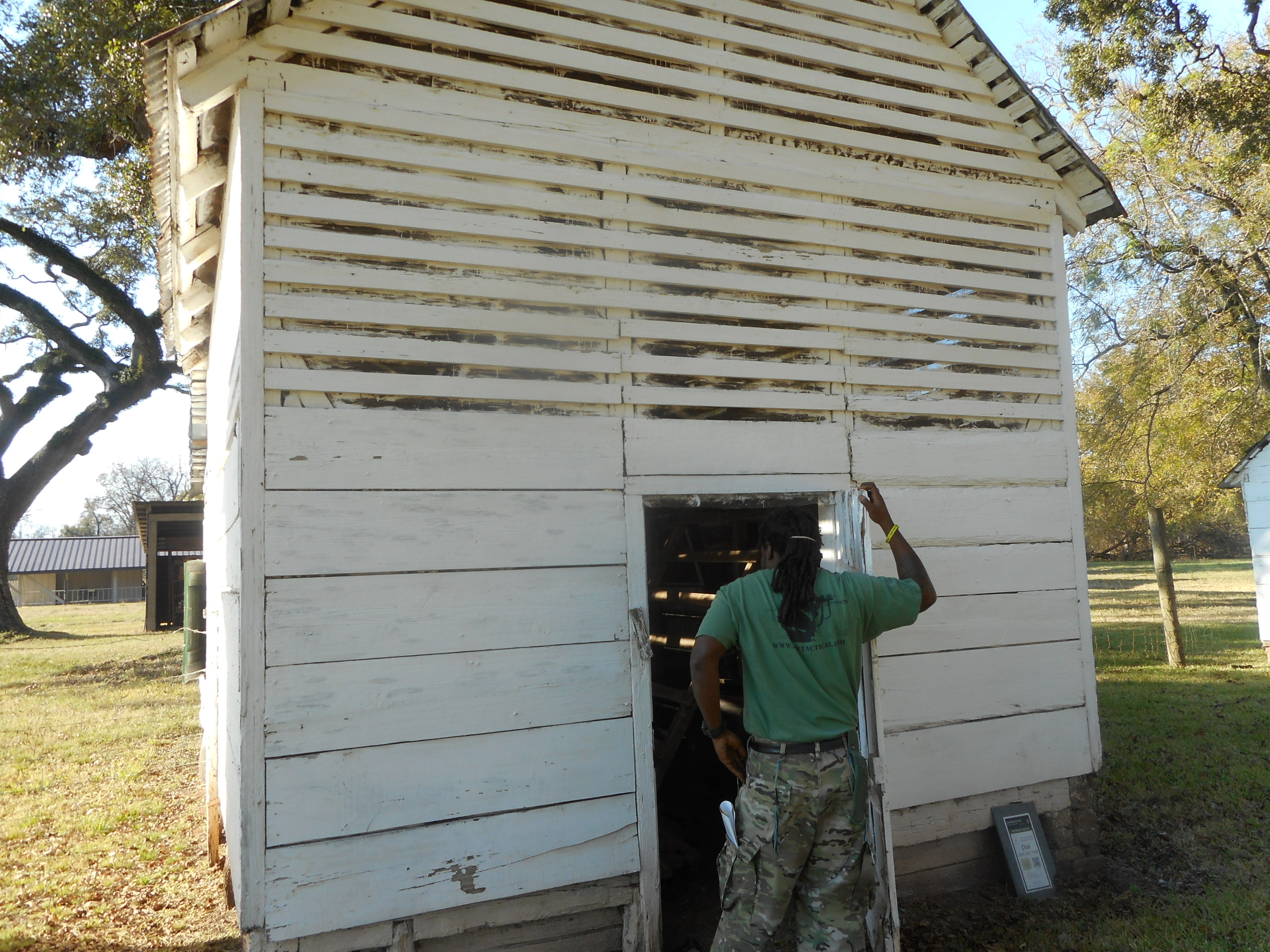
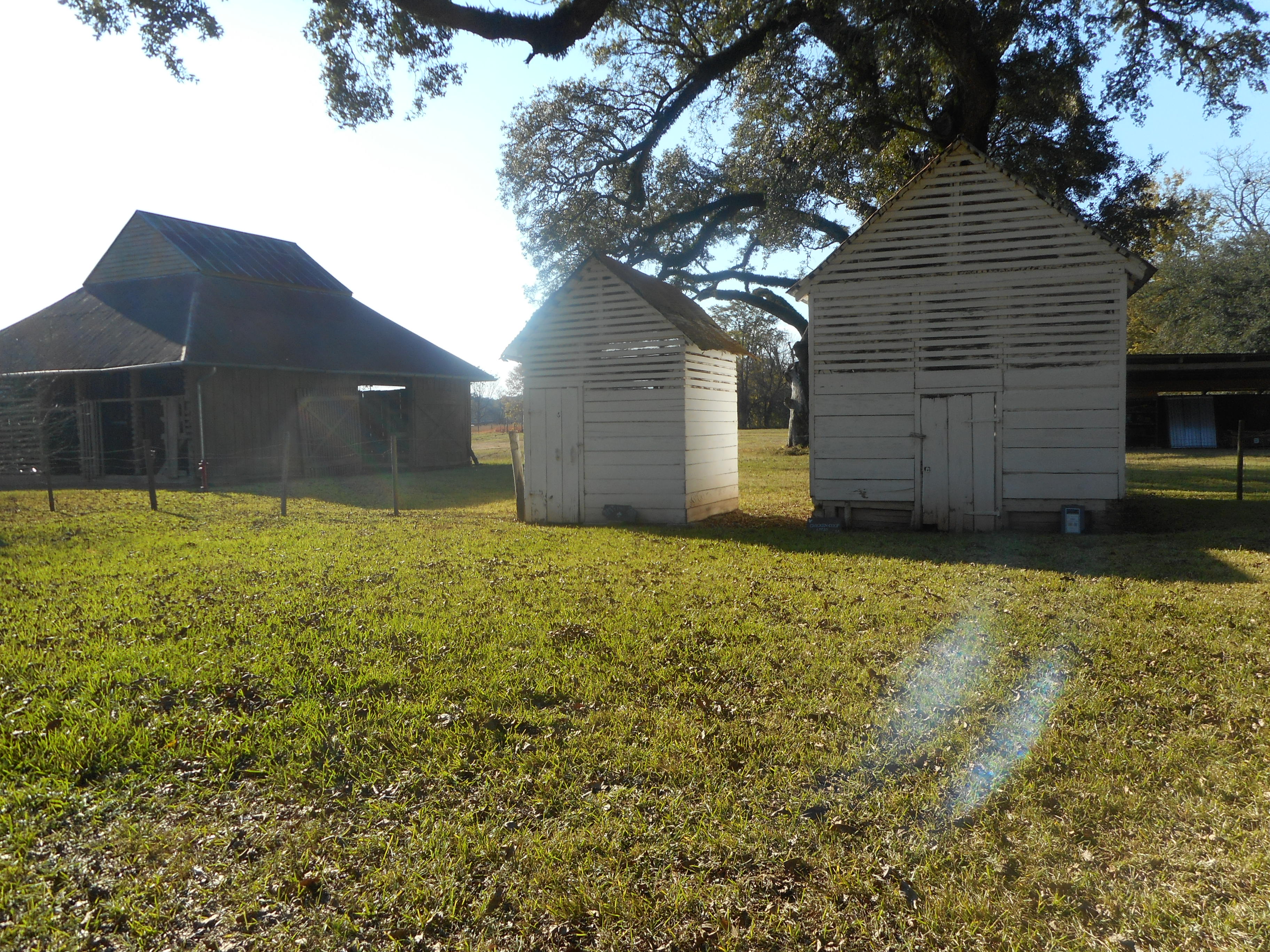
Chicken Coop
Husband checking out the Chicken Coop.
Fattening Pen
Chickens were bred, hatched and fattened in this area. Turkeys were also raised on the land.
Randoms
What I carried home with me was an even deeper appreciation for those little things we take for granted every day. I was headed back to the campsite to sleep in a tent, but I knew that eventually, I’d be going home to a hot shower, a full meal, and a warm bed. As we packed up to leave the plantation, I considered what it would be like to be forced to stay. What is it like not to have a home to go back to and nothing more to look forward to tomorrow than the same back-breaking work?
My revelations were not just in relation to dark history (I am aware black history is not just about slavery). As I looked around the land, I saw how the enslaved built almost everything on the property. It reminded me of how skillful and resourceful we are as a people. From shelters to clothing, food, and shoes, I thought how empowering it would be to get back to building our own.
Often deemed ignorant and illiterate, the truth is that Israelites, so-called Blacks, were not as naive as we are taught. It occurred to me that many blacks were only lost when it came to adapting and assimilating into American culture. Otherwise, we were expert farmers, inventors, midwives, carpenters, and chefs. Thus, I left not just in appreciation for the tangible things in my life, but for everything my people have endured and the knowledge they’ve passed down to me through the generations.
Being that I drafted this post when we got home so it can be ready for you today, I’m going to crawl into this bed and get ready to catch up. I’ll be scrolling your blogs to see what I missed. The grind continues.
This article is part of Antiguan and Barbudan author Joanne C. Hillhouse’s Blogger on Books book review series on her blog http://jhohadli.wordpress.com.
Today, she provides insight into the book, To Shoot Hard Labour: The Life and Times of Samuel Smith, an Antiguan Workingman 1877-1982.
A Long Preamble
The full title of To Shoot Hard Labour, which I was first introduced to as a secondary school student and have referenced in the years since, is To Shoot Hard Labour: The Life and Times of Samuel Smith, an Antiguan Workingman 1877-1982 (first printing 1986).
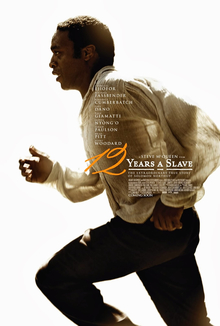
You may immediately pick up that the title structure is reminiscent of the true-to-life literary genre known as the slave narrative. Famous examples of which include Twelve Years a Slave, Narrative of Solomon Northup, a citizen of New York, kidnapped in Washington City in 1841 and rescued in 1853 from a Cotton Plantation near the Red River in Louisiana (published 1859). Additionally, Narrative of the Life of Frederick Douglass, an American Slave, written by himself (published 1845 by the anti-slavery office in Boston); and The History of Mary Prince, a West Indian Slave, related by Herself (published in England in 1831).
The subject and author of the last of these spent some of her time in enslavement in Antigua, where I live, the locale of the post-slavery narrative told by Samuel Smith to his grandchildren, co-authors Keithlyn and Fernando Smith.
The slave narrative emerged in the colonial era as a genre and a tool of the anti-slavery movement concerned with dismantling chattel slavery in the Americas – other references will say North America, but I am being very specific.
It shouldn’t need to be said in 2020 with all the material (e.g., slave narratives) at our disposal, but chattel slavery – the brutal multi-generational-generational-generational form of human trafficking and enslavement of Africans fed by the trans-Atlantic slave trade and the need (read: greed) for labour for the mass production of sugar and cotton that built the European and North American (meaning the USA) economies – happened across the hemisphere known as the Americas. The Americas includes North and South America and the Caribbean. Historically, this is the so-called ‘New World’ over which European powers fought and which they colonized over hundreds of years – beginning with Columbus’ wrong turn at Hispaniola, modern-day Haiti (French), and the Dominican Republic (Spanish) in 1492.
The first enslaved Africans arrived in the New World in the 1500s. To Shoot Hard Labour, in its sweeping introduction, spoke of Las Casas, the Catholic priest known as the protector of the ‘Indians’, the Kalinago (called Caribs by the Europeans who in the history books I read as a child were described as ‘fierce’ and ‘warlike’) and other indigenous groups being exterminated for European profit, who proposed that the colonizers look instead to Africa for labour. In this introduction, it said the first enslaved Africans landed in the New (to the colonizers) World in 1502.
The Old World powers of England, Spain, France, Portugal, the Netherlands (Dutch) divvied up and dominated Africa (which they mined of her natural and human resources) and the colonies they claimed in the New World, often through violence. England emerged as a superpower – an empire upon which the sun never set, into the 20th century, until its former colony, America, which had greatly expanded its fortunes and influence since declaring its Independence in 1776, rose to take that spot. Forgive me for being hand wave-y on the details of globalization; I intend this as a discussion of the book To Shoot Hard Labour, not a New World history.
However, I am writing this in the summer of 2020, a summer in which the newly announced Vice Presidential hopeful on the US Democratic party ticket, Kamala Harris, is US (i.e., North American) born to a father from Jamaica and a mother from India. The fact that these are both former colonies of England and that Jamaica was, like the entire Caribbean, a chattel slavery colony is not the point, but it is not irrelevant. Harris’ Blackness, and her connection to the struggles of Black people who have fought their way from slavery to freedom and beyond, have been called in to question with sentiments like “She’s not Black. She’s Jamaican.”
If you know the New World history, you know that Blackness and Jamaica are not mutually exclusive. The English speaking Caribbean, including Jamaica, and other non-English speaking former colonies, are majority Black and have been for centuries at the forefront of anti-slavery, labour rights, and independence movements, and for decades at the forefront of the reparations movement specific to the injustices of chattel slavery.
It is a movement that has been centered in American discourse this election cycle – and we love to see it – because it’s all about reparative justice. This is something that should unite, not separate us. We are diasporically – through our ties to a common motherland, Africa, and the inheritance of a common brutal experience here in the New World – family. But here we are, and it needs to be said – some of the most brutal forms of chattel slavery existed in the Caribbean, and the post-slavery narrative To Shoot Hard Labour is one man’s testimony.
The genre known as the slavery narrative grew out of the lived experience of enslaved (and formerly enslaved) people, some 6000 of them across North America and the Caribbean through the 18th and 19th centuries. They were autobiographical and, given their use as an anti-abolitionist tool, emphasized the struggle, with religion and progress being recurring motifs. As with many slave narratives, To Shoot Hard Labour is an ‘as told to’ and Papa Sammy ends by telling his grandsons, “I hope that you will write down exactly what I am telling you. If you do, the people will see how far down in the mud arwe come from.” (p. 162)
To Shoot Hard Labour veers from your traditional slave narrative in that it begins in 1834 – the year slavery legally ended in the English speaking Caribbean, with the four year apprenticeship – Antigua, which opted for full emancipation in 1834, was an exception. I, therefore, describe it as a post-slavery narrative. Its central theme, beginning with Papa Sammy’s ancestor Rachael’s long walk across Antigua to re-connect with the daughter (Minty) sold off years before, is the quest for freedom, life, humanity in a world determined to keep Black people underfoot. “Only when they find Minty they really believe that slavery was all over for sure.” (p. 32) But not without scars, “Minty had a brand on she hand.” (p. 32)
The book is a stark reminder that the legal end of slavery did not mean its end in practice. In some ways, even in a country, politically independent since 1981, with Black leaders and a majority Black population, the struggle for true self-actualization continues. The ways in which the struggle continues and in which they have been brought in to sharp focus in 2020, the year of the COVID-19 global pandemic and the globally resonant Black Lives Matter uprising sparked in North America/the US, and the economic and social quakes sparked by both, is more heavy lifting than this piece can do.
But let’s talk about this book though.
I covered a lot of ground in the 13th installment of my CREATIVE SPACE column of 2020 (SAY THEIR NAME: IN MEMORIAM) in which I wrote about To Shoot Hard Labour by telling the stories of some of the people beaten, raped, and killed, casualties of anti-Blackness post-slavery in Antigua, as well as some of the unsung freedom fighters (labour rights activists). There is likely to be some overlap, but I’ll try to tread ground not covered there, here. I urge you to read that article as a companion to this one.
As the nation was reminded during a month-long on-air book club discussion of it in which I participated, this book covers a lot in its 100 plus years, and even if you’ve read it before, you’re likely to learn something. And even if you’re not from Antigua, what you learn will be educational and impactful as you consider the arc of human history in general and Black people’s experiences in the New World specifically. The particularity of it makes it more potent, not less.
“Just a little away from the market on Church Street in an open space under a big mahogany tree was the old slave market where the bakkra use to sell our generations. That mahogany tree had hoods and spikes in it. After slavery end, Delos Martin, a Scotchman built a business place just west of it, and that would block the view of the courthouse at the corner of Scotch Row and Church Street…the little hill at the head of the city – the one in a straight line with High and St. Mary’s Streets – was called Gibbet’s Hill. It was the place where the open gallow was built – close to what is now called the Botanical Gardens – but the slaves use to call it Dribbet House.
The open gallows were like the frame of a house. Them gallows would have three or four planks overhead. The slaves used to be tied with rope at the neck or shoulders, around the waist, or any part of the body for that matter. They were then pulled up and tie to the overhead planks, and they would be left there to swing. A portion of food would be left in front of them, but that food was to let the slaves see it and not reach it. They were made to swing there till they dead. Nowadays, when you want to show how harsh you want to deal with somebody, you say ‘Me go kill you’. Back then we use to say ‘Me go gibbet you.’” (p. 95)
A long quote, yes, but hopefully you see what I mean, that you don’t have to know those places to see and hear, in Papa Sammy’s own voice, with the vivid descriptiveness of lived and/or handed down memory, the history being revealed.
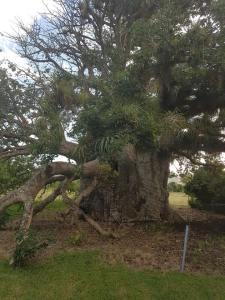
For me, the reading comes with a sense of loss and reclaiming, as, though I grew up here and knew the named streets, these places, as described, weren’t known to me. There are stories of numerous places for us to re-discover–from the baobob (or as Papa Sammy called it bear bob) tree (the one on the Freemansville main road), which has the distinction of being near a former market where enslaved people were sold, Stony Hill Gully where enslaved people plotted freedom, in 1736 (enduring public torture and death as a consequence), to the lawlessness and licentiousness of bakkra spaces like Guiana Island and Willoughby Bay.
It’s worth noting that though the book, in the spirit of narratives, is autobiographic and, as a result, largely anecdotal, it is not so easily dismissed as a history. For one, it fills the gaps left by the original history of dates and more official sources, i.e., the colonizer’s perspective. For another, it makes a valiant effort to fact check itself.
Derelict Gunthorpes Sugar Factory Antigua High Resolution Stock Photography and Images – Alamy
When Papa Sammy gives 1904 as the year the Gunthropes sugar factory became operational, there’s a footnote that references “Sir Francis Watts, who played a leading role in the establishment of the first central sugar factory” (p. 115) as saying that it was planned in 1903 and reaped its first crop in 1905. The centralization of at least some part of the sugar production process, by the way, began opening up the world of people who had known only plantation life – a very narrow world indeed.
Sugar was king during much of slavery, plantation days, in the Caribbean, and this changed only ever so slowly post-slavery. Massa (also called bakkra – literally “back raw” according to one source* much like “cracker” a pejorative for white in the US* is, according to some sources I’ve seen, a reference to the sound of the whip hitting Black flesh) was still Lord, Master, and the magistrate. The formerly enslaved was still, for all intents and purposes, enslaved. As Papa Sammy said, “in those days, nega if them right, them still wrong” (p. 118)
Sunset from Jolly Beach (scotbon, Feb 2008) Antigua and Barbuda
While the story doesn’t scrimp on the sorrow, it doesn’t wallow in victimhood. It speaks concurrently of the rise of free villages like Freemansville, the harnessing of skills and resources (female-centered work in medicine – a fair amount of folk remedies included), the lingering effects of enslavement (children still carrying the so-called Massa’s name and harsh corporal punishment of children and adults continuing the pattern from the plantation), and the rise of the workers’ rights movements with sometimes fatal consequences (as during the 1918 ‘riots’).
Additionally, the governorship and business and ownership or lack thereof and the transformation of the country, the push for voting rights and ways the community worked together (“the swap, throwing the box and working the lift was the main things that prevent us from eating each other” – p. 116). And there was a beauty. I can verify that as Papa Sammy said, there is no better vantage point for sunset viewing than Clark’s Hill, which is a rising in the middle of the island.
Chattel slavery was not indentured servitude, no matter what some meme said, and the fact that we seem to be forgetting that makes books like To Shoot Hard Labour even more valuable. Consider that post-slavery movement was restricted – you couldn’t just switch employers, and you would be punished physically or locked up for not going to work. You still effectively lived in slave quarters (called the ‘nega-house’ where there was no privacy); you did not police yourself in any way – in fact, “whenever there was a fight or quarrel among nega-house people, it would be massa that would decide who was to get punish and how the punishment would be” (p.38) and who in fact still had and exercised the power of life and death with impunity over the people he once owned.
Consider that post-slavery, you did not own the land you worked nor what it produced unless bakkra said so, that prison labour (literally a jail cart which moved where the work was) was effectively another form of slave labour. Consider all this and more through the lens of current conversations re Blackness, reparations, etc. Consider all this and more, over the 100 years Papa Sammy lived, dying the year after Antigua arrived at political Independence.
Who else to tell this story even if in the telling he disrupts some established narratives–e.g., bringing nuance to the story of modern Antigua, dinging the mythology, speaking to the jealousies and infighting, and the missed opportunities and broken promises even with Black leadership?
You can hear the heartbreak in his words as he reflects on the mahogany tree that once marked the slave market in town. “It was our government and black people that pluck up that tree.” (p. 161). It is we, now in charge, he insists who have forgotten and that’s the heartbreak of this book, but that’s also the hope. These stories are hard to read but they need to be told because – there is much that was done that we can learn from, there is much that was done to us that we must never forget.
Why read this book, beyond it being riveting history? To quote Papa Sammy, “I want the young generations to remember” (p. 161), and this is important because, to quote him further, “I hope that the day will never come again when our people have to suffer indignity like my generation and others have to.” (p. 162) Indignity, when you read this book, and books like it, you will see that that’s putting it mildly.
RIP to the co-author of To Shoot Hard Labour, Antiguan and Barbudan historian, and trade unionist Sir Keithlyn Smith who died July 31st, 2020, and buried in an official funeral on September 15th, 2020.
Etymology: “back raw,” “oppressor” (which he bestowed with a whip.)
The bakra or bakra master refers to a slave master and or slave driver. It is often used in reference to performing unpleasant / involuntary tasks for a demanding person (often in jest).
*Cracker: “Cracker” was used to refer to poor whites, particularly those inhabiting Maryland, Virginia, and Georgia’s frontier regions. It is suspected that it was a shortened version of “whip-cracker” since the manual labor they did involved driving livestock with a whip. Over time this came to include slave-drivers who used Blacks as livestock during chattel slavery, often literally “cracking the whip” to make them walk faster when human bodies replaced cattle or as a warning to enslaved people who were not “working” hard enough. ‘Ev’ry time I hear the crack of a whip, my blood runs cold. I remember on the slave ship, how they brutalised our very souls.’ – Bob Marley, Slave Driver, from Catch a Fire | Source: “Remembering the Crack of the Whip: African-Caribbean Artists in the UK Visualise Slavery.”
Joanne C. Hillhouse is the author of two books of children’s fiction, Lost! A Caribbean Sea Adventure and With Grace, two books for the teen/young adult market The Boy from Willow Bend and Musical Youth, and two adult contemporary books Oh Gad! and Dancing Nude in the Moonlight. Her writing has appeared in several international magazines, literary journals, and anthologies, including, respectively, Essence, The Columbia Review, and New Daughters of Africa.
The MacLeans have suffered being thrown off their land, emigrating to the New World, surviving in the forest wilderness, and losing their father Gillan in a bizarre murder. Now, ten years later, the two youngest emigrants will split the family across an ocean.
Sheena pursues a future back in Scotland with her husband Gordon Lamont. Alisdair dreams of university and a chance to reform the political system in the colony that denied him justice for his father’s death.
But the British Empire of the 1830s has yet more obstacles to throw in their path. When the only school in the province only accepts Anglican students, what will Alisdair do? When Sheena finds herself in a role of authority over families like her own, how will she cope with the isolation?
And when both their hopes of peace and stability are dealt a telling blow, how will they stay true to their fighting spirit?
STORM WRACK & SPINDRIFT is a dramatic story of family survival and personal struggle set against social upheaval. While voter enfranchisement was advancing in London, and slavery finally outlawed in the Empire, the tiny stage of rebellion in a backwoods colony farm could still have deep repercussions. Every life is precious, every decision important–which is why the early struggle for Responsible Government and other civil liberties continues to encourage us today.
I enjoyed reading about the MacLean family, especially since the author did an excellent job transporting readers to the era of the 1830s. The descriptions and dialect are authentic, and any lover of historical fiction would enjoy the natural flow of reading. I enjoyed the back-and-forth between Sheena’s experiences in Scotland and Alisdair’s challenges with the family on the farm.
I sympathized with his conflict with wanting to study law but not wanting to leave the family who needed his help. The characters are undoubtedly the stars of this book. I love children, so I am fond of Mairi and her bond with Grannie. They are so sweet together, and even though Neil (Mairi’s dad) is sad, the author does an excellent job portraying his misery. Speaking of grief, prepare yourself. This book has its moments.
I was glad to hear about the Slavery Abolition Act, which ended slavery in most British territories and freed over 800,000 enslaved Africans in the Caribbean, South Africa, and a small number of people in Canada. It received Royal Assent on August 28, 1833, and took effect on August 1, 1834. (Henry, 2020) The government compensated slave owners for the value lost from freeing enslaved people, and the character Sheena was not having it.
“And is there any proposed fund for the slaves, since by abolishing slavery, we admit we had no right to own other people in the first place?”
“Well no—”
“No, of course not.”
I liked the detail about Rhoda, Sheena, and Gordan’s widowed housekeeper participating in abolitionist demonstrations and the mention of Wilberforce’s death. William Wilberforce, a British politician, philanthropist, and pioneer of the anti-slavery movement, died in 1833. By describing Rhoda’s relationship with Wilberforce in detail and illustrating how his death affected her, the author was able to relate Wilberforce to the family on a personal basis.
While I enjoyed this story, for me, it cannot be read as a standalone novel as marketed. As the third book in the series, I felt a bit lost initially because it felt like something was missing, such as everything leading up to the MacLean’s family’s life on the farm.
The epilogue is intriguing, and I wonder if the author would consider adding another book to the series, possibly centered on the experiences of Mairi.





















































 The PBS Blog