Self-Publishing: White, Cream, or Groundwood Eggshell Paper?

Self-publishers who use Print-On-Demand may find themselves in a situation where, though they’ve done all they could to produce a superior product, the lack of resources to truly make it shine will still leave the book with that this must have been self-published glow.

That is why the paper you choose for your book is important as it could set the tone for how professional (or cheap) your book looks on the inside.

So let’s talk about it.

White, Cream, or Groundwood Eggshell?

If you have yet to reach the stage where you’ve published your book, bookmark this for later!

In short, you will get to choose your paper when uploading your files to KDP, Ingram, or whichever platform you choose and setting everything up for publishing. This is the paper used to print your book. Your choices will be white, cream, or, if you are using Ingram Spark, Groundwood Eggshell.

I do not recommend white paper except in cases of books with color images. Otherwise, you want to choose cream paper when publishing your book.

It is easier on the eyes than white and makes your book look more professional on the inside.

I always say there is a lot self-publishers can learn from traditionally published books. If you go to your bookshelf and crack open a traditionally published book, the paper is a creamy, off-white. For self-publishers, cream paper is the closest you’ll get to that.

Well, it was the closest.

Enter, my new favorite, Groundwood Eggshell…

I love how this paper makes my book look like it was printed by a publishing house.

It’s not always the case that a Self-Published book looks self-published because of poor editing or cover art.

It can also be because Print-on-Demand does not offer the same industry-level finish to the physical product as traditionally published books by larger publishers.

Some people can tell by the glossy finish and white paper the book has been self-published.

Annd it doesn’t help that Amazon puts a Not for Resale strip on their proof copies. (This was not always the case). At first, I thought it was a nice touch, but now it’s like a big red flag that screams: “I published this book on Amazon!”

That’s why I like Ingram Spark’s quality, specifically their hardcovers and Groundwood Eggshell paper option better than Amazon. The grade of the physical book is excellent and sets the book apart to where it looks like it was printed by a publishing house.

For the record, I am not saying a self-published book is not good unless it is like a traditionally published book.

I am saying that self-publishers do not always have access to the resources to produce a book that can compete with books published by companies with bigger budgets and better materials.

Imagine if Black schools could have received better resources, school houses, books, everything they needed, but remained all-black.

History would probably be different.

https://www.blkhistorybook.com/

In the same way, imagine if self-publishers and indie authors everywhere had the same access to tools similar to traditional publishing houses but remained independent in the process.


When choosing your paper, I do not recommend you ever choose white except in the special case we discussed. Always go with the cream, and if you are using Ingram, try that Groundwood Eggshell.

If your book is properly edited and formatted, this paper should make your interior pop out.


Check out more Indie Author Basics articles here.

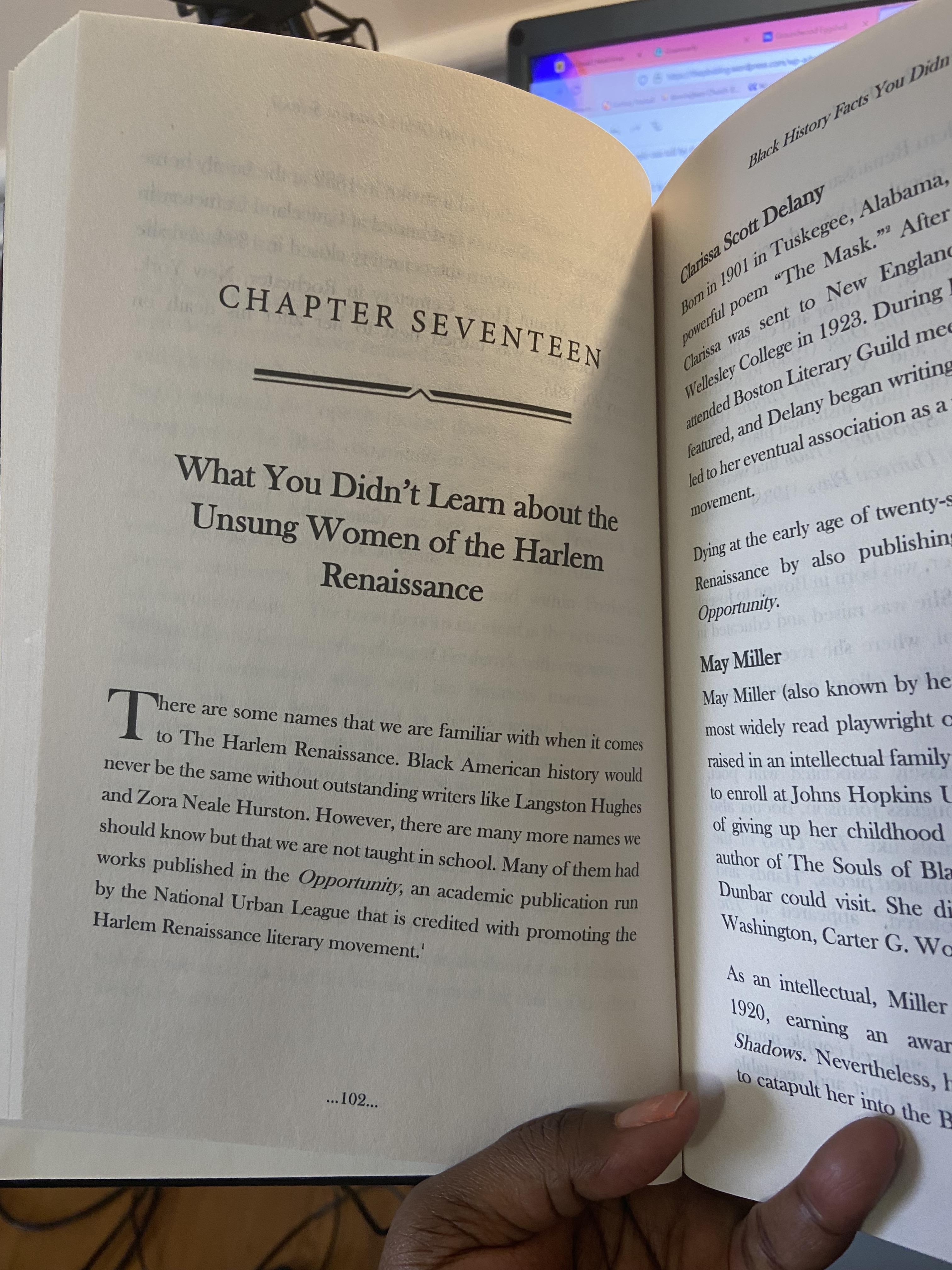
Preorder Your Copy of Black History Facts You Didn’t Learn in School Here!

http://www.blkhistorybook.com | 2.24.24

5 Ways to Use Social Media as Part of Your Book Marketing Plan

Social media is not a marketing plan but can be part of a larger strategy because it is a connection tool. It helps you to find, connect with, and nurture your audience.

It is through these connections that you build the like and trust factor. People believe in you and trust you.

When people believe in you, they buy from you.

Here are Some Ways to Use Social Media as Part of Your Larger Strategy:

Share your journey and inspiration.

Why are you writing this book? Who are some of your favorite authors and their books? What inspired you to write in the first place? What’s the story behind your title? What’s your story?

Follow accounts related to your topic.

Who follows you on social media is less important than who YOU follow. These accounts influence you personally and train the algorithm to show you more of the same.

Engaging with accounts that are relatable to your topic, beliefs, morals, values, and passions will do two things.

First, it will make you aware of trending topics in the news related to your area of expertise, which will help you create relatable content.

Discussing current events related to your book’s genre can be a great way to generate interest and attention while using social media to share your thoughts and insights. This helps build your author platform, authority, and attract more readers to your work.

Secondly, following like-minded accounts and engaging with them will introduce you to more people who might enjoy reading your kind of book.

Center Content Around the Topics/Themes of Your Book

Focus your messaging on connections and themes related to your book. Consider how the post might be educational, inspirational/motivational, informative, or entertaining. Even when I post something silly to TikTok, I make sure it aligns with what I am known for.

My rule of thumb is that the post must have something to do with black history/history in general, poetry, or books in some way. As a result of only focusing on these things, I’ve grown my TikTok account from 3K to 26.1K followers, highest view at 1.5 million, and increased subscriptions to my email list.

Leverage Relationships

Collaborate with other writers, authors, and business people who write books similar to yours or offer a service you can benefit from. Can they get you on their podcast? Review your book? Promote it on their pages? Can they repost/share your book cover? Do they know of anyone who can offer a service related to what you do? As the old saying goes, “closed mouths don’t get fed.” A lot of opportunities to gain exposure comes from simply asking.

Social Proof

We live in a world where most people only believe what they see. Share screenshots of book reviews, excerpts, quotes, and recommendations from others to provide social proof that can help boost interest in your book. This proof can also showcase your writing through blog posts, articles, videos, graphics, and more. Give people a taste of what they can expect from the whole meal. People self-publish books every day so show what sets you apart.

I hope this helps get your 2024 book marketing efforts off to a good start!


Check out more Indie Author Basics articles here.

Preorder Your Copy of Black History Facts You Didn’t Learn in School Here!

http://www.blkhistorybook.com | 2.24.24

The Self-Publishing Debate: Should You Spend Money to Publish Your Book

I didn’t plan on posting today, but there is a debate going on about whether new authors should spend money on self-publishing their books.

In brief, publishing a book you want others to spend their money on will cost some financial investment if you care about your reader’s experience.

There’s a reason authors who sign with conventional publishing houses don’t pay money for editing and cover art. It is because the publisher has a team of experts to take care of that. In exchange, the author sells the rights to their book and receives royalty payments for sales.

As a self-publisher, you are the publisher, which means you are responsible for outsourcing everything you need to ensure a profitable product.

It doesn’t have to be an arm and a leg, but you want to, at minimum, cover editing, a decent cover design, print and digital formatting, and own your ISBN from Bowker so that you are the publisher of record.

Paying someone to publish your book is also not self-publishing.

If you paid someone to publish your book, including editing it and everything else, you have not self-published it. You have paid a vanity press to publish it for you.

I’ve heard too many horror stories from authors who say they will never self-publish again, only to discover they never actually self-published. They signed with a vanity press who uploaded the book to Ingram, and did little more than the author could have done themselves.

But this isn’t about vanity presses. This is about how too many people self-publish because they think it’s easier than all other routes: vanity, hybrid, and traditional. They have not considered if they have the time and resources to self-publish or if it’s even something they are really interested in.

The truth is that not everyone is equipped to be their own publisher, which is fine! First-time authors are not required to self-publish, but if they do, they must recognize the financial risks involved in providing a quality product worth people’s money.

You cannot throw a book together that you claim you didn’t do to make money and then sell this mediocrity to other people.

Cause technically, you can self-publish for $0, but it will look like it.

I blame the existence of this debate on the whole “art” conversation. Authors don’t think they have to invest financially because too many of us consider publishing a book a passion project instead of a business decision.

This is the first mistake.


Check out more Indie Author Basics articles here.

Preorder Your Copy of Black History Facts You Didn’t Learn in School Here!

http://www.blkhistorybook.com | 2.24.24

Blog Book Review Registry: OPEN

Hello good people!

My book review registry is back open. I am ready to read and support the best Indie Books around. Please take the time to read through my blog book review policy below. This same policy can also be found on its own page here.

Many times authors ask for a review from book bloggers without checking to see if they have a system in place first. This negligence to be thorough and get to know the blogger almost always leads to a resounding silence. This is a hard “No,” from the reviewer so please, understand my policy before you request a review.

What is a Book Review?

A book review is a form of literary criticism in which a book is analyzed based on content, style, and merit. A book review may be a primary source, opinion piece, summary review, or scholarly review. A book review’s length may vary from a single paragraph to a substantial essay but can also be as short as a single sentence. Book reviews help encourage readers to purchase a book, acts as social proof, helps with an author’s Amazon ranking, and increases the book’s visibility.

About Yecheilyah’s Reviews

I have reviewed over thirty books (thirty-six to be exact) by over thirty different authors spanning five years. My authors include both new and Best Selling writers from all over the world. The PBS Blog has been on Reedsy’s Best Book Review Blogs since 2017 and still holds a spot in 2020 as one of it’s vetted catalog of active book blogs and thoughtful, quality, book reviews. My reviews are honest and thorough without giving away spoilers.

“It’s not just because she reviewed my novelette, All Good Stories, and gave it 5 stars, I’m writing about her because she gives great (and helpful) reviews. In a market, so full, it’s hard to choose what to read, isn’t it? We really need reviews these days that go beyond the minimalistic, “I liked it,” to know what we’re investing our money in. Because money doesn’t grow on trees. Neither do books anymore, for that matter.” – Linda G. Hill, author, All Good Stories.

How to Apply for a Review

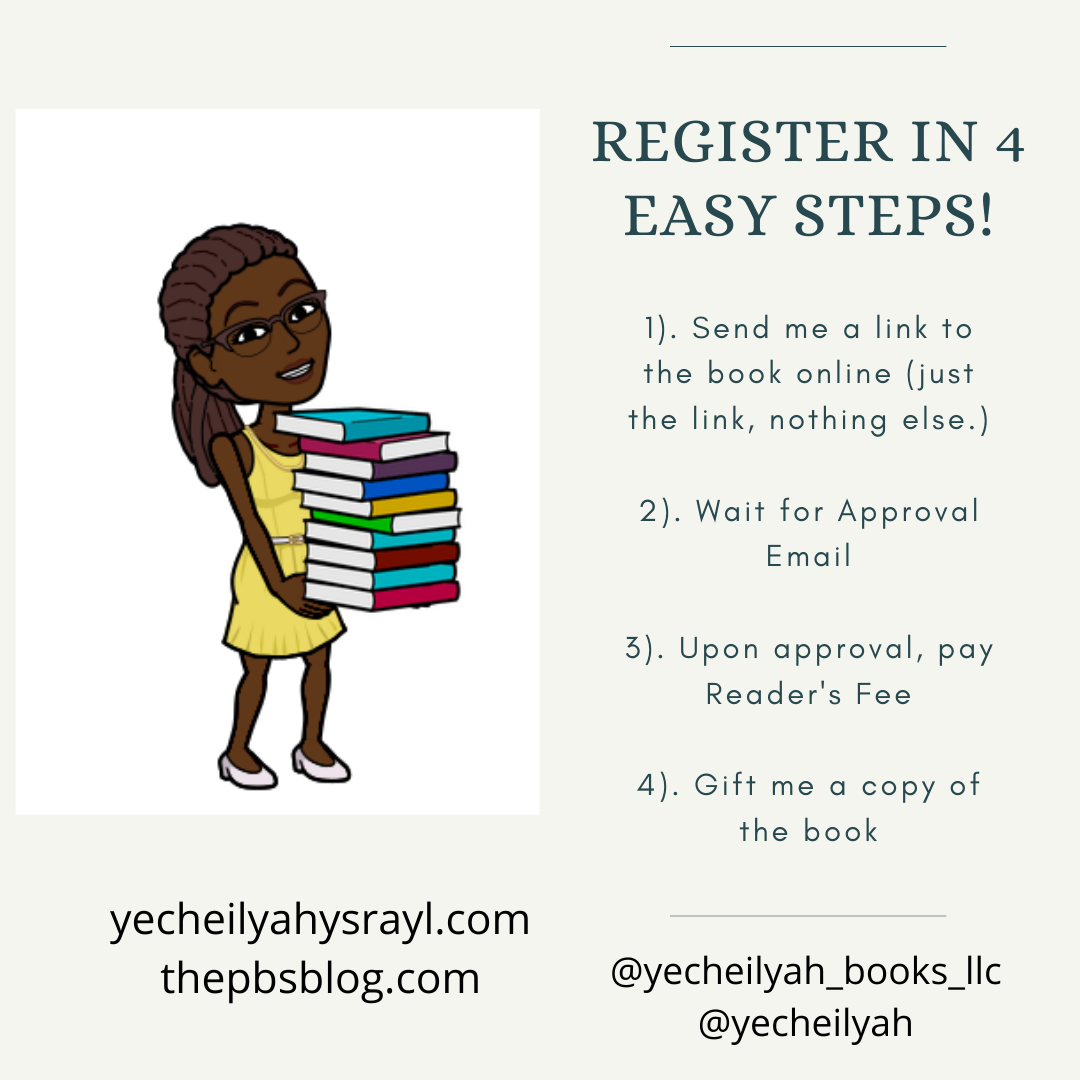
1). Email me the link to your book on Amazon.

Put Blog Book Review Request in the header and do not send anything  but the link to the book. I don’t need the title or description. Just the link.

If the book is not published, send me the title, description, and book cover if you have it. Email this to yecheilyah@yecheilyahysrayl.com. This is only if the books is not published.

2). Wait for approval

I will email you back and let you know if I would like to move forward and review your book. Please allow 2-3 business days before hearing back from me.

3). Upon approval pay the readers fee* through the main author website.

If I choose to review the book there is a small reader’s fee. Pay the fee through my site at this link.

*If your book is not approved for a review you will not have to pay the fee as I will not be reading/reviewing the book.

*The reader’s fee does not guarantee a positive review, nor is it payment for an Amazon review, which is against Amazon’s terms of service.

4). Gift me a copy of your book.

If your book is published:

  • Gift it through amazon to yecheilyah@yecheilyahysrayl.com.

For published books I am no longer accepting PDF documents. You must gift me the book.

You may send an epub or mobi file directly to my kindle email address at yecheilyahysrayl@kindle.com. PDF documents are acceptable if the book is not published.

If the book is in Kindle Unlimited you won’t have to gift it. I have a KU account and I can grab it for free.

  • You may ship me a paperback / hard copy but let me know this in our email correspondence.

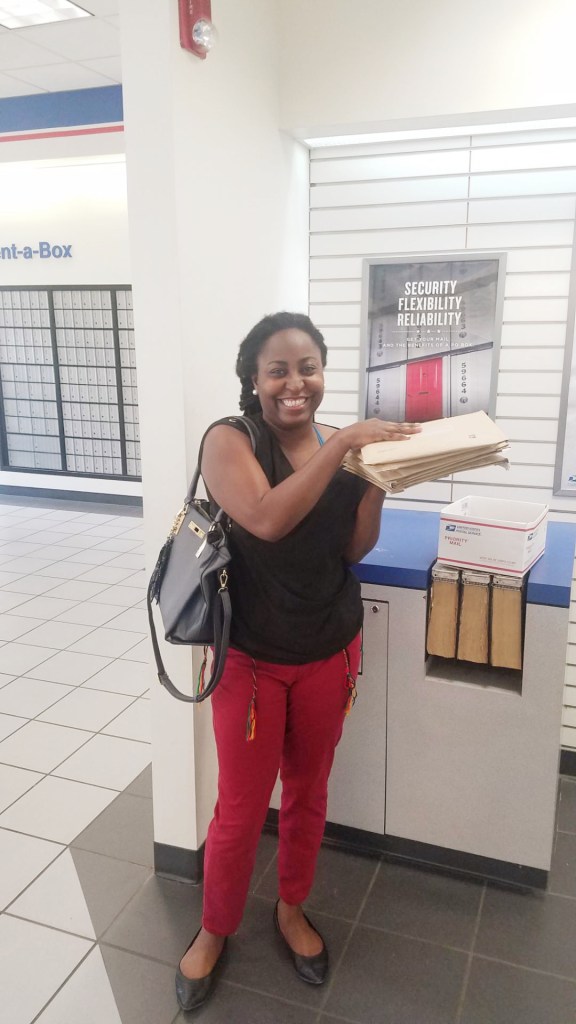
Pro. This option will allow me to post a picture of the book on Social Media! (If I reviewed your book as an ebook and loved it, you can always send me a paperback if you want me to go the extra mile and post a pic to sm!)

Con. This option is a longer turnaround time on the review since I have to wait for it in the mail, read it, and then review it. I do not recommend this option if you are in a hurry for feedback.

Honest Reviews:

I take the “honesty” part of the honest review seriously. If you’re looking for someone to sugar coat feedback of your book, I am not the reviewer for you. I invest much time and attention to the books I review. I do not skim through your writing, skip large text, or copy and paste the book blurb from Amazon. I take my time to read.

As a professional book reviewer and Indie Author, I consider it my responsibility to promote the best, so I am not cutting corners this year. If your book is full of typos and errors, you lessen the chances of being approved for a review. Excellence is a priority.

If your book is approved, I rate on the scale of 3-5 only on this blog. If your review falls below a 3-star rating, I will email you the report and my thoughts — only scores of 3-5 qualify for a published feature and spotlight on this blog.

Rating System

Only ratings of  3 – 5 are published on this blog.

Rating meanings vary between reviewers but here are mine.

  • Plot Movement / Strength
  • Entertainment Factor
  • Characterization
  • Authenticity / Believable
  • Thought Provoking

*Poetry ratings will differ from other books:

  • Presentation
  • Thought Provoking
  • Creativity / Authenticity

Five StarsAmazing, Outstanding

This book was hard to put down and is highly recommended. It was well-written, wasn’t preachy, included fully developed characters who were relatable and realistic, masterful use of language, an engaging plot, and a satisfying ending.

Four Stars – Very Good

This book is delightful and well worth the read. Great story with only minor weaknesses that may include aspects of plot/dialogue/character development.

Three Stars – Nice

This book was lovely. The writing and storytelling are sound, but several aspects could be improved. The author may have too many editing/typo errors, too much telling, or I couldn’t get into the story as much as I’d hoped, but it was enjoyable.

In the event you receive a one or two-star personal review from me:

Two Stars – Not Recommended

This book did not fully capture the reader’s attention or interest. Admirable attempt but needs more attention to plot/dialogue/editing/formatting/character development.

One Star – Poor
This book has significant issues with text that outweigh any enjoyment by the reader. Poorly written, preachy, unprofessional editing/layout/printing; needs considerable revision to deserve the reader’s time.

My Favorite Genres to Read/Review:

  • Black History
  • Fiction (Literary/Historical/General)
  • Memoirs
  • Self-Help
  • Motivational / Inspirational
  • Poetry

Pro Tip: It is best that you try to send reviewers books they are  most interested in reading!

Genres I Don’t Review

I do not currently review the following genres. It is not intended to be discriminatory in any way. Thank you for understanding:

• LGBT Fiction / Literature
• Erotica*

*Romance is okay, but not strict erotica.

IMPORTANT:

a. I do not accept unsolicited requests for reviews. Do not email me a digital copy of your book if we have not already corresponded through email using the steps mentioned above.

b. Agreement on my part to read a book does not imply blanket authorization to send me other works of yours (including books in a series.) You must follow these steps for each book you want to be reviewed.

c. Turnaround time for receipt of the review depends on the length of the book. Naturally, shorter texts are read and reviewed quicker than longer books.

Helping Indie Authors Amid the COVID-19 Pandemic

I’ve been spending my social distance-time staying at home as much as possible, reading books, writing books, catching up on some scriptures, enjoying time with my family and binging my favorite TV shows. Earlier last week I got an email from someone whose email I don’t remember subscribing to, but, it mentioned the point that Self-Publishers are small businesses too.

And I concur.

Small businesses are taking a big hit amid the COVID-19 crisis and I thought I’d share a way we can help Self-Publishers in this time of uncertainty.

Buy the author’s book directly from them if you can.

If the author has a website, purchase a paperback or digital version of the book from the author’s website. If you are an author and you don’t have a website or you’re not selling through your website, Joanna Penn’s article here goes into detail on how to set up a store.

Something to keep in mind:

Amazon pays authors royalties for print and ebook sales. A royalty is a percentage of a sale. An ebook going for $2.99 at 70% according to Amazon Kindle Direct Publishing will make the author $2.09. This means the author will have to sell at least 10 ebooks to make $20 and still have to wait a month to see that.

“If you publish through traditional publishing, royalties can take many months to arrive. You can’t control the schedule of payment and you don’t get any details of the customers.

If you publish independently through online publishers like Amazon, Kobo, Apple, Google, and other distributors, you will get your money sooner — but it will still be 30-60 days later and once again, you don’t get any details of the customers.”

Authors who sell direct can buy author copies of their books in bulk at a discount, sell those books from their website and fulfill the order themselves. The author also gets to see who their customers are which helps them to build a stronger relationship with them.

I wouldn’t be keeping it authentic if I didn’t also mention authors will have to account for shipping, state tax, and whatever website fees are associated with their platform of choice. The benefit, however, to selling direct is that the author doesn’t have to wait 30-60 days to get paid.

If the author got ten print book sales at $20 through their author website, they’ve already made $200 and $200 in the age of COVID-19 can be very helpful to families. Consider that most Indie Authors with day and night jobs are either working from home or not working at all. People are being fired, furloughed, and layed off left and right. Besides this, if we are being honest, some Indie Authors don’t even see $200 in royalty checks from Amazon from their Self-Published books.

Of course, there are pros and cons to everything. The major pros have already been stated, you are helping a small business to keep going at a time when money is scarce for everyone. The cons for authors include:

  • Not having the sale go toward your Amazon sales or ranking.


  • You must have the right to sell through your website first. You can’t, for example, sell your digital book anywhere outside of Amazon while enrolled in the KDP Select program and if you are signed with a publisher (includes Indie Publishers) you might be restricted from selling your print book through your own website depending on the details of your contract. You will have to check this and see.

“Many authors are so obsessed with chart rankings on Amazon that they forget the point is to reach readers who love our books — and for many of us, make a living with our writing. Selling direct enables readers to support us and money to arrive in our bank accounts quickly — but you will not see a spike in your Amazon rankings. So what do you really want?” – Joanna Penn

Here are ways to help Indies Amid the COVID_19 Pandemic:

  • Buy Directly From the Author (from their Website) If You Can.
  • Those ebook sales do add up. If you can’t afford the print book, buy the digital book.
  • Be sure to leave a review on Amazon so the author can attract more readers and get more sales.

Read Joanna Penn’s entire article “How To Sell Your Books Directly To Readers And Get Paid Immediately” here.


Book 2 is on the way! Get started on Book One.

Order a Signed Paperback* Here

Get it in ebook here.

*Due to the COVID-19 Pandemic, stay-at-home, and shelter in place policies I am shipping books in shifts so I don’t have to keep going out. If you want to be included in this week’s shipment, be sure to place your print book order today so you don’t miss it! Paperbacks are signed and includes my author seal.


Want more Indie Author Tips? I’ve written over 50 articles sharing my tips, process, and publishing journey as an Indie Author. You can find them on this page. Enjoy!

Quality over Quantity: Why I Pulled My Trilogy from Amazon

These books may still show up but they will be completely removed (out of print) soon. They will be relaunched with new edits and covers.

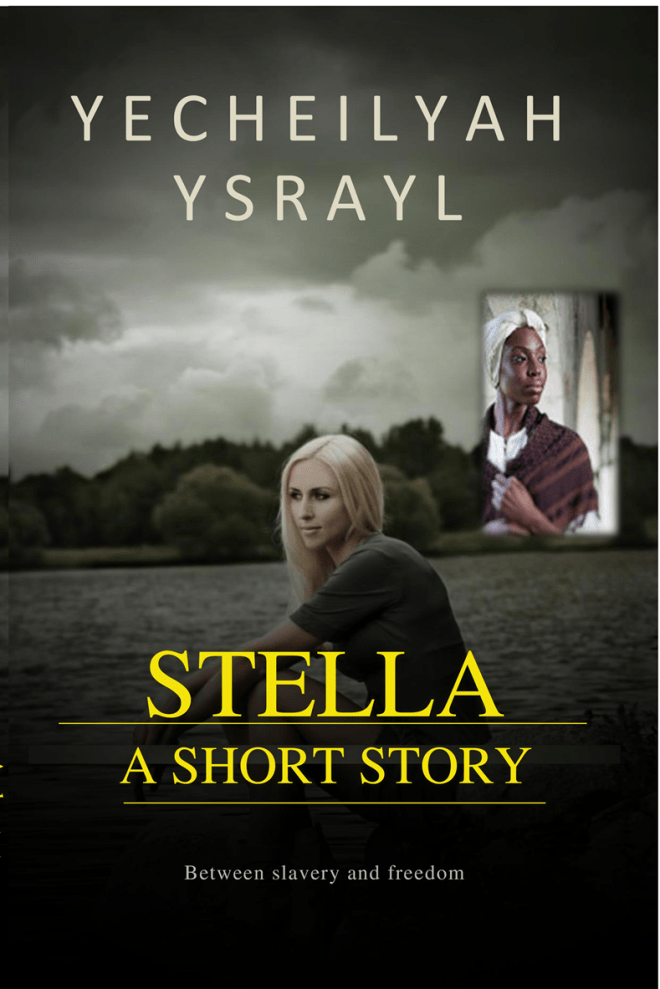
The Stella Trilogy put me on in more ways than one. It was the first time I got reviews on amazon for my books (I knew nothing about amazon when I started) and the Stella Trilogy book signing made me enough money to pay my bills and then some. It was the first time I saw real money from my writing and it was all from selling paperbacks (I always sell more paperbacks than ebooks. Unconventional for some, but this is how it has been for me). I also won my first award, an appreciation award given to me by my readers.

The Stella Trilogy changed lives.
The Stella Trilogy changed minds.
The Stella Trilogy is how I widened my readership.
The Stella Trilogy helped me to level up and step outside of the box.

The Stella Trilogy was groundbreaking for me and it is precisely for this reason that I am pulling her from Amazon and my website… for further editing.

The books are undergoing makeovers, a fresh edit, and new covers. For those of you who’ve read it, you know the books are short and as my #1 priority outside of the coming poetry book and Lit Mag Magazine; I hope to have them back up by the end of this year. I am not slacking on this. Stella made a big impact, and she needs to be back up soon.

The year is 1864 in Louisiana and the story slips back in time introducing Grandma Stella’s Great grandmother, Stella Mae, age nineteen years. Stella Mae begins her story with a memory of how as a child she was forced to use the facilities designated for “niggras only.” Young Stella Mae tries to reason out why her Mama can’t walk into the front door of the general store and why they can’t use the restroom everyone else uses. Even at a young age, Stella Mae could sense the inequality in her existence. – Colleen Chesebro

I have come a long way since 2015 when the first Stella book released. As a historical series it’s important to me that the book is as superior as I can afford to make it. Now that I have my foot into the schools, I hope to one day have the series taught as part of the curriculum. I have so much hope for these books and so many visions for what they can become.

The sky is not the limit. There are no limits.

I was different. It might give you a slow start but being different is gonna carry you a long way.” – Master P

I am not a fan of most rap music and never was. I like a few old school tracks from Talib Kweli and Common, but I’ve never really been into rap marketed to my age group (although I danced to it in my teens at parties lol). I was always an R&B type of person. I still remember the days my sisters and cousins used to record music videos on VHS and fall asleep watching them. We also recorded songs from the radio on cassette tapes so we can listen to it repeatedly. Despite not being a fan of the music, I admire Percy Miller aka Master P more than any other rapper. I admire him because I think people underestimate him which is precisely why I think he does so well in his business endeavors. I admire him for his commitment to being Independent and using his faith as a catalyst to propel him forward.

Indie Authors, Don’t Be Afraid to Revise Your Backlist

With great authority comes greater responsibility. As we grow and mature in our understanding of this publishing thing, more will be required of us. I know that a poorly edited book could damage my reputation not only as a writer with influence for excellence but also as a teacher and as a lecturer.

I published the first book I ever sold in 2010 and I knew nothing. The book was not edited and had never been available on Amazon. This taught me two lessons:

  • Begin where you are. Take the first step “even if you can’t see the whole staircase” (MLK).


  • After you have taken the first step and put yourself out there, make changes as you see them. If your first book was poorly edited, take it down and get it edited. You didn’t know better at first and that’s okay. But then, once you know better, do better. Do the best you can, until you know better, to quote Maya Angelou. “Then when you know better, do better.”

Do not think for a second that we are not responsible for the knowledge we have. Do not think we are not responsible for changing our behavior as we learn and grow. The quality of the books we put out shows readers what we think of ourselves and also what we think of them. Quality must always supersede quantity. I temporarily removed these books because the quality of the work I put out is more important to me than feeding my own ego of having “published x amount of books.”

It was exciting at first to publish book after book. Like anything we do for the first time it was fresh. As I have grown and as I grow, I value more where these books are going and how they are influencing the world much more than how many of them there are.

Now, for my Stella fans:

I am not changing the core of the story. I am editing the books for better readability and understanding. I am also changing the covers so all the books in the series look the same.

About.

Stella is a work of Historical Fiction and is distinctive in its focus on one woman’s road to self-discovery, against the backdrop of the African American fight for justice, racial equality, and freedom.

The 3-Part series focuses on the history of one family in their struggle for racial identity. Discover in this Trilogy how three individuals living in separate time periods strive to overcome the same struggle, carefully knit together by one blood.

  • Between Slavery and Freedom (1)

We deal with enslavement and freedom both physically and psychologically.

  • Beyond the Colored Line (2)

We deal with passing, self-love, and racial identity. If you were a Black woman living in the Jim Crow era and light enough to pass for white, would you? 

  • The Road to Freedom (3)

We deal with the Civil Rights Movement, Freedom Rides, and the impact our choices make on the next generation.

Coming (Back) Soon