
This is always on the playlist when my husband and I hit the road and we know its going to be a long drive. Groove into your Thursday with this smooth sexy jam here….lol
Tag: pbs
Critique a Piece of Work – “A Raisin in the Sun”
I love experimenting with symbolism and imagery in my writing and in my poetry. Last year, I participated in a Writing 101 assignment that asked us to Critique a Piece of Work, in which I shared my thoughts on Gwendolyn Brooks “We Real Cool”. I thought that would be fun to experiment with again today.
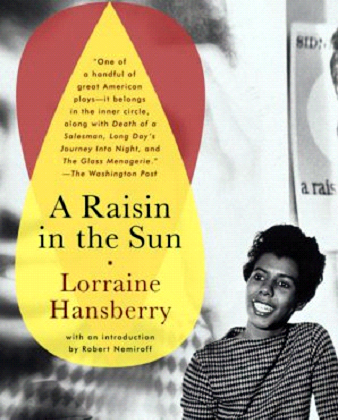
Lorraine Hansberry’s “A Raisin in the Sun” is the classic play by Lorraine Hansberry that was performed on Broadway in 1959. The title comes from the poem “Harlem” by Langston Hughes. A Raisin in the Sun is a piece that is loaded with symbolism.
To start, heat from the sun is very intense and it drains just as much energy as it gives. It is exhausting and causes death to those who cannot escape a temporary refuge away from its obvious danger. While some sunlight causes plants to grow, too much sun can be destructive.
Raisin
Raisins come from grapes that are dried out by the sun. The sun sucks its moisture and nutrients until it has withered dramatically. However, dried grapes writhe and get small, but they do not turn to mush and rot. (Which is totally awesome. I love raisins!)
A raisin in the sun is symbolic of a family’s dreams under the intense struggles they must endure to reach it. It symbolizes that the family’s dreams and hopes for a better life will never dry up, but more importantly, their dreams will never rot despite the intense struggles they are under.
The Plant
The plant that Mama keeps near the apartment’s sole window is barely surviving because it lacks adequate nourishment. Yet she is completely dedicated to the plant and lovingly tends it every single day in the hopes that it will one day be able to flourish. This is by far the play’s most overt symbol because the plant acts as a metaphor for the family.
Cockroaches, Rats, etc.
These creatures heavily reinforce the Younger family’s undesirable living situation.
Sunlight
Hansberry writes about sunlight and how the old apartment has so little of it. The first thing Ruth asks about in Act Two, Scene One is whether or not the new house will have a lot of sunlight. Sunlight is a symbol for hope and life, since all human life depends on warmth and energy from the sun. Light is also symbolic for truth. It is the truth that truly sets a people free.
Prepare to be Wrong
Francis Johnson Webb
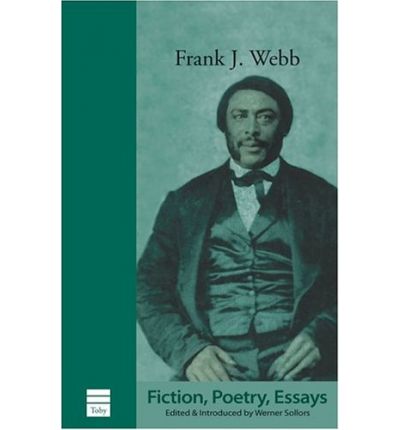
Francis Johnson Webb, newspaper editor, is the second published African American novelist. He was born free on March 21, 1828, in Philadelphia to Louisa Burr and Francis Webb. His father, Francis Webb, served as founding member of the Philadelphia distribution agent for Freedom’s Journal*, the first black newspaper in the nation.
Freedom’s Journal was the first African-American owned and operated newspaper published in the United States. Founded by Rev. Peter Williams, Jr. and other free black men in New York City, it was published weekly starting with the March 16 1827 issue.

PBS Customer Review Surprise
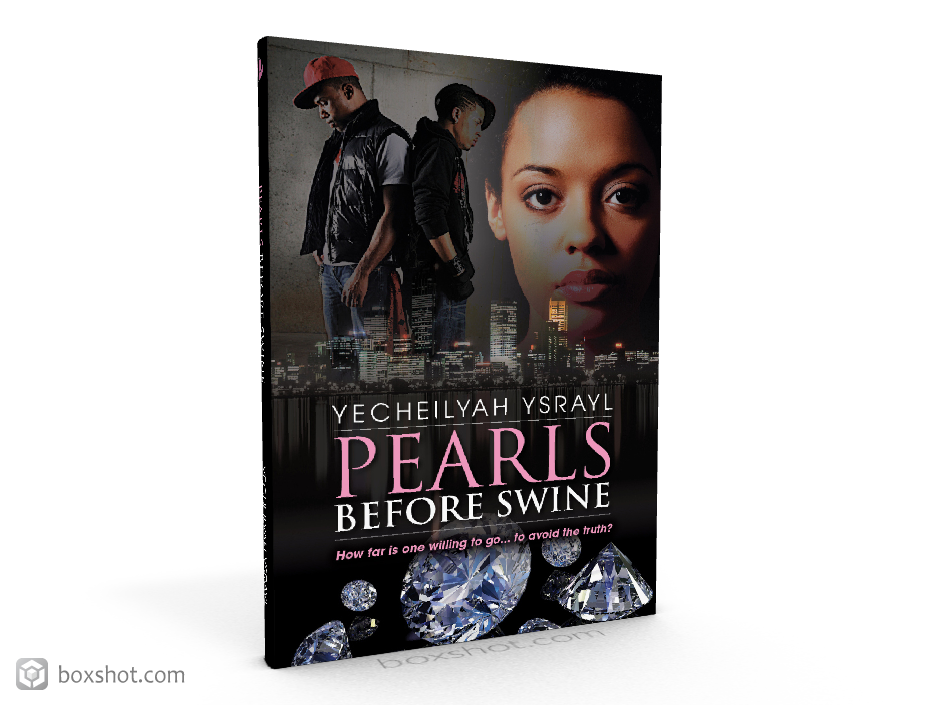
In 2014, I tried my hand at writing a screenplay that reads like a movie script. I figured, OK well, since the writing moves like a movie in my head, why not? Of course, I would like to try my hand at all genres eventually. Anywho, July of this year will mark the 2 year anniversary of Pearls Before Swine so you can imagine my delight to log into Amazon and see this customer review for it! Of course this review was left some months ago but I had not seen it for some reason. Long story short, last thing I was looking for is a review from PBS. I wouldn’t say that I’ve forgotten about it, but I was pretty lazy in pushing it back then. Time truly flies and it just seems like I knew so little then in comparison to today in relation to book publishing. As I think about it, I think its because I wasn’t as into Book Reviews. I didn’t understand the value of them back then as I do today. But as I hold the book in my hands, I am still very proud of what the Designer did to the cover, and what the editor did to the interior. Shout out to Andre Hawkings of Kenosis Innovative Designs and Cynthia Brooks for hooking me up. Below is a screenshot of the surprise review. It truly made my day.

Phillis Wheatley

Alrighty then, let’s get started. Of course, those who know me, even slightly, know that I’m a “365 day a year black history frantic”, but I love black history month because its the time of year where black people’s minds are the most open and willing to be in tuned with back history and that, despite how small it may seem, is worth investing in. Yes, I am saying that you (black people) should invest in your people’s minds. If ever you can capture a moment where they are most in tuned, you should do so. Yayy.
So, without further ado, let’s get started.

First up is Phillis Wheatley, first (recognized) black writer. AND (yes and) she was a poet. So, I don’t know, that’s like extra credit or something write? ( I can spell right, I just didn’t on purpose…duh). OK, my humor is not funny, which is why I’m not a comedian…on to Wheatley…
The First African American Writer
The first African American Writer is a statement I say lightly. I say it lightly because we do not know if she was the first. She is only recorded as the first because her work was published and that makes it legitimate in this society. So, as the first recorded black woman writer, Phillis was the first to make a name for herself while still under the bondage of slavery. Brought from Africa as a child and sold to a Boston merchant, Wheatley spoke no English initially (as didn’t many of her people) but by the time she was sixteen, under the tutorship of her owners, had mastered the language. Her interest in literature led her to write and publish Poems on Various Subjects in 1773.
I’ll Carry It With Me
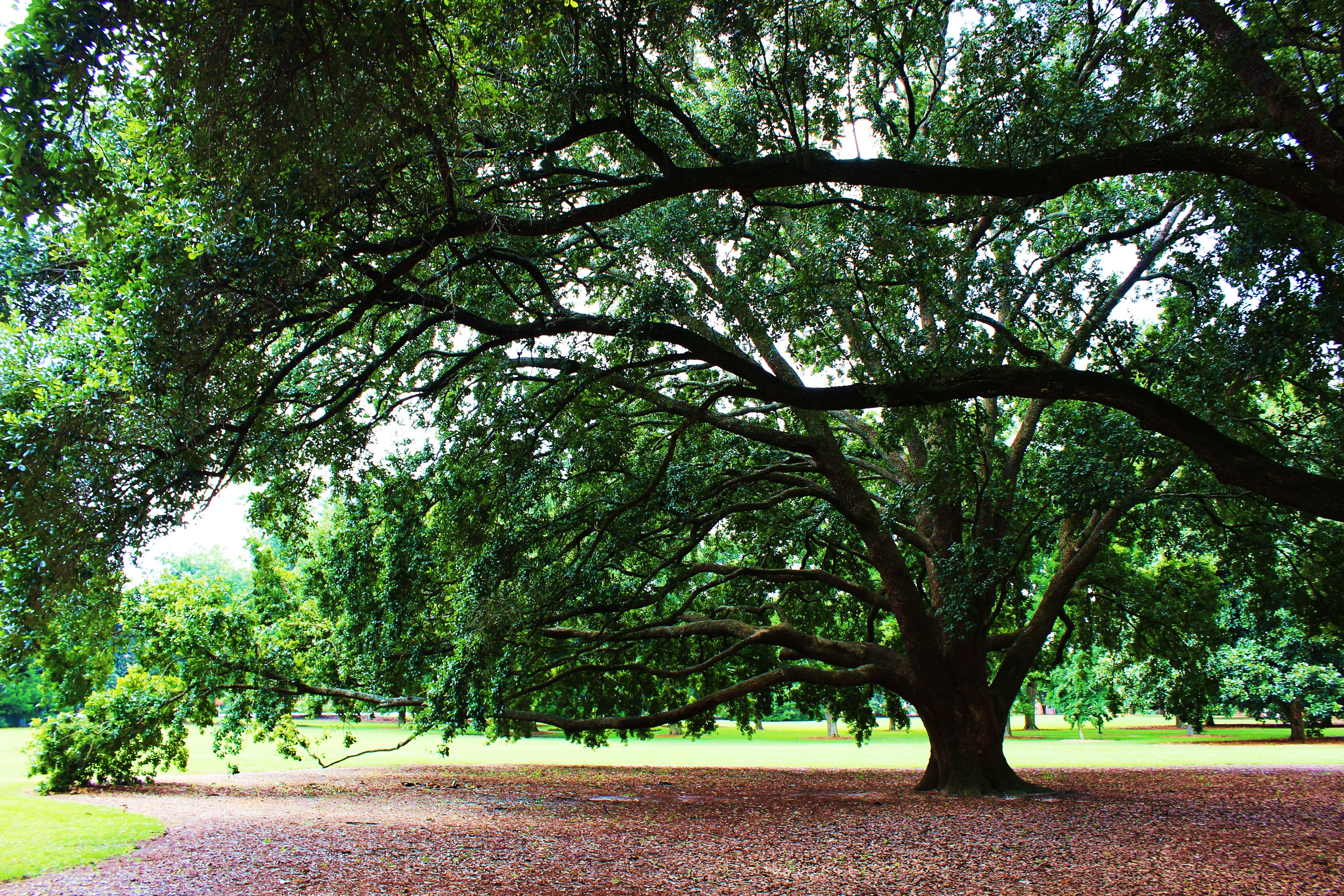
From the bowels of the deep south
To the place of the rising sun
She’ll stretch her roots to the ends of the Earth
And her scent to the universe edge
From the Nile
To the Euphrates
Her soul is Langston
And has grown deep like the rivers
On her bark
Are the names whipped out of her ancestors skin
Pocketbook scriptures ripped out from underneath their tongues
And she stands there
Towering over the people who pass her by
Singing their song in the wind
She remembers the scratchy fiber
It was course and woolly
Like Nyongo’s hair
When they tied her arms
Around the Magnolia
She was there when Moses died
They buried his bones under the shadow of her roof
Tied bright yellow ribbons to her branches like shackles on her arms
So that Tubman can tell that she was a slave
And carry her falling leaves to freedom
She sings her song
From the bowels of the deep south
And the deep North
clean across the Atlantic
And on up to Spain
Where the ships of Tarshish came first
But you will never know of it
Not when you see her standing there
All tall
And full of pride
her petals are soft and delicate
and burning passion like the sun
But I won’t forget
I’ll bottle her scent and carry it with me
The history of her children
The memory of the hanging tree
 The PBS Blog