Advice for Moving on: Leave Quickly & Don’t Look Back

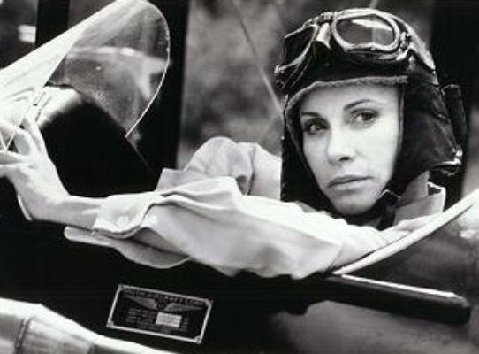
2444_Beryl_Markham_photo_1

“I have learned that if you must leave a place that you have lived in and loved and where all your yesteryears are buried deep, leave it any way except a slow way, leave it the fastest way you can. Never turn back and never believe that an hour you remember is a better hour because it is dead. Passed years seem safe ones, vanquished ones, while the future lives in a cloud, formidable from a distance.”  ― Beryl Markham, West with the Night

Writing Desire

haworthbiggest

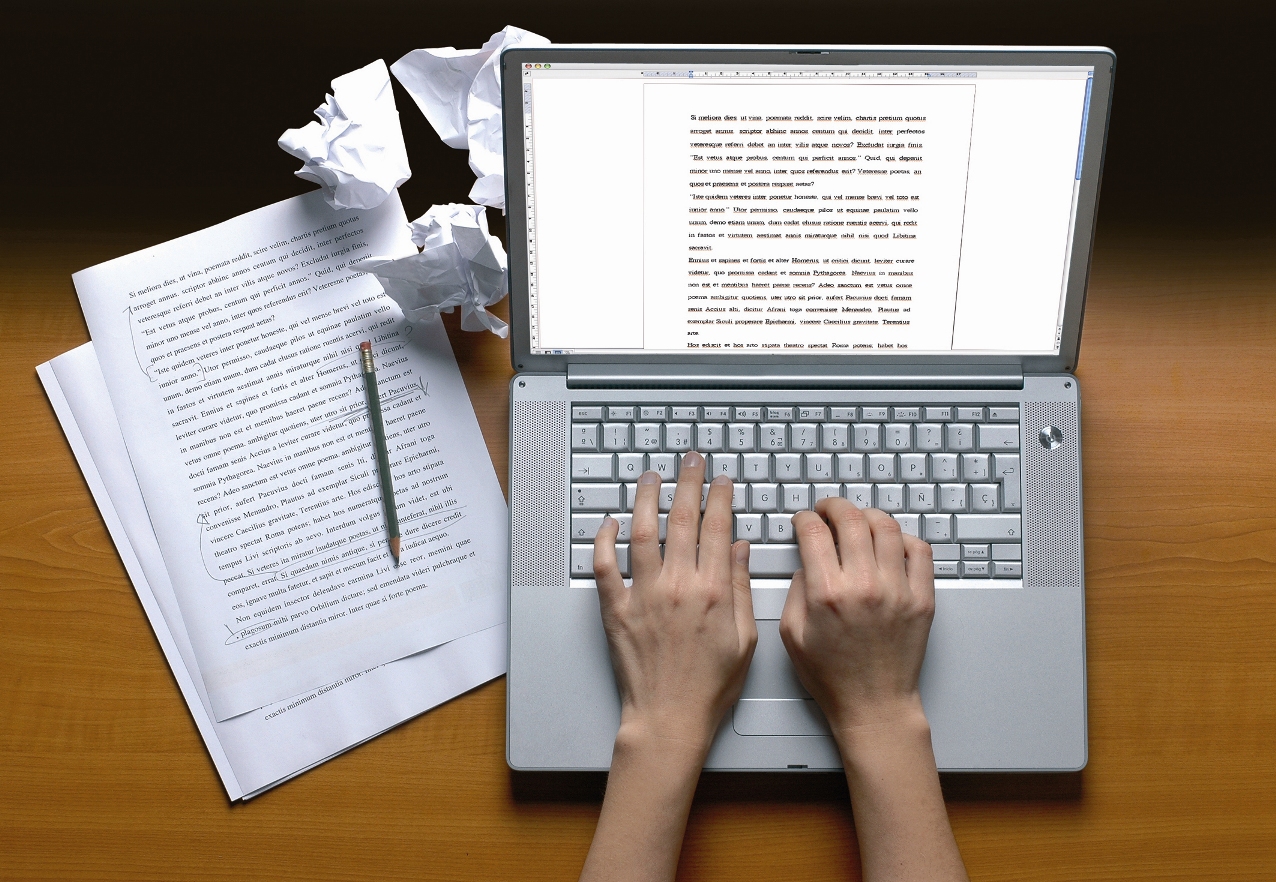
As the hours turn into days and days into weeks and weeks into months and months into years, what keeps a writer writing? This is a question posed by writers, bloggers, poets, victims of writer’s block, etc. It is a question begged to be answered by the blank stare of white paper, literally or digitized into Word Documents and notepads. But the answer is simple: what keeps a writer writing is his desire to write. His need to pluck at random thoughts and stitch them into language. Sometimes it is a line or two, sometimes a whole paragraph, sometimes an entire manuscript, sometimes a poem, anything to keep writing; a transcribed confession of the heart that must be communicated on paper. Anything you want to do can only be done if you want to do it. It is a lesson that applies to positive and negative, good and bad, right and wrong. To right my wrong I have to want to do it. To strengthen my right I have to want to do it. To write I have to want to write.

imagesWriters are often told that doing more of it sharpens the skill, this is true. You’ll become more familiar with your individual writing style and your individual writing voice by doing it more. But the key to getting this far is to actually want to do it. What are you willing to sacrifice to ensure that you keep writing? Perhaps you’d like to set aside 15 minutes a day. This alone can make a big difference in shaping your writing habits and inspiring you to want to write more. Whatever it is, there must be an unquenchable desire to write in order to continue to do so. This desire may be influenced by a lot of things, but nothing should be able to kill that influence itself. It is untainted by the greatness or failures of those before or behind you. They are just grand instruments striking a cord at your beloved longing. Striking against the wanting in your chest and fueling a fire that just makes you want to write even more. The desire to write, it is the undying flame, and the living water. Even if you are your own audience, your ambition to create and invent and revolutionize through words is something you always hold on to.

Self-Publishing: Just Write

46-FE3-Self-Publishing
I’ve heard enough criticism of Indie Authors and self-published books to last a lifetime and for the most part, I agree with them. I believe a lot of self-published books are low in quality. I think the editing and proofreading of some of these books suck, and I think some of the book cover designs are far from eye-catching. But I also believe we are overlooking one major detail:

Untitled-1
Many books that are published by big Publishing Companies have some of these same problems, but no one is going to talk about that because after all, who wants to stand against St. Martin’s Griffin? No one will talk about these poorly written, and sometimes poorly edited books published by some of the most famous Publishing Companies. It is because these books have the reputation of professionalism. They are backed by publishing houses with teams of support systems that Indie Authors simply do not have. Is this an excuse? Of course not. But what I would like to suggest to Indie Authors is this: JUST WRITE.

Self-publishing-300x300Produce a professional product and keep producing. Your content may suck at first but you will never please everyone so just write. Write and invest in the  professional quality material. Identify the readers who like what you write and engage them. Self-Publishing is a slow game. So don’t go into get rich or die trying. I would even suggest you have another career on the side for bills sake and livelihood because it will be awhile before you start making real money from your book sells. This will not only assist you in life outside of writing, but it will help you to invest in your own writing. You should never solely depend on your writing career financially starting out because everybody knows writers do not make much money. Traditional Publishing or Self-Publishing, we are not ballers so don’t set yourself up for disappointment by raising the stakes too high. Ambition is great, but this is a slow process in which Indie Authors need continual improvement by producing plenty of books.


r-INDIE-TRADITIONAL-PUBLISHING-600x275

It is at this point that you will need to identify your writing goals. What is it you want from self-publishing a book? Is it to make the New York Times Bestsellers list? Is it to entertain your circle of friends only? Why are you self-publishing a book? This is a question only you can answer and depend on what that answer is you will have to take it from there. Your motivation, however, will have to be deeper than making money. I’m not talking about finding god and all that extra stuff. This ain’t church. I’m talking about your personal inspiration because whatever that inspiration is it will have to be the driving force behind your will to keep going. There will be frustration after frustration  in an industry to which, despite failure, you must continue to produce. It’s exciting initially because you’ve published a book, which is a huge accomplishment, Yay!! Go You! But what now?

121-h_main-w

You set it up in your mind that the money will start pouring in and it doesn’t happen. That’s because it doesn’t work like that. Not even for writers who traditionally publish. As I’ve stated, a lot of Self-Published books suck for various reasons but don’t let the industry fool you:

Traditionally published books do too.

You think these books are automatic bestsellers? You think they’re striking gold? Nope. That’s the illusion but I’m here to tell you: writers don’t make money. At least not at first. Not Self-Published writers or Traditionally Published writers and you can take that to the bank and cash it.

So what do I propose? Do you throw in the towel? Do you do away with that manuscript? Do you stop here? No. You pass go, collect $200 and use it to keep writing. Whether your aspiration is to publish traditionally or Self-Publish, just write. But dedicate yourself to it. Here are a few tips to help get you started:

– Good Editing / Proofreading

– Nice Book Cover Design (FYI: Most major publishing houses buy multiple stock images from places like Getty images and combine them using Photoshop. Wanna know the secret to that nice book cover? I just told you).

– Formatting

– Easy to Follow Structure

– Jaw dropping opening scene

Keep it simple, keep it professional, and keep it coming. Don’t worry too much about the formalities and all that extra stuff these so called professionals keep telling you because your story probably does suck to them, but that don’t mean it’s not a masterpiece to someone else.

Just keep Writing.

Mail

mailman

“Here’s the mail that never fails, it makes me wanna wag my tail, when it comes I wanna yell, MAIL!”

Yea yea, I’m quoting Blues Clues. I know were supposed to all be grown and boring and stiff, but I still love getting packages in the mail. It’s a building anticipation of something good. A private party thrown by some invisible person who selected you specifically because you’re just special like that. You tear into the package with the beating heart of a child. Doesn’t really matter what it is, it’s just that it’s there and it’s yours and that’s all that matters in the world. One important attribute we should never lose as we age is appreciation of the little things. Children are so content sometimes with the simplest of things. They are so keen in to the moment itself that nothing else matters in the world. Yesterday has gone and tomorrow may never come. All we ever have is this moment and the taking advantage of what it offers. Life is serious enough; each day already packed with its own set of circumstances. That said, I would love to sit and be mean with all you grown people who don’t really know what it means to curl your mouths up into that positive looking gesture, however I just got books in the mail I am dying to devour; we can complain about your problems later.

Books Every Woman Should Own

One of the things very few people know about me is that I’m a Certified Medical Assistant with a focus in Phlebotomy. I’ve also been trained by the American Heart Association for Pediatric First Aid, and Adult CPR. No one knows this because I simply don’t talk about it. I don’t offer too much information about myself unless I feel it is warranted. Plus, writing is way better.

Anyway, I can’t remember the last time I was really sick. Whether we’re talking about flu’s, colds, it’s been awhile and it’s been awhile for my husband as well. That’s because if you look around your house, there is probably a cure to almost everything you would normally run to the doctor for. In fact, there’s pretty much nothing you cannot cure with Herbs and a little bit of common sense.

Below are some books I have collected over time that I think every woman, especially every mother, should own:

Herbally Yours by Penny C. Royal:

41iVF1PuDwL

I call this book the “No Strings Attached” Herb book because it is literally a complete list of Herbs and Herbal combinations you could use for a variety of ailments without an agenda. With the exception of the introduction (which I opt to just skip), it is an alphabetized list of natural herbs to help with anything from High Blood Pressure to Infertility. It is also easy to follow. You can probably find it for real cheap on Amazon. My mother’s name is also Penney so it’s possible I’m just being biased :).

Home Remedies Health Handbook by John H. Renner, M.D., and the Consumer Health Information Institute:

ms7tXUaG8s2Lieqe5Ex4V2g

This book is a great compliment to Herbally Yours. If you buy Herbally Yours you have to buy this one too. That’s because while Herbally Yours gives you the list of Herbs to use, this one actually shows you how to use it! It’s got a lot of cool tips and gives you practical knowledge on how to care for over eighty common health problems. From constipation to tooth aches, the common cold and even diaper rashes, this book’s got you covered.

Natural Cures and Gentle Medicines by the editors of FC&A

$_35

This book is great on information about diseases and common aches and pains. It has information on Alzheimer’s disease, Asthma, and even exercises to escape back pain. And get this: there’s even something in here on hiccups! That’s right, there are things you can do to stop hiccups. One exercise I do that works for me is that when I feel a Hiccup coming on I hold my breath. I know I know you’ve heard this before. But the trick to it is being able to hold your breath long enough. Hiccups occur when a ripple contracts the diaphragm, a large sheet of muscle that separates the chest cavity from the abdominal cavity. This spasm causes an intake of breath that is suddenly stopped by the closure of the vocal cords. This closure causes the “hiccup” sound because there is a blockage of air. That’s why while hiccups happen out the blue; most people get them (myself included) when they eat too quickly. But if you relax, breath in, and hold your breath for a few seconds it’ll help stop the hiccups. This isn’t in the book this is just what I’ve found works best for me personally. You can actually feel the food going down too if you do it right and the hiccup goes away.

Now, there’s one book I do have, but that I do not want to recommend. The only reason I have it is because we’ve had it for awhile. To each it’s own so if you feel like confusing yourself you can go ahead and Google it. Llaila O Afrika’s African Holistic Health. It has some interesting health information in it, however he mixes too much of his own doctrine in with the information. I don’t like when people take stuff too far, you have to maintain a proper balance in your life. It’s one thing to want to learn more about your health as it relates to your cultural and ethnic background, but when you start assuming that everything black is good and white is bad that crosses the line. That doesn’t even make any sense. If you’re going to give information about how unhealthy white bread is do that. But don’t just say that it’s unhealthy because it’s white. Denote the unhealthy aspects of this food to what actually makes it unhealthy. Tell me that white bread is made from refined white flour containing several unwholesome constituents; tell me that though it’s produced from the whole wheat grain it is then subjected to the refining process which removes all traces of the husk, or bran and along with it all the goodness contained in the grain. But also tell me that it is not that which goes into the body that defiles the man but what comes out and that there are still some good aspects of the white bread. This is called balance. Don’t take it too far and don’t take it too lightly. To put it mildly, the books A-Z Herbs for Diseases and explanations on what causes them is good information, but too much of the book is filled with his own philosophy and that’s a dangerous combination in the research department. There are actually right and wrong ways to research and those who are not careful can easily get themselves highly confused. For example, in section 16: Holistic Perspectives the man said:

“Kissing is a European sexual and friendship custom…African men kiss each other and African women kiss each other because kissing is a spiritual custom. Caucasian kissing between men and women is primarily sexual.”

What?

Where are you getting this information from? This is what I’m talking about. You can’t go around just making up stuff. In the end I get the feeling I’m being indoctrinated into some Afrocentric Egyptology instead of learning about health which can lead astray those not rooted in the truth and is in turn counterproductive to the purpose of picking up the book in the first place.


This Blog and Poetry

Yecheilyah-72dpi-1500x2000-e-book
Copyright © Yecheilyah Ysrayl 2015.


As I prepare to release my 3rd collection of poetry next year (2015), I have to take the time to thank everyone who has supported this blog specifically for its poetry. Interestingly enough, in the attempt not to prematurely release pieces from the upcoming album, I have written a lot of new poems specifically to be featured on this blog; and as such will now be included in the book. It may seem that I’m “letting the cat out the bag”, but in all truth some of the poems that will make it to the book was first published here to this blog, and now they will also make it in the book. It would appear that blogging has in many ways helped to inspire me to write more and to compile a list of select poems I think will really speak to you, the people. I get to see which ones you really seem to like and those you don’t in an effort to make sure that this next piece is indeed a masterpiece. Blogging and Poetry…who knew?

Self-Publishing Book Descriptions

41yvPT7HPdL._BO2,204,203,200_PIsitb-sticker-v3-big,TopRight,0,-55_SX278_SY278_PIkin4,BottomRight,1,22_AA300_SH20_OU01_


Passin‘ is not a self-published book, but I would like to use it as an example. I actually borrowed it from the library and intend on returning it soon. Not that it wasn’t a good read, but I wouldn’t purchase it. Here’s why: I enjoy a book that makes my mind play it out in my head like a movie. I want to see the characters develop as real breathing people, I want them to have real issues and problems, and I want to see the story in action, and let’s just say this movie’s a little slow. Not that this book didn’t have all of that, it’s just slow getting to the point I perceived to be the main event (the meeting of the man). So it’s an alright read; I wouldn’t give it 5 stars, though. More like 3 stars. I really am enjoying the read, it’s just that I’m a bit disappointed by what the book description told me and how the story is unfolding (yea, still reading it, I’ll probably move up to 4 stars by the time it’s over, who knows lol). The story is an interesting tale of a young woman passing in the new millennium (2007). Racial passing occurs when a person classified as a member of one racial group is also accepted as a member of a different racial group by passing as that different racial group. (Did I confuse anyone?) So a black woman pretending to be white is an example of passing to keep it simple. But what made me check out the book is this excerpt from the description:

“When a successful African-American businessman thinks Shanika is the white woman of his dreams, her world spins out of control. With her future on the line, she’ll have to go beyond skin-deep to discover what’s really worth reaching for–and the person she truly wants to be.”

I know I know, how woman of me, but who doesn’t love, love? Anywho, it’s not a bad story so far, but what’s disappointing is my assumption that the meat of the story would surround this event. But halfway through the book, there’s no mention of this African American man. The story is pretty much just about Shanika’s, I’m sorry Nicole’s, struggles with “racial” (I don’t really believe in a race but for the sake of clarity) identity and her inner conflictions about living a lie (and her hatred of self…my 2 cents). In fact, we don’t meet Mr. Right until close to the end of the book. I’m probably just being picky, but I really did borrow the book to specifically see how this relationship was going to evolve. I’m not finished with the book so I may be doing a part 2 of this same post about how I judged a book by its descriptive cover, but we’ll cross that bridge when we get there.

The point is that this inspired a post about how important book descriptions are to books, especially self-published books. We have talked about book cover designs, a little bit of editing, and even common sense reasons to self-publish. Now let us talk about the content of the book, starting with the description.

When a reader decides to buy a book, one of the first things that strike them is the book cover, the sample, and of course they’ve got to read those reviews. But another important element that plays a role in the buying experience is the book synopsis, summary, or description. If you think this is something I pulled out of my hat, just visit your nearest library or bookstore. You’ll see people scrolling through aisles and turning over the backs of books. Some of them flip through the pages and may even begin to read the first paragraph just to see if it grabs their attention.

The good thing is that if the description of your book has little to nothing to do with what the book is actually about, no one will know until after they buy the book and after they read it. The bad thing is that if they give a bad review, they’ll be your first and only customer. The truth is that book descriptions play a big role in book buying, and as I always say, it’s a good idea to produce your books the way you buy them. If a striking book cover makes you go for the bait then you should also have a book cover design that is also striking. Likewise, if reading the synopsis of a book is what makes you buy, then as an author you want to make sure your book description is also just as fantastic. “If your book description doesn’t grab them and make them feel ‘the need – the need to read’ then you’ve just lost a customer….” (Mark Edwards).

(For the record, Karen’s description was pretty good and achieved the desired effect, it made me pick it up and check it out which means I would have probably picked it up and bought it, so that’s not my complaint since I’m sure her book sells are doing better than mine. My complaint is just about the accuracy of her description of what’s actually in the book, but I digress).

A good summary will give readers just enough information about your book to get them excited about reading the whole thing. For this reason, it should be clear, brief, and simply breathtaking.

Below are 7 ways to improve on book descriptions by Mark Edwards as featured on the blog Catherine Caffeinated

(there are actually 11 but these are the ones I thought worth excerpting far as importance is concerned, 7 is a perfect number after all…isn’t it?):

1. Make it clear. Your potential reader needs to know with a quick skim read what kind of book this is, what it’s about and what the story is. The story is the most important element here – if you’ve written an erotic romance that will give Fifty Shades a run for its money, make sure people know that. Though remember, it’s the relationship at the heart of Fifty Shades that made it such a smash. You need to get that across in a very lucid way.

2. The first line is the most important. If you don’t get the first line right, they won’t read on (this applies to the book itself too). Your first line needs to encapsulate the whole book. It needs to draw people in, hit them where it feels good and make the hairs on the back of their neck stand up. Not easy – but worth spending time on.

3. Don’t be boring. The moment your potential reader feels bored, they’re gone, clicking on to the next book on the also-bought bar. Every line has to be compelling and move the story on. Just like your book, in fact.

4. Make them laugh, cry, cower. It’s all about emotions. How is your book going to make people feel? Is it heartbreaking or hilarious? Chilling or hotter than Angelina Jolie sunbathing in Death Valley? Again, look at the words most used in your genre. They are clichés for a reason. They work.

5. Use testimonials. If you have some quotes from well-known writers or experts, use them. These are generally best in a block rather than scattered through the text. If you’ve got a quote from your Auntie Maureen, you might as well use that too. Just don’t reference her as your auntie.

6. Make your characters live. As well as the story, it’s vital to get a good sense of your characters across – and, most importantly, their big problem. What terrible dilemma do they have to resolve? What personal demon do they need to conquer? You need characters and problems people will identify with – but they have to be big problems. Having a broken dishwasher just isn’t exciting enough.

7. Make the reader desperate to know what happens. You have to end your description with a cliffhanger. You need to lead the reader to the point where they are so curious that, were they a cat, it would kill them. Make sure you don’t give too much away. Be intriguing. Make them feel like Anastasia when Christian tells her he’s about to show her something really new and exciting. Make them go ‘Holy crap!’”