How Blogging Is Good Practice for Book Publishing

Disclaimer: I do not think blogging is for everyone. These articles are here to help guide and encourage you to discover your own systems and practices, as each person’s journey is and will be different.


Three of my books were conceived through blogging: I am Soul, The Women with Blue Eyes, and Black History Facts You Didn’t Learn in School.

Let me be clear: I did not start this blog to write these books.

I started this blog for some other reason, and in the process of being creative, I wrote about these topics until they culminated into whole books.

After three years of writing poetry dedicated to Black people and Black womanhood, I compiled those poems into a book called I am Soul.

After sharing excerpts from an exciting short story out of my wheelhouse but fun to write, it eventually culminated into an urban fantasy novel.

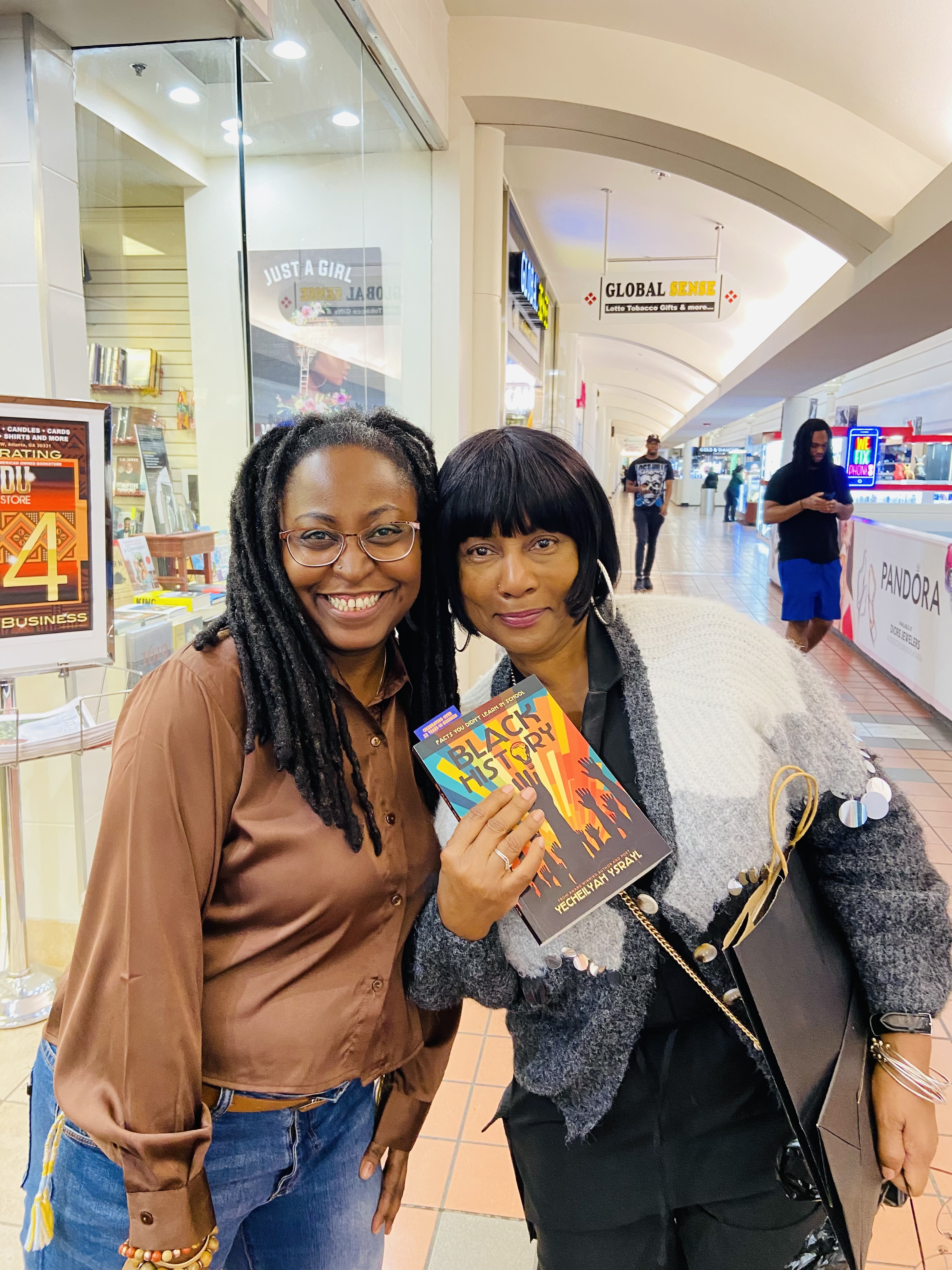
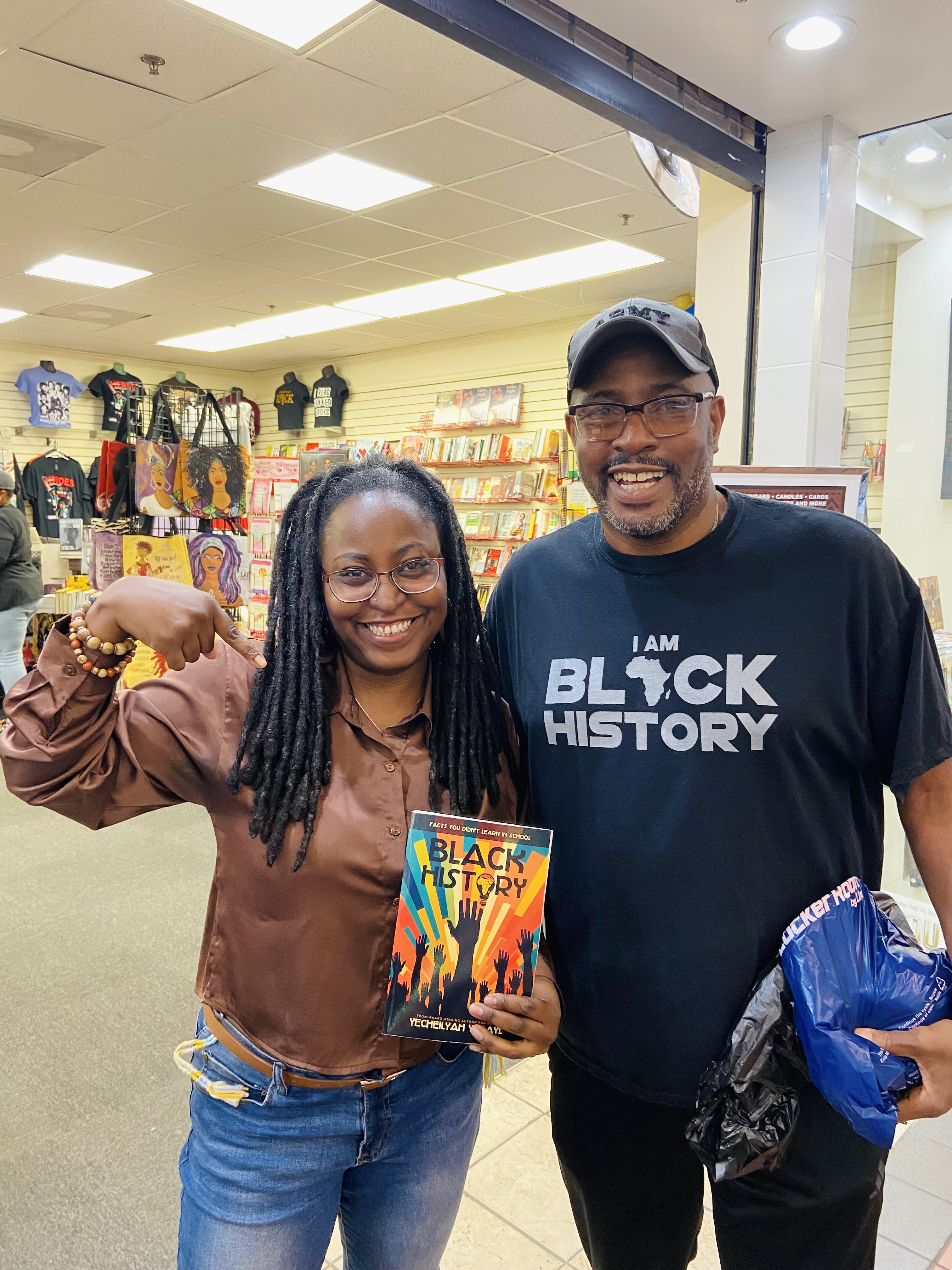
After writing Black History articles every Friday for Black History Month that went beyond February, the project culminated in a full-length volume people can now enjoy anytime they pick up the book instead of waiting for Friday.

I hope you see where I am going with this.

In the same way that journaling can help us to organize our thoughts, writing about your area of expertise on a blog can be good practice for book publishing.

Posting content on social media and a blog is a form of publishing. Whenever you hit that post button on a blog article or a Facebook post, you are publishing content. Here are two powerful ways it helps to prepare you to write a book.

It Helps You to Get Used to Writing Publicly

When writers publish books, they open themselves to be judged, not just praised. When you post content online, you engage in a similar vulnerability. Your thoughts are now live for everyone to see, critique, or admire. This is similar to what happens each time an author publishes a book. Writing on a blog or posting to social media helps you to get used to hearing feedback about your writing.

It Helps You to Build an Audience / Readership

One of the significant issues new self-published authors face is publishing books with no readership. While established authors like Ashley Antoinette can pop out with a new book and surprise readers, new authors may have a hard time doing the same because they don’t have the audience for it to be successful. They can publish books on a whim, but they also run the risk of people not buying them. Blogging can help with that.

While practicing how to write publicly, you also build up a tribe of readers who like what you write! You attract people who enjoy the same things you do, not just with writing but with life. You might all like to travel, garden, or camp. You might all be married, single, or divorced. You might all be business owners, work a job you love, or retired.

These genuine connections help build bridges of commonality that eventually lead to mutual support systems. You also get instant feedback that will help you test-drive your story idea.

Click here for more Indie Author Basics to encourage you through the Self-Publishing / Indie Author Process!

The Stella Series Continues

I published the first book in the Stella Trilogy in 2015 and revised it in 2020. I have been working on a part four recently, and I am excited to continue this family’s story.

If you have not read the series, I highly recommend it in preparation for the next part. (If you read these books from 2015 to 2016, you are advised to read the revised editions with the alternate ending!)

Like the others, it will be a historical fiction novella or short novel.


When Cynthia McNair’s grandmother overhears her and her boyfriend joking about Blacks in a derogatory way, she has a story. Born in 1845, Stella Mae was an enslaved woman on the Saddler Plantation in Shreveport, Louisiana. Forced to stay on the plantation after Emancipation, she endures much abuse and revelation. She eventually gives birth to an only son, whom she names Solomon Curtis Mae. Stella’s story takes place in book one, Between Slavery and Freedom.

Solomon was given land by the same enslaver who freed him and Stella. As a man, Solomon married a white woman, and they had four girls: Deborah, Rebecca, Judith, and Sara.

Solomon’s daughter Judith gave birth to a baby girl named after her grandmother because they looked so much alike. However, this Stella did not take pride in who she was and lived her life as a white woman and raised her children as white. We watch her struggle from delusion to acceptance during the Jim Crow era as she navigates being married to a racist white man who doesn’t even know his wife is Black. Stella has even changed her name to Sidney McNair. Her story takes place in the second book, Beyond the Colored Line.

Sidney McNair, formerly Stella, gave birth to four children: Edward, Karen, Jospeh, and Glenda. Edward is Cynthia’s father.

Because she raised them as white, Sidney’s children did not know about their African ancestry until 1979. The person most conflicted about this was Joseph, who felt sympathy for the plight of Blacks and fought for their freedom with his friends during the 1960s. His story takes place in the third book, The Road to Freedom. In book three, we learn that Joseph married a Black woman named Fae, and they had two children, Tanya and Micheal.

Joseph’s Children: Book Four in the Stella Series (WIP)

Book Four unfolds in 2008. Tanya is now eighteen, her confidence growing as she steps into adulthood with fire in her heart and ambition in her eyes. Her sixteen-year-old younger brother Michael wrestles with the same questions of identity and purpose that once drove their father to leave home in search of answers nearly half a century earlier.

Against the backdrop of Barack Obama’s historic presidency, the heartbreak of Trayvon Martin’s murder, and the rise of Black Lives Matter, Joseph’s children navigate a new era. They face the challenge of defining themselves in a society shaped by their father’s choices and haunted by the truths Stella once fought to conceal.

The story weaves together the struggles of a new generation to find their voice, identity, and place in a world still wrestling with its past. The echoes of Stella’s decisions resound, reminding us that even as times change, the threads of heritage and truth remain unbroken, binding the present to the past.

Stay tuned for a sneak peek at chapter one!

Are You REALLY Promoting Your Book?

Are you really promoting your self-published book?

Or does it just look and feel like you are promoting your book?

  • If you are only telling people you wrote a book, but you are not telling them what the book is about, you are not really promoting your book.
  • If you only show us the cover of the book but do not educate us about the content and core message, you are not really promoting your book.
  • If you only post Amazon links to social media but do not discuss the book and what we can learn from it, you are not really promoting your book.

These things can be a part of book promotion. Still, alone, they do nothing to generate enough interest in people to want to buy the book, and that is what book promotion is:

A culmination of your activities and strategies to create awareness and generate interest in your book.

This includes but is not limited to:

Advertising: Paid Ads (or just ads in general), digital or print material, website or landing page, etc.

Publicity: Interviews, book reviews, media coverage, guest blog posts, podcasts, etc.

Social Media: Building engagement with readers through entertainment and educational content using any of the many social media platforms. Blogging can also fall under this and is a powerful tool for community.

Events: Conferences, Author Talks, Book Signings, Book Fairs

The purpose is to create enough buzz to interest readers to purchase the book.

  • Anytime you share a review from someone who reads your book, you ARE promoting your book.
  • Anytime you create content (graphics, excerpts, videos, etc) that educates or entertains people about your book’s message (nonfiction), characters, or plot (fiction), you ARE promoting your book.
  • Anytime you talk about the book on a podcast or in an interview, you ARE promoting your book.
  • Anytime you share your journey and what it was like writing the book, you ARE promoting it.
  • Anytime you write on a topic that is relatable to the things we can find in your book, believe it or not, you ARE also promoting the book.

We can do many things that look like book promotion on the surface but are ineffective in raising awareness among our readers about the book’s topic and why it’s important to them.

But I hope this post gets you thinking about deeper ways to connect with your audience!

If this has helped you, let me know!

Click here for more Indie Author Basics to encourage you through the Self-Publishing / Indie Author Process!

Tell Us What You Published Instead of How You Published

How often have you heard a traditionally published author say, “I’m a traditionally published author?”

They might say they are a published author but not a traditionally published one. That’s because there are millions of traditionally published authors.

In the same way, introducing yourself as a self-published author does nothing to help the person understand what you write.

It is not bad to call yourself a self-published author or to be proud of that. However, since many self-publishers have smaller budgets, we often desperately identify how we published instead of what we published to get people to take a chance on our books. But this strategy does not work well.

When I pitch schools and bookstores to carry my book, I rarely introduce myself as a self-published author. They will already know this when they look up my ISBN.

Instead, I discuss the book and why it is a good fit for their audience.

Instead of telling people, “I’m a self-published author,” and pushing your book in their face, identify your genre, book, and how it serves your target audience.

You can do this in one sentence:

Original: “I am a self-published author of three books.”

Revised: “I am the author of The Stella Trilogy, a Historical Fiction series that explores African American History, civil rights, and the struggles of Blacks in America.”

I hope this helps someone!

Click here for more Indie Author Basics to encourage you through the Self-Publishing / Indie Author Process!

New: Book Review Directory

Photo by George Milton

I have created a page on the blog listing all the books reviewed so far to make it easier for you to access them.

Browse the directory and meet your next favorite author!

These are the authors whose books received a score of 3* or more. Support the author by purchasing the book if it resonates with you.

If I’ve reviewed your book in the past or will in the future, your review can be found on this list!

Wanna get in?

Apply for a review today by clicking on this link to get started.

But hurry! The 2023 registry is only open for a limited time.

Creative Ways to Resurrect Your Backlist

Hulu is about to release an exciting new series based on Octavia Butler’s book Kindred. This will open the floodgates to new interest in the book and a host of new readers. 

Kindred was first published in June of 1979, which means there are new generations of readers who have probably never heard of it or read it.

First edition cover of Kindred

This brings me to one of my favorite sayings:

“Your book is always new to the people who have never read it.”

Yecheilyah

But what does this mean?

Books are eternal in that no one has read every book in the world, which is why classics like Kindred are still being discovered.

Your book is not only new when you first publish it. It is always new to fresh eyes. 

Here Are Some Ways of Resurrecting Your Backlist:[mepr-show rules=”31881″ unauth=”message”] 

Update the Cover

Updating the cover can be an exciting way to reintroduce your older works. Has the market changed? Can your book compete? Take the time to consider what’s selling in your genre.

Because believe it or not, books are judged by their covers!

Repurpose Into Other Formats

Is your book available in every possible format? Paperback? Hardcover? Ebook? Audiobook? Bring your older book back to life by repurposing it into a different format to reach new readers.

Bundle It, Offer Discounts / Freebies

Book bundles are great for a series but can also work as a way of offering several of your books at a discounted price.

You can also offer discounts on your first book in a series or lower the price of an older book when a new book is about to drop.

Buy a New Book, Get an Older One Free!

Another cool idea is to give a book away free in exchange for an email or offer a “buy the new book and get an older one free” deal.

Republish It / New Editions

Whether the first edition is riddled with errors or you want to add an alternate ending, publishing a new edition can bring more attention to a book you thought died on Amazon’s electronic shelf.

I have long wanted to republish my very first novel, a Sci-Fi Thriller. I hope to reintroduce her to the world in the coming future.

The moral of the story is even if you published a while ago, you can still push your backlist to new readers.

Because, and I think it is safe to say, books never die.[/mepr-show]

Can’t see the full post?

Click Here to Subscribe to Indie Author Basics! Membership is Good for a Full Year.

How Blogging Helps Me Write Books

Photo by Plann

Social media is a powerful vehicle for publishing short-form content that people can digest quickly and easily. We are all lazy to an extent with short attention spans.

Which is why I love blogging as a way of publishing long-form content.

It gives writers a chance to fully express the completeness of their thoughts. And, if you are long-winded like me, I enjoy being able to thoroughly add context to my thoughts with examples to nurture further understanding.

Blogging also helps me to keep writing in those spaces when I am not actively writing a book. (I wrote more about that here) This is important because it means I can continue to sharpen my writing skills (through actually writing) and engage with others even when I haven’t published anything new.

But there’s an exciting twist!

Blogging has, so far, helped me to publish two books, with another on the way. That’s because, unlike static websites, blogs are updated regularly, allowing people to leave immediate feedback and share. Authors can see how their content performs in real-time, producing invaluable information they can apply later.

One of the most powerful ways blogging helps me is my ability to repurpose the content I publish here into larger works. Thus, even when I don’t think I am laying the foundation for new works, I am!

The Women with Blue Eyes, I am Soul, and Black History Facts You Didn’t Learn in School (2023) are all descendants of my posts on this blog over the years. The latter is based on my Black History Fun Fact Friday series and will be the biggest project to come out of The PBS Blog.

I like to say that reading and writing are a partnership, and blogging is the perfect bridge where we get to see how our thoughts have communicated with readers.

What about you? Does blogging help you to write? Do you recognize any instances where you’ve published books from blogging?


Voting for this year’s International Author Boss Awards Are Now Open!

Click Here to Vote me Author Boss of 2022.