If you log into my Instagram account and go to my for you page, you’ll see tons of pictures of pregnant mommies, infants, and babies.
I didn’t mean to do this. I watched one video of a cute little baby, and now my search bar looks like I am trying to adopt somebody’s chiren.
Even then, it didn’t occur to me that October is a month when we raise awareness of a special kind of loss.
Even as my heart grew sad over some of the pictures, I still did not realize why I was watching this.
My personal journey begins with a miscarriage in the summer of 2020 and then two ectopic pregnancies between 2021-2022. I experienced pregnancy three times (even going through surgery), but there is nothing to show for it.
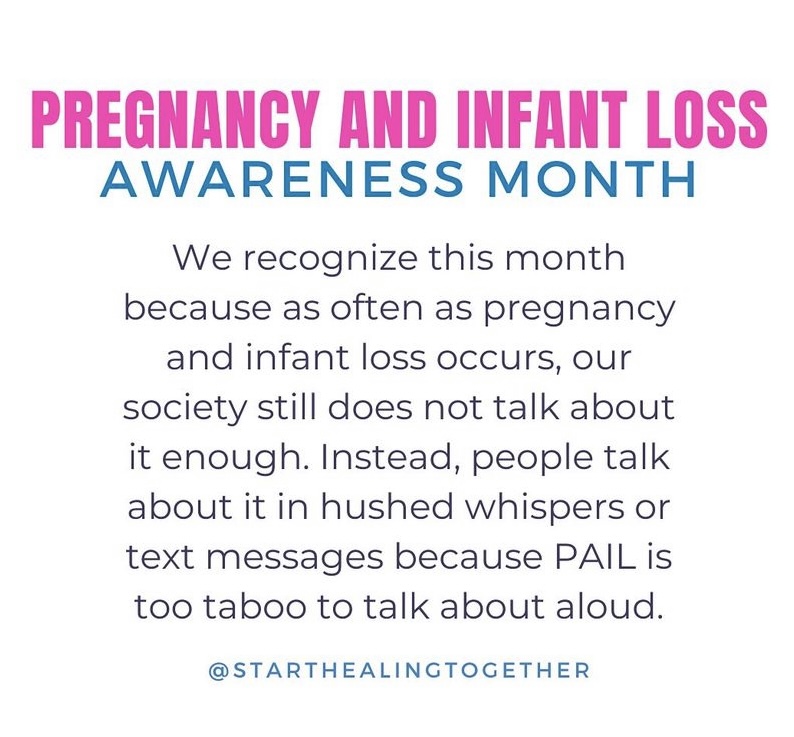
October is Pregnancy and Infant Loss Awareness Month. It is a time to remember the women who have experienced loss through:
Miscarriages
Ectopic
Stillbirth
Infertility
Embryo Loss
Molar Pregnancy
Infant Loss
Child Loss
Neonatal Loss
Surrogate Loss
Failed Adoption
SIDS
Blighted Ovum
Chemical Pregnancy
If you’ve never heard of these, this is a great time to research them, to reach out to women/parents you know who have experienced loss, and to overall educate yourself about PAIL.
Highwater High School orders copies of Black History Facts
For many authors who use social media to promote their books, it’s a game-changer. From Instagram reels to TikTok, people are making decent income from their talents.
However, social media is only ONE of many places to sell and promote your book in 2024 and onward.
Bulk Sales to Schools, Universities, Corporations
It’s fantastic to sell $20–30 books one at a time on your author’s website, Amazon, and other online merchants, but selling 10 or more copies at a time in bulk orders is even better.
Why is it better?
Because large organizations and networks have the budget to spend much more than your average consumer trying to make ends meet just like you are. Depending on the organization, you might even sell hundreds if they truly feel you. In fact, everything else we talk about in this post comes back to bulk sales since all these organizations can buy your book in bulk to some extent, whether five copies or 500 copies.
Book Clubs, Book Talks, Open Mic
Offline book clubs are not appreciated talked about enough. Here are groups of people deciding to read one book together and discuss it. What a wonderful way to spread a book’s message and buy that book in bulk! Author events, book talks, and open mics are also good. They also provide great networking opportunities. You’ll meet people with great influence you probably would not have met online.
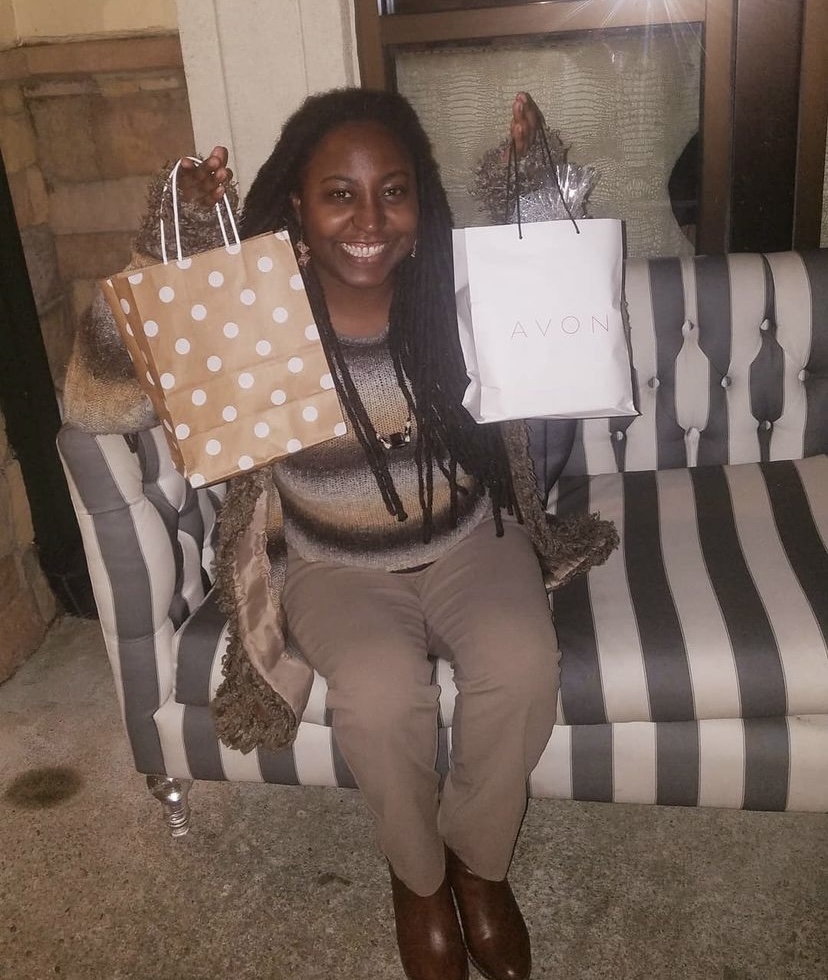
Queenz Cirlce of ATL gave me gifts!
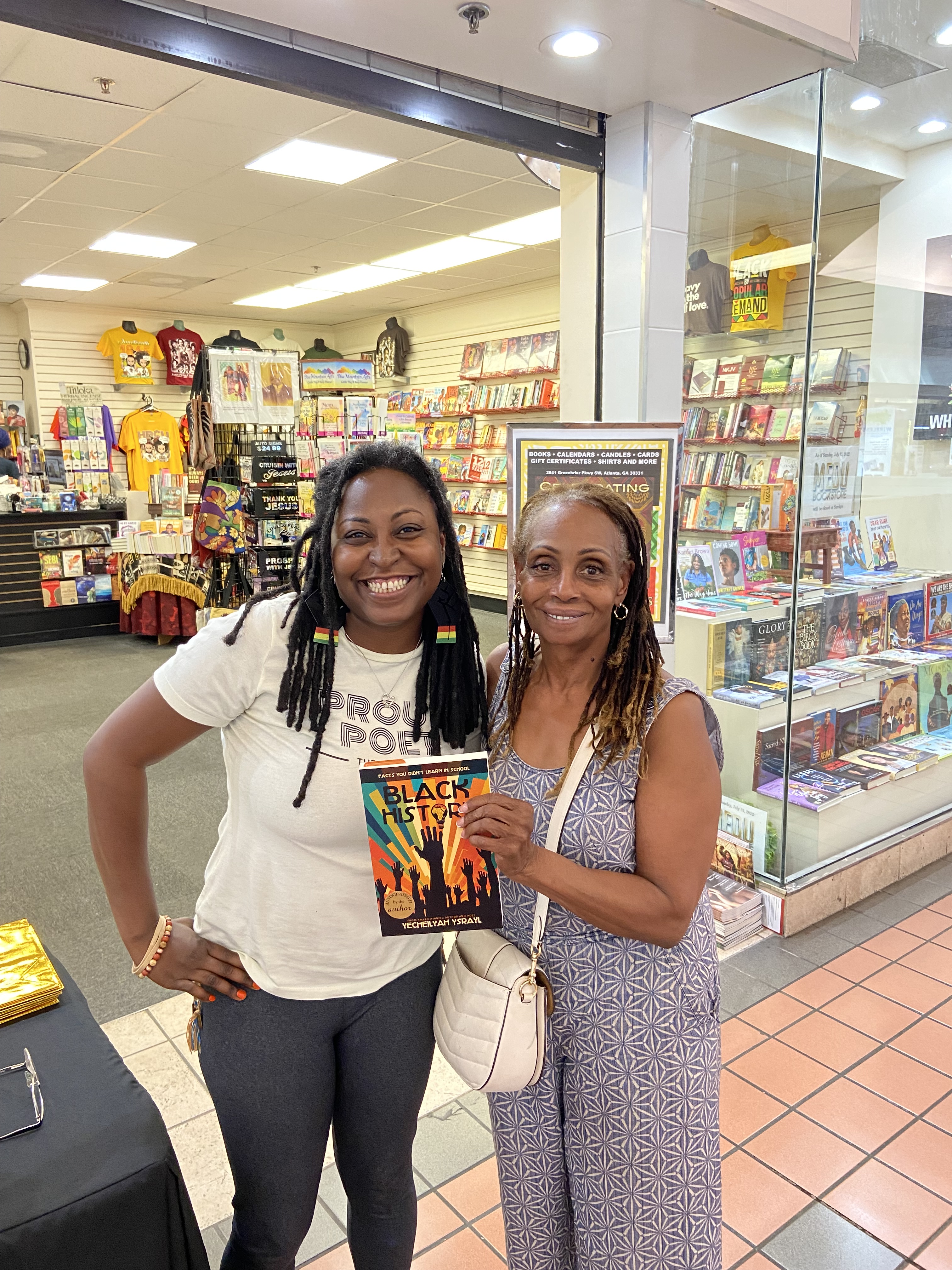
I once met an older woman at a book signing who was interested in using The Women with Blue Eyes for a book club she hosts. She is old enough to be my mother and does not have social media. However, she does have a book club full of women who read and said she will talk with them about the book. She never got back with me, but this is an example of an opportunity I could have used to sell that book in bulk.
Another example that worked out was meeting a young lady who invited me to be a keynote speaker at her book club back in 2018 (Queenz Circle of ATL) to discuss Even Salt Looks Like Sugar. It was a private, offline dinner. We read from the book, laughed, ate a delicious meal, took pictures, and I sold copies of the book. It was amazing and none of it was online.
Podcasts, Radio Shows
Podcasts can be on or offline since many of them are also streamed on YouTube or Spotify these days, but this is another great way to get the word out about your book. Radio shows are also a great, offline way of promoting your book to listeners. The perk here is that you get to articulate in your own words why your book is so special and what sets it apart. You can then take clips from your interviews and cut them down to fit on Instagram, TikTok, YouTube, Facebook, or wherever you engage online.
This leads me to my next point.
The Work You Do Offline Creates Your Online Content
How you show up offline, whether taking better care of your mind and body, eating, or networking with business professionals, becomes the content you can repurpose online. Attending an event, being interviewed at a radio station or on a podcast, meeting up with readers for an author talk, and whatever work you do in the background becomes the content you post online. This can be photos, videos, testimonials, or whatever you captured from the event.
If you know how to utilize it, social media is a powerful tool for marketing, selling, and promoting your book. It is not the only option, though. Traditional networking techniques and in-person meetings are quite effective and provide you with content for your online posts!
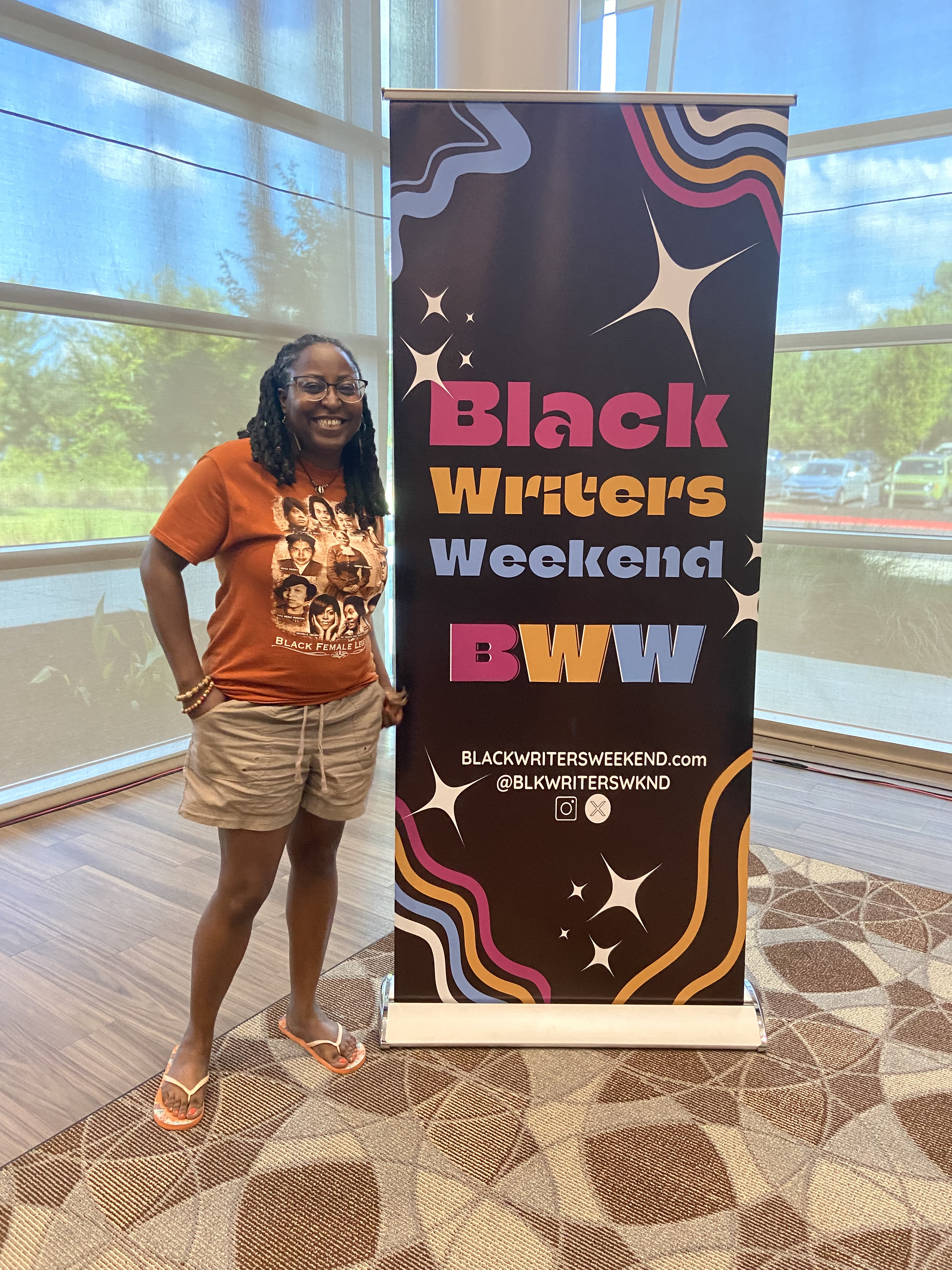
Before I went on vacation, I attended Black Writers Weekend (BWW). The event itself was okay, but what made it worthwhile for me was my conversations with the vendors. We talked about so much more than books; the historical conversations were like a glass of cold water on a hot day. I love basking in the brilliance of people.
But not all conversations were positive.
I noticed many first-time vendors were not happy. Considering the cost and the traveling many did to get to Atlanta, they expected a much bigger turnout, and many people left feeling some kind of way.
I didn’t have to travel far or stay at a hotel, but I understood their frustrations and empathized with the lack of focus on the marketplace. Some people who opted to have books shipped found their books didn’t arrive on time!
But this is not about what BWW did right or wrong.
This is about what authors should expect from vending at events; unfortunately, making a profit is not one of them.
Depending on what an author pays for a table, the cost of books, travel, and board, the chances of making that money back are slim.
Can you make good sales from vending? Certainly, but vending is more about networking than it is about sales. Vending at large events also does not mean large sales.
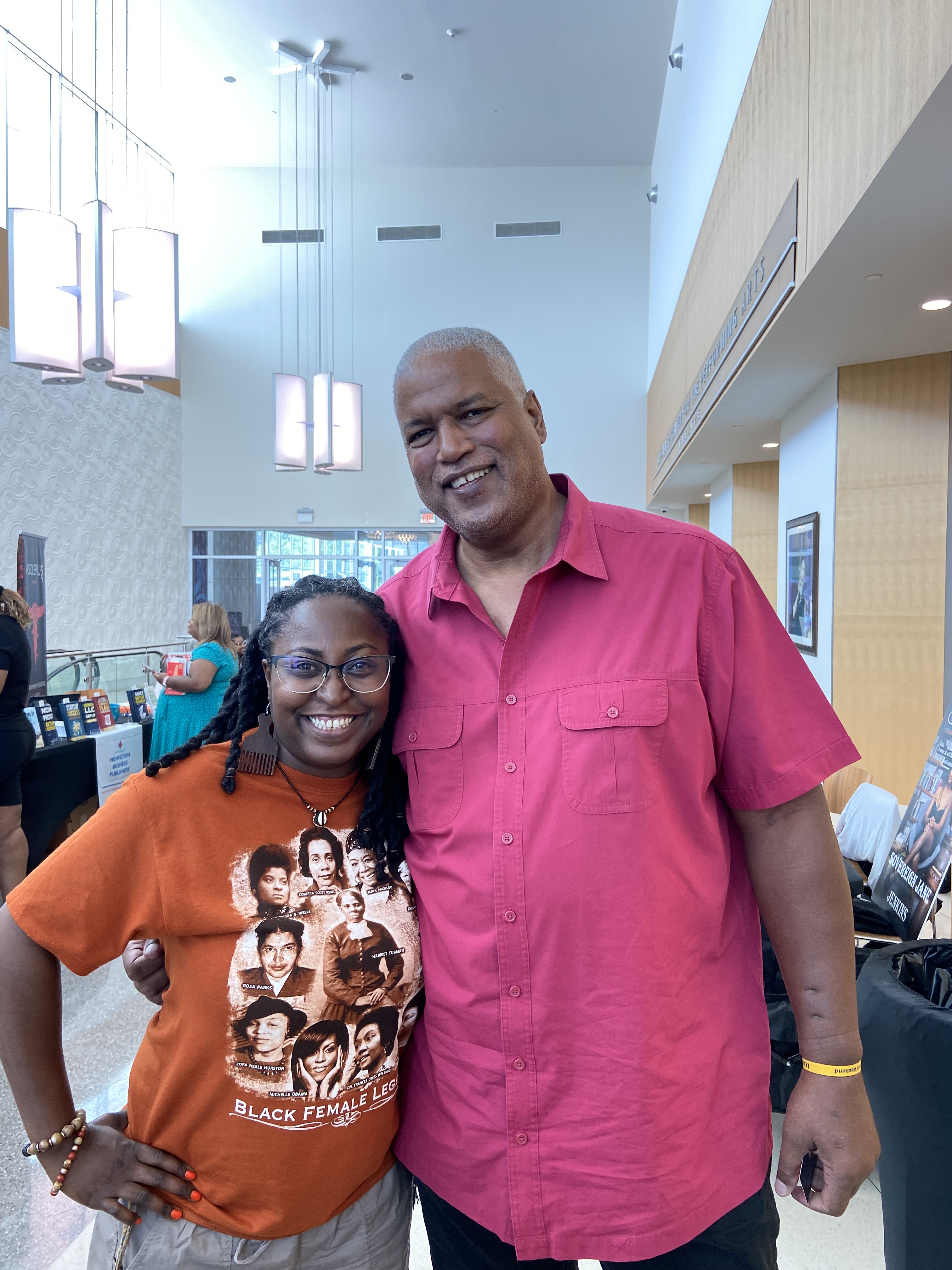
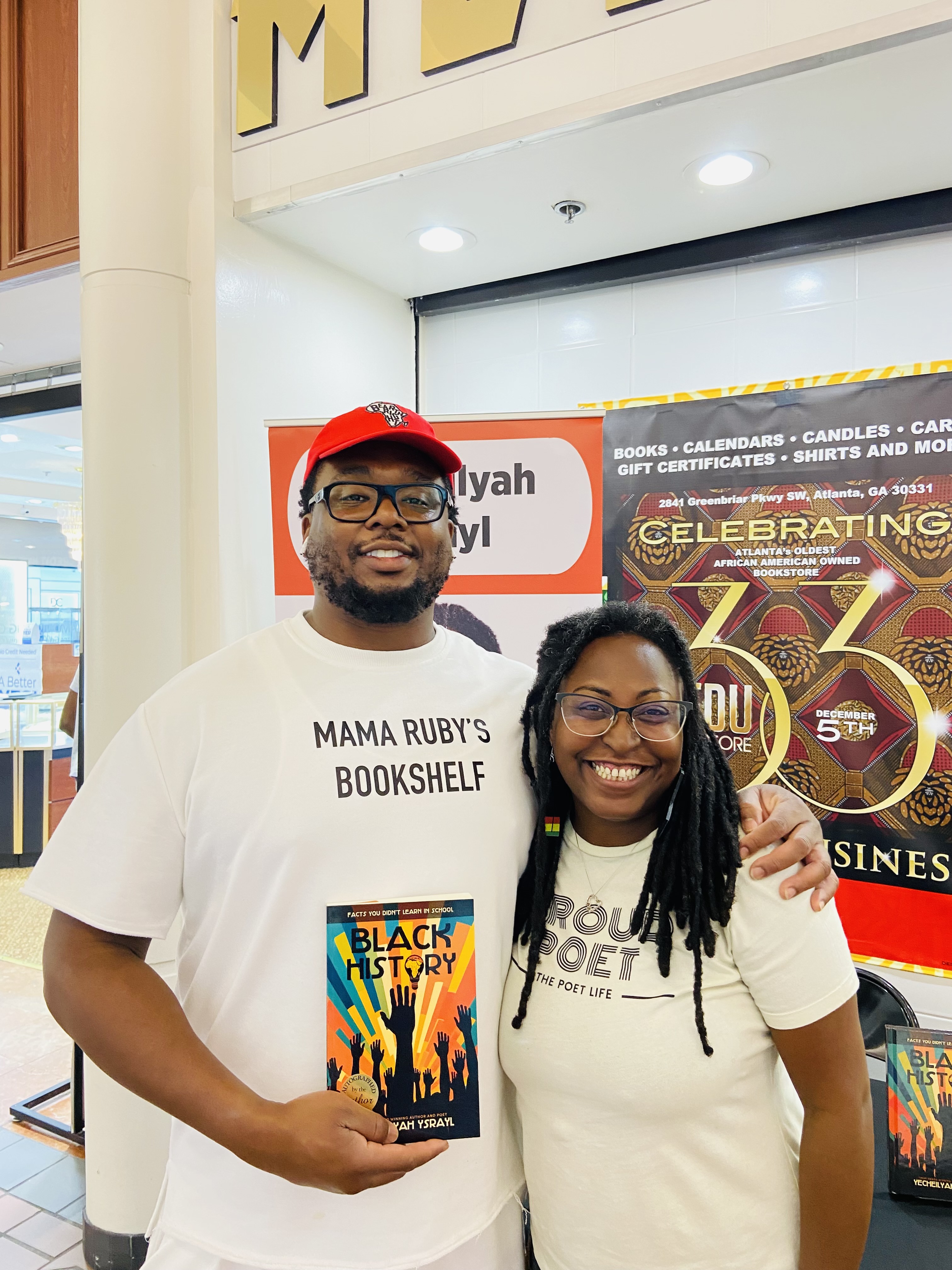
Finally got to meet the amazing writer and historian William Spivey!
Authors choosing to pay for vending should consider the cost of the table, any books or merch they’d need to purchase, travel, and board.
Will you have to book a flight or drive?
Will you be staying at a hotel?
How many books do you need to purchase in advance?
How much is this going to cost with the vending fee?
What is included in the fee? Do you get a table and chairs or will you have to bring your own? (Yes, some event hosts require you to bring your own table. I don’t vend at those events.)
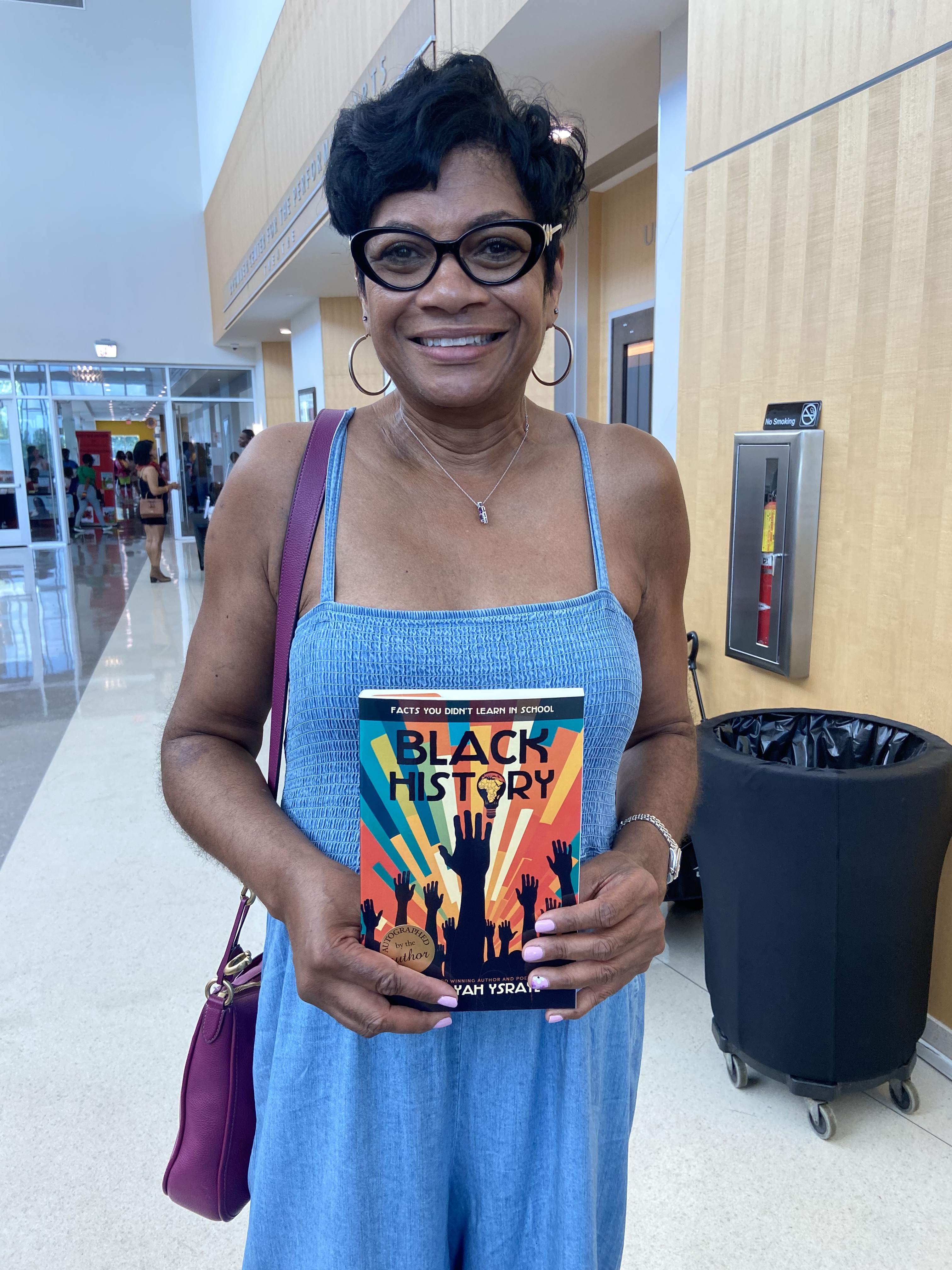
Thank you beautiful!
While self-publishing my books since 2010, I was not always a full-time author. My background is in Medical Assistance and teaching. When I decided to go full force into this author thing (2017), I did a lot of vending and events. It was a lot of fun, but I rarely vend anymore because a) it is not always financially feasible, and b) I am at the point now where I prefer to get paid to speak or capture content.
When I vend, it is because the event has an element that aligns with my brand or belief system and will allow me to build my network. When I published Black History Facts You Didn’t Learn in School, I knew I would attend Black Writers Weekend because the crowd is full of people interested in my type of content.
Vending at events of any size can benefit authors at any stage of the process. I would primarily recommend vending to new authors and authors who want to get their names out there and connect with other writers and literary professionals.
For authors looking to sell books, I recommend vending at smaller events that align with your brand and that focus on books, such as book festivals. As I joked about before, it’s much more challenging to sell someone a book standing next to the Shea Butter lady. Definitely do not overlook smaller gatherings. They tend to have a better vibe than the popular ones.
For seasoned authors or those ready to advance, I recommend hosting your own book signings, events, and workshops or requesting to be a guest speaker at an event instead of vending.
When promoting your book online, you must do more than post pictures of your cover if you want people to buy it. To be more precise, I want you to focus more on the message and why it matters to you than on trying to sell the book.
What are some of the topics your book covers? Use those topics as stepping stones to reach your target audience. If your book is about how you survived an abusive relationship, you should be finding communities dedicated to eradicating domestic violence and creating content around how you survived it based on what you’ve written in your book. October is Domestic Violence Awareness Month, so you will want to work hard to share your expertise with the people who need it.
If you wrote a fiction book, what kind of escape does it provide readers? Is it entertaining? Romantic? Educational? Does it make us stop to think? Is it thought-provoking? Does it make us laugh until our stomach hurts? The world is hurting now, so people are looking for that getaway.
If you wrote a poetry book, consider participating in open mic nights or reciting poems live on Instagram or TikTok. Join poetry contests, and of course, you cannot miss National Poetry Month in April!
The idea is to focus less on selling the book and more on building community around its content. Think about how your book can add value to readers in your community rather than how you can make a sale.
Share Your Journey and Expertise at Least 1 Year Before Publishing Your Book
I released Black History Facts on February 24, 2024. However, the book has been selling steadily since September 2023, when I placed it on preorder. I attribute this largely to how I readied my audience for the book years before it was released. They were prepared when it arrived.
As soon as I knew I would publish the book, I posted black history videos and behind-the-scenes content of my trips to museums and historical landmarks, and I shared new information I found.
I took my people everywhere I went, and they couldn’t wait to see the final product. It became more than a book, but a movement they were just as much a part of as I was.
Post Your Preorder/Buy Link At the Same Time as Your Cover Reveal
Revealing the cover of your new book can be thrilling, but failing to include a buy link means missing out on a lot of potential sales. Whether you’re putting up preorders or announcing the book’s publication, keep your cover reveal for when you’re ready to begin collecting orders. People will be ecstatic to learn you wrote a book and will be willing to buy it right away after viewing your cover, especially if it’s dope!
Pay attention to those who are traditionally published. When these authors show you the cover of a new book, you can also preorder it.
Increase Your Book Reviews
Book reviews are still underrated. Many people do not think they matter, but they do and help authors! And you can work to increase it no matter what stage of the process. Even months or years after release, you can still increase the reviews you receive.
Seek the help of book bloggers, beta readers, and reputable paid review services such as Kirkus and Yecheilyah’s Book Reviews.
The biggest perk to reviews is that they act as social proof. Anyone can call themselves a best-selling author, but reviews help verify that other people think the book is dope, not just the author who wrote it.
It will be odd for someone claiming to be a best-seller to have no book reviews. If it’s such a great book, people should be talking about it.
Book reviews also increase the author’s Amazon rating and expose the book to people who have never heard of it.
I strive to get at least 5-10 book reviews on Amazon in the first few weeks of release and increase from there. However, Amazon is one of many places where people can leave reviews. Blog book reviews are also helpful. Remember, a review is just feedback, so if someone emails you or direct messages you praise for your book, you can use it as a review! (with permission) Slap that bad boy on a graphic and post it to social media as social proof.
Have a Post-Publishing Strategy (Don’t Forget About the Book Once It’s Published)
Too many authors focus solely on the publishing date, but your book is much more than that. Consider how to continue spreading the word about your book after publication. Visit your local libraries and bookstores to inquire about readings, look for interview opportunities, and participate in events, contests, and more. You still want the book to sell after it has been published, so make sure you are working to make that happen.
We often talk about how attractive the book cover should be, and for good reason. Poor cover art is the #1 mistake Self-Published authors make when publishing print books.
But we know that already.
Let’s go inside of the book this time.
When preparing your manuscript for publishing in a print book, the formatting should be done in a way that is different from a college essay, research paper, or blog post.
Here are the top print book mistakes I see self-published authors make and how to avoid them.
Disclaimer. I am not a lawyer. Nothing beyond this point should be taken as legal advice.
No Copyright Page
The copyright page of a book is one page that lets people know who owns the rights to the book and that, generally, the author’s intellectual property cannot be copied without permission.
You do not need to register your book with the copyright office to add this page except if you want to.In this case, register the copyright at copyright.gov. You can do it after you publish the book to Amazon since it takes about 6-13 months (of this writing) to go through.
However, know your book is automatically under copyright when creating it.
The copyright page discourages theft, such as plagiarism, and announces you as the book’s owner. It is like a “No Trespassing” sign; every book should have one.
If you own a software program such as Atticus (PC) or Vellum (Mac), they have copyright templates already designed for you. If you don’t have these programs, creating one is easy. All you need is a copyright notice and a rights reserved.
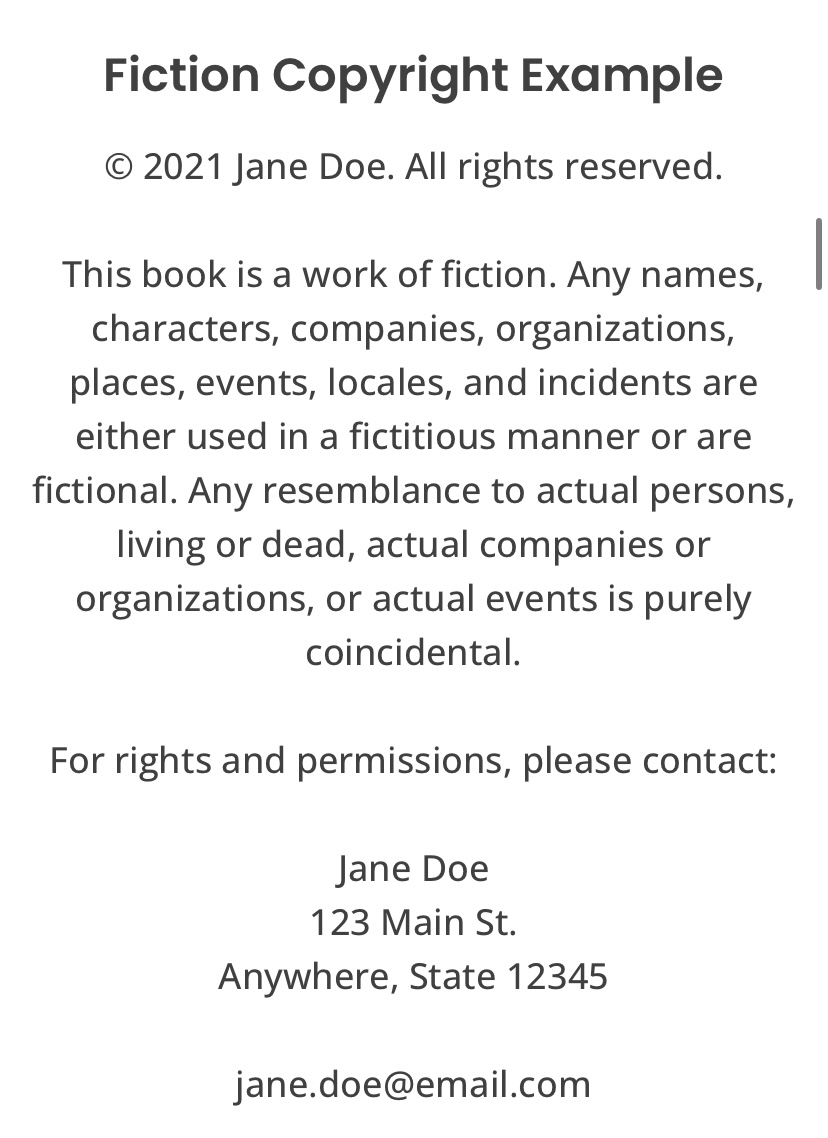
You may also add additional information. Below is an example of a basic, full copyright page.
It should also include your ISBN. For more on ISBNs, click here and here.
This page should appear at the beginning of the book, also known as the book’s front matter, after the title page. The title page is one page that looks like the cover but without the artwork. It includes the book’s title and the author’s name. This title page may appear twice, depending on the publisher. Once at the book’s opening and once more before the opening chapters.
The Author’s Name and Title are Not on the Spine
This is easily avoidable with a professionally designed book cover, but let’s touch on it a bit.
Some books do not need a spine because they are too thin. Otherwise, you will want to have your author’s name and title on the spine of your print book.
The spine binds the front and back of the book and is also important for bookstores.
With the author’s name and title on the spine, a book is easier to find for someone skimming the titles on shelves. Since self-published books are already underestimated, a book without a spine can easily get lost, and the author misses out on sales.
The first thing a potential customer will see is the outward-facing spine, so if the book does not have a title or author name, readers won’t even notice the book.
No Chapter Headings
A chapter heading is how you organize your book so readers know when a section begins and ends. It is literally as simple as adding Chapter One….Chapter Two…Chapter Three.
Chapter headings can also have subtitles or names instead of numbers. In Black History Facts, I use chapter headings and subtitles.
Chapter One (Chapter Heading)
What You Didn’t Learn About Sundown Towns
(Subtitle)
The purpose of chapter headings and sections is to organize the book to make it easier to read and follow. Without it, readers might get confused about where they are in the story. Believe it or not, there are so many authors who make the mistake of not including chapters, making the book look more like an essay.
If you have a software program or professional who formats books, this is easily avoidable as they can add them for you.
Fancy Text
One of the most common mistakes of first-time self-published authors is using fancy text.
Times New Roman, Arial, Helvetica, Calibri, and Cambria are great fonts for books that make them easier to read!
Cursive writing and other fancy text, including colored fonts, make them harder to read.
Too Much Space and Not Enough Words…
Indie Authors who self-publish should also be aware of too much spacing, making the book look like it was written for children (unless it was). An adult-level book should not have so much space between it and the next section that you could write a short bio about your life in between.
Be sure to fill blank spaces with words or shorten the book’s length.
Plan to publish a print book? Don’t forget to add a copyright page, spine, chapter headings, text that is easy to read, and a book with enough words to fill it out.
Investing in professional cover design and interior formatting will help with all of this!
Sneaking out of the house to ship books during Covid 2020.
Time is one of the numerous advantages of self-publishing. Self-publishers set their own schedules, in contrast to traditional publishing, which enables them to release books fast and often.
And the better an author gets at publishing high-quality books, the more they publish in a shorter time.
However, I caution authors not to rush their current book on the way to the next one.
Some authors only have one book out, but what they’ve been able to do with that book is more than some authors with ten or twenty.
From consulting and coaching to classes and workshops, these authors have turned that one book into a powerhouse of expertise and services, multiplying their income.
But they would not have been able to do this if they had given up too quickly.
They would not have been able to do this if they published the book on Amazon and then forgot about it on the road to the next one.
They would not have been able to do this if they worried about making the best sellers list. (Some authors are making good money selling their books consistently and have never been a Best Seller.)
They would not have been able to do this if they focused on what’s next instead of what already exists.
When we give in to shiny object syndrome, the continual distraction brought on by an ongoing belief that something new is worth pursuing, we miss the blessing right in front of us.
The grass is not greener on the other side. It is greener where you water it. It is greener where you cut it. It is greener where you pluck out the weeds.
It is greener when you give it the time and attention it needs to thrive.
Sometimes, new ideas are not intended for us to act on immediately. Some thoughts need to be written and executed later.
Give that book you worked so hard to produce the time and attention it deserves to grow and develop before moving on to the next best thing.
We believe publishing success is about quantity and hustle. That might work short-term, but the long-term victory is about quality and strategy.
You can spend a lot of time and energy hustling to break the Guinness World Record for the most published books, or you can be more strategic about turning that one book into a full-blown brand. This may require a long-term plan where you might not immediately see results.




 The PBS Blog