Yecheilyah’s Book Reviews – Chains of Gold by Ken Robb

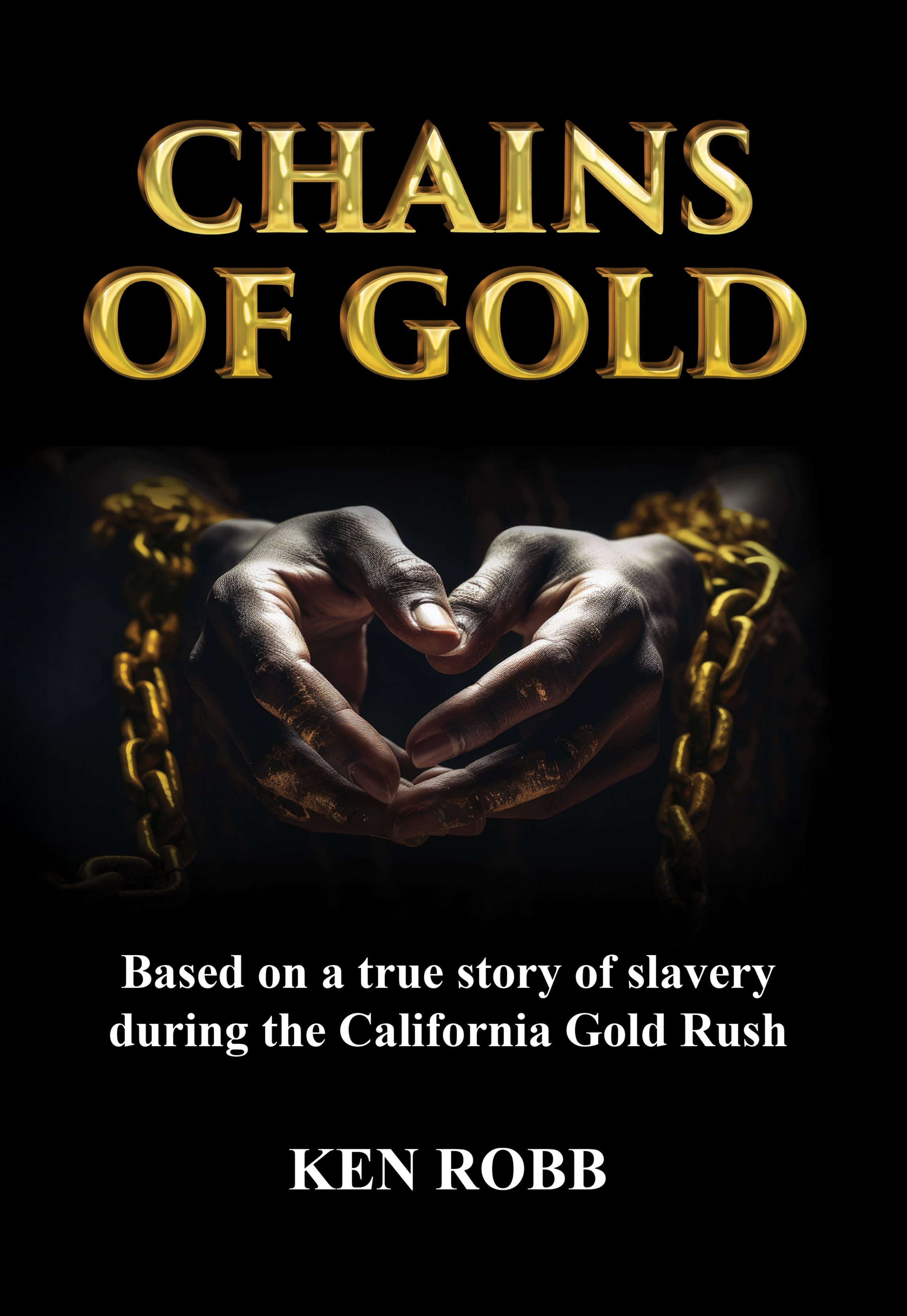
Title: Chains of Gold: Based on the True Story of Slavery During the California Gold Rush

Author: Ken Robb

PublisherWord Star Ink

Genre: Historical Fiction, US Historical Fiction

Published: September 22, 2025

Pages: 438 pages


The year is 1852, and Carter is shouting his freedom into the face of the law as deputies close in, threatening to drag him back to Mississippi in chains. From this moment of terror, the story retreats a couple of years back to the Perkins Plantation, where Carter is not free at all but enslaved, under the watch of a brutal overseer. It is here that Charles Perkins returns home from college to witness the abuse of his slaves.

Although Carter and Charles are half-brothers, playing side by side as boys, adulthood exposes the lie of that intimacy. One is granted power by birth; the other is denied ownership of his own body. I was struck by how powerfully the author juxtaposes affection and oppression throughout the story, illustrating how love can coexist with, and be corrupted by, slavery. Carter and Charles’ bond is no match for a system designed to break one man for the comfort of another.

Charles Perkins is the oldest to inherit the plantation. He was gifted land and slaves, and his father wants his sons to learn how to manage a plantation. Despite this, Charles is noticeably different from his brother. Rather than basking in the excitement of running his own plantation, Charles shows more compassion, doesn’t want the enslaved to be mistreated, and has dreams of going to California to find gold.

Carter is an intelligent Black man. He knows how to read despite being enslaved (something he hides), pays attention to details (especially details on slavery), carries his Bible everywhere he goes, and watches Charles’ back. He is more responsible and proves to be his brother’s keeper on more than one occasion.

While Carter yearns for true freedom, Charles is a man of his time. Despite how much grace he extends, he is still a slave master. As Charles reminisces about the beauty of the mansion and the land, recalling his father’s ambition and how hard their ancestors worked to farm and buy the land, Carter reminds him that “more land means more slaves.” He knows it was built with his family’s blood, sweat, and tears. (Robb 2025)

Though looking at the same view, the men see two different worlds. This is reflected throughout the story. While Charles’s love interest, Emmy, gives him a professional photo to remember her by, Carter’s love interest, Peg, gives him a charcoal drawing she made using a mirror.

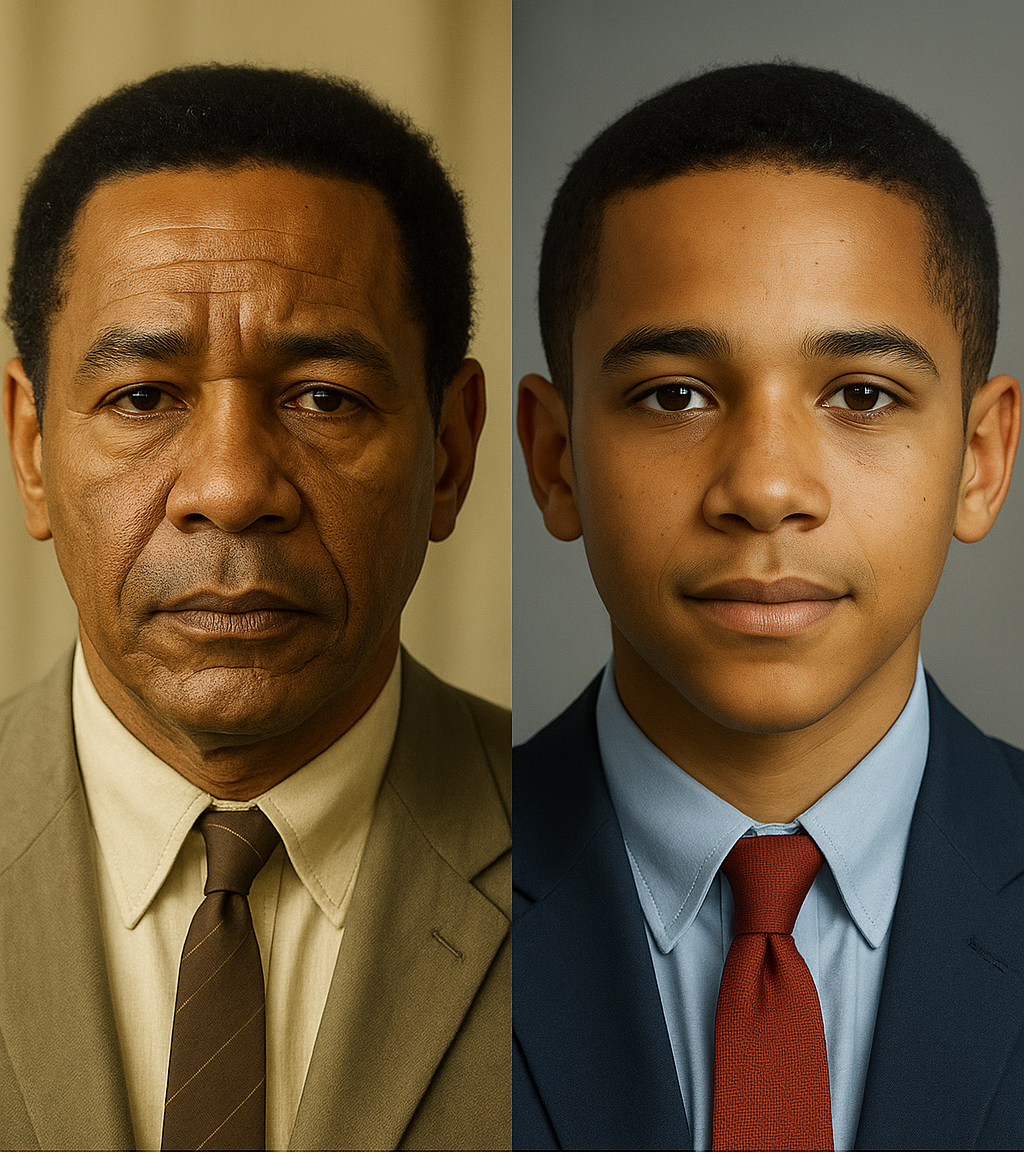
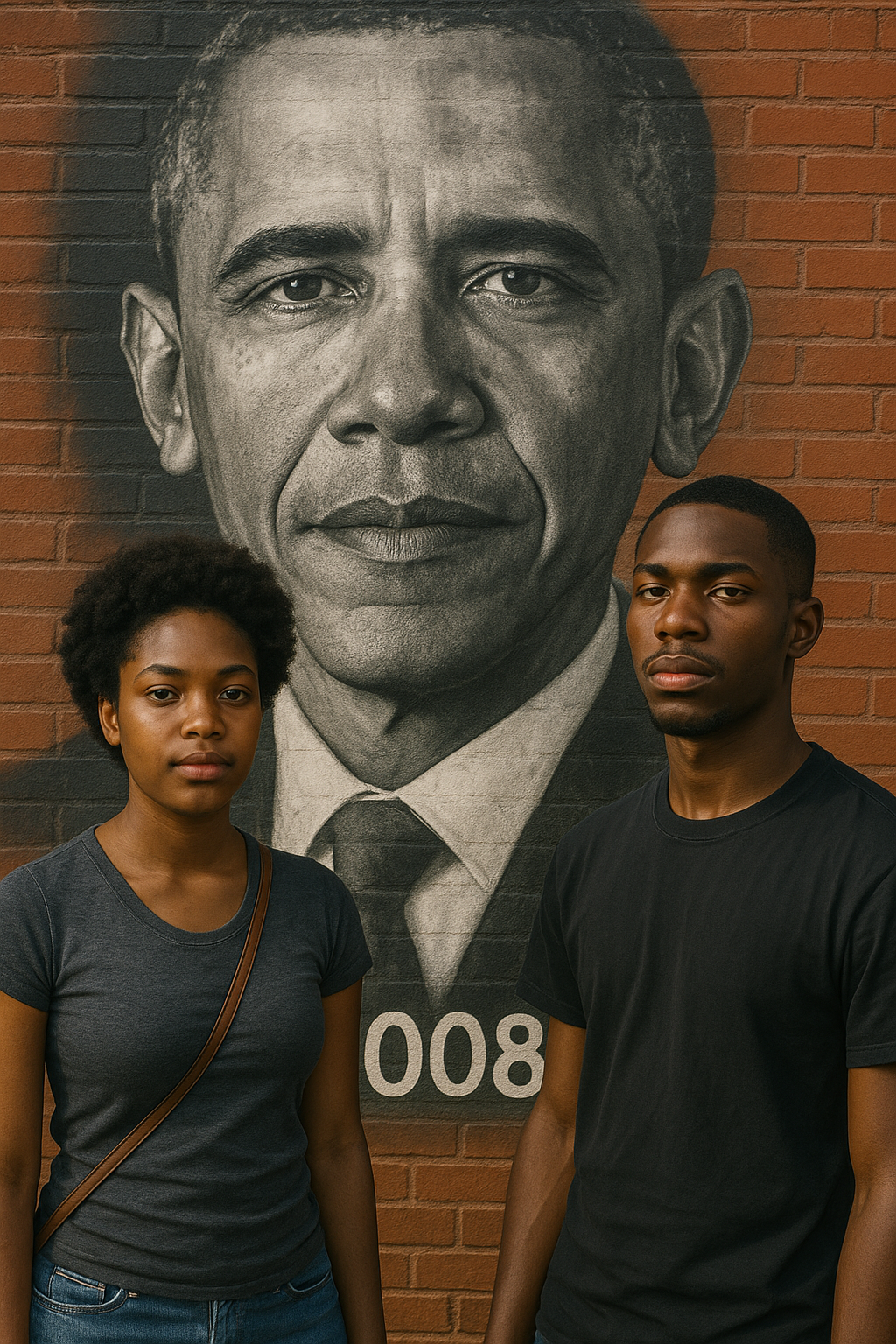
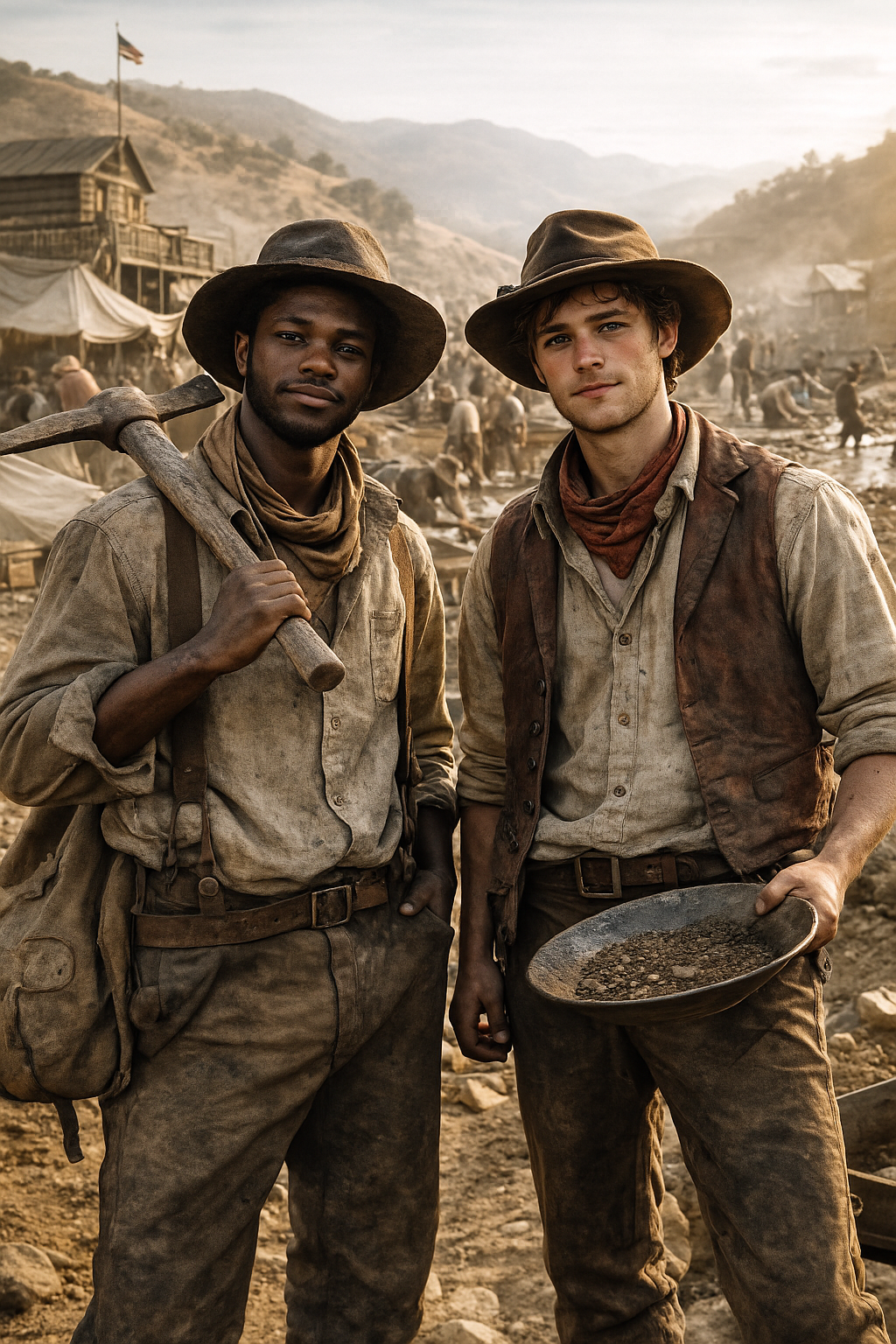
My AI rendition of Carter and Charles

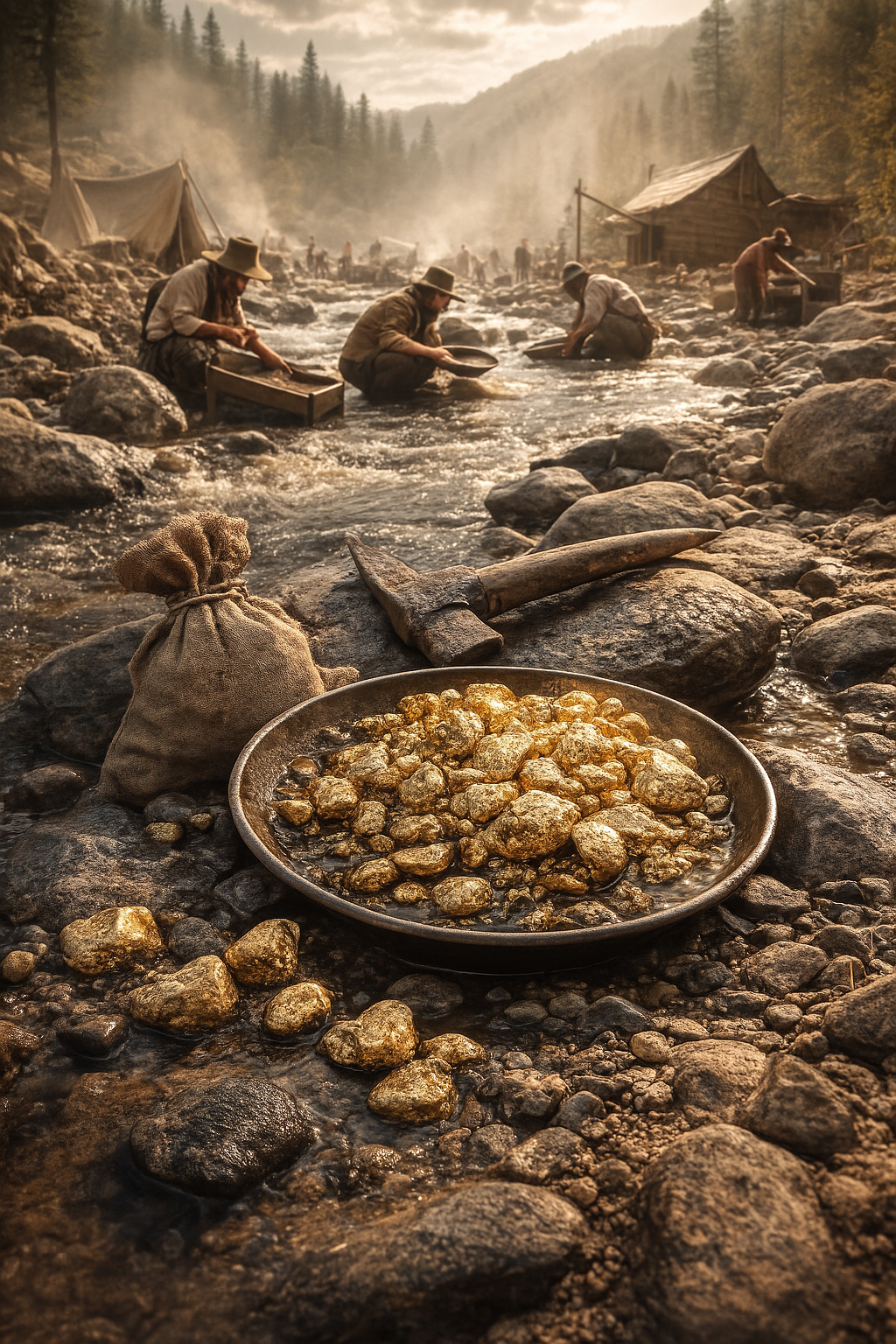
The narrative eventually follows Carter and Charles westward to California in pursuit of gold, a journey the author renders with careful attention to historical details. Rather than functioning solely as an adventure, the passage underscores the persistence of racial and social hierarchies across geographic space. In California, distance from the plantation does not translate into liberation from inherited roles. Charles’s attempts at fairness are marked by visible moral ambivalence, yet the surrounding society repeatedly reasserts the boundaries between them.

This tension is crystallized in several figures throughout the book, such as Bill, the seasoned miner, whose disapproval when Carter refers to Charles as his “master” exposes the unspoken codes governing race, power, and language. This tension resurfaces in Charles’s exchange with Fritz, who asks whether Carter is paid.

Although Charles views himself as well-intentioned, his decision not to compensate Carter—and his quiet assurance that the money would not matter to him—reveals how deeply he remains anchored in the assumptions of mastery. In this moment, Charles acts not as an equal or a brother, but as a man still shaped by the privileges of ownership.

The author does a good job of highlighting the lesser-known aspects of California’s history that are not widely taught.

Slavery and unfree labor were deeply ingrained during the Gold Rush era, despite California’s 1850 admission as a “free state” prohibiting slavery. Slaveholders brought enslaved Black people to work mines, and state laws like the 1852 Fugitive Slave Law enforced this practice. This resulted in complicated legal disputes, community resistance from free Black Californians, and the persistence of servitude until the Civil War.

The best thing about this book is that it’s based on a true story. Both the characters and the Gold Rush era are also well-researched, including the scene where Charles explains to the men how to transform the gold into banknotes. We often overlook the fact that paper money was once backed by gold, until the gold standard was removed in 1971 when Nixon ended the dollar’s convertibility to gold. This is why a dollar in 1800 had far more buying power than a dollar in 2025.

In 1850, $1 could buy what about $40 buys now.


This is a long book, so it will take some time to read. However, if you are looking for some good historical fiction, this one is well worth the time! I was eager to see what would become of the characters.

I think you will too.

Ratings

  • Plot Movement / Strength: 4/5
  • Entertainment Factor: 4/5
  • Characterization: 5/5
  • Authenticity / Believable: 5/5
  • Thought Provoking: 5/5

Overall: 5/5

Chains of Gold is Available On Amazon Here!


The Review Registry is Closed for 2025.

To Be Added to the Waitlist for 2026, please email the first chapter of your book to the email listed in our review policy with “Book Review Waitlist” in the subject line. While this does not guarantee a review, it places your book at the top of the list for consideration in the new year.

To apply for 2026, click here

IMG_8994

Yecheilyah’s Book Reviews is a reputable review service that features writers from around the world, including both traditionally and self-published authors. We are listed on Kindlepreneur as a top-tier book review blog and on Reedsy as one of their vetted active book blogs that provide insightful, excellent book reviews.

*Books are read in the order they are booked.

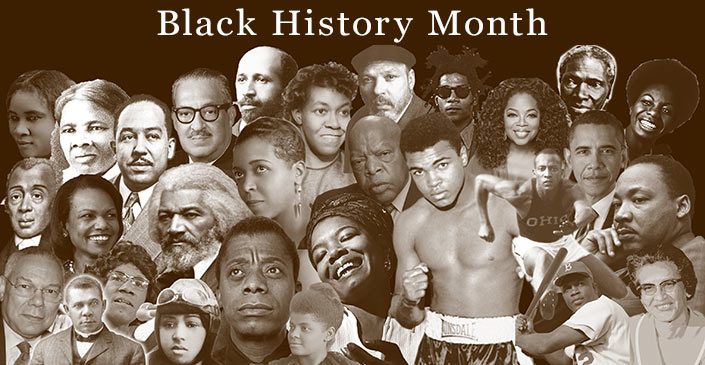
Black History Month UK


September walked out of here like she had somewhere to be, and October is strolling in with hella causes, from Breast Cancer Awareness Month to World Mental Health Day (10/10), to PAIL: Pregnancy and Infant Loss Awareness Month. (We gotta come back to this one!)

Additionally, October is Black History Month in the UK, and since I haven’t seen many people in the US discuss it, let’s do so.

If you didn’t already know, October marks Black History Month in the United Kingdom and was first celebrated in October 1987 to coincide with the 150th anniversary of the abolition of slavery in the Caribbean. (1838-1988)

The observation of October as Black History Month had its beginnings in programs and priorities of the Ethnic Minorities Unit (EMU) of the Greater London Council (GLC), and by the Principal Race Relations Adviser and Head of the Unit, Ansel Wong.

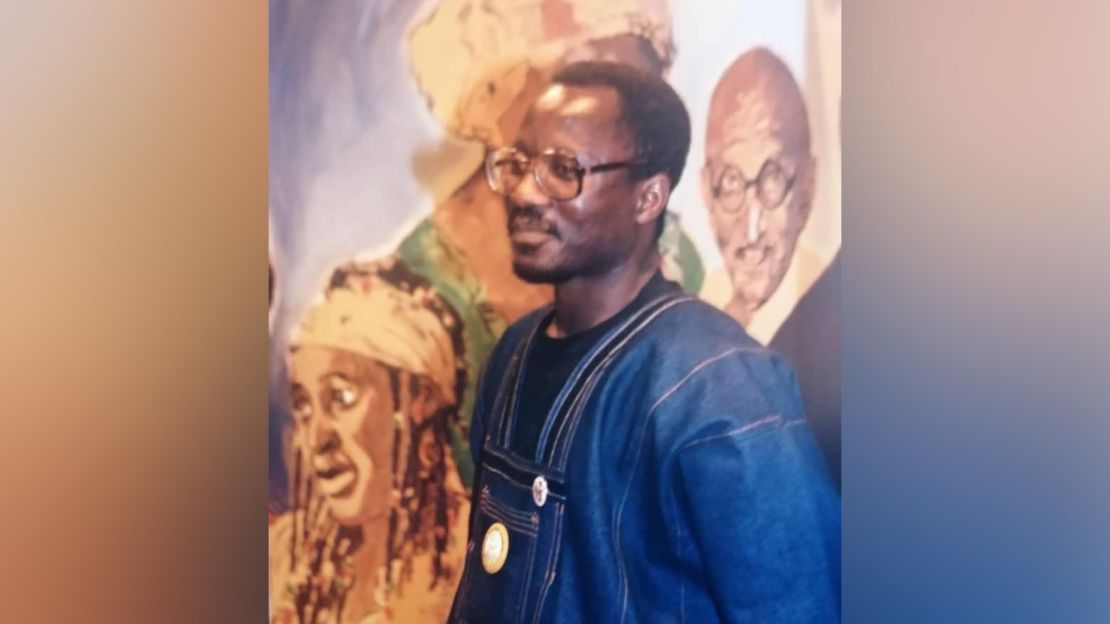
But it was Akyaaba Addai-Sebo who took it to new heights. Addai-Sebo came to the UK from Ghana to seek refuge from political persecution in 1984. Like the founder of Black History Month in America (Dr. Carter G. Woodson), Addai-Sebo wanted to challenge racism and celebrate the history and achievements of his people.

But that’s not all.

Akyaaba’s chief inspiration was young people. He says one of the reasons the celebration is in October is to appeal to children returning to school from summer break. According to one story, Akyaaba encountered a distraught mother who complained that her son (whom she had named after Marcus Garvey) asked her why he couldn’t be white.

“The inspiration for Black History Month came from an incident that happened at the GLC where I worked as the Co-ordinator of Special Projects. A colleague of mine, a woman, came to work one morning, looking very downcast and not herself. I asked her what the matter was, and she confided to me that the previous night, when she was putting her son Marcus to bed, he asked her, ‘Mum, why can’t I be white?’

A young Akyaaba Addai-Sebo

He goes on to say:

“So when this incident with Marcus took place in London, it dawned on me that something had to happen here in Britain. I was very familiar with black history month in America, and thought that something like that had to be done here in the UK, because if this was the fountainhead of colonialism, imperialism and racism, and despite all the institutions of higher learning and research and also the cluster of African embassies, you could still find a six year old boy being confused about his identity even though his mother had tried to correct it at birth.”

– Akyaaba Addai-Sebo, www.crer.org.uk

Why It Matters

Although the overwhelming majority of enslaved Blacks were transported to the Caribbean and South America, not just North America, many Americans are still not familiar with our history in other parts of the world.

For example, the English ship that brought the first recorded enslaved Blacks to the American colonies was called The White Lion and arrived in Jamestown, Virginia, on August 20, 1619. However, we were also already being enslaved by other nations, such as being brought to Puerto Rico by Spanish conquerors as early as 1509.

“People from African and Caribbean backgrounds have been a fundamental part of British history for centuries. However, campaigners believe their value and contribution to society are often overlooked, ignored, and distorted.” (trisha@whatson.uk.com)

Rest is Revolutionary

Left to Right: Tarcia, KE, and EC

“Do revolutionaries rest?”

I laughed at Kathy’s question as we boarded the elevator to find something to wrap up my locs before I got in the water.

It was a line from Spike Lee’s film Malcolm X (or something to that effect). I was enjoying some much-needed time away at Kathy’s pool party in Florida. Her birthday is three days before mine, so it was the perfect quick getaway.

Her friend, Tarcia, echoed a similar sentiment about the importance of resting. I laughed because I don’t consider myself a revolutionary—I am just a person—but they were right: Rest is important, productive, and even revolutionary.

In a culture that glorifies the grind, where packed calendars are badges of honor and constant posting is mistaken for purpose, the sacred productivity of rest is often overlooked. We’ve been conditioned to equate stillness with laziness, but rest is not a sign of lack; it’s a source of strength. To be rested is to return to yourself. Rested minds see more clearly.

Rested souls make wiser choices. Rested bodies carry less tension and less fear. Rest is not an interruption of the work but part of it. It is where discernment sharpens, vision deepens, and peace becomes possible.

Our ancestors knew the value of quiet restoration. In resting, we remember what the noise tries to make us forget: we are worthy, even in stillness.

I don’t know where life finds you right now, but I wish you rest, sacred rest, deeper than sleep—the kind that restores what the world has worn thin. I wish you laughter that dances from your belly like praise and moments so light you forget to be guarded.

May you find spaces to let your crown breathe, your shoulders drop, and your soul stretch wide. I wish you peace that wraps around you like a warm blanket, sings to you like a lullaby, patience that doesn’t rush your becoming, and a calm as steady and holy as waves kissing the shore.

PS: Thank you to everyone who wished me a Happy Birthday yesterday, 5/26. I am always grateful because people don’t have to do these things or show up for you, so I appreciate those who do! Cheers to 38 and feeling great! lol 🙂

Mine


The way my “no” used to get scraped
off the plate
like it didn’t belong there.

I used to think saying no was dangerous.
That my voice
was optional.
That my boundaries
could be bent
by someone else’s appetite.

So I chewed and I swallowed
society’s thoughts of what I should be.
It lingered in the bite I didn’t want to take
but did anyway.

Because saying no felt like breaking a law
I never agreed to.

I learned to shrink
before I even grew.
To please
before I even spoke
To disappear
before I was ever seen.

But I’m done swallowing silence.
I’m done seasoning my discomfort
to make others more comfortable.

My “no” is full-bodied now.
My “yes” wears boundaries like armor.

And I don’t eat guilt.
And I don’t eat shame served cold
on expectation’s plate.

I eat truth.

I eat meals made of my own choosing.
And this voice?

This voice is seasoned.
Bold.
Loud.

This voice is mine.


My Poetry

Black History does not just live in textbooks,
but on the tongues of poets.

Every stanza is a stepping stone
laid by those who came before me.
It echoes of cotton fields, jazz clubs,
freedom songs, and community.

This is more than poetry.
This is preservation.
This is protest.
This is legacy.
This is poetic justice.

These words be the revolution my ancestors prayed for.

This is why my poetry
cannot be disconnected
from my History.

Pen in hand, I’m stitching liberation into every line.

This is Phyllis Wheatley
and Gil Scott-Heron’s reminder
that my future is Black, brilliant,
and beautifully written.


A Historical Moment: Meeting Michelle

Michelle Petties

I am no longer surprised to find purpose in the people I meet. I am being guided to certain people for a reason. When I complimented Michelle on her Afro at the She Wins Conference last year, I had no idea she had such a rich backstory. When I did a video about the real Great Debaters, I didn’t know Michelle had also attended Wiley College!

Here are some fun facts I learned from her essay: “GROWING UP ON THE ‘COLORED’ SIDE OF THE BORDER:

  • Meet Michelle Petties, whose grandmother and aunt attended Wiley College, a historically Black college depicted in the 2007 film The Great Debaters, starring Denzel Washington. If you follow me on TikTok, I made a video about the real debaters that you can find under my Must Watch playlist. Michelle also attended Wiley in 1974.
Photo Credit: Michelle Petties | The author’s childhood home at 1208 E. Travis St., formerly known as Border Street.
  • Michelle was born and raised in Marshall, Texas, on Border Street (now Travis St), which served as a literal line of separation between the Black community situated south of the street and the white one on the north.
Photo Credit: Michelle Petties | The author (third from right, second row) at Sam Houston Elementary School in 1965.
  • In the fall of 1965, Michelle became one of the first Black students to integrate Sam Houston Elementary School.
  • A library worker denied her entrance because she was not a “mammal.” “If that sounds strange to you,” said Michelle, “imagine how it sounded to a young Black girl growing up at a time when segregation was still very much a part of the culture.”
Photo Credit: Michelle Petties | George Foreman, perhaps Marshall, Texas’s most famous son, meets President Lyndon B. Johnson in 1968. LBJ’s wife, Lady Bird Johnson, was born on a former plantation in Karnack, Texas, which is considered the Greater Marshall area.
  • She used to play with George Foreman as a child.

You Can Read Michelle’s Full Essay Here!

Black History Fun Fact Friday – Juneteenth

In honor of Juneteenth, I am reposting this from a few years ago. It was written before it became an official holiday and then updated after. I hope you can still glean something from it. Enjoy!


Many Black Americans are replacing their fourth of July celebrations with Juneteenth. For many, the day is a celebration of freedom. However, the harsh reality is that even after Juneteenth, many Blacks were still enslaved and suffering.


In the Beginning…

Born on February 12, 1809, near Hodgenville, Kentucky, Abraham Lincoln is most famous for preserving the Union during the American Civil War and bringing about the emancipation of enslaved people in the United States. However, before he wrote the esteemed Emancipation Proclamation, several efforts were made to preserve the Union without freeing the enslaved. These efforts included Colonization, or the idea that a majority of the African American population should leave the United States and settle in Africa or Central America.

On August 14, 1862, five years after The Dred Scott Decision that reiterated Blacks were not, and as “a second class of persons,” could not be citizens, Abraham Lincoln hosted a “Deputation of Free Negroes” event at the White House. Led by the Rev. Joseph Mitchell, commissioner of emigration for the Interior Department, it was the first time African Americans had been invited to the White House to weigh in on a political matter. 

Lincoln planned to produce a document that would not only free some of the enslaved but, once freed, call on them to leave the country voluntarily. This idea, Lincoln’s Panama Plan, was not new but had been circulating among white racist elites and eugenicists since the 1700s.

“In 1816, a group of white enslavers and politicians in Washington, D.C. created the American Colonization Society (A.C.S.) to promote the removal of free Black people, who would be encouraged to leave the United States and resettle in West Africa.” A.C.S. and its many chapters hoped this would rid them of free Black people while preserving slavery.”

-The 1619 Project, pg. 23

To make a long story short, Lincoln’s original plan was to have a document that, while freeing some enslaved people, also required those freedmen to, sum up, “Go back to Africa.”

87275

Let Freedom Ring?

Lincoln issued the Emancipation Proclamation on January 1, 1863, to end slavery in the States that were in Rebellion. The proclamation declared “that all persons held as slaves” within the rebellious states “are, and henceforward shall be free.”

“The Emancipation Proclamation did not apply to slave states that weren’t in rebellion; Kentucky, Delaware, Missouri, and Maryland. It also didn’t apply to territories. It didn’t apply to Tennessee, lower Louisiana, and the counties of Virginia that were to become West Virginia.”

-William Spivey 

With the passing of the 13th Amendment in January of 1865, slavery was officially deemed illegal in America, freeing all people enslaved.

82704

Well. Wait, except the people in Texas and other places.


Many Texas men, women, and children were still being held in bondage and did not know that slavery was over.

News of the supposed emancipation did not spread as quickly as the movies would have us to believe. Many slave-owners packed up their belongings and moved to Texas in mass.

“Since the capture of New Orleans in 1862, slave owners in Mississippi, Louisiana and other points east had been migrating to Texas to escape the Union Army’s reach.”

-Henry Louis Gates Jr.

More than 150,000 enslaved people had made the trek west, according to historian Leon Litwack in his book Been in the Storm So Long: The Aftermath of SlaveryAs one former enslaved person recalled, “It looked like everybody in the world was going to Texas.” For the next two years, the enslaved would live removed from the updates of the war, and slavery would go on, business as usual.

These men, women, and children were still enslaved until June 19, 1865. Union soldiers, led by Major General Gordon Granger, landed at Galveston, Texas, with news that the war had ended.

This, the freeing of the enslaved in Texas, is the reason many Black Americans celebrate Juneteenth instead of July 4th as their National Independence Day.

“The people of Texas are informed that, in accordance with a proclamation from the Executive of the United States, all slaves are free. This involves an absolute equality of personal rights and rights of property, between former masters and slaves and the connection heretofore existing between them, becomes that between employer and hired labor.”

The language of this decree is important. Enslaved people are being told they are free two and a half years after President Lincoln’s Emancipation Proclamation.

If we read further, we see that they are also being told that they must remain at their present homes (the plantation) and work (continue slave labor) for “wages.” And that any “idleness,” among them won’t be tolerated. 

“The Freedmen are advised to remain at their present homes and work for wages. They are informed that they will not be allowed to collect at military posts; and they will not be supported in idleness either there or elsewhere.”

Thus, much like the Emancipation Proclamation, this order also did not free all enslaved persons.

Juneteenth0619

“There is much evidence to suggest that southern whites—especially Confederate parolees—perpetrated more acts of violence against newly freed bondspeople in Texas than in other states.”

-Historian Elizabeth Hayes Turner in an essay titled “Juneteenth: Emancipation and Memory.” 

“Between the Neches and Sabine rivers and north to Henderson,” she continues, “reports showed that blacks continued in a form of slavery, intimidated by former Confederate soldiers still in uniform and bearing arms.” Murder, lynching, and harassment were common. “You could see lots of Negroes hanging from trees in Sabine bottom right after freedom,” reported one freed slave, “They would catch them swimming across Sabine River and shoot them.”

Celebrations

65837

African Americans celebrated their freedom with the first official Juneteenth event in 1866, where they read the Emancipation Proclamation of 1863 and praised Abraham Lincoln as “The great liberator.”

“Free them and make them politically and socially our equals? My own feelings will not admit of this; and if mine would, we well know that those of the great mass of white people will not.”

– Abraham Lincoln, August 21, 1858

“My paramount object in this struggle is to save the Union and is not either to save or to destroy slavery. If I could save the Union without freeing any slave I would do it, and if I could save it by freeing all the slaves I would do it, and if I could save it by freeing some and leaving others alone I would also do that. What I do about slavery, and the colored race, I do because I believe it helps to save the Union.”

– Abraham Lincoln, Letter addressed to Horace Greeley, Washington, August 22, 1862

The celebrations continued until coming to a halt with the institution of Black Codes and, eventually, Jim Crow. These laws essentially put Blacks back into a form of slavery where they were fully disenfranchised. After the Civil War and the end of slavery, southern states, which had amassed great wealth from slavery, found their economy in shambles. They had to figure out how to keep a slave-like system going.

10084

Black Codes

Black Codes came from slave codes, laws created to limit the rights of African Americans. They subjected them to criminal prosecution for “offenses” such as loitering, breaking curfew, vagrancy, having weapons, and not carrying proof of employment. These were the same “offenses” that would get enslaved people whipped or sold during slavery.

For example, the enslaved could not travel from place to place without a pass signed by their owner. Those without such a pass could be arrested, jailed, and detained as a runaway. Some owners wrote general passes allowing their slaves to “pass” and “repass.”

Black Codes included Pig Laws that unfairly penalized poor African Americans for crimes such as stealing a pig. It was also a crime to be unemployed.

These laws could be imposed on Black men easily, sending them to jail, and thus, former slave owners turned “entrepreneurs” could lease them to various companies that would work them to death and treat them like they were slaves. This made the states tons of money.

“The laws passed in Texas were similar to those passed in every other Confederate state. Modern-day politicians often make comparisons to Jim Crow as one of the worst periods in African American life.

Jim Crow didn’t have shit on the Black Codes, which was the South’s attempt to recreate enslavement and go back to business as usual. Mass incarceration isn’t a recent invention; during the Black Codes, Black people could do little without running afoul of the law with the penalty being sent back to the fields if they weren’t already there.”

William Spivey, Why Celebrate Juneteenth and What Did It Accomplish

Juneteenth didn’t make a full resurgence until The Civil Rights Movement when Blacks began to celebrate it fully again. And while many Blacks have celebrated it for centuries, it still did not become an official Holiday until 1980, when it was made a Texas State Holiday.

Still, it wasn’t until 1997 that Congress recognized June 19 as “Juneteenth Independence Day,” after pressure from a collection of groups like the National Association of Juneteenth Lineage and the National Juneteenth Celebration Foundation.


UPDATE:

As of  June of 2021, Juneteenth is now a National Federal Holiday.

1418

But the question remains, what exactly did Juneteenth accomplish for the Black man, woman, and child? What freedom did it bring about?

Some sum it up this way:

“Today Juneteenth commemorates African American freedom and emphasizes education and achievement. It is a day, a week, and in some areas a month marked with celebrations, guest speakers, picnics and family gatherings. It is a time for reflection and rejoicing. It is a time for assessment, self-improvement and for planning the future.

Its growing popularity signifies a level of maturity and dignity in America long over due. In cities across the country, people of all races, nationalities and religions are joining hands to truthfully acknowledge a period in our history that shaped and continues to influence our society today. Sensitized to the conditions and experiences of others, only then can we make significant and lasting improvements in our society.” – https://juneteenth.com/

But, Spivey brings out another good point worth considering:

“Texas after Juneteenth wasn’t an anomaly. Slavery continued to go on in states in the South, North, and West. In some cases, for several years. Slavery still existed in other parts of the United States and did so until the ratification of the 13th Amendment on December 6, 1865, and beyond.

Slavery still existed in Delaware and Kentucky, which resisted all Union attempts to end slavery and refused to ratify the 13th Amendment. In California, slavery was sort of outlawed in 1850 as a condition for statehood. The exception was slaves who had been brought to California and where the possibility they might return one day to their original home existed, even if that state had voted to ratify the 13th Amendment.

New Jersey had as many as 400 people remain slaves long after Juneteenth. Oregon’s provisional government banned slavery in 1844 but forbade free black people from settling in the territory. Settlers continued to bring slaves with them. General Joseph Lane, a former territorial governor, kept at least one slave on his farm until 1878, 13 years after the passage of the 13th Amendment.”

17677

It is true Blacks were not free on July 4, 1776. But it is also true many Blacks were not free on June 19, 1865, either.

Juneteenth did nothing to restore land or citizenship rights to the 40 million newly freed Blacks. Immediately after African Americans in Texas were freed from chattel slavery in June of 1865, they were required to have labor contracts, and many Blacks returned to their former slave-owners. 


1686848970

Grab Your Copy of Black History Facts You Didn’t Learn in School Here