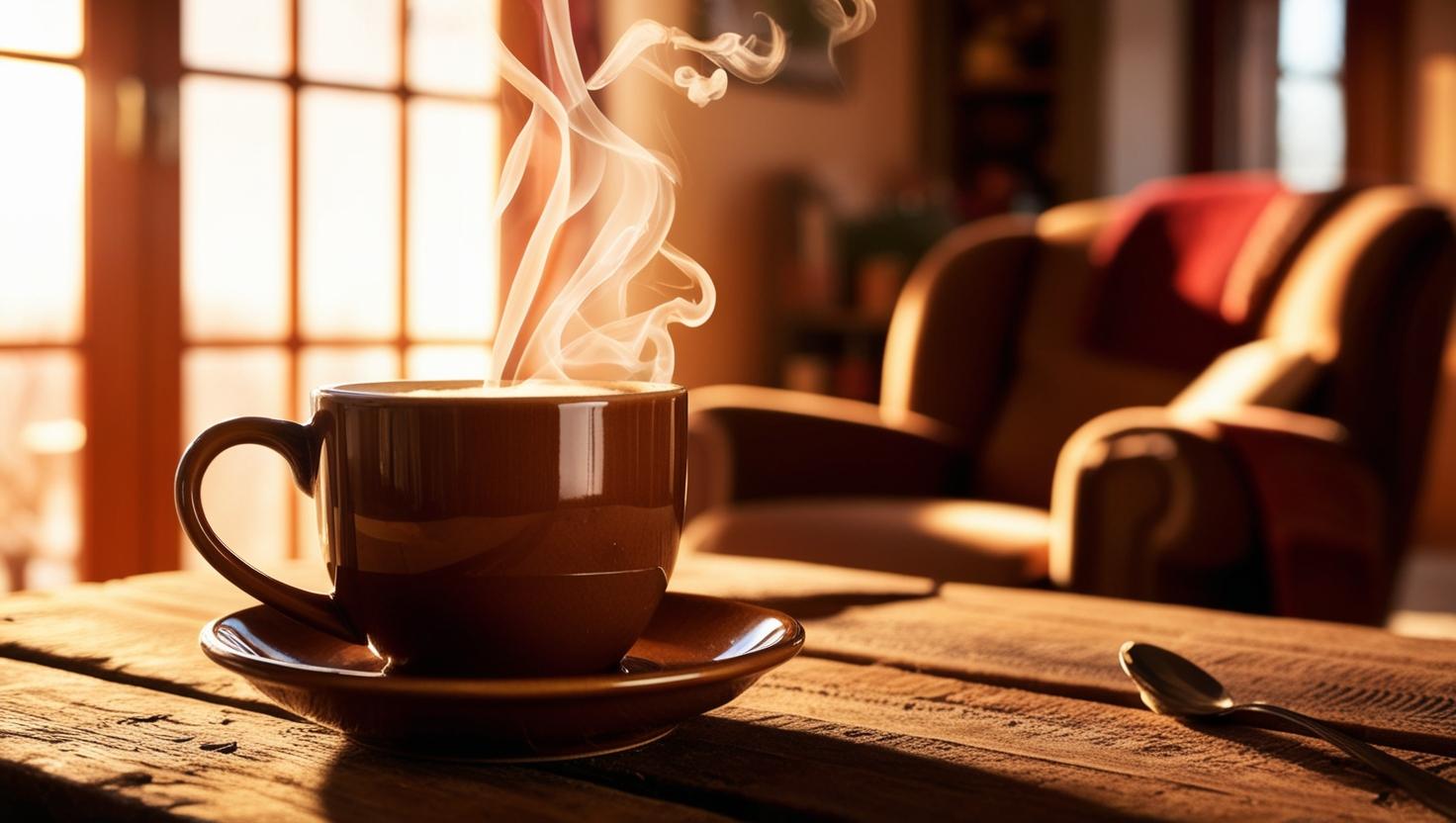
This Morning’s Coffee

My Favorite Coffee Spot, Cafe Intermezzo

This coffee tastes like simplicity and intimacy.

Like slowing down in a world where grind culture’s got us in a headlock.

This coffee tastes like my eyes on him and not the clock.

It tastes like listening with intention,

like people watching,

and fresh coffee beans roasted just for me.

This morning’s coffee tastes like warmth and rest.

Like embracing leisure

like language waiting on my tongue to be released

like laughter caught in my throat,

spilling over into conversation

and falling into my cup.

An anointing for me to sip

and let rest in the corner of my mouth.

This coffee tastes like it is building a home in me

to craft a new poem in its honor

to hone creativity in the quietude

of a cafe.


I brought our coffee date to life, haha.

You Are Missing Out

“If growing up is painful for the Southern Black girl, being aware of her displacement is the rust on the razor that threatens the throat. It is an unnecessary insult.”

– Maya Angelou

I am excited to have reached my substack goal of having the first ten subscribers! Actually, I have eleven, so I have exceeded my goal. Tee Hee.

WordPress will always be home, and I will continue to write here. My goal on Substack is still to restore Black historical truth, except I am restoring my own truth. I am opening up more about my personal story and laying the foundation for a new journey.

But it’s not just about my story.

“I Wasn’t Built to Break” isn’t just about a car accident or a broken leg—it’s about the fractures life leaves behind. It’s about shattered hearts, struggling communities, and the resilience that rises through the cracks.

Yes, I’ll share the story of that life-altering accident, but I’ll also take you through my early years wrapped in poverty, my battles with fertility, and the relentless attempts this life has had to break not just me but Black women like me.

And yet, through it all, I stand, we stand—unshaken, unbroken, and undefeated.

Hop on over there and subscribe so you don’t miss it!

We are already three articles in. Click on the link below to catch up.

https://yecheilyah.substack.com/

So, What’s Tea?

I take a slow, measured sip of my coffee, savoring both the drink and the moment before exhaling softly.

Now that you have your mug and are snug like a bug in a rug, here’s what I’ve been up to lately…”


February has been full, starting with Hubby and I celebrating our fifteenth marriage anniversary on 2/17.

Most recently, we also celebrated the first anniversary of releasing my first nonfiction history book, Black History Facts You Didn’t Learn in School, which came out on February 24, 2024. For those of you who know, I usually write historical fiction, so this was my first time doing nonfiction.

This first year has been a blessing, and the support has been monumental. So far, we’ve been placed in four bookstores and one school and have sold hundreds of copies.

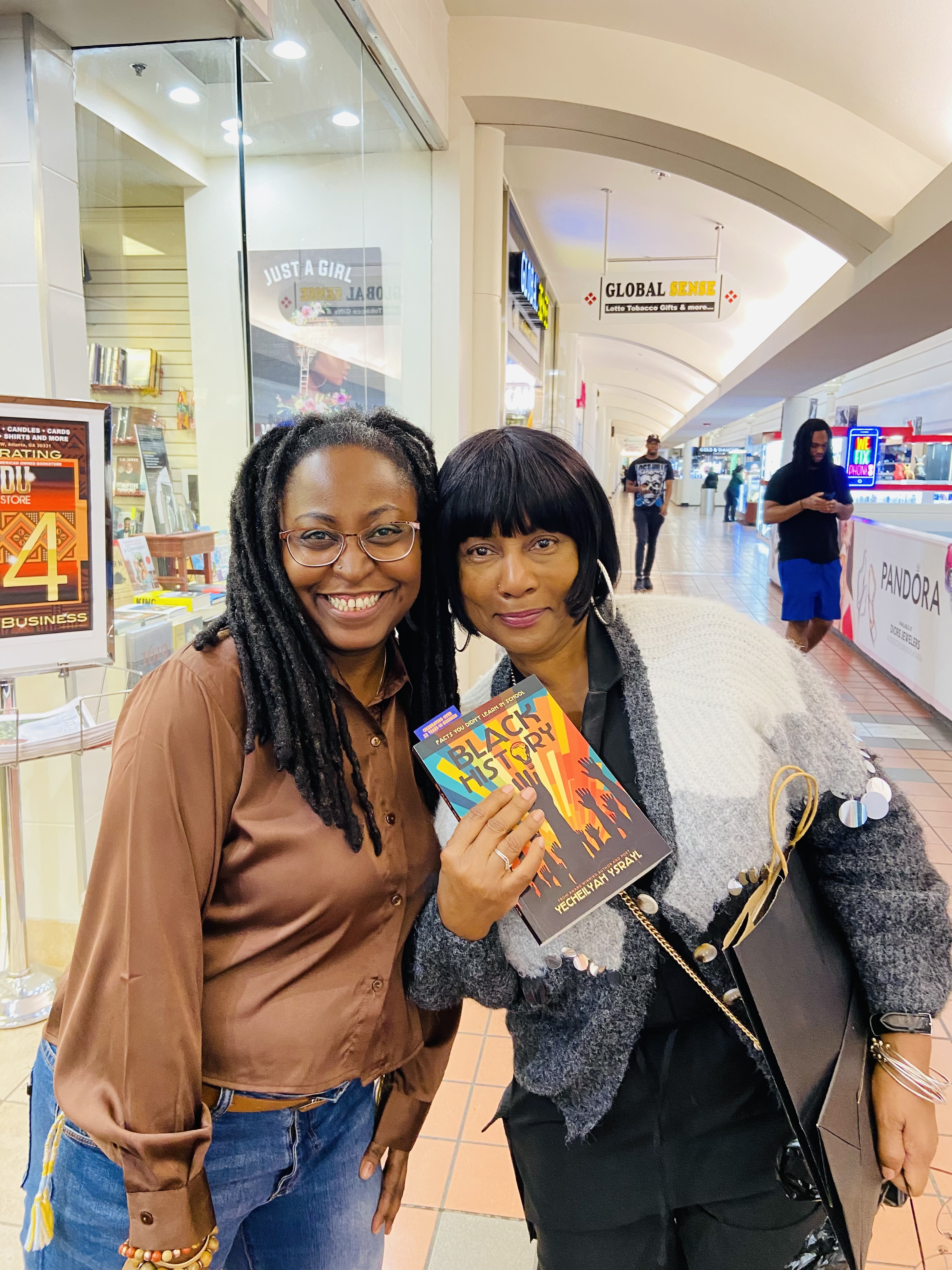
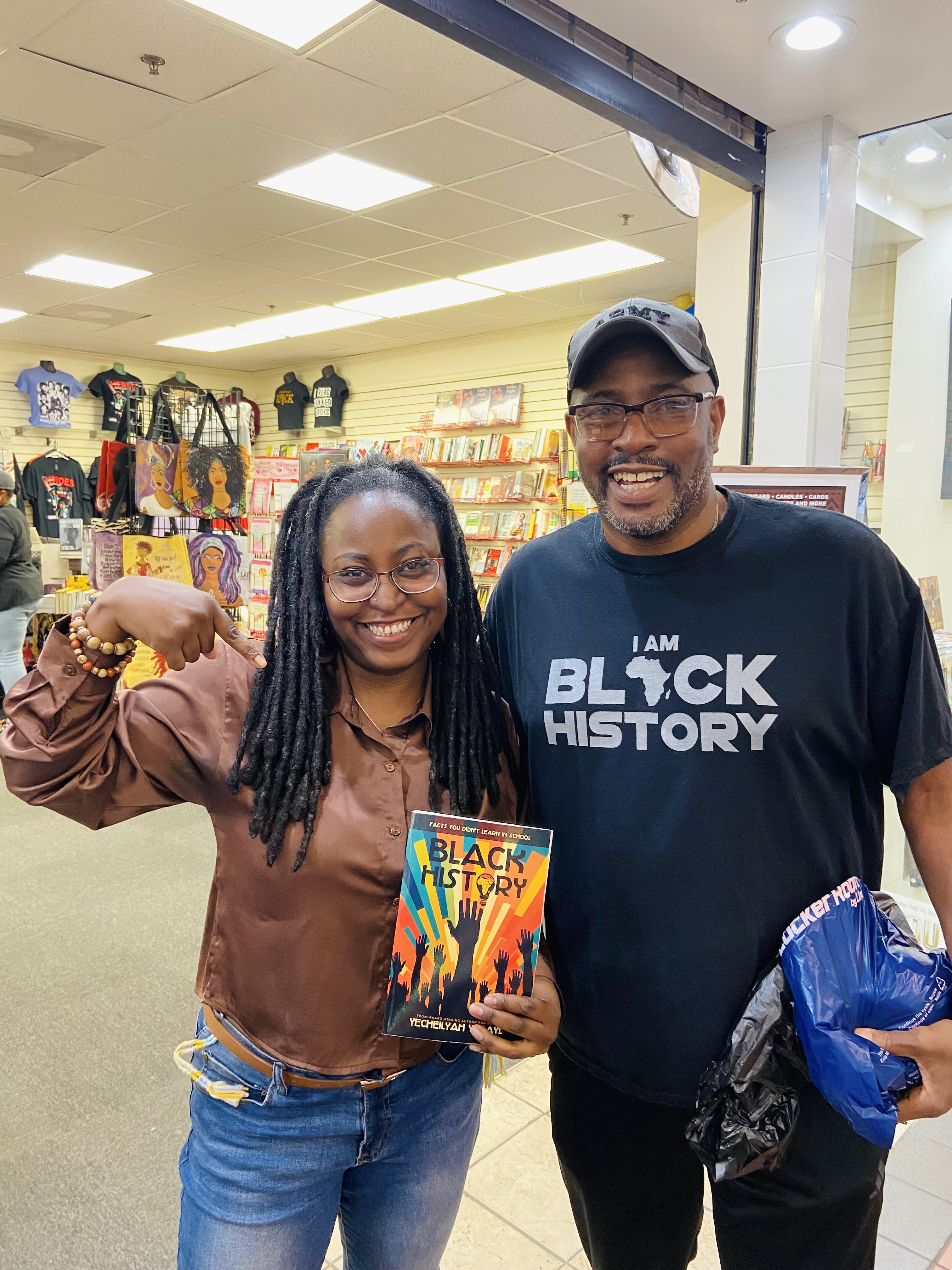
Book Signing and Meet and Greet | 2/8/25 | Medu Bookstore, Greenbriar Mall, Atlanta

For reference, I am a self-published, independent author without a massive crew behind me. I am not affiliated with any huge publishing firms or financed by any organization. Indie authors work hard but receive only a fraction of the visibility that a major publisher would provide. Thus, seeing our hard work pay off is extremely special.

I am drafting a separate post detailing the three things I did that set this book apart, which I will post later.

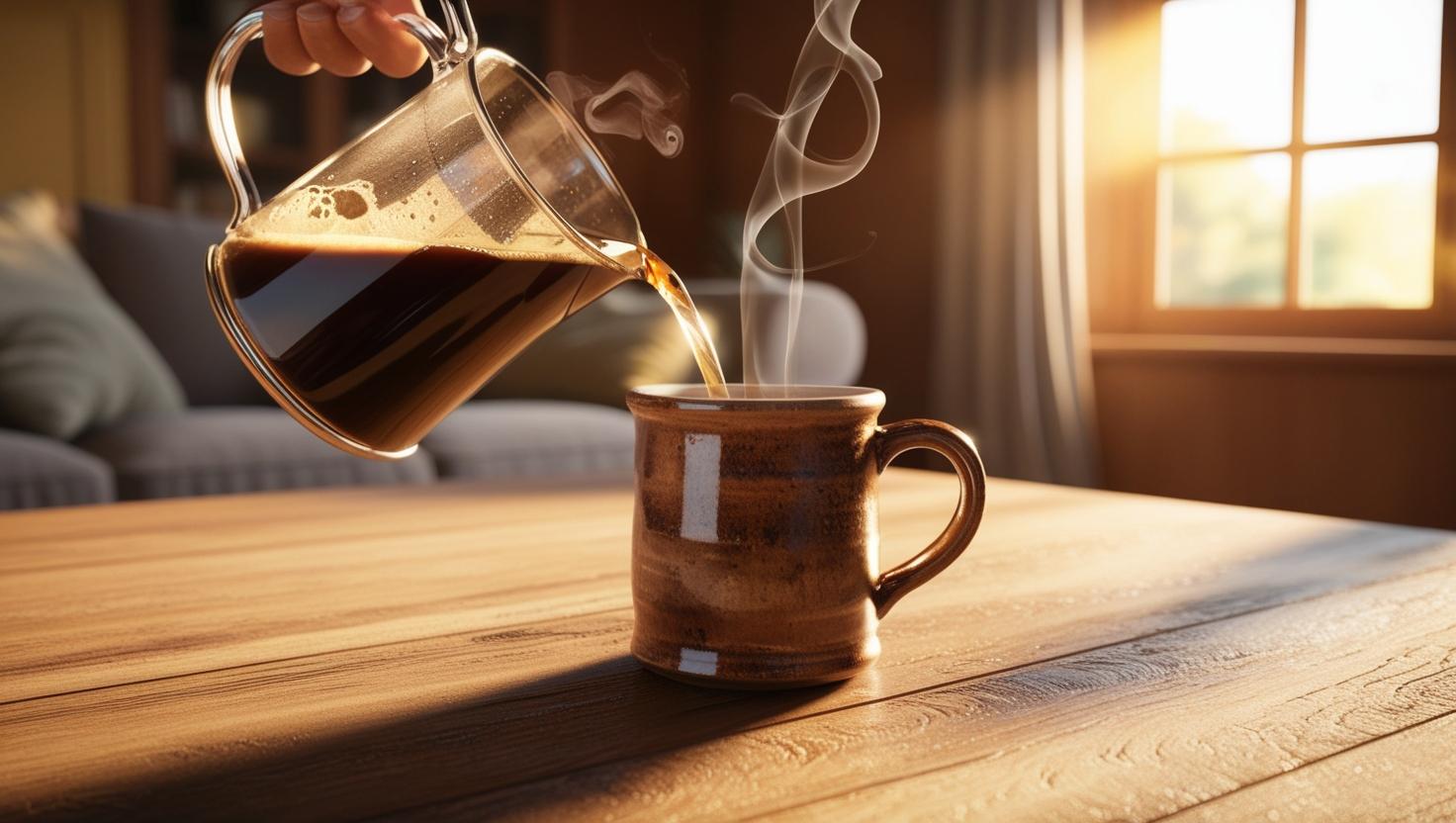
Before I tell you the other thing, let me refill your cup. There you go.

Another thing you should know is that today, just a few days after our bookversary, Tabitha Brown reposted a Black History video I did some weeks ago on the Safe Bus Company. Instagram and Facebook are going bananas, chile.

As a reserved and introverted person, this is a lot. However, I am humbled and thankful for the opportunity to reach many new people who are passionate about restoring the Black Historical Truth.

Finally, I have packed my bags and jumped on the Substack bandwagon. However, what I am sharing over there is a bit different. I want to lean more into my story and build deeper connections this year.

I have decided to start with what it’s like living with a steel plate in my thigh. Below is a description of my publication series and a link to follow me if you want to learn more.

Thanks so much for spending this time with me! You can leave your cup on the table. I’ll get that. Don’t forget that your shoes are by the door and your coat is hanging up in the closet!


Substack Info:

I Wasn’t Built to Break

“I Wasn’t Built to Break” is an intimate, behind-the-scenes journey into life with a steel plate inside my body. This series takes you through the pivotal moments that shaped me—from my early upbringing to the life-altering accident that nearly took everything when I was hit by a car. With raw honesty, I share the physical and emotional battles of recovery and what it truly means to rebuild a life that was almost lost.

Subscribe to read my articles! The first one is free and available now.

https://yecheilyah.substack.com/

The next meet-up is tomorrow, 2/28! See you soon.

If We Were Having Coffee Right Now

Please, come in!

I know it’s been a while since we last spoke. Here, let me get your coat.

Shake the chill from your bones and leave the weight of the world at the door.

Speaking of the door, there is a shoe rack next to you. Go ahead and remove your shoes. I have some footies you can slip into. I hope you like the color black.

I took the liberty of roasting the coffee beans with a whisper of cinnamon and French Vanilla cream. I hope that’s okay.

Sit. Let the loveseat cradle you. Relax yourself. You are home. I’ll open the curtains so the light can spill in on us.

Here’s your coffee. Let your hands wrap around the warmth of the mug, and the heat seep into your skin like an unspoken promise—exhale as long as you need.

The world outside can wait. Here, in this quiet space, there is no rush, no burden too heavy, only the sound of our voices, the comfort of shared silence, and the rich laughter of coffee poured into porcelain.

Let’s drink deep and savor the moment—just you, just me, just the steady rhythm of being.

Now that you have your mug and are snug like a bug in a rug, here’s what I’ve been up to lately…

A Historical Moment: Meeting Michelle

Michelle Petties

I am no longer surprised to find purpose in the people I meet. I am being guided to certain people for a reason. When I complimented Michelle on her Afro at the She Wins Conference last year, I had no idea she had such a rich backstory. When I did a video about the real Great Debaters, I didn’t know Michelle had also attended Wiley College!

Here are some fun facts I learned from her essay: “GROWING UP ON THE ‘COLORED’ SIDE OF THE BORDER:

  • Meet Michelle Petties, whose grandmother and aunt attended Wiley College, a historically Black college depicted in the 2007 film The Great Debaters, starring Denzel Washington. If you follow me on TikTok, I made a video about the real debaters that you can find under my Must Watch playlist. Michelle also attended Wiley in 1974.
Photo Credit: Michelle Petties | The author’s childhood home at 1208 E. Travis St., formerly known as Border Street.
  • Michelle was born and raised in Marshall, Texas, on Border Street (now Travis St), which served as a literal line of separation between the Black community situated south of the street and the white one on the north.
Photo Credit: Michelle Petties | The author (third from right, second row) at Sam Houston Elementary School in 1965.
  • In the fall of 1965, Michelle became one of the first Black students to integrate Sam Houston Elementary School.
  • A library worker denied her entrance because she was not a “mammal.” “If that sounds strange to you,” said Michelle, “imagine how it sounded to a young Black girl growing up at a time when segregation was still very much a part of the culture.”
Photo Credit: Michelle Petties | George Foreman, perhaps Marshall, Texas’s most famous son, meets President Lyndon B. Johnson in 1968. LBJ’s wife, Lady Bird Johnson, was born on a former plantation in Karnack, Texas, which is considered the Greater Marshall area.
  • She used to play with George Foreman as a child.

You Can Read Michelle’s Full Essay Here!

Why Self-Publishing Poetry is Different From Other Books

Publishing a poetry collection differs from publishing a novel or nonfiction book. One main reason is the editing; poets must pay special attention to this.

When looking for an editor for our poetry collections, we must ensure they know how poems work. Some poems, for example, are not intended to be grammatically correct. They might include lowercase letters where they would not normally be and play with conventions of spelling, layout, and typography.

An editor of poetry must be a critical reader and familiar with current trends in poetry publication. They must work closely with the poet to understand what is deliberate and what is not. A good editor will point out grammatical errors and ask if they are intentional—frequently, they will be, but it is a good editor’s job to ask.

Poetry editors must be willing to respect the intention of the poet. They must exercise restraint in those areas where they think a piece should be corrected when the poet did not intend it to be. It is also helpful to know whether the poem respects the conventions of the form or deviates deliberately. For instance, if there is a misstep in the rhyme scheme, it should be flagged in case the poet wants to adjust it.

In short, authors who self-publish poetry must find editors who are knowledgeable about how poems work. It would be even better if the editor were also a poet.

If you enjoyed this post, check out our archive on Indie Author Basics, designed to guide you to self-publish your books with excellence.

Stay Warm, Good People!

Notice the Breadcrumbs: A Reflection Activity

I’ve been writing poetry since I was twelve years old, but it wasn’t until I joined the UMOJA Spoken Word group in High School that I truly understood it and how to fuse the words on the page with my voice to bring them to life.

At the time, I didn’t know much about Kwanzaa or its meaning, let alone that UMOJA was the first principle. Lasting for seven days, Kwanzaa was initiated by Dr. Maulana Karenga in 1966, with each day representing a practice. Umoja, the first principle of the Nguzo Saba, focuses on unity on the first day, December 26th. According to Karenga, “during Kwanzaa, we practice the candle lighting ritual called ‘lifting up the light that lasts,’ based not only on the history of our people in practice but also on the sacred teachings of our ancestors.”1

Although I don’t celebrate holidays today, 2 I appreciate the breadcrumbs sprinkled throughout my life that helped me to later identify my purpose, which will always go back to restoring the forgotten heritage to the forgotten people. As one who does not believe in coincidences, I think it’s important, maybe even wise, to notice those tiny steppingstones throughout our lives that molded or mold us into the people we are today.

An example of breadcrumbs could be me joining the Umoja poetry group, meeting my husband in an African American studies class, and marrying him in February, Black History Month. We did not intend to do this as we did not have a wedding. We mutually decided to elope on what we thought was a random day during a random month.

I now know nothing is random. I do not believe that things just happen.

As we prepare to end another year and embrace a new one,3 I challenge you to think more deeply about the things that have happened in your past and that happen now and see if you can make connections between them and your purpose. Consider that there is more to those coincidences and Deja Vu moments we’ve been taught to toss to the wind. This is not only a fun reflection activity, but it can also be helpful for those who do not yet know their purpose or mission.

It takes a deep spiritual maturity to appreciate things we’ve experienced and see their connection to who we are now without condemnation of that thing or ourselves. Sure, you know what you know, but you didn’t always have that understanding. Once upon a time, you needed to be guided to where you are today. Those are the breadcrumbs.

Ten, twenty, maybe even thirty years from now, we will see hints given to us today that helped guide us to wherever we are in the future.

And in the future, we will smile and nod in recognition of those stepping stones we were too preoccupied with life to notice but that led us to where we are.


  1. “Celebrating Kwanzaa in Difficult and Demanding Times: Lifting Up the Light that Lasts.” Dr. Maulana Karenga. Los Angeles Sentinel, 12-26-24. ↩︎
  2. I appreciate and respect Kwanzaa for what it is, but I don’t participate in its associated rituals. ↩︎
  3. For the extra-woke people out there, yes, I know a new year technically does not begin in the dead of winter but in spring. However, we will still measure the time based on the Gregorian calendar’s two thousand and twenty-fifth year. You still have to report back to work, and your children will still return to school in January something 2025. Thus, I will use the measurement of time most familiar with today for clarity. Let’s not be Pharisees about this. ↩︎