When promoting your book online, you must do more than post pictures of your cover if you want people to buy it. To be more precise, I want you to focus more on the message and why it matters to you than on trying to sell the book.
What are some of the topics your book covers? Use those topics as stepping stones to reach your target audience. If your book is about how you survived an abusive relationship, you should be finding communities dedicated to eradicating domestic violence and creating content around how you survived it based on what you’ve written in your book. October is Domestic Violence Awareness Month, so you will want to work hard to share your expertise with the people who need it.
If you wrote a fiction book, what kind of escape does it provide readers? Is it entertaining? Romantic? Educational? Does it make us stop to think? Is it thought-provoking? Does it make us laugh until our stomach hurts? The world is hurting now, so people are looking for that getaway.
If you wrote a poetry book, consider participating in open mic nights or reciting poems live on Instagram or TikTok. Join poetry contests, and of course, you cannot miss National Poetry Month in April!
The idea is to focus less on selling the book and more on building community around its content. Think about how your book can add value to readers in your community rather than how you can make a sale.
In Firsthand, Richard McLeary owns over seven hundred acres, the third largest Plantation in Chatham County. The land was given to him by his father-in-law on the condition that he marry his daughter and treat her well. However, Richard is arrogant and seeks the approval of other wealthy planters. He boasts as if his land cannot be stripped from him and violently mistreats the enslaved people working his plantation.
In just the first few chapters, we are witnesses to his brutality which includes the death of an enslaved man defending another. In this haunting and poignant historical fantasy, debut author A’Dreana Anderson is compelling in her telling of slavery to such an extent that it felt like Richard had written this story from his own personal account. I can see a racist white man who pretends he is wealthier than he actually is clearly in my mind. There are also some historical accuracies I appreciated.
When visiting the Slave Market, the auctioneer presented an enslaved woman who was pregnant. Richard frowns and decides not to bid on her. While enslavers eventually valued women of childbearing age, this was not always the case. Before 1808 and the abolition of the slave trade, many slave owners discouraged enslaved women from reproducing. They considered the infants to be time-consuming and took too much time away from the women working. It wasn’t until after 1808 when slave owners could no longer depend on the domestic supply of enslaved laborers from the trade, that they sought women who could reproduce and had already given birth to healthy children.
The story’s turning point occurs when Richard, his son Henry, and his overseer James head to the Oglethorpe’s Racecourse Slave Market outside of Savannah to replace the enslaved people he murdered. He bids on Nini, a strong, gorgeous Black mute woman who captures his eye so much that he spends $2,500 for her. He immediately lusts after her and attempts to beat her into obedience. However, Nini refuses to comply, which turns him on even more. There is something about her eyes, and Richard is going to find out the hard way when he wakes up to realize he has been condemned to live as a mute, enslaved Black man.
Some graphic scenes might be too much for some readers, though, and some of the descriptions, although well-written, slowed the story just a bit. (Richard sometimes talked too much for me.) However, this was not to the extent that it destroyed the overall reading experience.
To have your book reviewed on this blog, apply here!
Stay tuned for our next dope read!
Yecheilyah’s Book Reviews is a reputable review service that features writers from all over the world, both traditionally and independently published. We are listed on Kindlepreneur as a top-tier book review blog and Reedsy as one of their vetted active book blogs that provide insightful, excellent book reviews.
If you’ve ever wondered what it’s like to be an addict, this short narrative will transport you there. From the weight of guilt to the hope of redemption, the author portrays a picture of addiction that will make you reconsider your feelings about addicts.
The story opens with Mariam sitting in a car outside her daughter’s school, watching with binoculars. She is not allowed to see Zora. She has lost access to such privilege.
As someone who grew up with an addicted mother, I understand what it’s like to be a daughter and not have your mother around, which doesn’t always mean she’s not present. For example, Zora refers to Mariam as Aunty, even though she is her mother. She does this because she does not know Mariam is her mother. It took me back to the first nine years of my life when I addressed my mother by her first name. What I appreciated, though, was how the author helped me grasp how it feels from the mother’s perspective. The author’s writing style is poetic, allowing for honesty and grace.
Call Me Mama helps us empathize with the human parts of those who fall prey to addiction, and I love that about good fiction. Don’t just tell me someone is a villain; show me why. How did this person get to this point? What made them the person they are? In addition, we so often see the monster and not the person being held hostage in their bodies, a prison for their unhealed trauma.
“She wanted to beg, plead for another chance, promise that this time would be different. But the words died in her throat, strangled by the shame that had become her constant companion.”
Then, there is Mary-Joanna, a constant temptation. “Come on, let’s get out of here, have some real fun,” she says as they sit in the basement of a church. Her words are like a trigger that sends Mariam’s heart beating against her ribs until she no longer hears anything the speaker is saying, only the promise of relief from the dungeon of darkness she’s found herself in.
But, it is Zora who is the real salvation of Mariam’s story. The innocence of a child and the unconditional love Zora wrap around her mother’s neck offers Mariam the hope she desperately needs. Will she take it?
To have your book reviewed on this blog, apply here!
Stay tuned for our next dope read!
Yecheilyah’s Book Reviews is a reputable review service that features writers from all over the world, both traditionally and independently published. We are listed on Kindlepreneur as a top-tier book review blog and Reedsy as one of their vetted active book blogs that provide insightful, excellent book reviews.
Please be sure to follow the policy instructions if you wish to get a response from me. I do not accept unsolicited requests for reviews.
Emailing me a heartfelt story, list of accomplishments, and book awards will not get me to review your book. Everyone must go through the policy.
About Yecheilyah’s Book Reviews:
Yecheilyah’s Book Reviews is a renowned review service that features writers from all over the world, both traditional and self-published. We are listed on Kindlepreneur as a top-tier book review blog and Reedsy as one of their vetted active book blogs that provide insightful, excellent book reviews.
Our reviews are so exclusive that we only open the registry once a year and for a limited time.
“Yecheilyah did an amazing job reviewing my self-published book. She was extremely thorough and brought forth all the important elements of the story. I would highly recommend her services to anyone in need of a book review.”
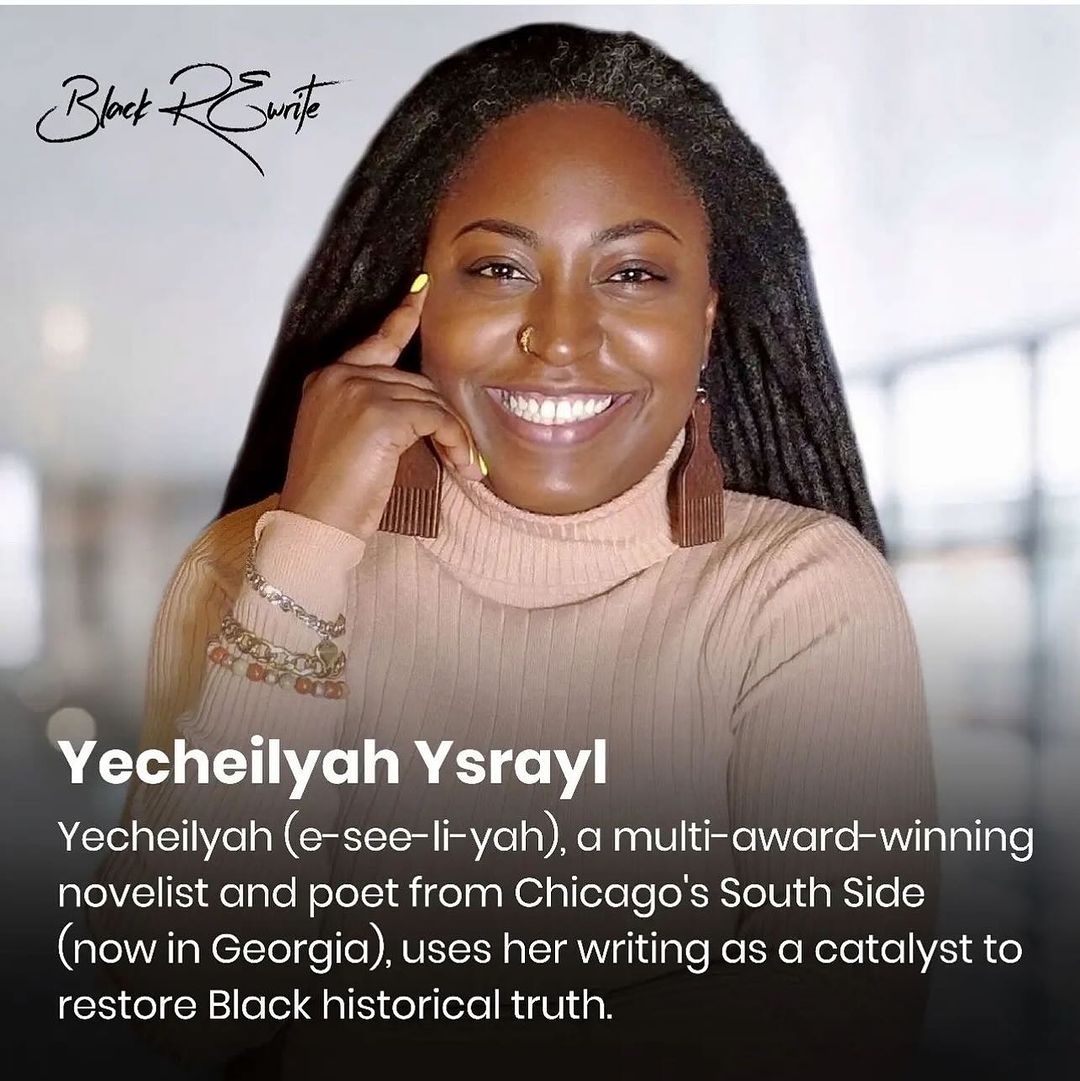
I was blessed to come in contact with an organization called Black Rewrite, which focused on amplifying and celebrating narratives of Black and Brown authors. They dedicate space for Black authors each week, and I am honored to be featured this week!
At Black Rewrite, they provide space for authors to share their work, and I would be delighted if you could check out my article, “American History X,” on the site. Please be sure to like, share, and comment if you choose and share with your Black author friends!
Share Your Journey and Expertise at Least 1 Year Before Publishing Your Book
I released Black History Facts on February 24, 2024. However, the book has been selling steadily since September 2023, when I placed it on preorder. I attribute this largely to how I readied my audience for the book years before it was released. They were prepared when it arrived.
As soon as I knew I would publish the book, I posted black history videos and behind-the-scenes content of my trips to museums and historical landmarks, and I shared new information I found.
I took my people everywhere I went, and they couldn’t wait to see the final product. It became more than a book, but a movement they were just as much a part of as I was.
Post Your Preorder/Buy Link At the Same Time as Your Cover Reveal
Revealing the cover of your new book can be thrilling, but failing to include a buy link means missing out on a lot of potential sales. Whether you’re putting up preorders or announcing the book’s publication, keep your cover reveal for when you’re ready to begin collecting orders. People will be ecstatic to learn you wrote a book and will be willing to buy it right away after viewing your cover, especially if it’s dope!
Pay attention to those who are traditionally published. When these authors show you the cover of a new book, you can also preorder it.
Increase Your Book Reviews
Book reviews are still underrated. Many people do not think they matter, but they do and help authors! And you can work to increase it no matter what stage of the process. Even months or years after release, you can still increase the reviews you receive.
Seek the help of book bloggers, beta readers, and reputable paid review services such as Kirkus and Yecheilyah’s Book Reviews.
The biggest perk to reviews is that they act as social proof. Anyone can call themselves a best-selling author, but reviews help verify that other people think the book is dope, not just the author who wrote it.
It will be odd for someone claiming to be a best-seller to have no book reviews. If it’s such a great book, people should be talking about it.
Book reviews also increase the author’s Amazon rating and expose the book to people who have never heard of it.
I strive to get at least 5-10 book reviews on Amazon in the first few weeks of release and increase from there. However, Amazon is one of many places where people can leave reviews. Blog book reviews are also helpful. Remember, a review is just feedback, so if someone emails you or direct messages you praise for your book, you can use it as a review! (with permission) Slap that bad boy on a graphic and post it to social media as social proof.
Have a Post-Publishing Strategy (Don’t Forget About the Book Once It’s Published)
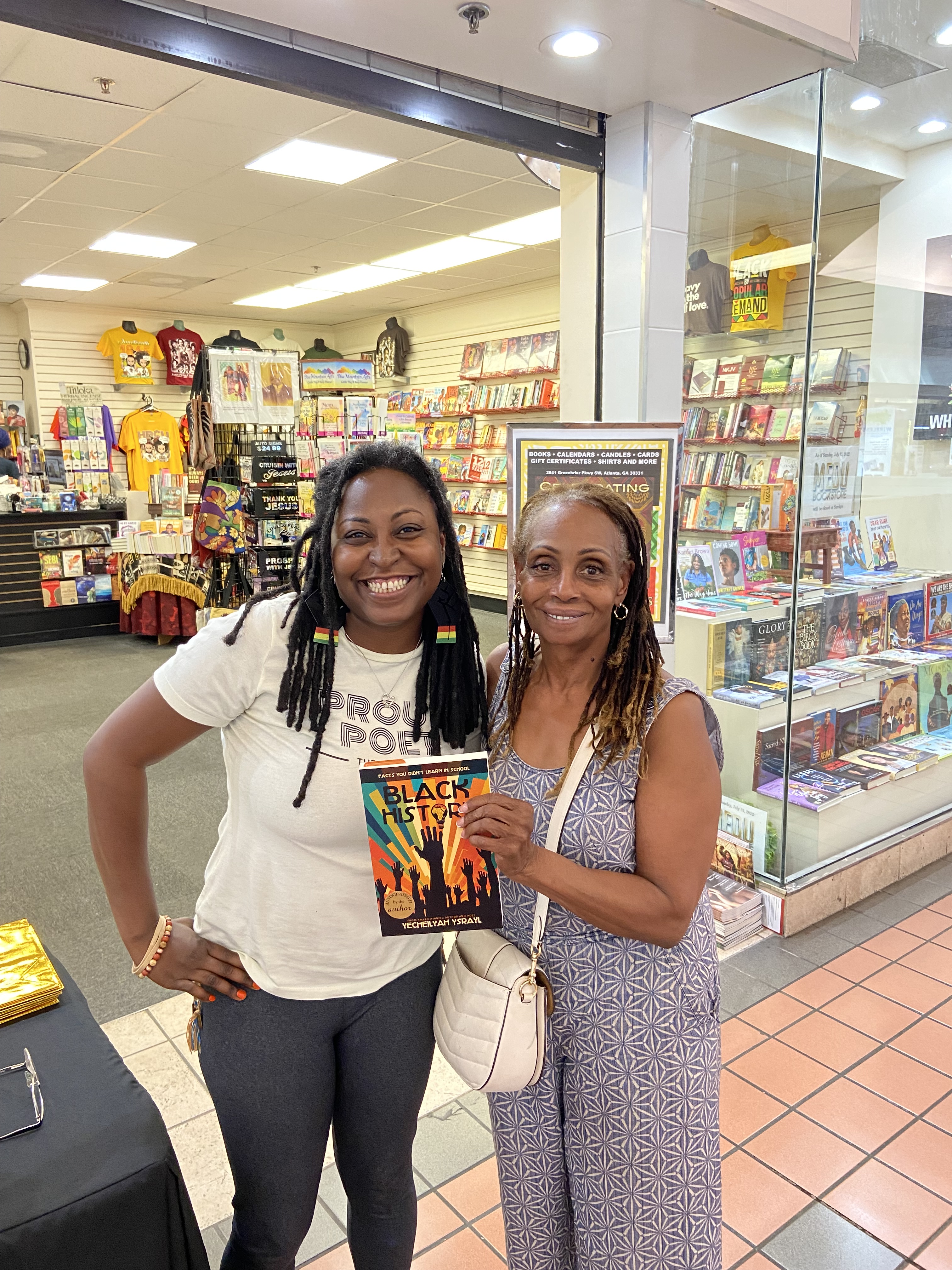
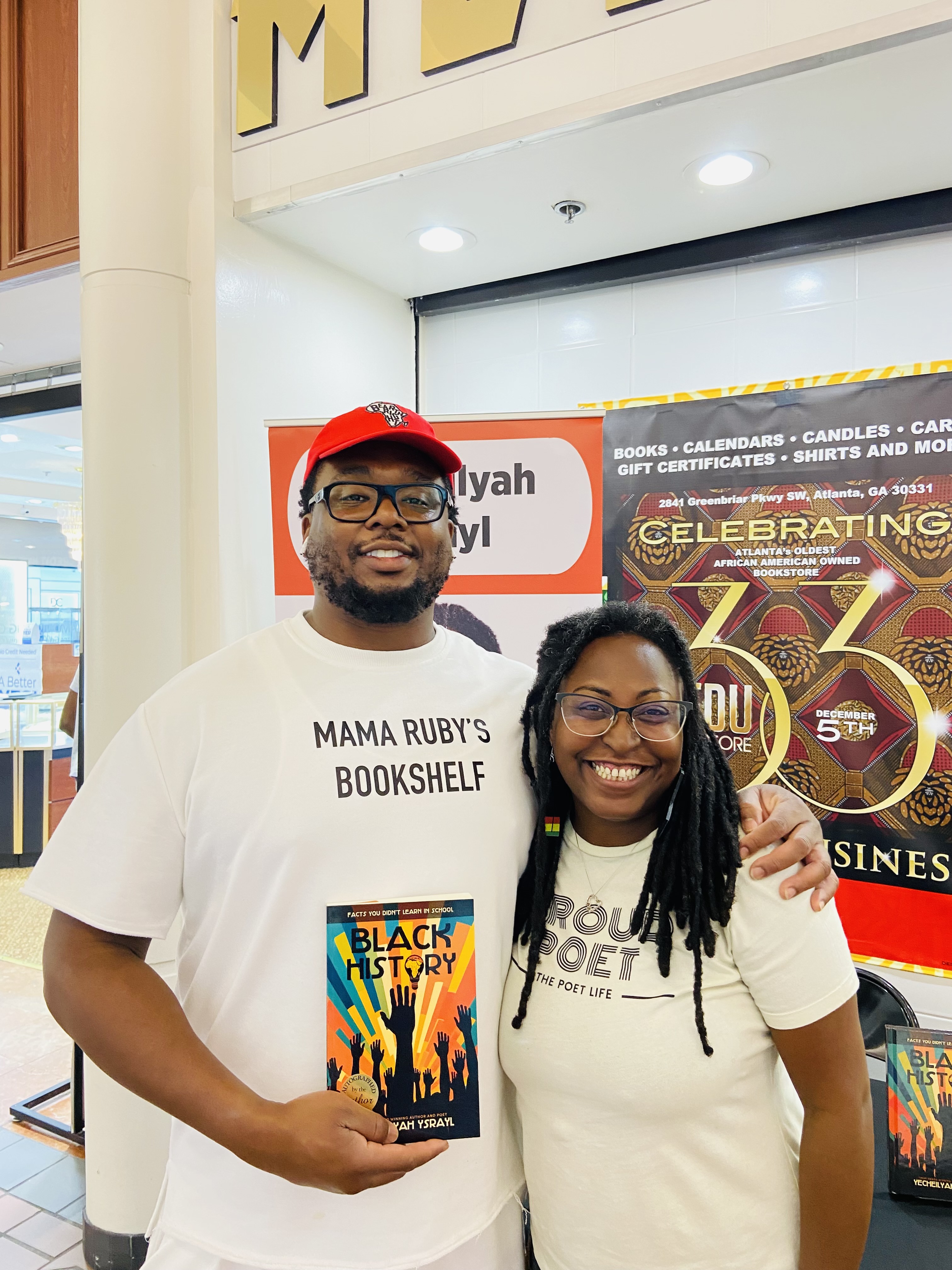
Too many authors focus solely on the publishing date, but your book is much more than that. Consider how to continue spreading the word about your book after publication. Visit your local libraries and bookstores to inquire about readings, look for interview opportunities, and participate in events, contests, and more. You still want the book to sell after it has been published, so make sure you are working to make that happen.
We often talk about how attractive the book cover should be, and for good reason. Poor cover art is the #1 mistake Self-Published authors make when publishing print books.
But we know that already.
Let’s go inside of the book this time.
When preparing your manuscript for publishing in a print book, the formatting should be done in a way that is different from a college essay, research paper, or blog post.
Here are the top print book mistakes I see self-published authors make and how to avoid them.
Disclaimer. I am not a lawyer. Nothing beyond this point should be taken as legal advice.
No Copyright Page
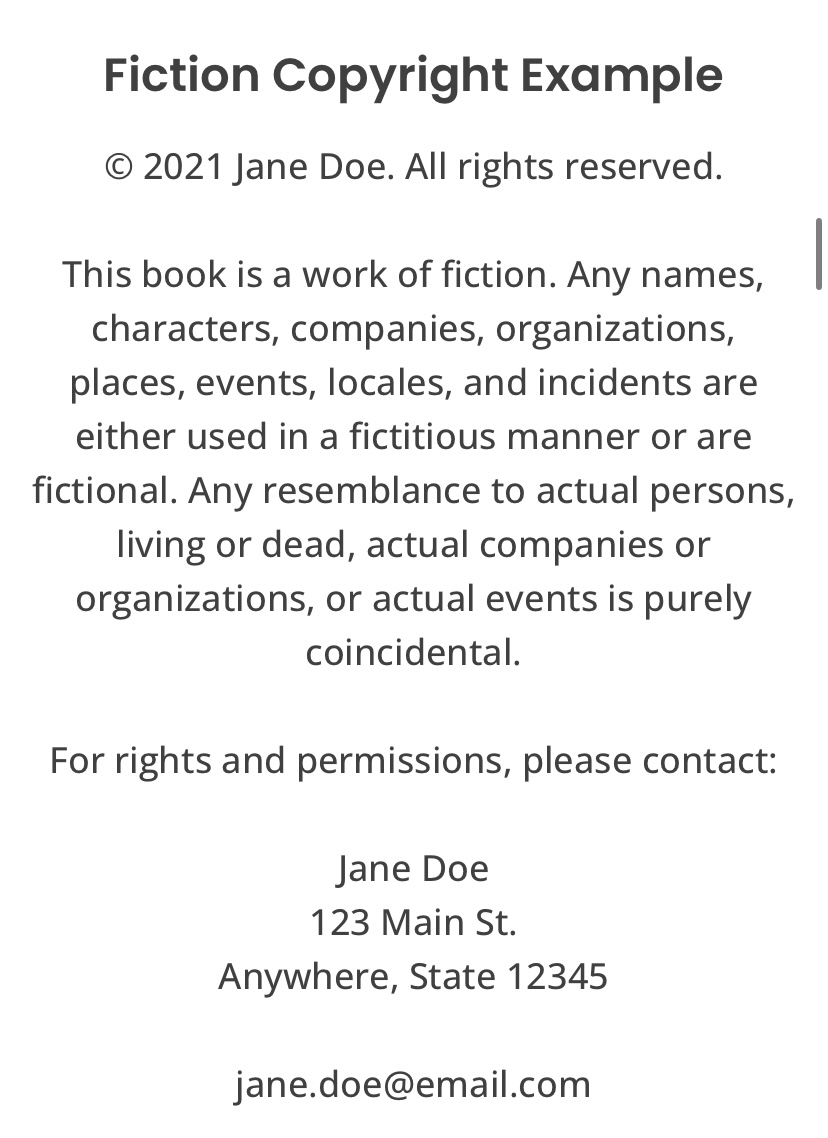
The copyright page of a book is one page that lets people know who owns the rights to the book and that, generally, the author’s intellectual property cannot be copied without permission.
You do not need to register your book with the copyright office to add this page except if you want to.In this case, register the copyright at copyright.gov. You can do it after you publish the book to Amazon since it takes about 6-13 months (of this writing) to go through.
However, know your book is automatically under copyright when creating it.
The copyright page discourages theft, such as plagiarism, and announces you as the book’s owner. It is like a “No Trespassing” sign; every book should have one.
If you own a software program such as Atticus (PC) or Vellum (Mac), they have copyright templates already designed for you. If you don’t have these programs, creating one is easy. All you need is a copyright notice and a rights reserved.
You may also add additional information. Below is an example of a basic, full copyright page.
It should also include your ISBN. For more on ISBNs, click here and here.
This page should appear at the beginning of the book, also known as the book’s front matter, after the title page. The title page is one page that looks like the cover but without the artwork. It includes the book’s title and the author’s name. This title page may appear twice, depending on the publisher. Once at the book’s opening and once more before the opening chapters.
The Author’s Name and Title are Not on the Spine
This is easily avoidable with a professionally designed book cover, but let’s touch on it a bit.
Some books do not need a spine because they are too thin. Otherwise, you will want to have your author’s name and title on the spine of your print book.
The spine binds the front and back of the book and is also important for bookstores.
With the author’s name and title on the spine, a book is easier to find for someone skimming the titles on shelves. Since self-published books are already underestimated, a book without a spine can easily get lost, and the author misses out on sales.
The first thing a potential customer will see is the outward-facing spine, so if the book does not have a title or author name, readers won’t even notice the book.
No Chapter Headings
A chapter heading is how you organize your book so readers know when a section begins and ends. It is literally as simple as adding Chapter One….Chapter Two…Chapter Three.
Chapter headings can also have subtitles or names instead of numbers. In Black History Facts, I use chapter headings and subtitles.
Chapter One (Chapter Heading)
What You Didn’t Learn About Sundown Towns
(Subtitle)
The purpose of chapter headings and sections is to organize the book to make it easier to read and follow. Without it, readers might get confused about where they are in the story. Believe it or not, there are so many authors who make the mistake of not including chapters, making the book look more like an essay.
If you have a software program or professional who formats books, this is easily avoidable as they can add them for you.
Fancy Text
One of the most common mistakes of first-time self-published authors is using fancy text.
Times New Roman, Arial, Helvetica, Calibri, and Cambria are great fonts for books that make them easier to read!
Cursive writing and other fancy text, including colored fonts, make them harder to read.
Too Much Space and Not Enough Words…
Indie Authors who self-publish should also be aware of too much spacing, making the book look like it was written for children (unless it was). An adult-level book should not have so much space between it and the next section that you could write a short bio about your life in between.
Be sure to fill blank spaces with words or shorten the book’s length.
Plan to publish a print book? Don’t forget to add a copyright page, spine, chapter headings, text that is easy to read, and a book with enough words to fill it out.
Investing in professional cover design and interior formatting will help with all of this!




 The PBS Blog