
General Topics
-
Music and Words Blog Award
Although The PBS Blog is now Blog Free, I would like to take the time to thank Elissa of Embracing My Inner Ginger for nominating us for the Music and Words Blog Award. I love music and I believe it’s such an important part of history, of future and of present day. There is such… Continue reading
-
Our Deepest Fear
…is not that we are inadequate. Our deepest fear is that we are powerful beyond measure. It is our light, not our darkness, that most frightens us. We ask ourselves, who am I to be brilliant, gorgeous, talented, fabulous? Actually, who are you not to be? Your playing small does not serve the world. There… Continue reading
-
SUNDAY’S THOUGHT OF THE DAY WITH POSIWORLD
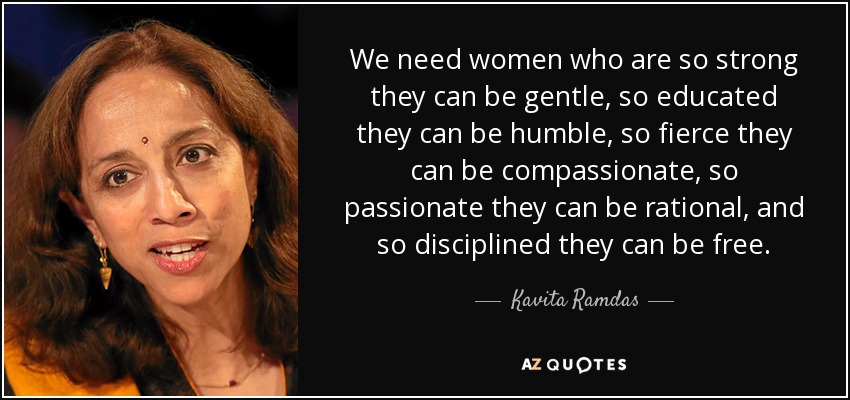
Originally posted on POSIWORLD'S BLOG: “We need women who are so strong that they can be gentle, so educated that they can be humble, so fierce that they can be compassionate, so passionate that they can be rational, and so disciplined that they can be free,” -Kavita N. Ramdas ? Posiworld’s thoughts: We need men… Continue reading
-
Separation From Blogging
The sun had not completely set on my first night away before I was flooded with post and story ideas. And by the time the sky was overspread with blackness and poured into my bedroom, I’d written two poems already. To what do I owe this sudden flood of inspiration? I suppose it’s because a… Continue reading
-
Black Slaves, Native Masters
“I got Indian in my family.” Is something I hear often among the black community. Even in my own family, my mom talks of how her dad was 100% Cherokee Indian and how our family were cow slaughters which explains my maiden last name which is Hereford, a kind of cow. However, while many black… Continue reading
-
Patience
“Stillness is not a sign of weakness or defeat. It is showing reverence for what is to come. Humility is the beginning of the manifestation of goals and aspirations. How can we see things clearly if we are always on the go? There is movement in stillness. Moving slowly does not mean we are behind… Continue reading

