
With everyone talking about all the bad things in 2020, I almost felt compelled to join in. Almost.
One day, I will open up about ten bad things that happened in 2020.
Today is not that day lol.
The interesting thing about this list is I forgot most of it happened!
I did not forget about the books I published or the fact that I am still above ground, but a lot of this other stuff had become blurred amidst the pandemic, my mom’s death, and other things. As I looked back at pictures and dates, I could only think, “wow. A lot of good happened this year. I was just too focused on the bad.”
As you read this, I hope you will think more about some good things that happened to you this year that you might have forgotten about in the chaos. Yes, even if the only good thing is that you did not contact this deadly virus and are still above ground. Even if all you did was stay safely inside, kept your job and your family healthy. These are the most important things.
10. REVIVAL with Harry Lennix
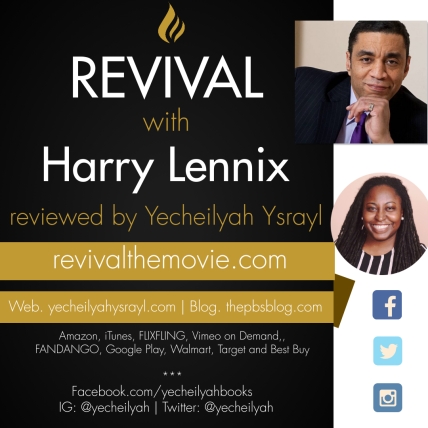
I had the privilege of being contacted by TriCoast Entertainment to review Harry Lennix’s new film, REVIVAL, featuring a star-studded, mostly black cast in the retelling of the Book of John. With Michelle Williams playing Mary Magdalen, Chaka Khan as Herodias, Wendy Raquel Robinson as the woman with the blood issue, Kenny Lattimore as Lazarus, Harry Lennix as Pontius Pilate and Mali Music as Yahoshua, Revival! is a part short film, part musical, and part Broadway Play. You can check out my full review here.
9. Freedom Train Network

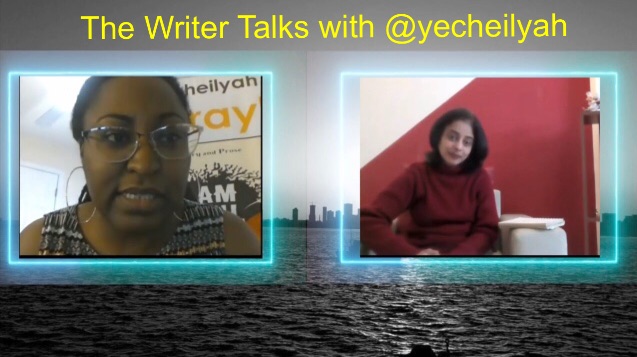
I enjoyed being a featured author for The Freedom Train Network at its Black Woman Celebration back in May. I also got to interview with them on The Freedom Train Network Podcast. It was a fabulous experience, and I am so thankful for platforms such as this one. Joseph Ward, Patrick Irvine, and Sam Carter, three Tallahassee natives dedicated to the betterment of their city and black America, founded the network designed to highlight black entrepreneurs, black professionals, black community leaders, and black-owned businesses throughout the United States. They use this network to educate, inspire, inform, uplift, and equip listeners with valuable and purposeful information. The network also serves as a media resource directory for black Americans who may not be informed about their available resources. (FTN)
8. Ambassador for Greenwood Dist

I became an ambassador for this amazing clothing line called Greenwood Dist. Greenwood Dist. is passionate about “proving that a black-owned business can celebrate black excellence while still making the market’s dopest clothing.” Greenwood believes that “fashion, culture, media, and art can and SHOULD help advocate and ensure that people’s voices are heard. Black culture is the biggest determinant of what’s “cool” and popular. Our culture determines everything from the way society talks to the brands that are popular.”
If you care about supporting black-owned businesses and you care about supporting me, be sure to check out the site. If you see something you like, use my discount code Soul at checkout for ten percent off.
7. Sold My Books at Barnes and Noble

When I first started working with B&N, I was skeptical. The chain is not exactly doing well. There is not much black literature on the shelves, and I wasn’t sure I could stand out among so many notable authors. With bookstores, it’s like people have to know already who you are to look for you. I hoped to get my Georgia online audience excited enough to visit the store in the area. Well, I don’t know if that happened, but I do know the books sold, and I could bring in more to stock.
6. Visited Spain for First Time
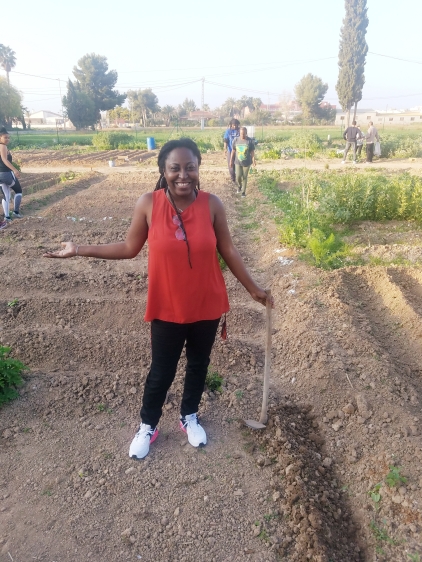
We got to visit Madrid and Alicante, Spain, for the first time. It was just as things unfolded with the virus. We went and got back just in time. (I think Spain shut down like a week later). We picked oranges and lemons from trees, helped plant a garden in Almoradi, a city that gives free land to its citizens, and ate homemade churros and chocolate with coffee. It was so good y’all. We did other things top of course, but this is the cliff notes version.
5. Published Four Books (3 Revised)

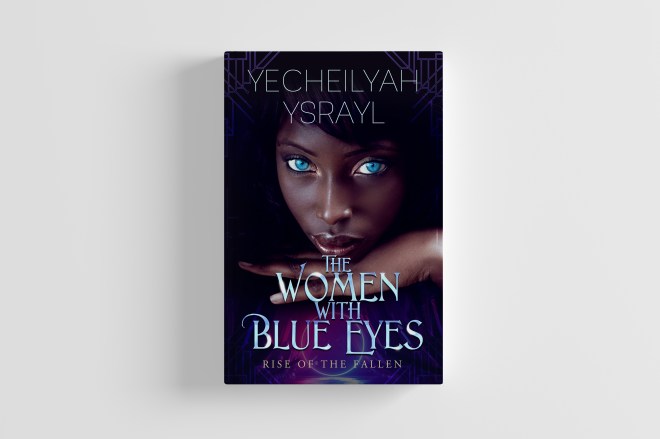
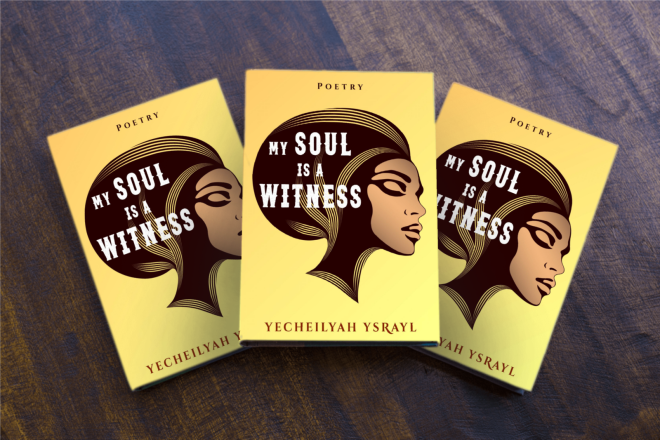
I revised The Stella Trilogy, something I have wanted to do because of the poor editing and cover design the first time around. All three parts got a professional edit, new covers, new formatting, and my own ISBN. And I could still release a new poetry book. Now that I think of it, I published four books this year. Between Slavery and Freedom is available free on my website here, and the entire Stella Trilogy is available on KU here.
4. Books in a School

Griffin High School bought some of my books for their school library after my visit in January. I didn’t get to sign them because COVID hit before I could but I am Soul, Renaissance, Revolution, Keep Yourself Full, and Even Salt Looks Like Sugar are all available at the school.
3. Books in a Public Library

I got I am Soul into the Dallas Public Library in Dallas, Georgia. We stock next month. This is exciting because it opens the door for me to get my books into other, larger libraries. As I have heard, it is easier to get into the others when you get into one. Well, we will see if that’s true. I want to focus less on selling books one-by-one and more on packaging them in bulk for larger companies and corporations and then, if it is Yah’s will, do more teaching and coaching. I will still write and publish my own books, but I am ready to move on to what’s next for me. There are no limits.
2. The Next Generation

I spoke to four classes of tenth and eleventh graders at Griffin about writing, publishing, my journey as an author, and advice on how they can Self-Publish their own books. This was the highlight of 2020 for me. I love young people, their innocence and straightforwardness, their non-sugarcoating questions. I love their realness. Because of school policy, I couldn’t take pictures of them except for the media specialist’s one, as seen here. However, some students bought books, some of them asked questions in private after the session, and almost all of them wrote to me thank you cards.
1. Alive and Well

Above all else, the most important thing of it all is that I still have the breath of life in my body. I am alive, my family is alive, and despite everything we are healthy and have lacked nothing during the pandemic.
UPDATE: I forgot about the awesome dinner I had as keynote speaker with Queens Circle of ATL Book Club! As I’ve said, a lot of good happened I forgot about in the chaos.
Call me naïve, but I still believe in silver linings. Even if it’s something you think you might have done poorly or something that went badly, always look for growth in it.









 The PBS Blog