We had quite the drive to Chicago. As a result, my brother came up with a great road trip idea:
Go around the car and each person reveals something about themselves that they didn’t think anyone knew. It was a challenge because we all know each other pretty well but we managed to create enough laughs for memory sake. So anyway, I thought it would be a great idea for a blog-share. (I also want to do this because the internet is so filled with phonies and fakes, but here’s a chance for us to be real with one another. It is the only way to grow.)
So, on your own blog, create a post of your choice that tells us something about you that we didn’t already know. Try to be specific to what can’t be found on your blog or its about page. It can be a short story, a poem, a collection of pictures, or just a small paragraph.
Tag your post #SomethingUDidntKnow and
Pingback to this post so that I see it and can respond and tweet it for you.
Be sure to visit other people’s blogs, like, and re-blog so that others can get in on the fun
My own “Something You Didn’t Know” will follow this post. I first want to give you each the opportunity to understand the rules and tag your post accordingly. (*Try to limit your tags to 15 including categories which act as tags also. This will ensure others will see your post).
So, who’s up for a challenge? I know you’re not gonna leave me hanging here are you? C’mon! Tell us something we didn’t know!
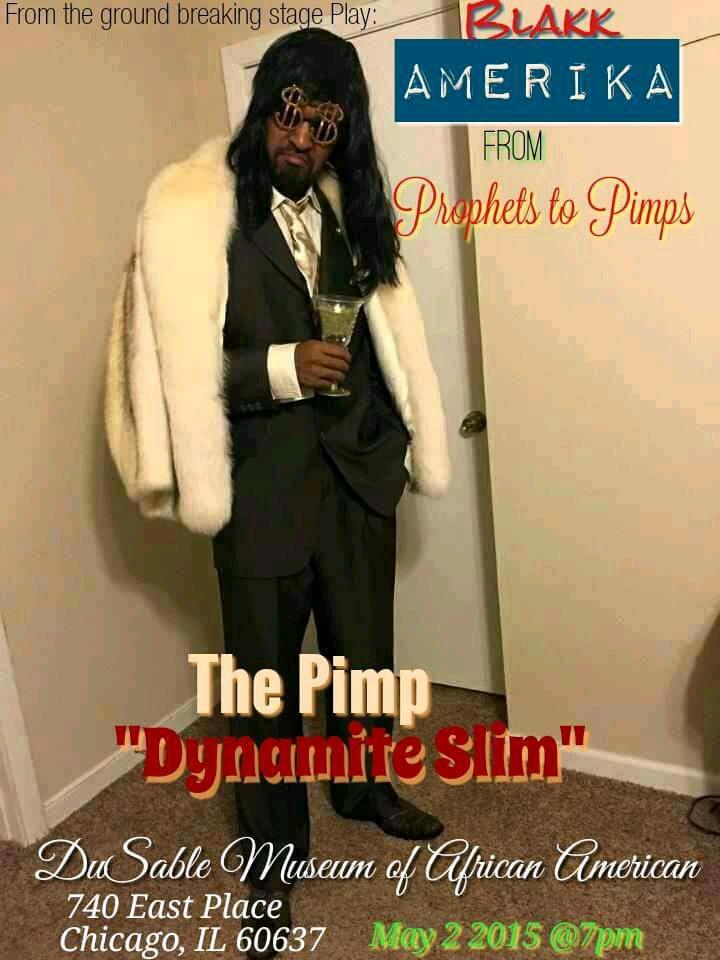
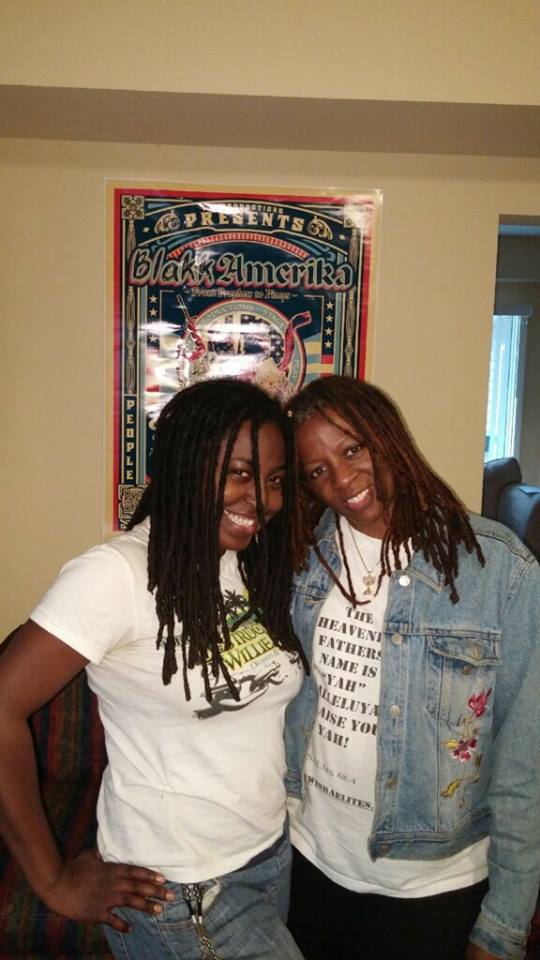
For those of you who don’t already know, I’m a native of Chicago, south side. This blog has been closed because this past weekend, we took a trip up to the windy city for the premiere of “Blakk Amerika: From Prophets to Pimps”, a Stage Play produced by my organization, Israylite Heritage, detailing 4,000 years of history of the so called African American people.
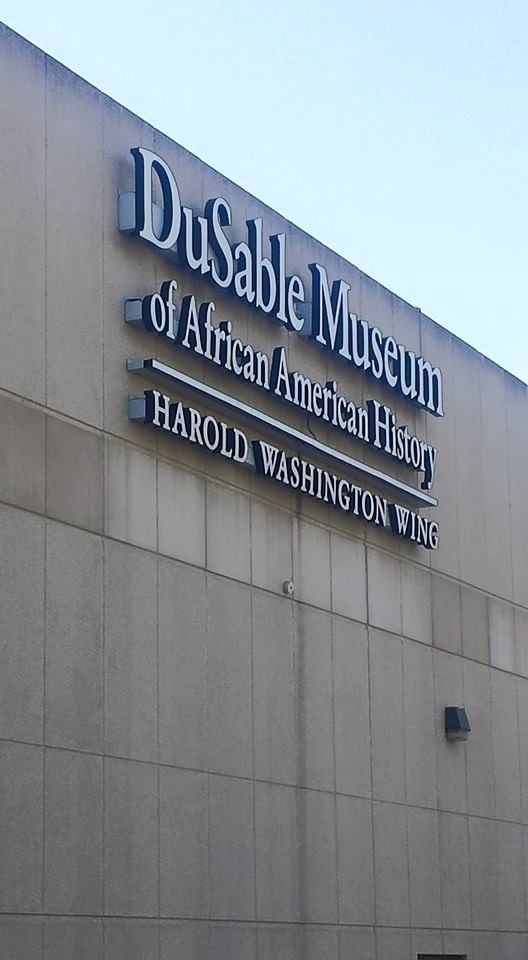
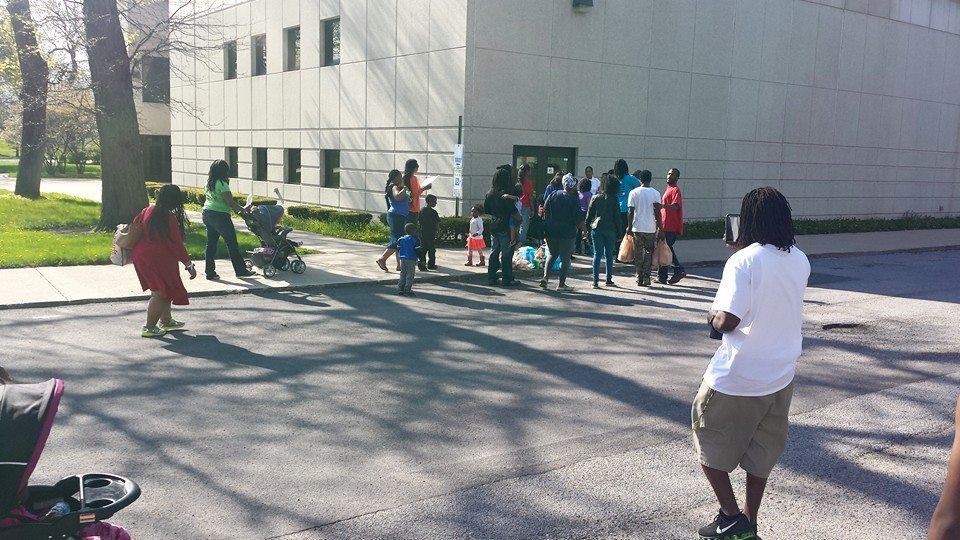
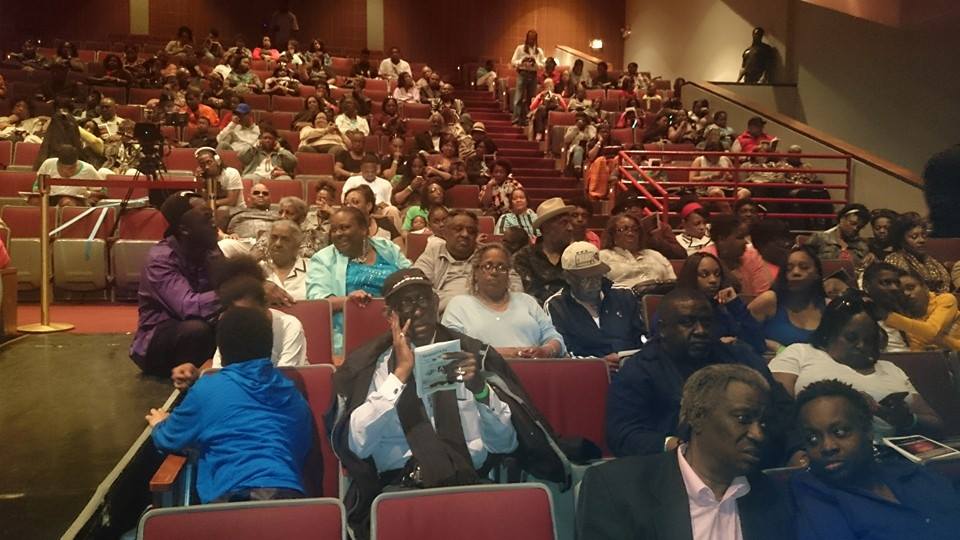
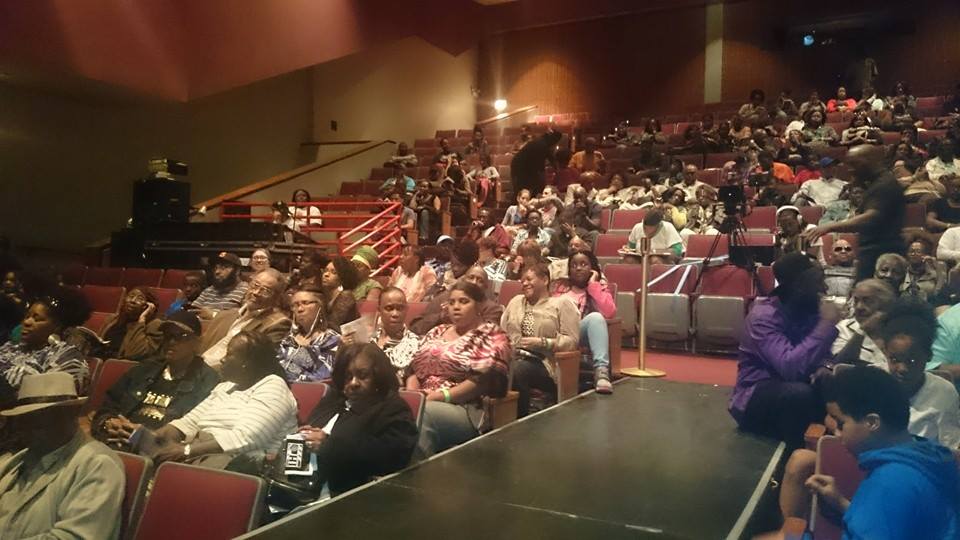
The event took place at The Dusable Museum of African American History. Over 300 people came out to see the almost 3 hour show. Words cannot fully express the empowerment expressed through this event. So instead, I put together a post of pics (as promised yess) to help me to give you an idea of what the play was about.
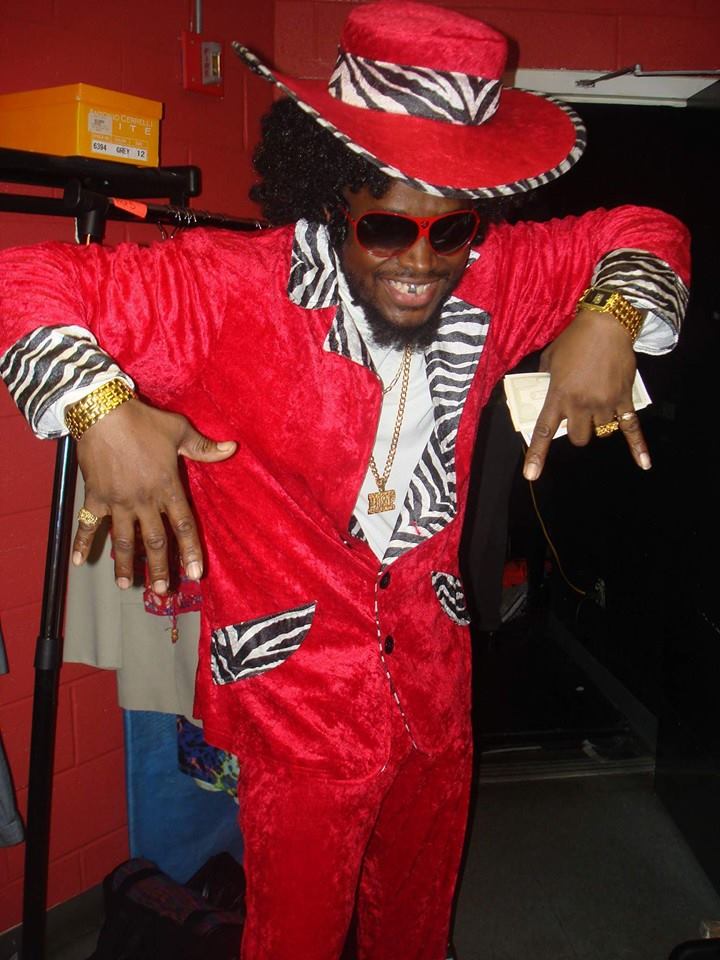
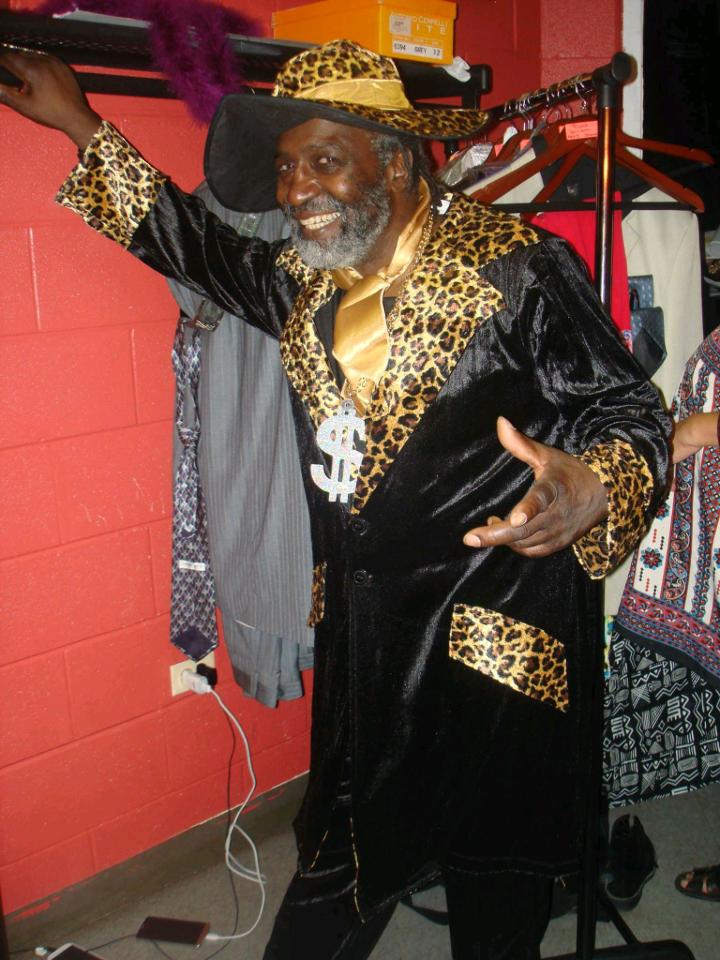
Let’s start with the name, why Prophets to Pimps?
Larry Allen, & Jeremiah Bright as Moses and Aharon
The History of the African American is always told from the perspective of slavery and the America’s. Aside from the scarce mentioning of life in Africa, rarely is the true story of the identity of the black man and woman told from their glorious past before that. Prophets to Pimps embodies the truth concerning the black man and woman today; who at one point was a nation of Prophets, Prophetess, Kings and Queens. A nation of priest; chosen and set-apart to the most high and charged with the duty of teaching and showing all nations of people his ways.
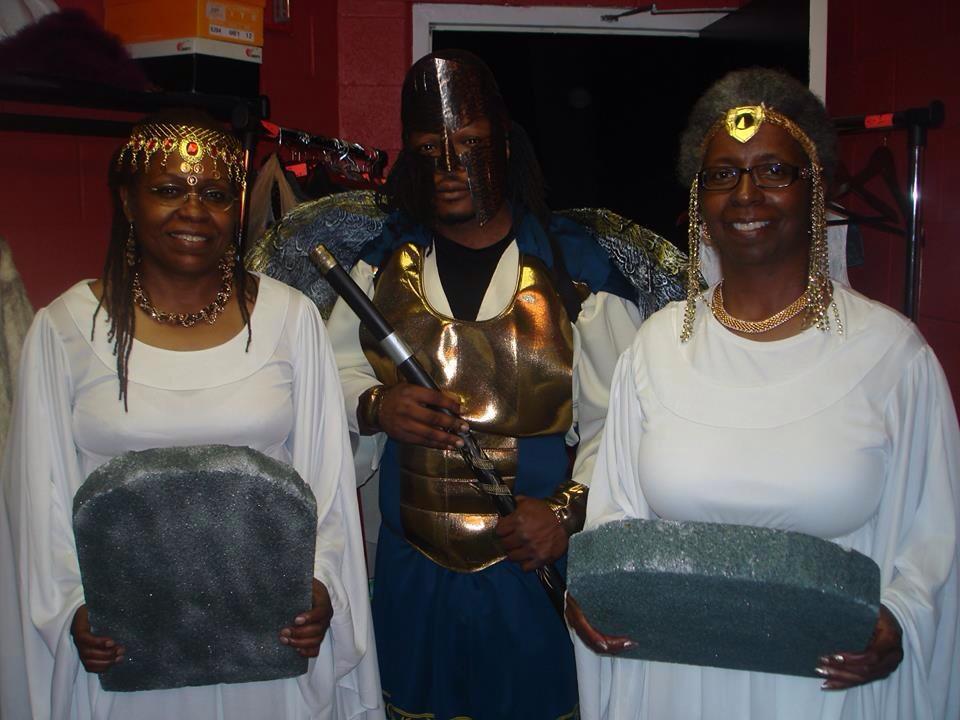
Mordekiyah, Rhonda Reagor Johnson, and Jessie Bright as the Righteous Angel, Wisdom, and Understanding
The costumes were nothing short of amazing. As you can see, many of the actors / actresses are dressed in Egyptian garb. This is to showcase, not only the understanding that the Egyptians were a black skinned people, but more deeply, that the Israelites were also black skinned and that they, the Israelites, are the ancestors of the so called African American people. When they came into Egypt 70 in number, they were freed by the most high through the hand of Moses and led into the wilderness. They are dressed as Egyptians because as citizens of Egypt this is how they would have come out of that land.
When the Israelites were freed from Egypt, they made a covenant with the most high. In this covenant that they made, they promised to spread his word to the world. As a result, the almighty would in return make them the most mighty and most righteous nation above all the nations of the Earth. However, if they did not obey the covenant they would be the most despised and downtrodden of the Earth. They would be plagued by disease, oppression, sicknesses, be called by the names of proverbs, mockeries, and bywords (such as Nigga, Coon, Black, Afro-American, African American, American, etc.)., hidden in prison houses and go into slavery in ships. All of this, our entire history, is written and recorded in the bible itself. No longer would we be a nation of priest and prophets, but if we disobeyed the covenant of the most high, now we would be a nation of thugs and pimps. Sadly, we disobeyed the covenant that we made and so began our tragic downfall. We’ve gone from Prophets…..to Pimps.
Interesting Fact: The word pimp first appeared in English in 1607 in a Thomas Middleton play entitled Your five Gallants. It is believed to have stemmed from the French word “pimper” meaning to dress up elegantly. Pimp used as a verb, meaning to act as a pimp, first appeared in 1636 in the book, “The Beautiful Lover.” In the 18th and 19th centuries, the term was commonly used to refer to informers.
Deu. 28:68 “And Yah shall bring you back to Egypt in ships, by a way of which I said to you, ‘You are never to see it again.’ And there you shall be sold to your enemies as male and female slaves, but no one to buy.”
The play covered us being sold into slavery on auction blocks and life on the plantation. The audience really enjoyed this segment. The actors and actresses really put on a good show, causing the room to erupt in laughter and in tears when needed.
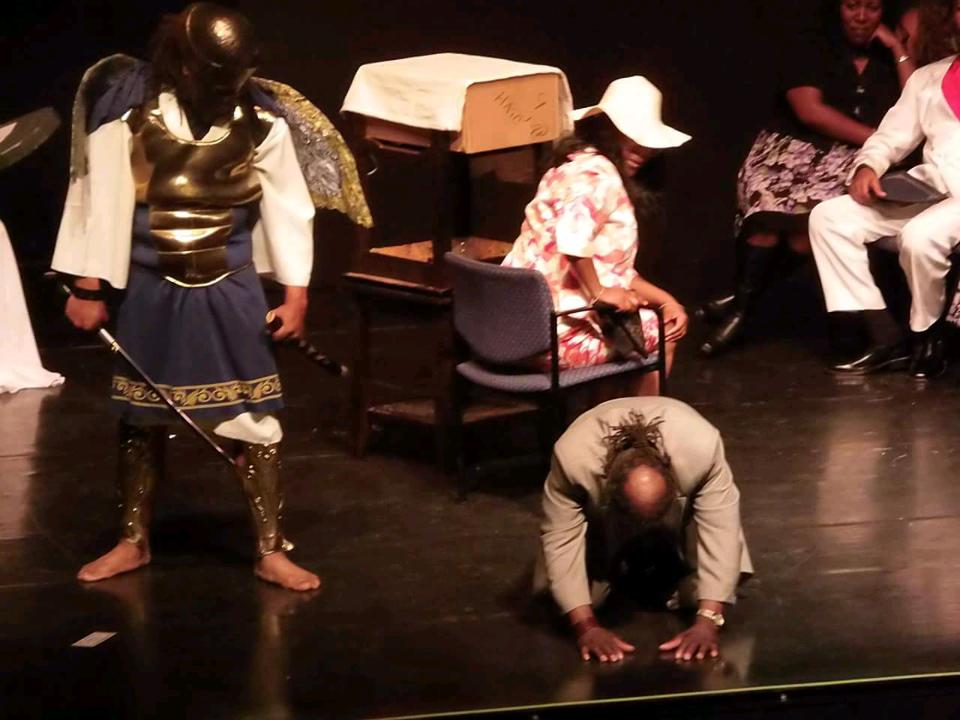
In this scene, the slave John is called as a prophet and sent to the other slaves to explain their oppression to them. As you can see, the play also included video on the projector screen and music. Combined, these elements added to the significance of the performances.
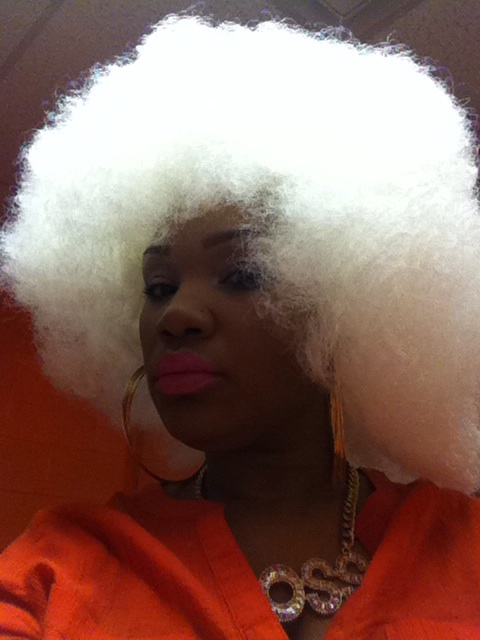
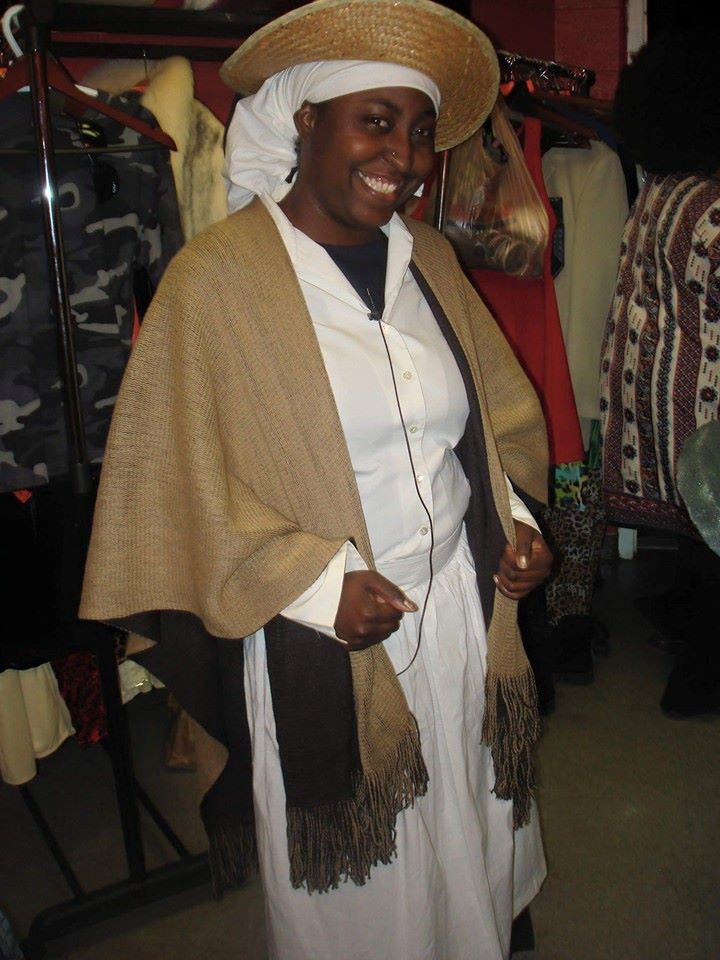
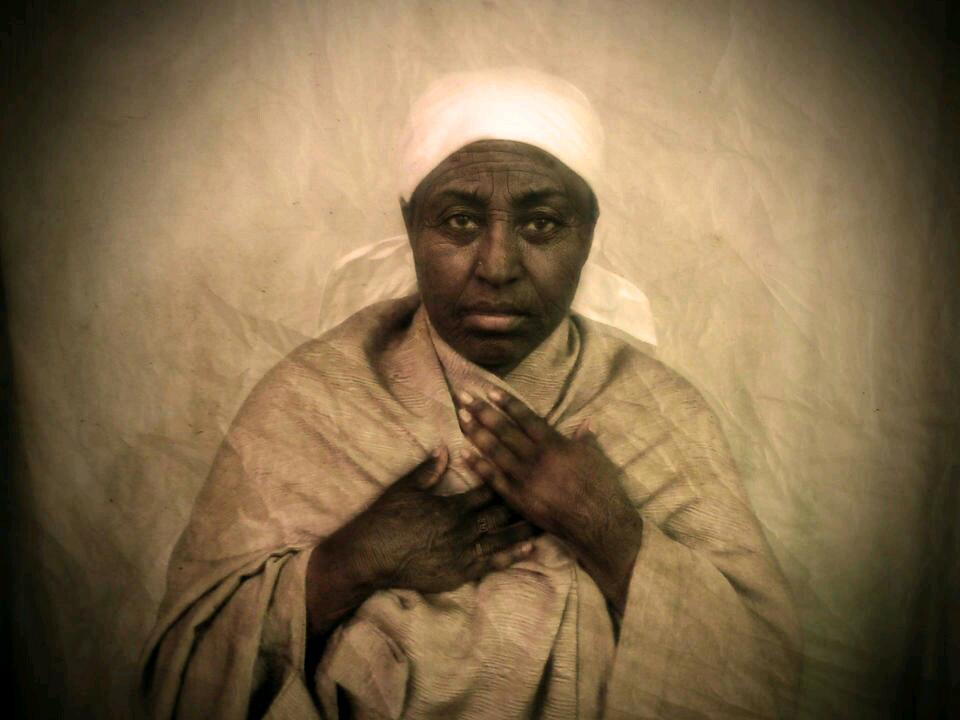
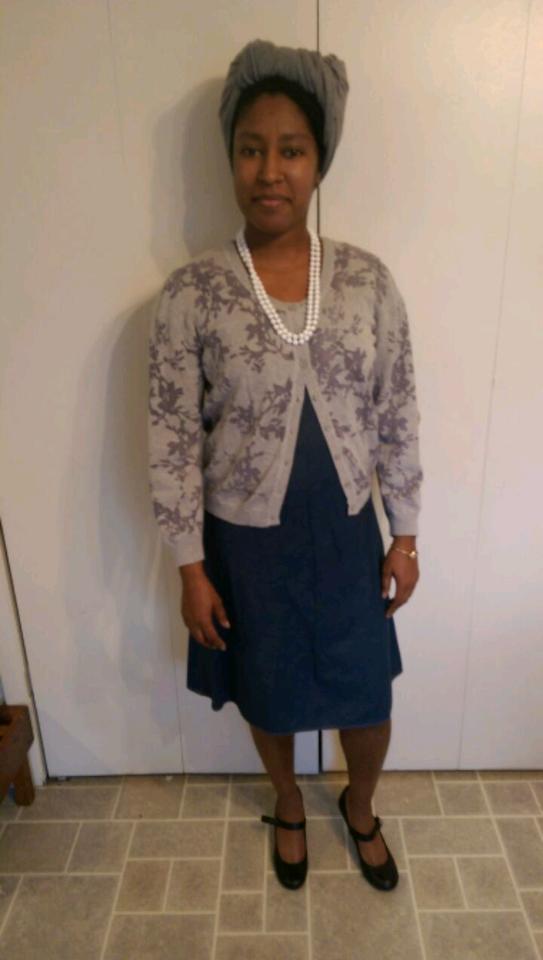
This is me! Lol….I play Betsy Mae, a slave on Paul’s plantation whose son gets sold away from her. The old me picture is used in a different scene to show to Besty’s great great great grandson Raymond. His mother, Shelia, explains slavery and what happened to her young son.
This is Ezkekiel. He plays the part of Besty’s son who is sold away from her. Isn’t he handsome! Awww lol.
Interesting Facts:
• During slavery in the United States, the slaves referred to the slave owner as Masa. This was not a mispronunciation of the word Master. Masa is a Hebrew word that means burden/oppression.
• The famous Negro spiritual song KUMBAYAH was often sung on the plantations by slaves. According to the bible in the book of Psalms 68:4, the name of the creator is Yah. Like in the phrase, “Halleluyah” which is spelled “Hallelujah” but is pronounced, “Hallelu-Yah” because it means “Praise Yah”. The song KUMBAYAH therefore means “Come by Yah”. The slaves were singing to the true creator of all to come by and save them.
• The prophets carried the name of Yah in their names, although it has been changed to -iah, many of their names ended in yah. As in IsaiYah, JeremiYah, ZechariYah, ZephaniYah, ObadiYah, etc.
• The true name of the biblical messiah is Yahoshua. This Hebrew name means Yah’s Salvation or Salvation of Yah. It is equivalent in English to Joshua.
Deu 28:32 “Your sons and your daughters are given to another people, and your eyes look and fail for them all day long, and your hand powerless.
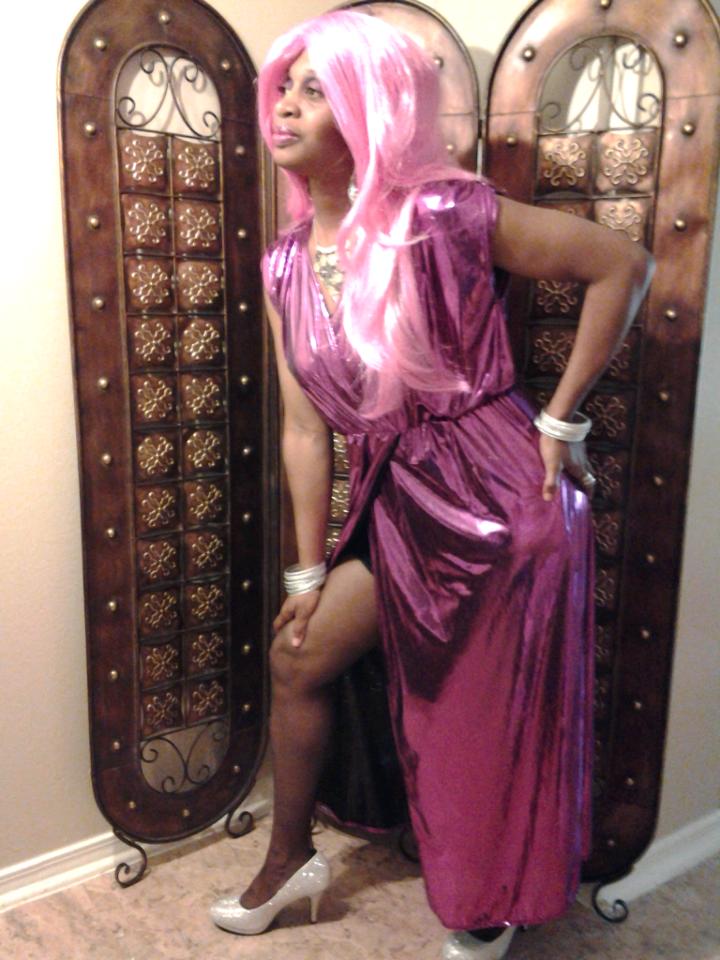
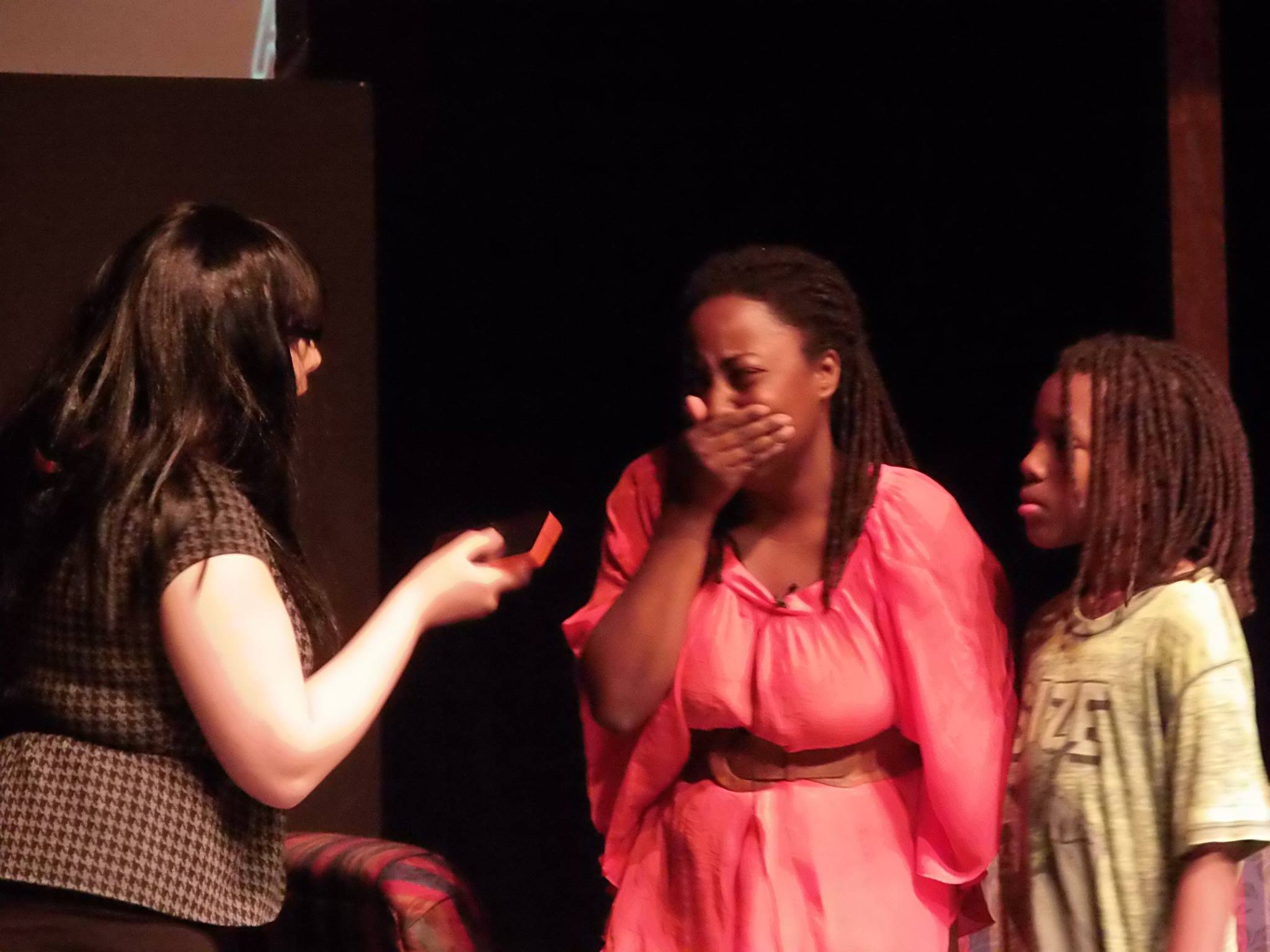
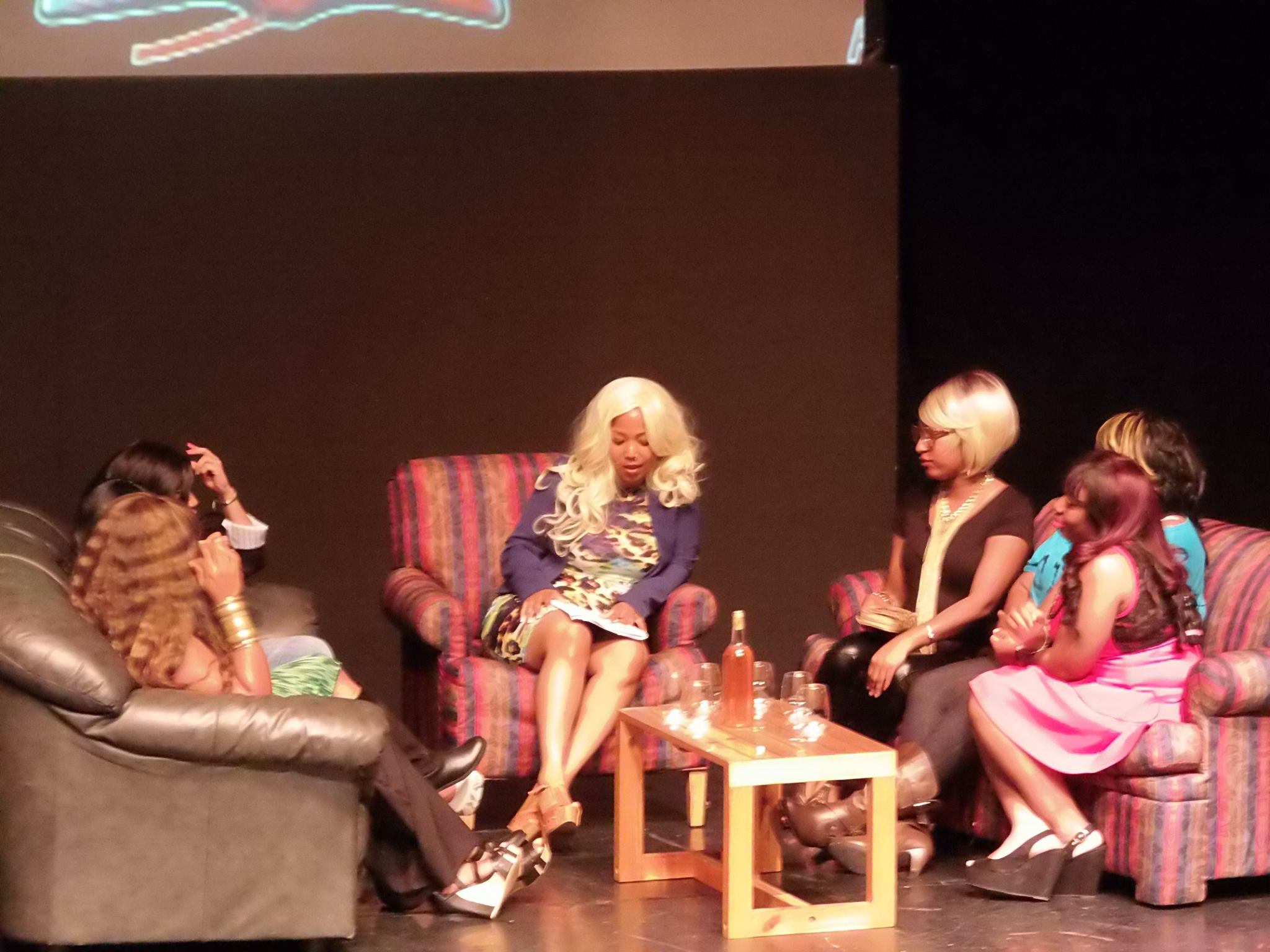
I also play the Shelia character in modern times, who teaches her son about his great great great grandmother (the Besty character I played in the beginning). The parallel in this scene showcases how our children are still being taken from us. Shelia gets a surprise visit from a DCFS (Department of Children and Family Services) agent who tries to take her son away. In this scene, my son is played by Zuri.
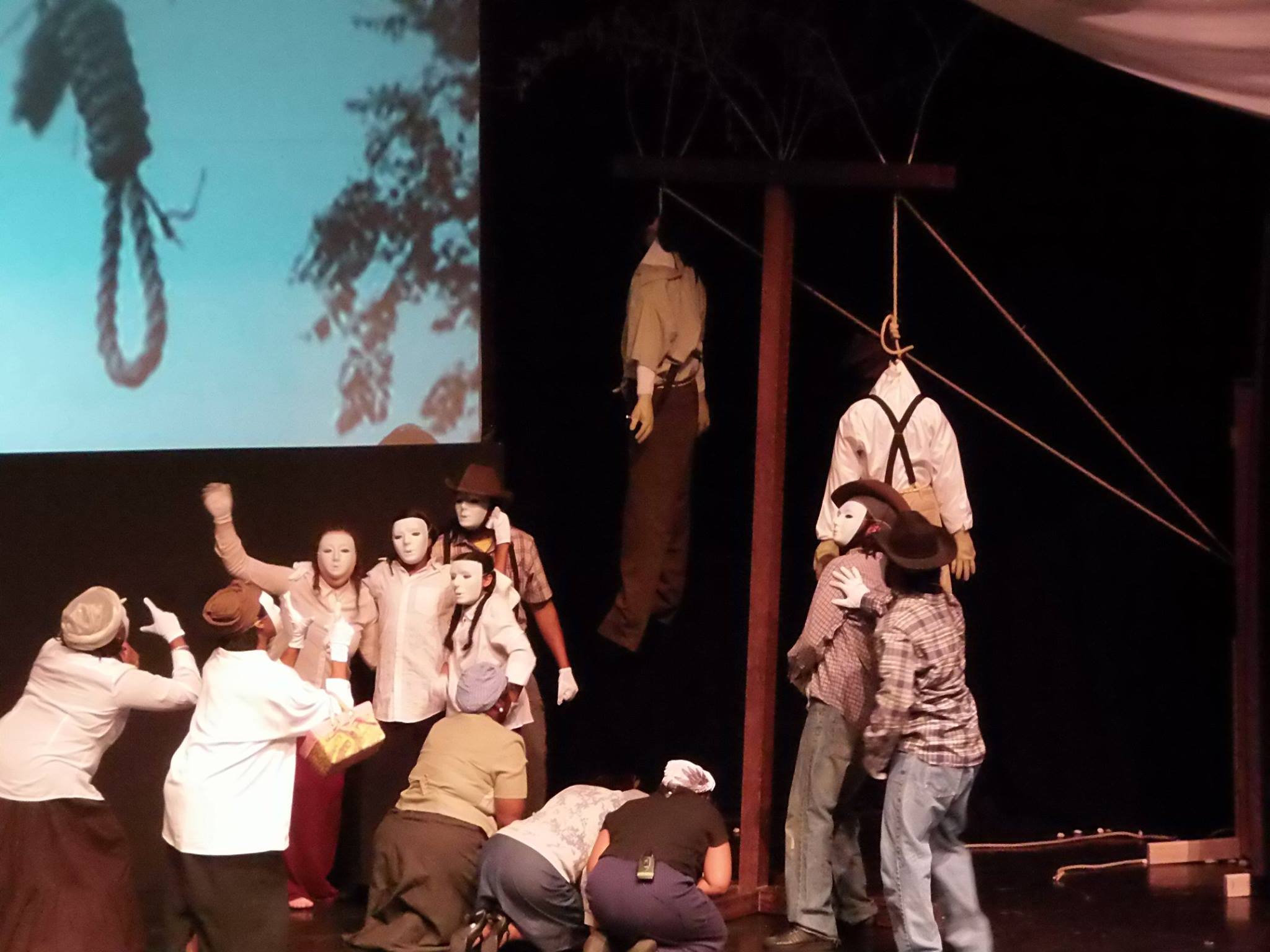
The most moving part of the play has to be this scene, when we talk about the lynching of African Americans. The scene begins in a home where a discussion is brewing between a woman who says black men should stand up and defend themselves.
But there’s a knock on the door from the neighbor who says police are looking for black men who they say killed three white women. All of the men ran to the woods to hide except Otis and Lewis who are still in the house. Her voice is filled with fear and urgency.
Otis and Lois
Nina Simmon’s Strange Fruit and live footage of hangings occupy the scene.
Fun Fact: The word picnic came from, “Pick a Nigger”. During lynchings, racist whites posed in front of camera’s, gathered blankets, and brought food to the executions. They brought their babies and children along as well. It was an entire event. And they watched as black men, women, and children hung to their deaths under trees. This is why your picnic must be in a spacious land area and under a tree. Lynchings were the first picnics.
**Disclaimer: We are an organization of all nationalities of people. We believe Yah’s love is for ALL men who accept his truth and walk in his ways. Israylite Heritage does not support any racial superiority doctrine.**
Isa 3:12 As for my people, children are their oppressors, and women rule over them. O my people, they which lead thee cause thee to err, and destroy the way of thy paths.
No longer do our children respect their mothers and fathers. Now, they oppress them. They have no obedience for the elders in their communities. They have no fear.
Isaiah 3:12 “…and women rule over them…” The I-N-D-E-P-E-N-D-E-N-T Women
No longer do black women look at themselves as princesses and their men as princes; now we are thots and our men are niggas. No longer do we submit ourselves to their authority and recognize them as heads of our households. Now we don’t need a man because we can pay our own bills and buy our own cars. We have made money synonymous with protection. We have turned our glory into shame.
Isaiah 3:12 “…they which lead thee cause thee to err, and destroy the way of thy paths.
The leaders and so called preachers and deacons within the Black community have led them astray. No longer do they teach you about your mighty heritage, instead they rob you physically and spiritually. They teach you to give tithes that were reserved for the Levite priest (of which we have no knowledge of today), and that was not money to begin with. They do not teach you to fear your almighty creator. Instead they teach you to worship the Gods and Goddesses of your oppressors. Our leaders buy million dollar jets, monopolize on our sorrows, and give nothing in return. They have led us astray and destroy the way of our path.
Deu 28:43 “The sojourner who is among you rises higher and higher above you, but you come down lower and lower. Deu 28:44 “He lends to you, but you do not lend to him. He is the head, and you are the tail.
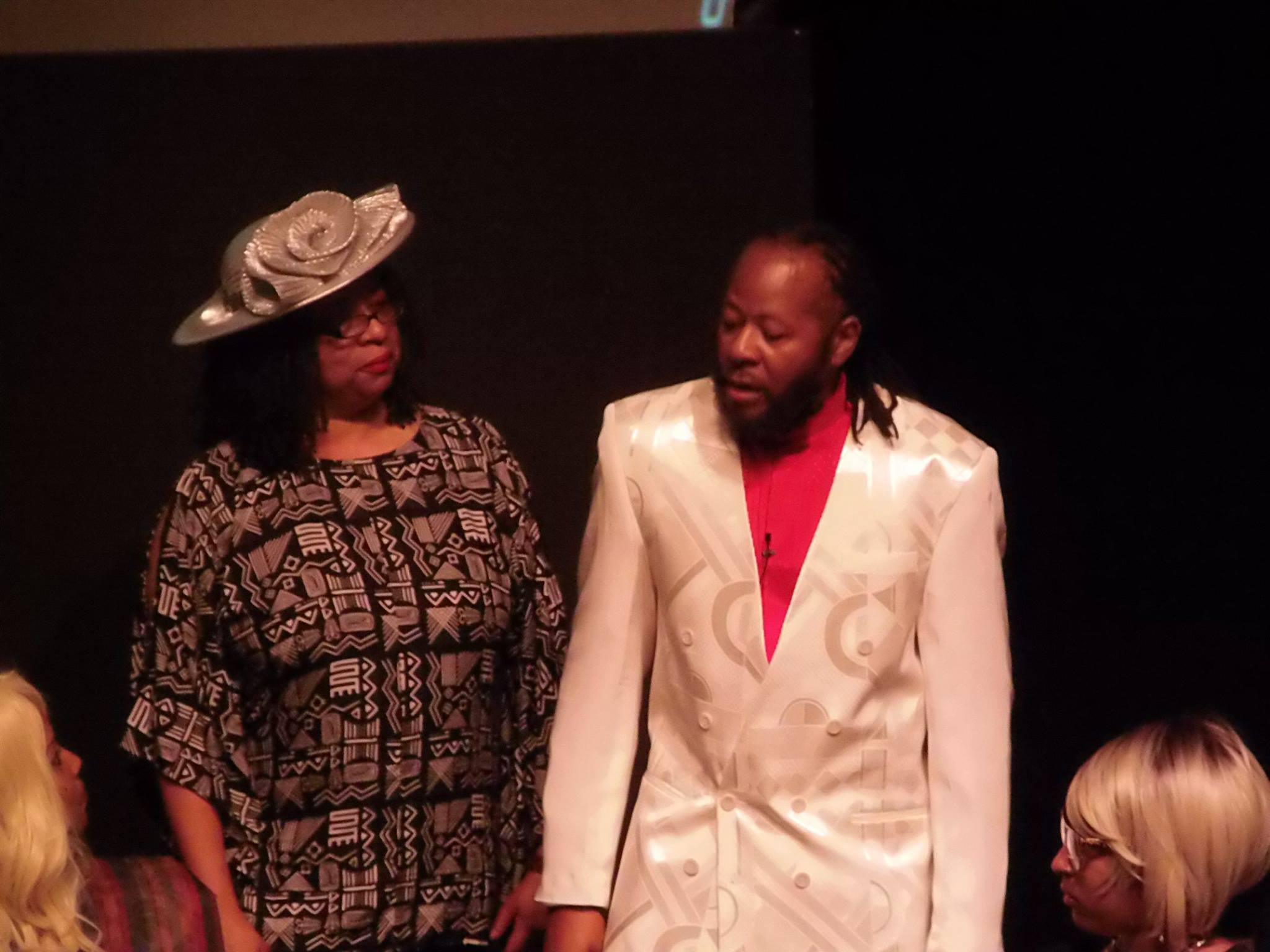
My husband as Muhammad. Hubby is actually an experienced actor. He has done commercials, voice overs, and has been featured in films alongside Lorenz Tate, Lisa Ray and others. He has many parts in the play but this particular one is that of the store owner Muhammad. It is to showcase the fact that other nationalities of people come into this country and in no time build up businesses within the Black community. We have been in this country for centuries and have not built much of anything, why? Prophecy says this will happen to the children of Israel if they disobeyed the covenant. People wonder why racism in America always surrounds blacks? Because of every nationality in the world, we are the lowest.And that’s just real.
Jer 23:7 “Therefore, see, the days are coming,” declares Yah, “when they shall say no more, ‘As Yah lives who brought up the children of Israel out of the land of Egypt,’ Jer 23:8 but, ‘As Yah lives who brought up and led the seed of the house of Israel out of the land of the north and from all the lands where I had driven them.’ And they shall dwell on their own soil.”
However, the truth is being restored and we will be made great again.
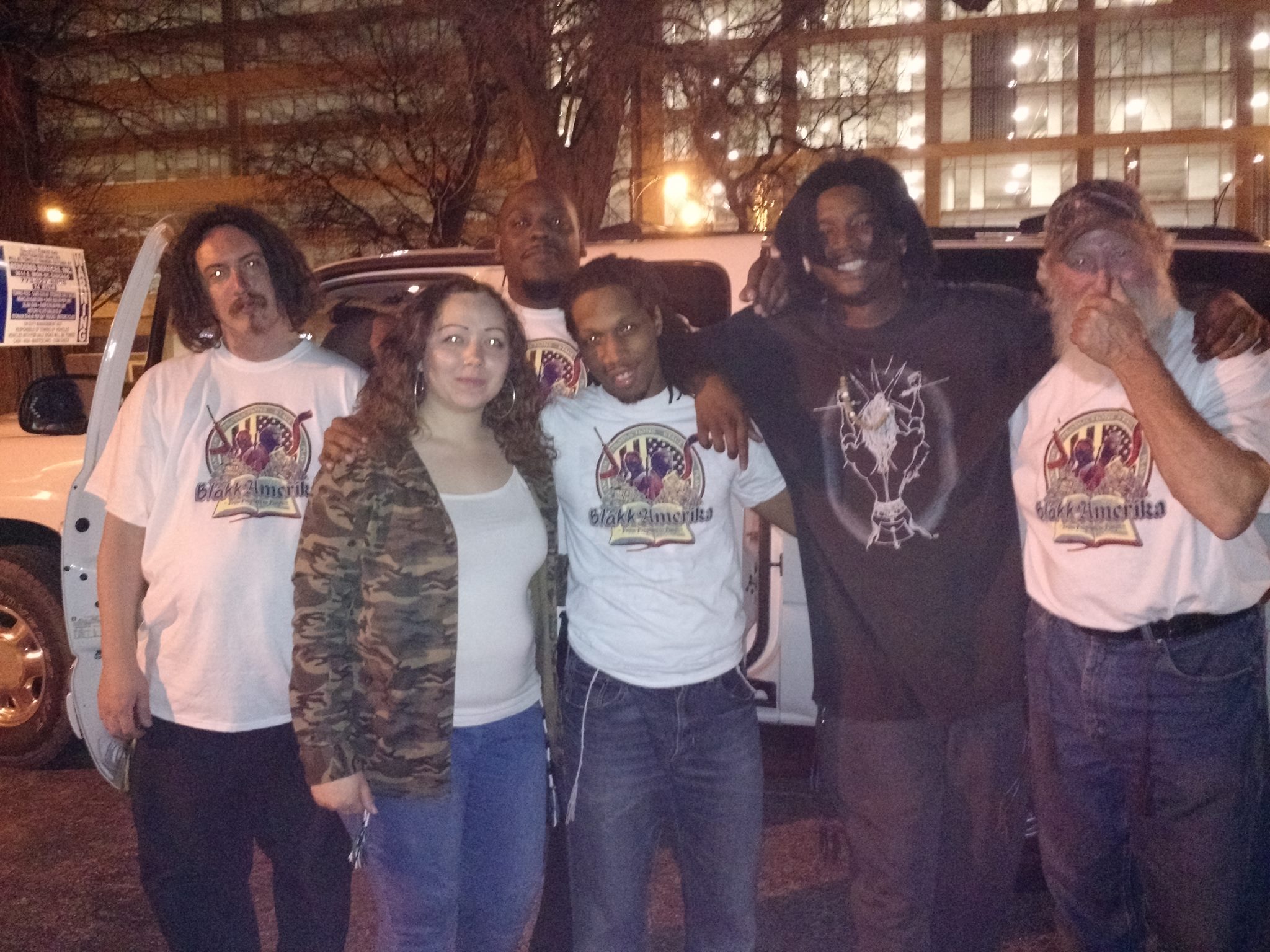
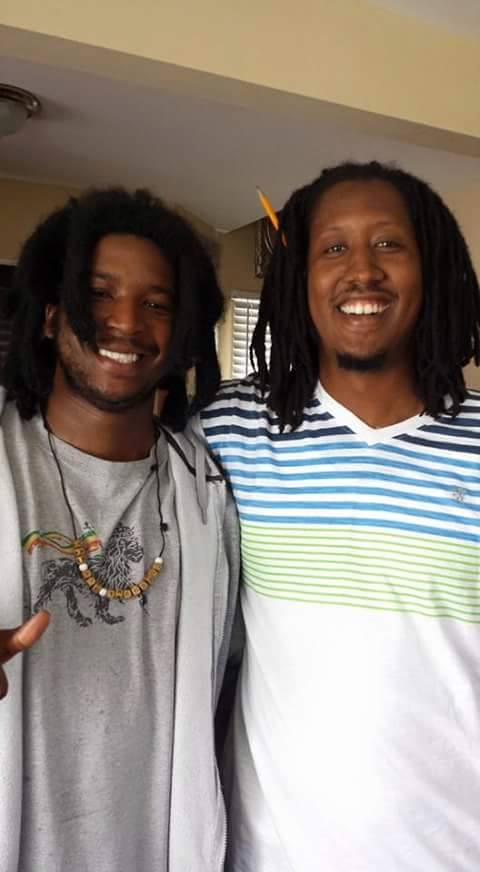
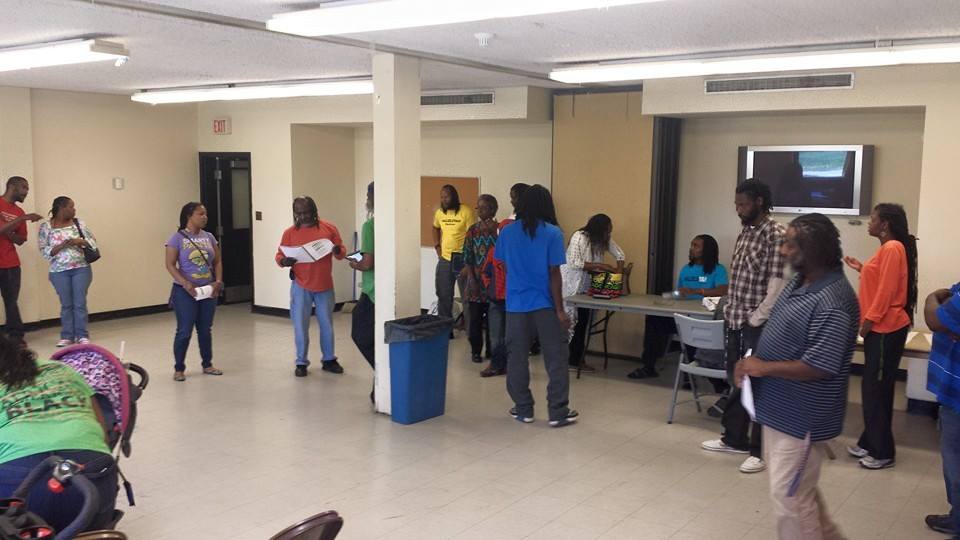
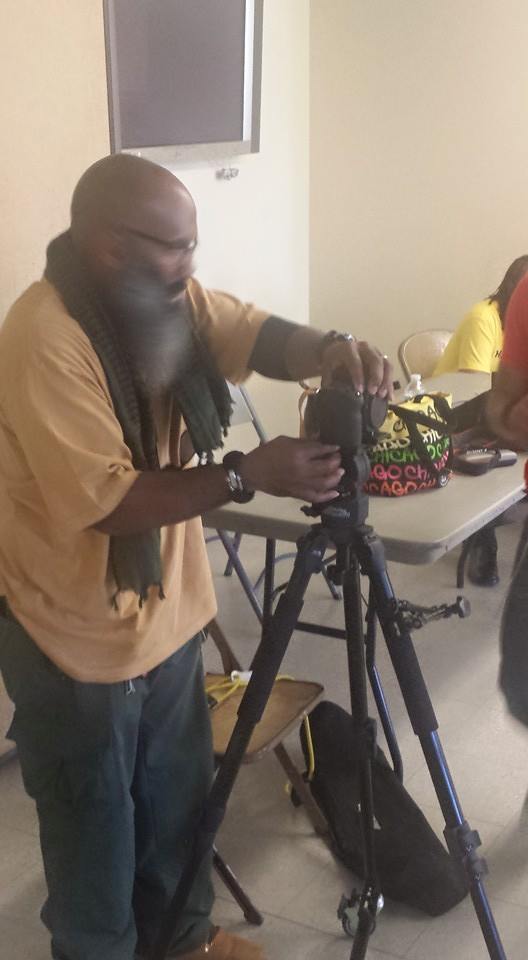
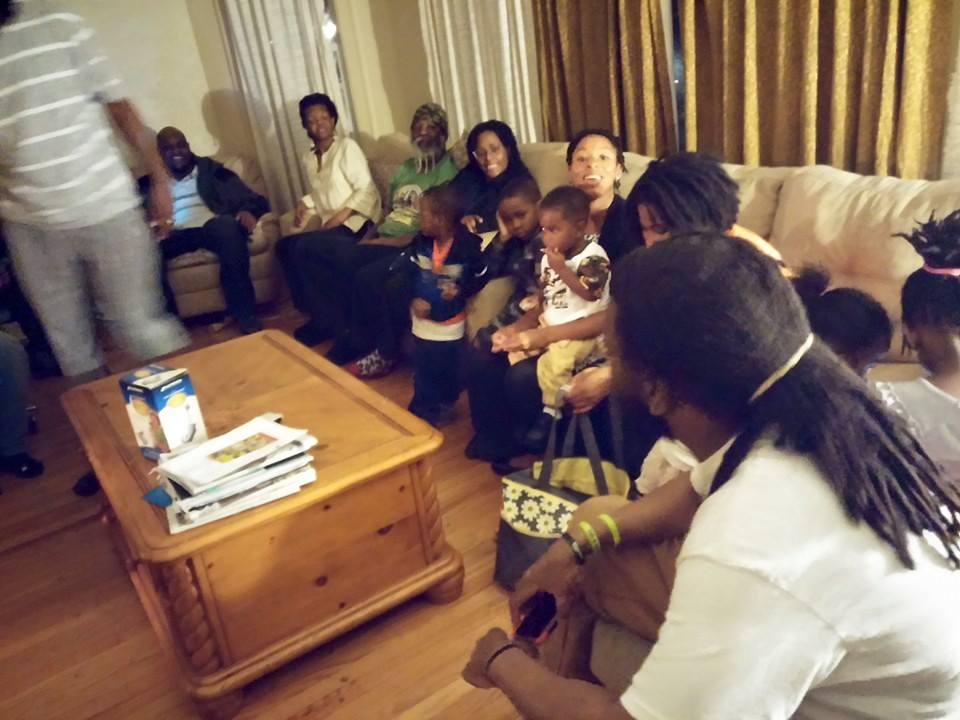
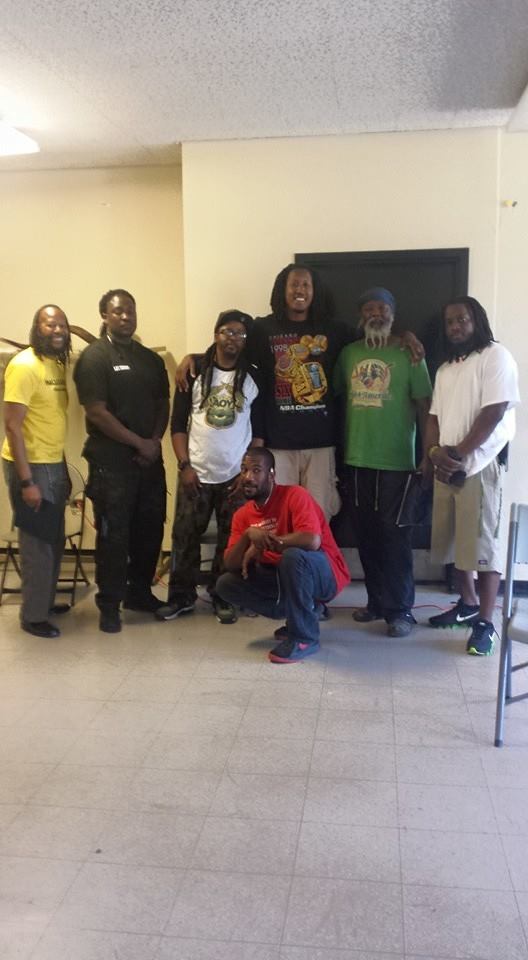
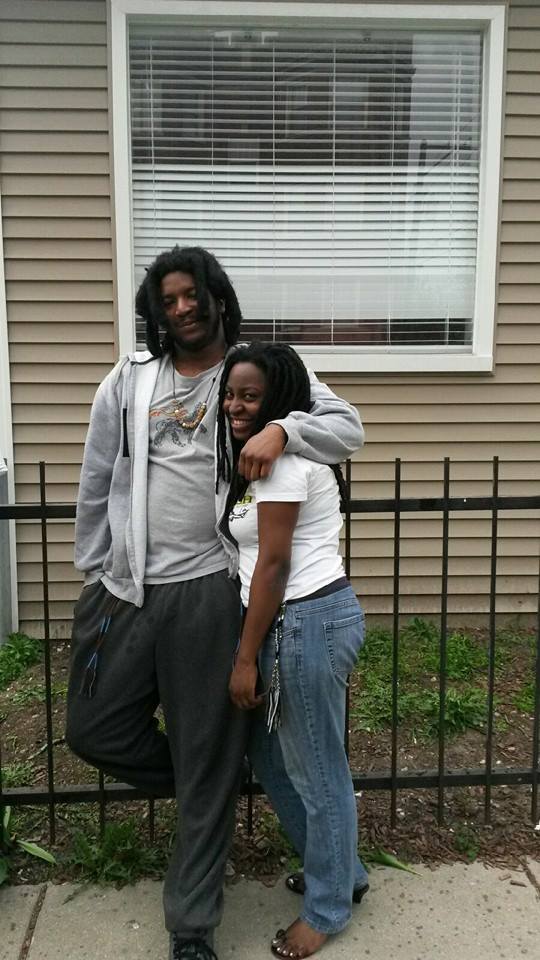
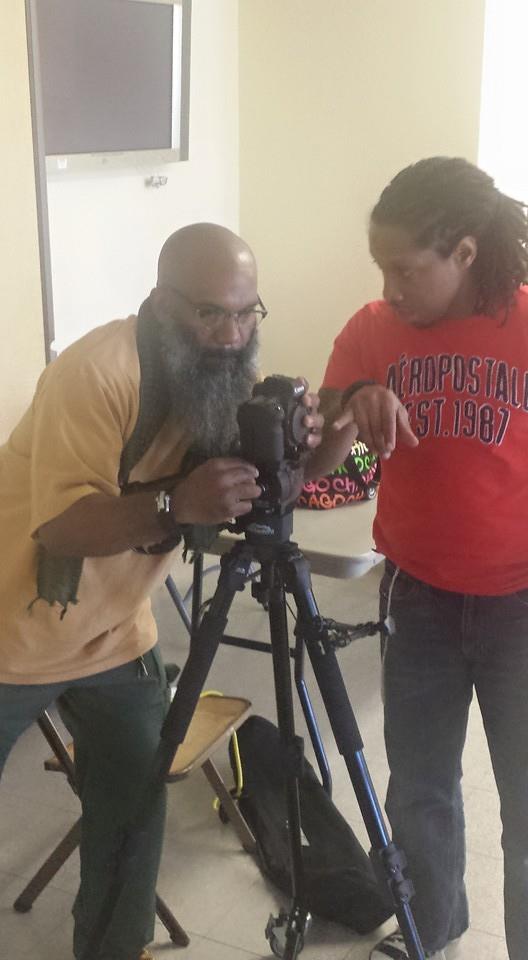
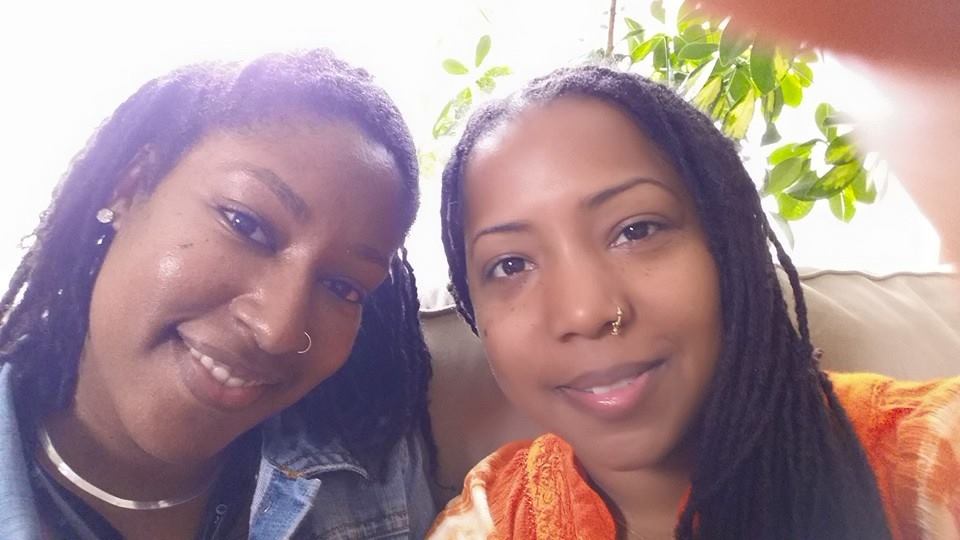
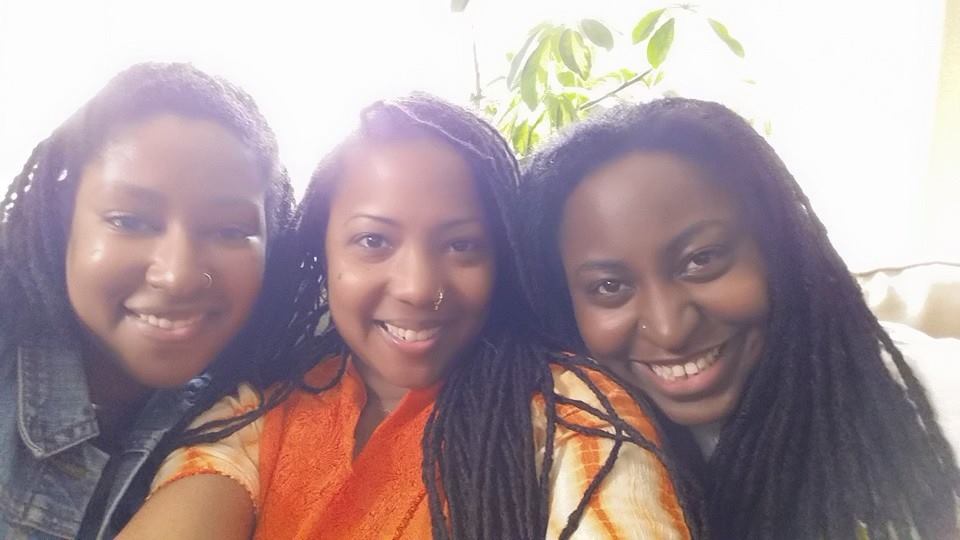
Because this is already a long post and does not even begin to scratch the surface, I am going to leave it here. However, there is so much response from this play that we are already booking to show it again 3 more times this year in different states and again in Chicago this fall. It is possible that we will put together a tour. Details are forthcoming. In the meantime, here are some more pics of the family, rehearsals, etc. (They are not professional pictures because we are still processing the footage and pictures our camera guy took).
This Blog is now closed from: Wed. 4/29 – Mon., 5/4
I don’t have a lot of time on my hands today. I am preparing to hit the road (travels, yesss). It is not just any road trip though; it is to embark on an event I hope will change lives. My family and I are part of a Stage Play that will answer some of the most pressing questions to date: “Why does Racism in America still exist?“Why have black people suffered for nearly 400 years at the hands of discrimination, police brutality, etc?” “What events in our history allowed these things to take place?” “Who were we before slavery?” So forth and so on. We will be before the face of the people and I hope it is an enlightening and groundbreaking experience for all of us. The event takes place in Chicago at the Dusable Museum of African American History and chronicles the History of the Black man and woman in America. I will post pictures of our journey as soon as I can.
Note: Thursday’s Sneak Peek Episode of Stella has been postponed until next week. I know I know but look at it this way, next week you get a double dosage of fun as we wrap up our sneak peek series.
Welcome back to another episode of Ronovan Writes Be Wonderful on Wednesday. As I thought about this prompt, I was led to an older post of mine. As I read it, I could not help but see the family connection. I decided then to incorporate portions of that post into this week’s prompt because it is fitting:
Family…
My nephew has my birthmark on his chest. My face has my mother’s nose, and my smile is etched with my father’s teeth. I interact with the world as if on my own. It never occurs to me that I swing my arms like my Aunt. Or that the decisions I make may have already been made before. After all, they say there is nothing new under the sun. I cannot swim. But maybe that’s because the Great Flood has traumatized me, for I can still taste salt water seas on my tongue. Have you ever thought about the make-up of a blood line? The reality that maybe you inherited these ways only to gift them to someone else one day. I smile at the thought. What would a little girl look like with my eyes, my words and my hands on her hips? How do I know my favorite tree in which to rest my exhausted spirit from the soles of the Earth did not bleed with the stench of my ancestors? And have I ever fathomed why Hurricanes take the exact same route as the slave ships? Can it be that suicides still burn like melted ash upon the ocean floor? Its smoke intermingled with the wind as if to intercourse themselves into one before marching out to the beat of Negro Spirituals I could have sworn I just heard on the radio last night. Or maybe that’s just the Harriet in me. Family. We bond deeper than flesh and thicker than blood. A connection of bodies strung together, we thread ourselves into mixed fabric. Family does not relegate itself to kin, but it surpasses genetics and is reflective in a close friend, a loyal co-worker, a longtime lover. Family is the strength of struggle, reaching down to scrape me off the floor, or build me up when need be. I could Webster dictionary Family, but it is of no use. A dictionary cannot page itself into the substance of what it means to treat others as you yourself would like to be treated, or ponder the reasons why deception never really could separate close friends. Among its many words a dictionary will never fully articulate the experience embodied simply by way of a bloodline. So I suppose I could seek to decipher the definitions behind the syllables but they will not fill me. How could Webster ever fathom the depth of someone who is willing to die for you? This is family.
Just thought I’d share this article as a current events type deal before heading out for today. Though I don’t really get photography as an art far as all the technicalities are concerned (I mean, there are good pictures and then there are…good pictures), I do love the camera myself and I do think photography plays an important role in the unfolding of historical events. Had it not been for photographers, we would not have the opportunity to relive some of the most profound moments in history with such intimacy. As for my thoughts on the specific events rocking the country, I will have to come back with another post when I have more time, however I am led, we will see. Till then stay in tune:
Devin Allen is a self-taught photographer and Baltimore native. His images from the protests following the death of Freddie Gray while in police custody have received thousands of likes and shares on social media. As the situation continued to unfold in his hometown, Fusion caught up with Allen to learn more about his work and the gaps in the narratives being reported on the news versus those being experienced on the ground.
Fusion: So how old are you and how long have you been doing photography?
Devin Allen: Well, I’m 26, and I started photography [about] 3 years ago, in 2013.
Fusion: What got you started?
Devin Allen: Basically, hanging in the city, we don’t have a lot to do…one of my friends actually got me into doing poetry, so I had my own poetry night. But I suck. I can write poetry but I cannot perform. So I had to find a way to give people that poetry feel, but visually, so I started making T-shirts. From there I got into photography. I would take pictures and put them on T-shirts and eventually, I fell in love with it and that became my major outlet since then.
Fusion: How long have you been in Baltimore?
Devin Allen: All my life.
Fusion: Your whole life, so you’re local?
Devin Allen: Yes.
Fusion: What stands out to you about Baltimore when you are taking pictures? What makes Baltimore so interesting to you?
Devin Allen: It’s just real. Baltimore is a real city. It don’t cut no corners. You know, when you get around certain people or certain places it don’t feel real? You know, like everything seems perfect? Baltimore is not that. It’s a beautiful place, it’s like a rose in concrete to me. It’s a beautiful place, but most people don’t see it like I see it. I was born and raised here, so I see the negative, I see the positive. I see the good and the bad. I’ve been on both sides of the fence – both the good side and the bad side. So that’s what it is for me – it’s a beautiful place, and it’s real.
Fusion: When you say you’ve been on the bad side, what do you mean? What is the bad Baltimore that you know and what is the good Baltimore that you know?
Devin Allen: Well, growing up here is very stressful. You can get caught up in a lot of things if you don’t have a strong environment [around you]. Growing up, I got caught up in a lot of foolishness because of friends, where I hung at, and umm…I was raised by my mother and her family, I was raised good, but I just had affection for the streets. I had a lot of friends in the hood who’d run the streets all day, I hung with a lot of people. I lost a lot of friends. I buried both my best friends back in 2013. Both of them were murdered. I lost both my best friends, so they’re like my inspiration. I was just doing whatever, you know, to get the day passed. I tried the school thing, didn’t work. Got a job, but you know it’s hard to stay the narrow with so much stress and negativity. Drugs everywhere, crack-infested, heroin-infested. It’s very difficult, but [an] easy city to get caught up in. As far as being on the bad side, I hung with drug dealers and I ran the streets with some bad people, you know?
Photography actually got me away from that because both my best friends were both murdered; one was murdered on a Friday, and my other best friend was murdered on a Saturday. The only reason I was not with them was because I had photo shoots both days. And that kind of bridged the gap between the streets and my art, and I chose my art over the streets.
Fusion: What would you say about your interactions with the police growing up in Baltimore?
Devin Allen: (Exhales.) Well, I have been subjected to racial profiling. You know, I have had friends beaten by police. I have had police plant drugs on me because they’ve been mad that they didn’t find any.
I stood in observation as my husband passed the cashier the card to complete the purchase. It was nice and warm out yesterday and the Little Caesar’s boomed with life. The bright orange and yellows of the colors blended perfectly with the chipper atmosphere that always accompanies warm weather. The young woman in front of us bounced around, smiling and joking as she completed the purchase, buzzing around the restaurant to finish other things, like what the young man behind her (slightly older, I round him off to be eighteen) was pulling up on the laptop. Yes, the laptop. Maybe it too wanted to take part in whatever it was going on up front, eager to be cradled in the arms of its owner. As my nose preoccupied itself with fresh dough and pizza sauce, I let my eyes roam the rest of the store. The warm ovens and counter-top blocked my direct view, however the bodies spilling over the sidelines and walking back and forth did not allow for much obscurity. Plus, the cooking area that I could not see wasn’t very concealed, resounding like the halls of a high school, the chit chatter of non business conversation floated into the air. An older woman sat waiting for the remake of an order as if she’d rather be watching the news, and a young man with three small boys came in behind us. The itty bitty’s could not have been more adorable, though they looked like three little men. Two of which sported white t-shirts and blue jeans, Jordan’s, light complexion, and a head full of what we used to call bee-bees (when the naps let you know it’s time for another haircut). These boys looked to be no older than a year and appeared to be twins. The other boy was darker in complexion and a couple years older with softer hair outlining a Mohawk. He was, by far, more outspoken if you will and decided it was time to climb on top the counter and see what all the commotion was about. He even decided he’ll stand up and had plans of jumping until his father caught wind of his body in his arms. Whew, that was close.
A couple more customers came in, two young women. The sun was out and so were they. I smiled at my husband who preoccupied his eyes with his cell phone. I’ll tease him about all the booty standing in his way later. Let’s just say there were enough thighs to go around. They were there to see if such and such had come into work today and discussed this with their friends, emptying conversation over the tops of counters and over the people’s heads.
As I sat back and watched this scene play out before me, feeling more and more like this was my kitchen and my children had invited their friends to dinner, I began to wonder: “It would be nice if the same black people who worked this store could also own it”. They are so content right now, making the hourly wage that could support Jordan and cell phone habits. But, what if we taught young people to look at their 9-5s as potential businesses? Often we ask ourselves, “What do I want to be when I grow up?” But our interest never completely change as we transition into adulthood. They are just better developed but they never completely change. So instead of the ancient “What do you wanna be when you grow up?” Is it possible to start asking the question: “What do you enjoy doing?” And, “in what way can you turn that into a business idea?'” If you work part time at a restaurant, why not see what it takes to own one like it one day? If you like doing hair, why not set out to have your own shop and list of clientele? Housekeeping at a hospital? What does it take for you to become licensed and contract yourself out to hospital chains and apartment complexes?
I could go on and on about why I think Black Entrepreneurship is important, but it is best that we look at the facts together:
“Koreans own the beauty supplies and nail shops; Arabs and Mexicans own the fast food restaurants and liquor stores; Jews / Europeans own the banks, pawn shops, and other lending institutions, and east Indians own the gas stations. The so called African American owns little to no businesses in his own community.”
African Americans are the biggest consumers and yet they own no businesses within their own communities. To be a consumer means you are not an investor, you are not an owner, you are instead a spender. Before the collapse of one of the most prominent African American communities in the nation, the dollar in the greenwood community of Northeast Tulsa Oklahoma rotated 36-100 times before it left the community. This means, the people in that community spent money at the local stores before going outside that community. For instance: Clothes bought at Elliot & Hooker’s clothing at 124 N. Greenwood could be fitted across the street at H.L. Byars tailor shop at 105 N Greenwood, and then cleaned around the corner at Hope Watson’s cleaners at 322 E. Archer. Today, the dollar leaves the black community in less than 15mins.








































 The PBS Blog