Title: Strong Beginnings
Author: William Spivey
Publisher: TBA
Facebook: https://www.facebook.com/StrongBeginningsaNovel/
Blog: https://enigmainblack.wordpress.com/
E-mail: wspiv001@aol.com
Facebook: https://www.facebook.com/william.spivey1
Twitter: @wspiv001
*I received a free copy of this book in exchange for an honest review*

This is the last book review of the year and what a way to go out. Today’s review is a special one.
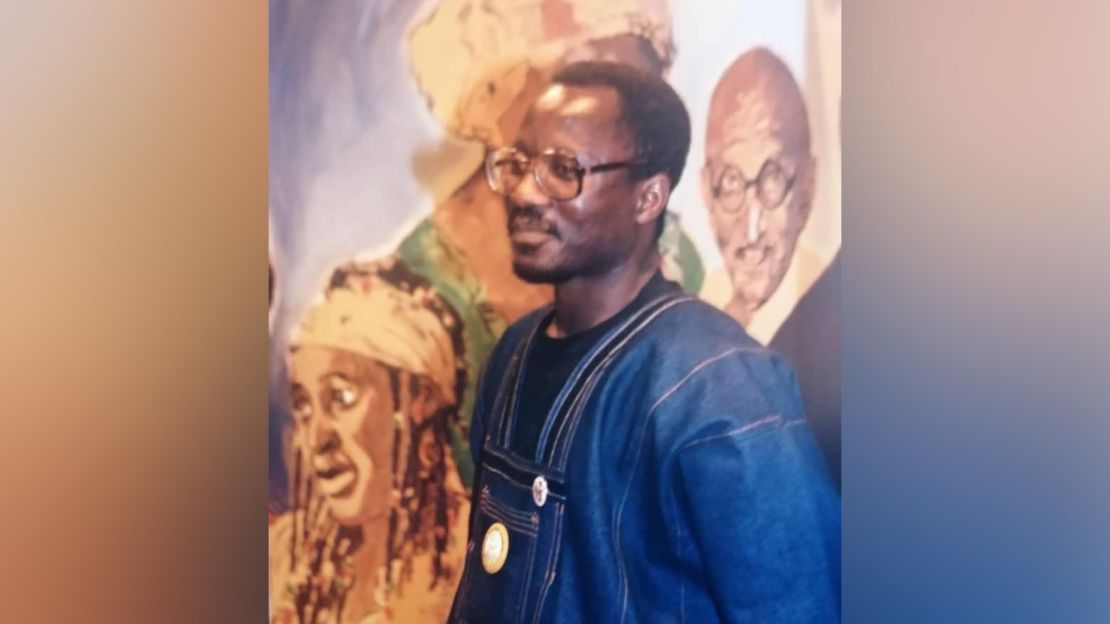
I am honored to introduce to you William Spivey, a regular contributor to the Inner-City News where he writes about politics and popular culture. He also blogs as “Enigma in Black” where he explores poetry, religion, politics and all manner of things socially relevant. He is the founder of the Facebook pages Average Citizen Forum, and Enigma in Black. William is also the winner of a University-wide Essay Contest while at Fisk University titled, “The Value of a Liberal Arts Education”. He holds a B.A. in Economics from Fisk and resides in Orlando, FL.
His goal now is to make his voice heard and make a difference, and he has given me the honor of advanced reading his soon to be released Political Fiction/Romance novel “Strong Beginnings”.
When Frederick Douglass Strong witnesses the murder of four African Americans on the Moore’s Ford Bridge in Covington Georgia in 1966, he set into motion a string of events that would influence the actions of his family for years to come. After all, Frederick wasn’t the only one to witness what would be known as The Moore’s Ford Bridge Four but so did Chris Lee Thomas, the teenage friend of his son Roosevelt and the son of one of the white men who just murdered the four.
Gripped with anxiety, Frederick goes home and is unable to sleep. With a thorough understanding of the time, he is drenched in the fear of what could happen next. Neglecting to reveal the details to his pregnant wife, he suffers silently until a knock is heard on the door. It’s Chris Lee Thomas and he wants Frederick to step outside. Frederick does and is faced with a lynch mob. Meanwhile, his son Roosevelt is peeking through his bedroom window, watching as the men chase his father.
However, Roosevelt is also seen by Chris just as his father was and the family is panicked with a decision of a lifetime. After Frederick’s death, it is clear, they must leave Covington if Roosevelt is to survive.
The story goes on to follow the life of Roosevelt and his family fifty years after The Moore’s Ford Bridge Four in Orlando Florida. His daughter, Voncelle Strong is one of the foremost voices of the novel. She is a passionate teacher and blogger and we watch as she positively influences her students, battles the unfair school system, juggle relationships and come face to face with relatives she didn’t know she had. As a former teacher, I enjoyed Voncelle’s fight for the student’s well-being.
As for the incident, can the Strong family outrun their beginnings? What will happen when they come face to face with their past?
There were many things to love about this book, such as the History, the family bonds, and education. Most of all, I loved how the title to this book is appropriately titled. Not only in its relation to the Strong family and the symbolism of new beginnings, but the beginning of this novel also starts out strong. I was nervous for Roosevelt as the family was deciding what should be done before making the decision to leave Covington. I also enjoyed the relationships, how they were tied into the story in a realistic way. For instance, when Voncelle travels to Europe she meets two young men who have more in common with her than she thinks and when a family member contacts Roosevelt all those years later for a family reunion, it sets in motion a string of revelations that would impact the family for a lifetime I am sure.
I recommend Strong Beginnings to anyone with a passion for the plight of African Americans, for those concerned about the politics of education and those who have a love affair for strong families.
Ratings:
Plot Movement / Strength: 4/5
Entertainment Factor: 5/5
Characterization: 4/5
Authenticity / Believable: 5/5
Thought Provoking: 5/5
Overall Rating: 4.5 / 5
Strong Beginnings is not yet available. Stay tuned.
Don’t forget to Follow this Author online!
Facebook: https://www.facebook.com/StrongBeginningsaNovel/
Blog: https://enigmainblack.wordpress.com/
E-mail: wspiv001@aol.com
Facebook: https://www.facebook.com/william.spivey1
Twitter: @wspiv001
I hope you enjoyed our final review of the year! It’s been amazing and I am truly honored to be in the company of such a talented group of individuals. Don’t forget that you can contact all of the authors on the new Indie Author Page HERE. It’s a new page so there isn’t much going on right now but over my break (which started about…5 seconds ago) I intend to update it so it looks more “authorly” (whatever that means lol).
I have many more authors to come so be sure to return to The PBS Blog after the new year. If you’re an author in need of more reviews, be sure to register your book HERE for consideration. Also, do not forget to update me on any special occasions or anything exciting you have going on! I love supporting the authors I review so let’s stay in touch. Each one, reach one.













 The PBS Blog