Why I Write Black

two generations

Because flowers grow in strange places

like tattered pieces of wood and recycled paper


Because history is frost bitten

and winter refuses to be comforted by the sun

bluish-white and numbed pain

cold skin

and prickling feeling


Because the sky don’t stay dark forever

but light ain’t taught in history class


Because some skirts

are too heavy

to lift without permission

Because Dust Tracks on The Road

was subtracted 3 chapters

Because some truths

are too big to sacrifice

on American alters


Because Zora died broke

and Nina died sad

Because their voices still sing

Because strange fruit still swings


Because ignorance is worth more than rubies

and diamond gems

Because no one has picked up the pieces

of truth

underneath the ruble

of bombed out churches

on 16th streets

Because little girls ain’t little girls no more

but crushed bones

and melted skin

a strike of disobedience

against premeditated sin


Because hope is stronger than despair

Because freedom is worth more

than all the

raisins in the sun

I’ll Carry It With Me

047

From the bowels of the deep south
To the place of the rising sun
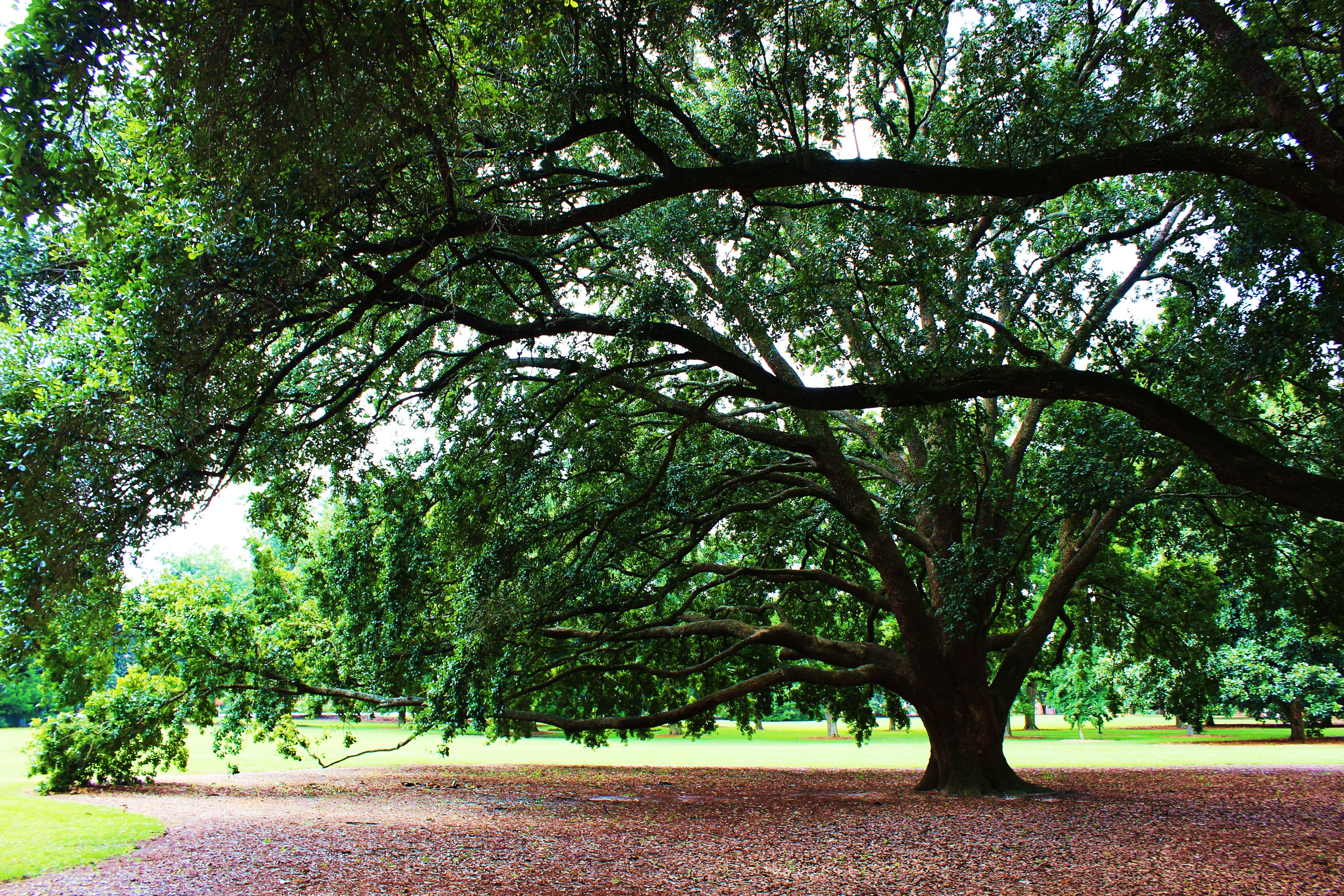
She’ll stretch her roots to the ends of the Earth
And her scent to the universe edge
From the Nile
To the Euphrates
Her soul is Langston
And has grown deep like the rivers

On her bark
Are the names whipped out of her ancestors skin
Pocketbook scriptures ripped out from underneath their tongues
And she stands there
Towering over the people who pass her by
Singing their song in the wind

She remembers the scratchy fiber
It was course and woolly
Like Nyongo’s hair
When they tied her arms
Around the Magnolia

She was there when Moses died
They buried his bones under the shadow of her roof
Tied bright yellow ribbons to her branches like shackles on her arms
So that Tubman can tell that she was a slave
And carry her falling leaves to freedom
She sings her song
From the bowels of the deep south
And the deep North
clean across the Atlantic
And on up to Spain
Where the ships of Tarshish came first

But you will never know of it
Not when you see her standing there
All tall
And full of pride
her petals are soft and delicate
and burning passion like the sun
But I won’t forget
I’ll bottle her scent and carry it with me
The history of her children
The memory of the hanging tree

Brown Skin

Mississippi lips

Lousiana tongue

West African shaped nose

Skin kissed by the sun

Israelite Culture

American Captive

Egyptian Color

russet brown

seal

dark puce

blue black eastern man

blue black woman

symbols of authority over her head

natural beauty no longer dead

hair like sisal rope

braided

coiled

nappy

strong

prayer hands that crack open the sky

from the place of the rising sun

to a land that sought to shackle their tongues

run aways

slave ships

cotton fields

those days

share

croppin

jim crowing

freedom ridin

no more hidin

Mississippi lips

Lousiana tongue

West African shaped nose

Skin kissed by the sun

brown skin

Author Spotlight: Yecheilyah Ysrayl

My Author Interview with Dottie Daniels.

dottiedaniels's avatarThe Write Perspective

Hey.

Here’s another author (she’s a poet as well) who also has a page here on WordPress. I consider myself and anyone else aware of her to be pretty lucky already as this author has a pretty powerful perspective and is more than capable of articulating her experiences and thought processes as it relates to the cultural upbringing of the African American experience. Her name is Yecheilyah Ysrayl and I had the pleasure of doing a Q&A session with her a few weeks ago. Below is the interview along with her social media contact info.

  1. I’ve read you were born in the South side of Chicago (so was I!), what were some of your earliest memories?

Hi Dottie. First, I want to thank you for taking the time to meet with me today. Yes, I am from Chi-Town indeed. Since I’ve been in Chicago for the better part of my…

View original post 953 more words

Writing 101 – Assignment #12: Critique a Piece of Work – “We Real Cool”

Today I will be critiquing Gwendolyn Brooks’ poem “We Real Cool” for today’s Blogging U assignment:

We real cool. We
Left school. We
Lurk late. We
Strike straight. We
Sing sin. We
Thin gin. We
Jazz June. We
Die soon.
gwendolyn-brooks

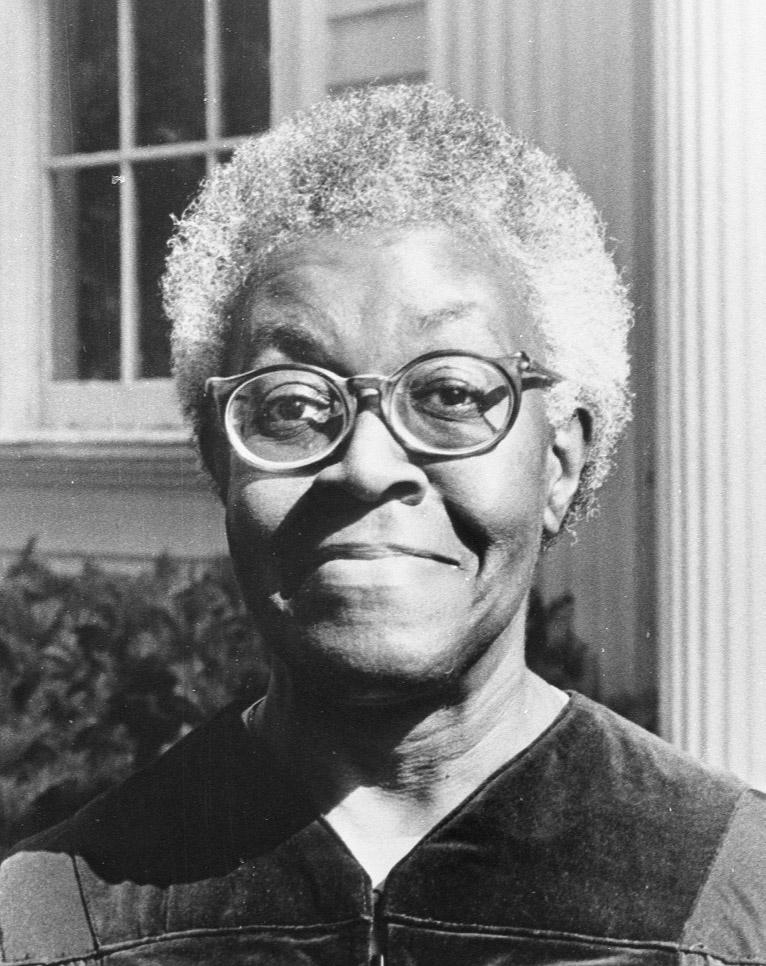
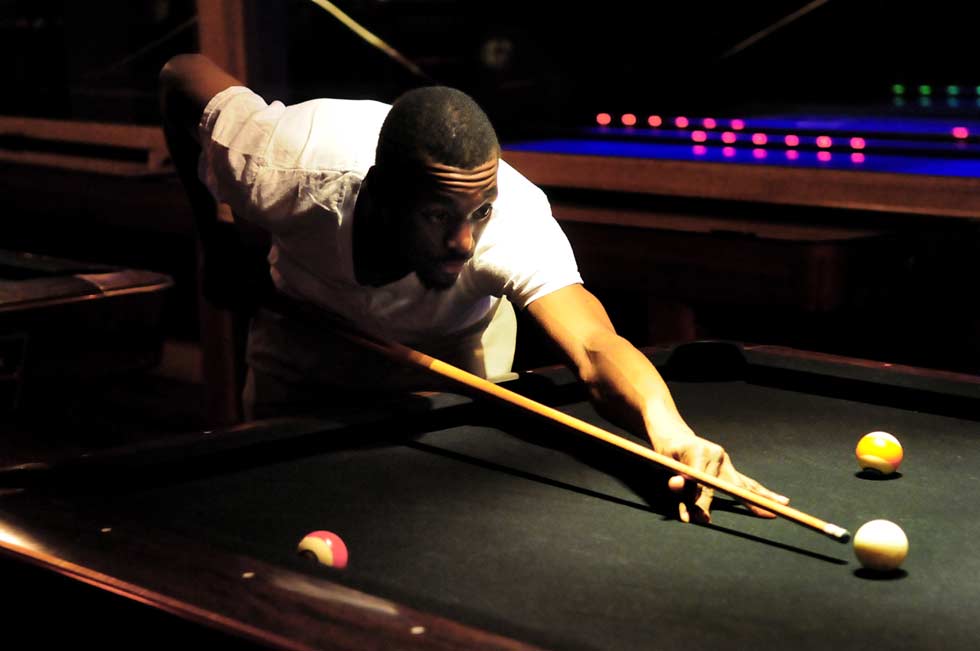
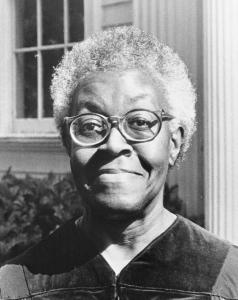
Gwendolyn Brooks is the renowned poet from Chicago that we have grown to love. In her own words, Brooks explains her inspiration behind this poem, which began while walking passed a pool hall in a Chicago neighborhood. She saw there a group of young men and pondered to herself how they felt about themselves. “I wrote [‘We Real Cool’] because I was passing by a pool hall in my community one afternoon during school time, and I saw, therein, a little bunch of boys – I say here in this poem, seven – and they were shooting pool. But instead of asking myself, ‘Why aren’t they in school?’ I asked myself, ‘I wonder how they feel about themselves?” Gwendolyn Brooks

I think when people read this poem they are put in the mind that these boys are too cool for school and when I first read it, years ago, I have to say I summed it up to pretty much mean that. Here are a group of young men who would rather partake in other activities rather than an education and as a result they die living the life they have chosen. However, with maturity came a different understanding of this poem.

“We Real Cool” is a poem that speaks from the point of view of these seven young men and it is why Brooks recites it the way that she does. The “We” is to carry lightness. Not so much to be pronounced harshly, but it is a slang that is carried in a  kind of whisper and you’ll hear this if you’ve ever heard Brooks recite it. So it is indication that this is not Gwendolyn Brooks who speaks, but it is the young men speaking and they are expressing a feeling about themselves that has been brought on due their interaction with a certain establishment.

“We
Jazz June.”

June is a symbol of an establishment. Typically, Americans adore June as a month. It is the time of summer; a time where school ends and the sun is out, and children play. June is in short a fun time. A time where people are married, and children have birthday parties. Traditionally, people cannot wait for June to come because it represents that transition into the summer months where things are happy and vibrant and lively and fun. For these young men however they “Jazz June” meaning they do not like it. They are not looking forward to June but they “Jazz” June. Jazz is a slang word meaning that the young men are willing to do anything that would annoy June; anything that would rebel against June. And so June is a symbol for an establishment. It is to say that these young men feel left out of it. They do not feel part of the system and so they leave school, they stay out late, they sin (which is not so much a transgression of biblical law in this sense but more so a transgression of the laws of the land. It is a symbol of their rebellion) and they do anything in general that will contradict June.

“We
Die soon.”

The final line, “We die soon” is a result of the life that they live. Not so much how fast living leads to death (which it does) but more deeply it is the treatment of their lives by the institutions in which they are rebelling against itself. Because they are locked out of it, their lives are not as valid, valued, or cherished and so eventually they die. The young men are expressing, in this poem, their low self-esteem and low self-worth inside of the communities in which they live.

In an interview, Brooks discussed an experience she had at a University where she’d done some reading. She spoke concerning a young black woman who stood up and said, “Why do you keep talking about blackness? We all know that the time for that is over. We are now merely American’s”. Brooks’s response, in brief, was that she’d like for blacks to be proud of where they come from.”

UCMenSecondBlog06

They say that youth is wasted on the young; that their minds have not fully developed into the capacity to appreciate certain things, particularly a sense of pride in heritage and identity. As I listened to that interview about the young woman I think back to this poem. What strikes me as important to note in regard to “We Real Cool” is its focus on manhood, or rather boyhood. The experience of a black boy in America is different than that of a black girl. And this is a fact that is often gone under the radar. We talk a lot about black women, particularly in regard to a focus on feminism and gender identity and double discrimination far as being both black and woman is concerned. I think this is in many ways a trap because it can easily develop into hatred for our men and if not hatred, blindness to the struggles that they endure and their discrimination’s as well as our own. I think we spend a lot of time focusing on doing it ourselves that we miss the purpose. The purpose being that the strength of black family life is directly tied into the respect and honor that we either have or don’t have for black men as black women. Gwendolyn said it best, “If we don’t pull together then we won’t be here to pull at all.”

I say this to say that there’s a lot of focus on black women and not so much black men. It is not to say that the black experience in America is limited to gender, of course we know that we have all experienced psychological trauma especially the black woman. But we do have to admit that there is not as much attention toward the same kind of trauma exposed to black men. It is a fact that to be a black man is quite different in many ways than to be a black woman. One of these ways is a black man’s treatment in America by its varying institutions be that employment, or simply his struggle to lead his own family. Being unlawfully pulled over by the police is another example, even the calculation of prison beds against the reading scores of black males in the public schools. And so this poem is a reminder, at least to me that black men in America are, in the words of Toni Morrison, criminalized more than any other man or woman for that matter in America, and they are in constant dread for their lives, be that spiritual or physical.

We real cool. We
Left school. We
Lurk late. We
Strike straight. We
Sing sin. We
Thin gin. We
Jazz June. We
Die soon.

cropped-seal_v2-03

Writing 101 – Weekly Wrap-Up

weekly-wrap-up2

On Friday I mentioned I rest on Saturday’s. Turns out I was late in discovering there are no prompts on Saturday and Sunday! LOL. So this is totally awesome. It gives us all a time to rest and readers a chance to catch up. So my custom will be to present for you a weekly wrap-up of links to all of my assignments for the week on Sunday before the new week begins. Please find below my posts for this year’s Writing 101 course so far:

Assignment #1: Why I Write

Assignment #2: Write a List

Assignment #3: One Word Inspiration

Assignment #4: A Story in a Single Picture

Assignment #5: Hook ‘em with a Quote

Before The Week Ends

Diversify your bookshelf

file

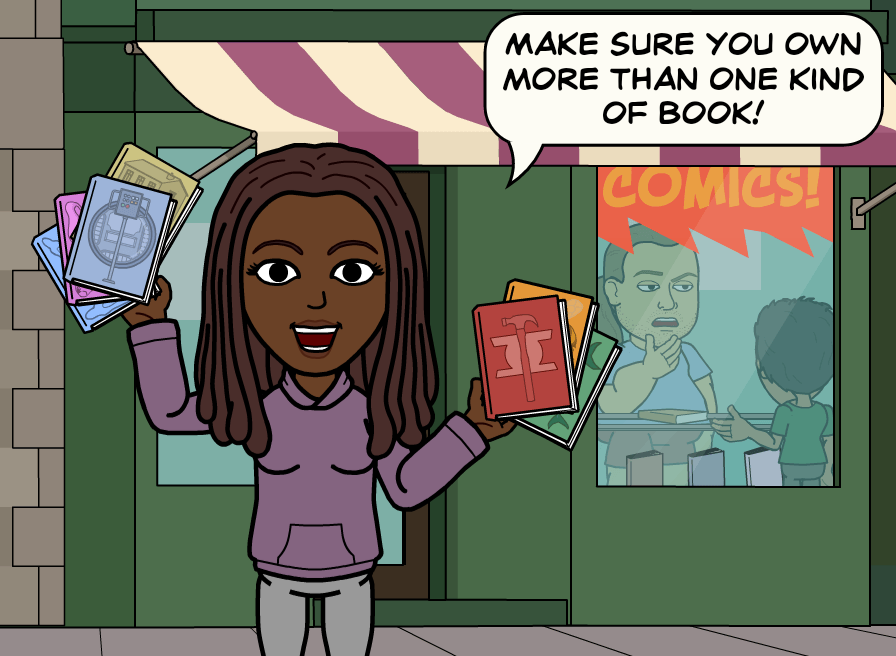
I just want to share one final thought before I snuggle in for this week and that is to remember to diversify your book shelf. This can be a project we can all do over the weekend. Look through your books, do they repeat themselves? Are there three rows of Toni Morrison on a five row book case? Do you have 300 books and 250 of them are Chit-Lit? Are there 50 Sci-Fi novels all right next to each other? If you fit this criterion, I want you to take every last one of those books off of the shelf and re-evaluate your reading life. Then go to the thrift store, independent bookstore, flea market, library, Wal-Mart or Barnes and Nobles and buy a book that has nothing to do with your interest. That’s right; pick something you can never see yourself reading. Got it? Great. Now you’re ready.

We all have those books we absolutely love, authors we cannot get enough of or just books we can never throw away. However, if there’s one thing I’ve learned about reading it is the importance of having books covering a full range of subjects. I have cookbooks, medical books, dictionaries, bibles, concordances, and textbooks from back in the day, encyclopedias, journals, literature, urban fiction, poetry, general fiction novels, how-to books and the list goes on and on and I just think you should kinda be like me in this respect.

file(1)

When you expand your readership to cover a range of subjects it broadens your perspective and opens you up to a whole world of experience right there at your fingertips. It also helps you to learn. Have you ever wondered how people can go to prison and come out scholars? It started by reading and reading and reading on a wide range of subjects. Sure I love history, specifically African American History. I also love poetry and black literature and literature in general but if these are the only kinds of books I have around my outlook is one sided. I will be limited in my way of thought and miss so much knowledge in regard to those other great topics out there and the information these authors have to offer.