The Stella Series: Meet the Family

As mentioned, I am reviving the Stella series with a fourth book! For those who have not read the first three books, I’ll share excerpts, nuggets, and tidbits as we prepare for the fourth installment. Today, we are refamiliarizing ourselves with some of the family. Enjoy!


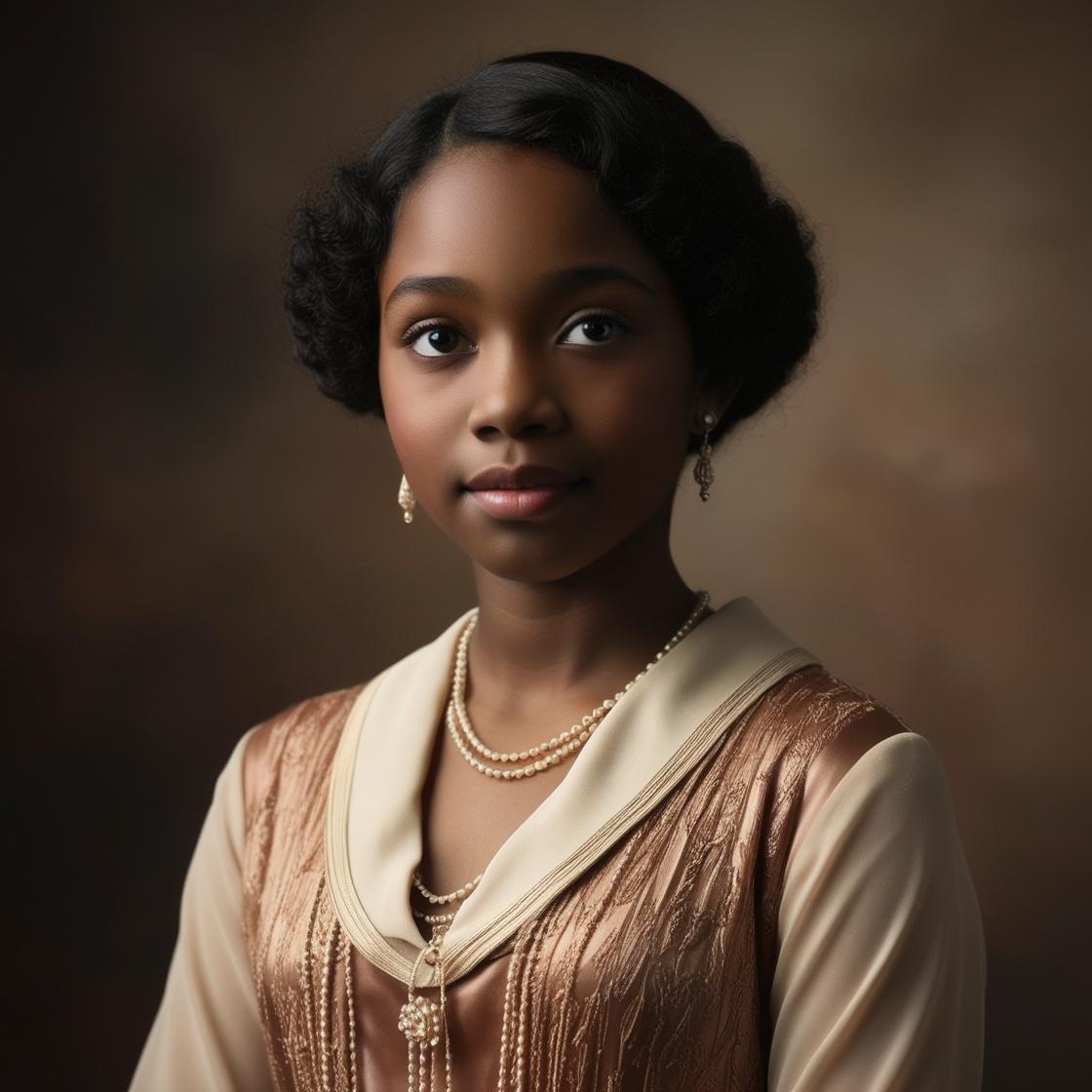
Stella May
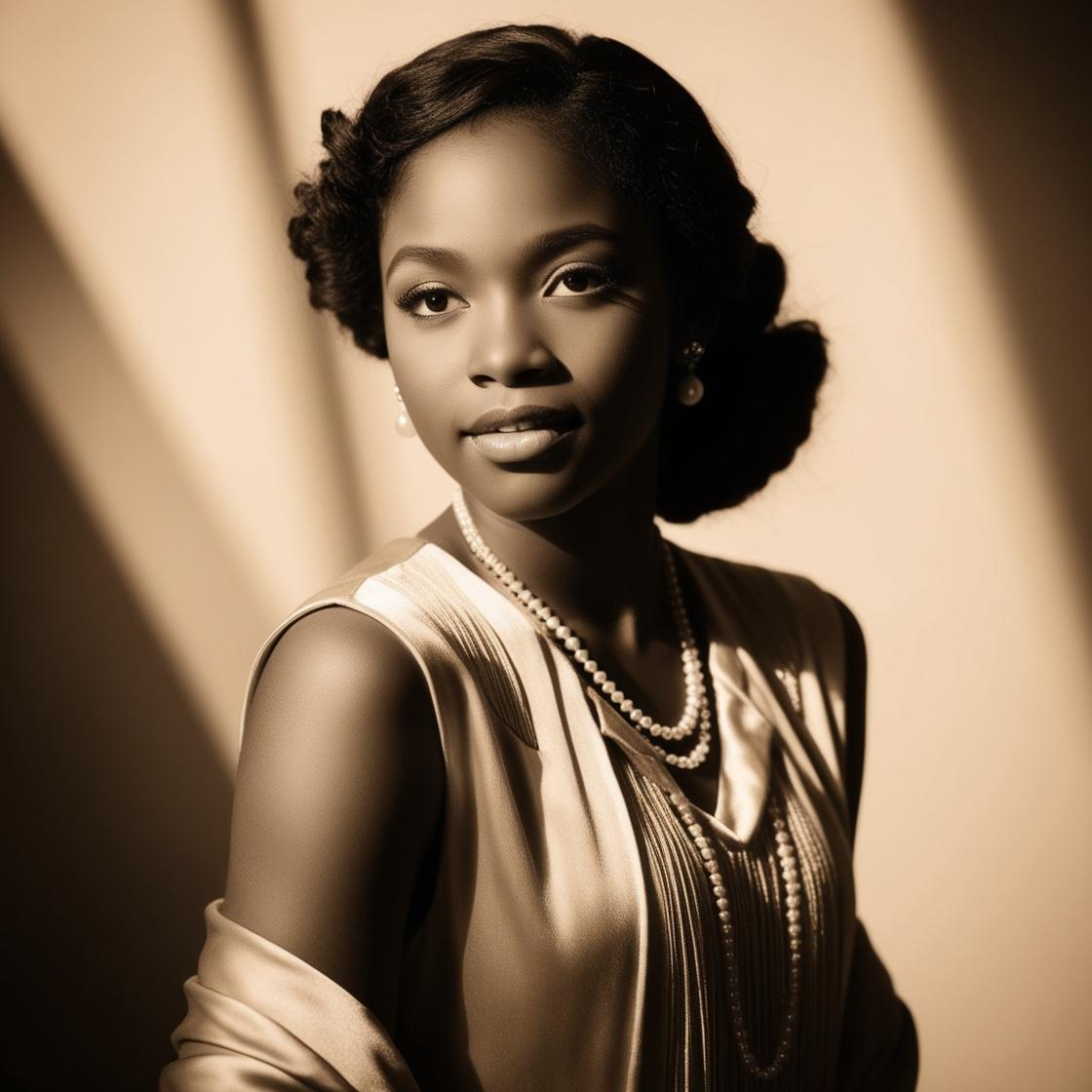
Born in 1845, Stella is the daughter of a Black woman named Deborah on Paul Saddler’s Plantation in Shreveport, Louisiana. From a young age, she can remember running through cotton fields and being loved by her family. To young Stella, life is simple and fun. She eats sweet cakes, plays with her friend Carla, and helps the grownups by carrying buckets of water to the field. Stella discovers she is a slave for the first time after Deborah’s unexplained death. Now, she learns the hard way the difference between slavery and freedom.

Solomon Curtis May

Solomon has no speaking roles, but his existence is essential for the family timeline. Solomon Curtis May is Stella’s only son, born in the fall of 1870 after she was sexually assaulted by the husband of her mistress. Solomon falls in love with a white woman and marries her after inheriting land outside Chicago. They have four girls: Deborah, named for his grandmother, Judith, Rebecca, and Sara.

Judith May

Solomon’s daughter Judith married a Black man and gave birth to a baby girl she named Stella after her grandmother. However, after enduring much teasing and discrimination for her mixed features, Judith’s daughter copes with this trauma by denying part of her ancestry. She changes her name from Stella to Sidney McNair and passes for white. After marrying a white man and having his children, Sidney lives her life on the other side of the color line.

Sidney McNair

Her aunt Sara influenced Sidney to pass for white and learn to enjoy her privileges. Sidney marries a wealthy white man named Clarence McNair, and they have four children: Edward, Karen, Joseph, and Glenda, whom they raise as white.

However, when she finally reveals the truth to her adult children in 1979, the shock of their real identity is a betrayal that stretches across generations.

Karen and Noah
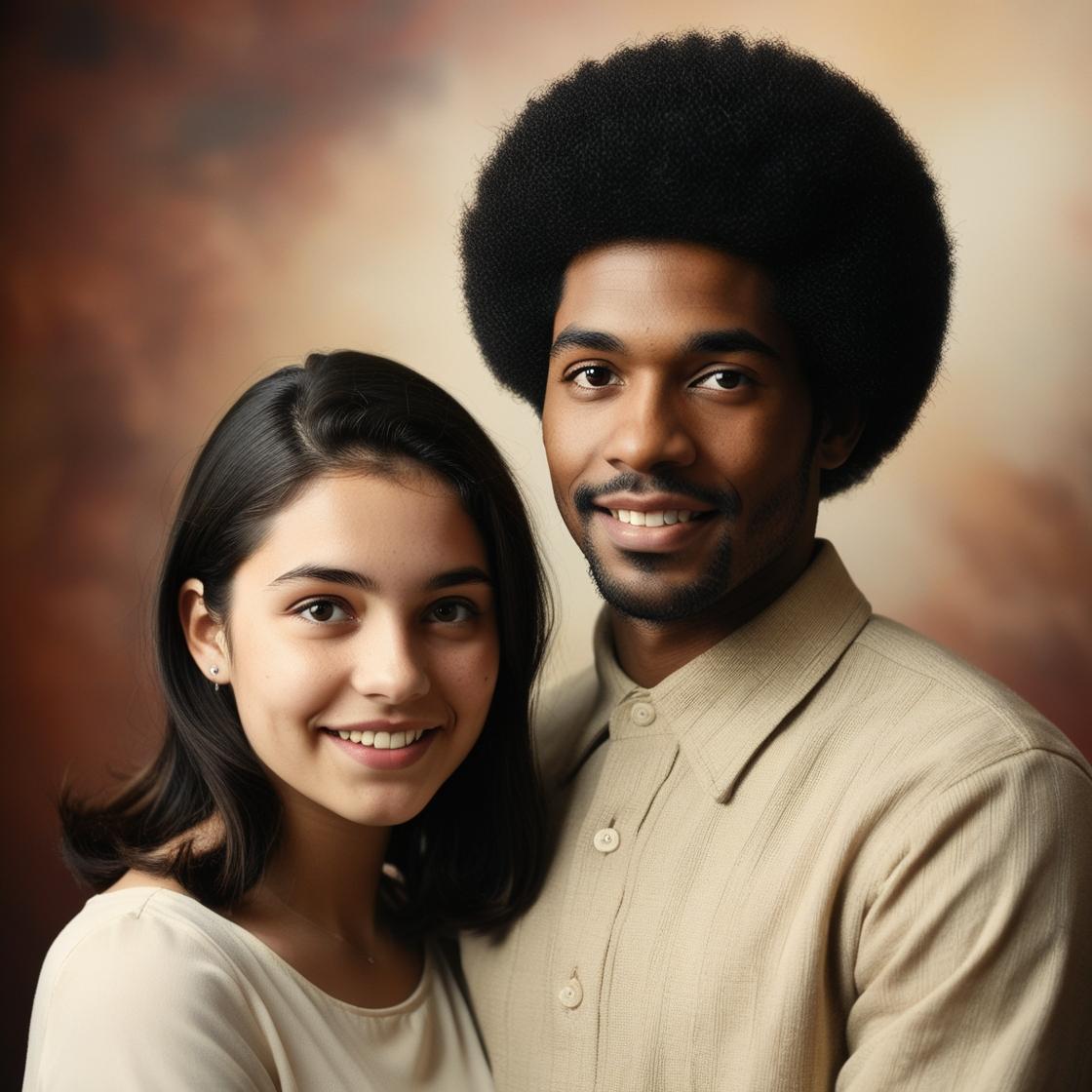
Sidney’s daughter Karen McNair falls in love with a young Black man named Noah Daniels. He is a leading member of the Black Panther Party and thinks he’s dating a white girl. At this time, Karen also does not know that she is mixed race, although she has many more African American features than her siblings. The couple endures many trials because of their perceived interracial union. Together, they have a son, Noah Jr, who has a much more significant role as an adult in book four.

Edward McNair

Of all Sidney’s children, her sons are the most conflicted by their mother’s betrayal. Carrying many characteristics of his father, Clarence, Edward has not only lived his life as a white man but has also enjoyed the privileges of doing so and cannot come to grips with his new reality. In brief, Edward does not want to be Black, and his daughter, Cynthia, does not yet know about her true identity because of her father’s secrets.

However, although he appears to reject his heritage, something in Edward’s subconscious won’t allow him to completely forget it. We see this when he names his youngest son after his great-grandfather, Solomon.

Joseph McNair

Joseph is also conflicted about his mother’s decisions, but goes in another direction. Still under the illusion that he is just a white boy, he nevertheless feels sympathy for the plight of Blacks and fights for their freedom with his friends during the 1960s.

Unlike Edward, Joseph wishes he were Black. He grew up to marry a Black woman named Fae, and together, they have two children, a boy named Michael and a girl named Tanya.

Introducing Tanya and Michael…

Born in the early 90s, Tanya and Michael are the children of Joseph and Fae and are young adults in the early 2000s. They face the challenge of defining themselves in a society shaped by their father’s choices and haunted by the truths Stella once fought to conceal.

In book three, they are small children, but in book four, they are young adults. In his part, we weave together the struggles of a new generation to find their voice, identity, and place in a world still wrestling with its past. The echoes of Stella’s decisions resound, reminding us that even as times change, the threads of heritage and truth remain unbroken.


Get Started on The Stella Trilogy!

Book Four: Joseph’s Children

(Working Title)

(WIP/Coming Soon)
Stay tuned for a sneak peek at chapter one of book four!

The Stella Series Continues

I published the first book in the Stella Trilogy in 2015 and revised it in 2020. I have been working on a part four recently, and I am excited to continue this family’s story.

If you have not read the series, I highly recommend it in preparation for the next part. (If you read these books from 2015 to 2016, you are advised to read the revised editions with the alternate ending!)

Like the others, it will be a historical fiction novella or short novel.


When Cynthia McNair’s grandmother overhears her and her boyfriend joking about Blacks in a derogatory way, she has a story. Born in 1845, Stella Mae was an enslaved woman on the Saddler Plantation in Shreveport, Louisiana. Forced to stay on the plantation after Emancipation, she endures much abuse and revelation. She eventually gives birth to an only son, whom she names Solomon Curtis Mae. Stella’s story takes place in book one, Between Slavery and Freedom.

Solomon was given land by the same enslaver who freed him and Stella. As a man, Solomon married a white woman, and they had four girls: Deborah, Rebecca, Judith, and Sara.

Solomon’s daughter Judith gave birth to a baby girl named after her grandmother because they looked so much alike. However, this Stella did not take pride in who she was and lived her life as a white woman and raised her children as white. We watch her struggle from delusion to acceptance during the Jim Crow era as she navigates being married to a racist white man who doesn’t even know his wife is Black. Stella has even changed her name to Sidney McNair. Her story takes place in the second book, Beyond the Colored Line.

Sidney McNair, formerly Stella, gave birth to four children: Edward, Karen, Jospeh, and Glenda. Edward is Cynthia’s father.

Because she raised them as white, Sidney’s children did not know about their African ancestry until 1979. The person most conflicted about this was Joseph, who felt sympathy for the plight of Blacks and fought for their freedom with his friends during the 1960s. His story takes place in the third book, The Road to Freedom. In book three, we learn that Joseph married a Black woman named Fae, and they had two children, Tanya and Micheal.

Joseph’s Children: Book Four in the Stella Series (WIP)

Book Four unfolds in 2008. Tanya is now eighteen, her confidence growing as she steps into adulthood with fire in her heart and ambition in her eyes. Her sixteen-year-old younger brother Michael wrestles with the same questions of identity and purpose that once drove their father to leave home in search of answers nearly half a century earlier.

Against the backdrop of Barack Obama’s historic presidency, the heartbreak of Trayvon Martin’s murder, and the rise of Black Lives Matter, Joseph’s children navigate a new era. They face the challenge of defining themselves in a society shaped by their father’s choices and haunted by the truths Stella once fought to conceal.

The story weaves together the struggles of a new generation to find their voice, identity, and place in a world still wrestling with its past. The echoes of Stella’s decisions resound, reminding us that even as times change, the threads of heritage and truth remain unbroken, binding the present to the past.

Stay tuned for a sneak peek at chapter one!

Yecheilyah’s Book Reviews – Call Me Mama: A Reason to Persevere by Ife Akanegbu

Title: Call Me Mama: A Reader to Persevere

Author: Ife Akanegbu

PublisherMy Cute Prairies

Published: July 1, 2024

Pages: 57


If you’ve ever wondered what it’s like to be an addict, this short narrative will transport you there. From the weight of guilt to the hope of redemption, the author portrays a picture of addiction that will make you reconsider your feelings about addicts.

The story opens with Mariam sitting in a car outside her daughter’s school, watching with binoculars. She is not allowed to see Zora. She has lost access to such privilege.

As someone who grew up with an addicted mother, I understand what it’s like to be a daughter and not have your mother around, which doesn’t always mean she’s not present. For example, Zora refers to Mariam as Aunty, even though she is her mother. She does this because she does not know Mariam is her mother. It took me back to the first nine years of my life when I addressed my mother by her first name. What I appreciated, though, was how the author helped me grasp how it feels from the mother’s perspective. The author’s writing style is poetic, allowing for honesty and grace.

Call Me Mama helps us empathize with the human parts of those who fall prey to addiction, and I love that about good fiction. Don’t just tell me someone is a villain; show me why. How did this person get to this point? What made them the person they are? In addition, we so often see the monster and not the person being held hostage in their bodies, a prison for their unhealed trauma.

“She wanted to beg, plead for another chance, promise that this time would be different. But the words died in her throat, strangled by the shame that had become her constant companion.”

Then, there is Mary-Joanna, a constant temptation. “Come on, let’s get out of here, have some real fun,” she says as they sit in the basement of a church. Her words are like a trigger that sends Mariam’s heart beating against her ribs until she no longer hears anything the speaker is saying, only the promise of relief from the dungeon of darkness she’s found herself in.

But, it is Zora who is the real salvation of Mariam’s story. The innocence of a child and the unconditional love Zora wrap around her mother’s neck offers Mariam the hope she desperately needs. Will she take it?

bitmoji-20191031054252

Ratings

  • Plot Movement / Strength: 5/5
  • Entertainment Factor: 4/5
  • Characterization: 5/5
  • Authenticity / Believable: 5/5
  • Thought Provoking: 5/5

Overall: 5/5

Call Me Mama: A Reason to Persevere by Ife Akanegbu is Available Now on Amazon!

Call Me Mama


To have your book reviewed on this blog, apply here!

Stay tuned for our next dope read!

IMG_8994

Yecheilyah’s Book Reviews is a reputable review service that features writers from all over the world, both traditionally and independently published. We are listed on Kindlepreneur as a top-tier book review blog and Reedsy as one of their vetted active book blogs that provide insightful, excellent book reviews.

*Books are read in the order they are received.


Revising The Stella Trilogy: Book Two – Beyond the Colored Line

Book one is out and we are on to book two!

My main challenge for book two is making sure that it stays consistent with book one. This is important for any series, but for Historical Fiction, it is even more critical.

Since writing Historical Fiction is writing set in a time that has already occurred, the details of the past must be realistic to what was going on. A good Historical Fiction book places fictional characters somewhere in a world that has already existed in a way that reads authentic. Readers should be able to reimagine what that world was like by immersing themselves in the life of the characters and the world around them. I like to think of it as a time machine, which is also what makes writing #Histfic fun to me.

Style, Language, Dialogue

Like book one, book two opens in 1996 and picks up where we left off at Mama Sidney’s house in book one. But book two also takes us back into the life of Mama Sidney, and we revisit history from the 1920s through the 60s. My focus for book two was to make sure the dialogue, language, racial and political events occurring during this time were realistic to what was happening in the world. We talk about The Great Depression and touch on the reoccurring lynchings taking place in both the north and south. We look at the brutal murder of Emmett Till, the shooting of Dr. King, Jim Crow Laws, and The Black Panther Party. While I immerse Stella in her own world, there is still the larger world to deal with and we watch how she navigates both. How does Stella’s personal identity crises correlate to the identity crises plaguing her larger community?

Racial Terminology

The biggest thing to deal with for book two is the racial classifications of blacks during this period. African Americans are the only people whose racial terminology has changed with the census. We have been “Niggers,” Negros, Coloreds, Blacks, and African Americans, and this can get confusing when trying to use the right term for the right year. This is also not to mention other racial “nicknames” we called ourselves, such as Afro-American and The New Negro.

The challenge of using the right term for the right years is because there were terms that blacks preferred to call themselves and terms used discriminately by the wider society. Although by the 60s Black Americans were preferring to be called blacks or Afro-Americans (as Malcolm X used a lot after leaving the Nation of Islam) white separatist signage still referred to us as coloreds. “Whites Only / Coloreds Only,” or “Welcome to the Colored Zone,” banners and store signs could have read.

Credited to W.E.B. Dubois and Booker T. Washington, blacks advocated for a switch from Colored to Negro in the early 1920s. As blacks redefined themselves, terms like “The New Negro,” became popular and sparked a movement that later became known as The Harlem Renaissance.

By the 1960s, though, African Americans had transitioned from being “Negros,” to “Blacks.” (Malcolm X specifically didn’t like the term Negro).

During the Black Power movement when sayings such as “I’m Black and I’m Proud,” were popular (think James Brown “Say it loud, I’m black and I’m proud!”) blacks wore their hair natural, read and published black literature and did what they thought would reconnect them with their lost heritage. In this process, many black political leaders of the time, such as Kwame Ture or Stokely Carmichael, helped to shift the terminology away from Negro and toward Black. Black publications like Ebony followed by switching from Negro to Black.

While a large majority of people still preferred Negro, “Black“ was becoming the preferred term with the New York Times and Associated Press abandoning “Negro” in the 1970s.

By the 1980s, Jesse Jackson called for a shift from Black to African American and while the change is still not as accepted or monumental as black was during the 60s, it is the term most socially acceptable when referring to black Americans.

I had to consider these changes when referring to blacks throughout this part of the book. What did they call themselves? What did society call them? How do I integrate this into the dialogue and setting realistically?

Setting, language, and dialogue is the backbone of Historical Fiction because the setting makes the story seem real and determines the character’s beliefs and actions. Not only do I strive to make the characters stand out but the culture of the time in which they live.


About Book Two:

In book two, we dig deeper into the McNair family’s legacy. Named after her great-grandmother, Stella has a very light complexion causing her to be the tease of her classmates. Unable to find solace among her African American contemporaries, Stella finds it challenging to adjust to a world where she is too light to be black.

After The Great Depression of the 1930s forces Stella’s family to move to Chicago, a conversation with Aunt Sara provokes Stella to do something that will dramatically affect not just her life but the life of her children and grandchildren.

Stella: Beyond the Colored Line will be available through my website and back up on Amazon in digital and print by April 24th. I am not putting the rest of the books up for preorder, so you’ll be able to order it immediately on 4/24.

If you have not already read book one, click one of the links below.

Amazon Kindle

Signed paperback

https://www.yecheilyahysrayl.com/bookstore/stella-between-slavery-and-freedom

Even Salt looks like Sugar Audiobook

I have been MIA on social media lately and I’ll return to my regular blogging soon. In the meantime, the Even Salt Looks Like Sugar is available now in audiobook. If you are a first time audible user this book is free with the 30 day trial.

👇🏿👇🏿👇🏿

>>Click here to order the Audiobook<<

Not into audiobooks? This book is available as an ebook at several retailers.

Buy from your favorite online store here

Buy from Amazon here

Purchase a signed paperback from my website here


Texas, I’ll be at the Trill Healing and Wellness Space in Stafford TX (about 40min from Houston) on November 30th for a signing and book reading of Keep Yourself Full. If you are in the area, I would love to have your support. This is our chance to meet/catch up. Don’t have this book? No worries! Grab your copy now from my website by clicking on the link in my bio. See you soon. Special thanks to Trill Monday Night Markets, Enlightened Souls, and B Infused Natural Detox Waters and more.

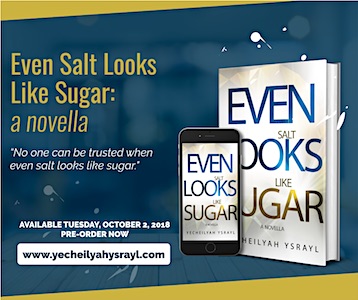
NEW: Even Salt Looks Like Sugar: a novella by Yecheilyah Ysrayl…

Thanks Chris! Guys, be sure to pick up your eBook copy of my new short story!

Chris The Story Reading Ape's avatarChris The Story Reading Ape's Blog

About.

Wanda wants nothing more than to escape the oppressive upbringing of life with her abusive foster mother. Miss Cassaundra manipulates the system by bringing lost children into her home turned whorehouse and collecting the money. Wanda knows what it’s like to be abandoned and has no doubt Abby is Cassaundra’s next case. When an opportunity arises, that could save them both, Wanda must find a way to get the paperwork that will secure their freedom. But Cassaundra’s got eyes everywhere and no one can be trusted when even salt looks like sugar.

What Readers are Saying:

“I loved the dynamic between Wanda and her BFF, Rosa. They grew up in foster care together and had each other’s backs no matter what. This was a quick read, more like a short story. It held my attention and gave some good info on the foster care system. I expect nothing less…

View original post 106 more words