It Could Easily Be You

When I was ten years old, my family moved to Milwaukee, Wisconsin, just months after learning to walk again after the car accident. It was the only time we did not live in Chicago during my childhood.

Shortly after moving into a big, beautiful home, we were evicted. With only a few family members in the state who decided we could not live with them, my mother and her three daughters went to a woman’s shelter. My brother was welcomed to stay with an older cousin, but she didn’t have room for the girls.

I’ve gone days without food, months without a roof, and years without the kind of nourishment most people take for granted. So watching people mock families who are about to lose their SNAP benefits isn’t just sad — it’s cruel, and it reminds me how easily empathy gets lost in comfort.

In a matter of days, many American families face the risk of losing their food stamp benefits as the Trump Administration intends to cut payments, affecting about 42 million individuals across the nation. What people are feeling and witnessing is not about lazy parents who are not working to put food on the table. This is about a trash economy that has forced even the hardest-working families to rely on assistance. You might not need it today, but that doesn’t mean you won’t need it tomorrow.

Before the stock market crash of October 1929, there was a time of optimism. Many families prospered as cars and new technology grew. People did not expect to go to their banks and be locked out without warning. Families didn’t expect that they would have to stand in bread lines. It happened suddenly, and it could happen to you, too.

“The loss of SNAP benefits leads to food insecurity, hunger, and malnutrition, which are associated with numerous negative health outcomes in children, such as poor concentration, decreased cognitive function, fatigue, depression, and behavioral problems.”

Melissa Quinn, CBS News

My cousin put it perfectly on Facebook:

“Food stamps fed all of us. Medicaid paid them hospital bills. WIC kept formula in our baby’s bottles. Free lunch stopped our stomachs from growlin in class. The projects gave most of us a roof when we ain’t have one. Financial Aid got a lot of ya’ll them degrees you flexin now. We’ve all had help at some point, so quit looking down on folks still getting it. You just forgot what struggle felt like. Don’t get too high up…the ground still waiting if you fall.”

– Tiff McCormick, Facebook Post
Considering the Women in Your Life


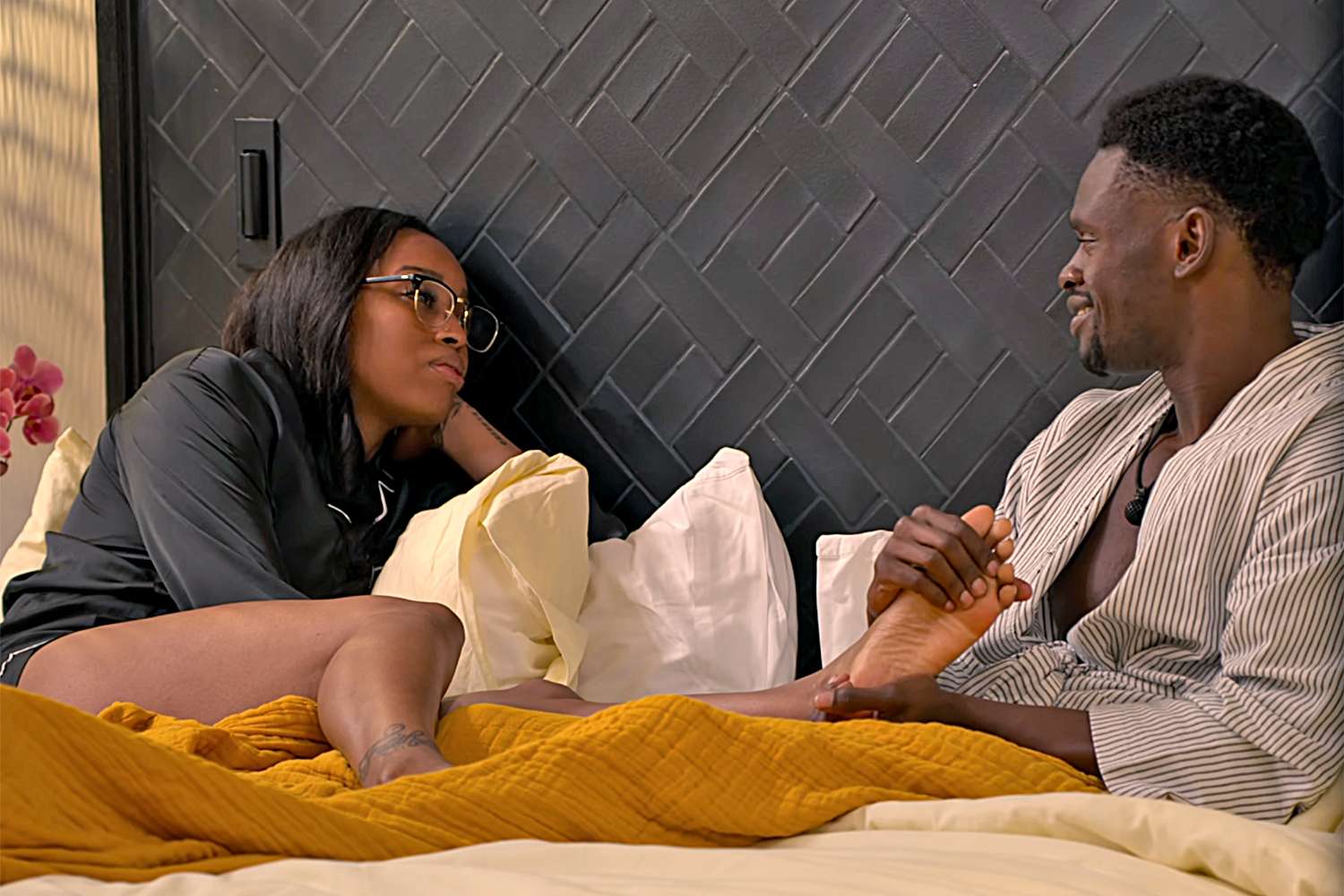
This scene is hilarious. This man cried cause she ain’t want to give him none. Pure comedy!!

I was watching Love Is Blind. The show is pure comedy for me. I really do feel sorry for anyone who takes it seriously. It seems they intentionally cast such young people whose common sense ain’t kicked in all the way yet.

Cause love is not blind. Not even a little bit.

One of the men, Edmond, who is 29, mentioned how distant one of the women was from her man. He told his fiancé, KB (also 29), he didn’t think the woman was as close to her man, being she was distant at the pool party.

“It couldn’t have been she was on her period?” KB asked.

“Oh,” said Edmond as if someone had pulled on the chain to a lamp and the light just came on, “She was on her period?”

“Yes,” said KB. “Just started today.”

He looked surprised, as if KB had just given him the secrets to the universe. I chuckled a bit. Yea. Women get those sometimes.

Then, I had a thought.

Women go through so much that men never have to think about.

When I am planning a vacation, for example, I make sure it’s not the week of my cycle. And when I am on my menstrual cycle, I try to do as little work as possible.

Fortunately for me, I don’t work a 9-5. I work from home and create my own schedule. I am blessed to lie in bed all day if I am cramping, but not all women have this freedom.

Comedian KevOnStage joked about this recently, saying, “Women really be going through everyday life sometimes bleeding profusely. Can you imagine everyday tasks, but blood in addition to everyday life? Like, I’m stuck in traffic, and she’s stuck in traffic, but she’s bleeding profusely. Can you imagine having to come to a parent-teacher conference bleeding profusely?”

He overused the word “profusely,” but the core of the message is true. A woman can literally be working her job, picking up her children from school, grocery shopping, or stopping by the bank while bleeding profusely, and no one would ever know.

This post ain’t about periods, though.

This is about all the things women go through that rarely get considered, whether that’s menstrual cycles, pregnancy, labor, and birth, mothering, wifeing, battling oppressive systems, and any other struggle women endure that men do not always have to.

October is PAIL Month

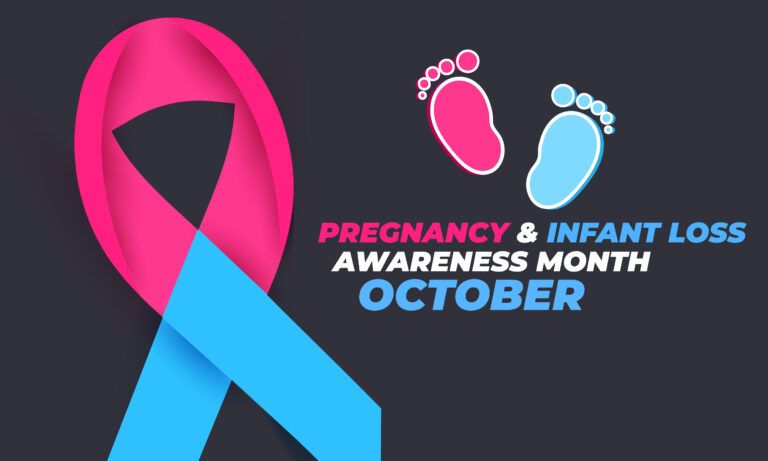
Speaking of which, October is Pregnancy and Infant Loss Awareness Month, and it recognizes women who have experienced miscarriage, stillbirth, SIDS, ectopic pregnancy, abortion or termination for medical reasons, and the death of a newborn.

This month, you can do your part by educating yourself on PAIL, sharing on social media, supporting the women in your life who have experienced pregnancy loss, joining local remembrance events like walks or vigils (remembrance day is 10/15), donating to relevant organizations, or simply wearing pink and blue to show solidarity.

And the next time a woman is being distant or mean or feeling some kind of way, consider what she might be battling just to get through the day, and give her a little grace.


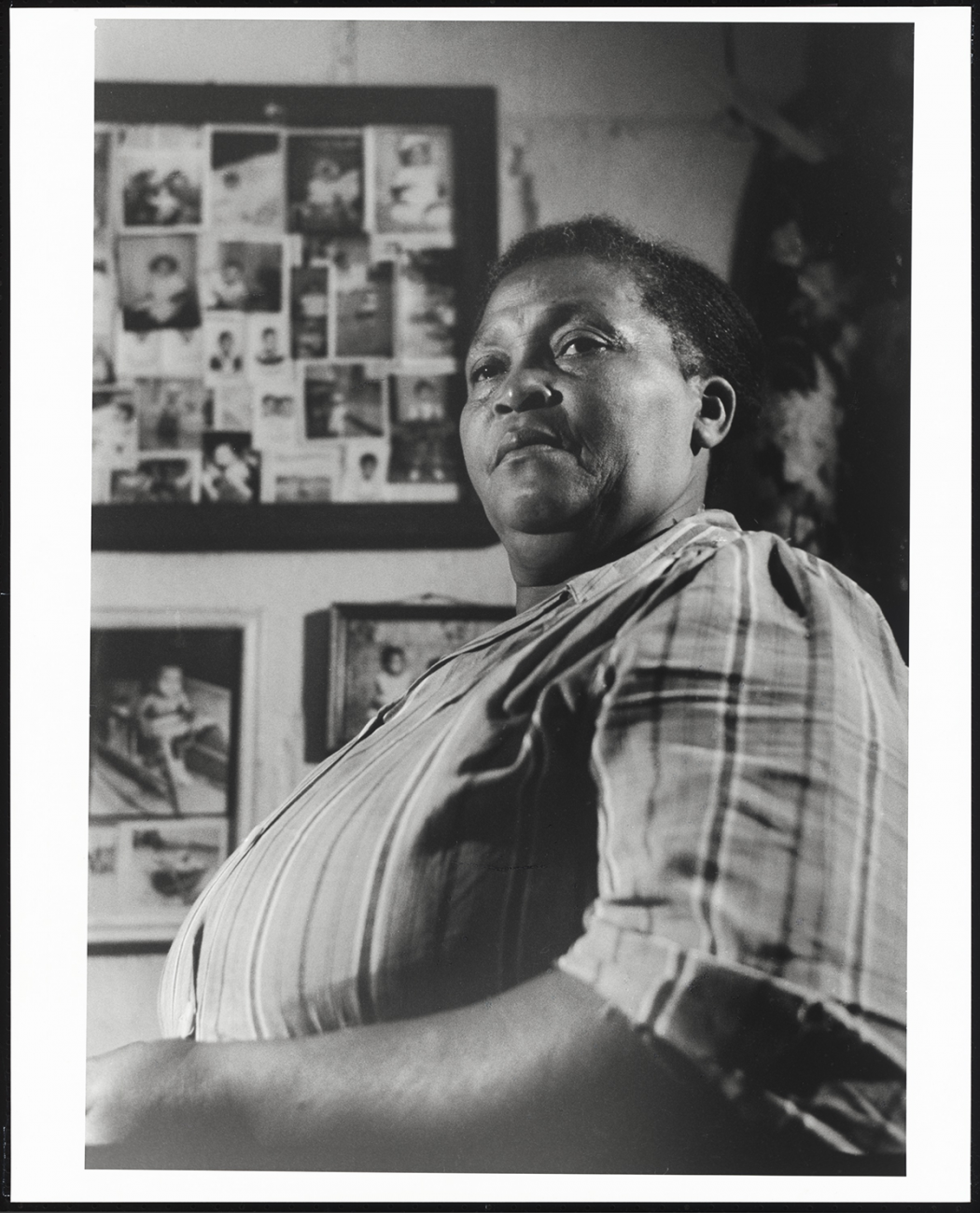
Over on Substack, we are highlighting Mary Francis Hill Coley, the Black midwife who delivered over 3,000 babies. You can read it here.

Black History Month UK


September walked out of here like she had somewhere to be, and October is strolling in with hella causes, from Breast Cancer Awareness Month to World Mental Health Day (10/10), to PAIL: Pregnancy and Infant Loss Awareness Month. (We gotta come back to this one!)

Additionally, October is Black History Month in the UK, and since I haven’t seen many people in the US discuss it, let’s do so.

If you didn’t already know, October marks Black History Month in the United Kingdom and was first celebrated in October 1987 to coincide with the 150th anniversary of the abolition of slavery in the Caribbean. (1838-1988)

The observation of October as Black History Month had its beginnings in programs and priorities of the Ethnic Minorities Unit (EMU) of the Greater London Council (GLC), and by the Principal Race Relations Adviser and Head of the Unit, Ansel Wong.

But it was Akyaaba Addai-Sebo who took it to new heights. Addai-Sebo came to the UK from Ghana to seek refuge from political persecution in 1984. Like the founder of Black History Month in America (Dr. Carter G. Woodson), Addai-Sebo wanted to challenge racism and celebrate the history and achievements of his people.

But that’s not all.

Akyaaba’s chief inspiration was young people. He says one of the reasons the celebration is in October is to appeal to children returning to school from summer break. According to one story, Akyaaba encountered a distraught mother who complained that her son (whom she had named after Marcus Garvey) asked her why he couldn’t be white.

“The inspiration for Black History Month came from an incident that happened at the GLC where I worked as the Co-ordinator of Special Projects. A colleague of mine, a woman, came to work one morning, looking very downcast and not herself. I asked her what the matter was, and she confided to me that the previous night, when she was putting her son Marcus to bed, he asked her, ‘Mum, why can’t I be white?’

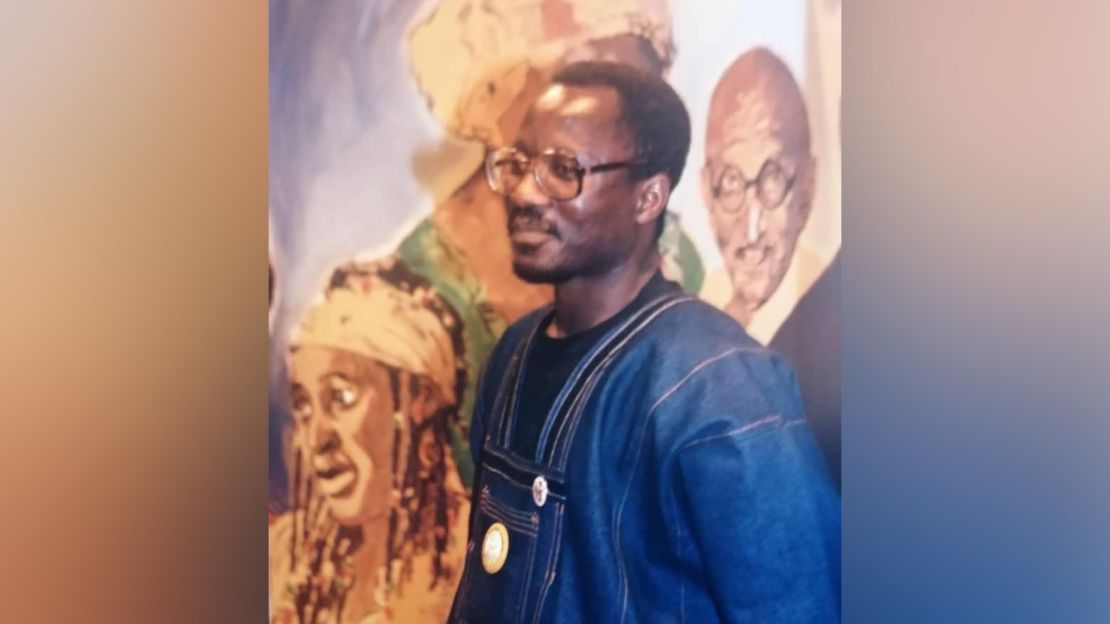
A young Akyaaba Addai-Sebo

He goes on to say:

“So when this incident with Marcus took place in London, it dawned on me that something had to happen here in Britain. I was very familiar with black history month in America, and thought that something like that had to be done here in the UK, because if this was the fountainhead of colonialism, imperialism and racism, and despite all the institutions of higher learning and research and also the cluster of African embassies, you could still find a six year old boy being confused about his identity even though his mother had tried to correct it at birth.”

– Akyaaba Addai-Sebo, www.crer.org.uk

Why It Matters

Although the overwhelming majority of enslaved Blacks were transported to the Caribbean and South America, not just North America, many Americans are still not familiar with our history in other parts of the world.

For example, the English ship that brought the first recorded enslaved Blacks to the American colonies was called The White Lion and arrived in Jamestown, Virginia, on August 20, 1619. However, we were also already being enslaved by other nations, such as being brought to Puerto Rico by Spanish conquerors as early as 1509.

“People from African and Caribbean backgrounds have been a fundamental part of British history for centuries. However, campaigners believe their value and contribution to society are often overlooked, ignored, and distorted.” (trisha@whatson.uk.com)

An Artist’s Duty


I was sitting here thinking about how I got to this place of advocating for the restoration of Black history. If it were solely up to me, I would have chosen a less taxing, less unrewarding cause to advocate for.

However, in the words of Nina Simone, “I have no choice in the matter. An artist’s duty, as far as I am concerned, is to reflect the times.”

In school, I was not a student who loved history, and I certainly had no plans to teach it when I grew up.

Unlike other professions where a mistake can be smoothed over, history leaves no room for error. The slightest slip can draw the sting of a thousand voices ready to correct, dismiss, or condemn.

I’ve experienced people debating a point in a video or article they didn’t even finish watching or reading. Yet, here they are, flying Delta to the comment section to respond.

It’s like people talk with their mouths open, the meat still in between their teeth, droplets of spittle sky rocking out of their mouth from food they have not chewed properly, let alone swallowed.

In a time where many of the Civil Rights that Black people fought for are being stripped away, there is no safety net when the facts slip.

Still, I show up.

I press record and publish with hands slick from sweat, skin raw from the invisible cuts of criticism, and keep offering what my people literally bled to learn.

Even when I wonder why I’m doing this, I keep moving forward, not because it’s always fun. It is not. As the saying goes: “Heavy is the head that wears the crown.”

I move forward because I must, and because, to quote Toni Morrison, “This is precisely the time when artists go to work. There is no time for despair, no place for self-pity, no need for silence, no room for fear. We speak, we write, we do language. That is how civilizations heal.”

And so, while it is not always exciting, it is worth it.

I march on, a pen in my hand, a computer in my lap, and a calling in my heart.

I am an artist, and this is my duty.

Breaking From Tradition Can Be a Good Thing

My big brother Ray, nieces Gigi, Jamie, Brook, and Me

Some families keep their history alive around picnic tables, their roots watered each summer by laughter, shared meals, and stories that stretch back generations.

Mine did not.

On my mother’s side, there were no great migrations back home for a weekend, no sea of matching shirts declaring our kinship, no annual roll call of who had been born, married, or passed on.

I didn’t grow up with the smell of charcoal and cousins’ laughter drifting across a summer lawn, the kind of memory stitched into photo albums and passed down like a family recipe. Family reunions simply weren’t our thing. There were no matching T-shirts, no group photos under a banner.

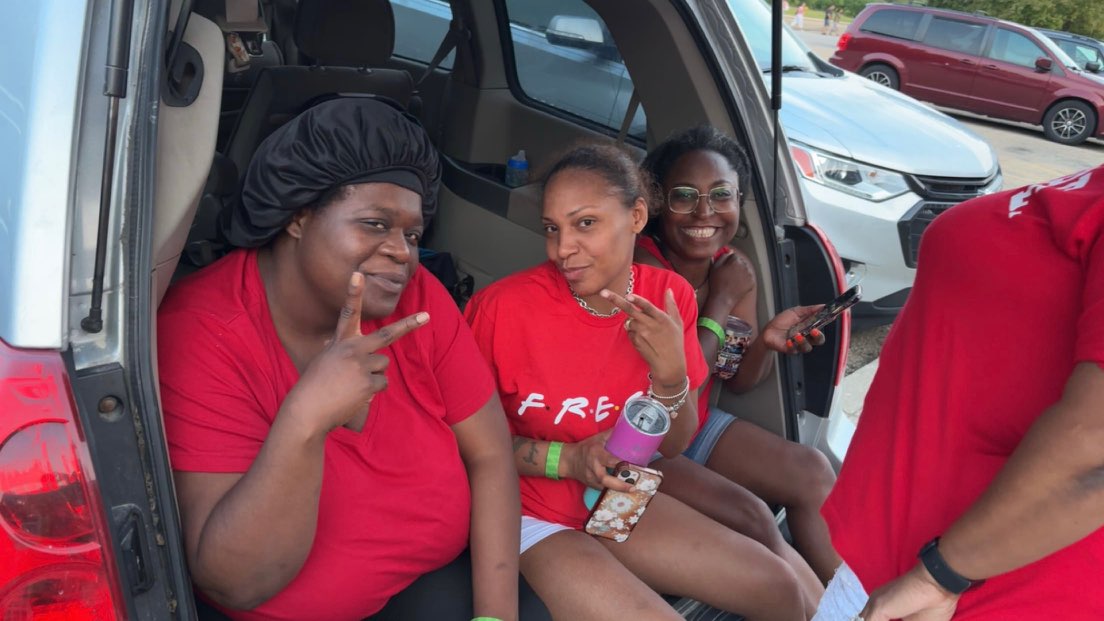
Cousin Laura, Pam, and Me sitting in the back of this truck like some thugs, lol

The closest I came to that sense of gathering was at Chicago block parties. We’d shut down the street, our banquet hall, line the sidewalks with tables and sizzling grills, and open the fire hydrant so the water arched into the air like a silver ribbon. Kids ran barefoot through a cracked-open hydrant, laughing because this time, no one called the police.

Music pulsed from speakers, and for one day, neighbors felt like cousins, and the whole block became family.

But it wasn’t our family.

Six years ago, this ended with our generation.

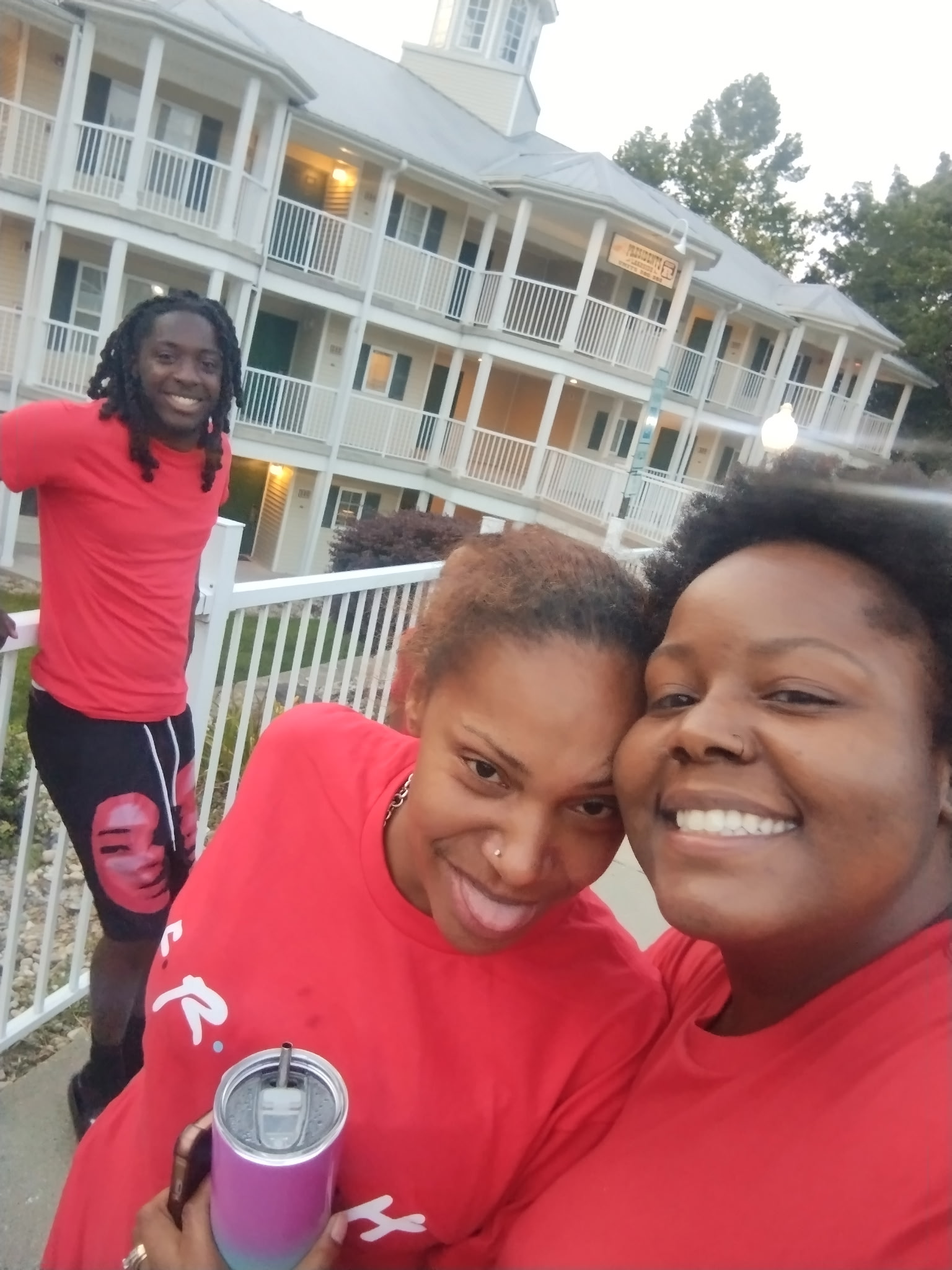
Jeremiah in the background (Nephew), Big Sissy Pamela, and Lil Cuzzo Angela

What began as a simple backyard barbecue has grown, year after year, into something bigger that we can finally call by its true name: a Family Reunion.

It’s a strange and humbling thing to realize we’re the aunts and unks now—the ones setting the tone, carrying the stories, and shaping the memories for our children.

We’ve rewritten the narrative we inherited.

Many of us are building marriages we’re proud of, raising children under our own roofs, and pursuing careers that light us up. We are not lost to the streets, not numbed by addiction, not absent from the lives we brought into this world.

Aunt Barbara, Lil Reg, and his daughters, Gigi and Brooklyn

Instead, we have passports now. We take our children to see oceans they’ve never touched, mountains they’ve never climbed, cities that speak in languages they’ve never heard. We give them richer experiences, not just with our words but with our lives.

Sometimes, breaking from tradition can be a good thing!

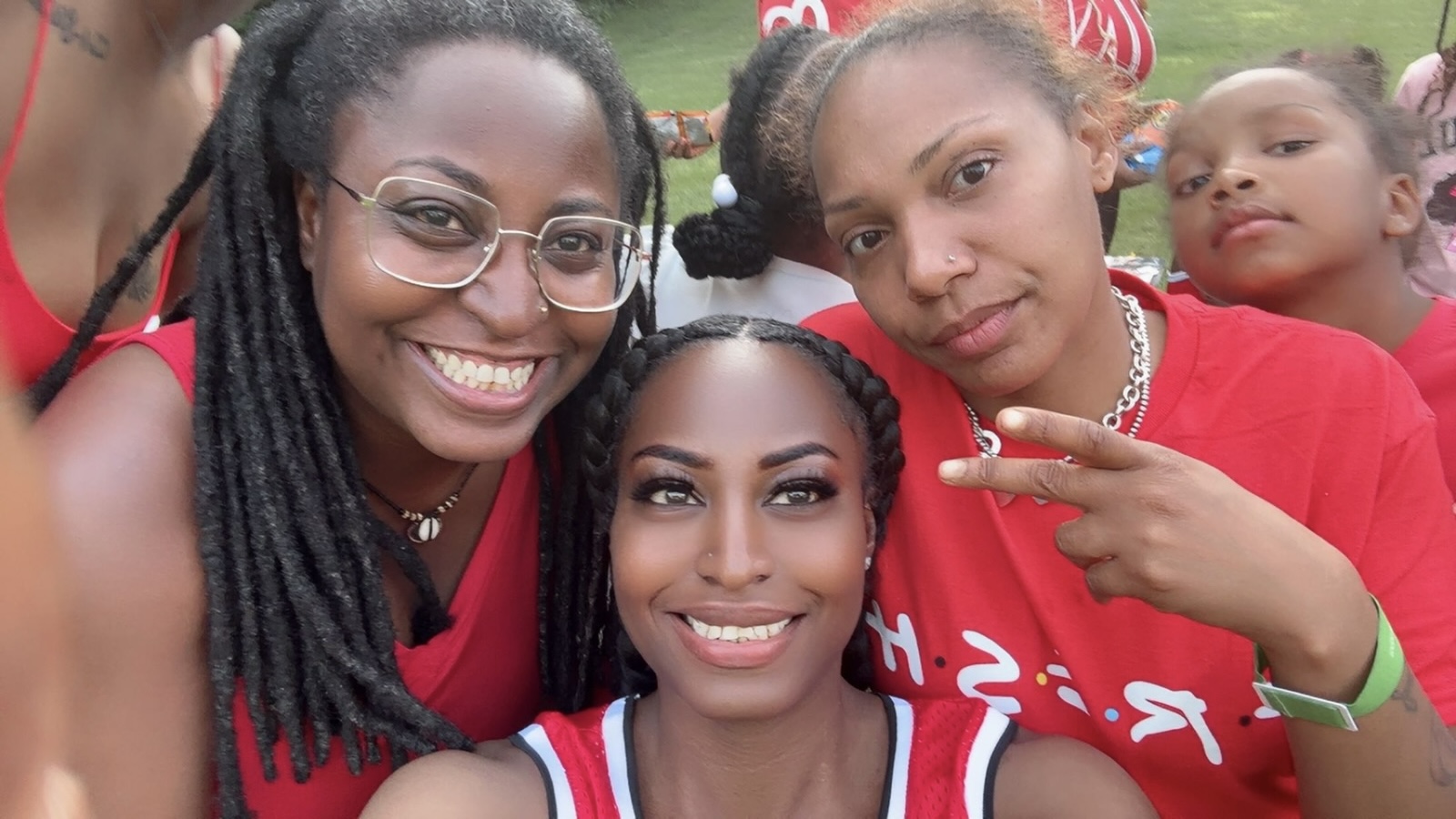
My crazy sisters and me: Yecheilyah, Tracey, Pam, and photo bombed by her daughter, Jamie.

Community Can Be Healing

I spent the weekend before last wrapped in the embrace of family down in Shreveport and Keithville, Louisiana, and it felt like medicine. We rode horses, walked barefoot through the grass, played with dogs, danced like children to country songs (which was hilarious…them country songs a lil freaky, lol) chased chickens, and kissed the soft cheeks of babies.

Cheese!!

In a world that seems to be unraveling, it’s easy to feel unanchored. People are losing their jobs and struggling to pay bills, Medicaid and SNAP Benefits are in danger, and storms, floods, and earthquakes abound. In times like these, it is soothing to turn to community, and I mean real community. To remember what it’s like to be held, to look people in their eyes, to walk barefoot in the grass, and to laugh without looking over your shoulder, waiting for the next unprecedented moment to drop.

We are living in a time when the only time people travel is to work. (And yes, I consider curated events that cost rent and mortgage money to attend is also work.) Time in the country on the farm (which we visit at least once a year) was a reminder of what real rest is, what it feels like, and why it is necessary.

This little baby wasn’t scared at all, lol.

I don’t know what you’re going through in your personal life. I have no idea of the storms you are literally or mentally walking through, but I do know that resting inside the warmth of community, however that looks to you, can be incredibly helpful.

For me, it’s family time since most of us live in different states now. I am excited to spend time with my Chicago people at our annual family BBQ next month. We’re heading to a resort, and it’s going to be a blast, hunny.


We are not supposed to do life alone. Hyper individualism is not the way. This idea that we don’t need anyone is not the song we are supposed to be dancing to. People brag about not having family and friends, and I think that’s sad. No wonder so many people are depressed. 

Whatever embracing community looks like to you, let it be more than a workcation or business venture. Let it be a real coming together. More than that, let it be a balm.

A reminder that community doesn’t just soothe the wounds, but sometimes, it also helps to stop the bleeding.

Notice the Breadcrumbs: A Reflection Activity

I’ve been writing poetry since I was twelve years old, but it wasn’t until I joined the UMOJA Spoken Word group in High School that I truly understood it and how to fuse the words on the page with my voice to bring them to life.

At the time, I didn’t know much about Kwanzaa or its meaning, let alone that UMOJA was the first principle. Lasting for seven days, Kwanzaa was initiated by Dr. Maulana Karenga in 1966, with each day representing a practice. Umoja, the first principle of the Nguzo Saba, focuses on unity on the first day, December 26th. According to Karenga, “during Kwanzaa, we practice the candle lighting ritual called ‘lifting up the light that lasts,’ based not only on the history of our people in practice but also on the sacred teachings of our ancestors.”1

Although I don’t celebrate holidays today, 2 I appreciate the breadcrumbs sprinkled throughout my life that helped me to later identify my purpose, which will always go back to restoring the forgotten heritage to the forgotten people. As one who does not believe in coincidences, I think it’s important, maybe even wise, to notice those tiny steppingstones throughout our lives that molded or mold us into the people we are today.

An example of breadcrumbs could be me joining the Umoja poetry group, meeting my husband in an African American studies class, and marrying him in February, Black History Month. We did not intend to do this as we did not have a wedding. We mutually decided to elope on what we thought was a random day during a random month.

I now know nothing is random. I do not believe that things just happen.

As we prepare to end another year and embrace a new one,3 I challenge you to think more deeply about the things that have happened in your past and that happen now and see if you can make connections between them and your purpose. Consider that there is more to those coincidences and Deja Vu moments we’ve been taught to toss to the wind. This is not only a fun reflection activity, but it can also be helpful for those who do not yet know their purpose or mission.

It takes a deep spiritual maturity to appreciate things we’ve experienced and see their connection to who we are now without condemnation of that thing or ourselves. Sure, you know what you know, but you didn’t always have that understanding. Once upon a time, you needed to be guided to where you are today. Those are the breadcrumbs.

Ten, twenty, maybe even thirty years from now, we will see hints given to us today that helped guide us to wherever we are in the future.

And in the future, we will smile and nod in recognition of those stepping stones we were too preoccupied with life to notice but that led us to where we are.


  1. “Celebrating Kwanzaa in Difficult and Demanding Times: Lifting Up the Light that Lasts.” Dr. Maulana Karenga. Los Angeles Sentinel, 12-26-24. ↩︎
  2. I appreciate and respect Kwanzaa for what it is, but I don’t participate in its associated rituals. ↩︎
  3. For the extra-woke people out there, yes, I know a new year technically does not begin in the dead of winter but in spring. However, we will still measure the time based on the Gregorian calendar’s two thousand and twenty-fifth year. You still have to report back to work, and your children will still return to school in January something 2025. Thus, I will use the measurement of time most familiar with today for clarity. Let’s not be Pharisees about this. ↩︎