
“May your hands be an extension of your heart, and may you do the work of love with them.” – Aja Monet
“May your hands be an extension of your heart, and may you do the work of love with them.” – Aja Monet
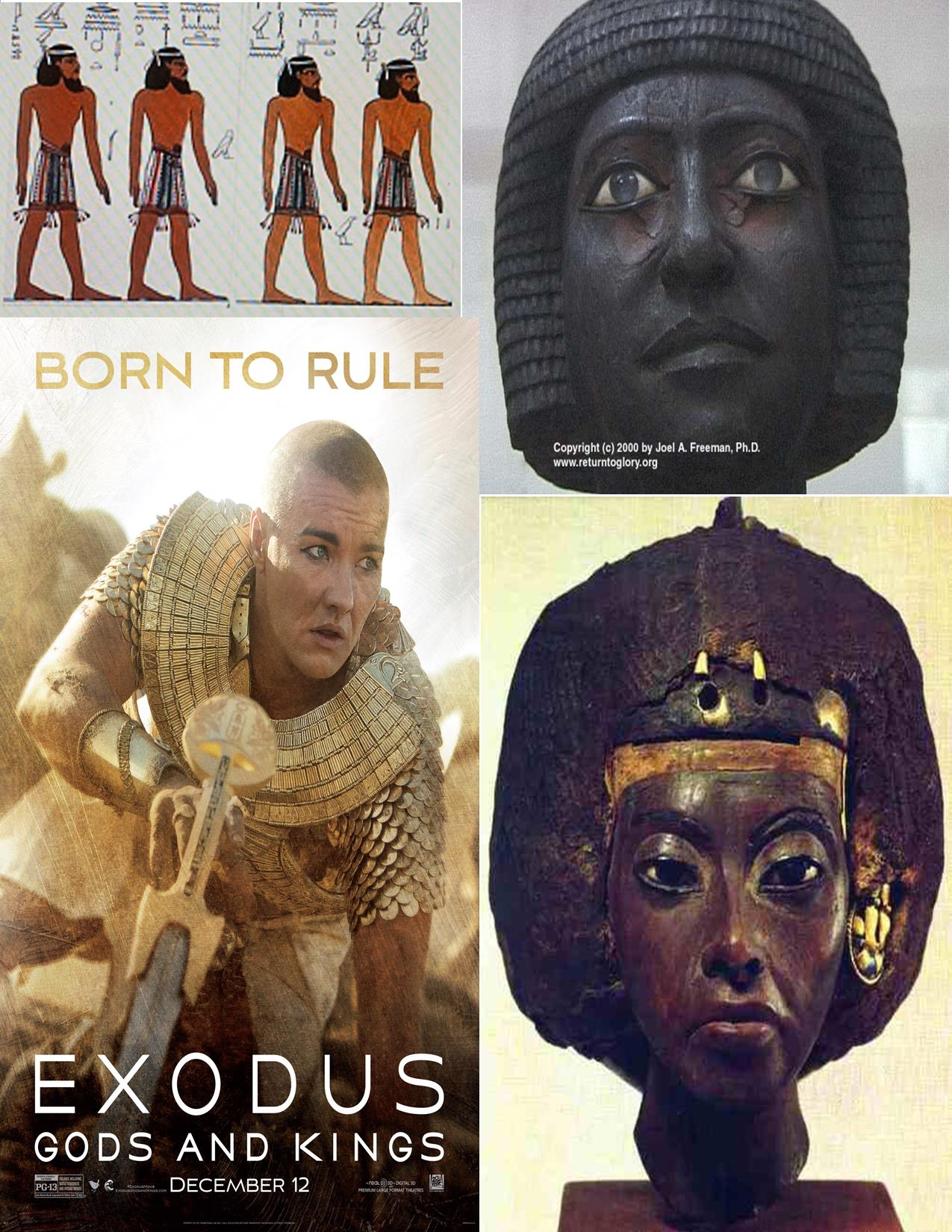
FYI: The ancient Israelites and Egyptians were a black skinned people.
Apparently obvious to everyone except Hollywood.
#BoycottExodusMovie
What is Spoken Word?
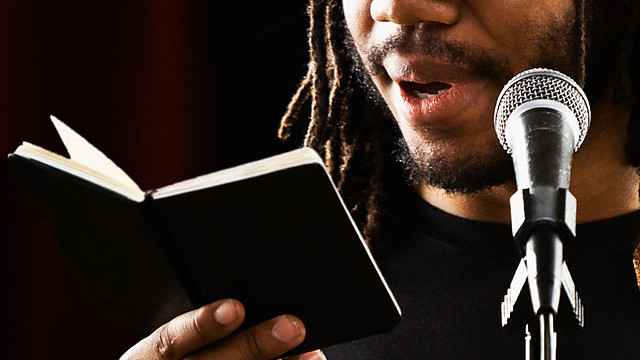
Spoken Word is an oral art form; performance-based poetry that is focused on the aesthetics of word play and story-telling. However, there are aspects of the artistry that indicate it is, indeed, spoken word without the necessity of it being poetry. While Spoken Word Poetry is the foundation of what we think of when we hear the words, Spoken Word can also be any form of speech that tends to focus on the performance of the words themselves, the dynamics of tone, gestures, facial expressions, and more. Poetic components such as rhyme, repetition, slang, improvisation, and many more elements of poetry can be interwoven to create an atmosphere the audience can experience—even in the case it is not organized poetry.
Speeches, Plays, Lectures
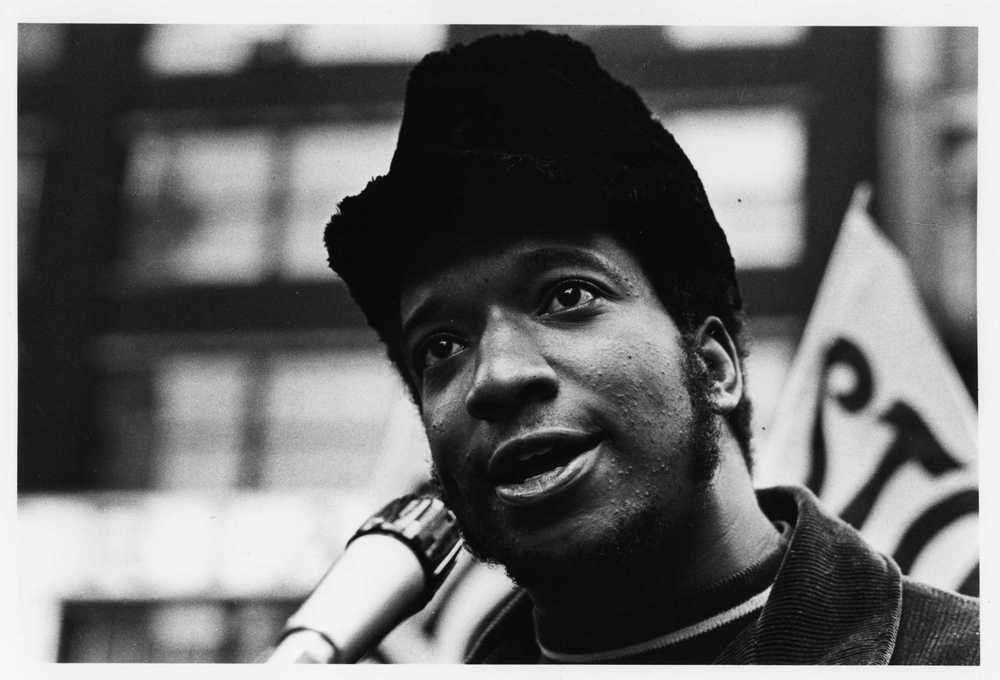
There are many styles of the Spoken Word. One style is based on recorded, public and published works (IE. plays, speeches, e.g.), which many people don’t usually associate with spoken word. But many movements have used this form of speech to intellectually enlighten its listeners, and to prompt a sort of consciousness among those who would otherwise not listen when they’re spoken in the ordinary process of verbal conversation. From brothers like Huey Newton and Fred Hampton and even down to the great Israelite prophet Moses from whom they descend, speeches of such sorts have proven to be very influential in our history. It is because the messiah used parables that many of us are able to understand the wisdom that projected from his lips. Truthfully, how many of you would have understood faith to the extent of understanding, had he not so eloquently compared its strength to that of a mustard seed? Thus Public Speeches in general can constitute a kind of Spoken Word depending on the kind of emotion involved, disassociating it from that of normal speech and landing it right here in the definition of an art form.
Audience Participation

The most popular style of Spoken Word is what I like to call Audience Participation, as it involves reciting or improvisation of poetry and commentary performed in front of a live audience (to include blogging!). It is more of a prose or stream of consciousness that includes monologues, poems, stories, speeches, and rap. Yes, rap. I know many of you would not like to include hip hop. Many feel it is a less sophisticated avenue to which many “blacks” seek to degrade themselves. Surely, they say, one can find a better career than to pursue…rap. Yet, rap too, (though today’s music sounds like a form of remixed slavery, but that’s a discussion for a different day), is still an art form, an extension of poetry, and part of the Spoken Word community.
The Vision

There are two very important elements of Spoken Word I believe an artist must have, and one of them is a vision. The artist vision is his mission. It is that thing he wishes to ultimately achieve with his words. It is the reality of the perception to which his words are projected. It is the act or power of sensing with the eyes in the metaphorical sense; the anticipation of what will be or what will come. If an artist does not have a vision, if he does not have a message, then he is not a member of Spoken Word. Speech is not an idle art, but words live. And they contribute to either life or death. Vision is important because words once spoken perform works unimaginable, soaring into the lives of many and causing them to revolutionize. A word can bring life or death so it is important to know where it is going and what its purpose of creation is in the first place. A word can bring greatness to a people or it can bring sorrow. How we speak and what we speak determines whether or not we are able to see the vision necessary to make a difference. Artists should ask themselves:
“What is my goal?”
“What do I seek to accomplish?”
“What is my objective?”
“What motivates me to approach the stage?”
“Is what I’m speaking on one accord with my message?”
Do you see the vision? And as a result, do you have a voice?
The Voice

Everyone has a voice. It is “The Voice” that makes Spoken Word possible and powerful. It gives life to the written word. It translates it into a familiar language, takes the contextualized heart, adds vocal cords and commands the artist to play; to play and to paint and to build and to change. For this reason each person’s voice is different (which makes it highly difficult to actually judge poetry which depends on a lot of things). Spoken Word includes testimonies of what each individual has been through or is currently going through. It brings to life the world’s problems: the disease of a love-less world, along with all of its baggage, to create for these individuals a voice that is unique to their personal self and helps them to heal under the covering of truth. Not that every occasion for Spoken Word is gloomy, for the art is called art for a reason; it is because it is beautiful, motivational, and as inspiring and as chill as musical therapy. However, many use it as an opportunity to bounce their voices off the walls of crowded rooms and the chit chatter of people talking. They use it as an opportunity to bring to life the hidden, the invisible, and the unseen. The world teaches us that our experiences are not important to share, and that we should keep our “skeletons in the closet” so that no one may see them. But what is hidden in the darkness is always revealed in the daytime the only question is: Would you rather show transparency so that your testimony can help another, or keep your mouth shut and hide under your tongue only to drown in your own pain and choke on your own saliva when the sun rises?
While many of us are part of the same walk, the experiences and lessons we learn are different and should not be shielded by the cover of intimidation or embarrassment; for we can be hiding the one word that can bring life to the one person who so desperately needed to hear it.
Every artist must be able to see the vision and must be able to form for oneself a unique voice. After all, it is the voice itself that makes Spoken Word possible.
If there is one meal most appropriate and easy to make during the winter, it’s casseroles. I especially like them for those days when you’ve either had a late night or the times are hard, and you need to throw together a quick meal. Either way casseroles are a great idea to compliment your time and your appetite.
So today we’re making a Chicken and Potato Casserole.
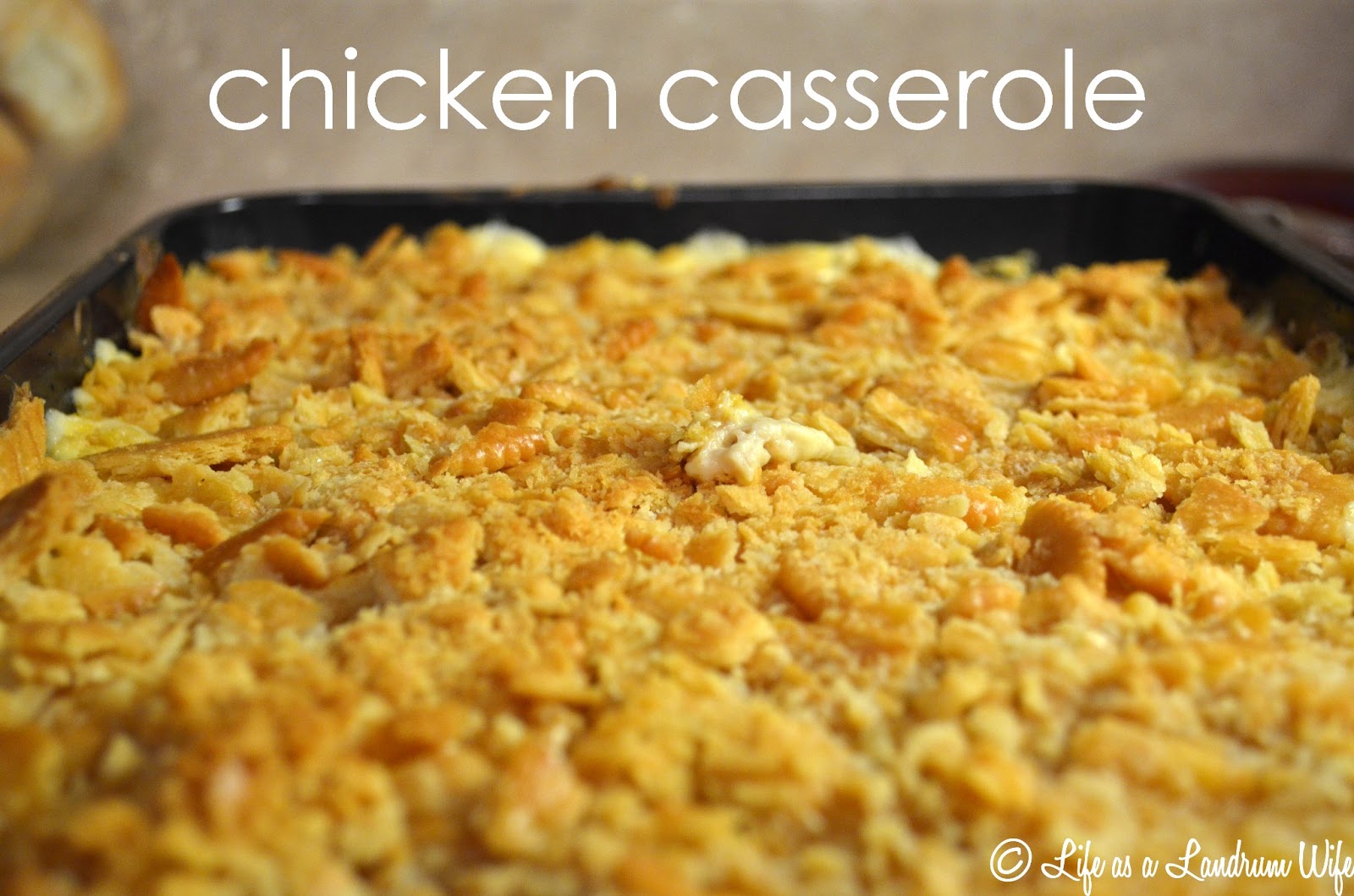
You will need:
Boneless Skinless Chicken Breast
Medium Russet or Idaho Potatoes
Frozen Mixed Vegetables
Shredded Cheese
Olive Oil
Garlic Powder
This is gonna seem a little backwards compared to how most do it, but I’m an overtly paranoid “Must Be Well Done Or Else” kinda cook so I bake my chicken first actually before cutting them into pieces.
So set your ovens to 350 F and let your chicken cook. After it is done (make sure it’s not dried out though), slice the chicken into 1 inch pieces
*clearing throat* > in real life I don’t do much measuring. What I really wanna say is to just cut them into small pieces, but I don’t want the experts to get lost 🙂
Cut your potatoes into 1 inch pieces as well (for those of you who really don’t know how to cook or your on a low budget, just use frozen potato wedges. The world will never know).
Grease your roasting pan or baking pan of choice with some spray oil.
Spread the diced chicken, frozen veggies, and potatoes evenly on the baking pan.
In a large bowl, mix together the olive oil, garlic powder, salt, and pepper. Pour mixture over the chicken, veggies, and potatoes; make sure to coat everything nice and evenly.
Bake uncovered for about 45 minutes. Since the chicken is already cooked it’s not going to take that long, but if your chicken is cooking with everything else, bake uncovered for about 50 minutes – 1 hour.
Remove from the oven and sprinkle with cheddar cheese. Bake again for another 5 minutes so the cheese can melt.
Remove from the oven and smash the game < code for devour.
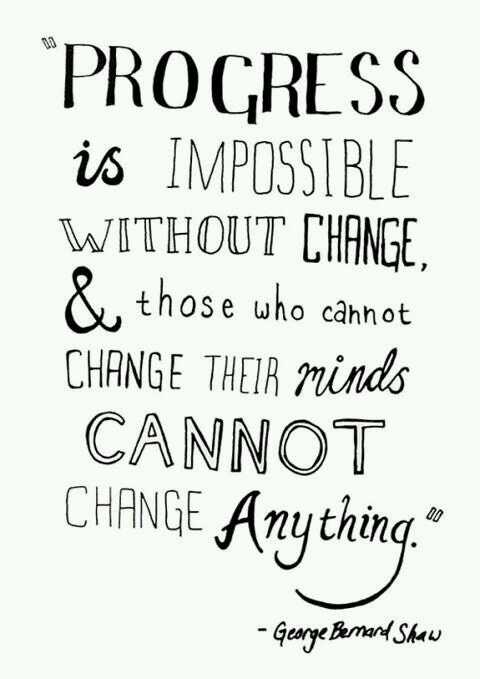
Yes indeed. Only when we can change the way that we see things, will we have what it takes to move forward. The mind is the authority over the body. This means that the flesh has to be in subjugation to the mind in the spirit of oneness before it can move forward. Your mind and your being must be in agreement. Don’t push to achieve greatness if that’s not what you believe, you will only end up contradicting yourself. As I often say, if a rich man thought he was a poor man, he will never be able to fully function in society until he learns the truth.
May your weekend be great :).
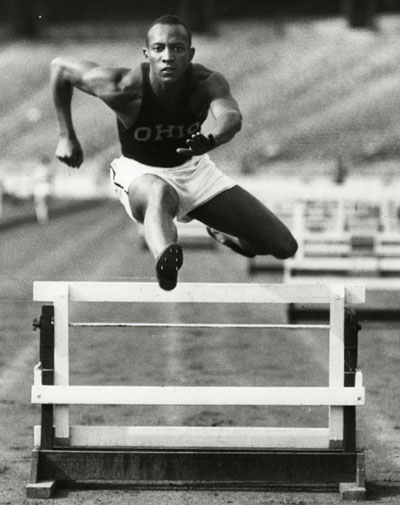
“The battles that count aren’t the ones for gold medals. The struggles within yourself – the invisible, inevitable battles inside all of us – that’s where it’s at.” – Jesse Owens
Yes, this….
Sometimes you definitely need to get to that quite place to get to that workflow. As Franz Kafka put it, “Writing is utter solitude, the descent of the cold abyss of oneself”, had to share:
“I can only wish that you trustingly and patiently allow that grand solitude to work in you….It will act as an anonymous influence, akin to how ancestral blood constantly moves and merges with our own and links with that of the individual, never to be unlinked.” – Rainer Maria Rilke
Crafting Compelling Stories from the Heart
Rest is Resistance
goodies from my mailbox and camera
I am more than breath & bones. I am nectar in waiting.
virtually travel with us
Dr. Andrea Dinardo, Ph.D., Psychology
Supporting and Promoting Indie Authors
Adventures in Writing
Writer, Reviewer, Activist
The best Mommy advice on all things kids
Writing Advice from a YA Author Powered by Chocolate and Green Tea
Parenting Blogger, Poet & Storyteller, and Children's Book Author.
Changing the World one Article at a time
where all emotions are cared for!
Entertaining Stories and Motivational Quotes
Sweet As Honey Among The Pages.
press on to know the lord
Changing the world, one word at a time.
Featuring books written by authors of color.
Essays, art and poetry
Leaving it all on the page because we are all shattered mirrors looking to mend our images.
Casting Alerts. Podcast series and talent directory about Blacks in Hollywood
Let's Talk About Books
Always on the hunt for a good story
 The PBS Blog