
For many of us we hear a lot, and some of us even speak a lot, about change and revolution and encouragement and just overall maintaining a quality of life we have come to understand as a positive one. This is the reason many of us have decided to blog. We post motivating quotes, speak about our struggles, triumphs and overall how we maintain the daily grind. In return some of us hope to receive insight while others hope to spread it. It is the reason for life coaches and therapy sessions. We do these things to improve or to heal so that we can go on to implement those very important changes and become overall better people. One thing however that sticks out to me from all of this is mental strength. Building mental strength in our lives and maintaining it on a daily basis. This is not always easy but it is worth more than the physical changes we tend to seek after as we strive to implement them in our quest to do better in whatever area we need to. This is important because most of what we need to go on in life requires a certain level of mental clarity and strength to produce. Achieving this often requires work on the mind itself, ridding it of everything that acts as a negative force against positive change. It requires we empty ourselves so that we can be built back up again. Otherwise nothing we try to alter on the outside, no dream job or career, no encouraging word, will matter. It probably sounds personal and that’s because it is; building and maintaining mental stability is a personal journey for each of us as we strive to improve our lives but it is critical to the operation. It is critical because it is we who often get in our own way; it is our own thoughts and our own fears. It is critical because you are only as strong as your mind is. To change the way that you live, ultimately, is to change the way that you think.
Tag: healing
Books Every Woman Should Own
One of the things very few people know about me is that I’m a Certified Medical Assistant with a focus in Phlebotomy. I’ve also been trained by the American Heart Association for Pediatric First Aid, and Adult CPR. No one knows this because I simply don’t talk about it. I don’t offer too much information about myself unless I feel it is warranted. Plus, writing is way better.
Anyway, I can’t remember the last time I was really sick. Whether we’re talking about flu’s, colds, it’s been awhile and it’s been awhile for my husband as well. That’s because if you look around your house, there is probably a cure to almost everything you would normally run to the doctor for. In fact, there’s pretty much nothing you cannot cure with Herbs and a little bit of common sense.
Below are some books I have collected over time that I think every woman, especially every mother, should own:
Herbally Yours by Penny C. Royal:
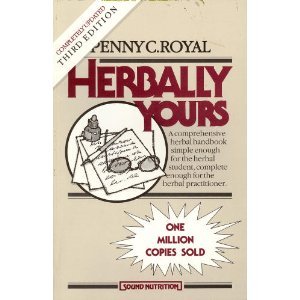
I call this book the “No Strings Attached” Herb book because it is literally a complete list of Herbs and Herbal combinations you could use for a variety of ailments without an agenda. With the exception of the introduction (which I opt to just skip), it is an alphabetized list of natural herbs to help with anything from High Blood Pressure to Infertility. It is also easy to follow. You can probably find it for real cheap on Amazon. My mother’s name is also Penney so it’s possible I’m just being biased :).
Home Remedies Health Handbook by John H. Renner, M.D., and the Consumer Health Information Institute:
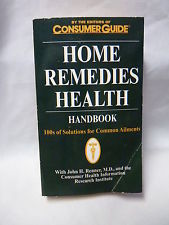
This book is a great compliment to Herbally Yours. If you buy Herbally Yours you have to buy this one too. That’s because while Herbally Yours gives you the list of Herbs to use, this one actually shows you how to use it! It’s got a lot of cool tips and gives you practical knowledge on how to care for over eighty common health problems. From constipation to tooth aches, the common cold and even diaper rashes, this book’s got you covered.
Natural Cures and Gentle Medicines by the editors of FC&A
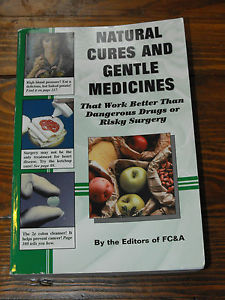
This book is great on information about diseases and common aches and pains. It has information on Alzheimer’s disease, Asthma, and even exercises to escape back pain. And get this: there’s even something in here on hiccups! That’s right, there are things you can do to stop hiccups. One exercise I do that works for me is that when I feel a Hiccup coming on I hold my breath. I know I know you’ve heard this before. But the trick to it is being able to hold your breath long enough. Hiccups occur when a ripple contracts the diaphragm, a large sheet of muscle that separates the chest cavity from the abdominal cavity. This spasm causes an intake of breath that is suddenly stopped by the closure of the vocal cords. This closure causes the “hiccup” sound because there is a blockage of air. That’s why while hiccups happen out the blue; most people get them (myself included) when they eat too quickly. But if you relax, breath in, and hold your breath for a few seconds it’ll help stop the hiccups. This isn’t in the book this is just what I’ve found works best for me personally. You can actually feel the food going down too if you do it right and the hiccup goes away.
Now, there’s one book I do have, but that I do not want to recommend. The only reason I have it is because we’ve had it for awhile. To each it’s own so if you feel like confusing yourself you can go ahead and Google it. Llaila O Afrika’s African Holistic Health. It has some interesting health information in it, however he mixes too much of his own doctrine in with the information. I don’t like when people take stuff too far, you have to maintain a proper balance in your life. It’s one thing to want to learn more about your health as it relates to your cultural and ethnic background, but when you start assuming that everything black is good and white is bad that crosses the line. That doesn’t even make any sense. If you’re going to give information about how unhealthy white bread is do that. But don’t just say that it’s unhealthy because it’s white. Denote the unhealthy aspects of this food to what actually makes it unhealthy. Tell me that white bread is made from refined white flour containing several unwholesome constituents; tell me that though it’s produced from the whole wheat grain it is then subjected to the refining process which removes all traces of the husk, or bran and along with it all the goodness contained in the grain. But also tell me that it is not that which goes into the body that defiles the man but what comes out and that there are still some good aspects of the white bread. This is called balance. Don’t take it too far and don’t take it too lightly. To put it mildly, the books A-Z Herbs for Diseases and explanations on what causes them is good information, but too much of the book is filled with his own philosophy and that’s a dangerous combination in the research department. There are actually right and wrong ways to research and those who are not careful can easily get themselves highly confused. For example, in section 16: Holistic Perspectives the man said:
“Kissing is a European sexual and friendship custom…African men kiss each other and African women kiss each other because kissing is a spiritual custom. Caucasian kissing between men and women is primarily sexual.”
What?
Where are you getting this information from? This is what I’m talking about. You can’t go around just making up stuff. In the end I get the feeling I’m being indoctrinated into some Afrocentric Egyptology instead of learning about health which can lead astray those not rooted in the truth and is in turn counterproductive to the purpose of picking up the book in the first place.
Writing Therapy

Do you write for therapy? Also known as Journal Therapy, Writing Therapy is the act of writing down thoughts and feelings to either come to a deeper understanding of self, or of the world, or just to provide a kind of healing to the stresses of abuse, insecurities, or everyday situations. It is a form of therapy that I am not sure that everyone who participates is even conscious of. Do writers who write recognize a form of healing from the process? Perhaps that is something we may explore in great depth at a later time. “What drives you to write? What makes you write? What kind of stain does having written a piece leave on you?” These are questions you may feel free to respond to at your own leisure; it will be interesting to see what our answers are to these questions.
In the meantime, below is an excerpt from a piece on Journal Therapy that may be of assistance in the exploration of this topic. This article first appeared in The Illustrated Encyclopedia of Mind-Body Medicine, The Rosen Group, accessed from http://www.journaltherapy.com. ©1999 Kathleen Adams. I hope it is of help to you in your writing endeavors. Enjoy 🙂
The Philosophy of Journal Therapy

In the 1980s many public school systems began formally using journals in English classes and across the curricula as well. These journals, often called “dialogue” or “response” journals, offered a way for students to develop independent thinking skills and gave teachers a method for responding directly to students with individual feedback. Although the intention for classroom journals was educational rather than therapeutic, teachers noticed that a simple assignment to reflect on an academic question or problem often revealed important information about the student’s emotional life. Students often reported feeling a relief of pressure and tension when they could write down troubling events or confusing thoughts or feelings.
Journal Therapy in Practice

Although there are many psychotherapists who incorporate journal therapy into their sessions by assigning written “homework,” there are relatively few who specialize in journal therapy. Therapists who utilize journal writing in a session often begin by asking the client to write a short “check-in” paragraph or two on “what’s going on” — how the client is feeling, what s/he wants to work on in the session, and what’s happening in her/his life that impacts the therapeutic work at hand. This writing is usually shared with the therapist, and an “agenda” for the session is set. The therapist then guides the client through a writing exercise designed to address the therapeutic issues or tasks that the client has brought forward in the check-in or warm-up write. This writing usually takes about 10 minutes, and the remainder of the session is spent with the client and therapist exploring the information revealed in the longer write. The session generally concludes with the therapist offering several suggestions for journal “homework” to be completed between sessions. Journal therapy is also very effective in groups, and it is common for group members to establish a sense of deep community as writings representing authentic expressions of self are shared.
Benefits of Journal Therapy
It is believed that by recording and describing the salient issues in one’s life, one can better understand these issues and eventually diagnose problems that stem from them. Journal therapy has been used effectively for grief and loss; coping with life-threatening or chronic illness; recovery from addictions, eating disorders and trauma; repairing troubled marriages and family relationships; increasing communication skills; developing healthier self-esteem; getting a better perspective on life; and clarifying life goals.
 The PBS Blog