I realize I’ve been a bit MIA lately. Not just on this blog but on social media in general. I have a lot that requires my full attention, which is professional work and personal work. I am in that transition place where I am learning to be patient with understanding what’s next for me, between that place of gratitude for what is but seeking continual growth.
In any event, I am still here, and I do want to try harder to check in with your blogs. I’ve fallen off in the blog world, and I really need to get back to it.
But I am still here. I am well, and I hope you are well too and continue to be so.
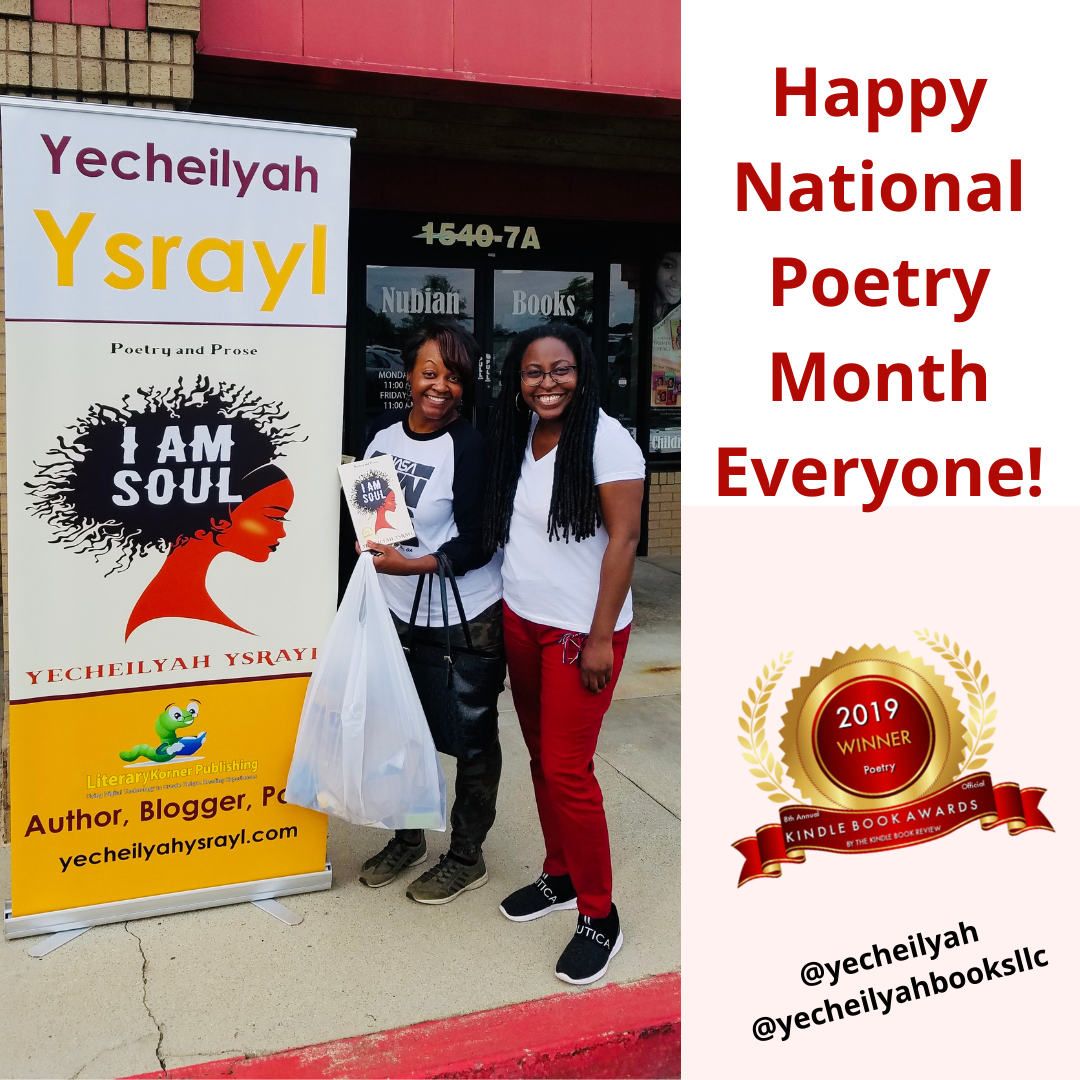
To catch up with me, please check out my latest interview in Shoutout Atlanta.
They reached out to me last month, and I enjoyed working with them for the second time.
Click on the link below to read in full, and be sure to share if you feel so inclined!
leave a fresh caesar salad a bear hug a tall glass of Merlot the truth a 90s R&B CD four normal periods prayers and a handwritten poem by my bedside by the next new moon.
PS: Breaking the Silence part two is up tomorrow. Be sure you have read part one for the backstory.
PPS. I am back on YouTube. Subscribe here. Also, be sure to follow me on Tik Tok to hear more poems. My name there is the same, yecheilyah.
“If you are silent about your pain, they’ll kill you and say you enjoyed it.”
Zora Neale Hurston
Friday, November 13, 2020
It felt like I had given birth with nothing to show for it.
I was lying on my back in the emergency department of Wellstar Paulding Emergency Hospital with my legs open, my feet in the stirrups. I prayed the doctors examining and whispering over my vajayjay would hurry up. At first, it was just one doctor, but her face did not do a good job of concealing her concern. I could tell the amount of blood was overwhelming her. She called in someone else, and before I knew it, there were three doctors down there.
“Press down like you are having a bowel movement,” said one of them. She looked like she was in charge, and I was instantly terrified.
“What?”
“Just a little bit. Press down.”
So basically, you are telling me to push. Push what? OMG.
I pressed down until she said stop, and I could see them trying to stop the bleeding. I felt like I was on an episode of Grey’s Anatomy.
I was thirteen years old in the summer of 2000, and my dad was sick and dying of cancer. The adults decided we should not witness his last days and sent us to Mississippi with our big sister. (My twin sister Tracey and me are the youngest of my dad’s crew, our other sibling’s already well into adulthood.) Here, at my sister’s house, I had the experience of my first period, and it was not modest or merciful. It came in as if it had been here before and stayed for a full seven days.
No one had explained menstrual cycles to me, we were not being taught about it in school yet, and my sister was at work. Shocked, I cried as Tracey looked on in astonishment. We were terrified. We knew about it, but we did not fully understand it. My stepmother predicted mine would come soon, and every time she brought it up, I would get upset.
“What you gonna do? Stop it from happening? You gonna be the first woman to not have a period?”
I sat on the edge of her bed, brought my eyebrows together, wrinkled my forehead, and curled my lips up with eyes that said, “Yup.”
In my mind, I really thought I could stop it. That’s because I had no idea why it needed to happen in the first place.
We eventuallyfound my sister’s pads, but no one had taught us how to put them on, so I stuffed my panties with tissue and waited until my sister got home.
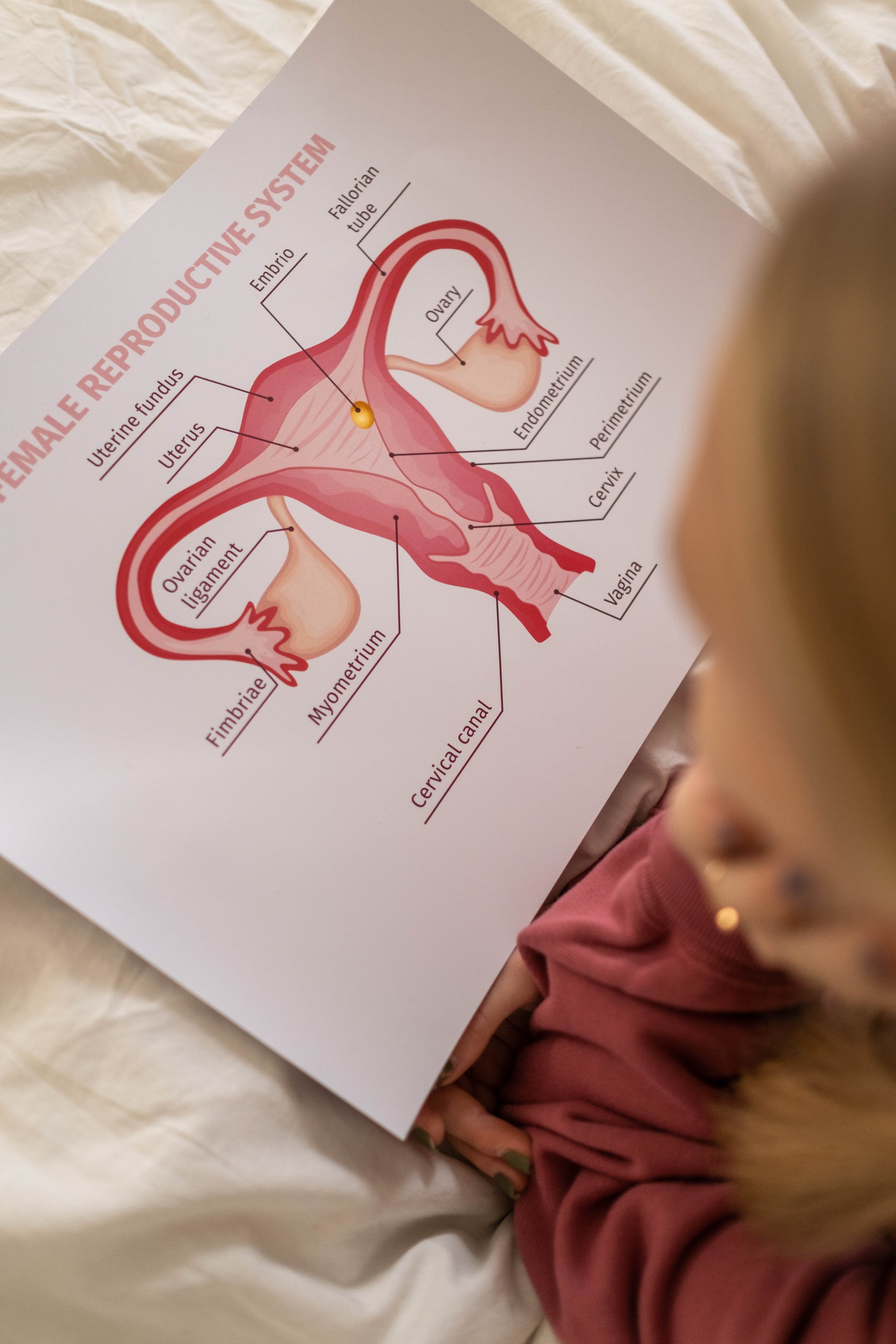
Sadly, my story is not unique. When it comes to the woman’s body, many topics are considered so taboo they are rarely talked about or spoken of at all. Not even in the home. Sexual intercourse, the vagina, pregnancy, abortion, birth control, and menstrual cycles are topics people shy away from, like some kind of disease, leaving many women to learn through experience. Often, traumatic experiences.
“I was around 13 when I asked my Aunt about sex because a lot of my friends at school were talking about it. Instantly, she asked why I’m around those kinds of friends and why I would ever ask that kind of question. She went on to tell me that I shouldn’t be having sex until I’m married and mentioned that I shouldn’t have a boyfriend either. I knew for sure that I was never going to come to her again.”
Afia, 18, of Pawtucket, RI
In the Black community, girls are sometimes shamed for even bringing these subjects up. When my stepmother scolded me for being upset about periods, she didn’t know she was setting me up to be ashamed of it. She never talked about how natural it was for women or asked me why the thought of it made me so upset in the first place.
The teachable moment had passed, and like Afia, I knew I would never come to my stepmother to discuss periods. And, for a long time, I did not even like to say that word. I had developed a deep shame about it.
According to Netflix’s new series, The Principles of Pleasure, one name used to refer to the woman’s external parts back in the day was the Latin term Pudendum, from the verb Pudere, meaning “to make ashamed.”
“…let me know, and we can go get something,” my Aunt said loud enough for us to hear in the other room.
She drank and played cards as they discussed prom and prom night. Her insinuation that if we planned to have sex, we should let her know “so we can go get something” was the extent of what I assumed was “the talk” about sex and birth control. There was no explanation of what she was even talking about. We were also already having sex by then. Not only did her comment make us ashamed to discuss sex with her at all, but Auntie was a couple of years too late anyway.
But parents are people too, and “it’s difficult to recreate experiences that were not modeled for us, and many Black parents of today grew up with inaccurate and negative messages about sex,” says Melissa Carnagey, founder of Sex Positive Families, an organization that supports parents in having sexual health talks with their children.
Tracie Gilbert, Ph.D., Training and Technical Assistance Manager at Answer, which publishes Sex, Etc. had this to say about why some Black adults may not talk to their children about sex:
“Black parents being nervous about talking with their daughters about sex is not only common but historically influenced by the desire to protect them from racism and white supremacist ideas about Black sexuality. Historical tropes about Black people included that they were hypersexual and had loose morals.”
But this is not exclusive to Black women. All women have experienced similar traumatic experiences surrounding sex, menstrual cycles, and birth control.
These myths could be why some adults (like my Aunt, stepmother, and Afia’s Aunt) avoid the conversation altogether.
Like periods and sex, infertility is another topic many women do not openly talk about. As someone who has struggled with it for years, I hope to break the silence by sharing my experience.
How my menstrual cycle started would set the tone for the future of a tumultuous relationship between me and my reproductive system.
November 13, 2020
“Yes, she’s miscarrying,” said the doctor-in-charge.
He looked like a lifetime supply of confidence black-gold wrapped in a Hershey’s kiss like his soul had stretched up to the sun this melanin-plated skin When he shined, we were all shade Sweat looked like honey dripping from his brow forming sweet golden pools Look too closely, and he starts to look like a lightening his eyes two backpacks full of moon and we scatter like children looking for jars big enough to capture the illumination of his essence made up not of blood and bone but stars He looked like a lifetime supply of monuments a dark sun-kissed body full to the brim with uncompromising confidence.
The inspiration for this poem is from a poetry prompt I saw on IG on the topic of “He Looked Like a Lifetime Supply.”
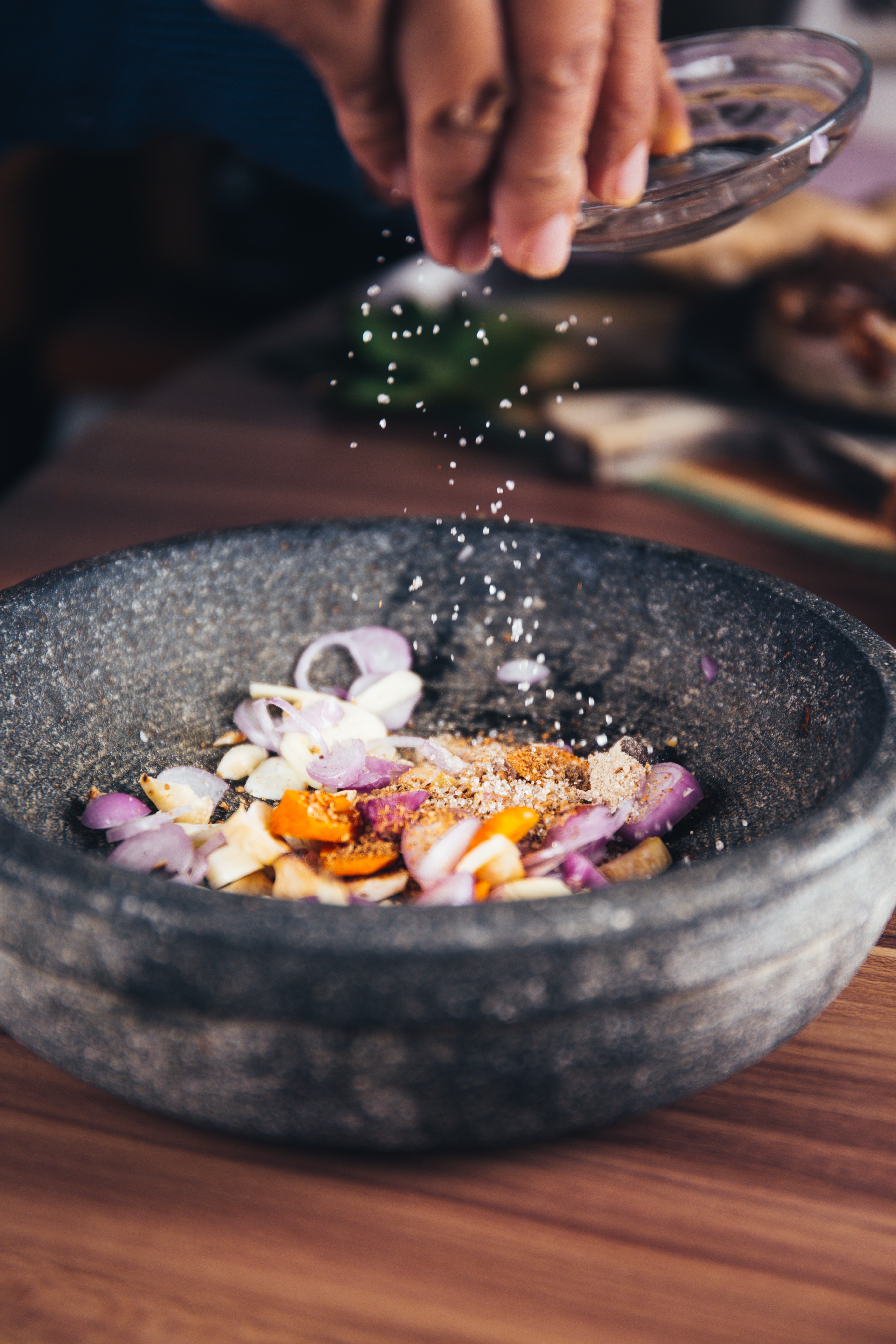
There are times when Black authors find themselves fighting against those who wish them to edit their soul. Take the salt out the meat. Take the voice out the work, and leave it seasonless. To quote Honorée Fanonne Jeffers, “People still have a white, western idea of how intellect is ‘spose to walk in the world.”
Let it not be lost that how Black people speak, including how we write, has been under fire since the days they forbade us to read and write. Considering us fools (and hoping we’d believe we were), they told us our language was broken. Told us massa was some jumbled version of master to justify our alleged stupidity and inhumanness. (Note: Massah is a Hebrew word meaning burden or oppressor. We called them what they were.)
The audacity to dilute language rich in culture by “correcting” it is just as brutal as stripping away someone’s name and replacing it with your own. What does your Ph.D. in poetry have to do with my grandmother’s tongue?
The way our slang terms do not always mirror what is heard or written within collegiate circles.
The way proverbs and parables roll off the tongue only to be shackled to some white scholars’ standards of brilliance. He think it’s nonsense how Jay Jay and Man Man ‘nem talk about how they be chillin. Or how Aunt Lou tells one of her grandchiren to go wrench off this spoon. She puts her hands on her hips, waves and says ‘How you?’ (She means it the way she says it, leaving out the ‘are.’)
The way the world attempted to tuck knowledge away from us, hide from us its secrets. (Though, we already knew them.)
Black writers do not need to sacrifice their soul or shapeshift into white standards of intellect to create something beautiful. They need only to be who they are and let the words be seasoned.


 The PBS Blog