#LitMag Poetry Magazine 2019 is LIVE

LitMag 2019: Vol 1, Issue 1


Poetry is all around us. It’s in the wind’s whistle, the chirping of the birds, the kiss of a loved one. Poetry is my husband’s scent and my mother’s smile. We would like to welcome you to the first issue of the Literary Korner Publishing Magazine (LitMag) for poets. LitMag publishes once a year and is inspired by Yecheilyah’s Annual Poetry Contests featuring poems written by the talented authors who have entered and won from the previous year. As you read, we ask that you think about what it means to love yourself, deeply and authentically.

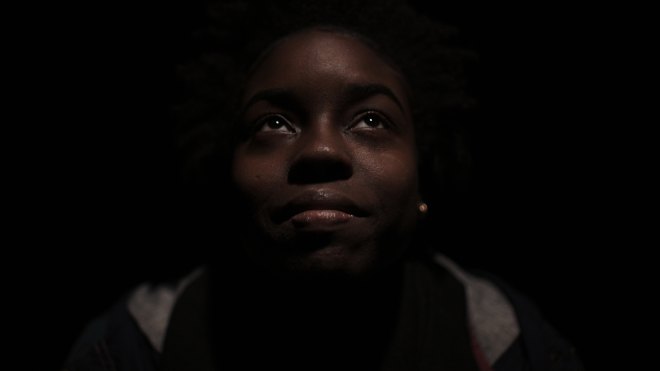
These are not lullabies or children’s tales. What you are about to witness is each poet’s personal testimony on the transformational power and strength of self-worth. “There was refuge in my brokenness,” says grand prize winner Jahkazia Richardson. “Deep in the soul of my being, I awakened.” As you read, we ask that you think about these lyrics and we hope these poets’ words will help you come home to yourself. “I reverse engineer my collapse,” says Nailah Shami, second place runner-up, “with unhurried tithes to myself.”

Your support helps fund the poetry contest so we can do this year after year.

>>>Get it in Digital or Print<<<

*Free digital version when you get it in print!
Perks: Digital gives you a PDF and web browser version of the Mag.
Print gives you a PDF and web browser version as well as a hardcopy shipped to you. The print copy is a heavy-duty, high-quality booklet in full color. Standard magazine size at 8.25”x10.75”, 54 pages and perfect bound. Ships in sturdy protective cardboard packaging to protect during shipping.

*When sharing about the magazine on sm be sure to use the hashtag #LitMag! Thanks so much.

To be featured in next year’s edition, be sure you are participating in this year’s contest! Click Here for full details on entry, prizes, and guidelines.

poetry contest

My Memoir Writing Journey

What exactly am I working on now? A lot of things but mostly my memoir. Now that Keep Yourself Full is on its way out, I want to get this done and I will have to deter a lot of projects to do it. At least until I finish the first draft and then I can work on other stuff and just work on the memoir from there. (I will still revise The Stella Trilogy first and release my next collection of poetry).

This is the hardest writing job I’ve ever undertaken. I have deleted everything I ever sent my email list as a sneak peek two years ago (can’t believe I let you in on that *insert eye-ball roll*) and have started over. I am fifty pages and nine chapters into the first draft so it’s not so bad considering starting over. What I don’t want this memoir to be is an autobiography. I’ve always wanted to write an autobiography, but that’s before I learned the difference between the two.

I learned memoirs differ from autobiographies. Memoirs are popular because they center on one theme and read like novels, making them much more interesting than the chronological format of the autobiography.

Theme

One thing I am working on is not making this psychoanalytic if that’s the right word. While I’ve endured much trauma in my life, I don’t want this to be a dark history of my crazy. I don’t want this to be a therapy session. This is difficult because I’m not a sugarcoat type person and neither is my mother. I gotta keep it all the way real. I gotta be honest. How do I do this without going too far?

My title is “I Wasn’t Built to Break,” so my theme is to take all the things that have been obstacles and challenges in my life, that could have broken me physically, mentally, and emotionally, but didn’t. This means that I will not go into every single detail of my life but I will focus on certain significant events, starting with growing up in the Robert Taylor Projects.

Anyone who grew up in any of Chicago’s projects is a survivor in my eyes, a warrior. It meant they not only escaped the drugs, violence, poverty, neglect, and gangs, but they also escaped literal death. Perched above the high-risers of Robert Taylor and Cabrini Green, snipers (aka Gang Members) with high-powered rifles would sit on a top floor (in a vacant apartment) and shoot their rivals. These bullets though, often hit innocent bystanders, mostly children.

I remember my Uncle coming to school to get us early because the buildings were shooting, and we had to run to our building. When I say it was a Warzone, I mean that literally. And none of us project kids ever got counseling or therapy for the things we saw. Not even the classmates of the seven-year-old Dantrell Davis from Cabrini who was shot by a sniper on his way to school in 1992 in front of his mother, teachers, police officers, and classmates.

Historical
Writing a memoir is no easy task so my approach is to research and write this as if I am writing a historical novel. Since I enjoy writing Historical Fiction, I want to incorporate history into my testimony. Instead of focusing on my experiences only, I want to take us back into the politics of some of what was going on in the world I did not have knowledge of as a kid. There’s my world where I can only see what’s in front of me and around me and then there’s the world at large. How did the decisions of others affect me, one of 21,000 children growing up in what became known as one of the poorest urban communities in the United States, a concentration of poverty they called it?

I want to go into how the projects under the Chicago Housing Authority (CHA) replaced the Chicago Slums, the discriminatory policies like redlining that kept blacks from purchasing homes in their own neighborhoods, the kitchenettes and one-room basements blacks lived in during the 30s, 40s and 50s, the beacon of hope the projects promised as a replacement, the mixed-community that was there (because whites and blacks both lived in the PJs!), the racial riots that never made the news, and the racist policies that caused many white families to move out of the projects and into the suburbs.

And what about the Plan for Transformation that demolished Public Housing and replaced them with a mixed-income community of condos and townhomes? What did this cultural mix mean for former public housing residents? And who was Robert Taylor? The black man on the board of CHA who opposed building the projects on the same land as the slums? The black man who wanted to spread the buildings out, so they fully integrated blacks throughout Chicago and who, after CHA refused, quit. I hope that if I do this, it will be a much enjoyable read.

I want to incorporate both history and personal testimony with the testimony supporting history. I remember for instance that whole “Homie the Clown” Scare of the early 90s. I remember that because I had nightmares of the clown coming into our apartment and chasing me around the couch. In 1991, rumors surfaced that a man who we called “Homie the Clown” was riding around in a van kidnapping and killing kids.

“Homey the Clown,” was the name of a character played by Damon Wayans on the early 90s sketch-comedy show In Living Color. The character was an angry black ex-con who carried a sock for knocking bad kids upside the head. His catchphrase was “Homey don’t play that.” Our “Homie the Clown” was allegedly dressed as a clown and went around kidnapping kids. Rumors said that he rode in a van and liked to stand next to mailboxes eating bananas.

This sounds silly now, but it was serious back then, just like the recent clown scares. We got let out of school early and children were afraid to walk by mailboxes. It also didn’t help that Stephen King’s IT had also just come out.

Community

It wasn’t all bad though so I want to talk about the close-knit community that existed there too that never made the news. Generations of families grew up together in what is rarely seen today. My mother’s friend, who lived next door, helped her to babysit. People watched one another children, shopped together, stepped up when someone was in need and shared food. We could go next door or downstairs to ask if someone had sugar or flour. We bartered services and passed along information about job openings or what was new at the Aid office and the candy lady was an entrepreneur. She used her food stamps to open a candy store back when you can get one piece of candy for every penny you had, better known as Penny Candy. People threw house parties and sleepovers.

Robert Taylor was not just a concentration of poverty. It was also a thriving community. When things were good, they were really good, and everyone was family. But you didn’t see this on the news. We were not all crack babies. We were not animals.


Introduce Yourself Author Interviews: Poetry Edition

We interrupt your regularly scheduled Author Interview programming for this special announcement.

National Poetry Month, a celebration of poetry which takes place each April, was introduced in 1996 and is organized by the Academy of American Poets as a way to increase awareness and appreciation of poetry in the U.S. For our April Author Interviews, I’d like to feature as many author poets as possible. If you have not been interviewed on the blog, head on over to the Introduce Yourself Author Interview page (linked below) and find out how you can get involved! Stay tuned for next weeks final author introduction for March.

*All authors are still welcomed to participate in the interviews. These interviews occur every week on Monday’s. You don’t have to be a poet. I would just like to feature poets for the month of April in honor of National Poetry Month.

>> LEARN HOW TO JOIN. CLICK HERE <<


Warrior

Photo by Beth Tate on Unsplash

You were a warrior from the womb and your entrance was a victory. Since the moment you opened your mouth, they knew you were a prophet/prophetess. In your lungs was a war-cry, your fingers fit to hold swords and angels sang. When your footsteps kissed the ground, you were savior and fallen angels bowed when you breathed because the Gods ain’t got nothing on you. Magnificently and incredibly made from the richness of the soil. There were rumors about your skin and the audacity of it to shine like that. They didn’t know it was because you were born with a crown on your head. They treated you that way because they didn’t know you were a warrior and now that you know this, do not become a peasant. Do not lower yourself from the throne you were promised at conception if you want it. Do not shrink. Rise.

Jer 1:5 “Before I formed you in the belly, I knew you, and before you came out of the womb, I did set you apart – I appointed you a prophet to nations.”

You Are Somebody

Someone gave birth to you. Pushed you out into the world like they knew you were somebody. Wrapped you in all the passion that led them here and anointed your body with a name fit for royalty. Do you know your name? Have you sought its meaning? Do you know your own somebodiness? And even though you made mistakes, consistently proving the universe wrong (like you aren’t worthy of this name), it is still yours. No matter how many times you fell, your somebodiness didn’t leave you. It was there all along, far before you were formed in your mother’s womb. And even when you were so depressed that you ain’t think you were fit to live, you did it. You did it because you are somebody. Your value does not fade just because you are a little scarred, a little blue. You are still somebody. We only work within the confines of how we perceive ourselves. We cannot be successful until we believe that we are truly worth it. We cannot be successful until we believe that no matter how insignificant we feel, we are still somebody.

“Number one in your life’s blueprint, should be a deep belief in your own dignity, your worth and your own somebodiness. Don’t allow anybody to make you feel that your nobody. Always feel that you count. Always feel that you have worth and always feel that your life has ultimate significance.” – MLK

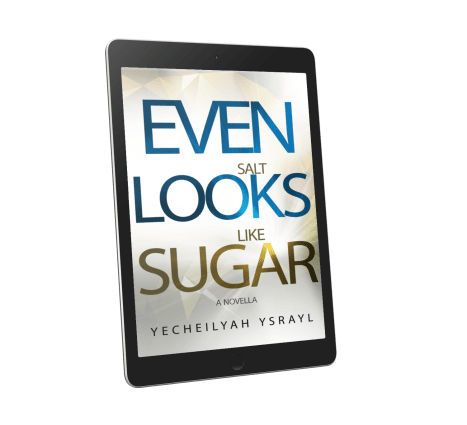
NEW: Even Salt Looks Like Sugar: a novella by Yecheilyah Ysrayl…

Thanks Chris! Guys, be sure to pick up your eBook copy of my new short story!

Chris The Story Reading Ape's avatarChris The Story Reading Ape's Blog

About.

Wanda wants nothing more than to escape the oppressive upbringing of life with her abusive foster mother. Miss Cassaundra manipulates the system by bringing lost children into her home turned whorehouse and collecting the money. Wanda knows what it’s like to be abandoned and has no doubt Abby is Cassaundra’s next case. When an opportunity arises, that could save them both, Wanda must find a way to get the paperwork that will secure their freedom. But Cassaundra’s got eyes everywhere and no one can be trusted when even salt looks like sugar.

What Readers are Saying:

“I loved the dynamic between Wanda and her BFF, Rosa. They grew up in foster care together and had each other’s backs no matter what. This was a quick read, more like a short story. It held my attention and gave some good info on the foster care system. I expect nothing less…

View original post 106 more words

Now Available: Even Salt Looks Like Sugar – a short novel

Sneak Peek:

Edited by Lynette Davis

“What’s got you so happy?” said the dark-skinned, toothless woman. She was smoking a cigarette. But Lavenia was on that stuff and it had made her skin darken and cling to her bones. A lot of their neighbors was like this. They nodded, bowing low enough to be inches from the floor before jerking back again, brushing away bugs, only they could see as they unnecessarily cleaned, picking imaginary lint from their clothing, and laughing at jokes only they were in on—the real walking dead. Their skeletal bodies roamed the country roads early mornings, afternoons and late at night. Or they stood next to gas stations waiting for customers to come out, so they could collect change, their long skinny fingers curled into tight fists around the crack they sold their souls for.

Wanda cringed on the inside. Seeing her people like this made her physically sick. Lavenia was once pretty.

“It’s a good day. That’s all.”

Lavenia frowned and inhaled the cigarette like it was the last one she would ever smoke.

“Hmm. Yea. How Abby doing?”

Diversion. Lavenia never asked about Abby. Lavenia only cared about one thing. Getting high. Wanda frowned at the thought. She was so excited, she hadn’t noticed the signs.

“Oh, Abby is doing good, Miss Lavenia. I think she’s adjusting real nice. You seen her mama any?”

Lavenia let the cigarette breathe some, exhaling smoke into the air before sucking on it again.

“Naw. Ain’t seen her since that day.”

She was talking about the day she carried Abby into Cassaundra’s prison. Lavenia eyed the young lady in front of her. She had a shape like that once.

“You got some money? Let me borrow a couple dollars till my paycheck hit.”

“I’m sorry Miss L. I ain’t got nothing on me.”

“I can walk with you to the house. All I need is a lil change.”

“I can’t. I’m broke.”

Lavenia frowned. “You ain’t no damn broke.”

“Miss L. I am. For real. You know if I had it, you’d have it. I gotta get going. Tell Brandon I said hey.”

Lavenia walked off in a hurry. Brandon was her son. She’d probably left him in the house by himself again.


NOW AVAILABLE!!

EVEN SALT LOOKS LIKE SUGAR

a short novel

Order the eBook for 99cents HERE

preorder a signed paperback HERE

or mark as want to read on Goodreads here

About. Wanda wants nothing more than to escape the oppressive upbringing of life with her abusive foster mother. Miss Cassaundra manipulates the system by bringing lost children into her home turned whorehouse and collecting the money. Wanda knows what it’s like to be abandoned and has no doubt Abby is Cassaundra’s next case. When an opportunity arises, that could save them both, Wanda must find a way to get the paperwork that will secure their freedom. But Cassaundra’s got eyes everywhere and no one can be trusted when even salt looks like sugar.