4 Ways New Self-Published Authors Can Maximize Book Sales

Share Your Journey and Expertise at Least 1 Year Before Publishing Your Book

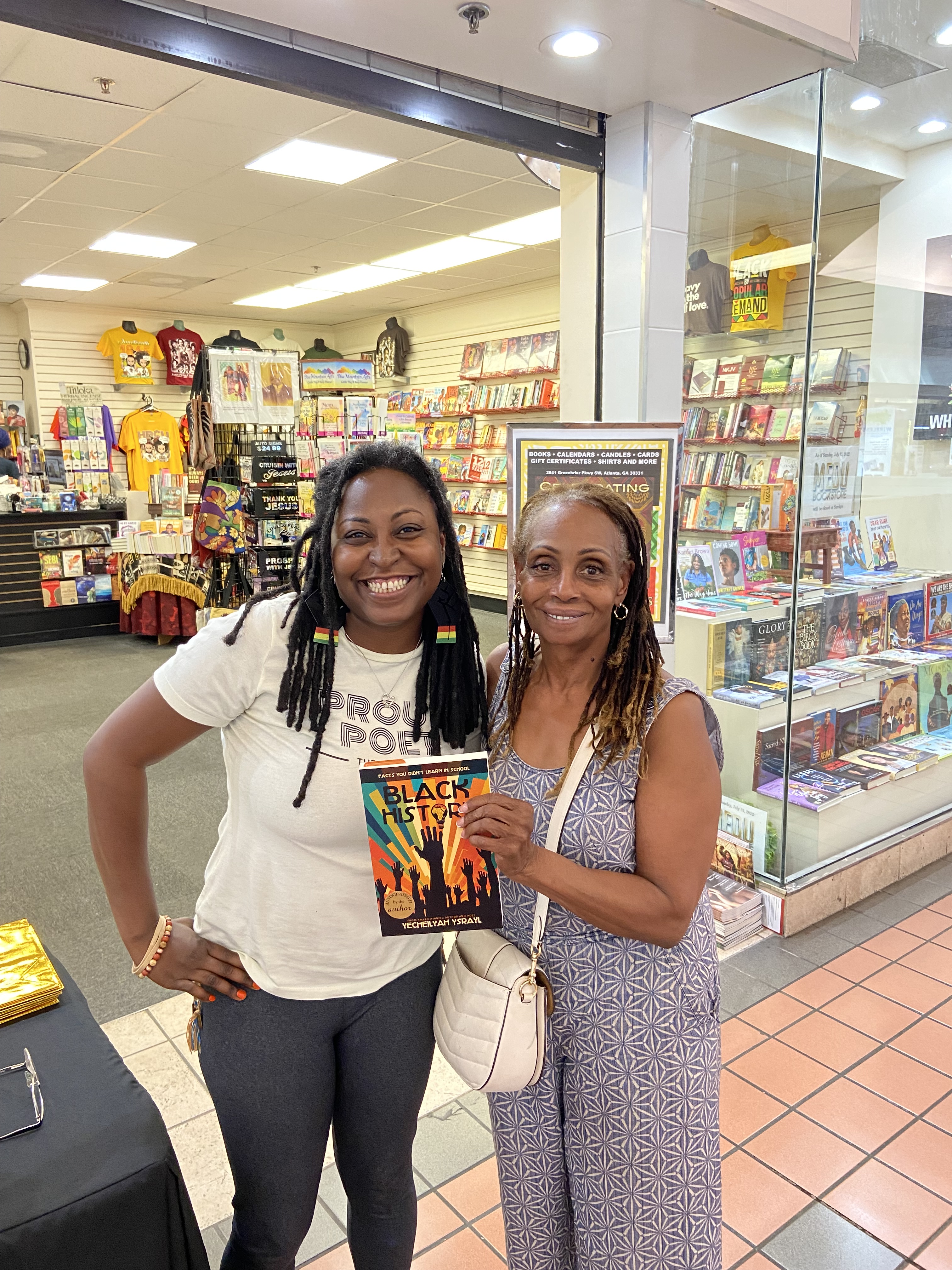
I released Black History Facts on February 24, 2024. However, the book has been selling steadily since September 2023, when I placed it on preorder. I attribute this largely to how I readied my audience for the book years before it was released. They were prepared when it arrived.

As soon as I knew I would publish the book, I posted black history videos and behind-the-scenes content of my trips to museums and historical landmarks, and I shared new information I found.

I took my people everywhere I went, and they couldn’t wait to see the final product. It became more than a book, but a movement they were just as much a part of as I was.

Post Your Preorder/Buy Link At the Same Time as Your Cover Reveal

Revealing the cover of your new book can be thrilling, but failing to include a buy link means missing out on a lot of potential sales. Whether you’re putting up preorders or announcing the book’s publication, keep your cover reveal for when you’re ready to begin collecting orders. People will be ecstatic to learn you wrote a book and will be willing to buy it right away after viewing your cover, especially if it’s dope!

Pay attention to those who are traditionally published. When these authors show you the cover of a new book, you can also preorder it.

Increase Your Book Reviews

Book reviews are still underrated. Many people do not think they matter, but they do and help authors! And you can work to increase it no matter what stage of the process. Even months or years after release, you can still increase the reviews you receive.

Seek the help of book bloggers, beta readers, and reputable paid review services such as Kirkus and Yecheilyah’s Book Reviews.

The biggest perk to reviews is that they act as social proof. Anyone can call themselves a best-selling author, but reviews help verify that other people think the book is dope, not just the author who wrote it.

It will be odd for someone claiming to be a best-seller to have no book reviews. If it’s such a great book, people should be talking about it.

Book reviews also increase the author’s Amazon rating and expose the book to people who have never heard of it.

I strive to get at least 5-10 book reviews on Amazon in the first few weeks of release and increase from there. However, Amazon is one of many places where people can leave reviews. Blog book reviews are also helpful. Remember, a review is just feedback, so if someone emails you or direct messages you praise for your book, you can use it as a review! (with permission) Slap that bad boy on a graphic and post it to social media as social proof.

Have a Post-Publishing Strategy (Don’t Forget About the Book Once It’s Published)

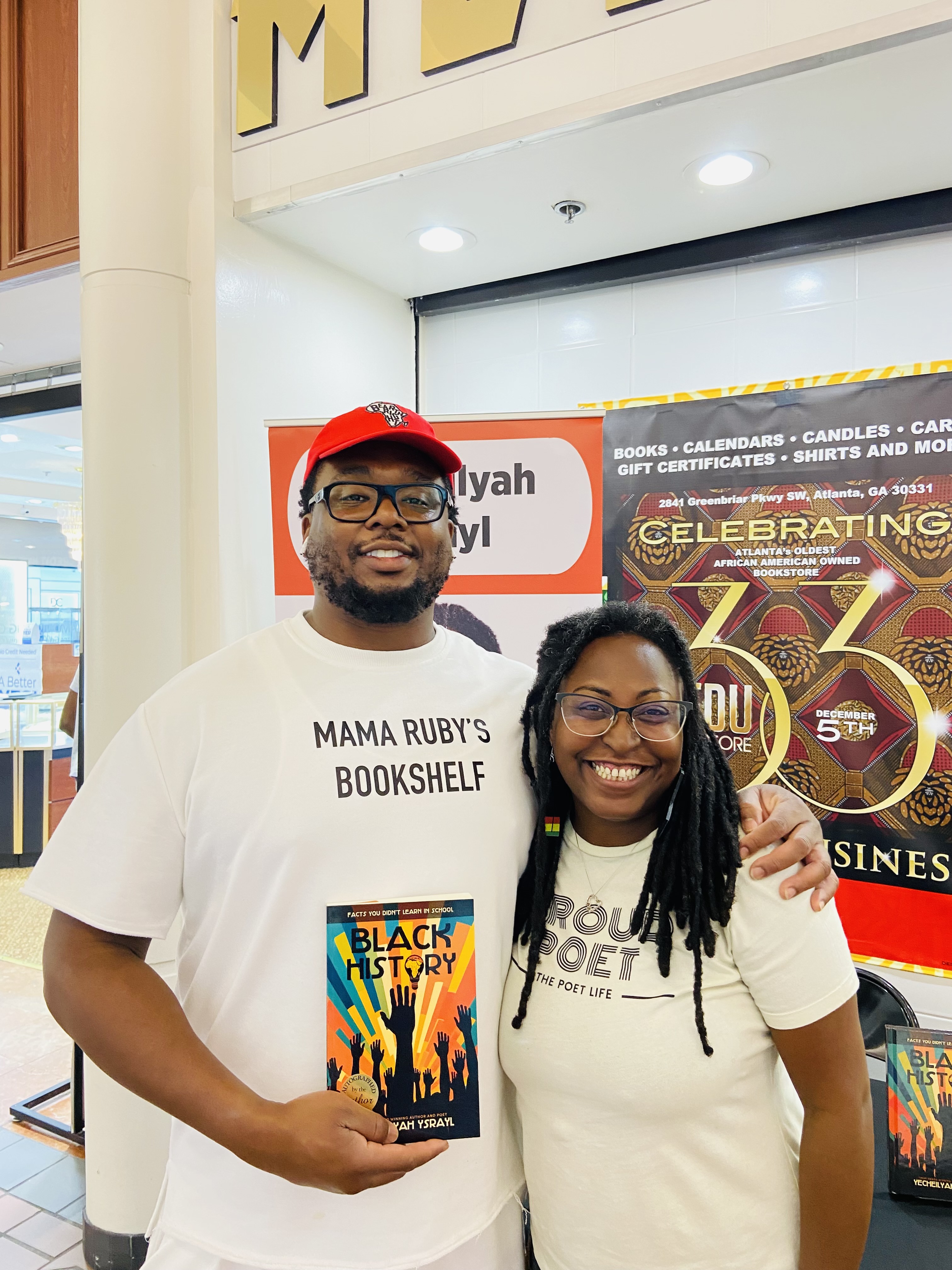
Too many authors focus solely on the publishing date, but your book is much more than that. Consider how to continue spreading the word about your book after publication. Visit your local libraries and bookstores to inquire about readings, look for interview opportunities, and participate in events, contests, and more. You still want the book to sell after it has been published, so make sure you are working to make that happen.
Click here for more Indie Author Basics to encourage you through the Self-Publishing / Indie Author Process!

Mistakes Self-Publishers Make When Publishing Print Books (And How to Avoid Them)

We often talk about how attractive the book cover should be, and for good reason. Poor cover art is the #1 mistake Self-Published authors make when publishing print books.

But we know that already.

Let’s go inside of the book this time.

When preparing your manuscript for publishing in a print book, the formatting should be done in a way that is different from a college essay, research paper, or blog post.

Here are the top print book mistakes I see self-published authors make and how to avoid them.

Disclaimer. I am not a lawyer. Nothing beyond this point should be taken as legal advice.

No Copyright Page

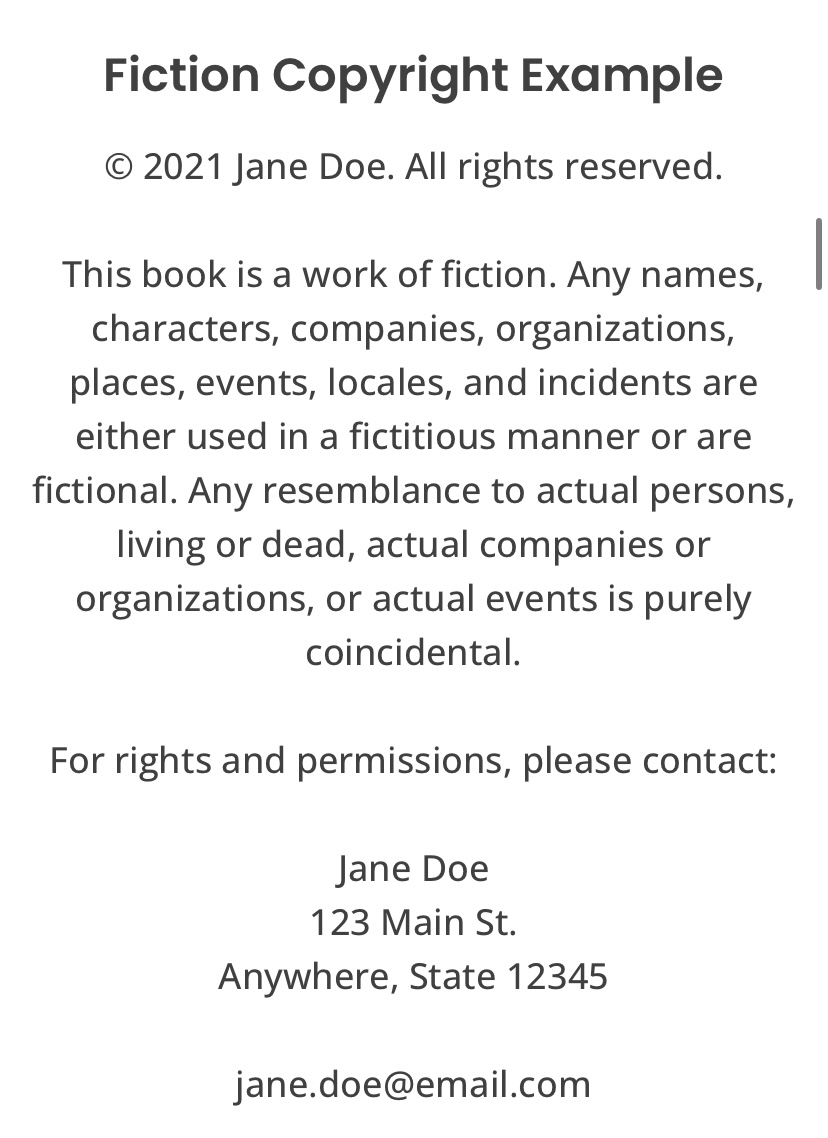
The copyright page of a book is one page that lets people know who owns the rights to the book and that, generally, the author’s intellectual property cannot be copied without permission.

You do not need to register your book with the copyright office to add this page except if you want to. In this case, register the copyright at copyright.gov. You can do it after you publish the book to Amazon since it takes about 6-13 months (of this writing) to go through.

However, know your book is automatically under copyright when creating it.

The copyright page discourages theft, such as plagiarism, and announces you as the book’s owner. It is like a “No Trespassing” sign; every book should have one.

If you own a software program such as Atticus (PC) or Vellum (Mac), they have copyright templates already designed for you. If you don’t have these programs, creating one is easy. All you need is a copyright notice and a rights reserved.

ยฉ 2024. Yecheilyah Ysrayl. All rights reserved.

You may also add additional information. Below is an example of a basic, full copyright page.

It should also include your ISBN. For more on ISBNs, click here and here.

This page should appear at the beginning of the book, also known as the book’s front matter, after the title page. The title page is one page that looks like the cover but without the artwork. It includes the book’s title and the author’s name. This title page may appear twice, depending on the publisher. Once at the book’s opening and once more before the opening chapters.

The Author’s Name and Title are Not on the Spine

This is easily avoidable with a professionally designed book cover, but let’s touch on it a bit.

Some books do not need a spine because they are too thin. Otherwise, you will want to have your author’s name and title on the spine of your print book.

The spine binds the front and back of the book and is also important for bookstores.

With the author’s name and title on the spine, a book is easier to find for someone skimming the titles on shelves. Since self-published books are already underestimated, a book without a spine can easily get lost, and the author misses out on sales.

The first thing a potential customer will see is the outward-facing spine, so if the book does not have a title or author name, readers won’t even notice the book.

No Chapter Headings

A chapter heading is how you organize your book so readers know when a section begins and ends. It is literally as simple as adding Chapter Oneโ€ฆ.Chapter Twoโ€ฆChapter Three.

Chapter headings can also have subtitles or names instead of numbers. In Black History Facts, I use chapter headings and subtitles.

Chapter One (Chapter Heading)

What You Didn’t Learn About Sundown Towns

(Subtitle)

The purpose of chapter headings and sections is to organize the book to make it easier to read and follow. Without it, readers might get confused about where they are in the story. Believe it or not, there are so many authors who make the mistake of not including chapters, making the book look more like an essay.

If you have a software program or professional who formats books, this is easily avoidable as they can add them for you.

Fancy Text

One of the most common mistakes of first-time self-published authors is using fancy text.

Times New Roman, Arial, Helvetica, Calibri, and Cambria are great fonts for books that make them easier to read!

Cursive writing and other fancy text, including colored fonts, make them harder to read.

Too Much Space and Not Enough Words…

Indie Authors who self-publish should also be aware of too much spacing, making the book look like it was written for children (unless it was). An adult-level book should not have so much space between it and the next section that you could write a short bio about your life in between.

Be sure to fill blank spaces with words or shorten the book’s length.


Plan to publish a print book? Don’t forget to add a copyright page, spine, chapter headings, text that is easy to read, and a book with enough words to fill it out.

Investing in professional cover design and interior formatting will help with all of this!

Click here for more Indie Author Basics to encourage you through the Self-Publishing / Indie Author Process!

Don’t Give Up on Your Book Too Soon

Sneaking out of the house to ship books during Covid 2020.

Time is one of the numerous advantages of self-publishing.ย Self-publishers set their own schedules,ย in contrast toย traditional publishing, which enables them to release booksย fastย and often.

And the better an author gets at publishing high-quality books, the more they publish in a shorter time.ย 

However, I caution authors not to rush their current book on the way to the next one.

Some authors only have one book out, but what they’ve been able to do with that book is more than some authors with ten or twenty.

From consulting and coaching to classes and workshops, these authors have turned that one book into a powerhouse of expertise and services, multiplying their income.

But they would not have been able to do this if they had given up too quickly.

They would not have been able to do this if they published the book on Amazon and then forgot about it on the road to the next one.

They would not have been able to do this if they worried about making the best sellers list. (Some authors are making good money selling their books consistently and have never been a Best Seller.)

They would not have been able to do this if they focused on what’s next instead of what already exists.

When we give in to shiny object syndrome, the continual distraction brought on by an ongoing belief that something new is worth pursuing, we miss the blessing right in front of us.ย 

The grass is not greener on the other side. It is greenerย whereย you water it. It is greener where you cut it. It is greener where you pluck out the weeds.

It is greener when you give it the time and attention it needs to thrive.

Sometimes, new ideas are not intended for us to act onย immediately. Some thoughts need to be written and executed later.ย 

Give that book you worked so hard to produce the time and attention it deserves to grow and develop before moving on to the next best thing.

We believe publishing success is about quantity and hustle. That might work short-term, but the long-term victory is about quality and strategy.

You can spend a lot of time and energy hustling to break the Guinness World Record for the most published books, or you can be more strategic about turning that one book into a full-blown brand. This may require a long-term plan where you might notย immediately see results.

Click here for more Indie Author Basics aimed at encouraging you through the Self-Publishing / Indie Author Process!

Help People Understand WHY They Should Buy Your Book

Supporting a fellow poetess at the Atlanta African American Book Festival, 2019.

In my years of consulting with authors and working with them on their books, I’ve discovered that the most difficult challenge for many is not writing the book (many of them have been writing their entire lives) but finding innovative ways to market and promote it.

With so many hats to wear, the last thing an Indie Author wants to do is strategize about how to promote their book day in and day out.

And you know what? We don’t have to!

Everything does not have to be part of some grand strategy that only a rocket scientist could understand. The secret to wisdom is often in its simplicity.

Considering it as relationship-building and connection-making rather than marketing and promotion could help you focus on the reasons behind your book.ย It involves thinking up creative ways to draw in and hold the interest of thoseย who areย already searching for solutions to the problems your books address.ย 

Not only can theseย connectionsย help you meet new people who buy books,ย butย you might also find a business partner or lifelong friend.

Since your identity as an author is heavily influenced by who you are personally, it might be beneficial to present your individuality and draw on real-world experiences to engage readers on a deeper level.

Dr. Jackie Walters does this well.ย 

Award-winning OB/GYN and star of the hit TV show Married to Medicine on Bravo, I reviewed her book a few years ago.ย The Queen V: Everything You Need to Know About Sex, Intimacy, and Down There Health Careย goes into detail about our precious lady parts and all the ways to stay healthy. She has these videos where she reveals something informative about the vulva, sex, and intimacy.ย 

Here’s the important part: She only sometimes mentions her book in these videos!ย Sometimes, she’ll just have it sitting to the side,ย orย itย won’t be in the shotย at all.

Dr. Jackie understands her expertise, and by educating her people and entertaining them with her props (she uses fruits and everything,ย chile), people are increasingly interested in her topic and her book without her mentioning it in every post.

She just shows up as herself.

In the end, we must show people why they should buy our book, not just that they should. This builds genuine connections and strong relationships that help our books to sell without stressing us out.

Click here for more Indie Author Basics aimed at encouraging you through the Self-Publishing / Indie Author Process!

Understanding the Power of Distribution as a Self-Published Author

We hear a lot of the cons to self-publishing. Now, let’s talk about some perks!

One exciting benefit of self-publishing is not just being in control of how you will publish the book and who you want to help you, but you are also in control of distribution.

Remember, all self-publishing means is you are your own publisher.

You can decide where to sell the book and offer discounts and deals to bookstores and larger corporations who want to carry your title.

Publishing with Amazon is just one step in your author journey. You can also set up an account with Ingram Spark to configure these discounts, returns, and wholesale prices.

This becomes important when you start petitioning booksellers offline.

Navigating this part is exciting for authors who always dreamed of seeing their titles on the shelves of bookstores and libraries. (Do people still visit the library?)

It can also be a learning curve, though.

For instance, while getting books into bookstores is thrilling, the job is only complete once the book has been sold.

If the book does not sell, it will have to be returned, which means that your books will be returned to you if they do not sell.

For this reason, booksellers tend to put self-published authors on trial periods, only accepting so many books for a specified time, to test demand for the title.

However, you can also sell your book to booksellers and corporations as a publisher.

The world of self-publishing is extensive!

Should we go deeper into this side of the business? Let me know if you enjoyed this post and want to hear more on this topic!


Check out more Indie Author Basics articles here.

Why Adding “Amazon Best Seller” to Your Book Cover Is Not a Good Idea

The Amazon Best Seller Badge is something to be proud of, no matter how small you believe your success is. However, I wouldn’t put it on my book covers.

Adding “Amazon Best Seller” or “#1 Amazon Best Seller” to your book cover is not a good idea because the title, unfortunately, holds little weight among industry insiders and quickly goes away when the book drops in rank.

I would also not add the badge if my book became a bestseller when it was free. This means people downloaded the book, I didn’t sell copies which could make the “Best Seller,” misleading.

If your book is picked up by a traditional publisher and reaches best seller status, they will create a new cover with the label.

“Being an Amazon Best Seller is a credential that could mean you sold 10 books in a sub sub sub category.”

Luvvie Ajayi Jones

What Luvvie means is you can get a bestselling ribbon or become a bestseller in a random, obscure category by selling just a few books.

This doesn’t mean the author shouldn’t be proud of themselves.

This means the author should wait until they see themselves on the list consistently (holding steady for days, weeks, or months at a time) or if they are in the top categories of all books on Amazon, not just one random category.

There are many bestseller lists, and being named on any of them is an accomplishment worth celebrating. 

Unfortunately, Amazon Best Seller holds the least weight, and people are so inundated by it that it no longer means much. Adding it to your book cover looks cool, but it will not help you sell more books, nor will it help you look like an accomplished author.

It could, in some ways, make you look like an amateur.

In fact, unless you are among more recognized lists, such as USA Today or the New York Times, I would leave bestseller off the cover altogether.

However, this is only my opinion so if you do it, I advise:

  • Award Winning Author (if you’ve won any notable literary awards)
  • Best Selling author of (Your Best Selling Title) but leave the Amazon part out
  • USA Today Best Selling Author (If applies)
  • New York Times Best Selling Author (If applies)

Check out more Indie Author Basics articles here.

The Journey

Photo by Josh Hild

When I decided to write the history book, I was intentional about taking people on that journey with me.

When I visited museums, I shared video clips, took pictures of historical landmarks, and shared screenshots of my writing progress.

I wrote about where I was in my writing, such as when the book was going in for editing, and continued to educate on topics I would cover in the book. I vividly recall how excited I was to finish the first draft and celebrate with my team.

I’d built up so much awareness and excitement about this book that people were searching for it on Amazon before it came out. This was part of the reason I put it on preorder so early. It was in demand. It is what the people wanted.

As a result of taking people on the journey with me, I’ve had more fun writing this book than I’ve had writing any other book. I’ve also sold more preorders for this book since The Stella Trilogy through my website. The level of trust that people who didn’t know me from Adam put in ordering directly from me was humbling.

But it didn’t come cheap.

People trusted me because I put in the work. The work is not done. Far from it, but it has started. With this foundation, I look forward to continuing to build with the people who believe in me and the mission of continuing the work necessary to restore the forgotten heritage to the forgotten people.

What I hope new authors will take from this is the power of taking people on the journey with you and having fun with the process of writing the book.


Purchase Your Copy of Black History Facts Here. It’s Only 99cents As An ebook for the Month of March!

ps. If you’ve read this book already, please be sure to leave a review on Amazon!