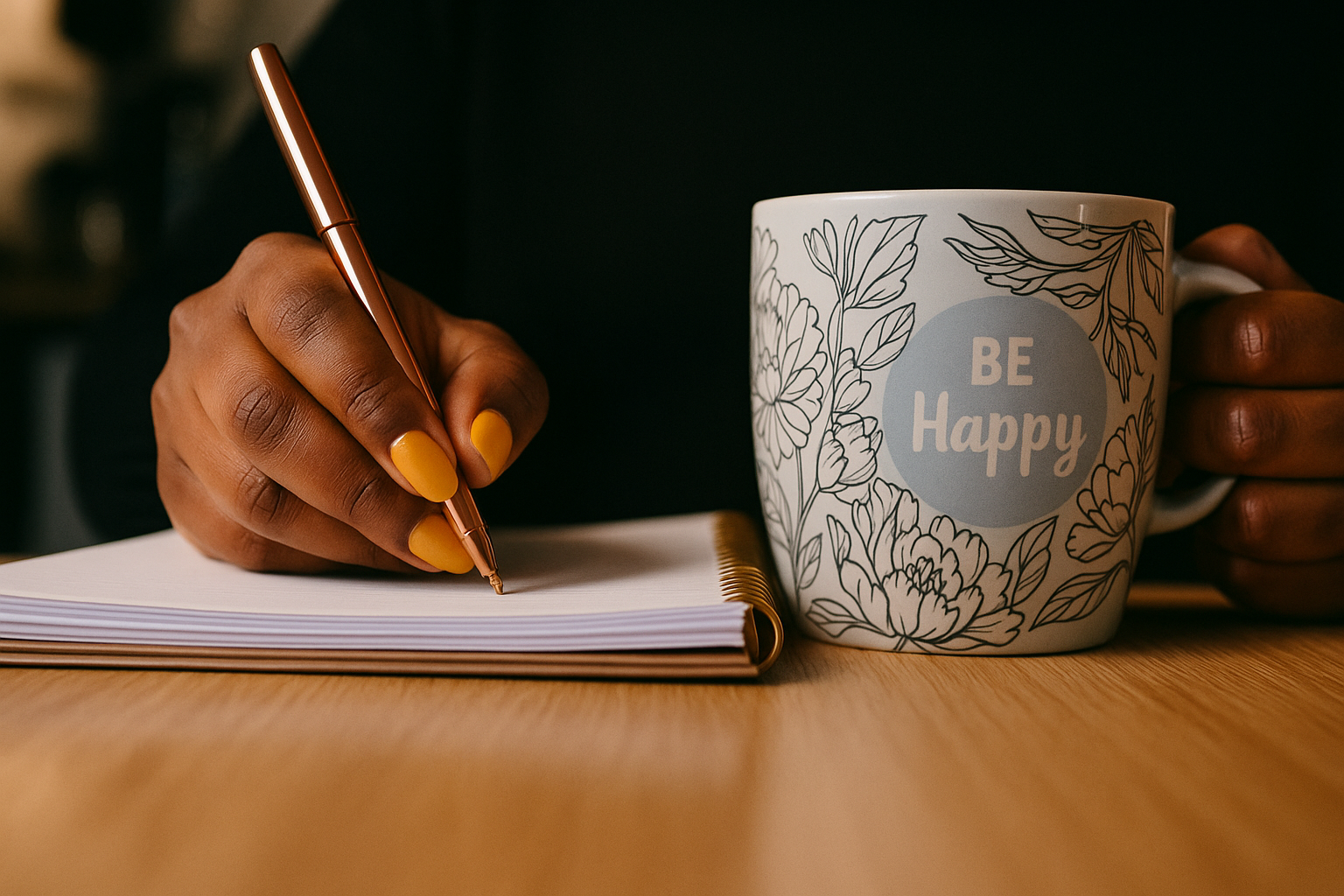
Can ya’ll believe I created this image using ChatGPT? Lol
I love Maya Angelou’s poetry, but it is not what drew me to her. What drew me to Angelou first was her story.
When I read I Know Why the Caged Bird Sings and discovered she had also written other collections of autobiographies, I was delighted by her strength and how it came out in her voice. I watched YouTube videos of her interviews and understood more about how she grew up and what led her down her path. Before Maya Angelou was one of my favorite poets, she became one of my favorite people.
The process of writing out my story on Substack has led me to question how much of what I like really belongs to me and what belongs to the world.
By the time I was born, Angelou was already 59 years old. Her name had already been carved into stone and printed inside the pages of history books. Before I was formed in my mother’s womb, Angelou had been crowned Queen.
But this isn’t really about the amazing Maya Angelou.
I am only using her as an example of how many of us drift through life as mirrors reflecting other people’s likes, passions, and preferences, not out of genuine love but habit.
Is that thing the rhythm in your soul, or is it simply the first thing whispered to you by a world that told you what to like before you liked yourself? Before you knew yourself?
Did you ever listen to that person’s music before they were your favorite artist? Did you ever trace the lyrics with your fingers or read the curve of a poet’s stanzas with your own eyes before you anointed them the best?
Did you ever actually feel the pulse of Angelou’s poetry beneath your skin? Felt her passion jump from the page to her throat and out of her mouth like the voice of many waters? Or do you carry her name like a badge, not because it speaks to you, but because it speaks to everyone else?
Have you ever wandered beyond the well-lit paths of fame into the quiet woods where lesser-known voices sing? Or, have you let the world define your taste, shaping your mind to match the music of the mainstream?
Do you like what you like because you like it or because you’ve been trained to like it?
“If growing up is painful for the Southern Black girl, being aware of her displacement is the rust on the razor that threatens the throat. It is an unnecessary insult.”
– Maya Angelou
I am excited to have reached my substack goal of having the first ten subscribers! Actually, I have eleven, so I have exceeded my goal. Tee Hee.
WordPress will always be home, and I will continue to write here. My goal on Substack is still to restore Black historical truth, except I am restoring my own truth. I am opening up more about my personal story and laying the foundation for a new journey.
But it’s not just about my story.
“I Wasn’t Built to Break” isn’t just about a car accident or a broken leg—it’s about the fractures life leaves behind. It’s about shattered hearts, struggling communities, and the resilience that rises through the cracks.
Yes, I’ll share the story of that life-altering accident, but I’ll also take you through my early years wrapped in poverty, my battles with fertility, and the relentless attempts this life has had to break not just me but Black women like me.
And yet, through it all, I stand, we stand—unshaken, unbroken, and undefeated.
Hop on over there and subscribe so you don’t miss it!
We are already three articles in. Click on the link below to catch up.
February has been full, starting with Hubby and I celebrating our fifteenth marriage anniversary on 2/17.
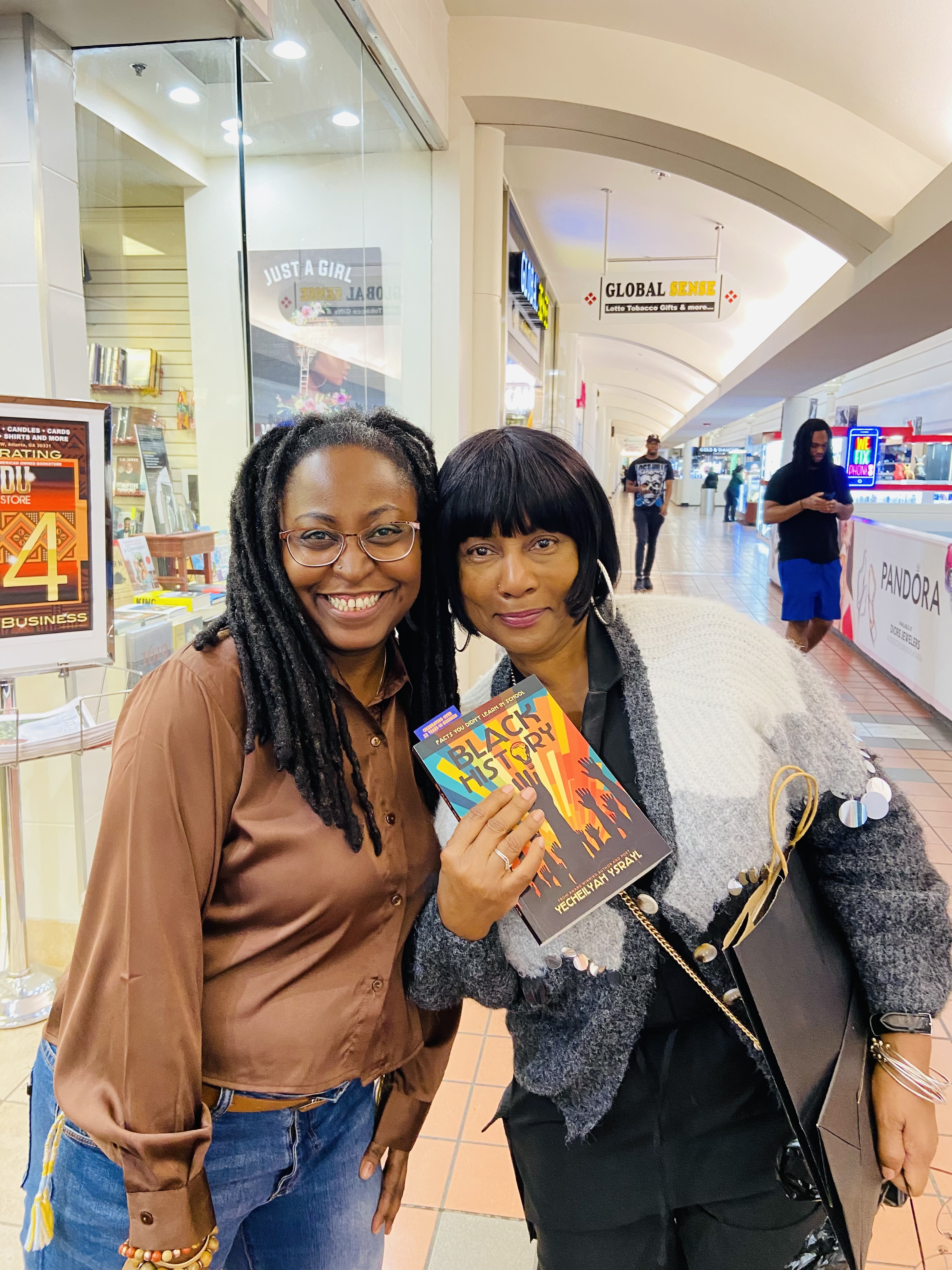
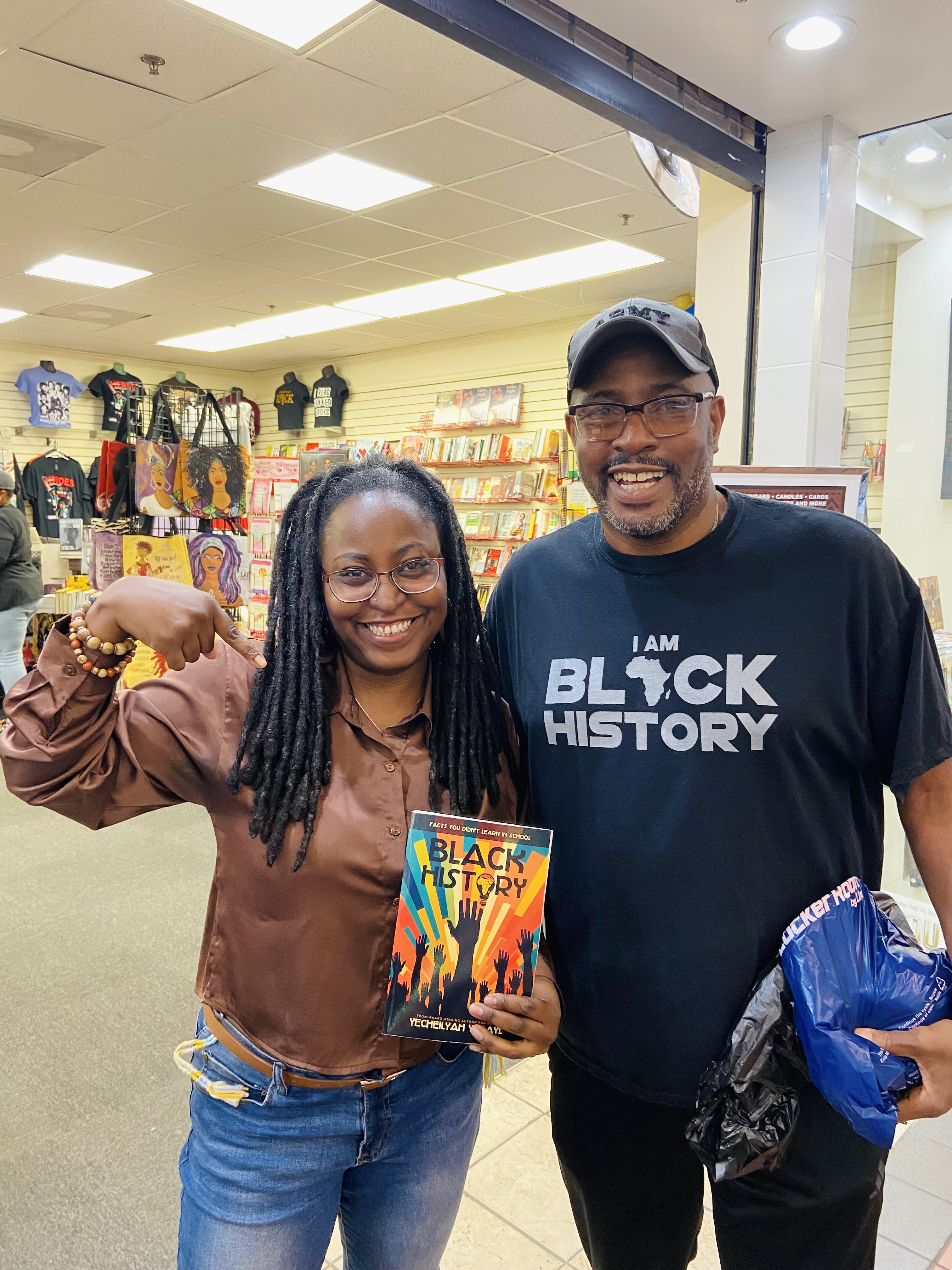
Most recently, we also celebrated the first anniversary of releasing my first nonfiction history book, Black History Facts You Didn’t Learn in School, which came out on February 24, 2024. For those of you who know, I usually write historical fiction, so this was my first time doing nonfiction.
This first year has been a blessing, and the support has been monumental. So far, we’ve been placed in four bookstores and one school and have sold hundreds of copies.
Book Signing and Meet and Greet | 2/8/25 | Medu Bookstore, Greenbriar Mall, Atlanta
For reference, I am a self-published, independent author without a massive crew behind me. I am not affiliated with any huge publishing firms or financed by any organization. Indie authors work hard but receive only a fraction of the visibility that a major publisher would provide. Thus, seeing our hard work pay off is extremely special.
I am drafting a separate post detailing the three things I did that set this book apart, which I will post later.
Before I tell you the other thing, let me refill your cup. There you go.
Another thing you should know is that today, just a few days after our bookversary, Tabitha Brown reposted a Black History video I did some weeks ago on the Safe Bus Company. Instagram and Facebook are going bananas, chile.
As a reserved and introverted person, this is a lot. However, I am humbled and thankful for the opportunity to reach many new people who are passionate about restoring the Black Historical Truth.
Finally, I have packed my bags and jumped on the Substack bandwagon. However, what I am sharing over there is a bit different. I want to lean more into my story and build deeper connections this year.
I have decided to start with what it’s like living with a steel plate in my thigh. Below is a description of my publication series and a link to follow me if you want to learn more.
Thanks so much for spending this time with me! You can leave your cup on the table. I’ll get that. Don’t forget that your shoes are by the door and your coat is hanging up in the closet!
Substack Info:
I Wasn’t Built to Break
“I Wasn’t Built to Break” is an intimate, behind-the-scenes journey into life with a steel plate inside my body. This series takes you through the pivotal moments that shaped me—from my early upbringing to the life-altering accident that nearly took everything when I was hit by a car. With raw honesty, I share the physical and emotional battles of recovery and what it truly means to rebuild a life that was almost lost.
Subscribe to read my articles! The first one is free and available now.
I know it’s been a while since we last spoke. Here, let me get your coat.
Shake the chill from your bones and leave the weight of the world at the door.
Speaking of the door, there is a shoe rack next to you. Go ahead and remove your shoes. I have some footies you can slip into. I hope you like the color black.
I took the liberty of roasting the coffee beans with a whisper of cinnamon and French Vanilla cream. I hope that’s okay.
Sit. Let the loveseat cradle you. Relax yourself. You are home. I’ll open the curtains so the light can spill in on us.
Here’s your coffee. Let your hands wrap around the warmth of the mug, and the heat seep into your skin like an unspoken promise—exhale as long as you need.
The world outside can wait. Here, in this quiet space, there is no rush, no burden too heavy, only the sound of our voices, the comfort of shared silence, and the rich laughter of coffee poured into porcelain.
Let’s drink deep and savor the moment—just you, just me, just the steady rhythm of being.
Now that you have your mug and are snug like a bug in a rug, here’s what I’ve been up to lately…
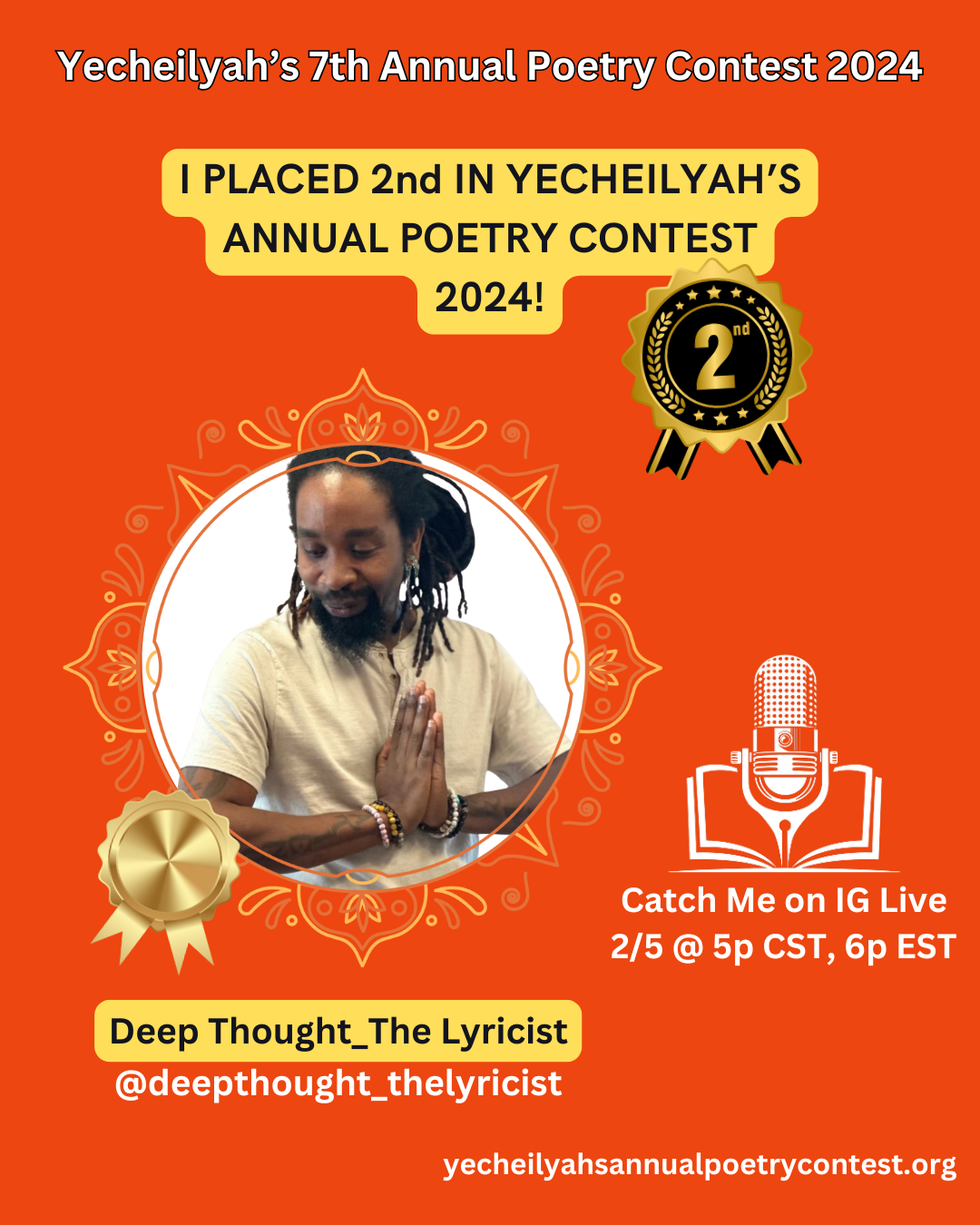
Today, we are spotlighting the winners of our 2024 poetry contest!
Next is Arsenio Sorrell, better known in these poetic streets as Deep Thought the Lyricist!
I met Deep on Clubhouse back when we were in these COVID trenches, and after hearing him speak, I followed him and some other dope poets on Instagram.
About the Lyricist:
Known on his social media as Deep Thought The Lyricist, Arsenio has a popular following for his work. He is the 2-time Floetry Poetry Sensual Slam Champion, Purple Poetry Slam, Improv Poetry “24 Hour Prompt” Slam Finalist, and now, YAPC Finalist. He has also won The 2024 Golden Poet Award’ for Poetic Excellence’, the ‘Resilience’ Award, and The 2024 Social Media Breakfast ‘Rising Star Award.
As you can see, Arsenio is a productive and passionate poet, hosting Sensational Saturday as a member of the Illbejacy Poetry Club.
His winning poem, Hope Moon and Joyful Skies, came in second place for its profound use of poetic technique and imagery. You can watch the replay of our interview right now on Instagram under @yecheilyah where he also recites his poem.
Learn More About Why We Call Him Deep Thought by Diving into his Work at the Links Below:









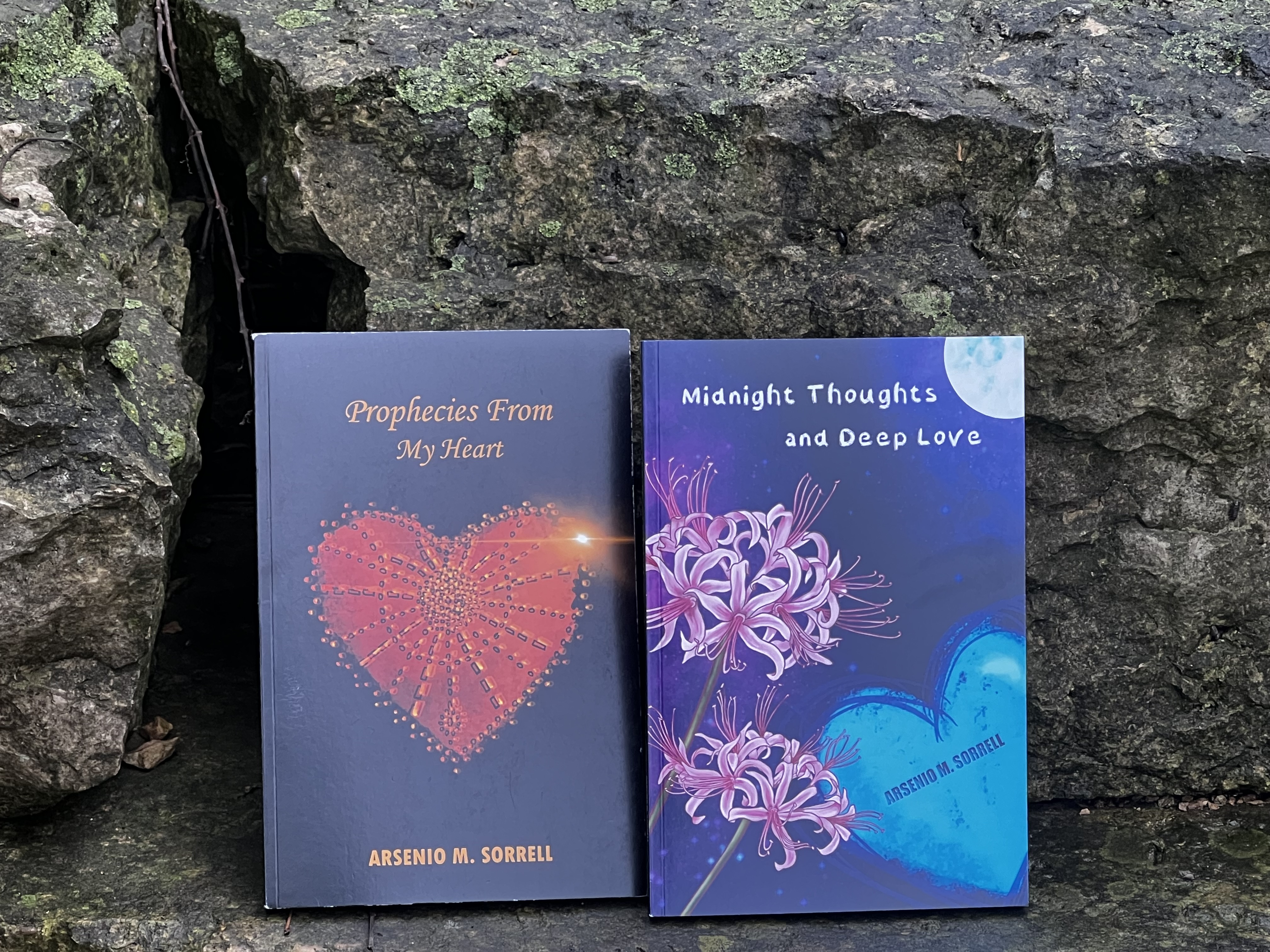

 The PBS Blog