
What’s your definition of truth? If someone walked up to you and asked, how would you define it? Why?”
Tag: quotes
The Innocence of Children
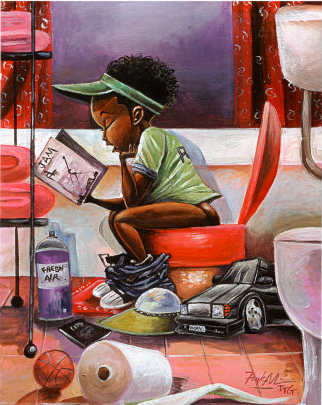 “Wish I could capture your laughter in a bottle, and breathe in its beauty when I’m out of breath.”
When Death Gives Birth to Humility

Have you ever felt guilty trying to console someone who has lost a loved one even though it’s not your fault? Like, why do we say we’re sorry in the first place? What have we ourselves done? We apologize because we’re sorry for their sadness, and also because somehow, their loss has humbled us:
“It is apparent, that death, it’s sting… produces a humility powerful enough to find itself a home even inside the heart of the one who holds the cup of “I’m sorry’s”
hoping our voice is somehow gloomy enough to produce the kind of sympathy that peels back the brick that found itself a place inside the gut of the bereaved.”
We Weaken Ourselves

“The only time anything possesses power over us is when we weaken ourselves.”
Deception
Definition: a lie that is made to look like the truth.
“They baptize themselves in tradition’s rebellion; intoxicated by the signs of the times.”
History vs. Truth

I would actually like to write more on this topic at a later date. But for now, enjoy this word:
“One is astonished in the study of history at the recurrence of the idea that evil must be forgotten, distorted, skimmed over. We must forget that George Washington was a slave owner….and simply remember the things we regard as credible and inspiring. The difficulty, of course, with this philosophy is that history loses its value as an incentive and example; it paints perfect men and noble nations, but it does not tell the truth.” – W.E.B. Dubois
Understanding the Revolution
“We must begin to understand that a revolution entails not only the willingness
to lay our lives on the firing line and get killed. In some ways, this is an easy
commitment to make. To die for the revolution is a one-shot deal; to live for the
revolution means taking on the more difficult commitment of changing our
day-to-day life patterns.
~Frances Beal
 The PBS Blog