

“I turn inside for motivation even on days where my hand grasps the emptiness of human concern.” – JC
Tag: wordpress
Ten Seconds to Stand
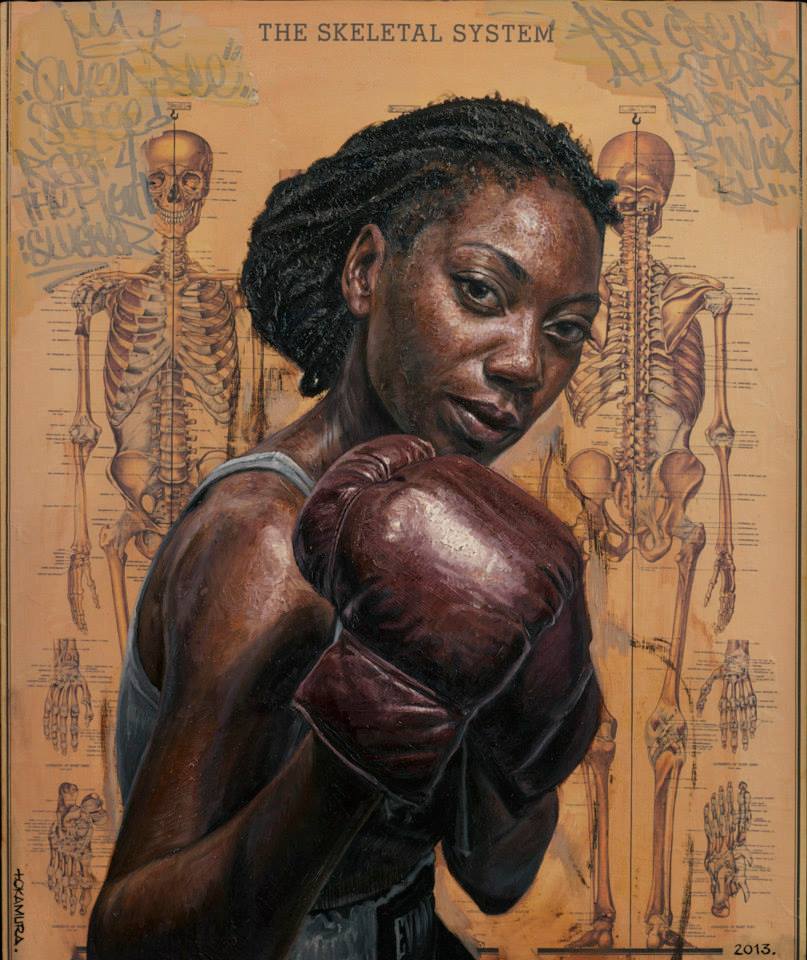
You stand an awkward 5’3, and barely 140lbs to this 10ft over 300 lb. monster of a circumstance. Your back is against the rope. Body leaning, and tumbling over an agonizing blow to the face, body, and jaw until finally you topple. Come crashing down a lifeless breath of humiliation and shame. Through bloody and blurred eyes you see the referee coming, a glint of mercy. Here comes the slow count. You have fallen down. You have been defeated. You have been humiliated and you’ve got 10 seconds to stand back on your feet. Yes, only 10. You have been knocked out cold by life and mercy isn’t as tall nor does he appear to be as strong as this circumstance, and yet here he is. This tiny stature of a man, who doesn’t seem to know the taste of the ground or the enticing sound of “Give Up” but he is here. Approaching your situation with iron style arms and a dove for a face. What will be your decision? There’s only ten seconds to make one. Will you stand?
Pen to Paper
![IMG_20150816_103407[1]](https://thepbsblog.com/wp-content/uploads/2015/08/img_20150816_1034071.jpg)
Recently, I’ve started handwriting again. After the wave of technology, which covered my writing like thick smoke, I’ve stopped for awhile. But I remember a time where I would write whole books in notebooks. Carrying them around like an extra limb, and holding pencil to pad close to my chest like a scarlet letter. Now that I’ve started drafting posts on paper again, I’ve noticed a slight boost in the creative juices, racing easily from my brain and spilling black ink on the page. I forgot how fun this was, scribbling my heart into tangible form, and counting words by hand. Makes me wonder about the difference between the written and typed word. Why do I feel more accomplished having written this down first? Even if but a sentence? I like this and I think I’ll make it a habit again. Alas! The rebirth of pen to paper.
Writing Tip — 34
The Courage to be Limitless

Movie Night Friday – Imitation of Life (1959)

For today’s segment of Movie Night Friday, where I present some of my favorite movies and why I love them, I present a special feature in honor of my upcoming book, which deals with the concept of racial passing.
In this 1959 classic, which originally comes from a book of the same name and is a remake of the 1934 version, a struggling young actress with a six-year-old daughter sets up housekeeping with a homeless black widow and her light-skinned eight-year-old daughter who rejects her mother by trying to pass for white.
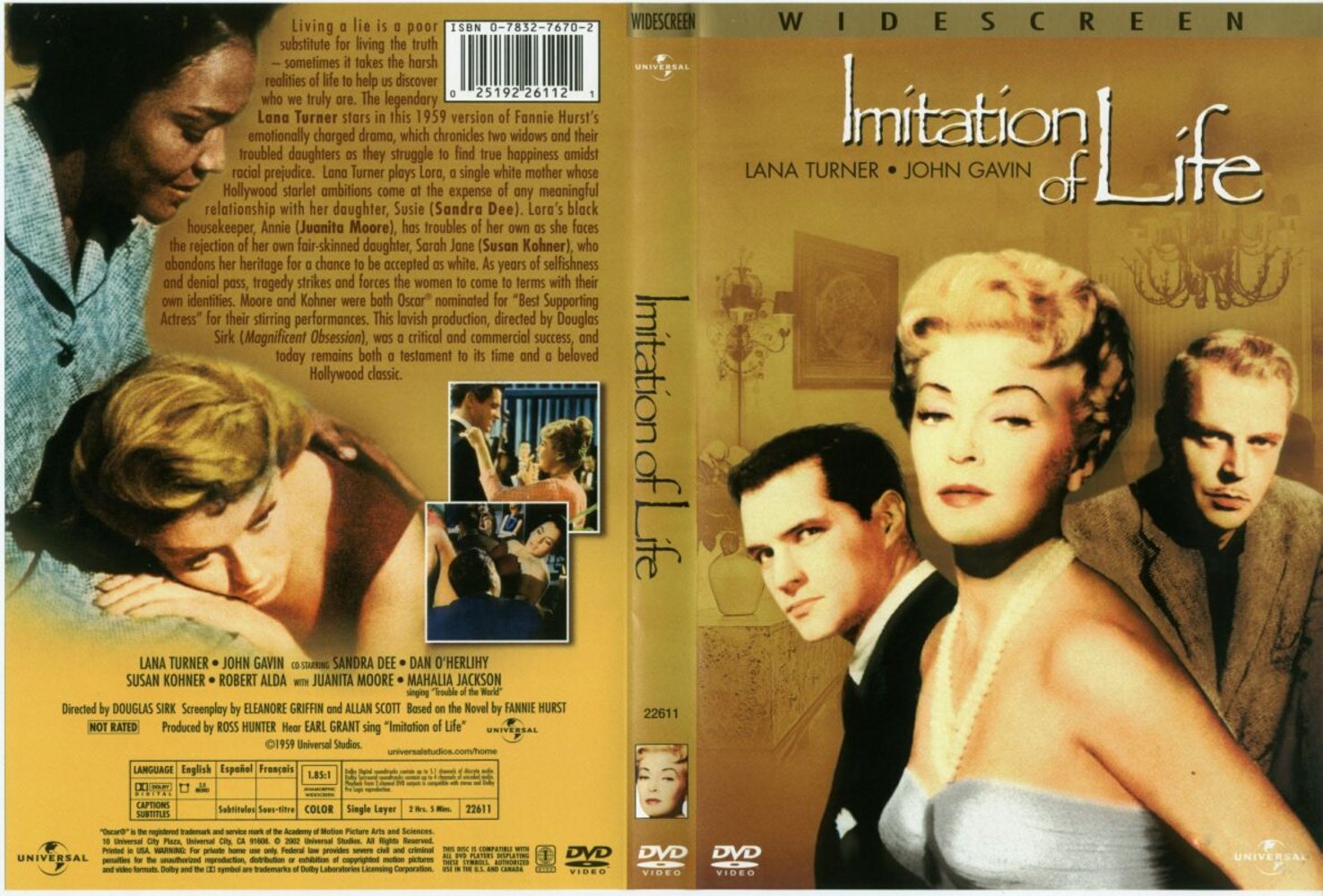 “Lora Meredith (Lana Turner) dreams of becoming a famous Broadway actress. Losing track of her young daughter Susie at the beach (portrayed as a child by Terry Burnham), she asks a stranger named Steve Archer (John Gavin) to help her find the girl. Susie is found and looked after by Annie Johnson (Juanita Moore), a black single mother who also has a daughter, Sarah Jane (portrayed as a child by Karin Dicker), who is about Susie’s age. Sarah Jane inherited her father’s fair skin and can pass for white. She does this with fierce zeal and fervor, taking advantage of her European heritage and features. In return for Annie’s kindness, Lora temporarily takes in Annie and her daughter. Annie persuades Lora to let her stay and look after the household, so that the widow can pursue an acting career.”
– Wikipedia
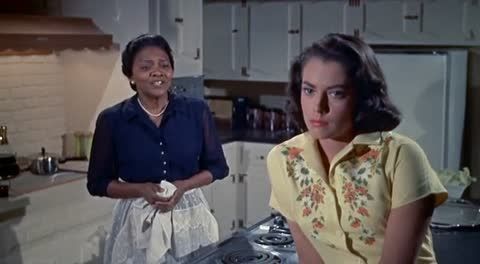
Though Imitation of Life was the fourth-most successful motion picture of 1959, grossing $6.4 million and Universal-International’s top-grossing film that year, there are mixed feelings among critics as to the social messages of the film in that time. Critic Molly Haskell once described ‘Imitation’s’ double-vision: “The black girl’s agonizing quest for her identity is not seen from her point of view as much as it is mockingly reflected in the fun house mirrors of the culture from which she is hopelessly alienated.”
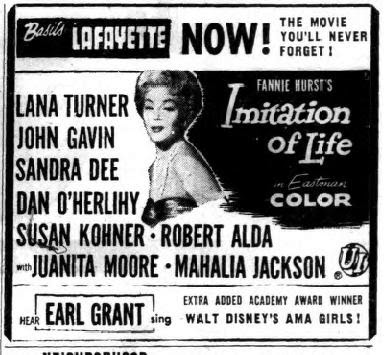
For me, I am about to watch it again, my first time in a long time, as study material. I am 28 years old in 2015, and as I cozy up on the sofa, pen, pad (and snacks) in hand, it is fascinating to ponder how those who lived in this time, black and white, saw the films message and how they viewed the influence of the film in the Jim Crow Era. What was America’s attempt in showing a movie like this? Was it to expose the practice of Passing as practiced by many African Americans of the time? Was it for a genuine concern of the many Americans of mixed ancestry and their search for identity? Was it, as many deem it, to further degrade the African American community? Or was it to seek change in the current societal perceptions of what it means to be black and what it means to be white in America?
Trailer:
From the Foundation of the World
We bask in decisions we have already made and dance in the reward of work we have already put in. My unborn children are dancing circles around my womb. I am pregnant with goals that will give birth to the life they will one day live. Does the life you live today prepare you for the future? Have you ever wondered what makes up your final destination? Considered that the decisions you make today will determine the outcome of your life tomorrow. Or, to go deeper, that the decisions you make today will determine the outcome of my tomorrow? I am someone you do not know and you are someone I have never met, and yet the result of our decisions may very well cling onto one another as if torn from one flesh. What is my reward for being respectful today? For being considerate, for being mindful, or for being innovative. Will this be credited back to me? Can I depend on someone to love me when I am old and incapable and if so, how did I solidify that future today? Will my offspring reap the benefits of my labor? What eternal existence have we created out of the dust life birthed us with from the foundation of the world? Will we gather the elements of success into our hands so that we may mold the outcome of someone else’s future? Or will we allow the rains to devour that final taste of hope as if relinquishing our breaths to the sky in place of Noah’s ark.
 The PBS Blog