People knew his father and what he had contributed to the movement. They still spoke Joseph’s name with a kind of reverence, as though saying it might conjure the courage of another time. His photograph—creased at the corners, and yellowed with time, hung in barbershops and church foyers, beside posters for fish fries and gospel concerts.
Every February, Joseph’s face reappeared on classroom walls, a reminder of marches and megaphones, of a generation that refused to bow. For the community, Joseph was history come to life.
For Michael, he was just Dad.
Michael and his friends walked past the bulletin board in the school hallway. There it was again: his father’s face, eyes sharp, mouth set like a promise. Michael paused, thinking about his first days at Lindbloom.
“Ey, Mike! Mike!” a classmate had called. “Yo man, so how is it being famous? What was it like?”
Today, he would tell the person to go to hell, but back then, he just shook his head, a small, polite refusal that spoke louder than words.
Michael kept walking, shoulders tight, mind elsewhere, like the chess match he had lost last night. If he had not been hungover, his opponent would not have stood a chance. He didn’t particularly enjoy the taste of liquor, but it got his mind off thinking about walking in a legend’s shadow.
Tanya carried the legacy easily, quoting speeches and smiling at cameras as if born for the stage. But Michael kept to the edges. He wanted to be noticed for his own quiet triumphs—for the way his mind worked over a chessboard, or how the basketball arced perfectly from his fingertips.
Instead, people only ever asked about “The Movement,” their eyes expectant, as if he held some sacred story he refused to tell.
His father’s name was everywhere, in every conversation, every display, every “remember when” retold by people who seemed to think history lived only in him. Not in Michael. Not in the quiet hours he spent imagining, planning, thinking. They acted like he was Martin Luther King’s son.
So what, his father took part in the Freedom Rides? What did that have to do with him? Michael didn’t care about no Barack Obama either. He wasn’t his Savior. He was just another politician. He swallowed hard, tasting the bitterness of being overlooked for the wrong reasons.
History had chosen him without asking, which is why he couldn’t admit to his friends or himself that he had a crush on a white girl.
Tanya McNair, dressed in her favorite navy-blue blouse, which bore a faint trace of glitter from the campaign rally a month ago, moved from group to group of the crowded apartment. Her living room was alive with chatter, laughter, and the occasional burst of applause from friends and neighbors whenever a commentator announced another state leaning toward Obama. Tanya looked fondly at the old TV set sitting on the floor beneath the big, flat-screen they were all watching.
The floor model television belonged to her grandmother, Sidney McNair—Mama Sidney to everyone who knew her. Uncle Eddy had bought it after great-grandma Judith passed, back when he and his sisters decided to remain in Chicago a while longer. That was also around the time her father, Joseph, disappeared into what he later called a revolution of self-discovery, also known as abandoning the family until he found himself.
The television had been there through it all.
It was the same set where great-grandma Judith—daughter of the great Solomon, son of the first Stella—watched the Black Panthers march down the street in their berets and rifles, demanding the freedom of Huey Newton.
The same screen that flickered quietly in the corner the day Aunt Karen’s boyfriend, Noah, stormed into their lives. Years later, she would name their first and only son after him.
For Tanya, it wasn’t just a piece of furniture but a sacred repository for memories, a portal to her family’s history.
Tanya frowned at the stacks of books on top of it, wondering if she was disrespecting her grandmother by using her TV as a table.
A cheer erupted from the room as the phone rang. Tanya’s heart raced as she ran to answer it without taking her eyes off the flatscreen. So far, Obama was winning.
“Sisss,” sang her little brother.
Tanya raised her eyebrows, “Are you drunk already, Mike?”
“Nah. I’m good. What’s the word?”
Tanya sighed, “Michael, you are not good. I can smell the Hennessy through the phone.”
Mike burst into laughter, and Tanya pulled the phone from her ear. That boy was gonna make her go deaf. “Where are you anyway?”
“I’m handling some business. Why, what’s good?”
“The business you were supposed to be handling is here. What happened to you helping me with the party?”
“The election party? You know I don’t get into alla that,” he said, slurring his words.
“Well, you need to get into it. History is being made. Have you talked with Dad?”
“History? Yea okay. Nah. I ain’t spoke to him today.”
“He was supposed to be coming over.”
“Coming over where?”
“Over here, to the apartment.”
“Not today, he ain’t. He told me he was working on the Malibu.”
“That beat-up old thing?” Tanya sighed. “And I thought you ain’t talk to him?”
“Look, pops don’t wanna hurt yo feelings, but you know the old man don’t vote.”
It didn’t make sense to her. Joseph McNair was born in 1945 and grew up in the ’60s at the height of the Civil Rights Movement. He had heard Dr. King speak, fought segregation with his friends through protest, and was even beaten for trying to integrate at a bus station during the Freedom Rides.
Finding out he really was a mixed Black man and not the white boy he grew up believing himself to be is a history lesson all its own.
And now, as the country waited with bated breath to see if the United States really would elect its first Black President, her father, the revolutionary of the family, didn’t participate in politics?
Joseph McNair was politics!
“Yo T, you there?”
Michael’s voice startled Tanya back to the present, her heart beating a million miles per minute as her guests sat on their hands, quietly waiting on the biggest announcement of their time, the walls echoing with hope.
As mentioned, I am reviving the Stella series with a fourth book! For those who have not read the first three books, I’ll share excerpts, nuggets, and tidbits as we prepare for the fourth installment. Today, we are refamiliarizing ourselves with some of the family. Enjoy!
Stella May
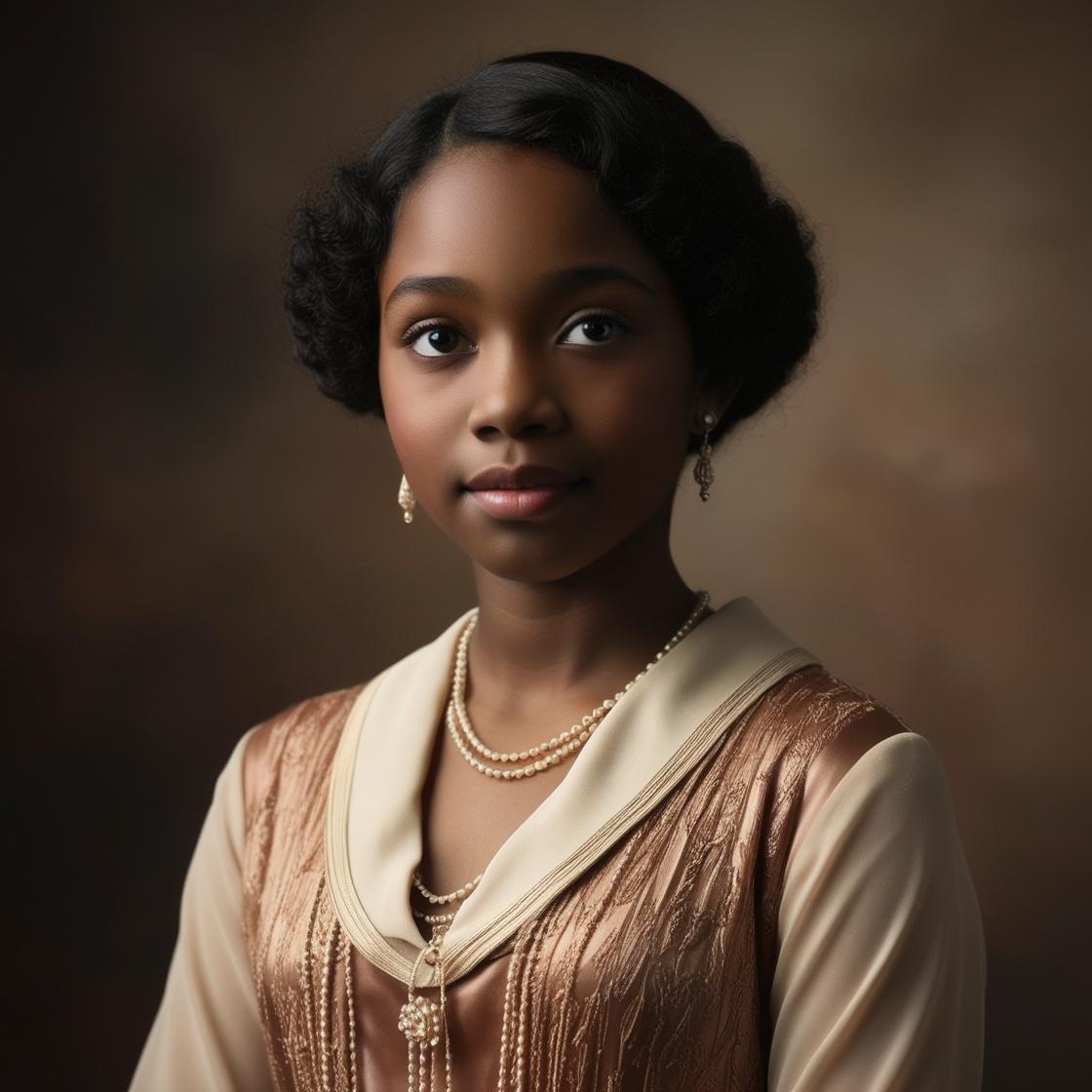
Born in 1845, Stella is the daughter of a Black woman named Deborah on Paul Saddler’s Plantation in Shreveport, Louisiana. From a young age, she can remember running through cotton fields and being loved by her family. To young Stella, life is simple and fun. She eats sweet cakes, plays with her friend Carla, and helps the grownups by carrying buckets of water to the field. Stella discovers she is a slave for the first time after Deborah’s unexplained death. Now, she learns the hard way the difference between slavery and freedom.
Solomon Curtis May
Solomon has no speaking roles, but his existence is essential for the family timeline. Solomon Curtis May is Stella’s only son, born in the fall of 1870 after she was sexually assaulted by the husband of her mistress. Solomon falls in love with a white woman and marries her after inheriting land outside Chicago. They have four girls: Deborah, named for his grandmother, Judith, Rebecca, and Sara.
Judith May
Solomon’s daughter Judith married a Black man and gave birth to a baby girl she named Stella after her grandmother. However, after enduring much teasing and discrimination for her mixed features, Judith’s daughter copes with this trauma by denying part of her ancestry. She changes her name from Stella to Sidney McNair and passes for white. After marrying a white man and having his children, Sidney lives her life on the other side of the color line.
Sidney McNair
Her aunt Sara influenced Sidney to pass for white and learn to enjoy her privileges. Sidney marries a wealthy white man named Clarence McNair, and they have four children: Edward, Karen, Joseph, and Glenda, whom they raise as white.
However, when she finally reveals the truth to her adult children in 1979, the shock of their real identity is a betrayal that stretches across generations.
Karen and Noah
Sidney’s daughter Karen McNair falls in love with a young Black man named Noah Daniels. He is a leading member of the Black Panther Party and thinks he’s dating a white girl. At this time, Karen also does not know that she is mixed race, although she has many more African American features than her siblings. The couple endures many trials because of their perceived interracial union. Together, they have a son, Noah Jr, who has a much more significant role as an adult in book four.
Edward McNair
Of all Sidney’s children, her sons are the most conflicted by their mother’s betrayal. Carrying many characteristics of his father, Clarence, Edward has not only lived his life as a white man but has also enjoyed the privileges of doing so and cannot come to grips with his new reality. In brief, Edward does not want to be Black, and his daughter, Cynthia, does not yet know about her true identity because of her father’s secrets.
However, although he appears to reject his heritage, something in Edward’s subconscious won’t allow him to completely forget it. We see this when he names his youngest son after his great-grandfather, Solomon.
Joseph McNair
Joseph is also conflicted about his mother’s decisions, but goes in another direction. Still under the illusion that he is just a white boy, he nevertheless feels sympathy for the plight of Blacks and fights for their freedom with his friends during the 1960s.
Unlike Edward, Joseph wishes he were Black. He grew up to marry a Black woman named Fae, and together, they have two children, a boy named Michael and a girl named Tanya.
Introducing Tanya and Michael…
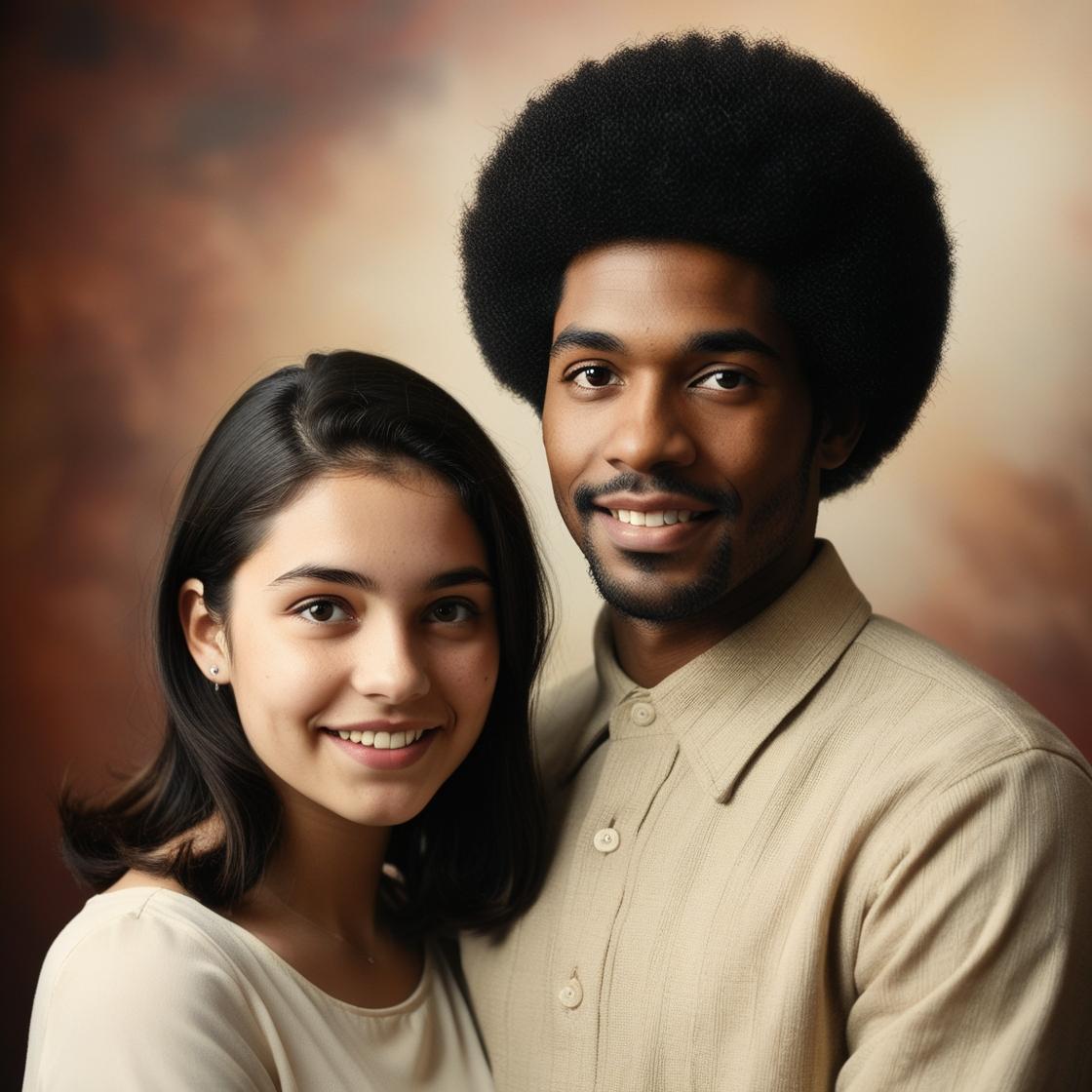
Born in the early 90s, Tanya and Michael are the children of Joseph and Fae and are young adults in the early 2000s. They face the challenge of defining themselves in a society shaped by their father’s choices and haunted by the truths Stella once fought to conceal.
In book three, they are small children, but in book four, they are young adults. In his part, we weave together the struggles of a new generation to find their voice, identity, and place in a world still wrestling with its past. The echoes of Stella’s decisions resound, reminding us that even as times change, the threads of heritage and truth remain unbroken.
If you have not read the series, I highly recommend it in preparation for the next part. (If you read these books from 2015 to 2016, you are advised to read the revised editions with the alternate ending!)
Like the others, it will be a historical fiction novella or short novel.
When Cynthia McNair’s grandmother overhears her and her boyfriend joking about Blacks in a derogatory way, she has a story. Born in 1845, Stella Mae was an enslaved woman on the Saddler Plantation in Shreveport, Louisiana. Forced to stay on the plantation after Emancipation, she endures much abuse and revelation. She eventually gives birth to an only son, whom she names Solomon Curtis Mae. Stella’s story takes place in book one, Between Slavery and Freedom.
Solomon was given land by the same enslaver who freed him and Stella. As a man, Solomon married a white woman, and they had four girls: Deborah, Rebecca, Judith, and Sara.
Solomon’s daughter Judith gave birth to a baby girl named after her grandmother because they looked so much alike. However, this Stella did not take pride in who she was and lived her life as a white woman and raised her children as white. We watch her struggle from delusion to acceptance during the Jim Crow era as she navigates being married to a racist white man who doesn’t even know his wife is Black. Stella has even changed her name to Sidney McNair. Her story takes place in the second book, Beyond the Colored Line.
Sidney McNair, formerly Stella, gave birth to four children: Edward, Karen, Jospeh, and Glenda. Edward is Cynthia’s father.
Because she raised them as white, Sidney’s children did not know about their African ancestry until 1979. The person most conflicted about this was Joseph, who felt sympathy for the plight of Blacks and fought for their freedom with his friends during the 1960s. His story takes place in the third book, The Road to Freedom. In book three, we learn that Joseph married a Black woman named Fae, and they had two children, Tanya and Micheal.
Joseph’s Children: Book Four in the Stella Series (WIP)
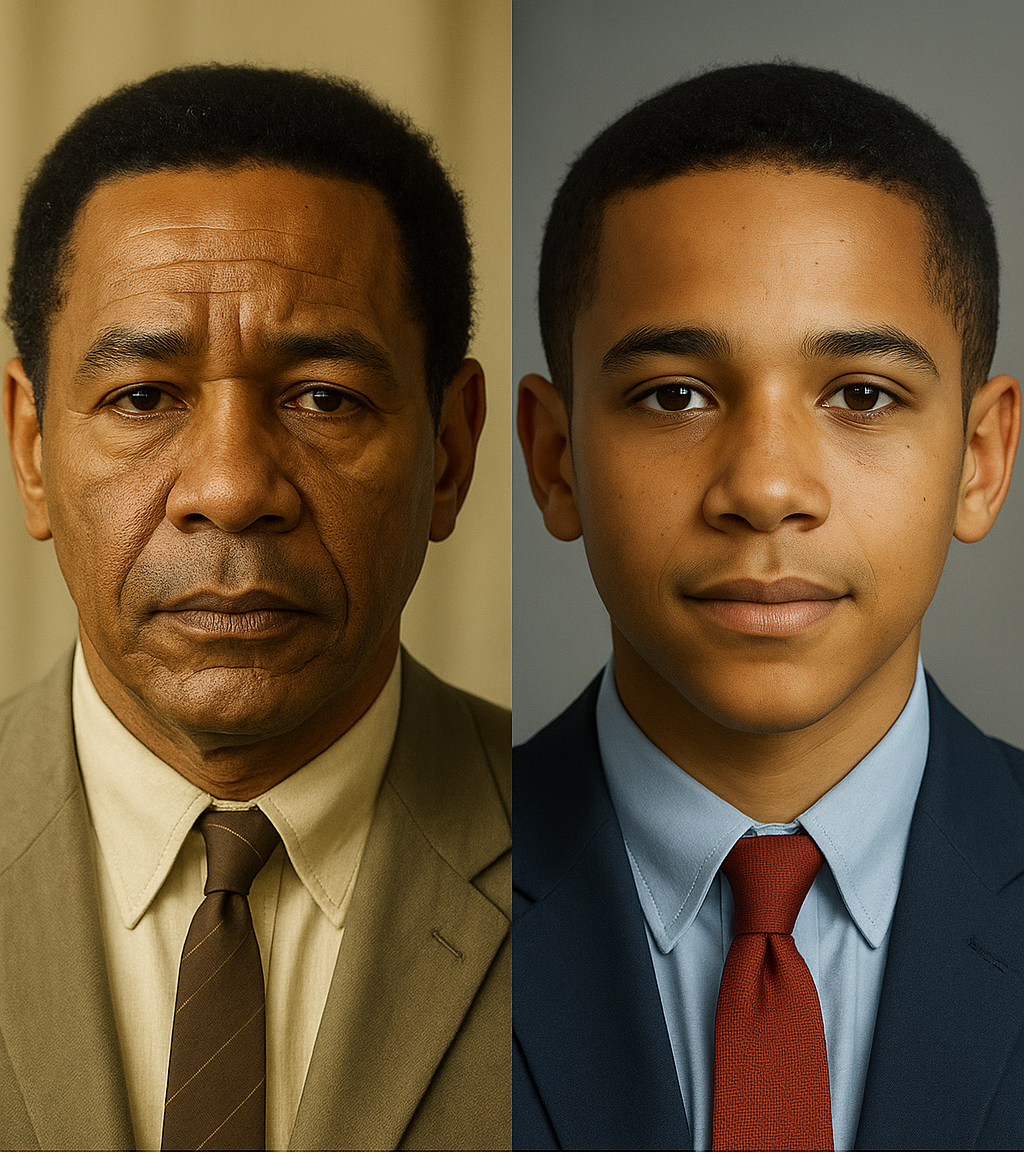
Book Four unfolds in 2008. Tanya is now eighteen, her confidence growing as she steps into adulthood with fire in her heart and ambition in her eyes. Her sixteen-year-old younger brother Michael wrestles with the same questions of identity and purpose that once drove their father to leave home in search of answers nearly half a century earlier.
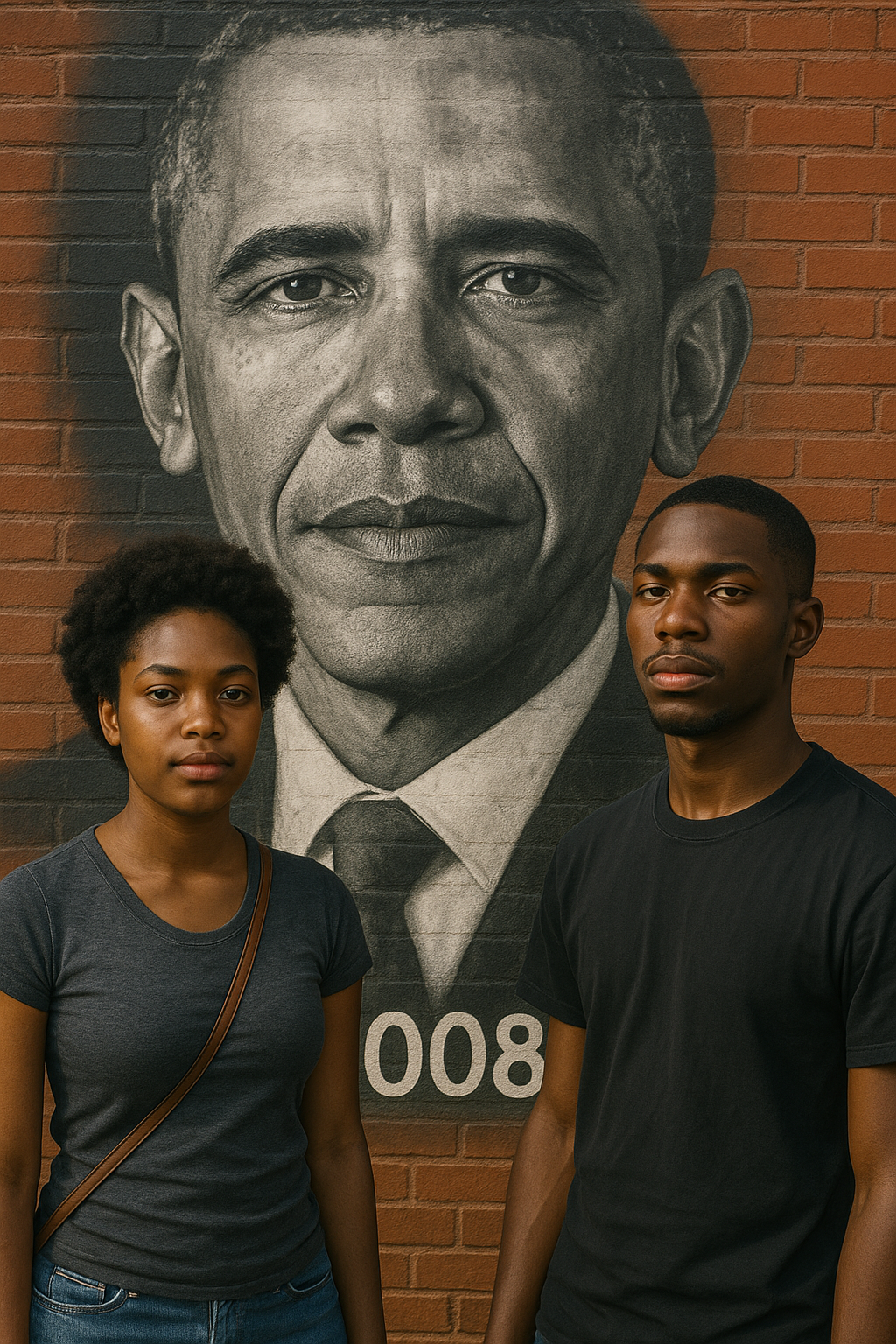
Against the backdrop of Barack Obama’s historic presidency, the heartbreak of Trayvon Martin’s murder, and the rise of Black Lives Matter, Joseph’s children navigate a new era. They face the challenge of defining themselves in a society shaped by their father’s choices and haunted by the truths Stella once fought to conceal.
The story weaves together the struggles of a new generation to find their voice, identity, and place in a world still wrestling with its past. The echoes of Stella’s decisions resound, reminding us that even as times change, the threads of heritage and truth remain unbroken, binding the present to the past.
If you’ve ever wondered what it’s like to be an addict, this short narrative will transport you there. From the weight of guilt to the hope of redemption, the author portrays a picture of addiction that will make you reconsider your feelings about addicts.
The story opens with Mariam sitting in a car outside her daughter’s school, watching with binoculars. She is not allowed to see Zora. She has lost access to such privilege.
As someone who grew up with an addicted mother, I understand what it’s like to be a daughter and not have your mother around, which doesn’t always mean she’s not present. For example, Zora refers to Mariam as Aunty, even though she is her mother. She does this because she does not know Mariam is her mother. It took me back to the first nine years of my life when I addressed my mother by her first name. What I appreciated, though, was how the author helped me grasp how it feels from the mother’s perspective. The author’s writing style is poetic, allowing for honesty and grace.
Call Me Mama helps us empathize with the human parts of those who fall prey to addiction, and I love that about good fiction. Don’t just tell me someone is a villain; show me why. How did this person get to this point? What made them the person they are? In addition, we so often see the monster and not the person being held hostage in their bodies, a prison for their unhealed trauma.
“She wanted to beg, plead for another chance, promise that this time would be different. But the words died in her throat, strangled by the shame that had become her constant companion.”
Then, there is Mary-Joanna, a constant temptation. “Come on, let’s get out of here, have some real fun,” she says as they sit in the basement of a church. Her words are like a trigger that sends Mariam’s heart beating against her ribs until she no longer hears anything the speaker is saying, only the promise of relief from the dungeon of darkness she’s found herself in.
But, it is Zora who is the real salvation of Mariam’s story. The innocence of a child and the unconditional love Zora wrap around her mother’s neck offers Mariam the hope she desperately needs. Will she take it?
To have your book reviewed on this blog, apply here!
Stay tuned for our next dope read!
Yecheilyah’s Book Reviews is a reputable review service that features writers from all over the world, both traditionally and independently published. We are listed on Kindlepreneur as a top-tier book review blog and Reedsy as one of their vetted active book blogs that provide insightful, excellent book reviews.
“I give a holler to my sisters on welfare Tupac cares, if don’t nobody else care”
You know, it’s funny when it rains it pours They got money for wars, but can’t feed the poor.”
-Tupac, Keep Ya Head Up
Even though life tried to take me out in a toilet, I got here healthy, drug-free, and a head full of hair.
After two weeks in the hospital, Mama was allowed to take me home, if that’s what you wanna call it. Our building had been built in the 60s, but it wasn’t much of a building by the late 80s and into the early 90s.
Rats and roaches plagued our apartments, and the housing authorities couldn’t care less. Brand-new babies like me were brought home to nothing but drug dealers and addicts, children sprawled about like clothes somebody left on the floor and forgot to wash, so it wasn’t no surprise when The White Lady came.
That’s what people said when the social workers came to inspect the low-income apartments, “The White Lady.” They ain’t never have a name.
The woman stood in the kitchen, talking to Mama, and looking around our place with distaste. She gazed at the Crisco on top of the stove, as well as the dish rack, which was piled high with plates, bowls, cups, and cutlery. It wasn’t cute, but it was clean.
Her gaze moved to my brother and me, who were playing on the thick blanket on the floor we called a pallet. Well, he was playing, and I was doing whatever it was babies do.
My Uncle Rome hid in the closet next to the bathroom cause he wasn’t on the lease. Black women weren’t allowed to have a man in the house in those days if they wanted to get the Welfare. We also had to hide the new toaster, dish rack, and telephone so they wouldn’t take away any money.
“Mrs. House, your son is developing slowly for his age…”
The short, green-eyed blonde balanced a clipboard in her arms and scratched her nose with the tip of her writing pen. The hoop ring in her right nostril and the sunflower tattoo on her exposed arm caught my Uncle Jerome’s eye.
My favorite uncle and unofficial babysitter, we called my mother’s little brother Rome for short. He thought he was Romeo to every woman’s Juliet. His dark chocolate skin tone and thick lips drove them crazy. Mama said if he took the time to read Romeo and Juliet’s story, he might want to be somebody else.
“Ain’t nothing romantic about no Romeo and Juliet,” she’d lecture him when he bragged about his latest escapades.
“Why is that?”
“They both died fool.”
Uncle Rome said he wasn’t into white women like that, but this one was “sho-nuff fine.” Unk was lying. He loved him some white women. He just wanted to know why she was so young and how long she’d been working with social services to where she could take his sister’s kids.
“…and your 2-month-old is malnourished,” said the White Lady.
“It’s Miss House,” said Mama, taking a drag of her cigarette, inhaling smoke, and blowing it out of her nose. “Since you know so damn much.”
Uncle Rome did one of those fake coughs you do to cover up a laugh.
The lady ignored my mother. “Miss House, have you been using the Food Stamps?”
Unk said Mama frowned, “Yes, I use my stamps. Fuck I look like not to use Food Stamps?”
“I just wanna make sure you didn’t sell them, is all,” said the white lady.
“Oh, so you my judge now? I look incompetent to you?”
See, that’s what I loved about Mama. Yeah, she was a heroin addict, but she wasn’t no fool. A wordsmith with a mouth like a two-edged sword, she’ll curse you out every which way but loose and diversify her vocabulary while at it so you can know she’s cursing because she wants to, not because she doesn’t have the words to say what’s on her mind.
Mama used to write poems and stories before she got pregnant with Aaron. She also went to school to do hair. There wasn’t nothing my Mama couldn’t do. I wished she would get back to her art. Maybe that would help keep her away from the drugs.
“Look, are you done? Cause, as you can see, I have kids to look after.”
The woman scanned the apartment once more, frowning at a roach crawling on the wall. “Let’s just hope you are taking care of these children. This is your final warning, Miss House. If I have to come back here again…”
“Yeah, I know,” interrupted Mama, blowing out more smoke. “Are we done?”
The woman nodded, “We are.”
As she walked toward the door, she stopped to look once more at us and then back at my mother. “Probably not a good idea for you to smoke in front of the children.”
Mama rolled her eyes, dropped the cigarette on the floor, stomped it with her foot, and waved the woman off.
According to my uncle’s story, the woman left us alone after that. But, in my fifth month, someone new came to visit, and I was taken away from Mama and placed in foster care, where I would stay for the next five years.
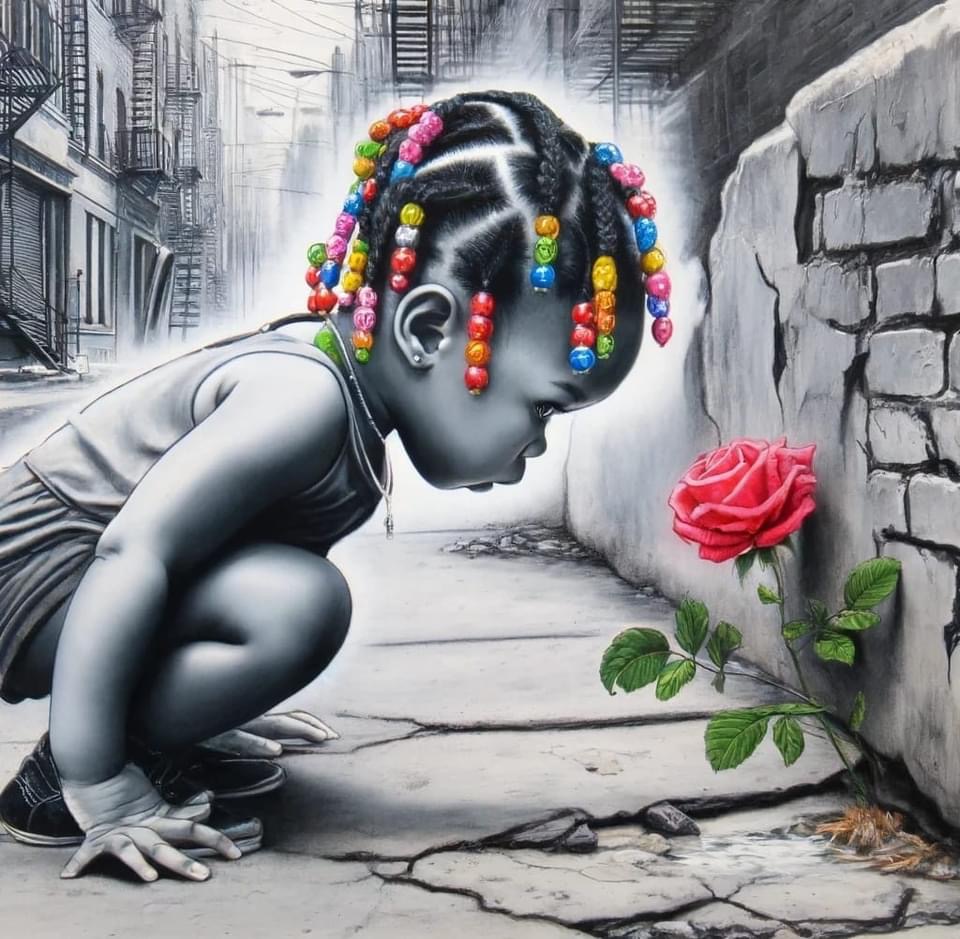
“Did you hear about the rose that grew from a crack in the concrete? It learned to walk without having feet. Funny, it seems, but by keeping its dreams, it learned to breathe fresh air. Long live the rose that grew from concrete when no one else cared.”
– Tupac Amaru Shakur
I was almost born in the toilet.
My brother, Aaron, had just turned two, and Mama was only five months pregnant when Theresa (we call her Reese) caught her shooting up in the bathroom. That’s when she felt my head. “I think I feel my baby,” she slurred.
People around my way love to quote Tupac’s Rose That Grew from Concrete, but they don’t really know what it means. They don’t know nothing about coming up from the hardest part of the earth, snuggled between nothing but weeds, dirt, and the butts of cigarettes.
Then, the sun is so hot sometimes, the poor flowers (that are not really flowers cause they ain’t get the nutrients they need) just wither up and die. That’s what we really fight against here in these slums, in this place they want us to call home, but it ain’t never feel like it. Never felt like a hug or Big Mama’s greens.
That’s how the bathroom was almost my birthplace. Right there at 4840 South State Street, apartment 602. I feel sorry for Reese having to see her auntie slumped over like that and her own mother high as a kite in the other room. How is somebody supposed to get ready for school in this mess?
Reese was strong, though. She banged her fist against the door real hard like the police when they raided the sniper apartments. What is a sniper apartment? It’s just what it says: Empty flats on the top floors drug dealers used to shoot their enemies down below, like snipers on the battlefield.
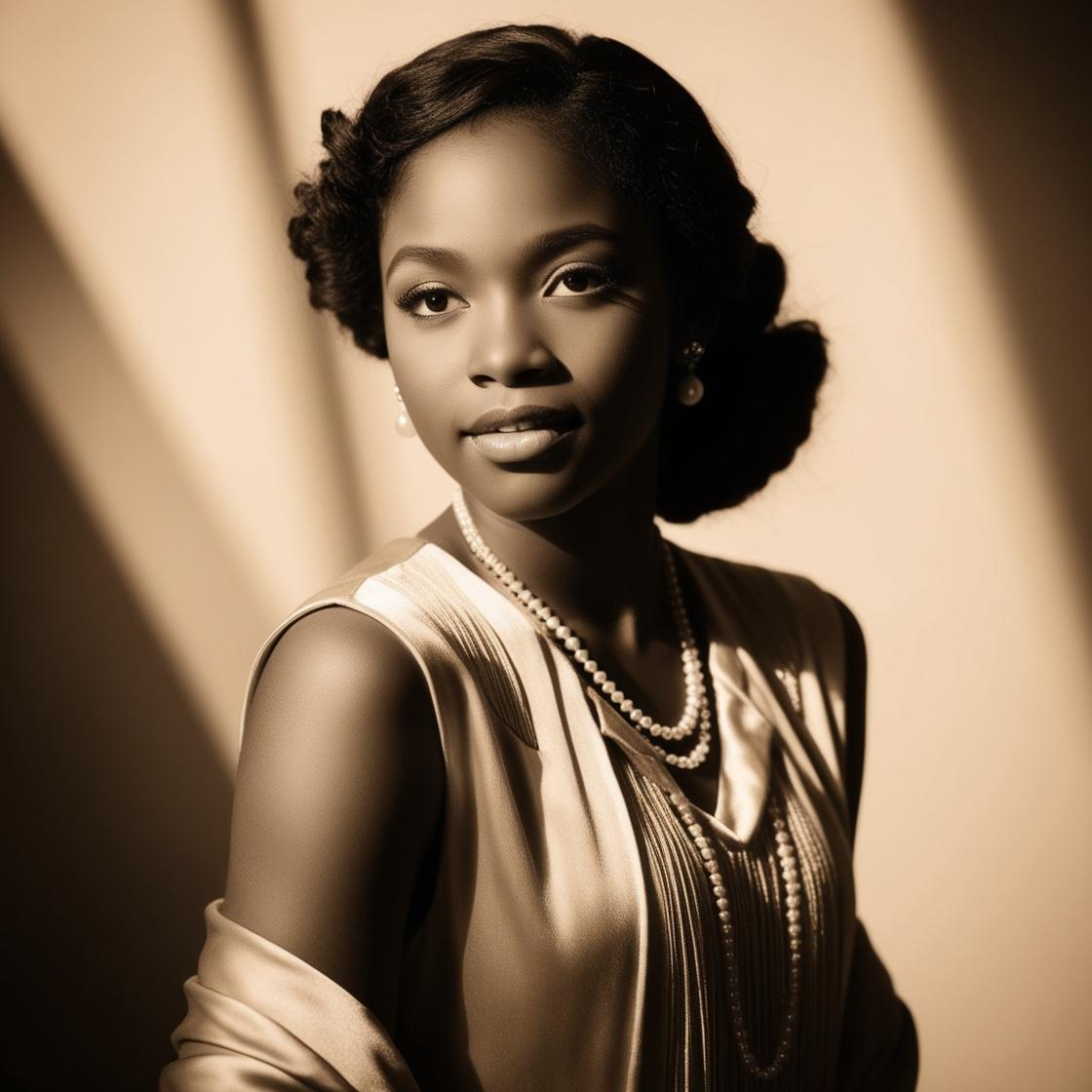
Photo Cred: Williams Humbles
“Aunt Helen! Auntie, I gotta get ready for school!”
Frustrated, my mother, belly hanging over blue jeans now too small to zip up all the way and a dingy white t-shirt, finally opened the door.
“Come on, girl, shit,” she said, pointing to the tub. “Hurry up,” she rushed as Reese undressed and ran the water.
Mama sat back on the toilet and wrapped the belt tight around her forearm, a burned spoon dangling on the edge of the sink like it was supposed to be there. Like it was a toothbrush waiting to be used. Reese said she remembers praying Aunt Helen wouldn’t ask her to help tie her off like the other times.
“Close that curtain. Hurry up!”
After Mama said she could feel my head, Reese ran out of the bathroom, butt naked, and into her mother’s room. Dazed from her own high, Auntie Lorraine jumped up nevertheless. She knew her sister was pregnant and hurried to the bathroom, except she didn’t use her fist like her daughter. Auntie Lorraine, big-boned and shaped like Sara Baartman, used the back of her foot, slamming it against the door.
“Helen!” she screamed, but Mama wasn’t opening the door, so Auntie Lorraine had to kick it in, the needle falling from my mother’s long, skinny fingers like a witness eager to expose her secrets.
And as they say, the rest is history.
My name is Rosalind House, but everybody calls me Rose for short. I was born two months later, on June 21, 1987, premature and weighing a whopping 3 lbs and screaming at the top of my lungs. They say that’s why my voice is so high-pitched and sweet. They say it’s like something the Lord made. Say, I’m gone use it to shout my way out of this place.
And I did.
Let me tell you how it happened.
I missed writing fiction, so I started a new story!
I am calling it Concrete Rose (for now). I’ll be sharing the first few chapters based on response, so if you wanna read more, let me know! 🙂
















 The PBS Blog