Black History Fun Fact Friday – Jazz

Welcome back to another episode of Black History Fun Fact Friday.

So, I wanted to present  music in general for you this morning. But the African American contribution to music is too far reaching to cover ever genre in one post. Black people have had influence on almost every kind of music there is, for example: Born in the South, the blues is an African American-derived music form that highlighted the pain of lost love and injustice and gave expression to the victory of outlasting a broken heart and facing down adversity. The blues evolved from hymns, and work songs.

Blues is the foundation of jazz as well as the prime source of rhythm and blues, rock ‘n’ roll, and country music.

JAZZ

Duke Ellington: Master Composer

duke ellington 2

“One of the most significant figures in music history, Edward Kennedy “Duke” Ellington was born on April 29, 1899, in Washington, D.C. He began studying the piano at the age of seven. He started playing jazz as a teenager, and moved to New York City to become a bandleader. As a pianist, composer, and bandleader, Ellington was one of the creators of the big band sound, which fueled the “swing” era. He continued leading and composing for his jazz orchestra until his death in 1974. “Ellington plays the piano, but his real instrument is his band. Each member of his band is to him a distinctive tone color and set of emotions, which he mixes with others equally distinctive to produce a third thing, which I like to call the ‘Ellington Effect.'”

—Billy Strayhorn, composer and arranger

1900s
New Orleans: The Melting Pot of Sound

BlobServer

“New Orleans had a great tradition of celebration. Opera, military marching bands, folk music, the blues, ragtime, echoes of traditional African drumming, and all of the dance styles that went with this music could be heard and seen throughout the city. When all of these kinds of music blended into one, jazz was born.” —Wynton Marsalis

1901
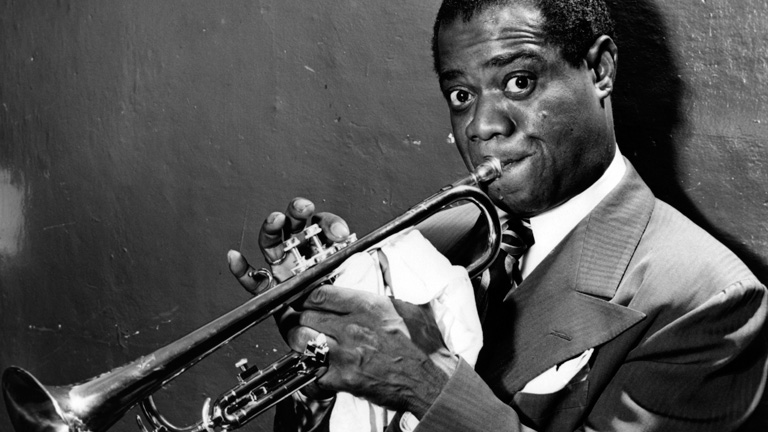
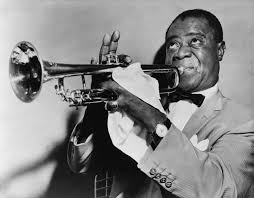
Louis Armstrong is born: The Jazz Original
1000509261001_1873572312001_Louis-Armstrong-BIO-Radio

“Through his clear, warm sound, unbelievable sense of swing, perfect grasp of harmony, and supremely intelligent and melodic improvisations, he taught us all to play jazz.” —Wynton Marsalis
Louis Armstrong was one of the most influential artists in the history of music. Born in New Orleans, Louisiana, on August 4, 1901, he began playing the cornet at the age of 13. Armstrong perfected the improvised jazz solo as we know it. Before Armstrong, Dixieland was the style of jazz that everyone was playing. This was a style that featured collective improvisation where everyone soloed at once. Armstrong developed the idea of musicians playing during breaks that expanded into musicians playing individual solos. This became the norm. Affectionately known as “Pops” and “Satchmo,” Louis was loved and admired throughout the world. He died in New York City on July 6, 1971.  – Louis Armstrong House Museum

Dizzy Gillespie: A Jazz Visionary

18001-2

“The first time you hear Dizzy Gillespie play the trumpet, you may think that the tape was recorded at the wrong speed. He played so high, so fast, so correctly.” —Wynton Marsalis
Trumpeter, bandleader, and composer John Birks “Dizzy” Gillespie was born on October 21, 1917, in Cheraw, South Carolina. He got his first music lesson from his father and took off from there. He moved to New York City in 1937 and met musicians such as Thelonious Monk and Charlie Parker. Together they experimented with jazz and came up with the bebop sound. Dizzy also helped to introduce Latin American rhythms to modern jazz through his collaborations with artists such as Machito and Chano Pozo. His bold trumpet playing, unique style of improvisation, and inspired teachings had a major influence, not only on other trumpet players, but on all jazz musicians in the years to come. He died in Englewood, New Jersey, on January 6, 1993.

– Dizzy Gillespie Biography

1940s
Bebop: The Summit of Sound
“If you really understand the meaning of bebop, you understand the meaning of freedom.” —Thelonious Monk, pianist and composer
In the early 1940s, jazz musicians were looking for new directions to explore. A new style of jazz was born, called bebop, had fast tempos, intricate melodies, and complex harmonies. Bebop was considered jazz for intellectuals. No longer were there huge big bands, but smaller groups that did not play for dancing audiences but for listening audiences.

1950s
Latin and Afro-Cuban Jazz: Beyond the Borders

recto

“Afro-Cuban jazz celebrates a collective musical history. Through its percussive beat, it unites ragtime, blues, swing, and the various grooves of Cuban music. It proclaims our shared musical heritage.” —Wynton Marsalis

The combination of African, Spanish, and native cultures in Latin America created a unique body of music and dance. Jazz musicians from Jelly Roll Morton to Duke Ellington to Dizzy Gillespie combined their music with this Latin sound to create a powerful blend. In the 1940s and 50s, when musicians from Cuba began to play with jazz musicians in New York, the circle was complete. Gillespie and Chano Pozo, a Cuban musician, created a new form of Latin jazz called CuBop.

*****************************

And that’s it for today’s segment of Black History Fun Facts. February is over and done but the fun never stops. To mark our 10th Fun Fact Week, I am introducing a new Fun Fact Badge. I will be using it to represent Black History Fun Facts for now on:
blackhistorymonthBe sure to check out last weeks Episode below, in case you missed it:
Week #9: Inventors

Today’s Rap Music

blackstar-vinyl-LP

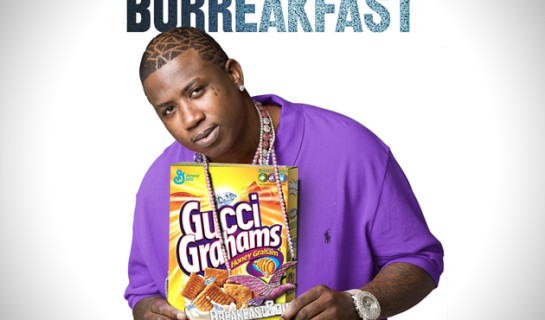
Today’s rap music (actually today’s music in general) is nothing short of sad. You used to rewind the lyrics of Talib Kweli, Mos Def, Common, The Roots, A Tribe Called Quest etc., because you actually learned something. But now you have to rewind lyrics to convince yourself you really did hear what you wish you didn’t. Take Iggy Azalea for example, who ain’t seen one inch of anybody’s hood. She does not talk like that in real life people, is obviously racists and a mockery toward black people, but yall are all over her. Are we so blind?

Gucci_Mane_Young_Thug_Young_Thugga_Mane_La_Flare-front-large

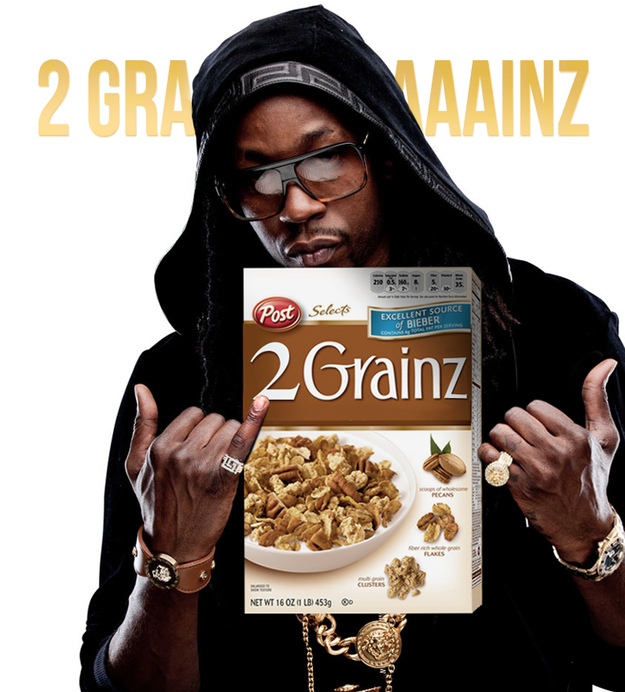
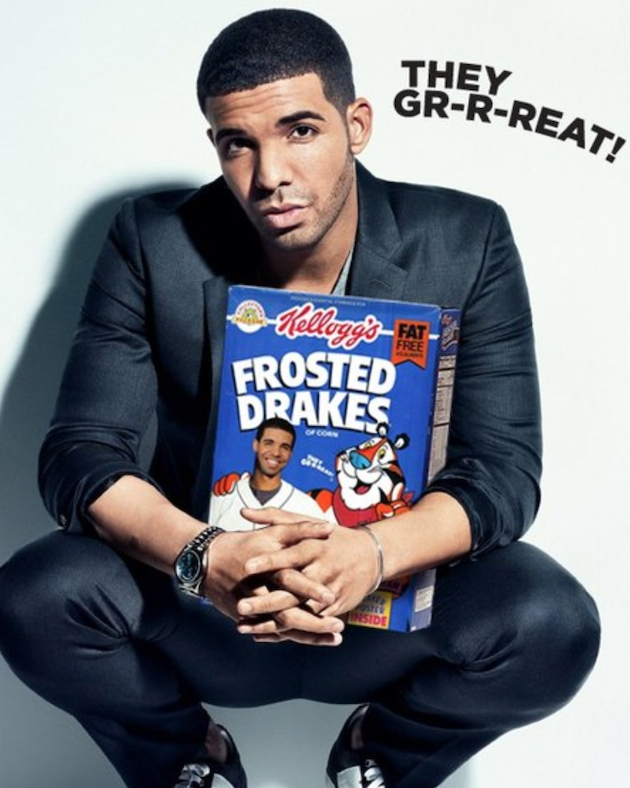
I remember being about eleven years old and joking with my cousins. One of the silliest said they can make a song of anything, that they could make a song about water. And as they hummed their made-up lyrics we laughed about it, our innocence sparing no expense on the buffoonery of our cousin’s song. But today it is no longer funny. It is no longer funny because our joke has made manifest itself in the ears of our children. Our jokes have exalted itself over the years and have actually made it inside the rooms of record companies where young men and women do away with logic because it does not pay the bills; where they do away with the positive influence of having achieved something of value, of substance. A place where the Lil Wayne’s do not talk about their college degrees and the Rick Ross’s do not boast of their life as Criminal Justice officers because this does not pay in money and in power like half dressed women and drugs and diamonds bigger than your head. So, somewhere between Young Thug, K Camp and World Star Hip Hop our children are left with garbage. A hodgepodge of people who never grew up in the hood but the hood is all they rap about. But someone’s son is struggling to eat because his mother is addicted to the same crack he pledges to distribute as soon as his voice is deep enough. Can you blame him? After all, it’s fast, it’s easy, and it is all his role model talks about. A woman’s son, who probably seen more drugs and guns in his six years of life than any of his favorite 106 N Park Rap stars.But this is the music he listens to.

I just hope poetry don’t get this bad, where yall start trading your virginity for a tight lyric and hot beat. Metaphors and similes come a dime a dozen so don’t get caught up in what just sounds good. But make sure you are actually talking about something that makes sense. That you’re giving life to life so that you are truly a deliverer, and not just a tool.

Spoken Word

What is Spoken Word?

b0135rww

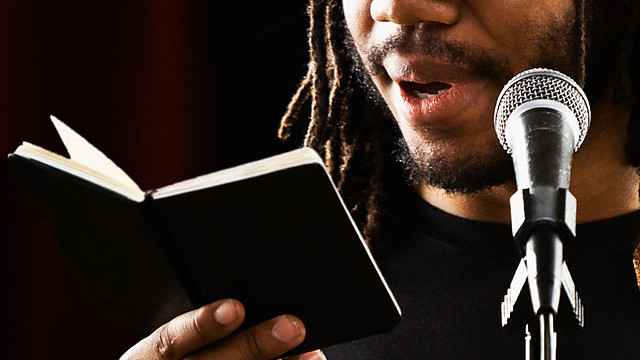
Spoken Word is an oral art form; performance-based poetry that is focused on the aesthetics of word play and story-telling. However, there are aspects of the artistry that indicate it is, indeed, spoken word without the necessity of it being poetry. While Spoken Word Poetry is the foundation of what we think of when we hear the words, Spoken Word can also be any form of speech that tends to focus on the performance of the words themselves, the dynamics of tone, gestures, facial expressions, and more. Poetic components such as rhyme, repetition, slang, improvisation, and many more elements of poetry can be interwoven to create an atmosphere the audience can experience—even in the case it is not organized poetry.

Speeches, Plays, Lectures

e1e494cda4cd955039b9fc58001e88bb.1000x680x1

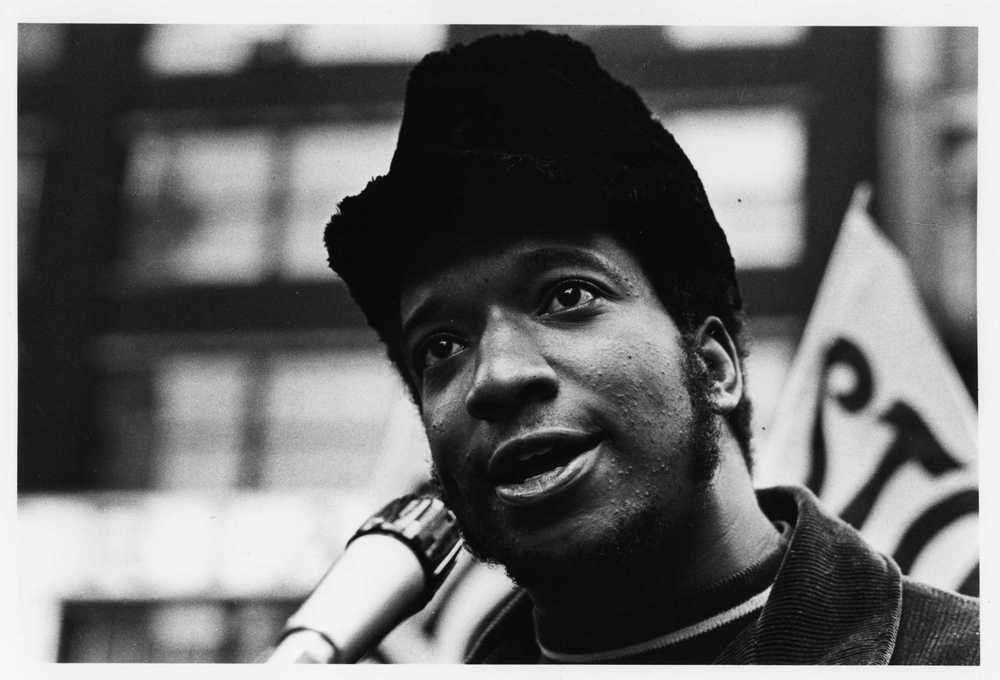
There are many styles of the Spoken Word. One style is based on recorded, public and published works (IE. plays, speeches, e.g.), which many people don’t usually associate with spoken word. But many movements have used this form of speech to intellectually enlighten its listeners, and to prompt a sort of consciousness among those who would otherwise not listen when they’re spoken in the ordinary process of verbal conversation. From brothers like Huey Newton and Fred Hampton and even down to the great Israelite prophet Moses from whom they descend, speeches of such sorts have proven to be very influential in our history. It is because the messiah used parables that many of us are able to understand the wisdom that projected from his lips. Truthfully, how many of you would have understood faith to the extent of understanding, had he not so eloquently compared its strength to that of a mustard seed? Thus Public Speeches in general can constitute a kind of Spoken Word depending on the kind of emotion involved, disassociating it from that of normal speech and landing it right here in the definition of an art form.

Audience Participation

mouth mic

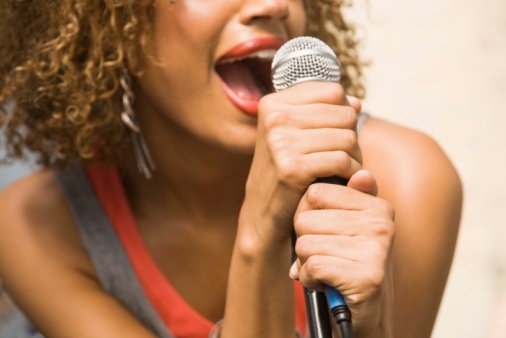
The most popular style of Spoken Word  is what I like to call Audience Participation, as it involves reciting or improvisation of poetry and commentary performed in front of a live audience (to include blogging!). It is more of a prose or stream of consciousness that includes monologues, poems, stories, speeches, and rap. Yes, rap. I know many of you would not like to include hip hop. Many feel it is a less sophisticated avenue to which many “blacks” seek to degrade themselves. Surely, they say, one can find a better career than to pursue…rap. Yet, rap too, (though today’s music sounds like a form of remixed slavery, but that’s a discussion for a different day), is still an art form, an extension of poetry, and part of the Spoken Word community.

The Vision

Glasses-Clear-Vision

There are two very important elements of Spoken Word I believe an artist must have, and one of them is a vision. The artist vision is his mission. It is that thing he wishes to ultimately achieve with his words. It is the reality of the perception to which his words are projected. It is the act or power of sensing with the eyes in the metaphorical sense; the anticipation of what will be or what will come. If an artist does not have a vision, if he does not have a message, then he is not a member of Spoken Word. Speech is not an idle art, but words live. And they contribute to either life or death. Vision is important because words once spoken perform works unimaginable, soaring into the lives of many and causing them to revolutionize. A word can bring life or death so it is important to know where it is going and what its purpose of creation is in the first place. A word can bring greatness to a people or it can bring sorrow. How we speak and what we speak determines whether or not we are able to see the vision necessary to make a difference. Artists should ask themselves:

 
What is my goal?
What do I seek to accomplish?
What is my objective?
What motivates me to approach the stage?
“Is what I’m speaking on one accord with my message?

 
Do you see the vision? And as a result, do you have a voice?


The Voice

spoken_word

Everyone has a voice. It is “The Voice” that makes Spoken Word possible and powerful. It gives life to the written word. It translates it into a familiar language, takes the contextualized heart, adds vocal cords and commands the artist to play; to play and to paint and to build and to change. For this reason each person’s voice is different (which makes it highly difficult to actually judge poetry which depends on a lot of things). Spoken Word includes testimonies of what each individual has been through or is currently going through. It brings to life the world’s problems: the disease of a love-less world, along with all of its baggage, to create for these individuals a voice that is unique to their personal self and helps them to heal under the covering of truth. Not that every occasion for Spoken Word is gloomy, for the art is called art for a reason; it is because it is beautiful, motivational, and as inspiring and as chill as musical therapy. However, many use it as an opportunity to bounce their voices off the walls of crowded rooms and the chit chatter of people talking. They use it as an opportunity to bring to life the hidden, the invisible, and the unseen. The world teaches us that our experiences are not important to share, and that we should keep our “skeletons in the closet” so that no one may see them. But what is hidden in the darkness is always revealed in the daytime the only question is: Would you rather show transparency so that your testimony can help another, or keep your mouth shut and hide under your tongue only to drown in your own pain and choke on your own saliva when the sun rises?

 
While many of us are part of the same walk, the experiences and lessons we learn are different and should not be shielded by the cover of intimidation or embarrassment; for we can be hiding the one word that can bring life to the one person who so desperately needed to hear it.

 
Every artist  must be able to see the vision and must be able to form for oneself a unique voice. After all, it is the voice itself that makes Spoken Word possible.

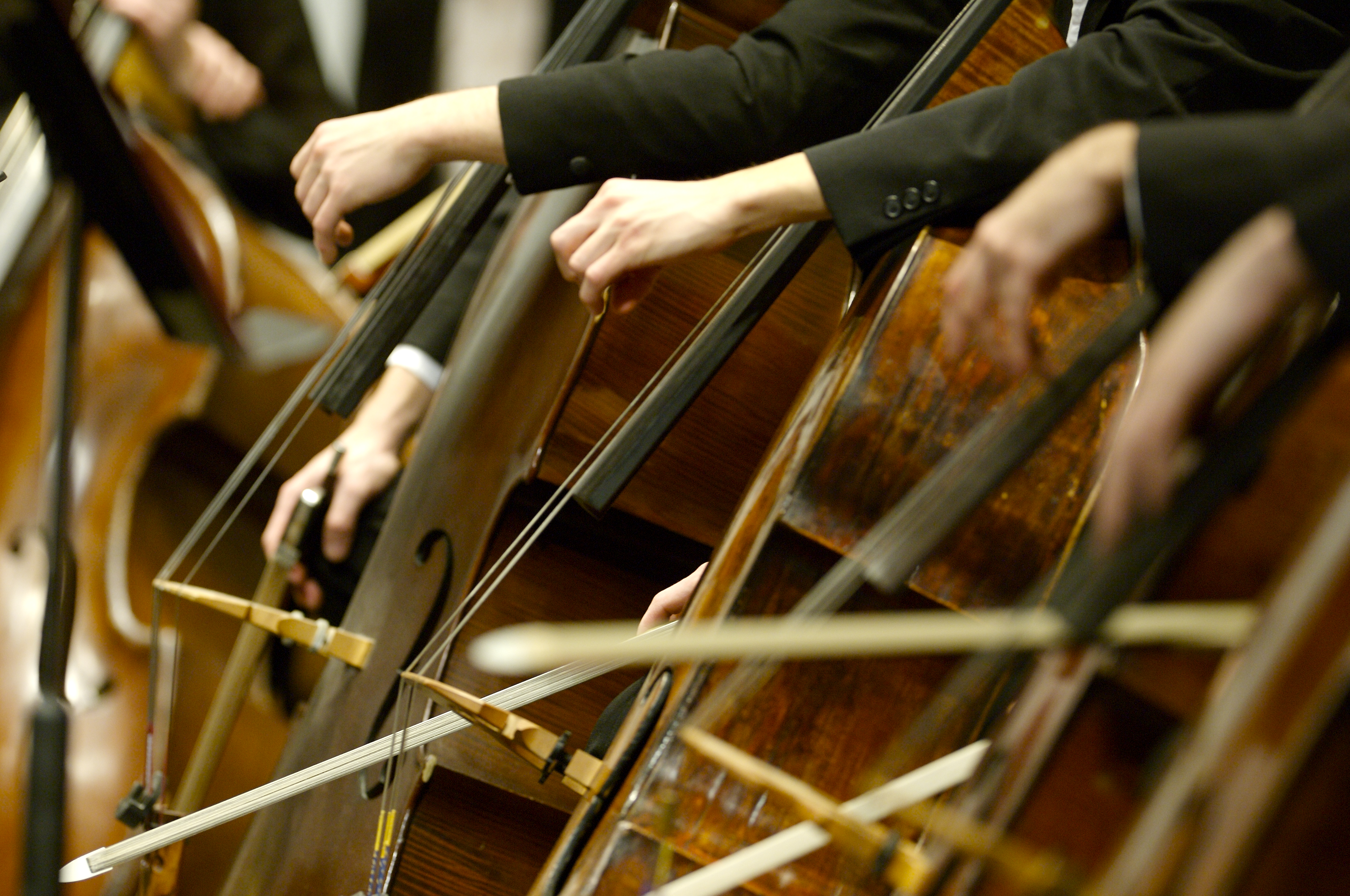
A Private Symphony

haddonfield-symphony_40

When deep breaths are like swallowing hurricanes that stir up in your stomach
like roller-coasters
and leave you holding on to jagged tooth remains of your invisibility
call upon the deliverance of notebooks and journals
or the speedy salvation of the keyboard
make them your masterpieces
Those days
When you feel like quarter notes
beaten and broken in half
those days
when invisibility finds you sitting beside yourself
those days
when all you need is a reminder
simply press upon the pedal of inspiration
dig inside the pockets of circumstance and resurrect joy from the pit of destruction
sing
and strike the cord of your thoughts firmly against the keys of motivation
for your fingers are golden today
and they bleed truth from the depths of an inner consciousness
Indeed, your words are beautiful today
pulling back the symbolic layers of your metaphors and deciphering your definitions
I can see why your rhymes curve perfectly around the waist of melodies
and swim better than oceans
so play
play us a song
like tongues taste new wine, bring the heat of our passion together like fire to chocolate
because you are special today
and all we need is a beat
a cleft
a time signature
a note
a rest
a song…a stepping stone
to play just the right scripture to guide us back to the music sheet
Yea, something like that
something like
a private symphony