Spoken Word

What is Spoken Word?

b0135rww

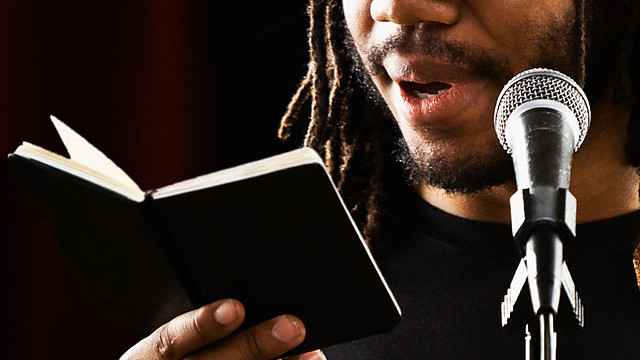
Spoken Word is an oral art form; performance-based poetry that is focused on the aesthetics of word play and story-telling. However, there are aspects of the artistry that indicate it is, indeed, spoken word without the necessity of it being poetry. While Spoken Word Poetry is the foundation of what we think of when we hear the words, Spoken Word can also be any form of speech that tends to focus on the performance of the words themselves, the dynamics of tone, gestures, facial expressions, and more. Poetic components such as rhyme, repetition, slang, improvisation, and many more elements of poetry can be interwoven to create an atmosphere the audience can experience—even in the case it is not organized poetry.

Speeches, Plays, Lectures
e1e494cda4cd955039b9fc58001e88bb.1000x680x1

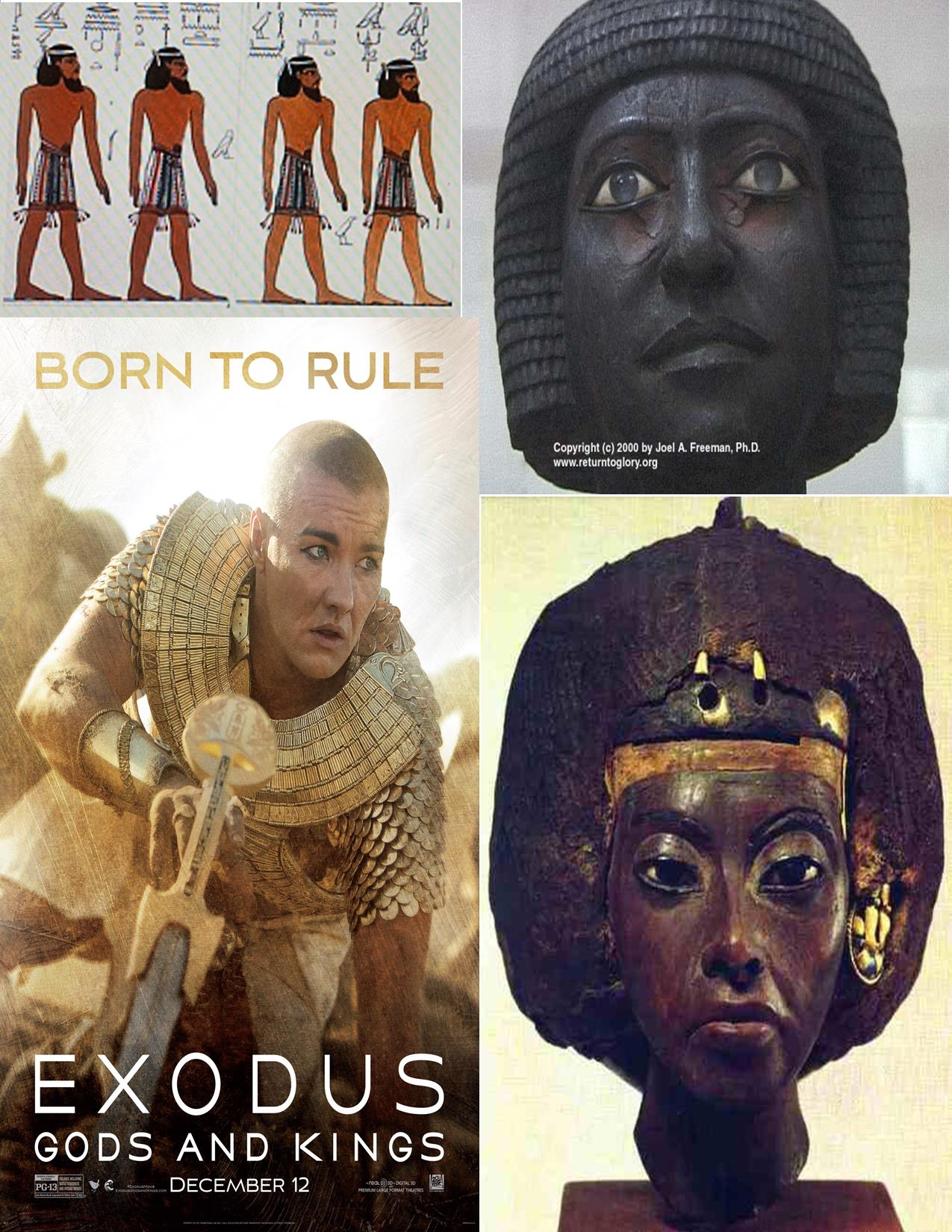
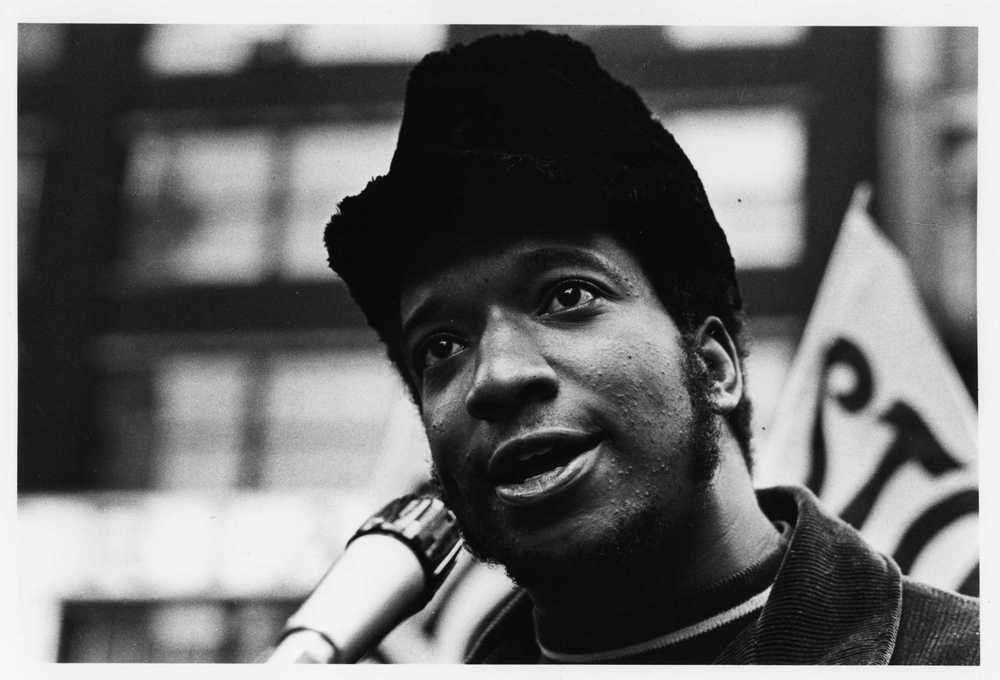
There are many styles of the Spoken Word. One style is based on recorded, public and published works (IE. plays, speeches, e.g.), which many people don’t usually associate with spoken word. But many movements have used this form of speech to intellectually enlighten its listeners, and to prompt a sort of consciousness among those who would otherwise not listen when they’re spoken in the ordinary process of verbal conversation. From brothers like Huey Newton and Fred Hampton and even down to the great Israelite prophet Moses from whom they descend, speeches of such sorts have proven to be very influential in our history. It is because the messiah used parables that many of us are able to understand the wisdom that projected from his lips. Truthfully, how many of you would have understood faith to the extent of understanding, had he not so eloquently compared its strength to that of a mustard seed? Thus Public Speeches in general can constitute a kind of Spoken Word depending on the kind of emotion involved, disassociating it from that of normal speech and landing it right here in the definition of an art form.

Audience Participation
mouth mic

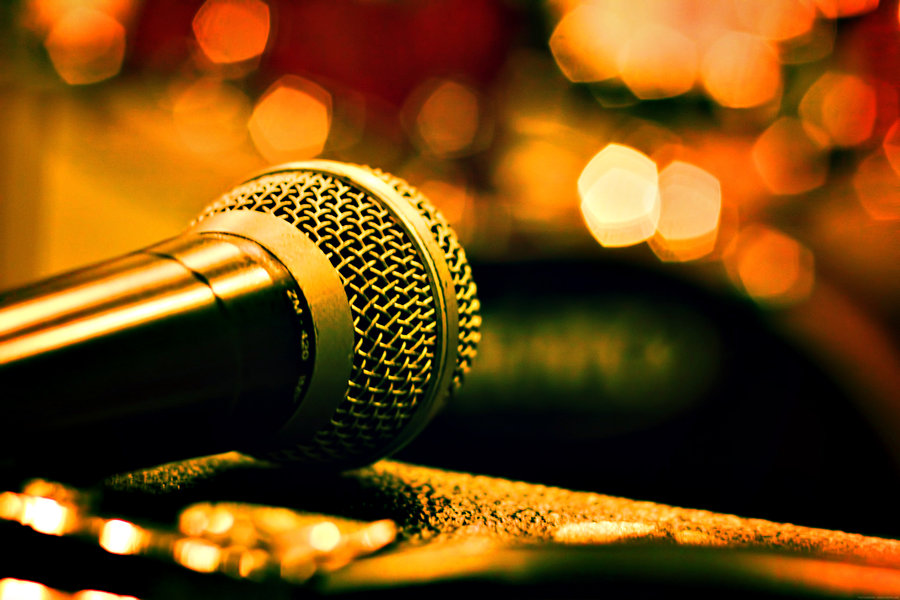
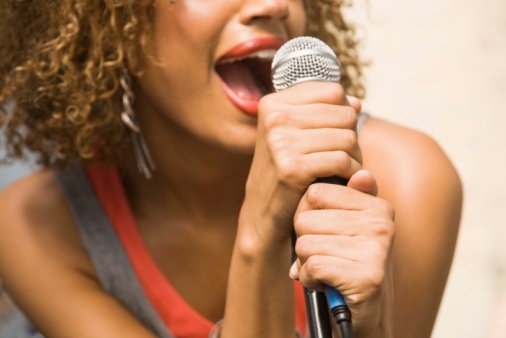
The most popular style of Spoken Word  is what I like to call Audience Participation, as it involves reciting or improvisation of poetry and commentary performed in front of a live audience (to include blogging!). It is more of a prose or stream of consciousness that includes monologues, poems, stories, speeches, and rap. Yes, rap. I know many of you would not like to include hip hop. Many feel it is a less sophisticated avenue to which many “blacks” seek to degrade themselves. Surely, they say, one can find a better career than to pursue…rap. Yet, rap too, (though today’s music sounds like a form of remixed slavery, but that’s a discussion for a different day), is still an art form, an extension of poetry, and part of the Spoken Word community.

The Vision
Glasses-Clear-Vision

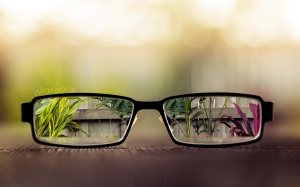
There are two very important elements of Spoken Word I believe an artist must have, and one of them is a vision. The artist vision is his mission. It is that thing he wishes to ultimately achieve with his words. It is the reality of the perception to which his words are projected. It is the act or power of sensing with the eyes in the metaphorical sense; the anticipation of what will be or what will come. If an artist does not have a vision, if he does not have a message, then he is not a member of Spoken Word. Speech is not an idle art, but words live. And they contribute to either life or death. Vision is important because words once spoken perform works unimaginable, soaring into the lives of many and causing them to revolutionize. A word can bring life or death so it is important to know where it is going and what its purpose of creation is in the first place. A word can bring greatness to a people or it can bring sorrow. How we speak and what we speak determines whether or not we are able to see the vision necessary to make a difference. Artists should ask themselves:

 
What is my goal?
What do I seek to accomplish?
What is my objective?
What motivates me to approach the stage?
“Is what I’m speaking on one accord with my message?

 
Do you see the vision? And as a result, do you have a voice?


The Voice
spoken_word

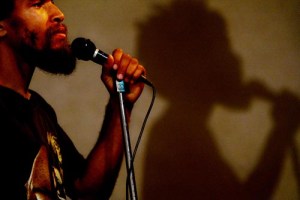
Everyone has a voice. It is “The Voice” that makes Spoken Word possible and powerful. It gives life to the written word. It translates it into a familiar language, takes the contextualized heart, adds vocal cords and commands the artist to play; to play and to paint and to build and to change. For this reason each person’s voice is different (which makes it highly difficult to actually judge poetry which depends on a lot of things). Spoken Word includes testimonies of what each individual has been through or is currently going through. It brings to life the world’s problems: the disease of a love-less world, along with all of its baggage, to create for these individuals a voice that is unique to their personal self and helps them to heal under the covering of truth. Not that every occasion for Spoken Word is gloomy, for the art is called art for a reason; it is because it is beautiful, motivational, and as inspiring and as chill as musical therapy. However, many use it as an opportunity to bounce their voices off the walls of crowded rooms and the chit chatter of people talking. They use it as an opportunity to bring to life the hidden, the invisible, and the unseen. The world teaches us that our experiences are not important to share, and that we should keep our “skeletons in the closet” so that no one may see them. But what is hidden in the darkness is always revealed in the daytime the only question is: Would you rather show transparency so that your testimony can help another, or keep your mouth shut and hide under your tongue only to drown in your own pain and choke on your own saliva when the sun rises?

 
While many of us are part of the same walk, the experiences and lessons we learn are different and should not be shielded by the cover of intimidation or embarrassment; for we can be hiding the one word that can bring life to the one person who so desperately needed to hear it.

 
Every artist  must be able to see the vision and must be able to form for oneself a unique voice. After all, it is the voice itself that makes Spoken Word possible.

Chicken and Potato Casserole

If there is one meal most appropriate and easy to make during the winter, it’s casseroles. I especially like them for those days when you’ve either had a late night or the times are hard, and you need to throw together a quick meal. Either way casseroles are a great idea to compliment your time and your appetite.

So today we’re making a Chicken and Potato Casserole.

chicken casserole title
You will need:

 
Boneless Skinless Chicken Breast
Medium Russet or Idaho Potatoes
Frozen Mixed Vegetables
Shredded Cheese
Olive Oil
Garlic Powder

 
This is gonna seem a little backwards compared to how most do it, but I’m an overtly paranoid “Must Be Well Done Or Else” kinda cook so I bake my chicken first actually before cutting them into pieces.
So set your ovens to 350 F and let your chicken cook. After it is done (make sure it’s not dried out though), slice the chicken into 1 inch pieces

 
*clearing throat* > in real life I don’t do much measuring. What I really wanna say is to just cut them into small pieces, but I don’t want the experts to get lost 🙂


Cut your potatoes into 1 inch pieces as well (for those of you who really don’t know how to cook or your on a low budget, just use frozen potato wedges. The world will never know).

 
Grease your roasting pan or baking pan of choice with some spray oil.

 
Spread the diced chicken, frozen veggies, and potatoes evenly on the baking pan.

 
In a large bowl, mix together the olive oil, garlic powder, salt, and pepper. Pour mixture over the chicken, veggies, and potatoes; make sure to coat everything nice and evenly.

 
Bake uncovered for about 45 minutes. Since the chicken is already cooked it’s not going to take that long, but if your chicken is cooking with everything else, bake uncovered for about 50 minutes – 1 hour.

 
Remove from the oven and sprinkle with cheddar cheese. Bake again for another 5 minutes so the cheese can melt.

 
Remove from the oven and smash the game < code for devour.

Progression, Change, and The Mind

1416259221304

Yes indeed. Only when we can change the way that we see things, will we have what it takes to move forward. The mind is the authority over the body. This means that the flesh has to be in subjugation to the mind in the spirit of oneness before it can move forward. Your mind and your being must be in agreement. Don’t push to achieve greatness if that’s not what you believe, you will only end up contradicting yourself. As I often say, if a rich man thought he was a poor man, he will never be able to fully function in society until he learns the truth.

May your weekend be great :).

Control

Control

You are late for work. You are fired from work. You can’t find a babysitter. You have to babysit on your only day off. You are given too much. You are not given enough. You are stuck in the rain. You are stuck in the house. Have a complaint? Pick one and put it here__________________.

I notice that we are often affected by a multitude of barriers that come to exist before us as we walk this path called life. We often run into situations that require our attention and either demand a positive or negative reaction in the process. How will I react to those things around me that have caused me to change in some way without my permission? How will we approach this thing or this person that has selfishly taken away our ability to find peace?

The real question is however, how much control are you willing to give over to these situations? How much of your peace are you willing to sacrifice? How much energy are you going to devote to this thing? How far are you willing to take this? Every time I think about anger issues, frustration, complaints and just situations in general, I cannot help but to also think of control. Will this situation typify us? Will it take us out of our element so that we become different people? Will it cause us to physically transform ourselves? Will it change our minds? We often look at circumstances as an external thing. It is either about an outside force against us, or a person outside of us. The truth is however; that the only power such elements have against you is the power you give it. Sometimes I look at situations that I believe are not as bad as some, but I marvel at how drastically the person has allowed the situation to change them.

It is not the reflections of others staring back at you when you look in the mirror, it is you staring back at you. You will always be your worst enemy or your best friend. The battles that take place in our lives are of our own making. They are a result of choices that we made. Even those things that are thrust upon us without permission can only grow according to our reaction to it.

Angels Sing

3d35114c7efdcdc4d28a8f78ef190ddf

“Did your forehead ever collapse in your hands when you saw me acting too human for wings? Did you ever for a second consider giving up on me? From angels who flew too close to the sons and sons who did not fly close enough to angels, did you bleed rubies? Or cry diamonds on cold and lonely nights before hearing voice mails from your children, who stuttered your name in the darkness of their bedrooms? Did you ever tighten your fist, after realizing too many prayers ended in question marks?

– Jasmine Mans

The Best and Worst of Times

Tale-of-Two-Cities

“It was the best of times, it was the worst of times, it was the age of wisdom, it was the age of foolishness, it was the epoch of belief, it was the epoch of incredulity, it was the season for Light, it was the season for Darkness, it was the spring of hope, it was the winter of despair, we had everything before us, we had nothing before us…”

I am sure Charles Dickens’s “A Tale of Two Cities” didn’t have my thoughts in mind when it opened with this paragraph. Yet, as I read it, I cannot help but to stop and to ponder how it closely describes today. Not today as it is personal to the individual. Not today as in going to work, going to school or other miscellaneous routines to which we have sculpted our clocks to mimic. Not even today in the sense of any hint of parallel or extreme depth. I’m not even talking about the constructs of the book at all really. I’m not a fan of Dickens, but I love imagery in writing. I love being able to read a description that is so tasteful that it can be compared to something completely outside of its own identity and still make sense. This excerpt is that description, while the synopsis of the book has nothing to do with it. I’m sure any writer can take something insignificant and make use of it in other situations. And as such this small piece stood out to me, making me stop to ponder and to meditate on its relation to today. Not even the entire paragraph captured me but this part did, separating itself as a reminiscence of the world surrounding us. A mixture of light and darkness. Of hope and despair. Of truth and deception. Of redemption and condemnation. It is a wonderful time but a terrible time at the same time. Indeed, we are somewhere between movement and stillness.

This Moment

“Tomorrow has its own worries, wrapped up in its own time. For that, this moment is what you make of it.” – Yecheilyah

33348-Live-For-The-Moments-You-Cant-Out-Into-Words

In the world wind of routine and 24 hour clocks, we forget about the power we have to control this very moment. We spend 95% of our lives worrying about what the next day, the next week, or the next year will produce. In fact, we spend so much time thinking about the future that our present is cloaked with uncertainty, and we give birth to idleness. Idleness in turn leads to a loss of direction and diminishes our satisfaction for life itself. For some, it even leads to depression, for he or she has lost track of the vision. The performance of right now and the endless possibilities utterly escape us as we lay the blueprint for the next day. Always remember that we always have the power to choose and nothing is really a distraction (it is only a distraction if you’re not paying attention). Even when there are circumstances that appear so out of our control, such as emotions, there is still a choice. If I’m sad today it is because I choose to be sad. If I’m angry today it is because I choose to be angry. If my reaction to disrespect is a loss of self-control I have chosen to lose control. As such there is no one to blame for missing the opportunities each day holds because we are the ones who decide to make the decisions that lead to the outcome of every single moment. The funny thing is that this can also help with blogging. I know there are a lot of you participating in National Blog Posts and Novel Writing Months and whatnot, and you’re scratching the surface of your brains for something to write to complete the days post. But just relax, and earnestly think about what you have in this moment, and it’ll be a lot easier than just trying to put something out there. You will instead put something out that not only fulfills the challenge, but also something that will be of substance to the reader.

While planning ahead has its blessings, let us make sure that we’re also nourishing this very moment; for tomorrow has its own worries, wrapped up in its own time. And for that, this moment is what you make of it.